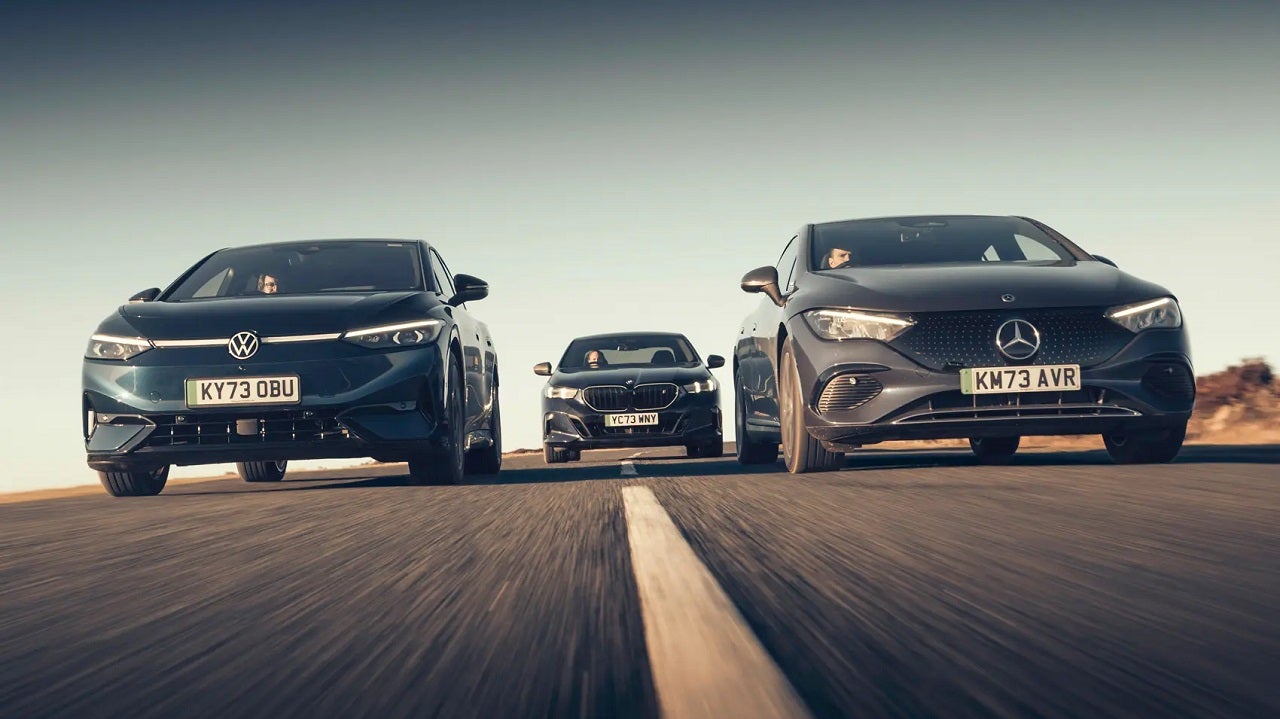
Volkswagen is doubling down on its efforts in China, pouring significant time and resources into this crucial market as it navigates fierce competition from local automakers.
The German car manufacturer recognizes the urgent need to stay relevant amid the rapidly evolving automotive landscape, especially as domestic brands continue to gain traction.
On the electric vehicle front, the BMW i4 stands out as a solid choice in a segment that has seen declining sales for sedans.
Mercedes-Benz is expanding its electric lineup but facing challenges in aesthetic appeal
Despite the overall industry trend moving away from traditional sedan formats, the i4 offers a blend of performance and sustainability that appeals to environmentally conscious consumers.
Furthermore, BMW is set to enhance the driving experience with the introduction of its next-generation software, “Panoramic iDrive,” which promises to provide seamless integration and user-friendly controls.
Meanwhile, Mercedes-Benz is expanding its electric lineup but facing challenges in aesthetic appeal. Critics have pointed out that many of its electric models feature awkward styling, which has hindered their ability to attract buyers.
The automaker’s current design direction, characterized by shiny reflective surfaces and bright LED lights, has been met with skepticism, with some suggesting that it may appear better in person than it does in promotional images.
As part of its strategy to capture the growing Chinese market, Audi has launched a new exclusive brand that features uniquely crafted models and differentiated branding through its all-caps name. This move underscores the automaker’s commitment to tapping into local tastes and preferences.
Looking ahead, Volkswagen is also planning an electric variant of its iconic GTI hot hatch, although this model is not expected to debut anytime soon, leading industry experts to speculate on its design and performance features.