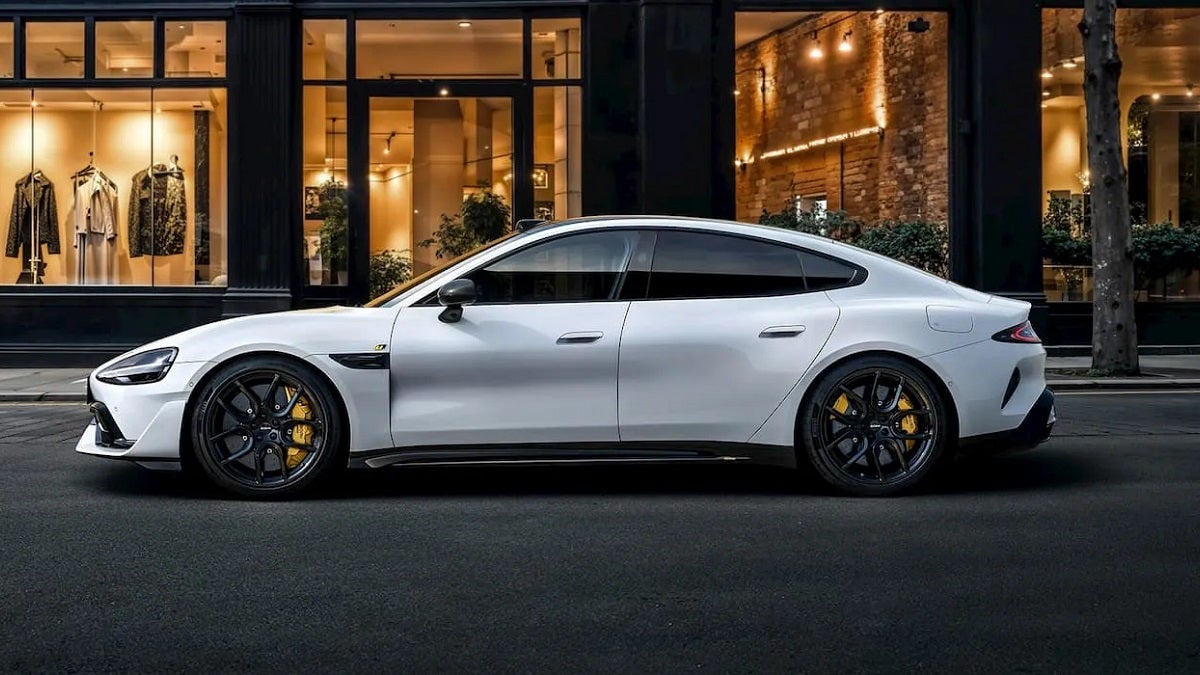
Xiaomi, the tech giant traditionally recognized for its smartphones, is making significant strides into the luxury electric vehicle (EV) market with the launch of its high-performance SU7 Ultra EV.
Since it hit the market just a month ago, the model has seen astonishing demand, racking up over 10,000 orders within the first two hours of availability.
This surge is particularly notable among women aged 30 to 35, highlighting the brand’s effective outreach to an evolving consumer demographic.
Chinese tech companies are challenging established American brands like Ford and Tesla
A key element of Xiaomi’s strategy is its emphasis on safety, showcased vividly by CEO Lei Jun’s recent promotional stunt. In a bold demonstration of the vehicle’s battery resilience, Jun dropped watermelons—wrapped in the company’s specialized “bulletproof” battery armor—from a six-storey building.
This attention-grabbing presentation aims to underline the durability and safety benefits of the SU7’s battery technology, which Xiaomi claims drastically improves performance in crash tests compared to rival electric vehicles.
The SU7 Ultra EV, priced at approximately $75,000, is Xiaomi’s latest effort to penetrate China’s increasingly competitive luxury car segment. Lei Jun, who boasts a massive online following of 44 million and over 210 million likes on his social media videos, plays a crucial role in driving consumer interest and sales through his vibrant online persona.
Xiaomi’s foray into the EV arena illustrates a broader trend in the automotive industry, where Chinese tech companies are challenging established American brands like Ford and Tesla. With their cutting-edge technology and innovative marketing strategies, these newcomers are shifting the landscape of electric mobility.
As the electric car market heats up, American manufacturers may find themselves needing to step up their game in response to the fierce competition emerging from China’s tech-forward brands.