
A new study by Harmonic Security reveals that one in 12 employees in the United Kingdom and the United States is using generative artificial intelligence (GenAI) tools from China. This trend has raised significant concerns about data security and privacy, highlighting the risks associated with using applications developed in a context that raises questions about their data protection policies.
¿Eres chino ahora?
The adoption of these technologies by a considerable portion of workers in two of the world’s most influential economies highlights a global problem. As GenAI becomes an integral part of the work environment, companies face the challenging task of balancing innovation and security. According to research, 8.3% of employees in the United Kingdom and 8.5% in the United States turn to these Chinese tools, suggesting a growing dependence on technological solutions whose security may be questionable.
Harmonic Security has also warned about the inherent risks associated with the use of these tools. Chinese-origin applications may be subject to less stringent data protection regulations, which increases the potential for leaks of sensitive information. The concern is that, by using these technologies, companies could be exposing their employees and customers to vulnerabilities that are not immediately obvious.
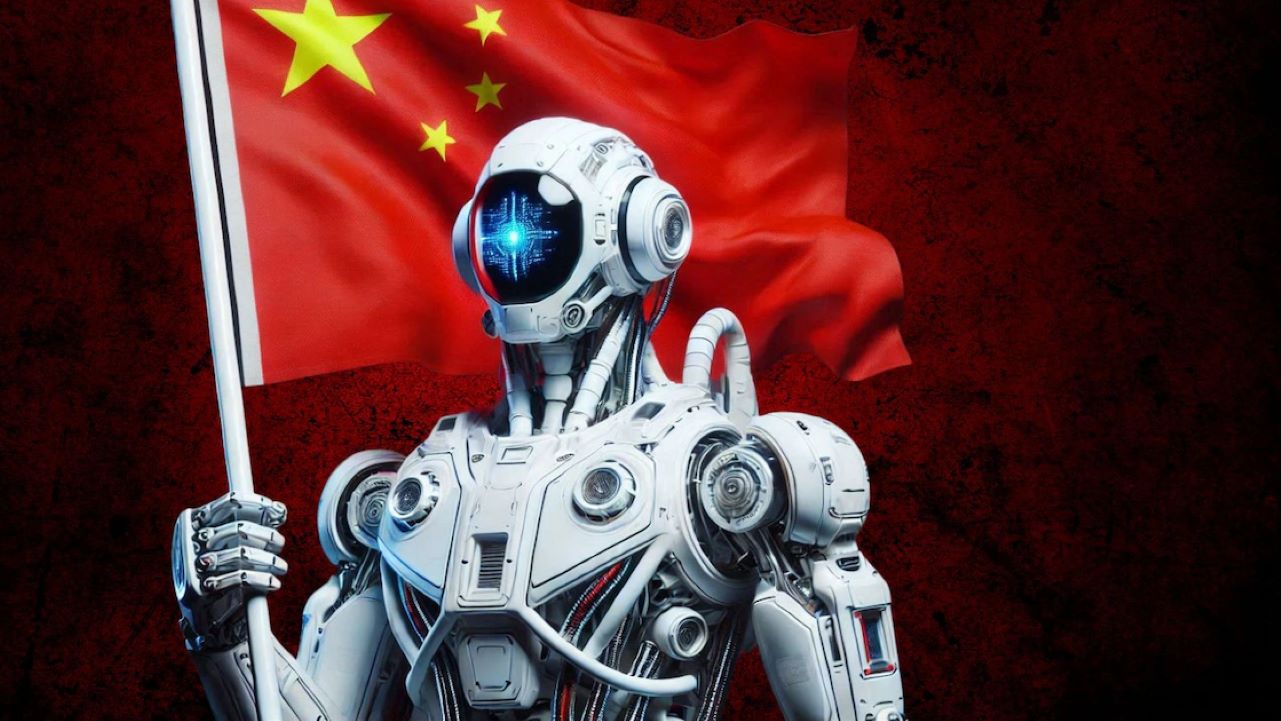
The situation becomes even more alarming given the current geopolitical landscape, where trust in technologies from various nations is in question. With the growing popularity of artificial intelligence, it is imperative that both companies and individuals carefully assess the risks that these tools may pose to protect the integrity of their data and a more secure future in the workforce.