Comets, asteroids, meteorites: What’s the difference and why does it matter?

Comets, asteroids, and meteorites are celestial bodies that have certain similarities, but are not exactly the same.

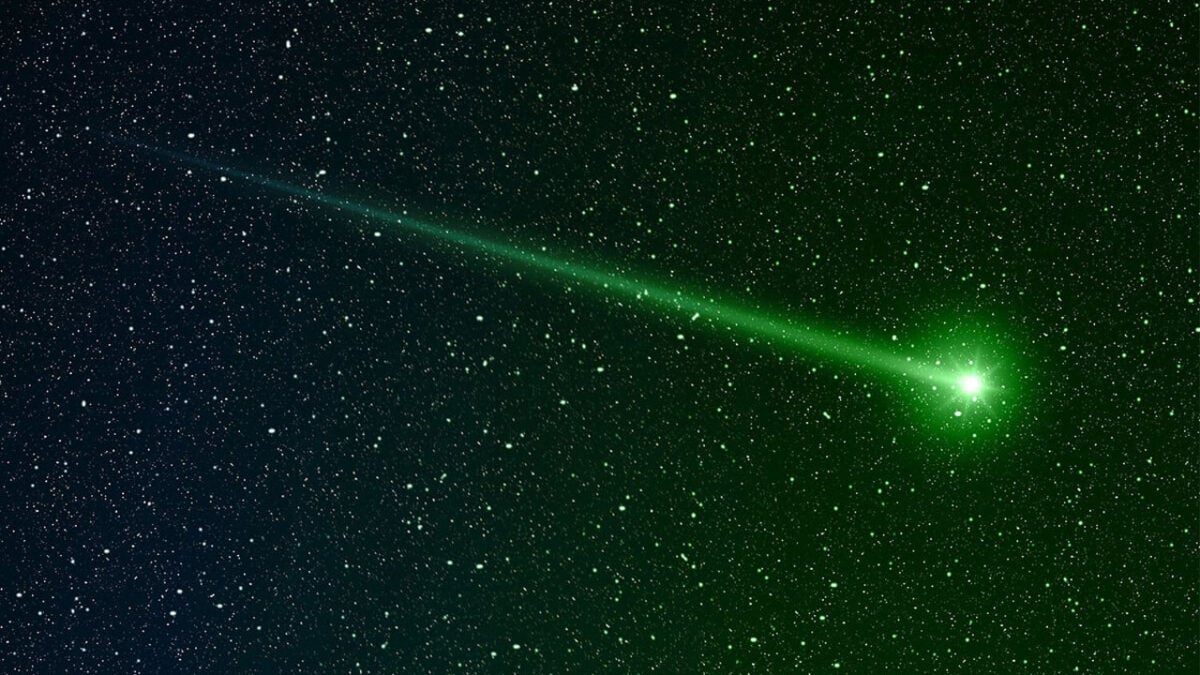
Do you want to see a comet with your own eyes? Comet C/2022 E3 (ZTF) will pass very close to us between February 1 and 2, leaving behind a characteristic green trail. If you couldn’t see it in person, don’t worry, since you can use the Sky Map app to follow its trajectory through your mobile.

Sky Map DOWNLOAD
7

With the “arrival” of this type of celestial body, many will wonder if a comet, an asteroid and a meteorite are the same. Can they be called interchangeably? The short answer is: no, they are not the same. the long answer? We give it to you below.

The differences of the three astronomical objects

The celestial bodies that have starred in so many end-of-the-world movies usually have almost the same elements: ice, rock, and dust. Fortunately, most of them do not usually cross the Earth thanks to the gravity of other major planets in the Solar System, such as Jupiter.

However, some astronomical objects enter the Earth’s atmosphere, where they are usually disintegrated by friction with the air. When their size, the elements that compose them or other reasons allow them to “survive” the friction and end up reaching the surface of our planet, they are known as meteorites.

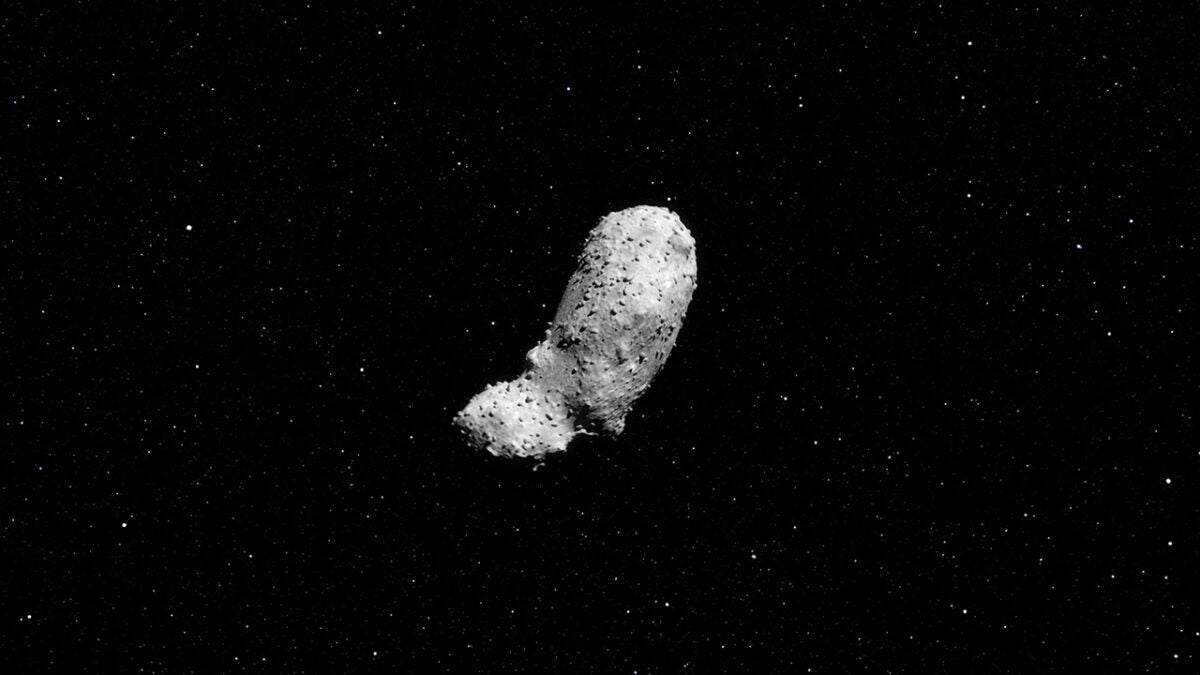
Without the need for them to hit our beloved Earth (or for Bruce Willis to sacrifice himself for all of us), we encounter asteroids. Large solid masses composed of rock and metal (so the heat of the Sun does not affect them), which can measure hundreds of kilometers in diameter or just a few meters.

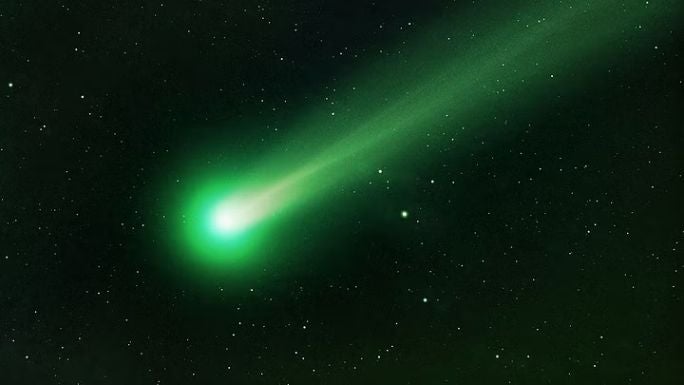
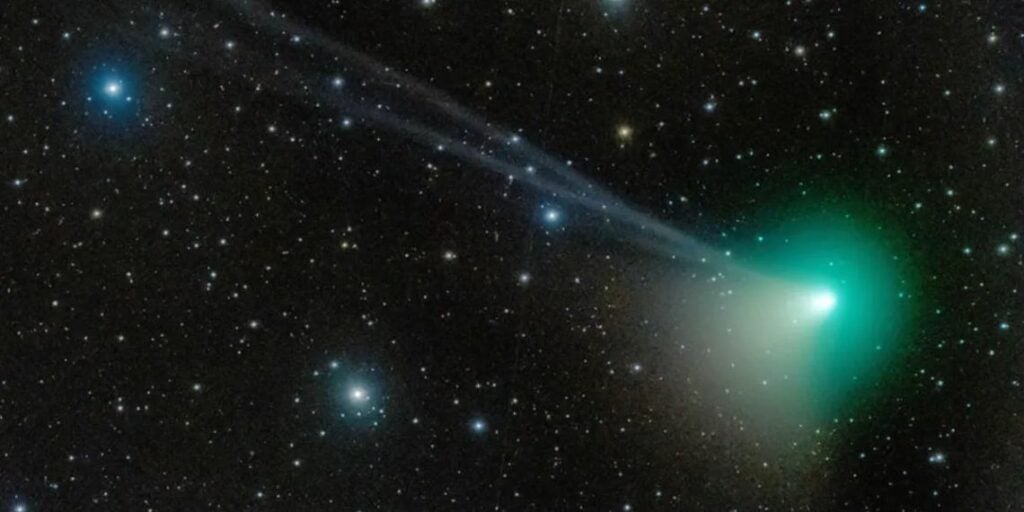
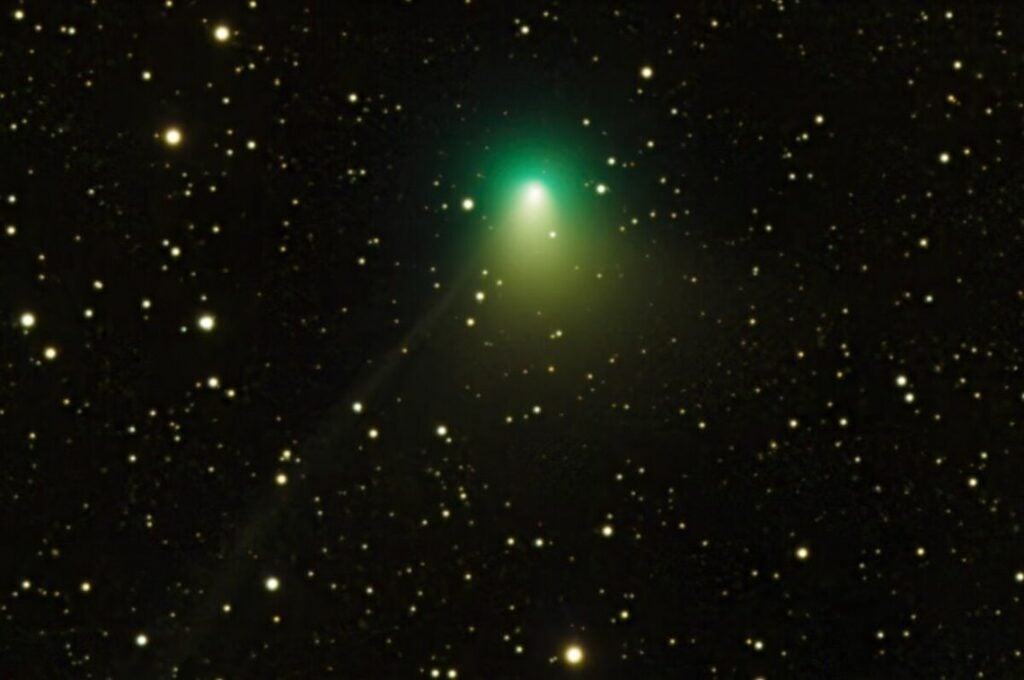
Finally, we have comets. They are celestial bodies that formed in the confines of our Solar System and whose components: ice, rock, dust and organic compounds, end up sublimating as they approach the Sun, forming their unmistakable tails. Comet C/2022 E3 (ZTF) is very characteristic, since it is surrounded by a green halo.

How can I see the comet, and do I have to worry about the brightness?

Next February 1 will be the day the comet is at its closest point to Earth. This will happen around 7:11 pm in Spain (peninsular time).

As for the brightness that the comet will give off, there will be no need to worry. NASA has reported that the star can be observed with the naked eye without the need to use other gadgets. When we have chosen a point to see the comet, it is convenient to wait for half an hour for our eyes to adapt to the light.

To get the best possible glimpse of the comet, you will first need to have a pair of binoculars or, instead, a small telescope. You should keep in mind that the best time to see it will be at dusk. The comet will leave behind an unmistakable green halo, which will help you to easily identify it.
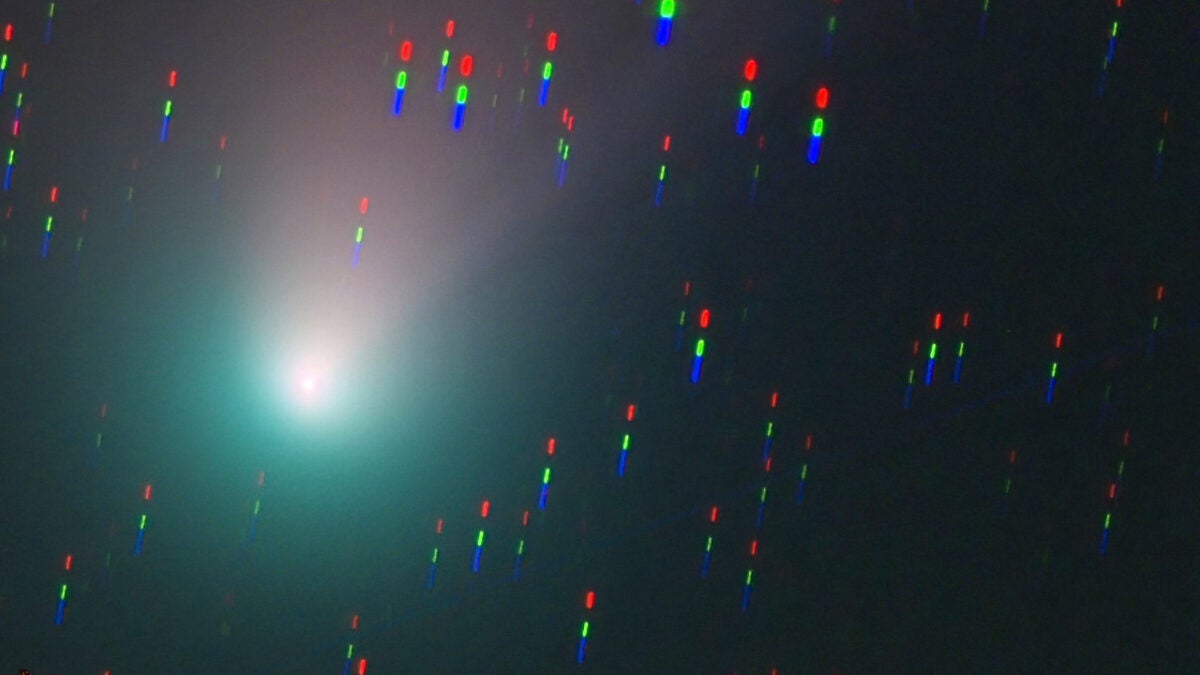
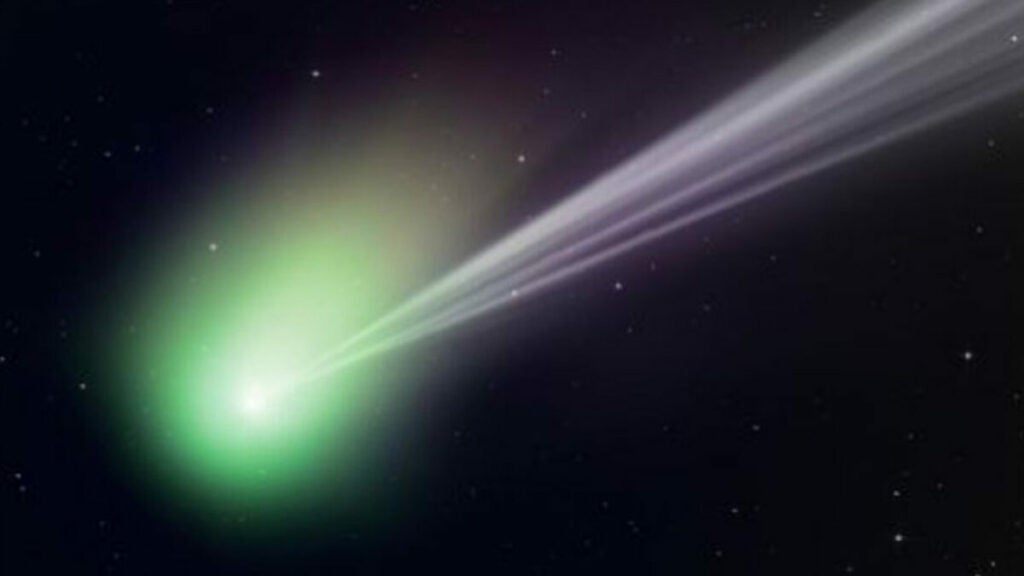
Green comet visible to the naked eye! Here’s where and when to catch a glimpse.

A comet discovered last year is approaching Earth and may be seen streaking across the night sky for the next several days.

A comet discovered last year can be seen streaking across the night sky over the next few days. The star, named C/2022 E3 (ZTF), was already detected on March 12 by the Zwicky Transient Facility (ZTF) astronomical robot, but it has returned and will be more visible than ever. But everyone knows it as “The Green Comet”

After a journey of hundreds of millions of kilometers, comet C/2022 E3 (ZTF) is getting closer and closer to its encounter with Earth. If you are also a fan of the stars, make a note of these dates: February 1 and 2. During this period, the comet is expected to “graze” our planet and pass more than 40 million kilometers from the atmosphere. To put this data in context, this would be a distance 100 times greater than the distance between the Earth and the Moon.

Astrophotographer Andrew McCarthy has managed to take a snapshot of the comet in all its splendor, revealing its characteristic green color. Although NASA already detected the comet in 2022, it is now when we will be able to appreciate it with the naked eye. McCarthy has commented on his networks some of the ups and downs he had to go through to take this image, such as traveling to the Arizona desert. According to him, taking the picture was very complicated because of the “humidity and fog” of the moment.

Moreover, the comet will not cross the Earth again. Astronomer Jessica Lee (Royal Observatory of Greenwich) has explained that “the orbit of this comet is so eccentric that it is no longer in orbit”, so “it will not return”. All in all, this is a unique and special occasion that you should not miss, whether you are a stargazer or not.

How can I see the comet?

Next February 1 will be the day the comet is at its closest point to Earth. This will happen around 7:11 pm, Spanish time.

As for the brightness of the comet, there is no need to worry. NASA has reported that the star can be observed with the naked eye without the use of other devices. When we have chosen a spot to see the comet, it is advisable to wait for half an hour for our eyes to adapt to the light.

To get the best possible glimpse of the comet, you will first need to have a pair of binoculars or, instead, a small telescope. You should keep in mind that the best time to see it will be at dusk. The comet will leave behind an unmistakable green halo, which will help you to easily identify it.

If you have a difficult time seeing the comet on your own, don’t worry. The Virtual Telescope Project will carry out a live broadcast of the comet “green” next January 26 at 20:15 Spanish time. Follow them through their YouTube channel or the official website so you don’t miss a thing.

Finally, try to stay away from places that have a lot of light pollution. The light of the cities will worsen the sighting of the star and it will not be as appreciable.

Get ready for the green comet! Find the clearest skies with this light pollution map.

Light Pollution Map is a web app that will allow you to see in which areas there is more or less light pollution.

There is only a little more than a day left to see the green comet in the sky. Comet C/2022 E3 (ZTF) will pass very close to Earth between February 1 and 2, leaving behind it a characteristic bright green trail. A comet whose trajectory can also be followed through the Sky Map app, without leaving our homes.

When contemplating this type of celestial bodies approaching the Earth (quiet, it is not an asteroid, although there are thousands of these close to us) we must take into account the light pollution to which we are exposed, especially if we live in big cities. If you want to know where to see the green comet, it would not hurt to take a look at the web app Light Pollution Map.

Light Pollution Map VISIT WEBSITE

The premise is simple: with a single glance at the Light Pollution Map, you can see which parts of the area where you live have the most light pollution. That is, those places where there is a large amount of artificial lighting that, at night, affects the visibility of the sky and the stars.

The areas marked with the colors white, pink and red are those where there is a greater amount of artificial lighting, and from there it decreases in intensity depending on whether it is yellow, green or blue, where light pollution is very low.

If there is a lot of light pollution in your area, you will only be able to see the black sky, the Moon and some planets, such as Mars (and this only in some cases). On the other hand, if the area where you live does not have much artificial lighting nearby, you will be able to enjoy the starry sky and contemplate astronomical events, such as meteor showers or the approach of the green comet.

How can I see the comet, and do I have to worry about the brightness?

Next February 1 will be the day when the comet will be at its closest point to the Earth. This will occur around 1.11 pm in the US (EST).

As for the brightness of the comet, there is no need to worry. NASA has reported that the star can be observed with the naked eye without the use of other devices. When we have chosen a spot to see the comet, it is advisable to wait for half an hour for our eyes to adapt to the light.

To get the best possible view of the comet, you will first need to have binoculars or a small telescope. Keep in mind that the best time to see it will be at dusk. The comet will leave behind an unmistakable green halo, which will help you to identify it easily.

Stargazers, unite! The green comet is here and it’s breathtaking.

February 1st marks an important event for stargazers and astronomers. The comet C/2022 E3 (ZTF), more commonly known as Green Comet, will be visible in the sky as it will be closest to Earth.

Here’s what you need to know about the Green Comet, with some stunning photos taken this morning.

Why Is It Called the Green Comet?

The comet has a tadpole-like tail, and its nucleus has a greenish tinge. Its tail extends almost millions of kilometers. The comet had completed its orbit around the sun in the first few weeks of January 2023. It is right now exiting the orbit and is towards the solar system’s edge.

How Close Will the Comet Come to Earth?

It is estimated that the Green comet would be just about 42 million kilometers from the surface of the Earth. This may seem like a lot; however, it is a small distance when measured on the cosmic scale. 

So, what makes February 1st so unique? The Green Comet takes about 50,000 years to complete its orbit around the sun. The last time the comet came so close to Earth’s surface was when modern-day humans were yet to evolve. 

Some of the best images taken of the comet today

Green Comet Sighting

What Is the Best Way to Watch the Green Comet?

To see the Green Comet clearly, you should pick a spot with clear skies. If you don’t, it will be difficult to see the comet’s movement and its legendary green tail. Since the comet is not as bright, one would need binoculars to see it clearly.

While the comet was visible in January 2023 as well, the glow was not much, as it was still far from Earth’s surface. Astronomers even captured images of the comet in all its glory. Today, February 1st, marks an important day as millions of stargazers will see this comet in the sky for the first time in their life.

It will be visible in the Northern hemisphere, just below the Plough constellation handle. Sometime next week, the comet will fly past the pole star, the brightest Ursa Minor star. As the comet slowly goes back to the Oort cloud in the solar system, February 1st and 2nd are said to be the days when it would be at its brightest.

See the universe’s power up close! Visit the green comet’s meteorite craters.

The green comet will pass close to us, but not so close that there is a risk of collision and causing a crater like the one on this list.

The green comet is already around the corner! Between February 1 and 2, we will have the opportunity to see how a comet will cross the skies. With the name of C/2022 E3 (ZTF), the celestial body will touch our planet, passing almost 42 million kilometers from our atmosphere and allowing us to see with our own eyes its particular green halo. You can also follow its trajectory with Sky Map.

The comet (not an asteroid) is one of the thousands of atmospheric objects that are close to Earth and that, at any given moment, could hit our planet. While there are scientists who investigate asteroids that fly over outer space, others study the craters of those that hit the Earth. Are you curious to know which are the largest craters on the planet? Here we list them.

Wilkes Land

At 300 miles in diameter, the Wilkes Earth crater (the “king” of terrestrial craters) is hidden behind a layer of ice more than a kilometer thick. where, you say? Well, in Antarctica, where else but? Its age, 250 million years, coincides with the mass extinction of the Permian-Triassic, considered the greatest extinction in the history of our planet, so it could be the cause.

The asteroid that hit this glacial area would measure approximately 48 kilometers in diameter. Its impact with the earth could have been devastating, with a collision of 8 billion megatons, a fireball 130 times brighter than the Sun itself, winds of 5,000 kilometers per hour and earthquakes of more than 11 degrees on the Richter scale.

Vredefort

The Vredefort crater, 300 kilometers in diameter, is located in South Africa. Produced by the impact of an asteroid around 2,020 years ago, it is considered the oldest visible terrestrial crater on Earth, and it has been a World Heritage Site since 2005.

It is estimated that the meteorite responsible for such a crater would be between 5 and 10 kilometers in diameter, and the force of its collision was 100 million megatons, displacing up to 70,000 cubic kilometers of rock.

Sudbury

The Sudbury Basin is the third largest impact crater on Earth, at 250 kilometers in diameter, as well as one of the oldest (1,850 million years). It is considered one of the most important geological structures in Ontario, Canada, located in the Canadian Shield.

The meteorite that caused the crater must have been approximately 10 to 15 kilometers in diameter, and its impact was so powerful that it scattered debris over an area of 1,600,000 square kilometers. Such a large impact is believed to have scattered debris globally.

Chicxulub

The Chicxulub crater is one of the best-known craters in the world, measuring 180 kilometers in diameter. Its name in the Mayan language means “devil flea”, and its age is dated at more than 66 million years.

The meteorite that caused the crater must have measured between 10 and 18 kilometers in diameter, and released an amount of energy equivalent to 100 teratons of TNT. An impact of such magnitude that it would have caused some of the largest megatsunamis in the history of planet Earth, and that could be the main cause of the extinction of the dinosaurs.

These are just some of the largest meteor craters on Earth, but there are many more. If you are interested in knowing if you live near one, take a look at the full list. And, don’t worry, the green comet won’t hit us, so it won’t form any craters.

How can I see the comet? Do we have to worry about its brightness?

Next February 1 will be the day the comet is at its closest point to Earth. This will happen around 1:11 pm in the US (EST).

As for the brightness that the comet will give off, there will be nothing to worry about. NASA has reported that the star can be observed with the naked eye without the need to use other gadgets. When we have chosen a point to see the comet, it is convenient to wait for half an hour for our eyes to adapt to the light.

To get the best possible glimpse of the comet, you will first need to have a pair of binoculars or, instead, a small telescope. You should keep in mind that the best time to see it will be at dusk. The comet will leave behind an unmistakable green halo, which will help you to easily identify it.

Asteroid impacts no more? The discovery of Itokawa could change everything.

A study of three tiny dust particles collected from the Itokawa asteroid could help us against the arrival of future asteroids.

There are only a few days left to see the green comet streaking across the skies. Between February 1 and 2 we will have the opportunity to contemplate comet C/2022 E3 (ZTF), which will “skim” our planet at almost 42 million kilometers from our atmosphere and allow us to see with our own eyes its particular green halo (if you can’t see it, you can always follow its trajectory with the Sky Map app).

Although it is a comet, not an asteroid, the fact that one of the thousands of atmospheric objects that surround us passes so close to us will surely alert more than one person and make them wonder what would happen if an asteroid were to impact our planet. Something that also worries the scientific community that, in order to prevent future catastrophes, would be studying these asteroids while they are still flying over space.

According to NCYT Amazings, a group of scientists studying the composition of the Itokawa asteroid would have completed an investigation of 3 tiny dust particles collected from the celestial body by the Habayusa 1 space probe.

The study confirms that Itokawa would be a “debris pile” (a group of stones and rocks grouped together) very resistant to collisions and difficult to destroy, forming a kind of “space cushion” that would absorb the blows it takes on its space travels.

Due to its estimated age (at least 4.2 billion years old), scientists think that many of the asteroids that populate the Solar System may be of this type, so that if any of them should at some point precipitate against the Earth, we would have the necessary data to divert its course. Something that, for the moment, will not happen with our beloved comet C/2022 E3 (ZTF).

How can I see the comet, and do I have to worry about the brightness?

Next February 1 will be the day when the comet will be at its closest point to the Earth. This will occur around 19:11 pm in Spain (peninsular time).

As for the brightness of the comet, there is no need to worry. NASA has reported that the star can be observed with the naked eye without the use of other devices. When we have chosen a spot to see the comet, it is advisable to wait for half an hour for our eyes to adapt to the light.

To get the best possible view of the comet, you will first need to have binoculars or a small telescope. Keep in mind that the best time to see it will be at dusk. The comet will leave behind an unmistakable green halo, which will help you to identify it easily.

Life-Saving Technology: iPhone Detects Accident and Saves Lives

As every year, iPhones release new features, some more useful than others. In the case of the new iPhone 14, Apple introduced a new feature that can save lives and that is exactly what has happened in Tasmania.

iOS 16 DOWNLOAD
8

According to the Australian media ABC News, an off-road truck towing a horse-drawn carriage rammed into a tree stump at around 1:45 a.m. on Monday morning. The iPhone of one of the passengers immediately detected the hit and called the police, who managed to arrive at the scene of the accident in just 8 minutes. There, they found the passengers in an unconscious state.

Of the six victims, five people between the ages of 14 and 20 were taken to hospital immediately. One of the victims had serious injuries and had to be transported by helicopter to Melbourne. In this type of accident, immediate help can make the difference between life and death. Tasmanian Police Inspector Ruth Orr emphasizes: “In cases where people have lost consciousness in accidents like this, the police should be alerted quickly.

“Crash Detection”, the iPhone 14 feature that can save lives

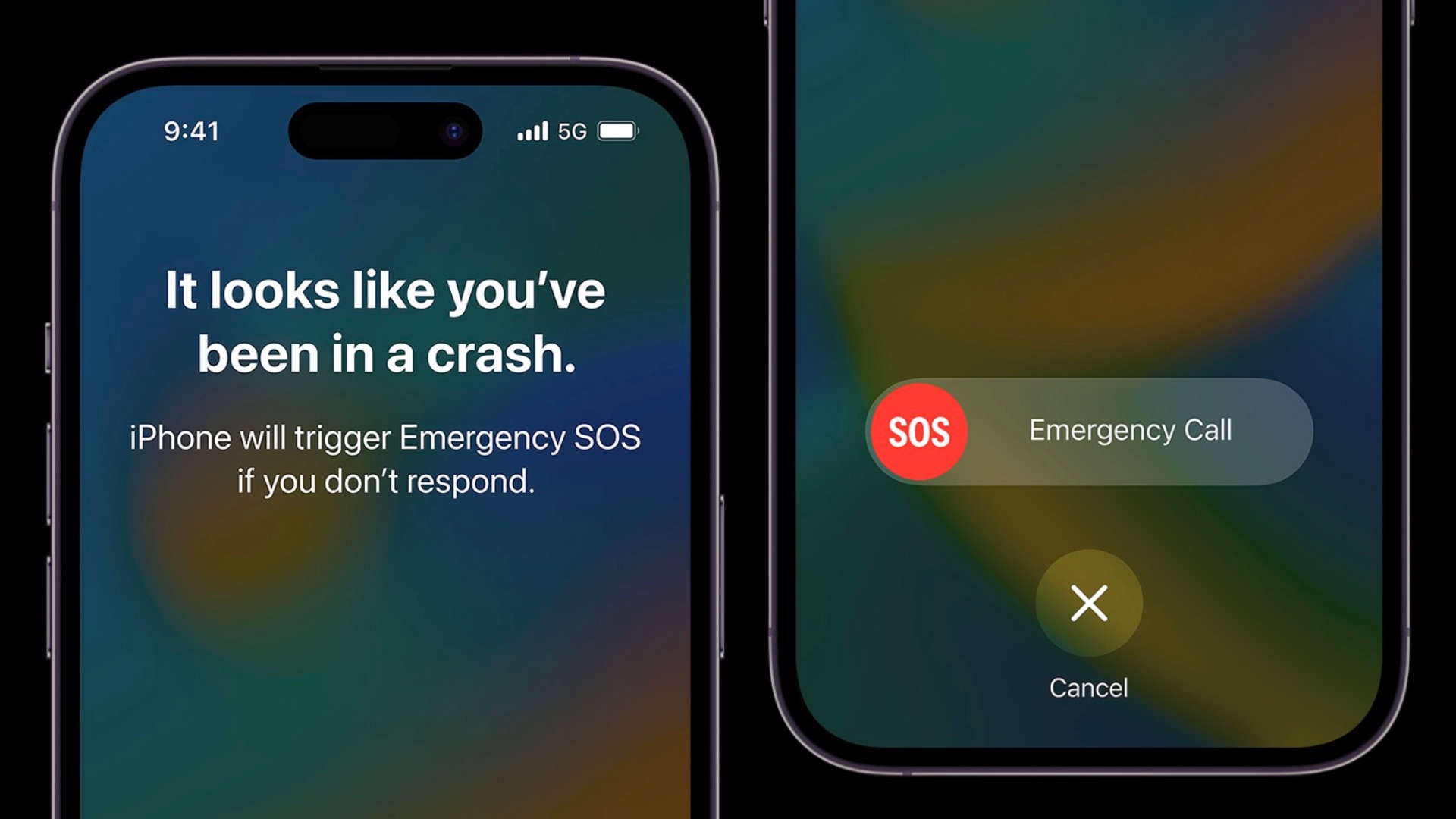
The iPhone 14 was launched last September 2022 and one of the features that attracted the most attention was its “Crash Detection“. To date, this feature has saved the lives of numerous victims of serious accidents. The same applies to its SOS function via satellite, which is used to contact the emergency services in the event that you lack any kind of connection.

However, the Crash Detection feature is not perfect. The new iPhones can also give false positives, which unfortunately, has been the norm since they were launched. There are numerous testimonials from users who have seen their iPhone alerting the authorities because they have been in amusement parks or ski resorts, without going any further. Luckily, Crash Detection can be disabled from your iPhone’s settings, but the authorities do not recommend that you do so. After all, your life could depend on it in serious situations.

On the other hand, Apple has heeded the criticism and optimized Crash Detection in the iOS 16 1.2 patch to reduce false positives as much as possible. Remember to always keep your iPhone updated, as this will fix the bugs and increase the security of your device.

EA delays Star Wars Jedi: Survivor and cancels two of its mobile games

In a single day, Electronic Arts announces the delay in the launch of Star Wars Jedi: Survivor, and the cancellation of Apex Legends Mobile and Battlefield Mobile.

Yesterday was not exactly a good day for Electronic Arts. The company behind the FIFA saga yesterday made a series of announcements related to several of its IPs that have not gone down well with its fans. The announcements were made after the presentation of the results of the third fiscal quarter, ended last December 31, which also details the company’s future plans.

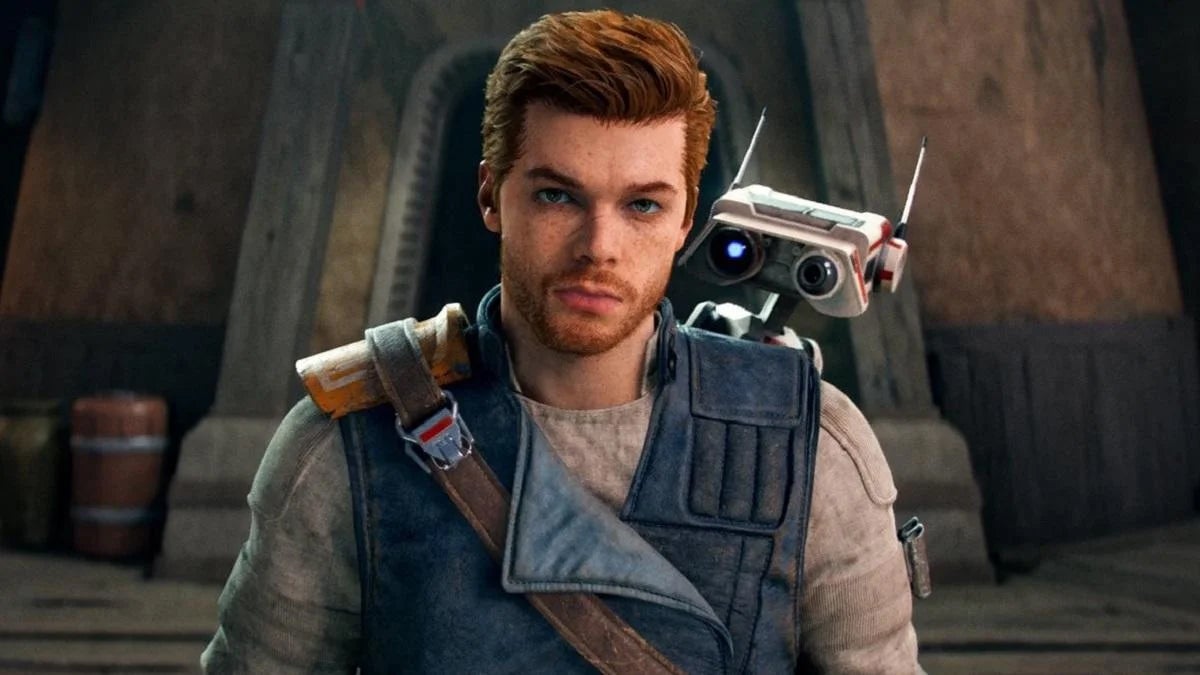
On the one hand, EA communicated through several of its channels that it is delaying the release of the expected Star Wars Jedi: Survivor to April 28 this year. The sequel to Star Wars Jedi: Fallen Order was initially going to be released on March 17, but will be delayed a month in order to polish the game.

Respawn, the studio behind the upcoming Star Wars video game, detailed the following in their statement, “In order for the team to meet Respawn’s standard of quality, provide the team with the time they need, and achieve the level of polish our fans deserve, we have added six crucial weeks to our launch schedule.”

Delays in video game releases are becoming an industry standard, with production schedules becoming increasingly lengthy, complex and costly. Still, there are cases and cases. While games such as Cyberpunk 2077 or the upcoming Skull and Bones delayed their release dates on several occasions due to alleged problems in development, both Star Wars Jedi: Survivor and Elden Ring, which was released a year ago, have needed just one month more in order to fix bugs.

But the bad news does not end there, because yesterday, with little time between one announcement and another, EA also communicated that it cancels two of its mobile video games: Apex Legends Mobile and Battlefield Mobile. For the same reason, the company also closes the developer studio of the mobile war video game: Industrial Toys, which it bought in 2018.

In the case of Apex Legends Mobile, Respawn cites in its statement the poor quality of the updates released to date. “After months of work with our development partner, we have made a mutual decision to end our mobile game. While disappointing, we are proud of the game we released, grateful for the support of the Apex Legends community, and confident that this is the right decision for players,” the studio says.

Regarding Battlefield Mobile, EA would be trying to do something similar to Activision with its Call of Duty saga, and would like to unify the fan bases of the different Battlefield games in the long term. A change in strategy and in the vision of the Battlefield brand in which the mobile game would not quite fit, according to EA, although the cancellation does not rule out future games of the franchise on this platform: “We are evaluating how mobile fits into our strategy, more on that shortly.”

Stay Ahead of the Game with 2023’s Cutting-Edge iPhone and iPad Software

We have just stepped into 2023, and there’s already excitement around many in-development features to be released by Apple even before the iOS17 launch. There has been transparency from Apple’s side around introducing the new features for its core software on iPhone and iPad, including Apple Pay, Apple Music, HomeKit, and CarPlay.

The Worldwide Developers Conference (WWDC) 2022 event was the platform for Apple, where they revealed the next-generation CarPlay update. The new version of the infotainment system is looking at introducing multiple support screens for CarPlay. CarPlay could feature an alternative to the UI of each manufacturer to emphasize fuel levels, speed, temperature, and extras via the instrument cluster.

There is talk about including radio controls, personalization, and widgets for Music and Weather on the vehicle’s dashboard. However, there has been no announcement regarding the release date of the new CarPlay system nor which vehicles it will support.

Apple had an intended vision for its users by improving the reliability and performance of its home accessories. The new architecture was released by Apple for HomeKit with the iOS 16.2 launch on an opt-in basis. However, with an overload of complaints, this architecture was quickly delisted in December. 

Apple has stated that “A fix will be available soon.”

Another announcement Apple shared at WWDC 2022 was the expected support for web notifications for Safari on iPasOS and iOS. However, Apple confirmed its launch sometime in 2023, so we will have to wait and see when it will be! The Safari feature has been absent in the recent iOS 16 beta, and once available, it should be able to push notifications from websites as it currently does on Mac.

The latest iPhone and iPad software features are coming in 2023, according to Apple

On track for 2023 is the iMessage Contact Key feature that provides an extra layer of security for users who prefer to verify who is on the other side of the call. For instance, journalists, government officials, etc., will notice when an unauthorized device is associated with another user account.

And last but not least, Apple Pay may hold a few software features in 2023. First in line is the Apple Pay Later feature, which allows users to split purchases into four payments across six weeks with 0% interest.

The latest iPhone and iPad software features are coming in 2023, according to Apple

Secondly, a dedicated Appl Card Savings Account allows users to deposit Daily Cash regards into the account automatically. It utilizes Apple Wallet, and users can track their account growth and balance. Unfortunately, both these features are exclusively available in the U.S., but hopefully, in the future, Apple will be able to expand it globally.

Find Out Now: Will You Need PS Plus to Slay Demons in Diablo IV on PS4?

Diablo IV arrives on June 6 and its product sheets raise doubts.

On June 6 we will have with us one of those releases that we have been waiting for years: Diablo IV. The new installment of Blizzard’s franchise looks incredible, hence the players do not stop looking for news about it.

The last of this information we have known thanks to social networks, where during the last 24 hours a post from Resetera has gone viral. In this, Diablo IV already appears with all the specifications placed on its PlayStation Store page, including the need to have PlayStation Plus to play online and also the fact of being online permanently. And this is precisely why the doubt arises.

Due to these characteristics, the networks have begun to speculate about whether Diablo IV will require a mandatory PS Plus subscription to play it. However, if we take other games as a precedent, we see that this is not going to be the case.

For example, Destiny 2 has the same specifications in its specs, that is, both that it requires PlayStation Plus to play its online modes and that online is necessary to play, either with more people (this is logical) or by yourself. Now, here comes the key: you can play it completely and without problems even if you don’t have a PS Plus subscription.

In this sense, and as any PlayStation owner will know, to enjoy the multiplayer modes it is necessary to have a subscription to PlayStation Plus, at least in the Essential Tier. There are certain video games that do not require this subscription to enjoy online, but it is usually demanded and requested. Therefore, with Diablo IV everything points to this point will be like in Destiny 2: you will need to be connected to the Internet to play, yes, but you will not need PlayStation Plus to do so if you are playing alone (unless you want to play with more people, which then it will be mandatory).

In the meantime, we have to wait until June 6. It’s going to be a long wait.