One of the actors insulted by Quentin Tarantino acknowledges the damage it caused him. "I felt like I had died"

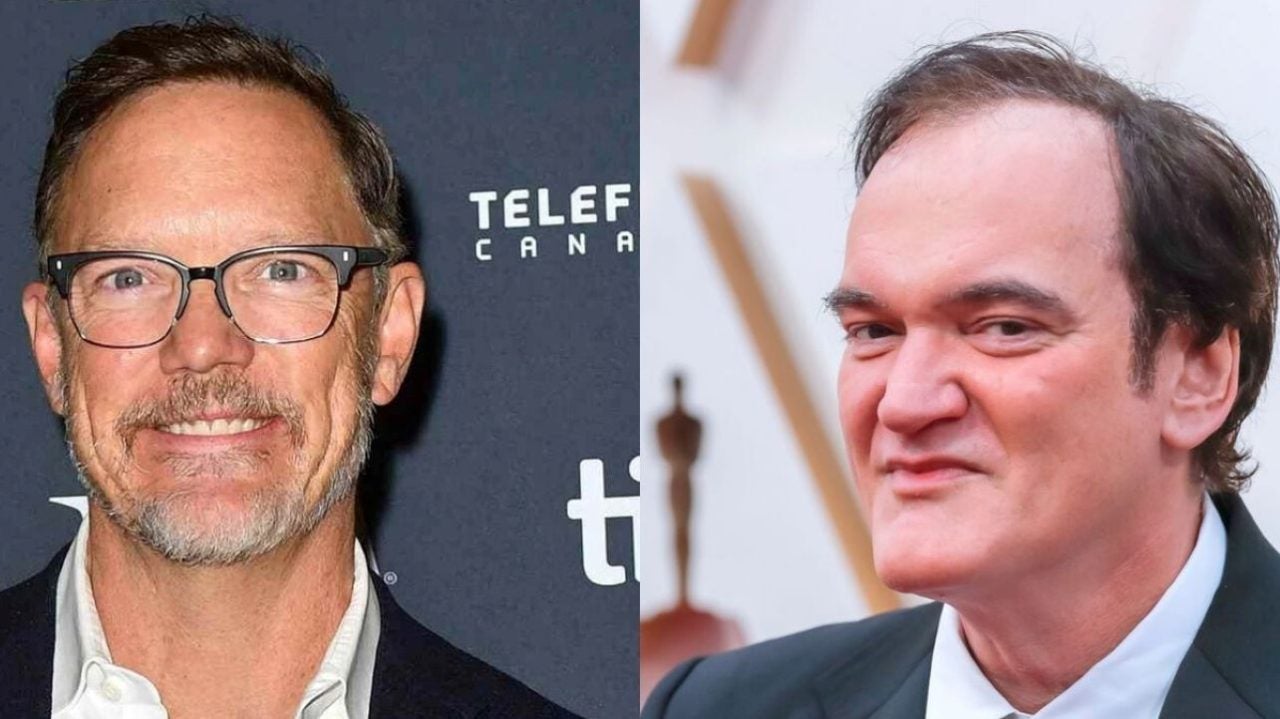
Matthew Lillard, known for his work in movies like Scream and Scooby-Doo, expressed his desire to collaborate with the renowned director Quentin Tarantino during a recent interview. However, his aspirations were overshadowed by the disparaging comments Tarantino made last year on The Bret Easton Ellis Podcast, where he belittled Lillard’s talent, as well as that of other actors like Paul Dano and Owen Wilson. Tarantino even went so far as to label Dano as “the weakest actor in the actors’ guild,” which left a negative mark on the film community. Tarantino vs Lillard The virality […]

Matthew Lillard, known for his work in films like Scream and Scooby-Doo, expressed his desire to collaborate with renowned director Quentin Tarantino during a recent interview. However, his aspirations were overshadowed by the disparaging comments Tarantino made last year on The Bret Easton Ellis Podcast, where he belittled Lillard’s talent, as well as that of other actors like Paul Dano and Owen Wilson. Tarantino even went so far as to label Dano as “the weakest actor in the actors’ guild”, which left a negative mark on the film community.

Tarantino vs Lillard

The virality of the outcome of this controversy was swift, generating a great wave of support for Lillard on social media. Prominent actors and filmmakers, including George Clooney and James Gunn, publicly showed their backing, which led Lillard to reflect on the experience of receiving such support. “I felt like I had died and was in heaven watching everyone send their RIP tweets”, he recounted, comparing the situation to his own wake. This overwhelming support was not limited to colleagues; even strangers approached him in public places to offer words of encouragement.

Despite the disdain shown by Tarantino, Lillard maintained a positive attitude, dismissing the harshness of the comments with a simple response at a fan event: “Who cares?”. However, he also admitted that the director’s words hurt him, especially because he believes such statements would not be made about more recognized actors. In later statements, Lillard joked about the support he received to convince his wife of his worth as an actor, highlighting the emotional complexity behind the situation.

Only 39% of security managers using AI have seen how it improves their reporting speed

A recent report from Splunk indicates that more than two-thirds of Chief Information Security Officers (CISOs) consider investing in AI-driven cybersecurity capabilities a crucial priority. However, despite this consensus, only 39% of CISOs who have implemented AI partially or fully claim to have noticed a significant increase in their teams’ reporting speed. AI, what is it for? The adoption of AI in cybersecurity brings important concerns. 83% of CISOs are worried about the “hallucinations” of the […]

A recent report from Splunk indicates that more than two-thirds of Chief Information Security Officers (CISOs) believe that investing in AI-driven cybersecurity capabilities is a crucial priority. However, despite this consensus, only 39% of CISOs who have implemented AI partially or fully report that they have noticed a significant increase in their teams’ reporting speed.

AI, what is it for?

The adoption of AI in cybersecurity brings significant concerns. An 83% of CISOs are worried about the “hallucinations” of AI models and the lack of human oversight, as well as the legal liability that may arise from the actions of these agents. Additionally, data breaches are seen as the main concern by more than 75% of respondents, and 90% of those using generative AI view shadow AI as a primary challenge.

CISOs face multiple challenges in their work, with the increasing sophistication of threat actors (95%) and rapid technological evolution (89%) being the most concerning. Changes in the regulatory environment (76%) and labor shortages (47%) add another layer of complexity, while only 1% believe that new technologies are the best solution to the skills gap in their team.

Despite these challenges, 82% of CISOs believe that AI can accelerate data analysis, and 63% are confident that it can mitigate personnel gaps. With the growing use of AI, Splunk recommends that CISOs prioritize communicating their work in a way that is understandable to the rest of the company, and emphasize clear governance of AI to protect security operations in an increasingly complex environment.

AI depends on advertising, no matter what. Will ChatGPT be the exception?

Concerns about the introduction of advertising on artificial intelligence (AI) platforms have grown alongside the increasing need for monetization in a sector that, despite its revolutionary potential, faces high operational costs. A recent case exemplifies this: in an ad launched during the Super Bowl, Claude, an AI developed by Anthropic, emphasized that it will not incorporate advertising on its platform, thus differentiating itself from ChatGPT, which has begun to include ads in its free versions. AI-ads? Claude’s campaign not only seeks to position its product against the competition but also raises a critical dilemma: how […]

Concerns about the introduction of advertising on artificial intelligence (AI) platforms have grown alongside the increasing need for monetization in a sector that, despite its revolutionary potential, faces high operational costs. A recent case exemplifies this: in an advertisement launched during the Super Bowl, Claude, an AI developed by Anthropic, emphasized that it will not incorporate advertising on its platform, thus differentiating itself from ChatGPT, which has begun to include ads in its free versions.

AI-Ads?

Claude’s campaign not only aims to position its product against the competition but also raises a critical dilemma: how will the incorporation of advertising affect the intimate and trusting relationship that users develop with their AI tools? The interactivity and context of assistance provided by these technologies contrast with the experience of traditional advertising, where the latter is usually placed at the periphery of the user experience. The fusion of both could make users feel that their personal contributions are being used for commercial purposes, which would erode trust.

Experts, such as former OpenAI researcher Zoë Hitzig, warn that monetization models that rely on human thought patterns can be ethically problematic. Hitzig compares the current situation of AI platforms to Facebook, which in its early days promised greater privacy and control over data, but changed as its advertising revenue grew. This evolution, according to many, suggests that the future of human-AI interaction could follow a similar path, with concerning implications for user privacy and trust.

In this context, some argue that platforms that maintain a clear separation between assistance and advertising could not only preserve their user base but also foster a more loyal and lasting relationship with them. Ultimately, the warning is clear: trust is not just a product; it is the infrastructure upon which today’s technological relationships are built.

Will Daniel Radcliffe be the new Wolverine? No doors are being closed

The Wolverine saga, masterfully portrayed by Hugh Jackman, faces an uncertain future in the Marvel Cinematic Universe (MCU). Although Jackman has shown that he still has the talent and energy to embody the iconic character, as evidenced by his recent appearances in Deadpool and Wolverine, the inevitability of generational change is a topic that has begun to capture the attention of fans. Sniktum patronum! Various actors have been mentioned as possible successors to Jackman, with notable names like Henry Cavill and Daniel Radcliffe. Cavill, who already made a brief cameo as Wolverine in the […]

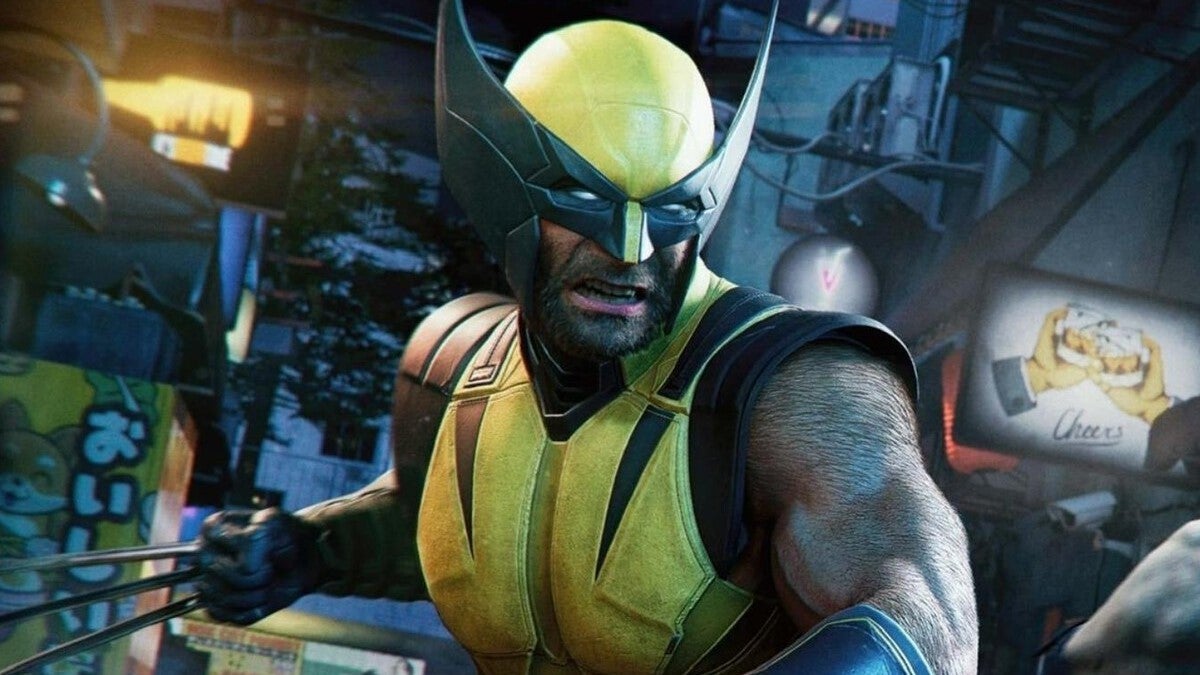
The Wolverine saga, masterfully portrayed by Hugh Jackman, faces an uncertain future in the Marvel Cinematic Universe (MCU). Although Jackman has shown that he still has the talent and energy to embody the iconic character, as evidenced by his recent appearance in Deadpool and Wolverine, the inevitability of generational change is a topic that has begun to capture the attention of fans.

Sniktum patronum!

Various actors have been mentioned as possible successors to Jackman, with prominent names like Henry Cavill and Daniel Radcliffe. Cavill, who already made a brief cameo as Wolverine in the latest adventure of the Merc with a Mouth, generates great anticipation among fans. However, Radcliffe has stated that his interest in joining the MCU as Wolverine strictly depends on the script. In a recent interview with ComicBook, the British actor made it clear that his decision is not based solely on rumors, but on the quality of the project presented to him.

For now, the future of Wolverine remains an enigma. There are rumors suggesting an imminent replacement, as well as the possibility that X-23, played by Dafne Keen, will take up the mantle of the hero. Additionally, some speculate that Jackman could continue to don the yellow spandex in Phase 7 of the MCU, once the current Multiverse Saga concludes. However, the precise details are yet to be revealed, and uncertainty persists regarding the direction this beloved character will take on the big screen.

With the MCU always in constant evolution, fans remain eager for any official announcement about the future of Wolverine and who could take on the legacy of the charismatic Jackman.