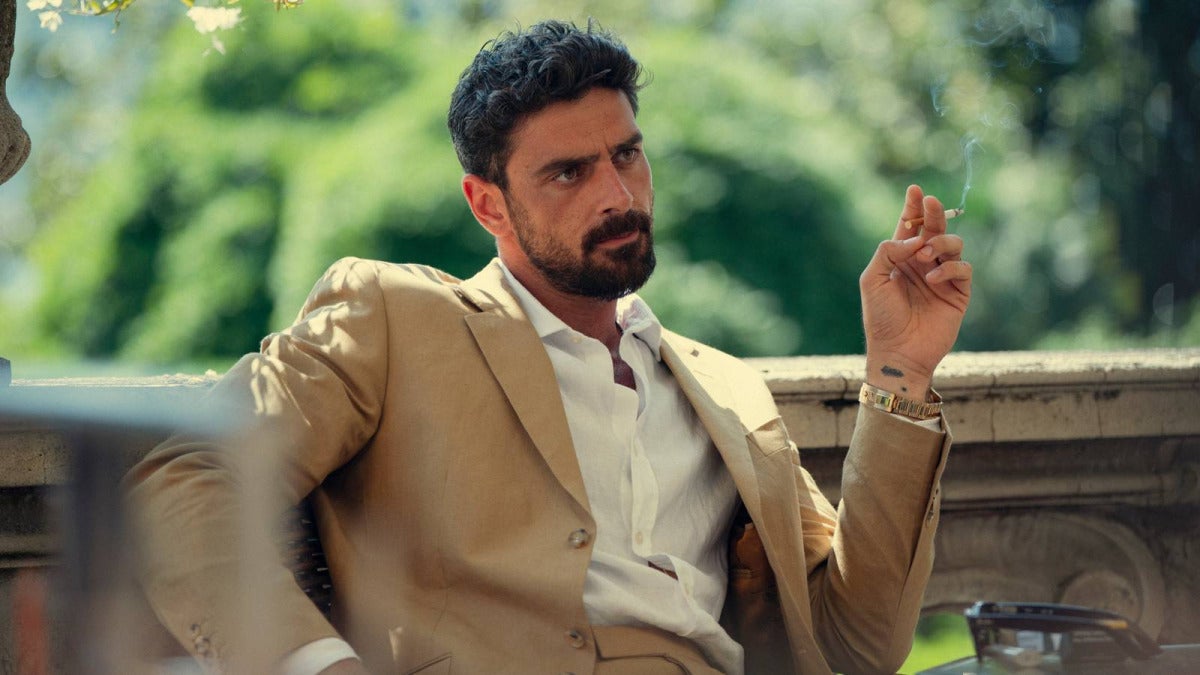
The new season is sitting between 81% and 82% with critics on Rotten Tomatoes, which puts it ahead of both The Gentlemen season 1 and the 2019 film, each at 75%. It even touched 100% for a bit before settling back into the low 80s. The audience score looks good too at 78%, though that’s still a little below season 1’s 84%.
It’s moving up on Netflix, too. After landing at No. 3 in the Netflix Top 10, The Gentlemen season 2 has climbed to No. 1 on Netflix’s global viewership chart. That’s a strong follow-up to season 1, which drew 12.2 million views in its first week, based on Netflix’s numbers.
Most of the reviews are landing on the same idea: these episodes go darker, lean harder into drama, and aim bigger. Theo James and Kaya Scodelario are getting a lot of the credit, especially for how they hold together the power struggle at the center of the season.
If you liked season 1, this one’s probably worth a look. Some critics and viewers do think the wider scope leaves it feeling crowded, slower on the whole, and a little less light and chaotic than it was before.
You can stream The Gentlemen season 2 on Netflix now. This time the story pushes past the English countryside and into Italy, and Netflix has already renewed it for season 3.
Blizzard has some of the biggest IPs in the world. Although in recent years it hasn’t done much to capitalize on them, devoting all its efforts to Diablo, World of Warcraft and Overwatch, it also has some other franchises that are very well known and beloved by fans. Especially one in particular. StarCraft. And it seems it may well have found a new owner, if we’re to go by what’s being said in the Asian press.
A secret sale
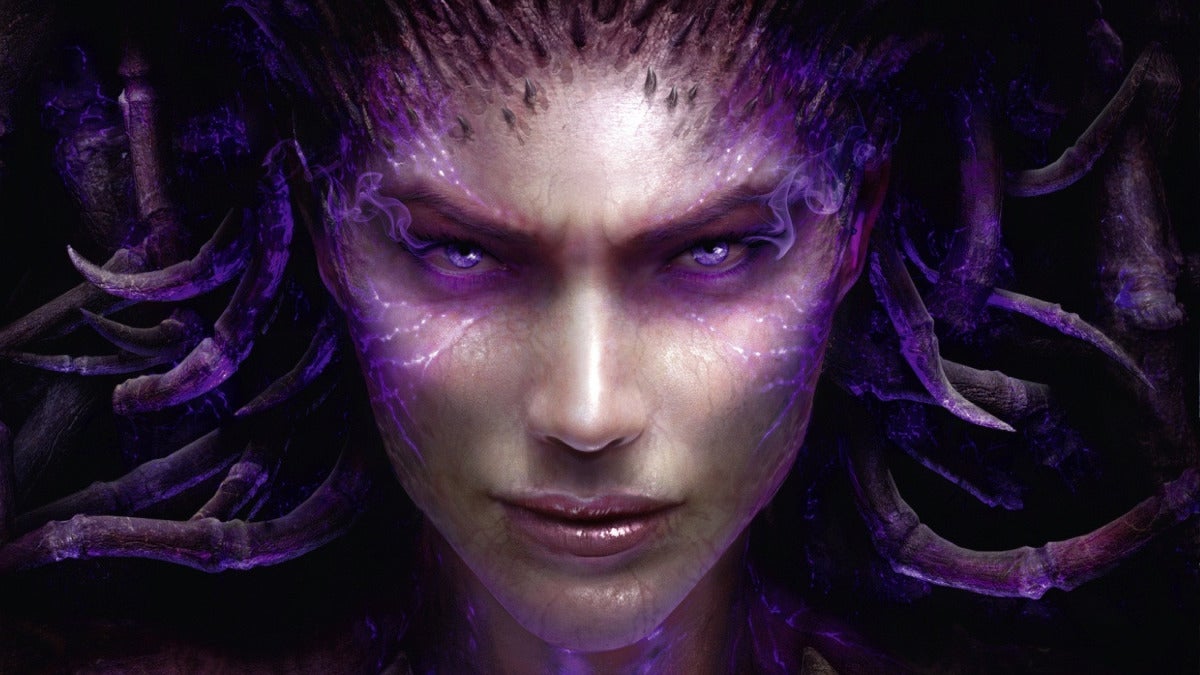
According to the South Korean newspaper The Chosun Daily, Blizzard has reportedly reached an agreement with Nexon under which the latter would be on the verge of acquiring all rights to StarCraft. If this contract goes through, Nexon could develop new content for the StarCraft franchise immediately, including a new entry in the franchise, StarCraft 3.
This isn’t a strange or unusual move because StarCraft is an extremely popular game in Korea. Being regarded as a full-fledged esport in the country and still being one of the most popular games even today, the purchase of the IP by one of Korea’s biggest video game companies is a logical move considering its importance there. Especially considering the cult following it has in Korea.
While this purchase has not yet been completed or confirmed, we can expect to learn specific details in the coming weeks. But if so, we may see something we hadn’t expected to see for years: new StarCraft games.
Today saw the release of Onimusha: Way of the Sword, the return after 20 years of the beloved Onimusha franchise. With good reviews and an excellent year for Capcom, which has already released the acclaimed Resident Evil Requiem and Pragmata, everything seems to be in place for it to succeed. And may it remind us that Onimusha is a franchise that was once one of the PS2’s standout series. Not just nostalgia.
Because although today it may seem otherwise, Onimusha was in its day synonymous with quality games that, while they didn’t compete with the Resident Evil franchise, did have their moment in the spotlight. Not without good reason. That’s why we’re going to take a look back at the games in the franchise, how it began and why it faded into obscurity. At least, until now, when it has returned with a new installment that seeks to bring it back into the present.
The Onimusha franchise begins with the release of Onimusha: Warlords, its first installment, in 2001. But it doesn’t do so in a vacuum. Created by Yoshiki Okamoto, it’s a video game with a very unusual history. Because it was originally going to be a Resident Evil in the Sengoku era, medieval Japan, in a “ninja house” for the first PlayStation.
In the end the idea was scrapped, but it can be seen in the final game. A game with tank controls like the classic Resident Evils and that, although much more action-focused, strikes a balance between horror and adventure that strongly evokes Resident Evil. With puzzles worthy of Capcom’s most beloved franchise, intense battles against final bosses and a tremendously original setting, it would be a tremendous success that would create a new hit franchise for the company.
But the real breakthrough came just one year later, in 2002, with the release of its sequel: Onimusha 2: Samurai’s Destiny. Expanding the premise of the first, reinforcing its own identity and leaning further into action, the game was harder, more humorous and also much longer, introducing a group of companions we could interact with and even unlock parallel stories to discover throughout the game.
This turned the game into a cult classic. And that even today it’s fondly remembered. That doesn’t change the fact that it is, also, the game with the least-defined identity: although it tries different and interesting things, it doesn’t pull all of them off, and it’s here that the franchise is still neither one thing nor the other. Neither a samurai Resident Evil nor a full-fledged action game. As we’re going to see, its subsequent installments already are.
A franchise focused on action
Seeing the success of the franchise, Capcom decided not to waste any time: in 2004 they released a sequel called Onimusha 3: Demon Siege. Much more focused on action, with the action sequences directed by Donnie Yen, it even introduced a French companion, named Jacques Blanc, played and voiced by Jean Reno. Which is why many people consider this the definitive version of Onimusha: it’s where it finally came into its own, a total refinement and, at the same time, where Capcom gave it the budget it needed to fully deliver.
And only two years later they made the fourth and last sequel for twenty years. Onimusha: Dawn of Dreams would all but abandon its adventure elements in favor of an action RPG that, although interesting, didn’t work as well as the previous three. Turning it into the black sheep of the franchise and making Capcom decide to shelve it for 20 years.
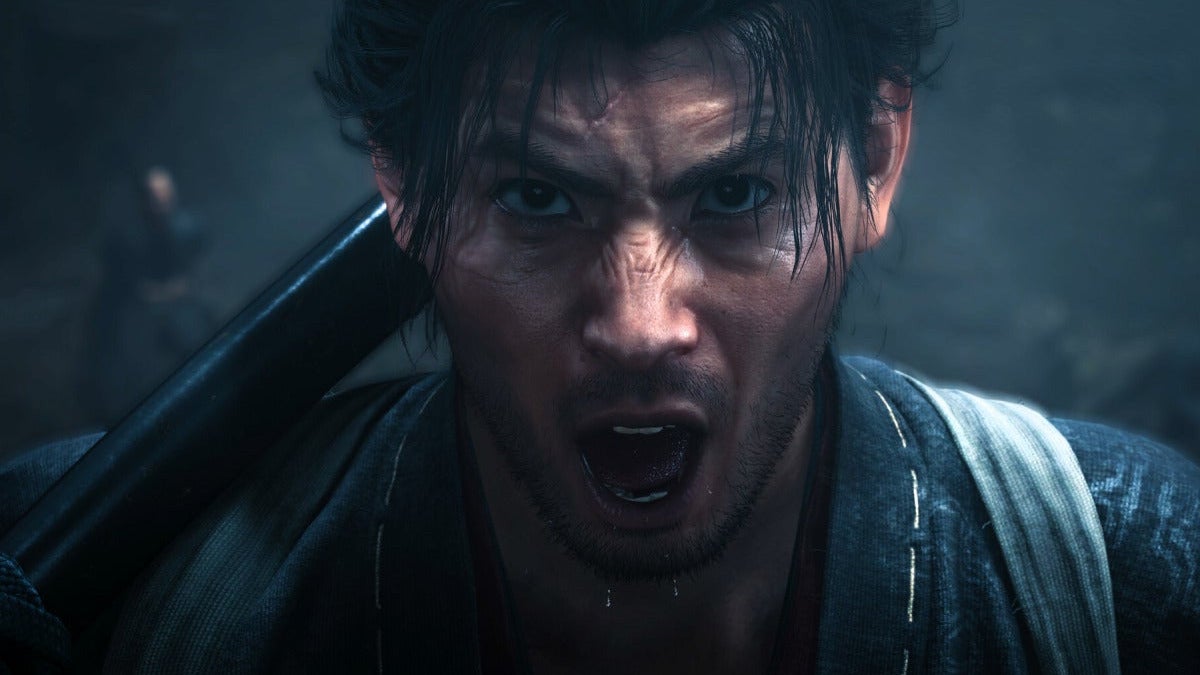
Until now, when they have revived it with Onimusha: Way of the Sword. More inspired by its second installment, but with more emphasis on combat, it’s an action adventure that seems to be searching for its own identity: a more cinematic and spectacular game with some Sekiro-like touches. And it seems to be getting people excited. So, after all, it seems it isn’t just nostalgia that excites people about Onimusha. Because after 20 years, this franchise that, for 4 years, was a huge deal, is still going strong.
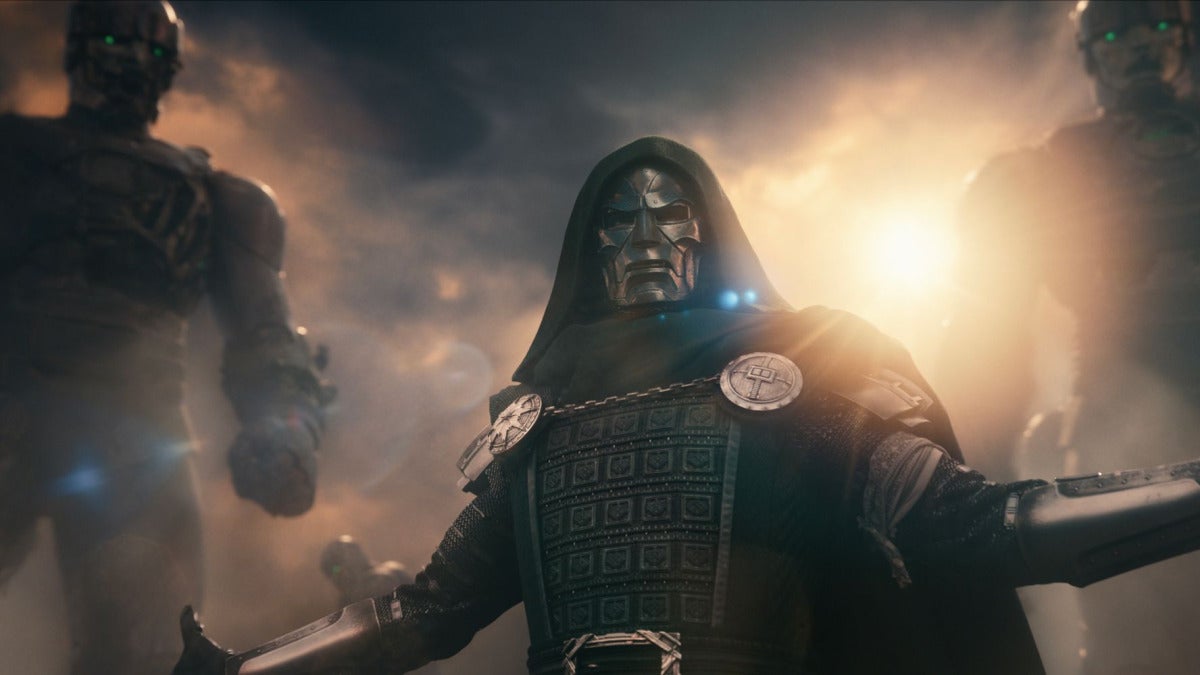
Disney+ has rolled out a Marvel Countdown to Avengers: Doomsday collection ahead of Marvel Studios’ Avengers: Doomsday, which hits theaters on December 18, 2026. If you’re looking to catch up, this is the big one: about 42 hours total, with 14 movies plus both seasons of Loki.
The lineup pulls from the core MCU with titles like Captain America: The First Avenger, The Avengers, Avengers: Infinity War, and Avengers: Endgame. Then it leans hard into the multiverse side of things with Spider-Man: No Way Home, Doctor Strange in the Multiverse of Madness, Deadpool & Wolverine, Captain America: Brave New World, Thunderbolts\, The Fantastic Four: First Steps, Loki, and even Fox’s X-Men and X2*. One omission stands out: The Marvels** isn’t included in the Disney+ collection.
If you want Marvel’s own assigned viewing before Anthony and Joe Russo’s Avengers: Doomsday and 2027’s Avengers: Secret Wars, this is the list they’re pointing people toward. Loki still does a lot of the heavy lifting when it comes to multiverse setup, and the X-Men additions only add more fuel to the still-unconfirmed legacy-cast talk around Patrick Stewart, James Marsden, Ian McKellen, and Alan Cumming. For casual viewers, though, this could land as more homework than excitement. Marvel is also pushing a new weekly Countdown to Avengers: Doomsday podcast, with Infinity Saga recaps for anyone who wants the easier route.
You can find the collection on Disney+. The official podcast is there too, and it’s also available on YouTube and the major audio platforms.
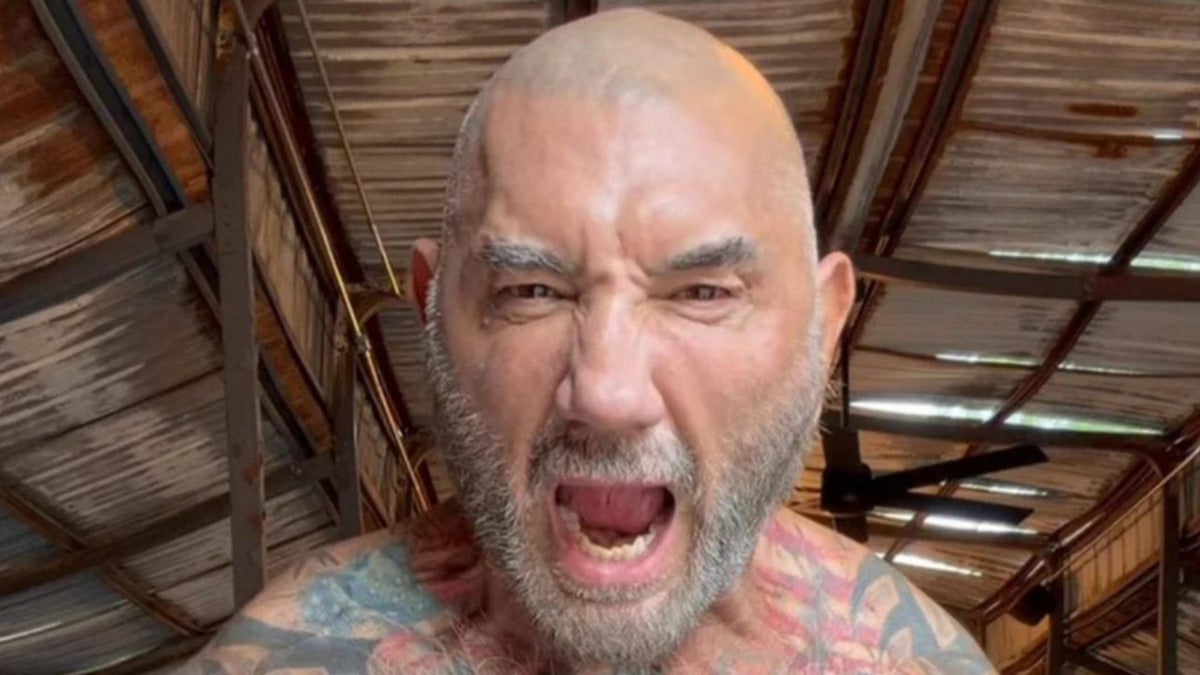
When Dave Bautista said goodbye to Drax, his Marvel Universe character, for good, he said he wanted to devote himself to other things. And he really has: he’s appeared in Dune, The Last Showgirl, Knock at the Cabin, and even lent his voice to Hayao Miyazaki’s latest film, The Boy and the Heron. However, after a good few years losing muscle mass and relaxing, he’s back at it to be the definitive Kratos in a God of War that some even consider cursed.
After the original actor, Ryan Hurst, suffered an injury that will keep him officially out of the series until well into 2027, the team looked for a way to keep filming as soon as possible… and that’s where Bautista comes in and, as he says on social media, is already getting back into shape to take down as many gods as he can alongside his son.
“Third week training with weights again. Two months left to get where I need to be. It’s like riding a bike!”, he wrote, while in the Instagram video he roared like Kratos himself would. Closing in on 60, the former WWE wrestler is stronger than we’ll be in a thousand lifetimes. It’s, frankly, incredible, and no one can deny he’s giving it everything.
The series, obviously, still doesn’t have a release date… or a date to resume filming. All we know is that it’ll shoot its first two seasons back to back, at least until Prime Video runs out of patience. Just in case, I wouldn’t mess with a god of war.
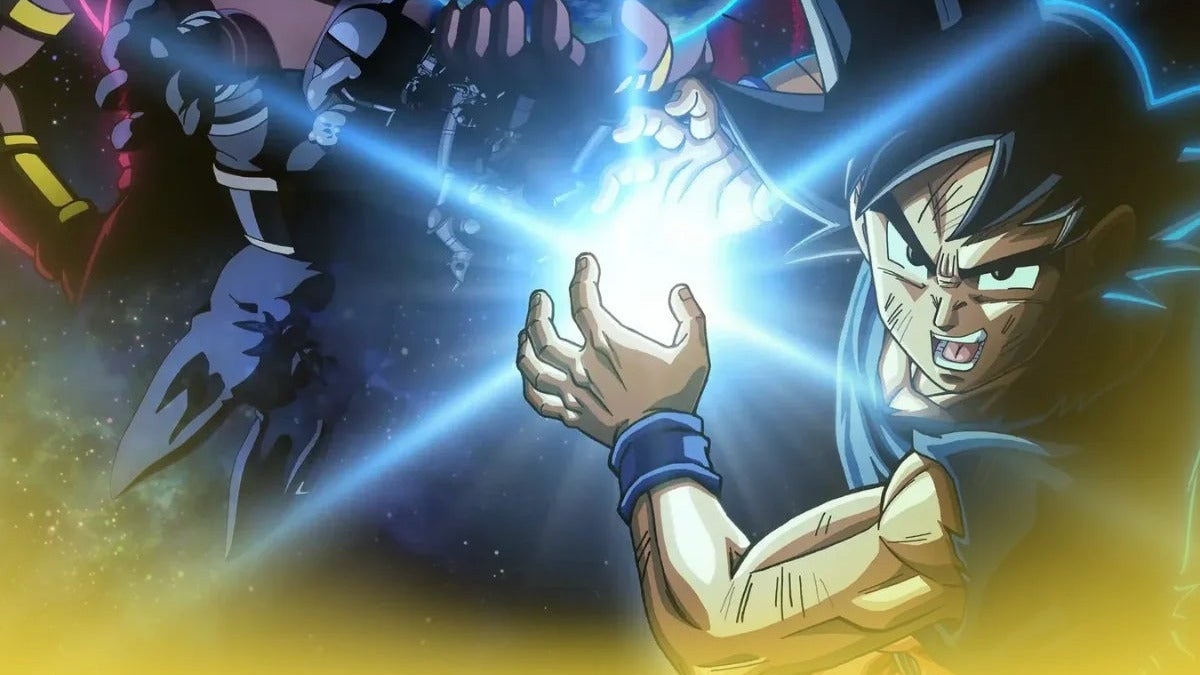
I admit it: I started Dragon Ball Daima really excited, thinking this would be the last time I’d see the characters in a story created by Akira Toriyama. However, halfway through the season I simply forgot to watch it. It wasn’t interesting at all and it seemed like a mere spin-off with not much more to say. However, Dragon Ball never dies, and proof is the Dragon Ball Super remake whose trailer had me hooked from start to finish.
Although this remake could simply be a kind of Dragon Ball Kai, the truth is that it goes much further, as we’ve seen in this trailer. After all, Dragon Ball Super was an incredibly slow nightmare in its early days: the Beerus saga lasted 14 episodes, the Golden Frieza saga 13, and the Champa and Universe 6 saga 19 more episodes. In total, 46 episodes that were incredibly hard to get through and are now going to be magically cut down.
From what’s been said (though nothing is fully confirmed), we’ll have 6 episodes for Beerus, 6 or 7 for Frieza, and another 7 for Champa. In total, 20 episodes, less than half, setting things up for when Dragon Ball Super really takes off. Ah! And with a much more spectacular new animation that they’ve taken their time with and that shows that something is changing in the world of anime. Luckily.
With Toyotaro’s manga stalled for two and a half years, and with no interest in bringing it back, the audience needs something like this to remember just how much it loves Dragon Ball. Because yes, what the hell, of course we love Dragon Ball. That said, these days, with so much to watch, if they can tell it quickly and at the highest possible quality, that’s a win for us. We’ll know for sure on October 11.
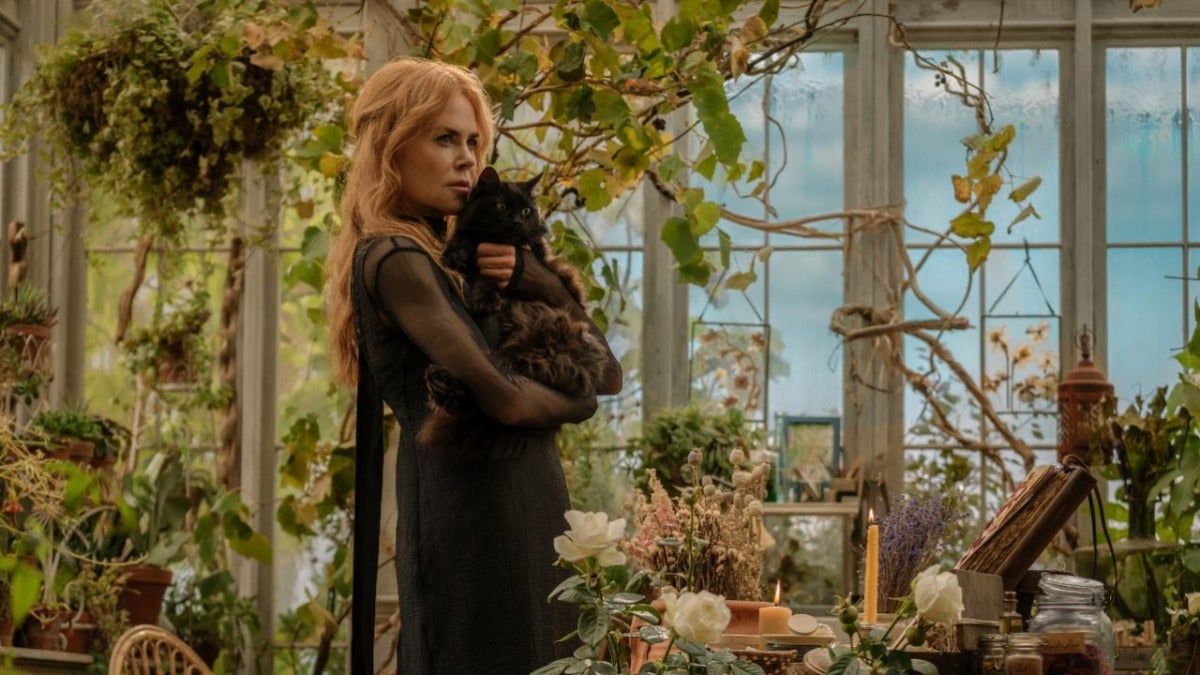
Deep down, you could see it coming: Practical Magic wasn’t, despite its cult status, good. Charming, entertaining and iconic, of course, but it’s a long way from being a great work deserving of a sequel 30 years later. That’s why Practical Magic 2, which is on track to smash the box office (and dethrone Spider-Man: Brand New Day), hasn’t bewitched audiences the way people thought it would. And if the early reactions are already bad, things are only going to get worse.
Marc Zammitt, an influencer on Twitter, has said without hesitation that “I love Sandra Bullock and Nicole Kidman but I have to say this movie is terrible. There are literally five different stories happening at once. There’s practically no magic! It felt like a bunch of things mixed together in a blender”. Oof. It’s not as if Simon Thompson rated it any better: “A disappointingly cold sequel that fails to cast any spell, including the magic of the original. A missed opportunity”.
It’s not that the critics are going to matter too much for a movie like this, but for these to be the first reactions is especially harsh. There are some that defend the movie, though, like one from critic Courtney Howard: “Bullock and Kidman’s chemistry carries the movie, but it runs 30 minutes too long and makes you work overtime to discover any good thematic resonance”. Tom Chatalbash is a bit more positive: “A delightfully pleasant and adorable sequel with a lot of heart that fans of the beloved original movie are going to like. Bullock and Kidman still have the magic”.
Most of the reviews, in fact, stress that although it has good moments, most of the movie feels hollow, it has too many characters, the third act makes no sense, and it’s half an hour too long. It’s not, of course, what Disney intended. Has it lost its spell?
The Witcher 3: Wild Hunt is one of those games that never really end. No matter how many hours you put into it, there’s always something else to do and always a reason to come back. The reason is obvious. Its charismatic characters, its excellent side plots, and some addictive and very interesting systems. And if we add to that the fact that CD Projekt has kept expanding it over the years, they’ve given us every reason to come back when it seemed we’d already moved on from it.
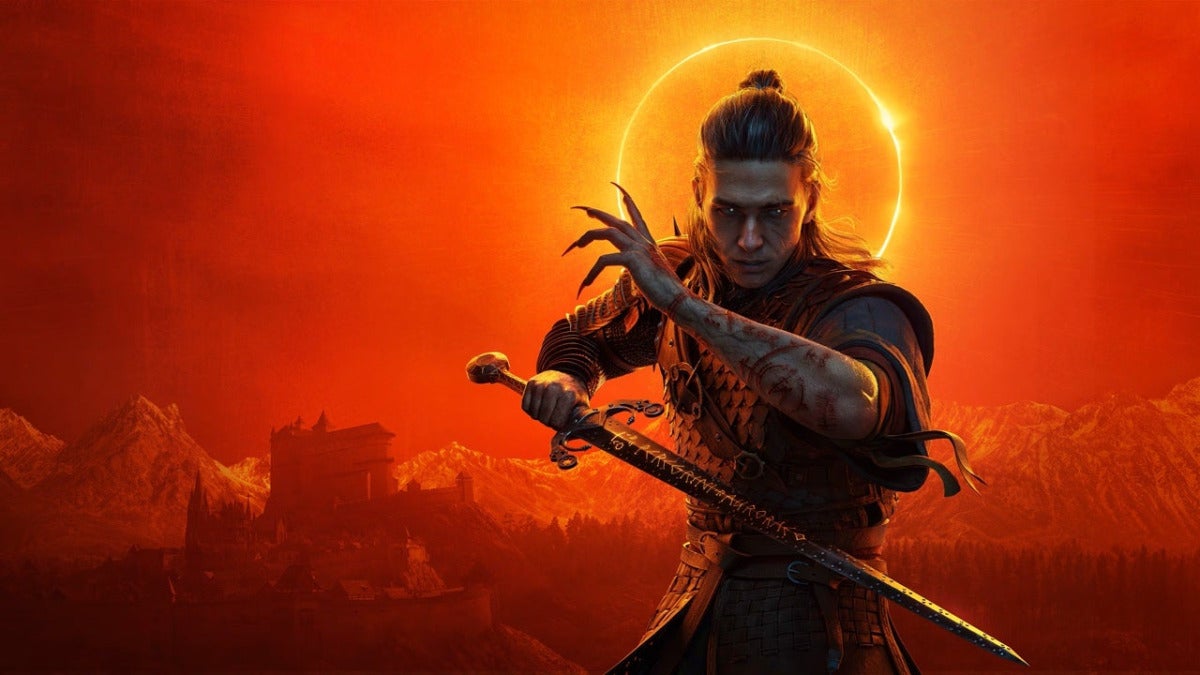
But with 11 years behind it, every game wears out. Even if it doesn’t end. That’s why it’s normal for even the most die-hard fan to look for a game to sink their teeth into. That couldn’t be more fitting. Because the game that seems to want to take its place is one about vampires and it’s made by the director behind it, who has left CD Projekt. Its name is The Blood of Dawnwalker and it aims to be the new The Witcher.
A paler Geralt
The premise couldn’t be simpler. In the 14th century a plague is wiping out a kingdom in the Carpathians, and taking advantage of the situation, an ancient vampire takes power by promising his blood to humans, which offers immunity to the plague, in exchange for their vassalage, which leads to a regime of oppression. This is when our protagonist, Coen, tries to become a vampire, but for unknown reasons, he ends up becoming something else: a Dawnwalker. Neither human nor vampire, but something else entirely. But the vampires leave him for dead and kidnap his family, giving Coen thirty days to save his family or they’ll die at the vampires’ hands.
From here on, it’s everything we can expect from an Action RPG in the style of The Witcher 3. We have to explore, do side quests, advance the story, and uncover all kinds of secrets. But with one clear limitation. We have thirty days and thirty nights to finish the game. This is non-negotiable and we have to keep it in mind.
This also makes the game feel more intense and more exciting. We not only have to move forward, we have to do it consciously. As the final days draw near we feel the pressure and the threat of the vampires, pushing us ever closer to them. And while it’s never really a danger that we’ll run out of time, this limitation is exciting and interesting with it always present in our heads.
A team familiar with this kind of game
It also shouldn’t surprise us that at Rebel Wolves, the studio developing The Blood of Dawnwalker, they seem to clearly understand what makes this kind of Action RPG work. After all, they helped make one. Its director is Konrad Tomaszkiewicz, director of The Witcher 3: Wild Hunt and head of production on Cyberpunk 2077, who left his position at CD Projekt in May 2021 after internal investigations into allegations of bullying.
After that, in February 2022 he founded Rebel Wolves with his brother Mateusz and with design director Daniel Sadowski, narrative director Jakub Szamalek, and art director Bartłomiej Gaweł, all of whom he worked with on the Witcher series and Cyberpunk 2077. Thus bringing everything they learned at CD Projekt to this new project.
With a warm reception from the public, critics have been just as positive: it currently sits at 83 on Metacritic, far from The Witcher 3: Wild Hunt’s excellent 92, but it’s a very good score. Especially for the first game from a new studio, even if it is made up of veterans who worked on The Witcher 3. That’s why, if you’re a fan of CD Projekt’s games, you should give The Blood of Dawnwalker a chance. Because it has the makings to become your new obsession, at least until we get something new from The Witcher.
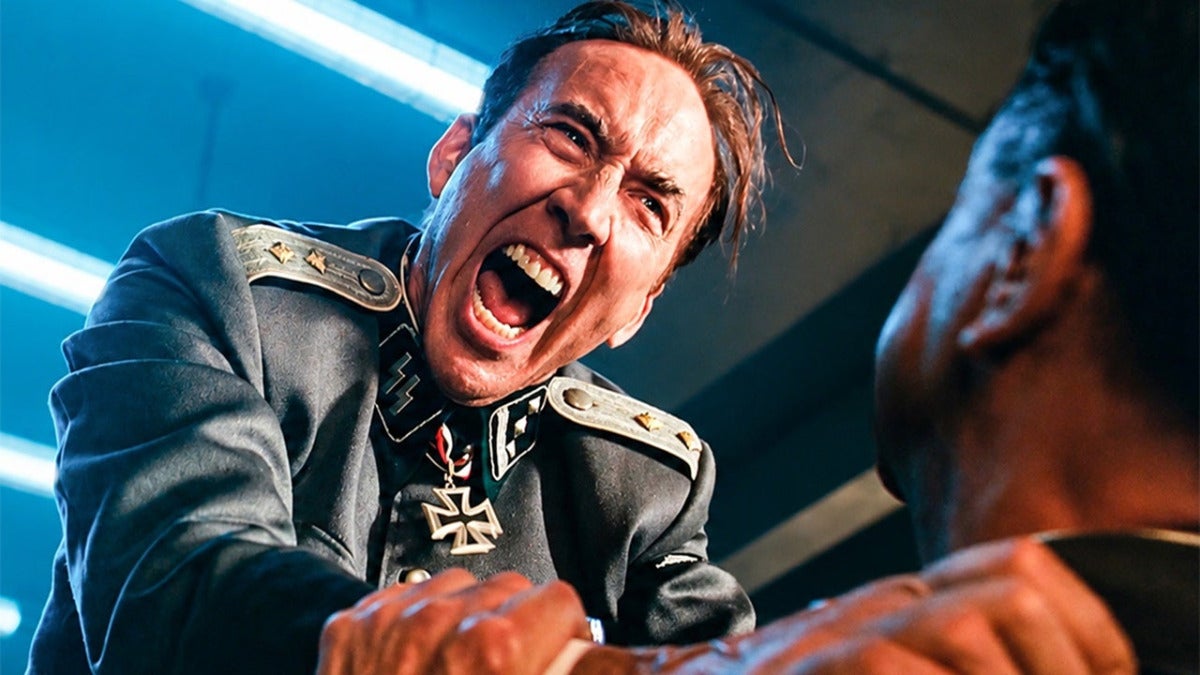
Nicolas Cage returns to the big screen with Simon West almost thirty years after they worked together on Con Air, and they do it in a war film that could get people talking. Because Fortitude is a film centered on Operation Fortitude, in which British intelligence resorted to all kinds of deception to conceal the real plans for the US invasion of Europe. And now, Fortitude gets its first trailer.
With a standout cast, one that goes beyond Nicolas Cage, we’ve got a whole lot of renowned names who, while they aren’t A-list, are perfectly recognizable. With actors as notable as Ben Kingsley, Michael Sheen, Matthew Goode, and Ron Perlman, the film promises to be a real acting showdown.
A drama off-screen
But the film is also surrounded by drama. Last June, the film’s director sent a copy of it to Netflix so it could consider buying its distribution rights. At that time, someone stole several hard drives from Netflix’s Hollywood offices, among them the copy of Fortitude, prompting West to sue Netflix for the staggering sum of $105 million, arguing that no buyer will want to buy the film when it could leak online at any moment. Meanwhile, Netflix denies any responsibility in the matter.
For now, Fortitude hasn’t leaked onto the Internet, it has no known distributor, and the lawsuit hasn’t made it to court. So it seems we’ll still have to wait to see how this whole situation plays out. But what seems certain is that West and Cage’s film still has a hard road ahead of it. Even if it looks fascinating.
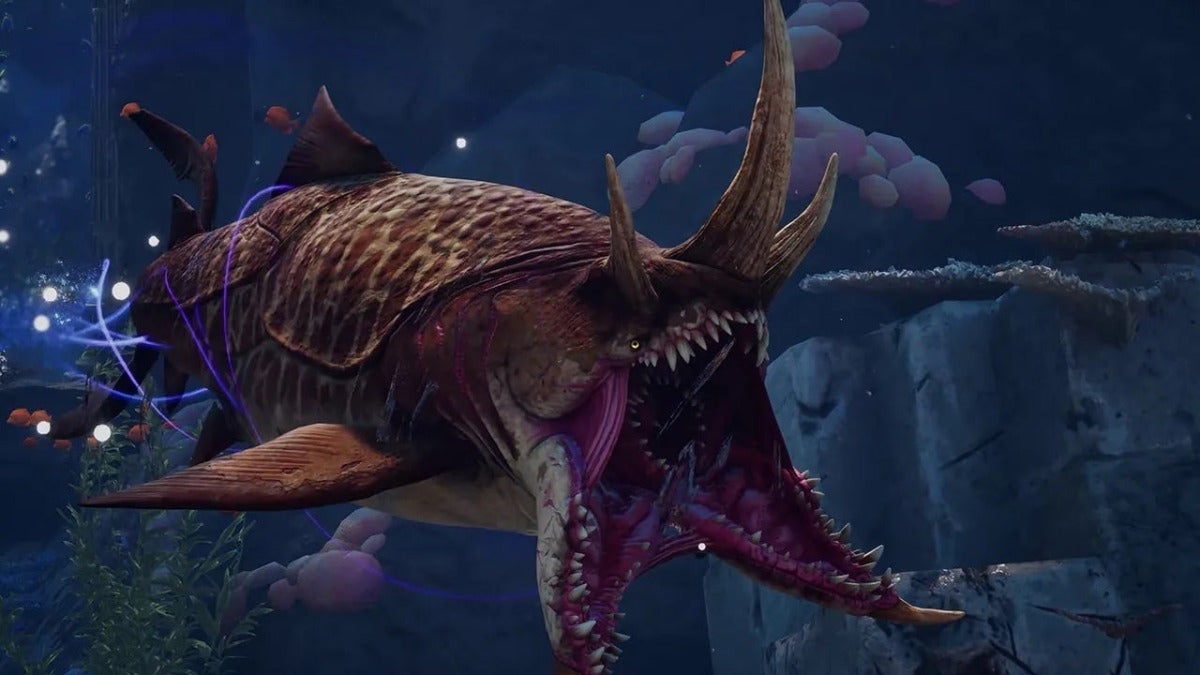
Last Thursday, September 3, we had a State of Play mainly focused on going over the releases from the rest of the year that we can expect for PlayStation. With barely any new announcements, the few that did really stood out. Especially because the first of them hit our screens like a shark doing wallrunning. Literally. Because that’s how Maneater 2 was announced, the unexpected sequel to the shark Action RPG seeking revenge for the death of its family.
A game not suitable for everyone
In this sequel we’ll once again play as a shark that will have to evolve its abilities to eat, explore, and kill everything it finds in its way, but not to exact its revenge, but to escape from a luxury theme park, Neptune’s Kingdom, where they keep us locked up. With help from a disgraced television host seeking revenge.
Promising violence, pyrotechnics, and even more madness than the original, because as mentioned earlier the trailer starts with the shark doing wallrunning to eat people, the game isn’t keeping any ace up its sleeve: it wants to be an even more deranged version of the original. But to find out we’ll still have to wait until 2027, when it’ll come out for PlayStation 5, Xbox Series X|S, Nintendo Switch 2 and PC.