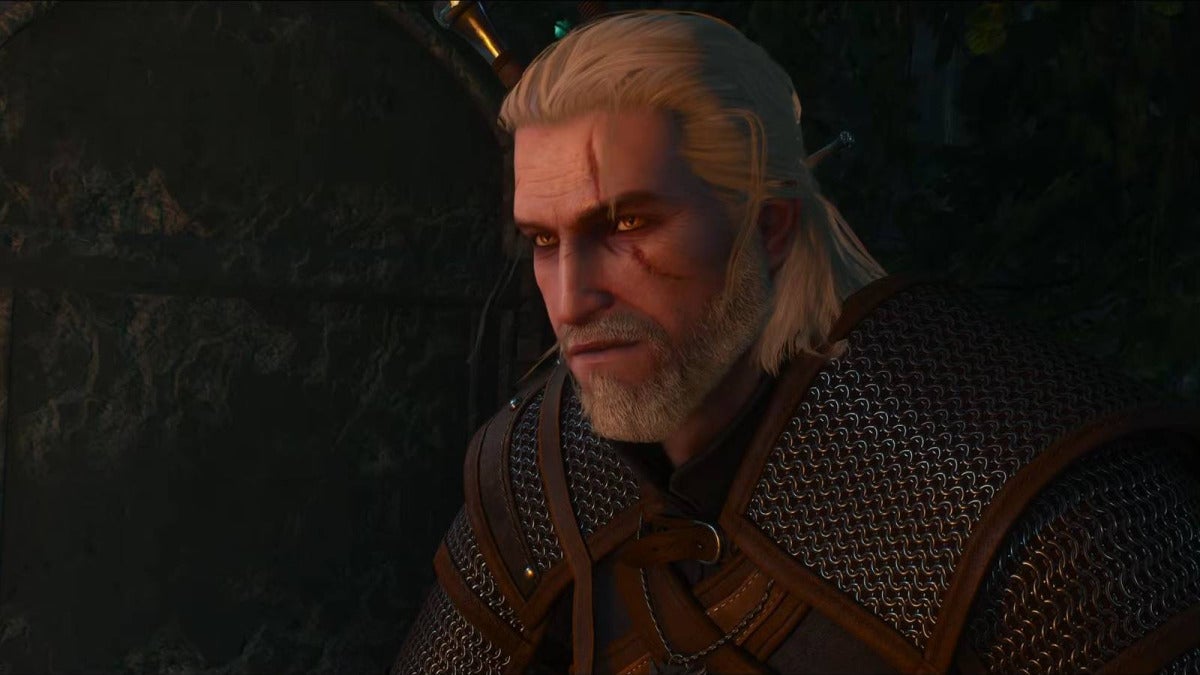
The Witcher 3: Wild Hunt — Remastered went live today, September 29, 2026, as a free upgrade from CD Projekt Red for anyone who already owns The Witcher 3: Wild Hunt. On PC, it hit piracy sites almost right away, mostly because CD Projekt Red shipped it without DRM.
If you already own the game on PC, PS5, or Xbox Series X|S, the remaster is available starting today as a download of roughly 45GB. It also comes with Hearts of Stone and Blood and Wine, so this isn’t just a minor visual touch-up.
The odd part is the reaction. On CrackWatch and Reddit, plenty of users have been telling people to just buy it instead. Their reasoning is pretty consistent: CD Projekt Red has a reputation for fair pricing, it avoids intrusive anti-piracy software, it spent years putting out free DLC, the big expansions were substantial without being overpriced, and the game gets deep discounts all the time, to the point that the official version feels like the better deal anyway. Some users have even said they pirated The Witcher 3: Wild Hunt years ago, loved it, and ended up paying for it later.
If you already own The Witcher 3: Wild Hunt, this update is worth downloading. It also makes CD Projekt Red’s long-running DRM-free PC approach through GOG look deliberate, not naive, especially after years of patches, strong DLC support, and now a free remaster helped repair trust that took a hit after Cyberpunk 2077’s launch and kept The Witcher 3: Wild Hunt above 65 million copies sold by May 2026, according to CD Projekt Red.
You can download The Witcher 3: Wild Hunt — Remastered now on PC, PS5, and Xbox Series X|S.
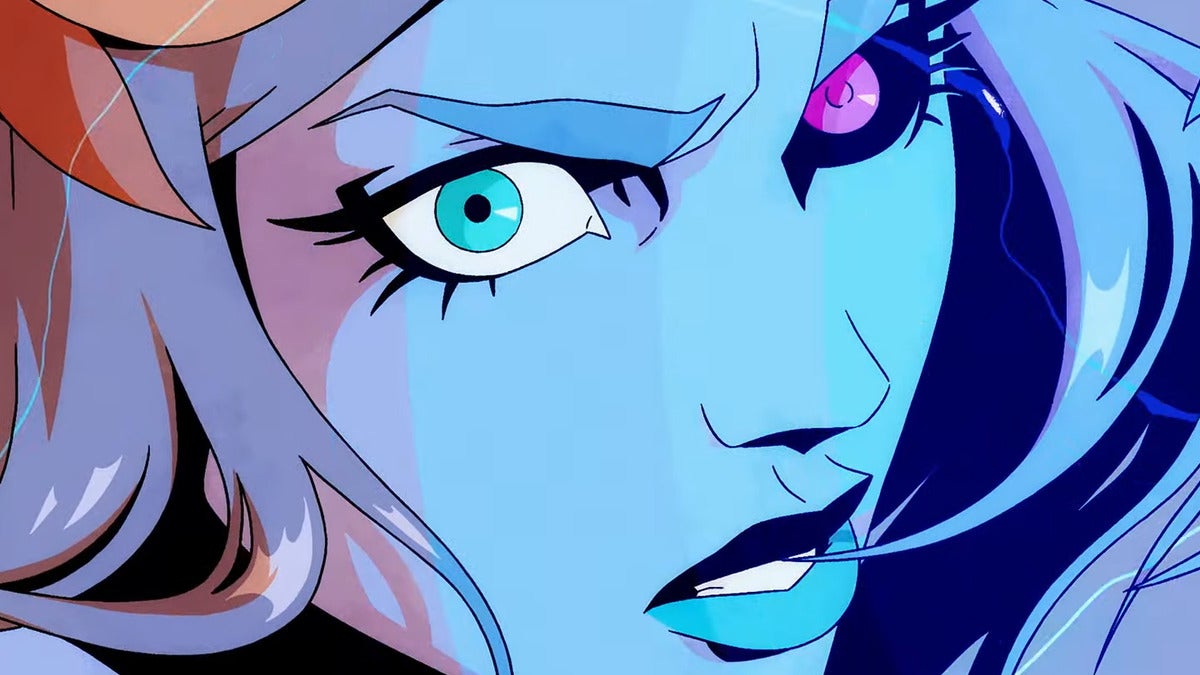
Supergiant Games has put the full Ballads of the Underworld concert film on YouTube, free to watch. It brings new orchestral performances of music from Supergiant Games’ Hades and Hades II.
The film arrives as Hades marks its sixth anniversary and Hades II comes up on the first anniversary of its full release. It also gives fans their first complete look at the June 27, 2026 show at Royal Festival Hall, a one-night collaboration with Game Music Festival. The performance features the London Mozart Players, led by co-composer Austin Wintory, alongside Darren Korb, Ashley Barrett, Judy Alice Lee, Erin Yvette, and Colin Ryan.
The concert blows up Darren Korb’s Mediterranean, folk, and hard-rock score to orchestral size without stripping away the character work that made those songs stick in the first place. Critics have already been enthusiastic about it. Eurogamer called it “outrageously enjoyable,” and the YouTube upload quickly racked up hundreds of thousands of views and thousands of likes.
If you’ve been following Supergiant Games’ myth-soaked series, this free release is an easy recommendation, especially since Supergiant has also confirmed a Ballads of the Underworld album for purchase and streaming, though there’s still no release date. Noclip’s first Hades II documentary episode is out now too, and there’s still no word on what Supergiant Games plans to do after Hades II.
You can watch Ballads of the Underworld for free on YouTube now.
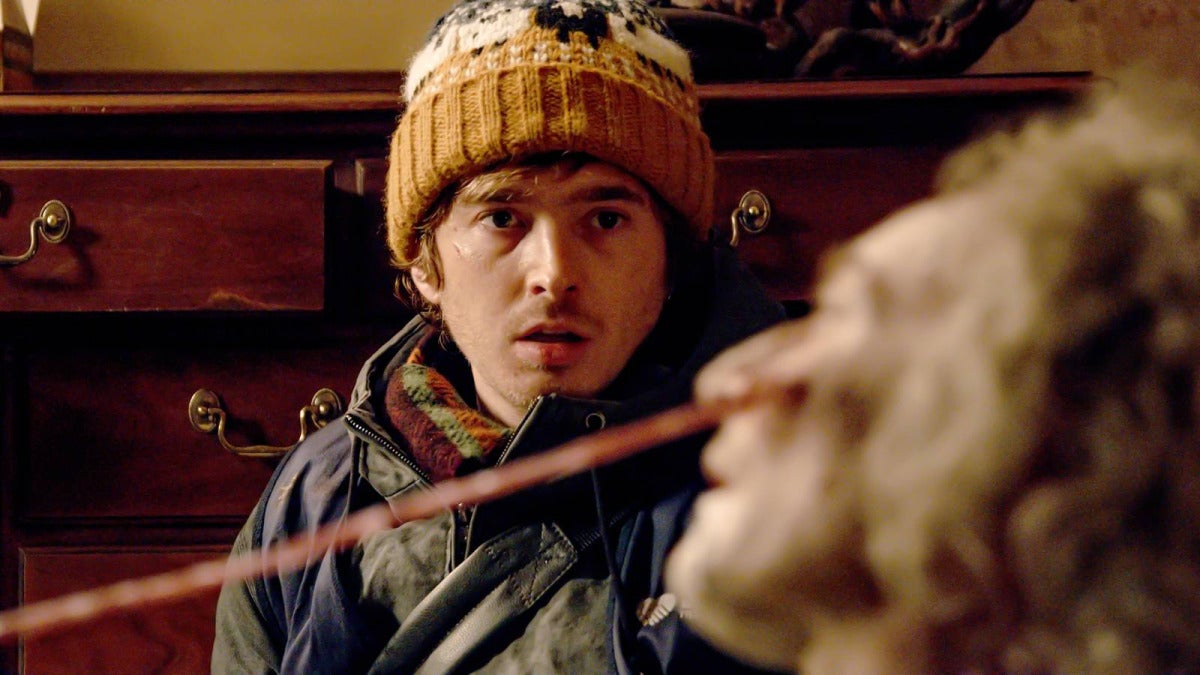
More than 20 years on, the 2002 Resident Evil movie is back in the conversation, and its ending still feels like the boldest move the franchise ever made: the story closes on total defeat, not triumph.
The later Resident Evil movies pushed further into action, clones, and bigger set pieces, but the first film ends in a full collapse. The outbreak has already spread beyond the Hive, Umbrella still holds the power, and Alice’s path through the Red Queen mostly reveals how much bigger the disaster is than it first seemed.
Alice wakes up alone in a hospital after being captured and experimented on, then walks out into a deserted, broken Raccoon City already overrun by the consequences of Umbrella’s failure. There’s no victory waiting for her there, no safety, no justice.
Sequels like Resident Evil: Apocalypse, Resident Evil: Afterlife, and Resident Evil: The Final Chapter gave Alice more momentum by setting up the next fight, weapon, or army. That changed the tone from survival horror into action spectacle, and it turned Milla Jovovich’s lead into something close to a mythic action hero.
I’ve been going back through Resident Evil, and that final image still hits harder because the system Alice is facing is too big, too organized, and too ruthless to bring down in a single night.
If you watch Resident Evil for its horror roots, this ending deserves another look. You can rent the first film on digital platforms.
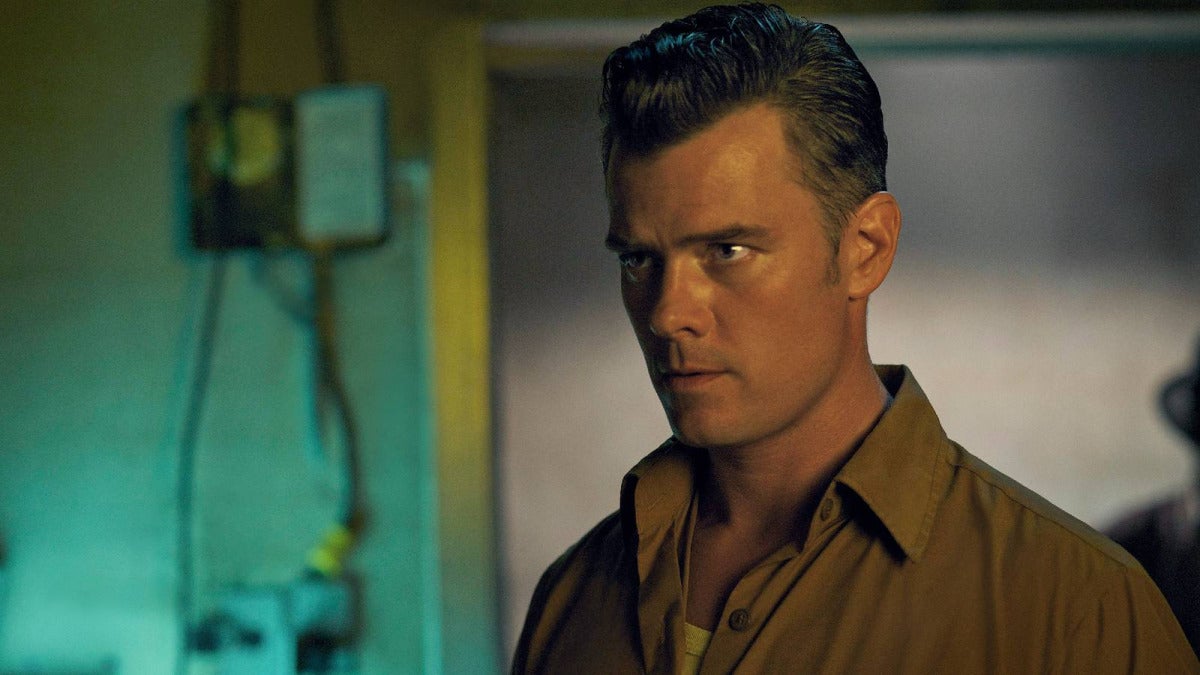
Prime Video’s Carrie arrives October 7, 2026. Mike Flanagan has turned Stephen King’s novel into an eight-episode series, and it feels like the first real contender to knock Hulu’s 2016 adaptation of 11.22.63 off its long-held spot as the standard for King on TV.
There’s a reason 11.22.63 has stayed there since 2016. The James Franco-led series took its supernatural time-travel premise and gave it real emotional heft, a 1960s backdrop that actually felt lived in, and a version of Lee Harvey Oswald grounded enough to keep the whole thing from slipping into gimmick.
Carrie seems to be chasing that same balance. This update brings in social media harassment and the kind of public shaming that spreads fast online, with Summer H. Howell, Samantha Sloyan, and Matthew Lillard leading a version Stephen King himself has called “brilliant” and “shocking and true.”
Early festival reactions have been mixed, though a four-minute ovation at Fantastic Fest suggests it hits hard for some viewers. And with HBO’s Welcome to Derry, 2025’s The Institute, and Mike Flanagan’s plans for The Dark Tower keeping Stephen King all over television right now, this is one to watch if you follow his adaptations.
Spotify and Anthropic’s Claude both ran into service issues Tuesday morning, September 29, 2026. Outage trackers show Spotify reports climbing fast between about 9:31 and 9:45 a.m. ET, then passing 18,400 in the U.S. by 10:24 a.m. ET, or around 40,000 in total across tracking pages.
People said Spotify was breaking in a few different ways: songs wouldn’t play, playlists wouldn’t load, and the mobile app was throwing errors. Posts on social media pointed to phones taking the brunt of it, though some desktop users said they were having trouble too.
Anthropic’s status page showed a partial outage for Claude that hit claude.ai, platform.claude.com, the Claude API, Claude Code, and Claude Cowork. The problems included failed requests, conversations not loading properly, and slower, degraded performance more broadly.
If you use either service a lot, this was the part to keep an eye on. Spotify said on X and on its status channels that it knew about the outage and was investigating, but it didn’t share a cause or any estimate for when service would be back to normal. Anthropic described the issue as elevated error rates, told logged-in users not to sign out, and later posted that Claude was fully resolved at 10:59 a.m. ET.
There’s still no confirmed root cause, and nothing from Spotify or Anthropic at the time suggested the two incidents were connected, even with the obvious timing overlap and the usual questions about providers such as AWS, Cloudflare, and Google Cloud. For now, the best places to watch are Spotify’s status channels and Anthropic’s status page. Early complaints appeared to be concentrated mostly in the U.S. and U.K., based on outage-tracking pages and social posts.
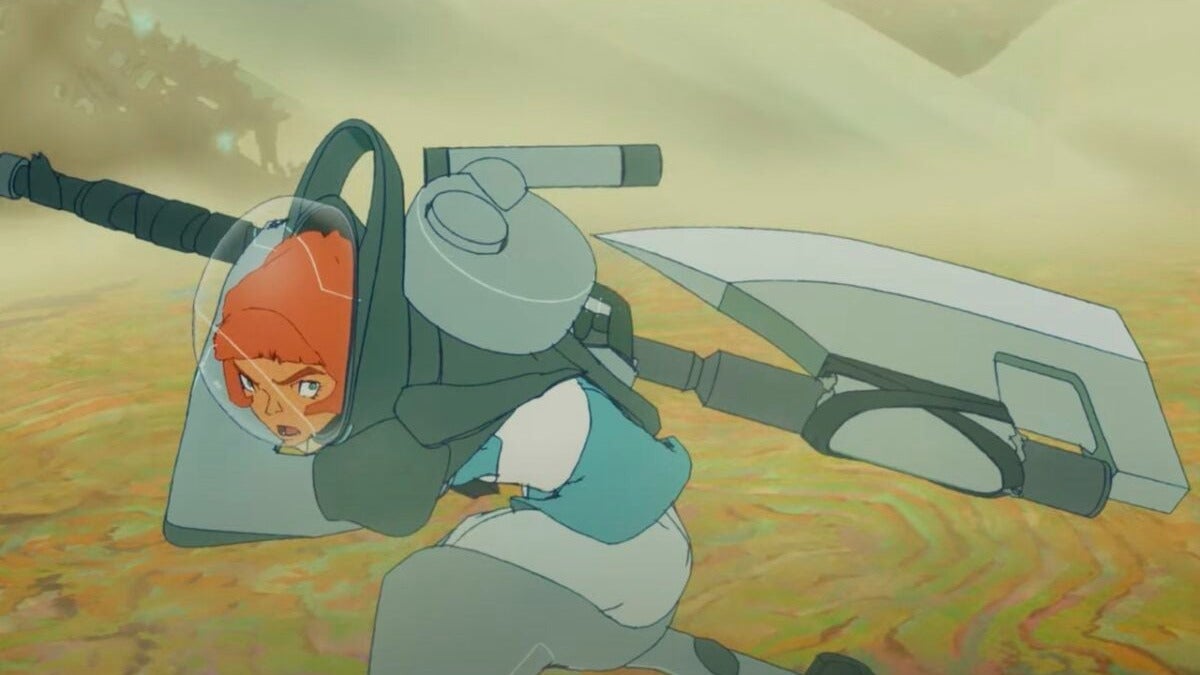
Tom Cruise swept the box office in 2014 with one of his most iconic films for all sci-fi fans: Edge of Tomorrow. Inspired by a novel by the Japanese author Hiroshi Sakurazaka, All You Need Is Kill, the film took many liberties to create an adaptation tailored to Hollywood tastes. And now it is getting a new anime adaptation, which promises to be equally unfaithful to the novel.
A film that has only been released in Japan and the US
Titled All Your Need Is Kill, we got a first look at the Sitges Festival last year, but for now its distribution has been limited. Although it was released in Japan on January 9 and in the United States and certain countries in South America on January 16 this year, it still hasn’t been released in Europe. That seems set to change thanks to YouPlanet, which is going to distribute the film, at least in Spain.
Even without a date, and without knowing whether it will make it to movie theaters or only be distributed on streaming services, we’ll finally be able to see one of the most peculiar adaptations of recent years. Even if we still don’t know exactly how we’ll be able to watch it.
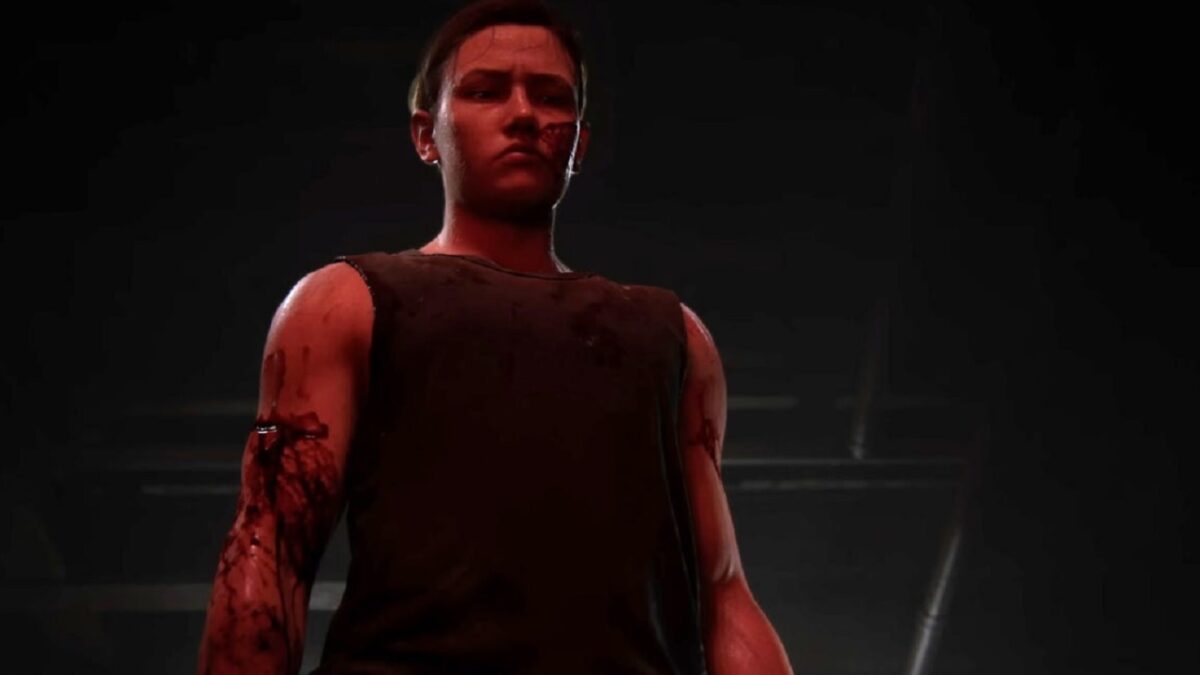
September 28 is The Last of Us Day, a day when all kinds of announcements about the The Last of Us franchise are usually made. This year has been no exception, with Naughty Dog announcing its future plans not only for the franchise, but also for the studio in general. There are big plans for those who want to know more about the characters.
We Won’t Be Hearing from the Studio Soon
Studio director Neil Druckmann said, “We have a couple of very exciting new projects in their early stages, so we can’t say much about them at this point. I’ll tell you that both projects will expand The Last of Us canon, beyond The Last of Us Part I and The Last of Us Part II”. So it seems there’s still plenty more The Last of Us to come. But we’ll have to wait for that.
A couple of days ago, it was announced that actors John Goodman, Laura Bailey and Ian Alexander would be part of the third season of The Last of Us. But the studio has made no comment on that, officially distancing itself from the HBO adaptation of its franchise.
Regarding its new game, Intergalactic, Druckmann has stated that “we still need to cook a little more, so I want to temper expectations: we’re going to stay quiet for the rest of the year. In 2027 that will change. We will fully unveil Intergalactic: The Heretic Prophet and give you a proper look at Jordan’s wild science-fiction adventure”. So we’ll still have to keep waiting for new details on Naughty Dog’s latest. And perhaps, even wait for a new generation of consoles to play it.
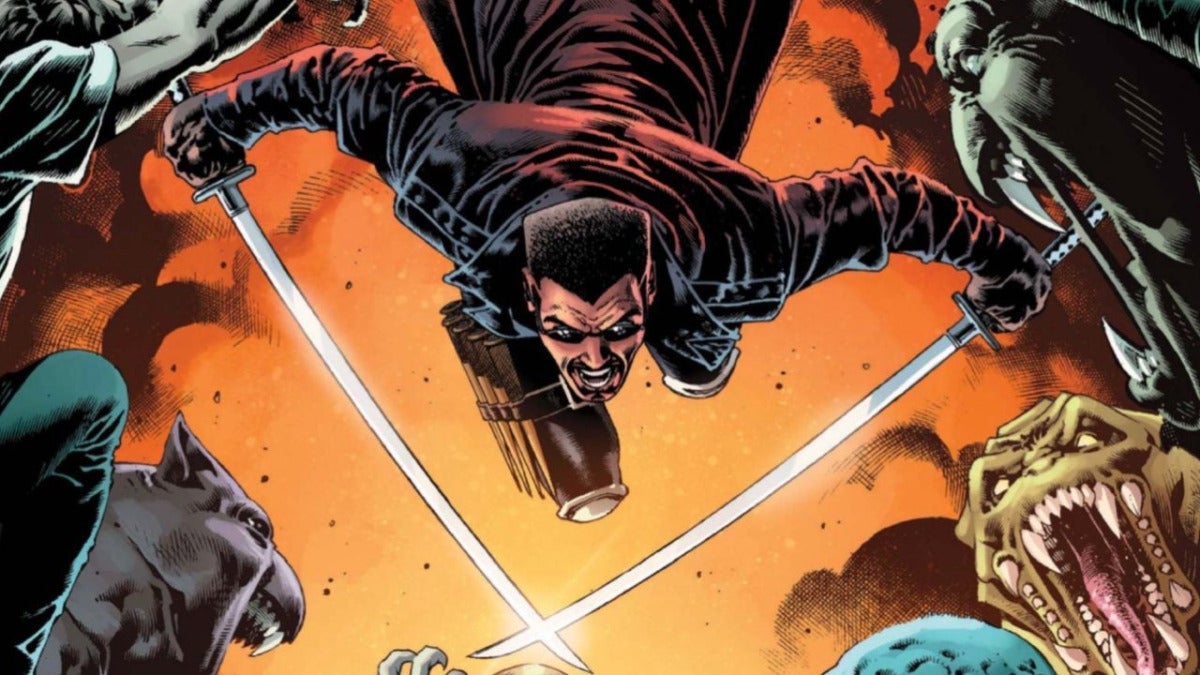
It has been, without a doubt, the biggest failure in Marvel’s history: after five years preparing Blade, their film starring Mahershala Ali, they ultimately couldn’t finish it. Kevin Feige says he’s ashamed, and the actor stresses that he should be. Even so, he isn’t angry, because he got to train while getting paid for years and the experience led him to make Your mother your mother your mother, which he is indeed especially proud of. It’s something.
Bye Blade
The director of this new film, Bassam Tariq, was the same one they put in charge of Blade, and if Ali has “nice” words for Marvel, Tariq doesn’t hold back either. “It’s so funny, in the Marvel world… they tell you very lovingly, like, ‘Look, this is a Marvel movie directed by a person. They come onto shoots, do a whole lot of things and that’s fine, right?’”. Ali then cuts him off to say “Your name may not matter at all”.
Ouch. I get the impression that Ali and Tariq are going to keep criticizing Marvel for years, and rightly so… though he does acknowledge the talent of some of the filmmakers who’ve done well at Marvel, like Destin Daniel Cretton and Ryan Coogler, of whom he has said that “what he’s done is truly incredible in his universe”.
In fact, softening the blow of his movie not getting made, Tariq points out that Feige got him to “think big and be ambitious**. It’s what we did with what they gave us. We tried to do our best and respect the audience because I think that’s something Marvel thinks about a lot”. We may never get Blade, but at least there’s no resentment left. Well, more or less.
TiMi Studio Group has announced the release date for Monster Hunter Outlanders, the next game in Capcom’s famous monster-hunting franchise. This new game will arrive exclusively on Android and iOS devices on October 29 worldwide, except in China where it will come out in 2027, and aims to recreate the Monster Hunter experience on mobile as faithfully as possible.
As Timi Studio Group has confirmed, Monster Hunter Outlanders “preserves the classic weapons and the hunting experience for which the franchise is known,” although it introduces a new world, called Aesoland, offering a whole new experience of its own. Giving longtime fans of the series a reason to get into the game and, for those who have never played, an accessible entry point through a completely new experience created from scratch for this game.
With controls created specifically for mobile, a controller won’t be necessary to play. And being playable both solo and in squads of up to four players, it will be a perfect game to play both alone and with friends, staying true to the series’ roots, which exploded in popularity on the PSP, Sony’s handheld. It remains to be seen whether that will make it work the same way on cell phones.
Pre-production has a habit of bogging down when the script means something slightly different to everyone in the room. The director sees one version of the scene. The cinematographer has another in mind. The client is still responding to a description, not an actual set of shots. Adobe Firefly is useful here because it gives the team something visible to react to early, without taking over any of the creative roles. As the video shows, Firefly Boards works well when you want to turn a short scene description into a rough storyboard and don’t want to begin with a blank page.
A storyboard doesn’t have to look polished to do its job. At this point, what matters is getting clear on what’s in frame, where the characters sit in the space, and what each shot needs to communicate. That’s why Firefly fits naturally into pre-production.
You can stop arguing about a scene in vague terms and start laying out a sequence of panels that shows what the scene is trying to do visually. A wide shot can establish the location and the blocking. A tighter shot can pull attention toward an action or a reaction. Shift the composition again, and you can tell pretty quickly whether the moment feels observational, intimate, or tense.
That’s where the time savings show up. Teams get to review actual shot ideas before the shoot, while changing direction is still fairly easy.
Start with a short script excerpt and break it into visual beats
The first useful move usually isn’t image generation. It’s deciding which moments actually deserve a panel.
Take a short excerpt from the script and break it into the essential visual beats. You’re choosing the shots that explain how the scene should be told. In most cases, that means moments like an entrance, a reveal, a key action, or a reaction that shifts the scene in some way.
It matters. A storyboard works better when each panel has a reason to be there. Turn every line into an image and the whole thing gets crowded fast, and the visual logic starts to blur. Pick the clearest beats, and the storyboard starts doing what it’s supposed to do: help people communicate, not bury them under a stack of disconnected images.
Build the first frame with clear references in Firefly Boards
In Firefly Boards, it helps to set the visual direction before generating individual shots. A simple way to do that is to start with two reference images: one that establishes the storyboard style, and another that represents the opening moment of the scene.
The first reference gives the sequence a visual language to work from. The second grounds the first shot in something specific, whether that’s the location, the subject, or the mood.
Using both cuts down on guesswork in that opening panel. You’re not asking Firefly to come up with the entire visual approach all at once. You’re giving it a set of boundaries for how the sequence should look and where it should begin.
Once that first frame clicks, the team has something immediate to respond to. And if you want to put your own script ideas under pressure a little faster, try Adobe Firefly on a short scene and see how quickly one visible frame changes the conversation in pre-production.
Generate the sequence by building from previous panels
After the opening shot, the process gets more interesting. You don’t have to restart from zero each time. Inside the same Board, you can generate new panels from the images you’ve already made.
That helps the scene hold together visually. You’re not making five separate pictures that happen to sit next to each other. You’re carrying one idea forward from moment to moment.
It also makes shot planning easier. You might start with a wide shot to establish the space, move in closer for the next action, then shift the composition again to sharpen emphasis or clarity. When each new panel grows out of the previous one, you can test those changes while keeping the scene connected.
The storyboard reads better because of that. It feels like a sequence with a point of view, not a grab bag of unrelated images.
And you can try options fast. If the second beat lands better from another angle, or a tighter frame makes the action easier to read, you can explore that without rebuilding the whole scene.
Use the storyboard to communicate intention, not image perfection
One of the most useful adjustments when storyboarding with Firefly is knowing when to stop refining.
For pre-production, the image doesn’t need final-shot polish. It needs to explain the shot. Can everyone tell what’s in frame? Do they understand where the characters are? Is the visual priority of the moment obvious? If so, the panel is doing what it needs to do.
That’s what makes Firefly especially helpful for early look development conversations, production planning, and client review. The images support decisions about coverage and staging. They aren’t there to lock the project into finished visuals.
This is also the point where human judgment carries the most weight. A tool can help you see options. The team still decides which moments need emphasis, which compositions actually serve the story, and whether the sequence works emotionally and practically.
Review the full sequence in one Board before the shoot
Seeing several images together in the same Board is when the rough storyboard starts becoming genuinely useful. One frame can suggest a look. A sequence tells you whether the scene actually moves.
Put the panels side by side and you can judge pacing, coverage, and variety. Does the scene open clearly? Have you stayed wide for too long? Do the closer shots arrive when they should? Is there enough information for the crew to understand the blocking and the visual intent?
It’s also a better way to collaborate. You can share real shot ideas with the director, cinematographer, client, or anyone else on the team before production starts. The feedback gets sharper because people are reacting to frames in front of them, not to different imagined versions of the same scene.
Test camera movement before you get to set
A useful next step is taking a storyboard panel and turning it into a short video so you can test a possible camera move. That won’t replace decisions made on set, but it can give you an early read on whether the move actually supports the beat you’re trying to create.
In practice, that gives directors and collaborators another way to judge intent before shoot day. If a moment works better with a subtle move than with a locked-off composition, you can catch that earlier and head into production with a clearer plan.
For teams that need faster alignment between script and visual sequence, Firefly can make pre-production feel more concrete. First by shaping rough panels inside Boards. Then by giving collaborators a shared set of visual references to react to, refine, and plan around. If you want to try that workflow on your own shoots, concepting, or early creative iteration, start a Firefly Board and build a short scene beat by beat.