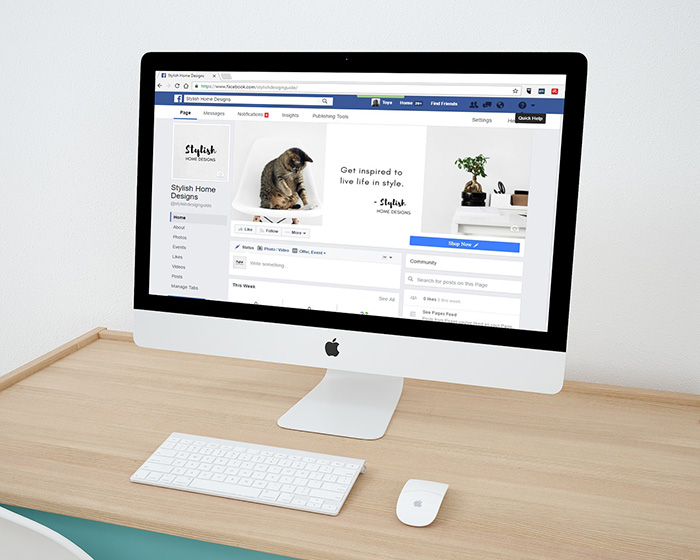
Inside Facebook’s battle against offensive content

Who decides what’s offensive? And how can Facebook filter all of it?

Facebook announced last month that it will begin implementing some new features aimed at helping users keep their feeds clear of bullying and harassment.

One new addition is that users now have the option to ask for a second review of content that has been reported for harassment or bullying. In the past, this option was only available for those reportedly in violation of the platform’s policies regarding sexual activity, hate speech, nudity, or graphic violence.

Now, alleged harassers can ask the moderators for a second review if they feel that their content was unfairly removed.

The changes are welcome, and include things like the ability to quickly delete or hide multiple comments at a time and added protection for public figures.

Still, knowing that the reviewers must look at roughly 10 million pieces of mostly unsavory content, we wonder if the process is getting better at all.

Here’s a bit more about where Facebook is at when it comes to improving the moderation process.

What we know about Facebook’s content review process

In recent months, there has been a ton of coverage on the topic of Facebook’s content moderation. From a RadioLab episode that dove deep into the company’s ever-changing and relatively mysterious policies to Motherboard’s expansive look at the challenges that come with trying to maintain community standards when that community happens to be larger than many countries.

There are 60 people on the Facebook team hired exclusively to write and revise the content moderation policy alone. The policy, in its current form, is a sprawling 27 pages, which aims to balance user safety with free speech.

Within that document, you’ll find a super-specific set of instructions for the company’s team of moderators, and they’re constantly shifting. For example, where nudity is generally a no-go on the site, there are some exceptions to the rule—such as adult nudity in historic Holocaust photos and in some cases, images of certain art pieces.

Facebook also bans terrorist content, non-medical drug use, and hate speech, though content with similar intentions (i.e. offensive speech without the explicit use of a racial slur) can make it onto the platform. group of 7,500 moderators sifts through flagged posts manually, earning roughly $15 per hour to view what is arguably the worst content on the planet.

But, that might be changing soon.
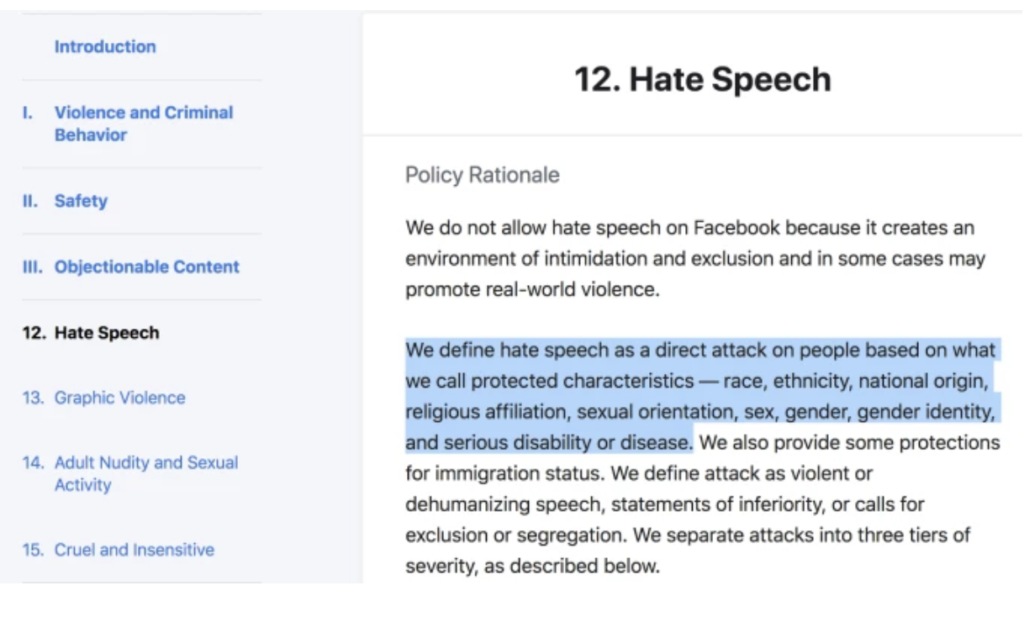
facebook defines hate speech

AI could step in to save the day

After reports came out that content moderators were suffering from PTSD, it’s no surprise that one of Facebook’s primary goals is moderating its content with AI.

While the effort is bound to put some moderators out of a job, the idea is that algorithms will shoulder the burden of filtering through the worst content — reportedly VERY disturbing at times — so humans don’t have to deal with it.

The other benefit for Facebook is, they can once again cover their policies in a shroud of secrecy. Leaked documents, if you remember, have been the reason that any of Facebook’s policies have seen the light of day. Swapping out live bodies for algorithms could mitigate any risk of loose lips sinking ships.

On the flip side, the AI does have some limits. For example, it can only block content that looks like something it has already seen. So new forms of violence from say, a terrorist group might still make it through the filter.

The black and white rules could be on the way out, too

Facebook has long operated in very black and white terms when it comes to determining whether a piece of content violates its rules or not.

Last year, Facebook’s 25 content moderation guidelines were revealed, among them that controversial protected group quiz— asking “Who do we protect: black children or white men?”

Facebook content moderation question

The question was blasted on ProPublica and sparked a great deal of outrage and has since been removed from training materials.

But the rules-based approach has been the source of many problems plaguing the company over the past few years. 2016’s influx of fake news, for example, didn’t contain any nudity or outright hate speech, even though the underlying intent was to generate clicks by way of inciting outrage.

CEO Mark Zuckerberg recently posted that “content that doesn’t explicitly violate the rules” may be reduced. Meaning, the company may curb reach on offensive posts that don’t quite qualify as hate speech. But there is no definitive path forward or broad agreement on what is hate speech and what is not, especially given the wide range of cultural norms that come into play.

Today, we’re looking at issues like people being driven to violence after viewing content on Facebook. Or the platform’s disturbing role in ethnic violence against the Rohingya community in Myanmar. As such, it seems we’ll need to find a solution sooner rather than later.

Zuckerberg is floating the idea of an independent oversight group, a group that would operate as an outside panel of reviewers, much like a Supreme Court. However, some critics feel that this might offload some of the platform’s responsibility.

Wrapping up

In the end, the challenge of moderating Facebook lies in the sheer scale of the platform, and the contextual interpretations spanning cultures across the globe.

And sure, Facebook has done a lot of work to make sure that the policies are enforced on a consistent level, while still allowing for free speech.

That said, Facebook seems to be hinging some hopes on curbing the reach of even some of the most clicked content. Perhaps if we stop rewarding trolls with so many clicks, people may be disinclined to stir up outrage in the first place.

But chances are, Facebook’s content moderation efforts will be an ongoing dilemma.

How to use social media to find your next job

How to leverage your network to a better career.

Social media isn’t all fake news and friend requests.

Sometimes, you’ve got to take to the web to lock down that next great opportunity.

Still, despite the ubiquity of online job sites, not everyone thinks to use their favorite time waster to find work.

And, there are definitely some tips and tricks that will make it easier to uncover the perfect job on LinkedIn—as well as places like Twitter or Instagram.

Here’s what you need to know before messaging hiring managers en masse.

How to use social media to find your next job

Why it’s worth trying

Studies have found that roughly 92% of companies are using social media for hiring and that a whopping 70% of hiring managers will screen applicants before interviewing.

So even if you choose to limit your job search to online job boards and networking events, you still need to make sure your digital self is ready for its closeup.

With that in mind, it’s clear that hiring managers and recruiters are hanging around social already. So, why not get a leg up on the laggard competition and meet them where they already are.

With that in mind, here some ways to boost your profile and maybe your starting salary.

Check yourself out

Have you Googled yourself before? If not, it’s best to do this before you start fixing up your profiles. You might not like what you see.

If your online profile is thin, or not super flattering, fleshing out your social profiles can be a good way to stifle the rankings you’re not happy with.

Create a complete LinkedIn profile and everything from employment details to education, experience, and top it off with a professional photo.

LinkedIn ranks well in the Google search results, so a good profile goes a long way. Double down by filling out other social profiles with your professional details.

If you already have profiles set up, then you’ll need to do a quick audit to ensure they’re in working order.

This means it’s time to ditch the keg stand shots, the sloppy Halloween pics, and tighten up the information in your bio.

Let people know you’re looking for work

Make sure your social media profiles clearly state that you’re seeking a job.

While it doesn’t seem like much, letting people know you’re on the hunt may help you identify some new opportunities–and in some cases, someone in your network may point you to an opening before it’s posted.

You’ll want to include the type of role you’re interested in and that you use keywords that ensure recruiters can find you in a sea of social job hunters.

Keep things fresh

There’s no point in creating a profile unless you’re going to use the thing. Update job titles and they change, link to blogs you’ve posted or your online portfolio.

You don’t need to update all the channels every day, but you want to show that you’re actively engaging with others in your industry.

If remembering to update your socials doesn’t quite come naturally, you can always enlist the help of a social scheduling tool like Tweet Deck, Buffer, Hootsuite, and so on.

Follow relevant companies and individuals in your industry

Make a list of the companies you’d like to work for, from there, simply Google the name of the company + Instagram or Facebook. If you find some companies don’t have accounts, consider following individual employees.

We should mention, it’s likely a bit weird to add these people on LinkedIn, but following them on Twitter and Instagram might be worthwhile. Just don’t be a creep.

Instead, “like” a relevant post here and there and use this as an opportunity to do some hashtag research.

Twitter & Instagram

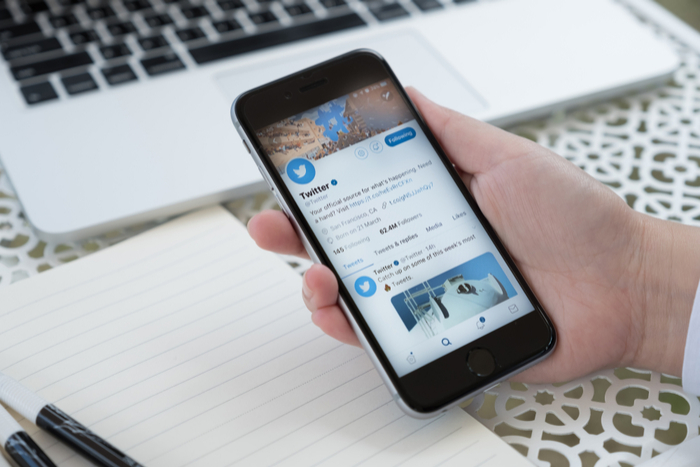
twitter

While LinkedIn gets all the job search cred, Twitter and Instagram both deserve a shout-out, too. We lumped these two together, as the strategy is similar for both platforms.

Both platforms give users the chance to follow influencers and connect with other users by using relevant hashtags and @-ing people.

Share articles from other people in your field, comment on others’ posts, and just, well, engage.

The idea is to position yourself as someone who knows a lot about your field—and eventually, people will start to follow you. With Twitter, of course, the process is more about sharing articles, links, and short asides. Whereas Instagram is all about the visuals.

In either case, make sure you’re sharing good content and staying on brand. Ideally, making connections on either platform means you’re positioning yourself to get referrals.

Learn to work hashtags

Hashtags are actually a practical search tool, not just a vehicle for showing off your wit. Instead, following the right hashtags can help you quickly identify relevant content such as job postings.

By following the right hashtags, you’ve created a direct line to the content you actually want to access—so you won’t get caught up looking at cats instead of looking for work.

Glassdoor has posted some tips for recruiting by hashtag: many postings will come with generic #jobopening, #hiring, etc. Try these first, then narrow your search.

For something more specific, look toward Hashtagify.me for inspiration or copy the hashtags shared in industry leaders’ posts.

Facebook

Facebook doesn’t initially seem like the best platform for locking down a dream job. But, LinkedIn doesn’t have the job market cornered.

Sure, Facebook is a bit more personal than the professional networking platform, but showing old FB a little love can pay off big-time.

For example, if you’ve recently published an article or you’re participating in a professional event — say, giving a lecture — share a link.

Like LinkedIn, Facebook has groups that span all manner of industries. Type in web development or brand manager into the group search box, and you’ll see a list of all kinds of groups within your role or industry.

Finally, many brands (especially B2C ones) promote their products, services, and company culture on their Facebook page. For this reason, it’s the perfect platform for gathering “interpersonal intel.”

For example, you’ll see posts covering stuff like company retreats, Taco Tuesdays, inter-office hijinks — all fertile ground for potential talking points.

For example, there are a ton of groups dedicated to remote work opportunities, web development jobs, and more.

Wrapping up

One of the best things about social media is that it works to help you grow your network well beyond the confines of any conference or networking event.

However, the digitization of the job hunting process means that users need to spend more time tailoring profiles and engaging with people in their industry in addition to polishing their resume.

In the end, you never know when those opportunities might come knocking. So, best to be prepared with a streamlined handful of handles and a willingness to do a little digging.

Is blockchain the new freelancing middleman?

Here’s how blockchain could change your freelancing future.

blockchain

The rise of the freelance economy is a prime example of how technology has dramatically changed the workplace.

Until recently, freelancing was seen as something that wasn’t necessarily ideal. And it came with the assumption that remote employees were waiting out a dry spell or couldn’t participate in corporate culture.

Today, people freelance by choice. Project management apps and video conferencing have made it easy to collaborate with colleagues in faraway locales.

And online job boards — from Craigslist to GitHub and Toptal — have made it easy for users to identify and secure opportunities that work for them.

While there are plenty of remote workers connecting directly with clients, digital middlemen like Fiverr and Upwork are hosting billions of dollars of work and taking a big old cut.

And though these sites are popular, freelancing-specific platforms have a long list of problems. From competing for low-paying jobs to stalled payments, fees, and security.

But new developments in technology might change the game even further.

Where technology was the driving force behind online employment in the first place, a decentralized authority could be the thing that brings a little more fairness to the table.

We’ll explain below.

Is blockchain the new freelancing middleman?

freelance worker

Enter the blockchain

Blockchain, the distributed ledger behind Bitcoin, Ethereum, and a wide range of lesser coins, promises to make things better for freelancers and employers alike.

One of the key elements of the buzzy technology is the promise of a world without middlemen.

And where that initially applied to banking without processing fees or buying a home without a broker, decentralization could also eliminate some of the issues associated with the freelance marketplace.

For one, decentralized control allows freelancers to protect their business and have guaranteed access to earnings. Second, tokens and smart contracts provide several ways to incentivize professional behavior, without the need for supervision.

From faster payments to lower fees, there’s a compelling case for moving middleman job sites to the blockchain and ditching the platforms of freelance 1.0.

Is there an advantage to Upwork and its ilk?

A company like Upwork has accomplished something that most freelance platforms have not. They’ve created a huge platform of freelancers and have scores of satisfied users.

They act as an intermediary between freelancers and clients — collecting money from clients and holding funds in escrow until deliverables have been received and approved.

The platform pockets between 5-20% on each transaction, while all clients pay a 2.75% processing fee. The fees cover customer support and mediation costs, delivered through an on-site messaging center.

The platform markets itself as a way for freelancers to take full control over their career with steady work and clients guaranteed to pay. But users have been subject to some issues like account freezes or negative feedback from malicious clients.

High fees have also been a problem, causing many freelancers to leave the platform in favor of developing client relationships on their own. The only real benefit of using these tools is this promise of trust.

With a blockchain in place, online workers and those who seek them out won’t need to pay a fee in order to establish that layer of trust.

How would a blockchain-based freelance network work?

As it stands, there aren’t many actual blockchain freelancing platforms yet. There’s Steemit, a content creation platform that lives on the blockchain.

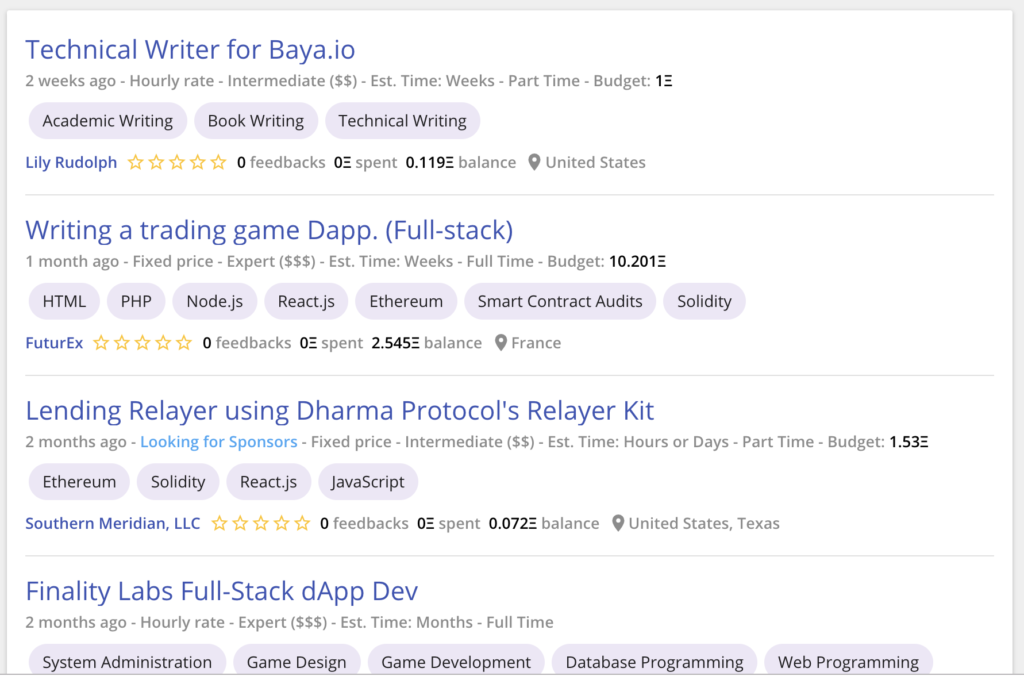
There’s also a couple of newcomers, Blocklancer and Ethlance (below) which provide an Upwork-like service on the blockchain.

Ethlance blockchain job board

These platforms have yet to gain widespread traction as of yet. But the idea is that freelancers respond to jobs and the platform creates a smart contract once they’re hired.

In the freelance marketplace, the reason intermediaries thrive is that they offer a certain layer of protection. The smart contract, instead, keeps everyone accountable, without the associated fees.

For example, clients would pay for a service upfront and freelancers would submit their work. Funds would automatically be released, as established in the contract when the freelancer successfully turns in deliverables.

There’s no risk of doing work for a bad client, then not getting paid. Instead, you can start work after that initial deposit is recorded.

Benefits of migrating to the chain

When freelancers and clients interact directly, using a smart contract, there’s no need for the escrow process and the associated fees.

Faster payments and minimal fees are the most obvious examples, here. But, using a blockchain application also means you can tokenize anything, including your reputation.

Once on the platform, freelancers and employers alike must act responsibly to protect their reputation. If they don’t hold up their end of the bargain, it becomes public record and can hurt them down the line.

As such, a decentralized platform should lead to more accurate ratings on both sides, faster payment, and a better process for dispute resolution.

Many freelancers already find the bulk of their clients online, which means that they kick off a professional relationship without a direct relationship with a client.

A smart contract would allow freelancers to establish the terms of a project—deadlines, a certain number of edits, etc.–and link those milestones to payments.

Other benefits of going “decentralized”:

  • Cost effective—Processing fees are extremely low. Where Upwork and PayPal come with fees attached, blockchain allows you to securely transfer money with no third-party control.
  • Digital profile—Freelancers can store work samples and professional details on the blockchain, so sharing work doesn’t come with the risk of theft.
  • Secure record of transactions—Agreement between freelancers and clients are stored on a permanent record. For example, all parties can see proof or payment or that deliverables were uploaded.

What’s next?

In the end, it’s clear that our definition of work is always changing. Middleman platforms provided an easy in for new freelancers trying to find work in a post-recession landscape.

It’s hard to say whether blockchain-based job aggregators will take off. The technology is still hard for the average person to grasp. But participants on the employer and the freelancer side want better, more transparent resources.

Why the restaurant industry wants your data

Your privacy is on the menu.

restaurant

Recently a coffee shop near Brown University made headlines for their unconventional business model.

While it looks like a run of the mill coffee shop, brimming with students there for their caffeine fix, customers must have a student ID to get a cup of coffee.

The reason for this is, Shiru Café doesn’t want their money. Instead, students get free coffee in exchange for a few snippets of personal information here and there. According to an NPR report, students don’t seem to mind offering up their birthdates, professional interests, and other details in exchange for free coffee.

While something of an outlier, data analytics has infiltrated the restaurant space in a big way—from customer-level analytics to how menu aesthetics influence our choices.

Here’s a bit of background, as well as how this information is being collected and used across the culinary landscape.

Why are restaurants moving toward big data?

Restaurants from fast-food pit stops to Michelin-rated experiences have long monitored customer preferences, using data to better serve their clientele.

Between Subway offering cookies in exchange for a survey and servers who keep track of regulars with meticulous detail, data has always been an asset to the dining space.

These days, the data landscape has ramped up in a major way. There’s more data than ever, and according to the Wall Street Journal, spending on AI systems—which analyze massive datasets—is on the rise.

TGI Friday’s for example, doubled its to-go business in the last 12 months, thanks to, well, data.
The company, once on the decline thanks to millennials’ changing food preferences, says they’ve used AI to field inquiries, boost engagement and send targeted messages.

How are restaurants collecting data?

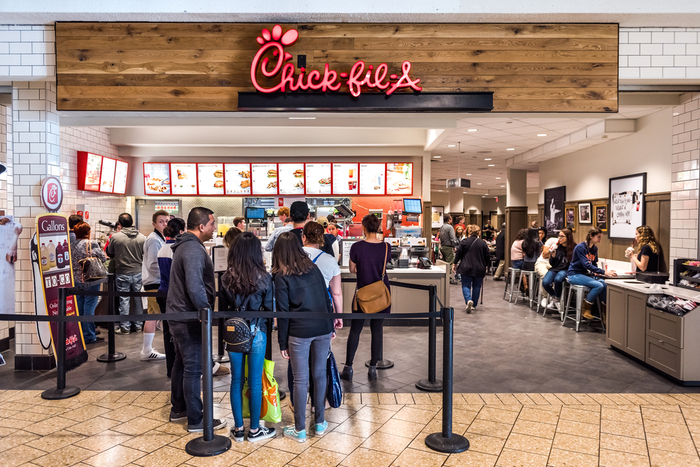
chick-fil-a

Restaurants are collecting data in a lot of different ways. For example, third-party vendors like GrubHub and OpenTable offer access to insights uncovered on their platforms. McDonald’s Subway, Chick-fil-A, give away free food in exchange for filling out an online survey.

Additionally, coffee shops and restaurants provide free Wi-Fi that collects data in exchange for use. Starbucks, for example, recently started asking for personal information before allowing patrons to get online. The company uses that info to send out promotional offers.

Loyalty programs, like those offered through Chipotle and Starbucks, allow companies to create customer profiles, which they’ll use to send out promotions. Starbucks’ app started targeting tea lovers with relevant offers, instead of pushing everyone toward novelty frappucinos all the same.

For restaurants, big data means better service

On the restaurant side, the new tools present an enticing offer: major growth, but a callback to the golden age of customer service, where diners were greeted by name.

Restaurants also operate in an industry with tight margins and changing consumer tastes. Food consultant, Damian Mogavero told The Atlantic that so often he’d encounter frustrated restaurateurs, who didn’t know the answer to basic business questions.

So, when you apply a centralized point of sale solution, as well as an AI solution that analyzes each transaction, restaurants now can start to take advantage of patterns, preferences, and staff performance.

And, because social media and food are so closely connected, restaurants need to be more keyed into what the customer wants—or risk bad reviews and fewer diners.

What if you don’t want to be tracked?

Customers who find this whole business too invasive do have some options. You can always pay cash when you dine out, skip the Wi-Fi next time you hit Starbucks, and make reservations over the phone.

But, like choosing to opt out of Facebook, there are some notable cons associated with resisting this new normal. For example, leaving your GPS on while using Open Table allows you to receive recommendations—which comes in handy while traveling.

Skipping delivery means missing out on a modern convenience we’ve come to rely on—and opting out of loyalty programs could mean leaving money on the table.

Given the amount of data that giants like Google and Facebook collect, consumers probably aren’t super concerned about data collection in the restaurant industry.

That said, Panera Bread experienced a data breach earlier this year–so maybe we do need to be more careful.

6 best yoga apps

Let your phone or tablet take your yoga routine to a new level with these great apps.

best yoga apps

It’s no secret that yoga has become massively popular in the U.S. and beyond. And it makes sense.

Yoga combines exercise with a sense of calm, a real marriage of body and mind. The health benefits range from strength-building to weight loss and pain relief. And, sessions can be modified and adjusted to all levels.

But we don’t always have the time or the money to make it to the studio. As such, there are thousands of apps to choose from, all claiming to bring the benefits of yoga to you.

Whether the goal is to deepen your practice or dip your toes in before joining a studio, there’s an option for you.

Check out our roundup of favorites, guaranteed to help you find that inner peace, no matter where you are.

Yoga app round up — our favorite downloads for down dog and beyond

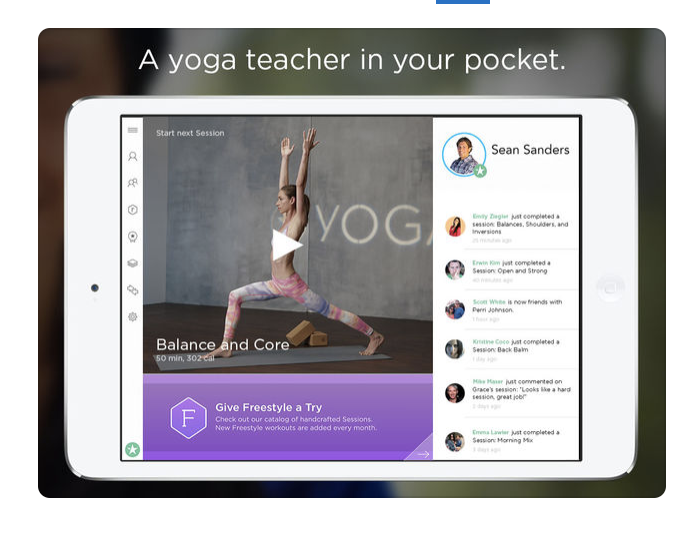
FitStar Yoga

FitStar Yoga iPad

Brought to you by the good people of the FitStar personal training app, FitStar Yoga is an app featuring classes led by Tara Stiles.

What makes FitStar a standout yoga app is that you’ll get the choice between a Personalized and Freestyle mode. Personalized workouts are tailored to your level of practice, as well as how you’ve rated poses from previous sessions.

Based on the information you give the app, they’ll create a routine that focuses on the areas that make sense for you—whether you have tight hips or need to work on your balance.

Freestyle sessions are routines that are the same for everyone.

The initial download is free, but you’ll quickly notice that this version comes with a limited amount of features. For example, you’ll only have access to one personalized session per week and one freestyle session of your choosing.

The app is $7.99 per month, or you can pay $39.99 for a full year.

It’s also worth mentioning that this app is perfect for the data trackers and social sharers out there. FitStar integrates with Facebook and Twitter, as well as your FitBit or Apple Watch.

FitStar Yoga also comes with a supportive community you can tap into—chat with other users and motivate yourself with the internal badge system if you like collecting digital accolades. Available for iOS.

FitStar Yoga Download Free
8

Pocket Yoga

Pocket Yoga pose guide

One of the more cost-effective apps, Pocket Yoga, offers the full selection of digital classes for a couple of bucks from the App Store.

Pocket Yoga offers three vinyasa-based sessions, as well as two variations on the sun salutations. Each option—Ocean, Desert, or Mountain is offered in 30, 45, or 60-minute sessions and split into beginner, intermediate, and advanced.

All sessions begin with a short warmup, and a few tips for breathing and form.

Classes are animated, unlike some of the other apps we’ve looked at—featuring simple animations that show you all the moves. Each pose comes with a description, category, and difficulty level.

This option isn’t the most robust suite of yoga poses out there, but it’s well-designed, affordable, and makes it easy to squeeze in a quick “om” any time. Available for Mac, iOS, and Android.

Pocket Yoga Download Free
7

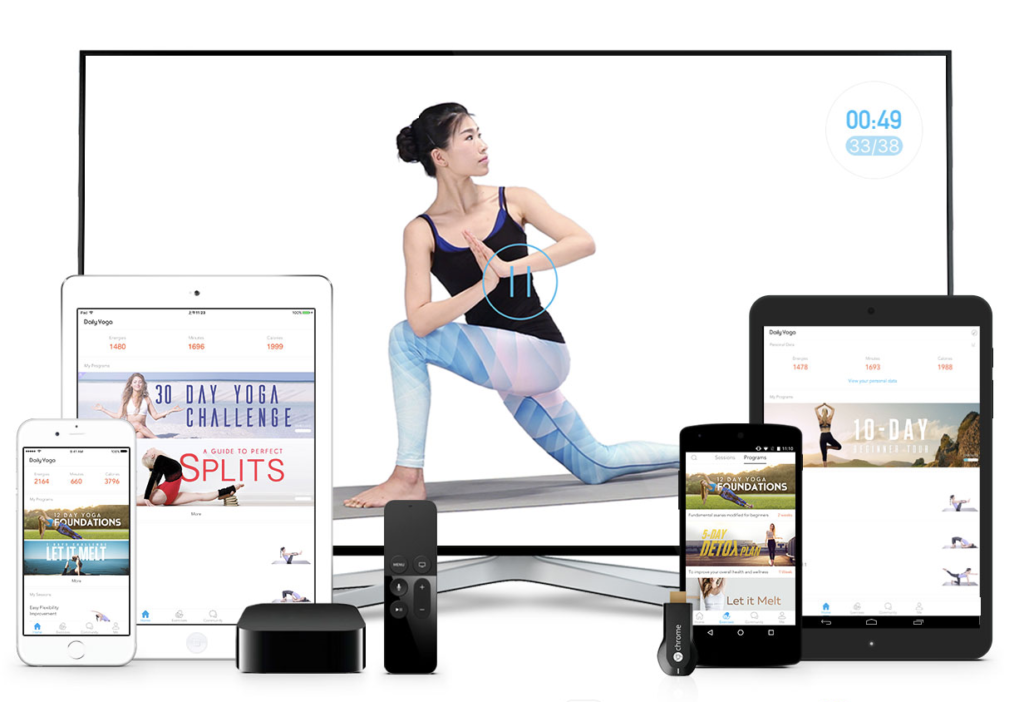
Daily Yoga Daily Yoga home

Daily Yoga is a collection of over 100 yoga and meditation apps designed for people at every level. Filter classes by program. There’s a beginner series, a 5-day detox, and the app just launched a new core strength series.

Each program offers a 20-30 minute virtual class, and they can run from a few days to up to five weeks.

If you’re not sure you want to commit to the full program, you’ll also have the option to download 10-15 minute yoga sessions.

Each sequence comes with still images and video instructions for basic poses. Routines offer minimal instructions, so this app is best for someone who knows their way around the mat and is familiar with basic poses.

That said, there are a few downsides associated with the app. The flow is pretty good. However, the free version comes with pop-up ads that take you out of a zen space. Additionally, they don’t explain any modifications, so if you’re super new to the practice or have an injury, this might not be the best option.

The app also comes with a social aspect–allowing you to interact with a global network of fellow yogis you can reach out for advice, support, or just to say hi. Available for iOS and Android.

Daily Yoga Download Free
7

Find What Feels Good

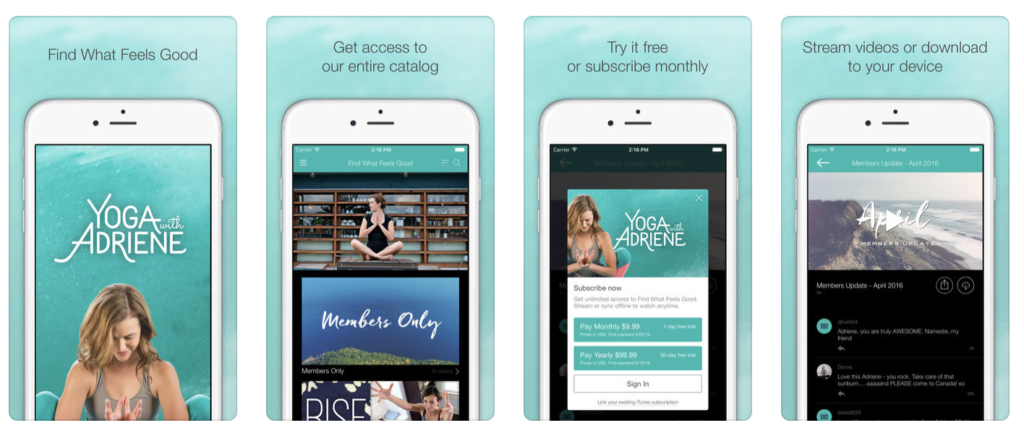
Yoga with Adriene app

YouTube’s resident yoga guru, Adriene has released her own app.  So, now fans don’t need to stream each workout. Rather, they can download the sessions straight to their phone, Roku, or Apple TV for a more streamlined experience.

For the uninitiated, Yoga with Adriene is a popular online series of videos. Fans love Adriene for her sense of humor and easy going approach to the practice.

The app brings together all of the content from the YouTube channel—25 hours of instruction—and places it in this simple, visually appealing interface.

A monthly subscription will run you $9.99 a month, or you can pay $99 for an annual subscription. The app is a bit more expensive than some of the other options, but it has a five-star average in the App Store and a massive fan base to vouch for the quality. If you’re not convinced, sign up for the seven-day free trial and well, see if it feels good. Available for iOS, Android, Apple TV, and Roku.

Find What Feels Good Download Free
7

Down DogDown Dog Screenshots

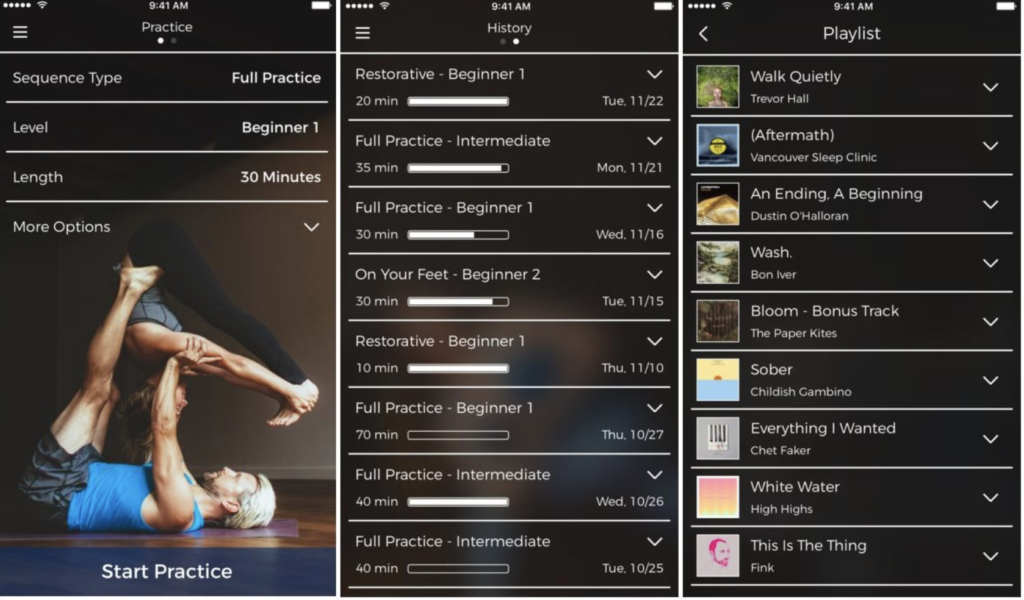
Down Dog is another vinyasa-focused app that allows you to try different class structures. The idea is to bring a studio-like experience into your home—or wherever. Each time you practice, the app will create a new workout, making this the ideal app for users who tend to get bored with the same old sun salutations.

What’s more, lessons come with music that fits the flow, your preferences, and the duration of each session. Available for iOS, Android, and web.

Down Dog Yoga Download Free
8

3D Yoga Anatomy

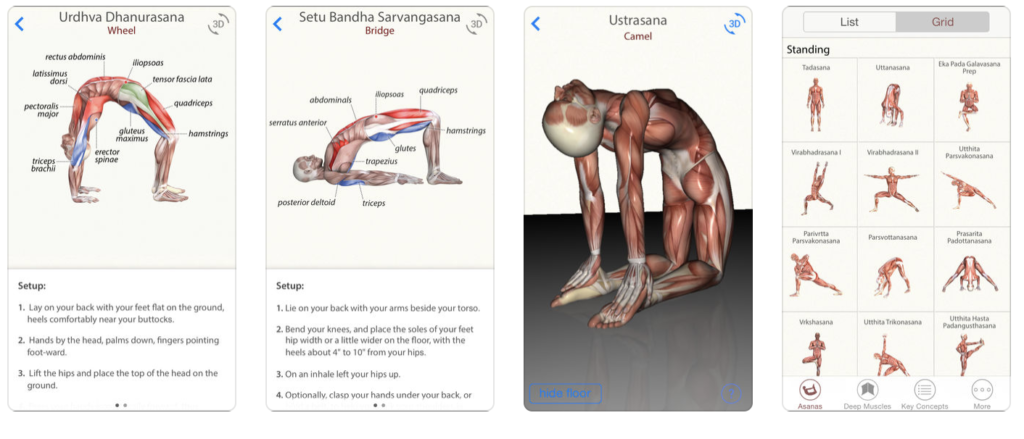
3D Yoga App

When you start taking yoga, it can be hard to grasp how each pose is supposed to look. Little adjustments like tucking your hips or keeping your ribs pointing inward seem entirely foreign for a long time. As such, it can take years of practice to get the form down pat.

That’s where 3D Yoga Academy stands to help.

3D Yoga Anatomy is one of our favorite choices for yoga teachers and students alike. The app provides a closer look at over 40 poses–a 360-degree view of each pose and its variations. Available for iOS.

3D Yoga Anatomy Download Free
7

The problem with those gig economy sites

Freelance grind getting you down? Here’s how to work around those omnipresent gig economy websites.

gig economy freelancing sites

Over 57 million Americans (a third of the U.S. workforce) work freelance.

Drill down to the millennial subset and you’re looking at a number that’s closer to 50 percent. So there’s no doubt the state of employment is changing altogether.

And, you’ve likely seen the evidence yourself or read the latest thinkpiece covering the current gig economy crisis. Where we can talk about baby boomer Uber drivers or Airbnb and the housing crisis, we’re looking at those websites that undermine legitimate freelance professions like writers, designers, and developers.

Sites like Upwork and Freelancer promise an easy path to entry into paid work—along with the natural allure of being your own boss and working anytime, anywhere.

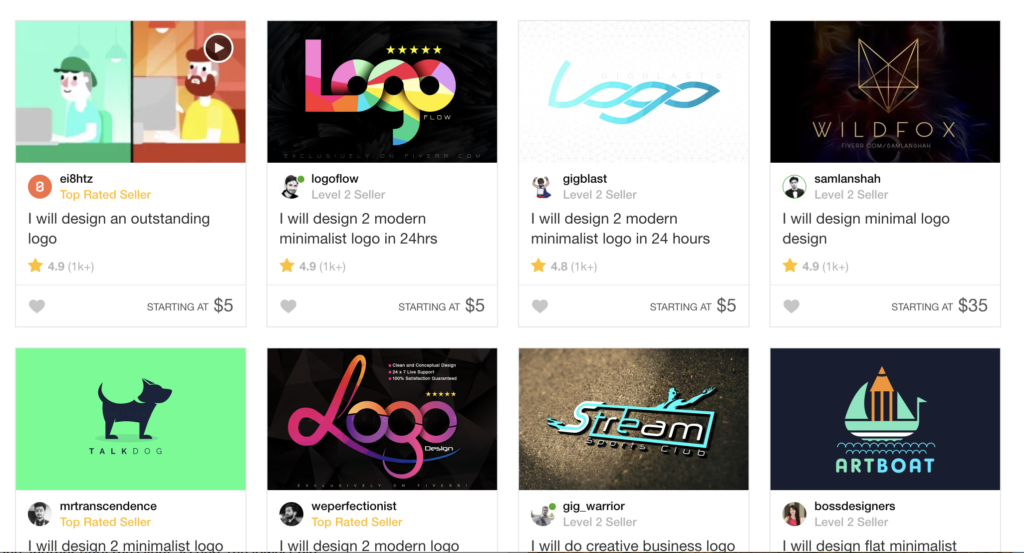
While these job aggregate sites that “find the clients for you” seem like a great way to save time, they can be a trap. The premise of Fiverr, is, after all, $5 logos, blogs, and the like.

Bidding for work and giving away a percentage of your rate is rarely the best way to jumpstart your career.  Here’s why.

The problem with gig economy sites

Bidding for jobs sucks

Freelance bidding sites operate under this guide of creating a free market, but the result is multiple bidders undermining one another until the client accepts the lowest bid.

And while these sites come with an interface and the convenience of an aggregated pool of potential opportunities, freelancers lose out. Those just starting their career take jobs that pay next to nothing–just to edge out the competition.

The bidding site generally sides with the customer when issues come up—leaving freelancers unprotected.

Fiverr bidding

Middleman takes the relationship out of the equation

While it might seem nice to take a break from the business development side of freelancing, it comes at a cost. The best freelancing arrangements come in the form of regular clients with a more formal relationship.

With bidding sites and content mills, a middleman takes a cut and handles client relations. And without that direct connection, you lack the lines of communication that allow you to get to know a client—and understand their business challenges and goals.

When you give this part up, you not only lose that cut of the project you’d normally pocket, you also lose control and the chance to develop a long-term relationship.

Issues for customers, too

Higher-end customers want to find a partner they can trust, someone who can help them reach their goals, be it improving the user experience on their website or writing high-end content.

Bidding sites don’t necessarily give you the connection needed to create a partnership that works. Simply mention the word “call” or “email” in the Upwork messaging hub, and a window will pop up, stating that protections do not apply if you communicate outside the platform.

And we’ve found that removing a direct line can muddy communications.

The only real advantage for customers is that bidding sites provide some insurance in case the freelancer provides substandard service.

What about those elite freelancing sites?

Unlike the Fiverrs and the Upworks of the world, there’s a new crop of sites that aim to separate the riff-raff from the serious talent.

There’s Reedsy, a platform that links book writers and editors, as well as illustrators and publicists. Or, Toptal, a platform that lets only the top three percent of freelancers from all sectors enter their exclusive pool.

The benefit with Toptal is, you’ll gain access to a community of well-known brands sure to boost your portfolio—and your paychecks.

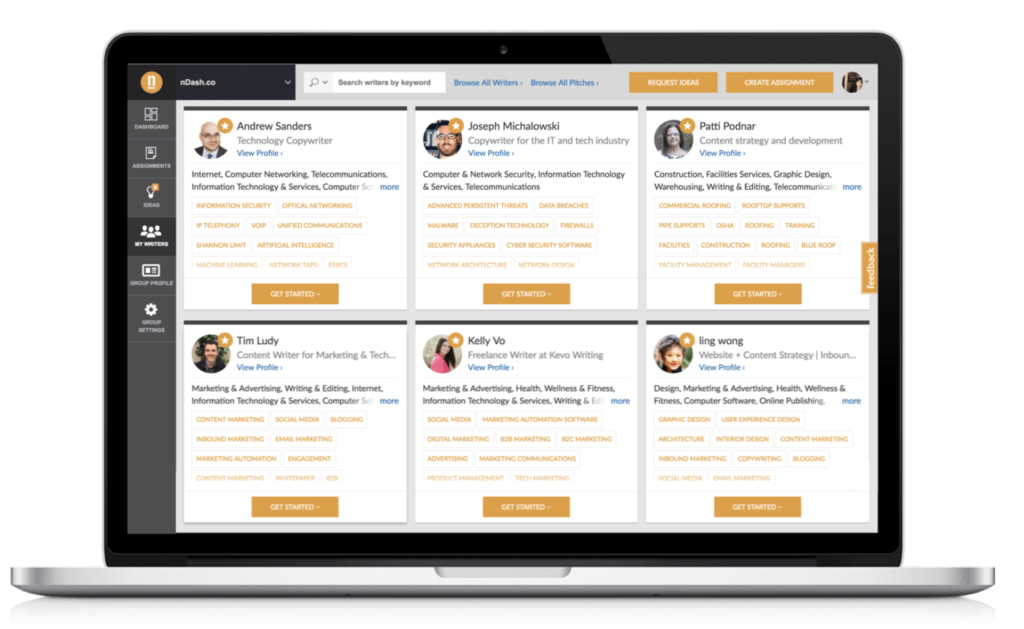
nDash home

And then there’s nDash, a content community platform (their words) that helps companies find freelance writers. Writers pick their own rates and according to the site, the average assignment pays about $175.

nDash doesn’t necessarily impose standards like Toptal, but the experience is more focused on highlighting skills and quality, rather than brokering cheap labor.

The platform allows you to pitch companies through the portal or apply for a specific assignment. Still, there aren’t that many companies using the platform; it’s only been around for a couple of years.

Still, we’re not totally sold on the concept of the digital intermediary. At the high end of the spectrum, you’re able to access opportunities you might not be able to on your own. That said, if you’re in that top three percent, do you really need someone to coordinate your next big client?

Leveling up

So, if these sites kinda suck, what’s the best way for freelancers to move up in this digital world?

Here’s the thing, if you have some experience under your belt, you should be able to get work through cold emailing, applying for jobs through online boards, and referrals. Which is why those niche-y middleman sites don’t fully make sense to us.

Now, reaching out directly doesn’t necessarily mean you’ll magically find the perfect gig, but it does mean you’ll save yourself the time trying to filter out the good stuff from the noise you’ll find on Fiverr, Upwork and the rest.

If you really are brand new, offer to help friends and family with a free or discounted product in exchange for a positive review.

Use those projects to build a portfolio and make sure you market yourself.

  • Research—Look for companies that fall within your niche
  • Pitch—Direct emails to a specific
  • Build relationships
  • Apply for freelance work directly with a company

In the end, we do understand the appeal of some of these sites.

As such, using them sparingly isn’t necessarily a bad idea. The problem is spending two hours on a $10 article or designing a company’s logo for $5. If you’re getting your bearings in a new niche or see an opportunity with fair rates, by all means, go for it.

But the best relationships tend to come from doing the legwork that allows you more choice of opportunities. Pitching your ideas to outlets, as well as seeking out direct contracts, on a daily basis, regardless of workload, will open up a wealth of options.

…if you’re willing to do the work.

5 mobile apps that can actually teach you something

Stop staring at social media and use your phone to get smarter

elearning apps

Useful, sure. Fun, definitely. But, mobile apps aren’t exactly the first thing that comes to mind when you’re thinking of picking up a new skill or even brushing up on the basics.

Where the web rules for providing new ways to learn or advance your skillset, mobile apps are a less obvious source of new knowledge

Still, don’t discount the power of a pocket-sized educational experience. We’re not just talking vocabulary apps and access to articles— some of our favorites are full-blown courses.

So, without further ado, here are a few of our favorite mobile apps—perfect for teaching you something you’ll actually use.

5 mobile apps that can actually teach you something

Khan Academy

Khan Academy Mobile

We were actually surprised that Khan Academy even came with a mobile app. However, it’s pretty awesome. Khan Academy rose to prominence after YouTube-based math lessons came on the scene.

Anyway, Khan Academy’s 100% free online classes are available on Android and iPhone—making it easy to learn algebra, finance, economics, or whatever else you’d like to brush up on.

While the Khan Academy’s offerings are primarily directed at the younger set (think SAT prep and math homework help), there are a ton of courses that curious adults will love, too. For example, there are entrepreneurship courses, history, music, and more.

Lessons come in video form, so you can catch an art history lecture while you cook dinner or learn about far away galaxies on the train. We don’t love that videos are on autoplay (seriously, why is this a thing?), but the UX is on point and the content is great.

Khan Academy: you can learn anything Download Free ►
8

TED

TED Conferences App

The TED app allows you to watch TED talks wherever you are. Play videos on your phone, iPad, or cast to your TV with ChromeCast.

The app comes equipped with nearly 3000 talks you can filter by topic, length, or language. Topics cover science, technology, design, social justice, and more—and stand to at least in some cases, help you expand your brain just a bit more.

And while the app doesn’t necessarily teach you how to code, we like to think that stimulating the brain with a new set of ideas is good for opening up your worldview.

Lynda Mobile App

Lynda Mobile App Lessons

Lynda.com’s mobile app allows you to access a whole library of classes from your phone. Like the web-based version, Lynda classes are offered as a monthly subscription, so if you’re already subscribed, download the app and learn on the go.

TradeHero

Trade hero stock simulation

TradeHero is an app that caters to the person who has always wanted to get into the stock market but didn’t really know how to get started.

The app gameifies the stock market, allowing you to buy real stocks with fake money. Okay, well not exactly real stocks, but the scenarios are based on stock activity.

The goal is to broaden your financial knowledge by playing with virtual or real currency. Beginners can learn without risk and “go live” with real cash when they’re ready to start investing.

TradeHero Download Free ►
7

Udacity

Udacity learning app

Udacity is another online source of classes ranging from HTML to blockchain development and cybersecurity. The lifelong learning app aims to help you master in-demand skills from anywhere: mobile, desktop, tablet, you name it.

Most classes fall into the tech vertical and offer a hands-on approach to learning. The courses are free, but you can opt into paying for nano degrees in specific topics. These programs aim to help you level up your skills within a matter of months—and cost about $200 a month.

It’s kind of early to gauge whether these non-traditional courses will land you a job. If you learn the skills, they’ll take you further in your career. However, it’s unclear if the actual piece of paper means anything.

8

Influencer marketing and the rise of fake followers

Discover how fake followers are changing the economics of the entire internet.

In recent years, we’ve seen influencers go from web-based fashion bloggers writing a ton of content to social media stars with inexplicable power.

This wave of influencers are known for making serious cash through their #sponcon efforts—and range from people famous for having followers to big names like Selena Gomez and the whole lot of the Kardashian-Jenner clan.

According to a report from MediaKix, influencers typically make $1,000 per post per 100k followers.

As such, there are plenty of wannabes trying to get some of that easy money.

The problem with fake followers

Is buying followers that big of a deal?

We stumbled upon this Digiday piece from back in June, where they interview a former influencer. In it, the anonymous influencer details their experience with Instagram, stating that it started to feel “problematic” a couple of years ago.

At that point, Instagram influencers had yet to hit this critical mass, and people started getting 200k followers overnight.

In that case, these big swings are noticeable to users and can cause real followers to lose trust in your brand.

Popular influencer, Natalie Off Duty came under fire for wide fluctuations in follower counts, joining and leaving in these huge batches.

Obviously, she’s doing fine, but some fans felt they had been deceived.

Do fake followers actually hurt anyone?

High follower counts are critical for influencers, and those aspiring to social media fame need to look the part to attract real followers.

Because high follower counts are the most obvious marker of social influence, accounts with fake followers often get promoted—retweeted again and again. Which raises the question, what do we even like? People just assume something is good because the numbers say so.

That said, if you’re going to buy followers, for whatever reason, don’t go too big. 100 followers here and there might not be such a big deal—but Instagram is on the lookout for fakes.

So, if you only have 1,000 followers, don’t buy in bulk so you have 10,000 tomorrow.

On the flip side, the fake accounts don’t just hurt brands and their reputation. They hurt real people, too. The New York Times covered the dark side of social media bots, which documented instances of stolen identities.

What was troubling was that one of the people the Times interviewed was a high school girl, who found her identity was being used to retweet content promoting cryptocurrency and hardcore porn.

The motivation behind buying followers

First of all, buying followers is super cheap and pretty darn easy. So, it makes sense that a person or brand seeking a little more credibility might look for a little padding—you know, just until they make it for real.

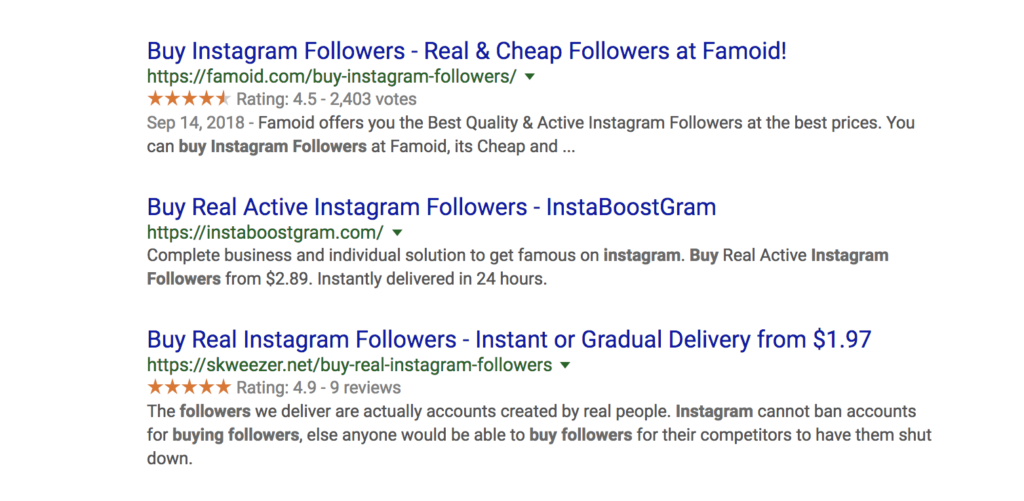
Here’s what comes up when you search “buy Instagram followers.”

Fake Instagram Followers for Sale

That same MediaKix article chronicles the company’s undercover look at influencer marketing.

The experiment involved creating a fake account, Wanderingggirl, a travel influencer with an army of purchased followers.

Mediakix Fake Insta

Then, they used the account to reach out to several top U.S. restaurants and hotels—asking for free accommodations or meals in exchange for a post.

“Amanda Smith” was offered free accommodations, discounts, and food and beverage credits. Which highlights the fact that brands really need to do some research before they make a deal.

Where some users might be tempted to buy followers to jump start their foray into sponsored posts and the swag that comes with it, others aim for a more credible online appearance. This LinkedIn post recounts a social media expert’s motivation behind buying followers.

Fake followers harm business

Unfortunately, fake followers are bad news for companies who want to engage their actual audience.

Most brands aren’t buying fake followers themselves. The problem comes when brands try to break into influencer marketing and don’t do their due diligence.

Now, it’s not just marketing rubes being taken advantage of. Ad Age ran a study that found that the Ritz-Carlton had a whopping 78% fake follower count. Aquaphor, came in second, with 52% fake followers.

Fake followers stand to harm the little guy more than massive corporations, too. For massive brands, bots get hidden among the real followers; for small companies, they can spell disaster.

Bots might say the wrong thing or promote some weird, irrelevant content.

Cheaters may not prosper

As the social media scene evolves, more and more people aim to get in on this internet gold rush by taking shortcuts. Brands are becoming increasingly savvy about working with influencers to avoid fraud.

We get it, there’s a certain appeal in gaming the system—and you might land a few deals or a sweet guest posting opportunity.

But getting caught can land you in some hot water—or worse, banned from your platform of choice.

These are the highest-paying online careers

Work from home, make a fortune.

Working from home used to be too good to be true.

But 20+ years since the web went mainstream, companies are moving away from the traditional 9-to-5 model and workers are seeking out opportunities to work on their own terms.

We’re not talking about piecing together a modest income via TaskRabbit, Upwork, and delivering for UberEats. Nor are we going to show you how to earn $$$$ just like our neighbor’s mother-in-law or whatever.

While the gig economy has had a hand in some of these remote working trends, plenty of legitimate companies such as Dell, Humana, and Amazon hire remote workers for a range of positions.

Instead, we’ll look at some career paths that can rake in a decent living from your living room, coworking space, or wherever.

These are the highest-paying online careers

Copy Editor

copy editor

If you’ve got a keen eye for grammatical errors and a tight grasp on syntax and style—at-home copy editor could be a solid career path for you. Your job is to work with writers to enhance readability, conciseness, and more.

According to the BLS, copy editors earn an average of $59k per year — but this accounts for people working freelance, as well as working remotely for one employer.

Copy editors might also work as freelance bloggers or journalists or work on social media — as such, earnings can range considerably.

This person, of course, should be able to communicate clearly — and tactfully — work well under pressure and bring a ton of organization to the table.

Social Media Manager

social media

Social media has risen to the top of the heap when it comes to online job prospects. Social media managers are in high demand as social media is no longer optional for brands hoping to compete in a digital world — well, brick and mortar companies, too.

If you’ve got the writing chops and a knack for posting short, sweet, and engaging content, you could carve out a decent living as a social media manager.

Many companies hire a full-time social media professional to handle their online presence, while others seek out the services from freelancers.

According to Upwork, you could charge each client between $200 and $10,000 per month, depending on the workload and sector.

Blogger/Vlogger

vlogger

The amount of money you can make as a blogger or YouTuber varies quite a bit. Earnings are based on niche, follower count and how much time visitors spend looking at your content.

This career path is a bit of a gamble—you’ll need to become an influencer to generate the big bucks, but if you’ve got the touch, it could be a real windfall.

One way to earn money in this space is to become an Amazon affiliate or work with Google AdSense, which allow you to make money when followers buy items advertised on your platform.

That said, this path is a challenging one. We recommend pursuing another at-home opportunity while you develop a personal brand. If you’re a strong writer or video editor, those skills can translate to some supplemental income. In other words, you can ghostwrite or edit from home, in addition to building your personal brand.

Freelance Writer

A little different than the blogger building their own brand, the freelance writer typically works with a company–or a collection of clients.

That said, blogging – and writing other types of web content for companies, whether as a ghostwriter or under your own name is a more realistic option if you’re a skilled writer. Just about every brand needs content, so with a little know-how and a firm grasp on the written word, there’s money on the table.

You’ll need a portfolio, and preferably a niche—think fashion, technology, sports, or whatever. Salaries vary considerably—with earnings averaging between $10 and $100 an hour.

Technical Writer

writer

Different from a blogger/vlogger, but there might be some crossover, a technical writer might work as a medical writer or focus on topics within the science and tech scope. According to information collected from Glassdoor, technical writers earn roughly $70k, on average.

If you’ve got expertise in medical writing, computer science, finance, or something else requiring a high-level knowledge of a topic, this is a good opportunity to carve out a niche and make some good money in the process.

Web Developer

Whether you’re front end, back end, UX or UI–web development is in-demand, and often in a telecommuting capacity.

As such, this area is a good one for those who want to find a full-time job that they can do from anywhere. Salaries range from $30k at the entry level but can easily approach—or top the six-figure range, as you level up.

Because web developers have long worked from home, job postings can be found on all of the usual sites. Check Indeed, AngelList, Monster, Glassdoor, and wherever else you look for jobs—and filter by remote or telecommute.

Virtual Assistant

virtual assistant

Virtual assistants can work on a freelance basis or for a company, or by supporting staff from afar.

Small businesses often look for remote assistants when they need help, but can’t justify the costs of a full-time employee.

We should add a disclaimer here—the salary range is kind of all over the place. As are the quality of employers.

Companies often look for someone who can offset some of the admin tasks associated with their work, as well as a wide range of industry-specific tasks.

For example, we found many postings asking for a virtual assistant with design skills or social media know-how.

Salaries can range from $45k and $85k annually for full-time assistants—though there’s no shortage of part-time, $10 an hour jobs.

Finally, do your research

While remote opportunities are becoming the norm, so too are the scams that take advantage of job-seekers. So, to wrap things up, here are a few things you should watch out for during your search.

While remote employers might not be able to meet in person, a call or video conference is the norm. Be wary of people unwilling to take the conversation outside of the inbox.

The exception here is freelance writing jobs. Some clients prefer to exclusively through email. If this is the case, ask for a deposit before completing any work.

If a job description focuses more on the money than anything that pertains to the job, it’s a bad sign.

Postings that use overly sales-y language or no caps on earnings are likely too good to be true. As are those labeled “no experience necessary.”

Real companies want to find the best person for the job—not just some warm body.

Restaurants live or die by Instagram

It’s not enough to be delicious. Now your food must be pretty.

Instagram now taught in culinary schools

Whether you love food porn or find it positively vulgar, there’s no doubt that Instagram has transformed the culinary landscape.

And we’re not just talking about the fact that the diner experience now (basically) requires a camera. Rather, the sweeping changes that social has made to the restaurant industry—and by extension, the culinary school curriculum.

That’s right, aspiring chefs are now learning the art of mastering angles—from styling pizzas to putting together the açaí bowls with the right combination of contrasting garnishes.

Because the ‘gram pulls more weight than your average food critic, culinary schools are now adding Instagram courses to the curriculum.

Aside from being a sign of the times—69% of millennials photograph their food before eating, Instagram literacy is an essential skill for anyone in the restaurant biz.

Social media can make or break a restaurant’s chance at success

A restaurant’s success can sometimes hinge on the number of followers they have on the social media platform.

While most ‘grammers are amateur food photographers, they’ve set the tone for an aesthetic shift. Everyone has access to their own high-quality camera and filters galore. Foodies and bloggers alike often take better pictures of the food than the restaurant itself.


View this post on Instagram


A post shared by #Foodatory ? Los Angeles / NY (@foodatory) on Nov 9, 2018 at 9:56am PST

There’s no doubt that food is a visual medium — it’s a natural fit with the photo app. But, this also means that it’s no longer acceptable to post grainy, ill-lit food photos. Instead, restaurants need to produce eye-catching visuals that entice and inspire customers.

While this might be annoying to some restauranteurs, most restaurants are embracing the technology. For one, it’s kind of an equalizer. Up and comers can drum up a following with little upfront investment.

On the other hand, it’s kind of a bummer that restaurants need to hire muralists and designers to create an aesthetic experience that photographs well. In some cases, restaurants feel pressure to change design elements, so a photo-happy audience returns for the latest shot.

Food styling has always been part of the landscape

instagram restaurant example

Plating and presentation has always been a big deal in the culinary world. And culinarily schools have always offered classes in styling and photography as part of the curriculum.

But these days, styling involves more than just the food. New York Times critic Pete Wells wrote about this shift in 2017, noting the new emphasis on GPS pins and documentation.

According to an article in the Times, students aren’t just learning the ins and outs of food styling–they’re also learning to create food that looks good on camera. We’ll venture to guess that beef stews and meatloaves will not be making a comeback anytime soon.

With that in mind, culinary programs like the Institute of Culinary Education are offering courses to help new chefs prepare for a competitive digital environment.


View this post on Instagram


#chocolatecake

A post shared by sweet and sour ? (@sweetandsour2) on Nov 9, 2018 at 10:52am PST

Johnson and Wales University, on the other hand,  hosts a popular faculty-run club dedicated to food photography.  In short, it’s safe to say that we should expect to see more programs, clubs, and other resources to pop up in the near future.

Where snapping food pics was seen as a hobby, we’re likely to see a shift–just like we did with social media and marketing. Moving from the self-taught to the trained.

Benefits of taking food to the social sphere are obvious, but…

Instagram is a low-cost marketing tool that lets brands build awareness, show off their skills, and essentially lure foodie influencers in for meals—or a picture with some sort of special item — a massive burger with all of the fixings.

But Instagram has been at the center of trends like mermaid bagels and cream cheese, extravagant avocado toasts, and galaxy-themed donuts.

Mermaid cream cheese viral hit

All were viral hits and, arguably, a flash in the pan for diners eager to find the next great photograph.

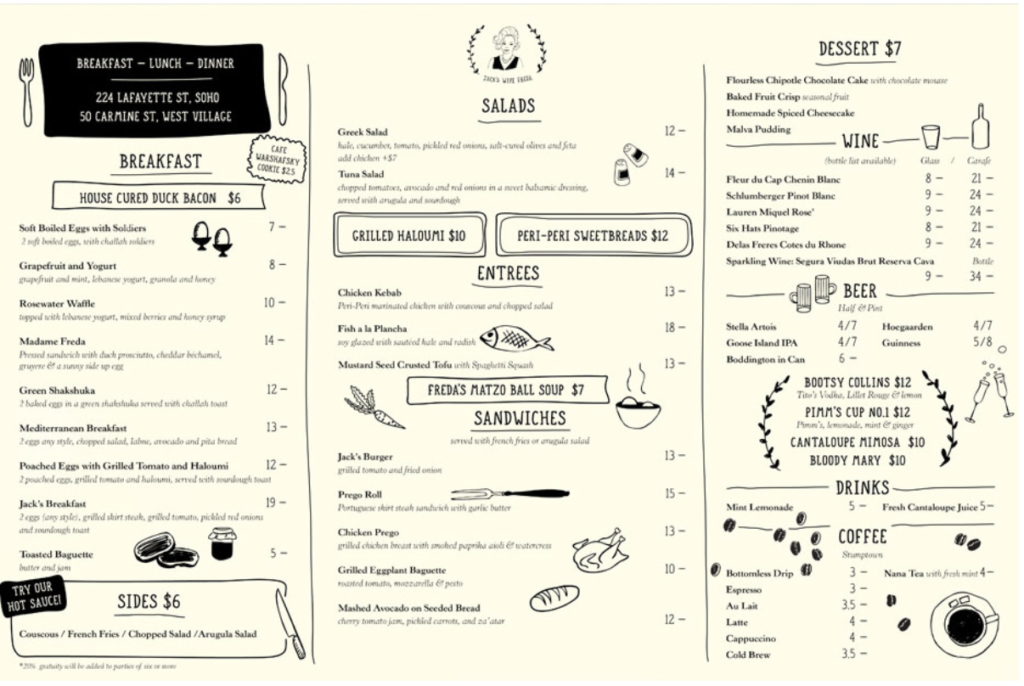
With that in mind, firms like Paperwhite have cropped up—there to help restaurants, well, “go viral.” Like other marketing companies, Paperwhite aims to help restaurants like Jack’s Wife Freda—menu is pictured below—really nail the branding aspect of their business.

jack's wife freda branding

Final thoughts

In the end, Instagram has become a major game-changer for restaurants from the high-end to the humble food truck with obsessed foodies documenting each stop on the culinary journey.

For chefs, there are some drawbacks to the constant documentation—bad photos can mean bad press, and in some cases, might be worse than simply receiving a bad review.

Still, social media provides some major advantages to rising chefs. And, it’s worth pointing out that just about every industry has had to adapt to changing technology.

From marketing and PR to journalism, and all manner of media, all creative pursuits are subject to digital transformation. It only makes sense that restaurants are, too.