The 6 canceled Pixar movies to dream about after watching 'Hoppers'

Pixar movies do not start with a finished script. Little by little, through production, the movies are created and it is discovered what they are really about. This is not the case with Hoppers, whose biggest changes came after a certain degree of censorship for speaking positively about the environment (imagine that!). This has not prevented it from being a new great success for the studio (the most successful for an original movie since Coco) and has given hope that not everything will be sequels from now on. However, other projects have not had the same luck and were canceled […]

Pixar movies do not start with a finished script. Little by little, through production, the movies are created and it is discovered what they are really about. This is not the case with Hoppers, whose biggest changes came after a certain degree of censorship for speaking positively about the environment (can you imagine!). This has not prevented it from being a new great success for the studio (the most successful for an original movie since Coco) and has given hope that not everything will be sequels from now on. However, other projects have not had the same luck and were canceled without the possibility of becoming different movies later on. Do you want to take a look at the Pixar that could have been and was not?

1906

Why is Pixar known? Indeed, for its animated films. Well, Brad Bird was determined that it could also make its live-action films, collaborating with Warner instead of Disney: 1906 was going to cost 200 million and adapt the original novel about the San Francisco earthquake, completely leaving aside the child or family perspective. Bird could not finish the script in time, and a year after announcing the project, Disney bought Pixar, forever ending this kind of far-fetched ideas. To this day, no one has adapted 1906, and it remains in limbo. I highly doubt it will come out of there.

Monkey
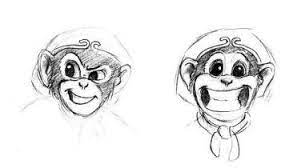
Even before making Toy Story, Pixar tried to test its luck with an original movie back in 1985, shortly after making its first short film. John Lasseter and his team began producing the adaptation of a book called Monkey, about the famous Monkey King from Journey to the West (yes, the Chinese book that also inspired Dragon Ball). However, no matter how hard they tried to make it work, they soon realized that the amount of hours they would need to carry it out properly was absolutely insane. In the end, it came to nothing, perhaps for the best for Pixar, which ultimately succeeded with its first solo film.

El coche amarillo
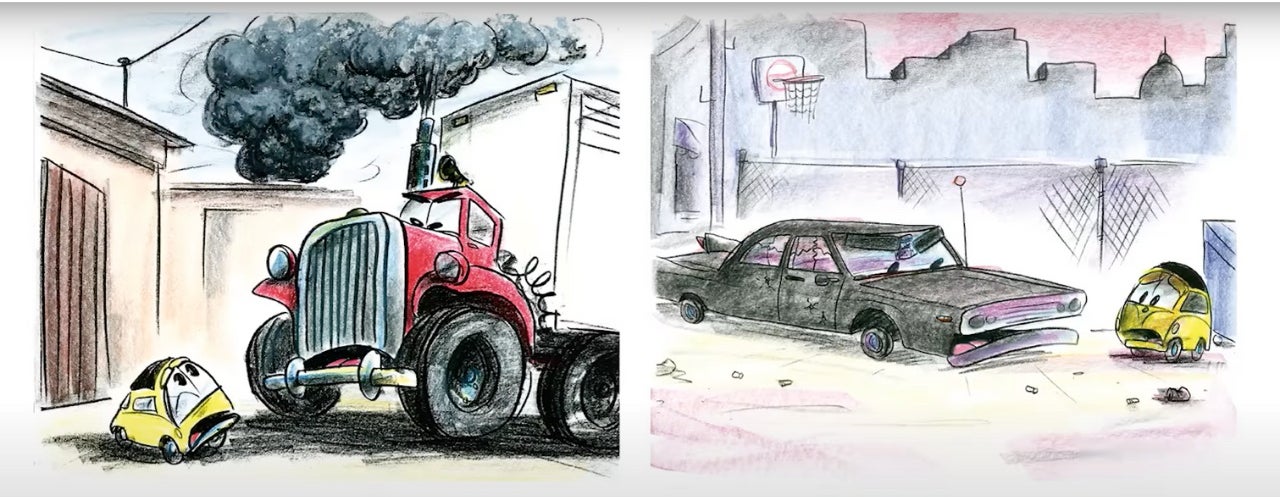
In 1995, Pixar tried to make its next movie feature anthropomorphic cars. Specifically, a little yellow electric car that dreams of being a great racer, but ends up on an impossible journey across Mexico. In the end, he lost the race, but the judges declared him the winner for having raced for so long on a single charge. The movie, which would have had humans alongside the cars, eventually became American Car in 2002 and finally came to light, completely changed, as Cars in 2006. The wait wasn’t really worth it.

Newt
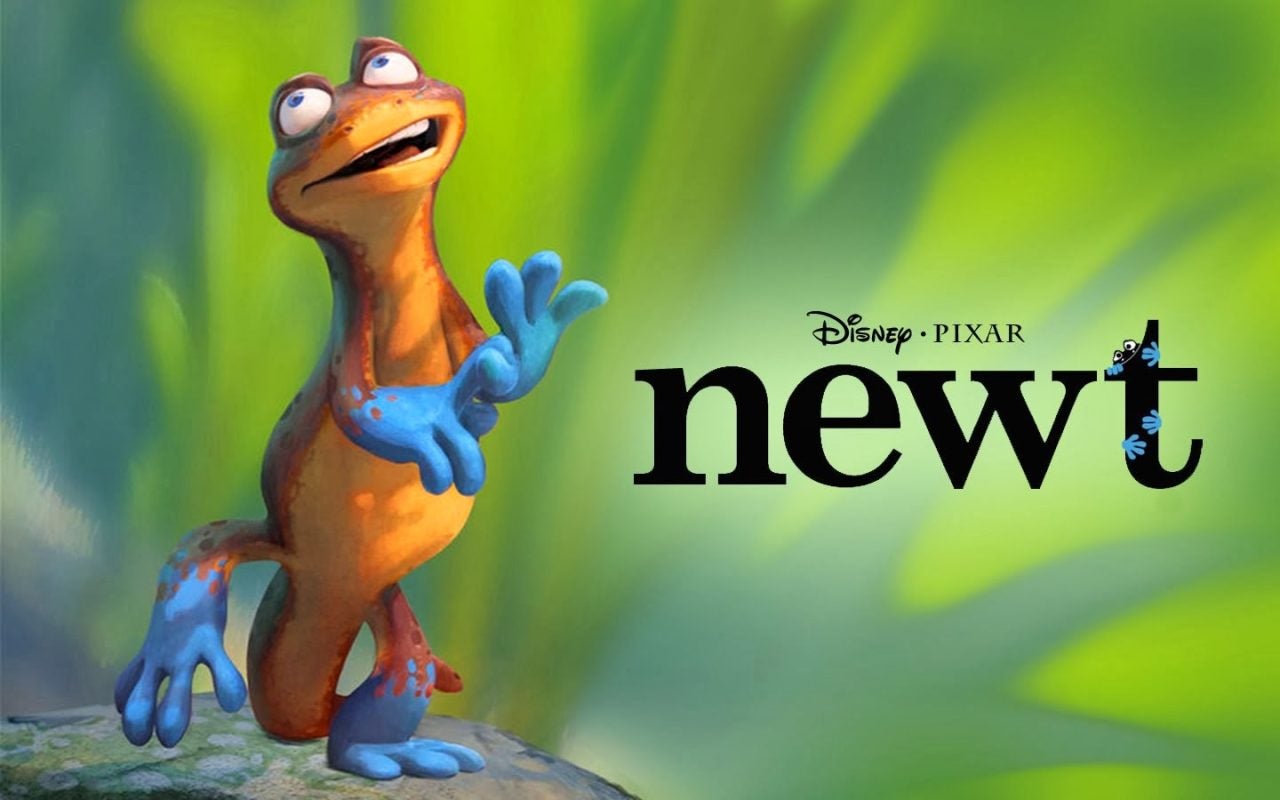
We have rarely known so much about a canceled Pixar movie, as it was even officially announced for 2011. In it, the last two bluefin mermaids in the world, who can’t stand each other but are forced to be together to save the species, embark on a crazy adventure that may culminate (who knows) in love. With the film already in progress, the studio decided it was too similar to Rio and canceled it, focusing on Inside Out. We will never know what it could have been, sadly, but a catastrophe of this kind, with a release date included, has never happened at Pixar (nor will it probably happen again).

The Shadow King
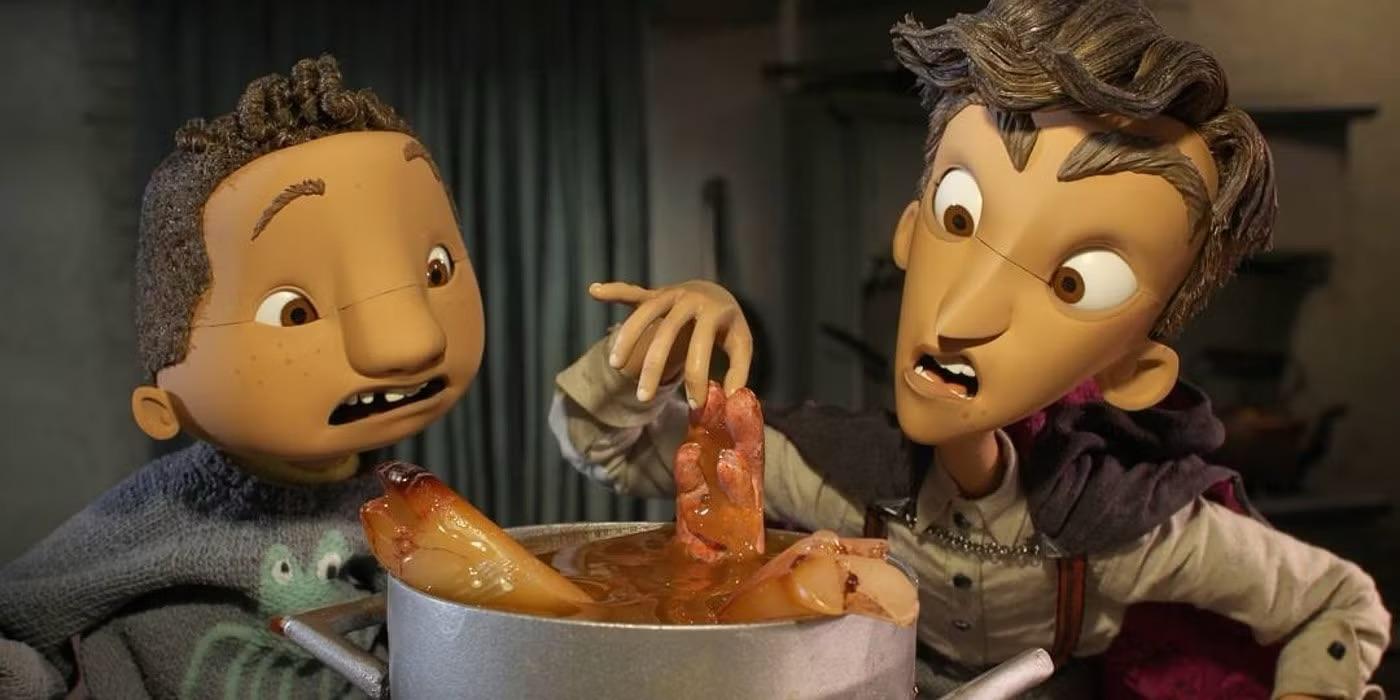
What if Pixar switched to stop motion? That’s what Henry Selick, director of The Nightmare Before Christmas (no, it’s not Tim Burton, don’t insist), tried to do with The Shadow King, a movie about an orphan boy named Hap with the power to transform his world through shadows. Sadly, in 2012 Selick and Pixar had serious issues regarding the tone of the story and its development and decided to cancel their relationship… and, therefore, the movie. The director promised that if Wendell & Wild was successful on Netflix, it would be his next project… but it fell through. What can we do?

BeFri
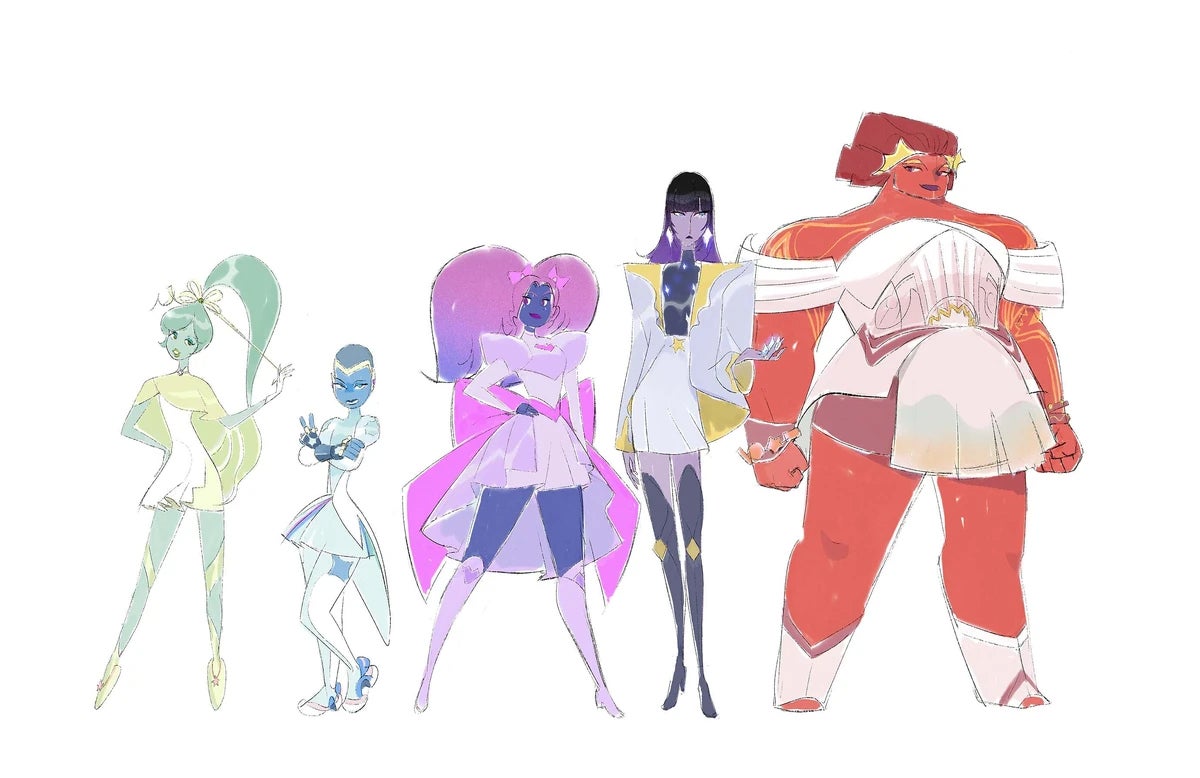
This is the latest we know that Pixar has firmly canceled. Directed by Kristin Lester, it was about her teenage experience with a platonic breakup, something that Pete Docter found “too biographical.” Enough to cancel it… As if Pixar has never dealt with the life experiences of its directors! Anyway. I hope it comes out in some other way someday, because, beyond The Banshees of Inisherin, cinema has not sufficiently addressed the breakup of friendship and the pain it leaves behind. Pixar, not like this.
What is Game Changer and why has it completely revolutionized television with its originality

Since the beginning of time, television contests have had one main principle: not to confuse the viewer with new challenges or especially strange concepts. If your show is about culture, then questions and answers. If it’s about skill, physical challenges. But always, each week, there was an effort to have an oasis of calm with something you knew how it was going to work, phase after phase, until the end. Many contests have gone years without changing their mechanics, repeating the same thing over and over without their audience getting tired, from Jeopardy to The Wheel of Fortune. […]

Since the beginning of time, television contests have had one main principle: not to confuse the viewer with new challenges or particularly strange concepts. If your show is about culture, then it’s questions and answers. If it’s about skill, physical challenges. But always, every week, there was an effort to have an oasis of calm with something you knew how it was going to work, phase after phase, until the end. Many contests have gone years without changing their mechanics, repeating the same thing over and over without their audience getting tired, from Jeopardy to The Wheel of Fortune. However, the arrival of the Internet has disrupted an entire generation, which is not willing to see the same thing all the time. And that’s where Game Changer comes in.

¡Es hora de un cambio radical!

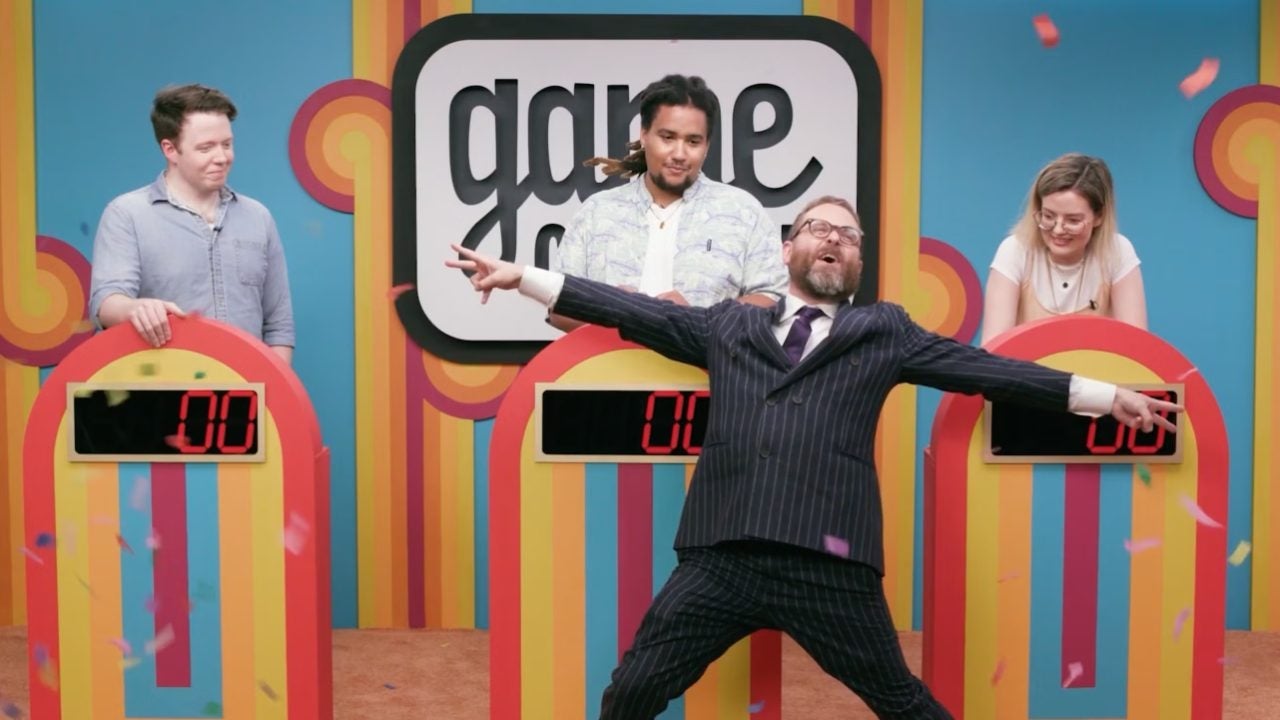
Since 2019 (it started at College Humor and soon after became part of Dropout), Game Changer has shocked the entire industry with an unyielding principle: when the show starts, none of the contestants know what they are going to play, how it works, and what they need to do to win. They must, in fact, discover it along the way. What began very innocently, with fun episodes that did not go down in history, quickly turned into a madness filled with strategies, top-level comedy, epic improvisations, and, above all, off-the-cuff anti-capitalist speeches. We wouldn’t want it any other way.

One day, Game Changer can bring together nine contestants to set up a homemade Survivor game. Another, they must do everything the host says (if preceded by “Sam Says,” and it seems easy but it is not). Over time, it evolved into episodes that took a year to make or even an adventure in a castle exclusively for the host that the contestants set up in their free time alongside the show’s crew. Because, it is important, the contestants are actually collaborators, they don’t win anything and are on Dropout’s payroll, which allows the tension to dissipate and they simply focus on having fun and making the best show possible. The result is, almost always, out of the ordinary.

Conventional television has not been able to react to the impact of Game Changer, its success on social media, and its feeling of absolute freedom and continuous surprise. Anything can happen at any moment, and when you start the episode, you don’t know what will come during the next 40 minutes. These are meticulously prepared shows, taking into account all possible variables and an oasis of joy amidst the tumultuous waters of the Internet. They can just as easily do a completely musical episode (my favorite, by the way) as they can spin a roulette to impose cumulative orders: it’s comfort, yes, but in a different way. The kind that stimulates.

The program itself has had four spin-offs (the most well-known, Make Some Noise) and has created something vital for making what you do go viral: an immense sense of closeness with the audience. That’s why they can even afford to set up a Who Wants to Be a Millionaire? with the sole purpose of financially helping one of the most beloved cast members, Jacob Wysocki. In the end, it has become so popular that it even had a crossover with The Rookie and has based an entire subscription system on its popularity (and that of other shows like the role-playing game Dimension 20, or the aforementioned Make Some Noise). Season 8 is just around the corner, and it’s the best time to catch up because, when someone copies it in Spain, we can always say that we know exactly what they are doing, and it goes against the rules of the game.

'The Bride!' reminds us of one of the biggest failures in film history: the Dark Universe

There is an Internet relic that seems to me as fascinating as it is incredible, because somehow it still stands and is the representation of the failure of an entire studio: the Twitter account of the Dark Universe, where on May 22, 2017, a star-filled photo was posted with the text “Witness the beginning of a #DarkUniverse” and from which we never heard again. They didn’t even use it to promote The Mummy, which ultimately was the only film in this meager cinematic universe. But almost ten years ago it made sense: everyone was […]

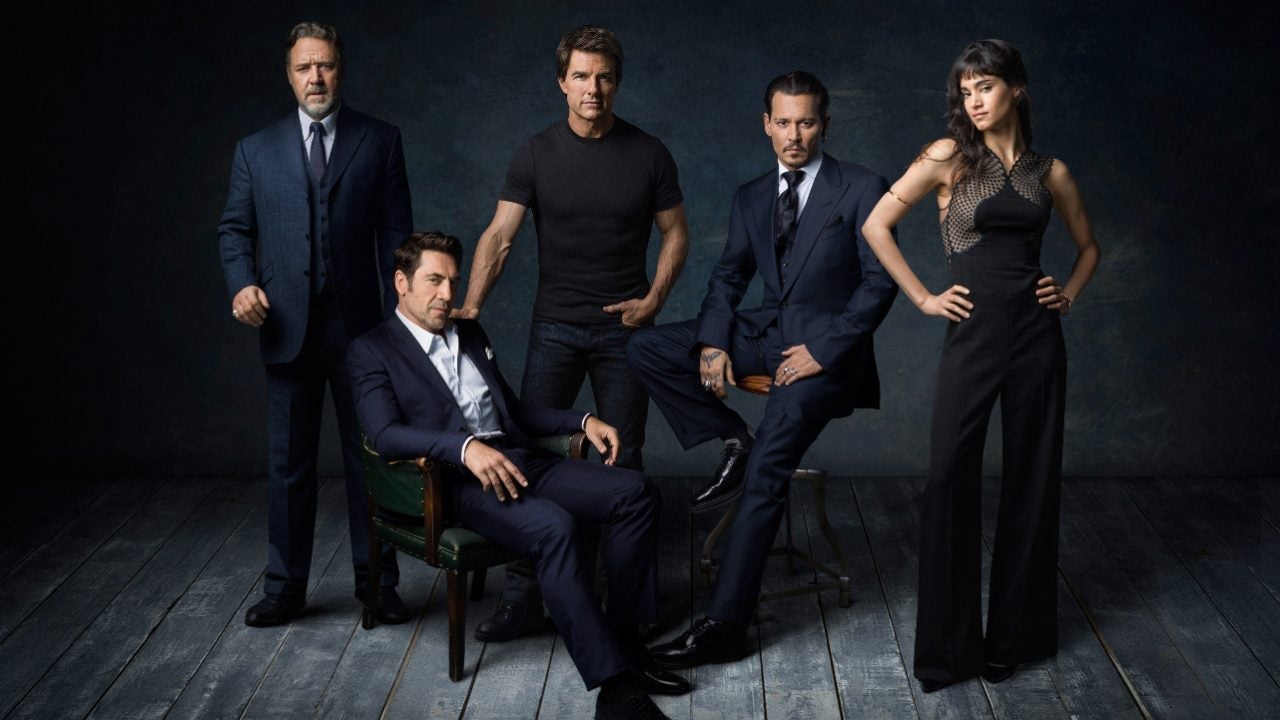
There is an Internet relic that seems to me as fascinating as it is incredible, because somehow it still stands and is the representation of the failure of an entire studio: the Twitter account of the Dark Universe, where on May 22, 2017, a photo filled with stars was uploaded with the text “Witness the beginning of a #DarkUniverse” and it was never heard from again.

They didn’t even use it to promote The Mummy, which ultimately was the only film in this meager cinematic universe. But almost ten years ago it made sense: everyone was building their universe, after all. Why not aim big? The answer, sadly for them, was at the box office.

Make Mine Dark!

To understand the reason for the existence of this Dark Universe, we have to go back to 2008, when Marvel released Iron Man and, half knowing and half unintentionally, started a shared universe of movies and series that continues to this day with crossovers, references, nods, and the feeling of witnessing something truly cohesive.

Of course, everyone said, “Hey, if they can do it, we can too,” and all sorts of proposals emerged, each stranger than the last: the DC Extended Universe, the Robin Hood Universe, the Monsterverse… Seeing the trend, Universal did not hesitate to bring out their old monster movies, give them a facelift, and unite them all in a macro-saga: the Dark Universe was born, under the shadow of Marvel.

In that initial photo (which is debated whether it was made with Photoshop or by gathering all the talent in one room) were Tom Cruise, Russell Crowe, Sofia Boutella, Javier Bardem, and Johnny Depp. The first three starred in The Mummy, but they were already preparing for the future, with Bardem as the Monster of Frankenstein and Depp as The Invisible Man.

They even announced a good handful of movies, including The Bride of Frankenstein, Van Helsing, The Wolf Man, Dracula, The Phantom of the Opera, and The Creature from the Black Lagoon. Do you know how many we actually got to see? Exactly: none.

Apparently, there was so much chaos in the writers’ room where the master plots for this universe were decided that someone actually said “Let’s build the plane while we learn to fly it” (one of the worst analogies in history), in response to valid questions like “Should all monsters be villains or can they be heroes?”. They clearly didn’t have a grasp on even the most basic concepts.

The curious thing is that they could have moved forward, because The Mummy was a resounding success, grossing 410 million, but the critics mocked it so much that they decided to leave all the plots about Doctor Jekyll or the future of Tom Cruise’s character hanging, and nothing was ever heard again. A failed universe by all accounts.

In the end, it must be said, some of these movies were indeed released, but not in their original vision. The Invisible Man replaced Johnny Depp with Elisabeth Moss to deliver a powerful film about abuse in 2020, and The Bride of Frankenstein became, of course, The Bride!, which has just been released in theaters with a public reaction that, being generous, is lukewarm. Being very generous.

However, since they had the brand, they decided to take advantage of it for their theme parks: as part of the Epic Universe at Universal parks, one can take a ride through the Dark Universe, a dark world filled with terrifying creatures and monstrous experiments.

And while you’re at it, hop on a couple of attractions that are supposed to be really scary… Although, really, what is scarier than a business failure that leaves you with a half-open Twitter account? Chills.

Why is it not good news that 'The K-Pop Warriors' is going to win the Oscar

Yes, yes. I know. You have danced to Golden to the point of exhaustion, your sons, daughters, nephews, or nieces know it by heart and have even taught you the choreography of the moment: after all, it is the most-watched movie in Netflix history and, to everyone’s surprise, it doesn’t even belong to a franchise: The K-Pop Warriors has marked an era to the point where it is clearly on track to win the Oscar for Best Animated Feature without any problem. And yet, I am convinced that it is not good news. Up, up, up, is […]

Yes, yes. I know. You have danced to Golden to your heart’s content, your sons, daughters, nephews, or nieces know it by heart and have even taught you the latest choreography: after all, it is the most-watched movie in Netflix history and, surprisingly, it is not even part of a franchise: The K-Pop Warriors has made history to the point where it is clearly on track to win the Oscar for Best Animated Feature without any problem. And yet, I am convinced that this is not good news.

Up, up, up, is our moment!

Since 2021, none of the major American animation studios have won the Oscar in the category. At that time, it was Encanto that took the prize over better options like The Mitchells vs. the Machines or Luca. However, it was the film that broke a 10-year streak in which the winning films were invariably from Pixar, Disney or (in the case of Spider-man) from Sony. From one of the big players, at all times. With the change of voters in the Academy, changes came in all the awards, and animation was no exception.

In 2022, Netflix hit the jackpot with Pinocchio, an absolutely stunning stop-motion film that demonstrates how animation is much more than CGI and 3D puppets. In 2023, it was time to head to Japan to honor master Hayao Miyazaki and his latest masterpiece (so far), The Boy and the Heron, which underscored a constant in recent years: the world becomes much larger when you peek over the subtitle barrier. Last year, experimentation reached its peak with Flow, a Latvian film with no dialogue whatsoever that amazed audiences worldwide. And I can’t be the only one who thinks that if K-Pop Warriors wins, it will be a step backward.

An American production (upholstered, yes, with nods to South Korea, as if trying to give it an exotic touch but without getting too involved), from Sony and Netflix, with curious animation that still repeats some tics we have seen in the studio’s previous films. Against the mainstream (perhaps not sought after, but mainstream after all), two works of pure resistance that strive to move forward: the vibrant Arco and the unbeatable Little Amelie, which truly demonstrate how animation can be used to tell all kinds of stories that go beyond “good versus evil” and without anyone later announcing a sequel, a franchise, an amusement park, and a collaboration with a Chupa Chups brand.

I’m not against The K-Pop Warriors, mind you: it’s a movie that works, it’s constantly entertaining, and its songs stick like glue. But it’s undeniable that with the award, the Academy is going to fall into the obstacle it managed to evade years ago: awarding the most famous movie. It could be Zootopia 2, it could be this one, it doesn’t matter. It’s giving money to the millionaire and love to the beloved. It doesn’t need it at all, and it can tarnish the best animated feature category, leaving it adrift again and giving popular awards by default.

Was Toy Story 4 really better than Where Is My Body? or Klaus? Why Zootopia and not My Life as a Zucchini or The Red Turtle? Did Big Hero 6 deserve it more than The Tale of the Princess Kaguya? We cannot (and should not) allow ourselves to return to that dark era where animation was automatically given to the famous movie of the moment because from there to nominating Avatar for best picture by default is just one step.

The PS3 and Spider-man are connected by something beyond fiction: their font

If I ask you to create the PlayStation logo, you could probably do it even if you have no idea about marketing. After all, it is a perfectly recognizable font, the SST, which Monotype created for Sony in 2013, coinciding with the launch of PS4. In fact, Sony uses that same font for its websites, the menus of its televisions, and even the Xperia smartphone… although, in the past, other crazy ideas they had to unify the brand didn’t turn out as well. Or do we not remember the chaos of PS3? Spidey Station When the first PlayStation came out to the […]

If I ask you to create the logo for PlayStation, you could probably do it even if you have no idea about marketing. After all, it is a perfectly recognizable font, the SST, which Monotype created for Sony in 2013, coinciding with the launch of PS4. In fact, Sony uses that same font for its websites, the menus of its televisions, and even the Xperia smartphone… although, in the past, other crazy ideas they had to unify the brand didn’t turn out as well. Or do we not remember the chaos of PS3?

Spidey Station

When the first PlayStation was released in 1994, everyone recognized it by its simple yet effective logo: a P over an S that simulated a three-dimensional effect, clearly indicating the console’s purpose. However, with PS2 things had changed: the logo was almost exclusively made up of straight lines, created by Teiyu Goto. Until now, each of the consoles had been notable for its own merits. And then, PS3 arrived.

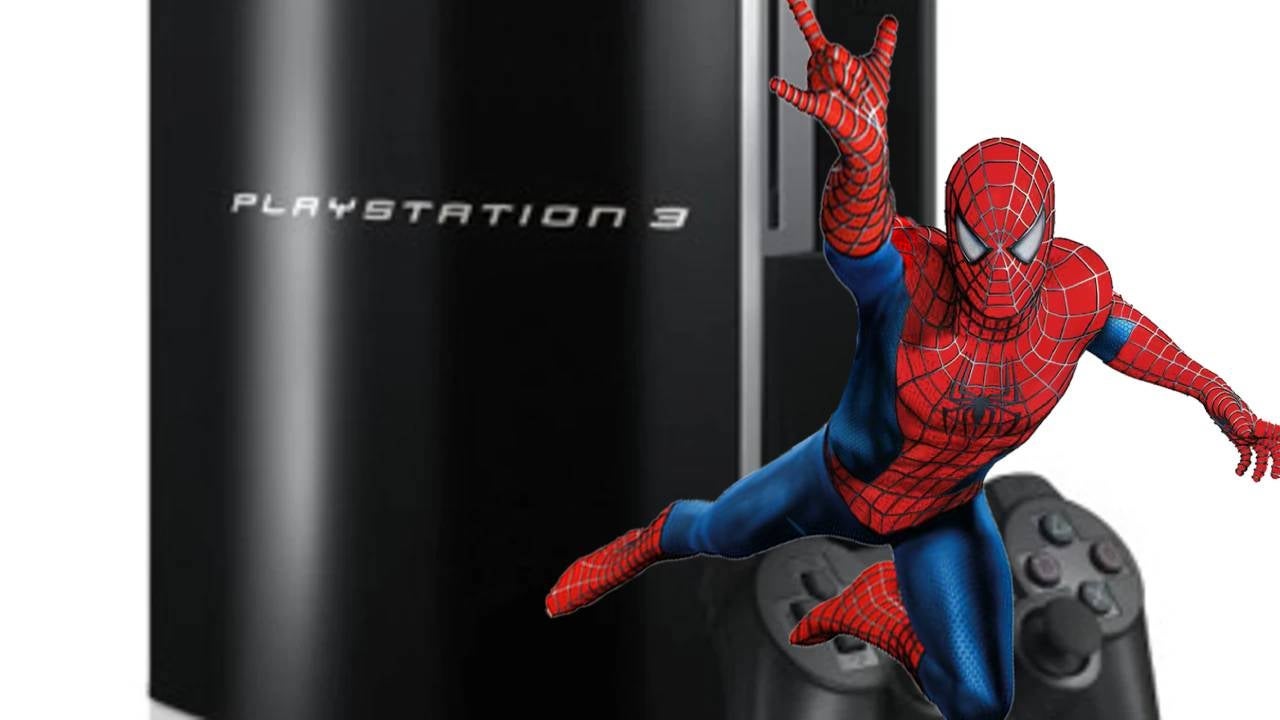
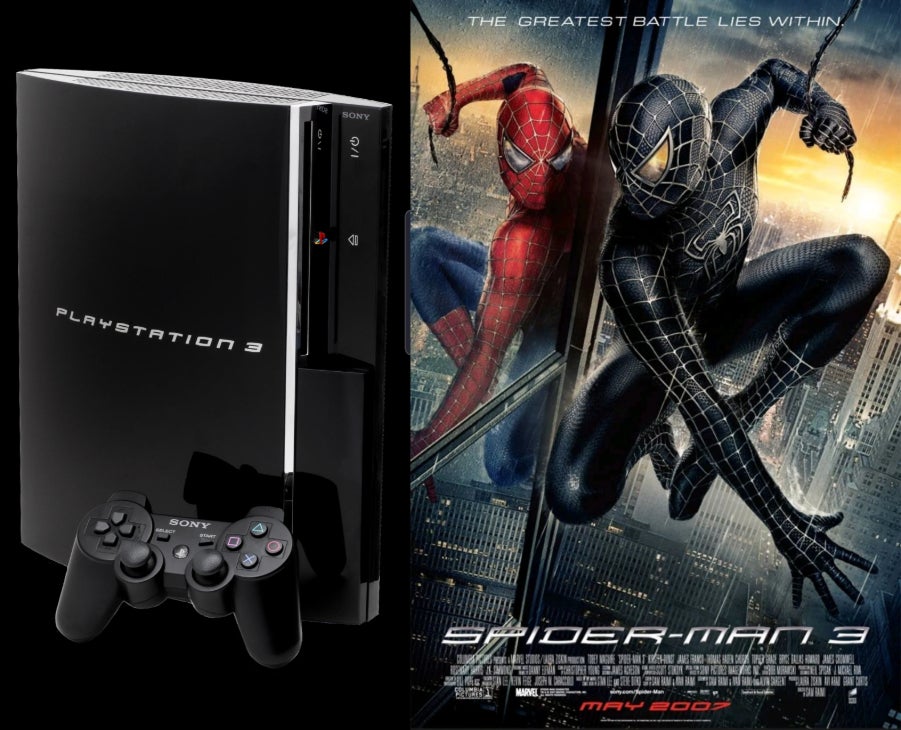
Surely you remember it (at least if you’re of a certain age): PlayStation 3 set aside its iconic logos to adopt… the font from Spider-man, the Sam Raimi movie, which had come out five years earlier than its launch (in fact, it was released just in time to “celebrate” the premiere of Spider-man 3). Nobody understood anything. What was the point of using a font that was already associated with another franchise to promote the most important console in the world? Well, the story has more depth than it seems and is not exclusively summarized in “Both were properties of Sony.” Fortunately.

In the PlayStation 3 advertisement, which showcased its power and ability to play Blu-Rays, they did so by displaying images of Spider-man. But that wasn’t even the reason for the strange crossover: Teiyu Goto, chief designer of Sony Computer Entertainment, passionately defended that it was the right decision because it perfectly matched the curvature and appearance of the device. He was not alone, as Goto himself stated some time later.

“Instead of creating a typography with all the risks it entails, it was wiser to use the one from Spider-man, for which Sony had the rights. This is also what President Kutaragi wanted, who insisted that it be used. In fact, the logo was one of the first elements he decided on and was the motivational force behind the shape of the PS3″. So, whether you like it more or less, it was a decision that came from above. However, two years later they completely changed it and forgot about the Spider-man logo, which lasted only two years on the market.

The reason was not the memes or that people had realized the trick, but, as Kaz Hirai stated, for a practical reason: “When you spell out PlayStation 3, it took up so much space that if you wanted to put it on a billboard, it became tiny. It didn’t work because of visibility. Thus, PS3 Slim abandoned the uppercase letters of the original logo and completely rebooted its own concept. Since then, as we live in much more boring times and less prone to craziness, Sony has unified all its fonts and concepts, and nothing will surprise us anymore. We know what the PS6 logo will be even before we see it… Unless, suddenly, they decide to use the font from Spider-man: Brand New Day. Well, so what? It would be a nice tribute.

The Marvel character that was supposed to appear as a supporting role in the Netflix series. They ended up giving him his own movie and grossing 1.1 billion

At the beginning of 1977, Marvel was a bit worried: most of their heroes were men and only a handful of heroines like the Invisible Woman or the Wasp were making an appearance. They needed more if they wanted to keep the female audience from leaving them behind, and Stan Lee wondered, “Well, can we come up with a female character for which we can use the name Marvel?” Yes, as uncreative as it sounds. Digging through the comics, they decided that the chosen one would be a supporting character of Captain Marvel, a certain Carol Danvers who had been seriously injured. With a plot excuse the […]

In early 1977, Marvel was a bit worried: most of their heroes were men and only a handful of heroines like the Invisible Woman or the Wasp were making an appearance. They needed more if they wanted to keep the female audience from leaving them behind, and Stan Lee wondered “Well, can we come up with a female character for which we can use the name Marvel?”. Yes, as uncreative as it sounds. Digging through the comics, they decided that the chosen one would be a secondary character of Captain Marvel, a certain Carol Danvers who had been seriously injured. With a plot excuse, they resurrected her in full force and called her Ms. Marvel. A star was born.

From Jessica Jones to Carol Danvers

Although at the time Ms. Marvel was one of the most progressive characters of her time, the truth is that in the 80s she was put into a terrifying plot where, in an alternate reality, she was raped by Marcus, the son of Immortus, and gave birth… to Marcus himself, whom the Avengers believed she was in love with and sent back to that alternate reality. As you can imagine, it didn’t sit well with her, and over the years, it has been heavily criticized that someone allowed such harm to be done to a character with so much potential. She eventually managed to survive that ordeal, became more popular than ever, and even became, as she is now, Captain Marvel. Thank goodness.

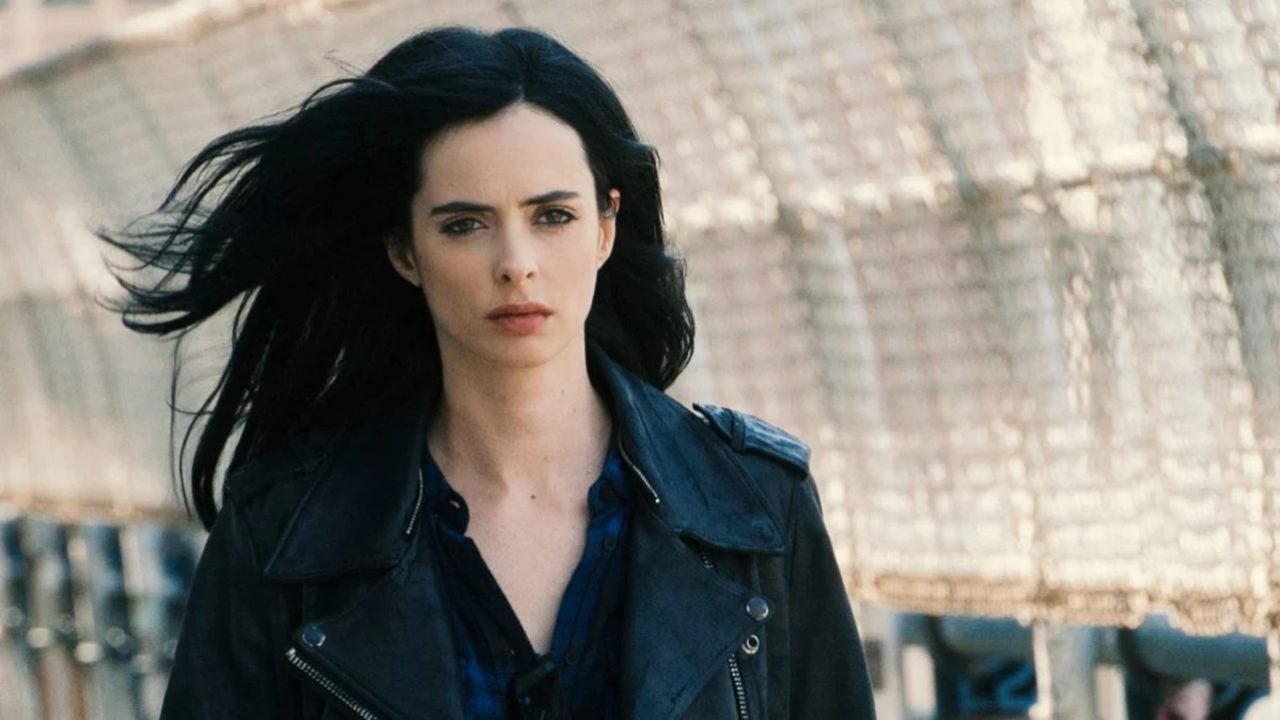
However, when Netflix chose the heroes that would make up their own Marvel Universe, long before Disney+ existed, they obviously preferred to go for “street-level” characters rather than powerful cosmic beings, due to budget issues: thus, among the four chosen, there was only one woman: Jessica Jones, who had starred in the comic book series Alias in the early 2000s. It was an immediate success, the story was very good, and Netflix decided that it would focus on the legal cases of superheroes and being a colleague of, indeed, Carol Danvers.

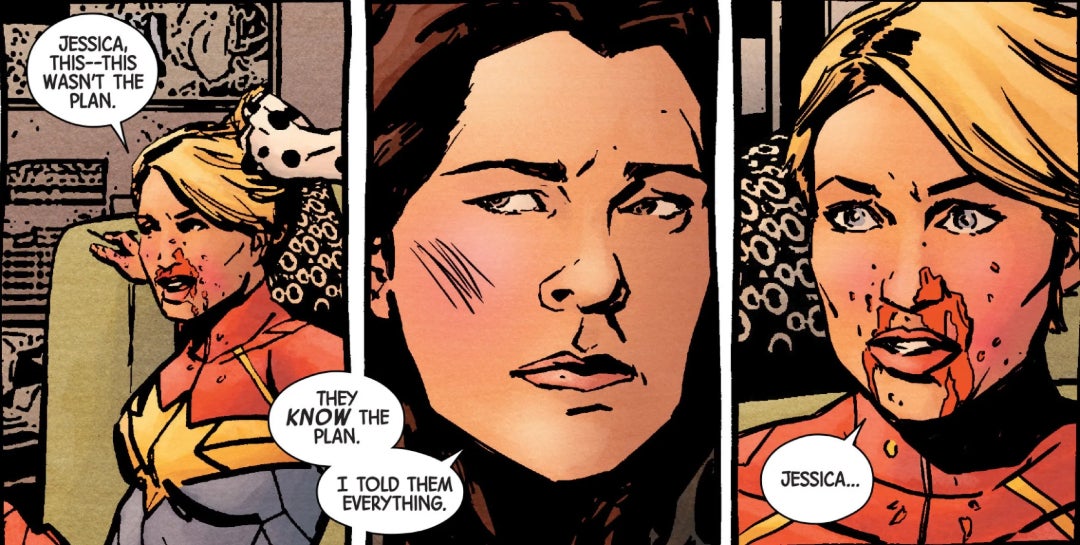
The characters had already crossed paths in the comics, and their creator, Melissa Rosenberg, wanted to play the game again: “When I was making it for ABC, I used Carol Danvers. But when it ended up on Netflix, the MCU separated, and so did it from the comic universe.” And although she wanted to continue using the character, Marvel warned her that there was going to be a Captain Marvel movie and prohibited her from beating around the bush. Instead, and almost at the last minute, she changed it in the scripts to Patsy Walker, which ultimately worked better than anyone would have expected. After all, she was a character without superpowers who could serve better as a mirror for Jones… And yes, by the end of season 2, she not only acquired superpowers but also became the villain of the last batch of episodes. Better not to remember them.

In the end, Marvel took longer than expected to introduce its star heroine: she was originally supposed to appear in Age of Ultron, but its director, Joss Whedon, complained that they couldn’t introduce her properly with so many characters, and they had to change the script, inserting Scarlet Witch into some sequences that were originally meant for Danvers. When she was introduced in Captain Marvel, she earned 1.1 billion for the studio’s coffers.

The good part of all this is that, finally, after a bunch of chain changes and licenses and all that boring paperwork, it is official that both belong to the same universe (or it will be in season 2 of Daredevil: Born Again). Will we finally be able to have this superhero buddy movie, or is Brie Larson’s cache so high that it’s not worth trying?

Sometimes we forget, but Chris Pratt appeared in the same year in one of the best and one of the worst movies of the 21st century

Chris Pratt’s career is, why not say it openly, disappointing. He shot to fame as the funny Andy Dwyer from Parks and Recreation, only to end up hitting the gym, becoming a superman (literally) and leaving comedy aside, focusing exclusively on action and the most cheesy science fiction films. No, it’s not a randomly chosen adjective: I invite you to watch Electric State and No Mercy, to see if after the experience you can come up with another one. However, in 2013 his career was set to be very different. That year, […]

Chris Pratt’s career is, why not say it openly, disappointing. He shot to fame as the funny Andy Dwyer from Parks and Recreation, only to end up hitting the gym, becoming a superman (literally) and leaving comedy aside, focusing exclusively on the most cheesy action and science fiction films. No, it’s not a randomly chosen adjective: I invite you to watch Electric State and No Mercy, and see if after the experience you can come up with another one. However, in 2013 his career seemed to be heading in a very different direction. That year, in fact, he achieved something almost impossible: making one of the best and one of the worst movies of the century. That’s quite an achievement.

Stuck in the elevator

You may not remember Movie 43, and I won’t be the one to blame you. The film is a collection of the most grotesque sketches possible featuring all the big names in Hollywood, for some reason, from Hugh Jackman to Richard Gere, including Halle Berry and Kirsten Dunst, directed by up to 15 directors such as James Gunn or Bob Odenkirk. With this cast, one might imagine that it would be an incredible comedy… until you see Jackman with two testicles hanging from his chin or a woman being eaten by a shark while on her period. Things from 2013.

The sketch starring Chris Pratt alongside his then-wife Anna Faris was about a girl who reveals to her boyfriend that she is coprophilic and wants him to defecate on her in bed. He takes a laxative and wants to finish as soon as possible, which makes her angry and leave the house: he gets hit by a car and starts to… uh… “evacuate” everywhere. He, covered in his own feces, proposes to her, and she accepts, saying it’s the most beautiful thing she has ever seen. This is the level, wow. Ew.

Movie 43 was a box office success, but it went down in history as one of the most disgusting movies in cinema history. Interestingly, almost a year later (from January to December), another movie starring Chris Pratt was released that is, indeed, a true gem to highlight: Her. Yes, we all remember Joaquin Phoenix and Scarlett Johansson’s voice as the AI that his character fell in love with, but Pratt also had a good supporting role. The movie made less money than Movie 43 (that’s just how it is) but went down in history as a contemporary gem that, in the age of ChatGPT, is worth revisiting: what was once science fiction is now part of everyday life.

The following year, coinciding with the end of Parks and Rec, Pratt starred in Guardians of the Galaxy and voiced the main character in The LEGO Movie, immediately making him Hollywood’s golden boy. In 2015, Jurassic World ensured his face was everywhere. Few wanted to dig deeper and discover that two years earlier he had been covered in excrement in the wildest movie, probably, of the century. And it’s a shame, because the most interesting part of his filmography is at the beginning, when he dared to appear in things like Jennifer’s Body, Zero Dark Thirty, or Moneyball. Getting buff was the beginning of the end of his charisma… And many of us still miss him. Is it too late to stop making millions and care a little more about leaving a good legacy?

Movie theaters have their best box office since 2020, and it's the best possible news for streaming

When everyone thought movie theaters were dead, they suddenly rebelled with the best January since 2020: 620 million at the American box office (36 million more than the next record of 2023), in a phenomenon that is repeating in almost all countries. Low and medium-budget films have been piling up, achieving results of all kinds, from just enough to save the plates of Sin Piedad to the astronomical figures of La asistenta, which has already grossed 334 million worldwide, practically multiplying its budget by ten. And this is […]

When everyone thought movie theaters were dead, they suddenly rebelled with the best January since 2020: $620 million at the American box office (36 million more than the next record of 2023), in a phenomenon that is repeating in almost every country. Low and medium-budget films have been piling up, achieving all kinds of results, from just enough to save the plates of Sin Piedad to the stratospheric figures of La asistenta, which has already grossed $334 million worldwide, practically multiplying its budget by ten. And this is good news for movie theaters… but, above all, for streaming services.

Enjoy it as it should be: on TV

Let’s take the theatrical release of Sin Piedad, starring Chris Pratt, as a paradigmatic example. I don’t know if you’ve seen it, but its tone, script, and style are those of a movie made directly for streaming. It cost about 60 million dollars, and Prime Video is well aware that if it were released as an original on its platform, no one would watch it. The cinema no longer serves as the main exhibition window, but rather as a showcase of what is to come to your streaming. What matters is not that it makes enough to be profitable, but that it piques the viewer’s curiosity to keep paying for another month.

The 4.9 euros it costs in Spain (14.99 in the United States) monthly is more interesting for Amazon than the money it makes from ticket sales, because that has to be shared among too many intermediaries. The streaming revenue is all theirs. And, logically, more people will always watch a movie that was number 1 in theaters than one whose existence they are unaware of, no matter how much Chris Pratt is featured prominently. Thus, Sin Piedad has grossed 49 million and will not cover expenses in theaters, but it is more than enough: it was number 1 for an entire week and was talked about on social media. The sleight of hand could not have gone better. It will be profitable.

Years ago, the success of a movie was based on two distinct windows. The first and main one was the cinema. The second was the sales (and rentals) of VHS and DVD, which was much more powerful than believed. Now, it has diversified much more: theaters remain the first window in terms of time, but not in terms of importance. In fact, there are movies in the United States that earn more money for the producer through VOD (hence they release them earlier, even risking piracy) or that have their main life later, when they are offered to all users under subscription.

Of course Warner is interested in the fact that One Battle After Another has made money at the box office and received Oscar nominations, but don’t be fooled by reality: the 208 million it grossed (compared to a budget of 130-175 million) would have been considered a failure in the past, but fame has kept the audience subscribed to HBO Max and brought in new viewers. At $18.49 for the standard version, multiplied by 128 million subscribers worldwide, the result is 2.366 billion a month. A month! Are you already convinced that movie theaters are just the trailers for streaming?

It is the new normal, and the final station of this journey we started in 2020: the coexistence between movie theaters and streaming that has led to all of them taking a good slice. The only problem? What Netflix is going to do with Warner, which could disrupt everything again. I’m afraid only time will tell. Let’s keep our fingers crossed to continue like this.