Movie theaters continue to face a complicated landscape due to changes in consumption habits driven by the pandemic. Despite the difficulties, Universal Pictures has decided to extend the exclusivity period in theaters for its releases, which represents a ray of hope for the film industry. Starting in 2026, some movies, such as ‘The Odyssey’ and ‘The Day of Revelation’, will have an exclusivity period of five weekends, which translates to 31 days before being available on digital platforms. More time to watch on the big screen This change […]
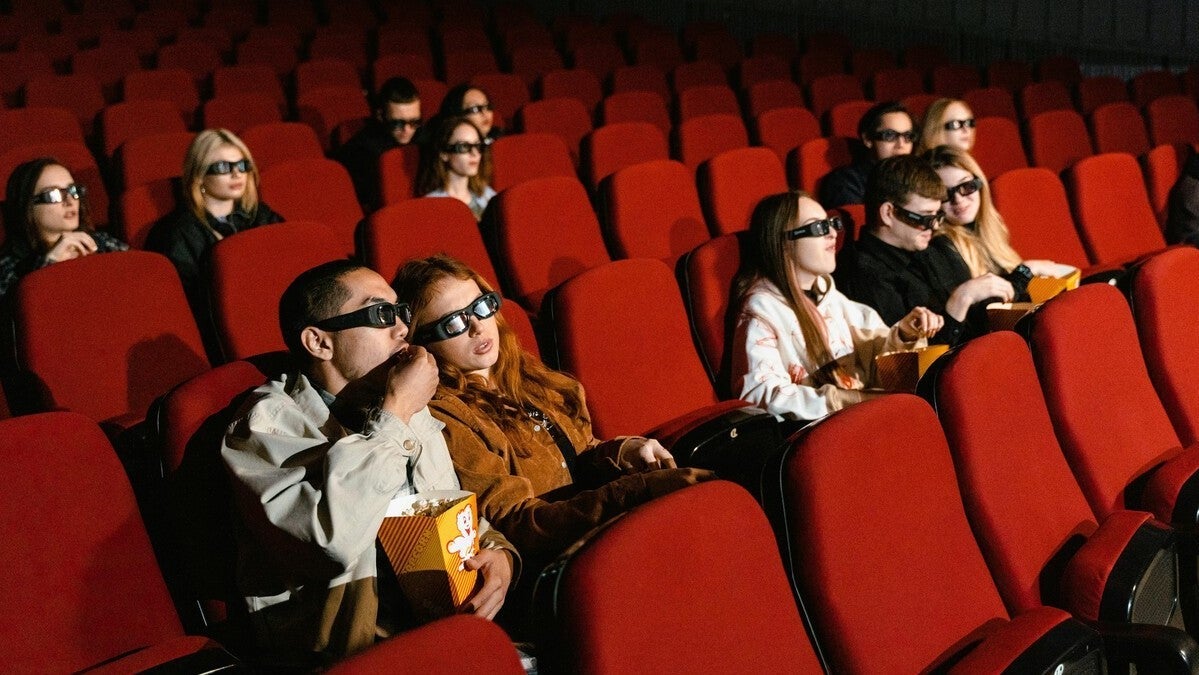
Cinemas continue to face a complicated landscape due to changes in consumption habits driven by the pandemic. Despite the difficulties, Universal Pictures has decided to extend the exclusivity period in theaters for its releases, which represents a ray of hope for the film industry. Starting in 2026, some movies, such as ‘The Odyssey’ and ‘The Day of Revelation’, will have an exclusivity period of five weekends, which translates to 31 days before being available on digital platforms.
More time to watch on the big screen
This change comes after the drastic reduction of the exclusivity window, which during the pandemic was shortened to just 17 days, and to 30 days for productions that managed to gross more than 50 million dollars in their opening weekend. With the new strategy, Universal aligns itself more with current industry practices, especially starting in 2027, when a 45-day exclusivity will be established for its releases. This decision also responds to the demand from several cinema chains, including the largest chain in the world, which recently requested longer times for exclusives in theaters.
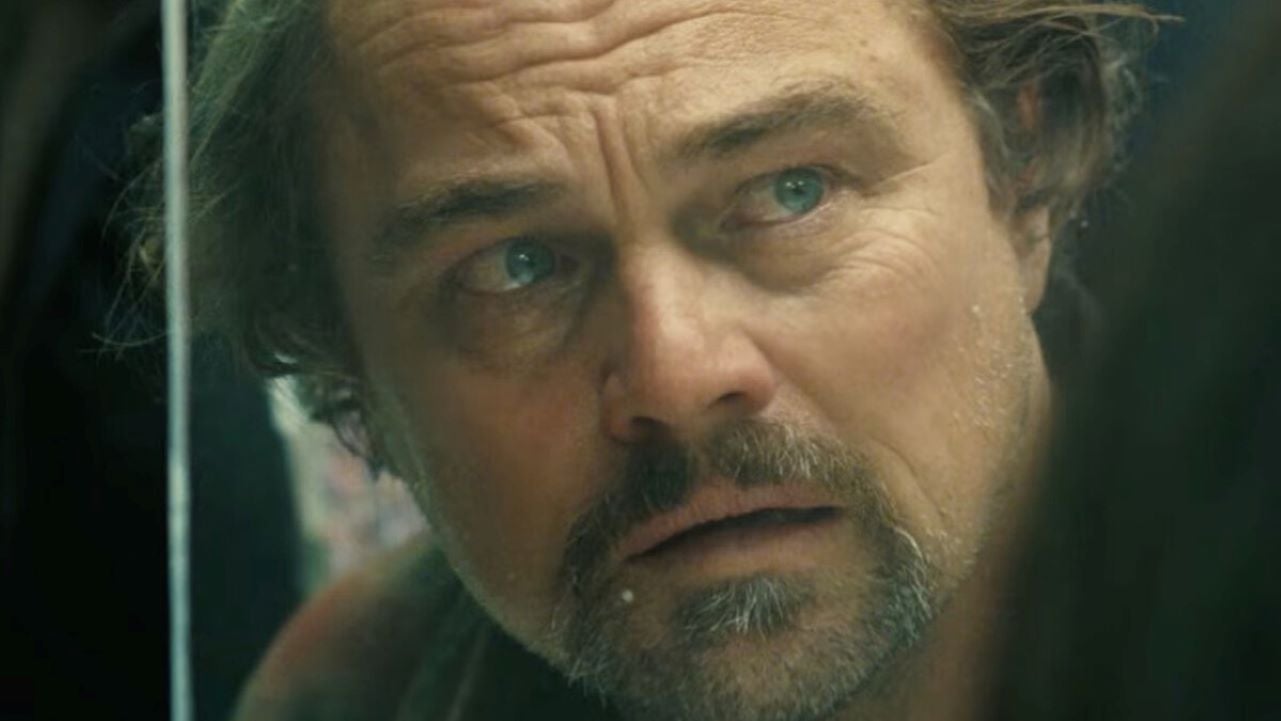
The situation becomes more intriguing when considering Leonardo DiCaprio’s recent statement, in which he expressed doubts about the future of movie theaters, suggesting they could become silos like jazz clubs. His comments reflect the growing concern among filmmakers and actors about the revitalization of cinema in the streaming era and changes in content consumption. According to experts, Universal seems to have taken note of these issues by adjusting its release policies, seeking a balance that benefits both theaters and studios.
Additionally, Universal’s decision aligns with previous commitments from platforms like Netflix, which could set a trend towards stabilizing exclusivity periods in the industry. This situation is a clear indication that, although movie theaters are still in a phase of adaptation, hope and strategy are finding their way.
The Academy Awards, which are held annually to recognize the best films of the year, are approaching at a time when film consumption is evolving. A recent survey conducted by the Pew Research Center reveals that only 53% of Americans reported having attended a movie theater in the past year, which could indicate a shift in entertainment habits among the population. Half of the cinema, is it? The survey, conducted in the summer of 2025, reflects not only the preference for consumption […]
The Academy Awards, held annually to recognize the best films of the year, are approaching at a time when movie consumption is evolving. A recent survey conducted by the Pew Research Center reveals that only 53% of Americans reported having attended a movie theater in the past year, which could indicate a shift in entertainment habits among the population.
Is half of cinema, ci?
The survey, conducted in the summer of 2025, reflects not only the preference for consuming content on digital platforms but also a potential challenge for the film industry facing competition from streaming services and a wide variety of home entertainment options. The trend of declining cinema attendance could influence how award events are developed, including the Oscars, which have historically relied on box office performance and visibility on big screens.
Despite the decline in cinema attendance, it is important to highlight that the love for cinema remains present in American culture. This fact underscores the significance of the Academy Awards as a celebration not only of the films that have hit the screens but also of the artistic achievement and talent that those productions bring with them. However, perhaps the industry should reconsider its approach to attract an audience that seeks different experiences and is increasingly inclined to enjoy cinema from the comfort of their home.
With the Oscars ceremony on the horizon, industry observers and film enthusiasts will be watching how productions adapt to the new dynamics of audiovisual consumption. The challenges are clear, but so are the opportunities that arise in this evolution of the cinematic landscape.
Cinema exhibitors are showing a certain degree of skepticism regarding Netflix’s promises to respect traditional release windows. In a recent earnings call, Sean Gamble, CEO of Cinemark, expressed that while theater owners have received management’s statements from Netflix with some caution, there is an element of optimism in the industry regarding the future relationship with the streaming giant. Does Netflix love cinemas? Despite Netflix’s conciliatory words, exhibitors feel “apprehensive about trusting too much” in these commitments. […]
The cinema exhibitors are showing a certain degree of skepticism regarding Netflix’s promises about respecting traditional release windows. In a recent earnings call, Sean Gamble, CEO of Cinemark, stated that while theater owners have received the management’s statements from Netflix with some caution, there is an element of optimism in the industry regarding the future relationship with the streaming giant.
Does Netflix love cinemas?
Despite Netflix’s conciliatory words, exhibitors feel “apprehensive about trusting too much” in these commitments. The uncertainty about the traditional theatrical release business model is heightened in a context where the preference for direct-to-streaming content has grown significantly, especially since the pandemic.
Gamble commented that Netflix’s promises could influence the perception and trust of theater owners towards the traditional business model, which is based on exclusive release windows for theaters. This change in the dynamic between streaming platforms and theaters is crucial for the future of film exhibition, which has been on the brink due to fierce competition from streaming services.
On the other hand, industry observers suggest that, although Netflix’s intention may be favorable for movie theaters, the company’s history with simultaneous releases (in theaters and on its platform) has set a precedent that could hinder the full trust of exhibitors. Conversations about the future of theatrical releases will continue as the industry seeks ways to adapt to a constantly evolving media landscape.
When everyone thought movie theaters were dead, they suddenly rebelled with the best January since 2020: 620 million at the American box office (36 million more than the next record of 2023), in a phenomenon that is repeating in almost all countries. Low and medium-budget films have been piling up, achieving results of all kinds, from just enough to save the plates of Sin Piedad to the astronomical figures of La asistenta, which has already grossed 334 million worldwide, practically multiplying its budget by ten. And this is […]
When everyone thought movie theaters were dead, they suddenly rebelled with the best January since 2020: $620 million at the American box office (36 million more than the next record of 2023), in a phenomenon that is repeating in almost every country. Low and medium-budget films have been piling up, achieving all kinds of results, from just enough to save the plates of Sin Piedad to the stratospheric figures of La asistenta, which has already grossed $334 million worldwide, practically multiplying its budget by ten. And this is good news for movie theaters… but, above all, for streaming services.
Enjoy it as it should be: on TV
Let’s take the theatrical release of Sin Piedad, starring Chris Pratt, as a paradigmatic example. I don’t know if you’ve seen it, but its tone, script, and style are those of a movie made directly for streaming. It cost about 60 million dollars, and Prime Video is well aware that if it were released as an original on its platform, no one would watch it. The cinema no longer serves as the main exhibition window, but rather as a showcase of what is to come to your streaming. What matters is not that it makes enough to be profitable, but that it piques the viewer’s curiosity to keep paying for another month.
The 4.9 euros it costs in Spain (14.99 in the United States) monthly is more interesting for Amazon than the money it makes from ticket sales, because that has to be shared among too many intermediaries. The streaming revenue is all theirs. And, logically, more people will always watch a movie that was number 1 in theaters than one whose existence they are unaware of, no matter how much Chris Pratt is featured prominently. Thus, Sin Piedad has grossed 49 million and will not cover expenses in theaters, but it is more than enough: it was number 1 for an entire week and was talked about on social media. The sleight of hand could not have gone better. It will be profitable.
Years ago, the success of a movie was based on two distinct windows. The first and main one was the cinema. The second was the sales (and rentals) of VHS and DVD, which was much more powerful than believed. Now, it has diversified much more: theaters remain the first window in terms of time, but not in terms of importance. In fact, there are movies in the United States that earn more money for the producer through VOD (hence they release them earlier, even risking piracy) or that have their main life later, when they are offered to all users under subscription.
Of course Warner is interested in the fact that One Battle After Another has made money at the box office and received Oscar nominations, but don’t be fooled by reality: the 208 million it grossed (compared to a budget of 130-175 million) would have been considered a failure in the past, but fame has kept the audience subscribed to HBO Max and brought in new viewers. At $18.49 for the standard version, multiplied by 128 million subscribers worldwide, the result is 2.366 billion a month. A month! Are you already convinced that movie theaters are just the trailers for streaming?
It is the new normal, and the final station of this journey we started in 2020: the coexistence between movie theaters and streaming that has led to all of them taking a good slice. The only problem? What Netflix is going to do with Warner, which could disrupt everything again. I’m afraid only time will tell. Let’s keep our fingers crossed to continue like this.
Directed by Lee Cronin, the new version of The Mummy promises a chilling twist compared to the past adventures starring Brendan Fraser. This reinterpretation, which focuses more on horror than adventure, brings with it a plot that gives a particular twist to the mummy myth, reinventing it as a missing young woman. The story follows the daughter of a journalist who, after disappearing in the desert, returns eight years later, turning a much-anticipated family reunion into a true nightmare. A film shrouded in secrecy The style of the film evokes the recent production Bring Her […]
Directed by Lee Cronin, the new version of The Mummy promises a chilling twist on the adventures of the past starring Brendan Fraser. This reinterpretation, which focuses more on horror than adventure, brings with it a plot that gives a particular twist to the mummy myth, reinventing it as a missing young woman. The story follows the daughter of a journalist who, after disappearing in the desert, returns eight years later, turning a much-anticipated family reunion into a true nightmare.
A movie shrouded in secrecy
The style of the film evokes the recent production Bring Her Back, in which a mother resorts to forbidden magic to try to resurrect her daughter, suggesting that The Mummy will also explore dark and emotional themes in its narrative. Unlike the 2017 remake starring Tom Cruise, this project does not seek to connect with the previous franchise, establishing itself as the second attempt to reboot The Mummy with a terrifying approach in the last decade.
However, the project has generated controversy. It has been reported that James Wan, a recognized producer in the horror field, supposedly walked out of a preview screening of the film, which has raised eyebrows and generated skepticism among fans and critics of the genre. Some rumors suggest that this discontent may be related to the direction that Cronin has taken in his narrative.
With its premiere scheduled for April 17, viewers will have the opportunity to judge for themselves whether this new installment manages to capture the terror and essence that characterize it. Meanwhile, a close eye will be kept on any additional developments related to this project, which has sparked as much enthusiasm as doubts in the film community.
In a recent interview with The Times of London, Leonardo DiCaprio expressed his growing concern about the future of cinema in theaters. The acclaimed actor indicated that certain genres have been relegated to streaming, raising questions about the viability and continuity of the traditional cinematic experience. “The industry is at a critical point and we need to reflect on how we are distributing and consuming content,” DiCaprio emphasized. Is anyone there? The artist not only addressed the concern regarding distribution but also highlighted the influence of artificial intelligence on art. In a previous conversation with […]
In a recent interview with The Times of London, Leonardo DiCaprio expressed his growing concern about the future of cinema in theaters. The acclaimed actor indicated that certain genres have been relegated to streaming, raising questions about the viability and continuity of the traditional cinematic experience. “The industry is at a critical point and we need to reflect on how we are distributing and consuming content”, DiCaprio emphasized.
Is anyone there?
The artist not only addressed concerns about distribution but also highlighted the influence of artificial intelligence on art. In a previous conversation with Time magazine, he defended the importance of human nature in the creative process, noting that automation could dehumanize art and cause it to lose its essence. “Art must be a reflection of human experience, something a machine cannot replicate”, he stated.
Despite his concern, DiCaprio remained optimistic about the possibility that influential voices within the film industry have the necessary freedom to make significant changes. In an environment where challenges seem to be intensifying, the actor trusts that the creative community can adapt and find new ways to connect with the audience.
DiCaprio’s concern resonates in a broader context, where geopolitics and international tensions also affect the entertainment industry. As the film landscape continues to evolve, both artists and consumers will have to adapt to new paradigms of distribution and creation. Undoubtedly, DiCaprio’s call is a reminder of the importance of preserving the essence of cinema in a world where technology can radically transform the way we consume stories.
The animated Disney movie, Zootropolis 2, has recorded a solid performance at the South Korean box office, accumulating $8.3 million during the weekend of December 5 to 7. This success has brought its total earnings to $25.7 million after 12 days in theaters, demonstrating a strong public interest in the sequel to the acclaimed original, which debuted in 2016. A movie that is a hit wherever it goes According to KOBIS, the tracking service managed by the Korean Film Council, Zootropolis 2 has sold 1.2 million tickets just on the mentioned days. This number highlights […]
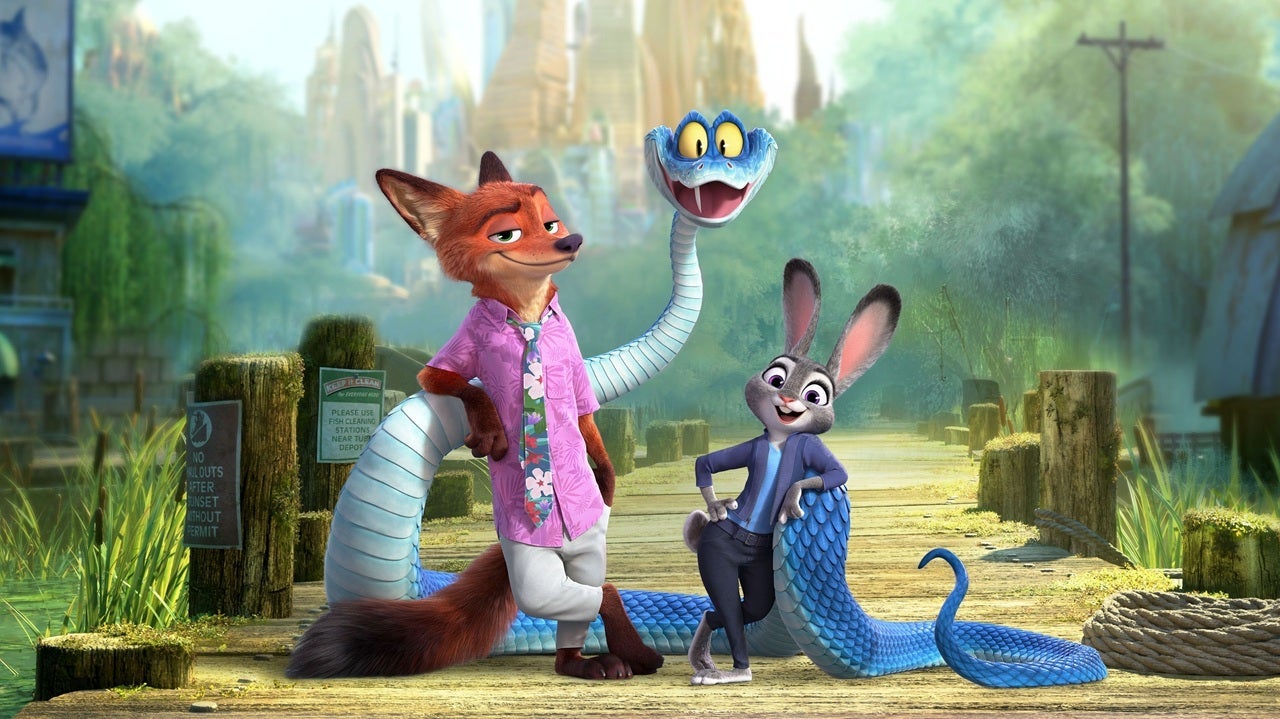
The Disney animated film, Zootopia 2, has recorded a solid performance at the South Korean box office, accumulating $8.3 million during the weekend of December 5 to 7. This success has brought its total earnings to $25.7 million after 12 days in theaters, demonstrating a strong public interest in the sequel to the acclaimed original, which debuted in 2016.
A movie that takes the world by storm
According to KOBIS, the tracking service managed by the Korean Film Council, Zootropolis 2 has sold 1.2 million tickets just on the mentioned days. This number highlights not only the popularity of the film but also its ability to attract viewers at a time when box office competition is fierce.
With a market share of 68.8% since its premiere, Zootopia 2 has established itself as a pillar in family entertainment, standing out above other productions in the movie box office in South Korea. This remarkable performance can be attributed to the combination of its accessible narrative, endearing characters, and the recognition of the Disney brand, which remains a significant draw for the youth and family audience.
The enthusiasm for Zootopia 2 could have positive long-term effects for the franchise, as if current trends continue, it is likely to generate even more revenue as the holiday season approaches. Expectations from critics and the public are high, and with the initial positive feedback about the sequel, there is a real possibility that Zootopia 2 will set a new milestone in Disney’s animated releases.
This year, Halloween will fall on a Friday for the first time since 2014, which could have a significant impact on cinema attendance. With many festivities scheduled and celebrations underway, audience numbers in theaters are expected to drop notably this Friday, posing a challenge for the movies released in theaters. A Halloween that many people won’t want to spend indoors Despite the anticipated decrease in viewer numbers, the horror genre could offer a salvation. The movie Black Phone 2, a horror film that has […]
This year, Halloween will fall on a Friday for the first time since 2014, which could have a significant impact on cinema attendance. With many festivities scheduled and celebrations underway, audience numbers in theaters are expected to decrease notably this Friday, posing a challenge for the movies released in theaters.
A Halloween that many people won’t want to spend indoors
Despite the anticipated decrease in the number of viewers, the horror genre could offer a salvation. The film Black Phone 2, a horror movie that has caught attention, is expected to attract a considerable number of fear enthusiasts despite the Halloween festivities. Industry insiders see this title as an opportunity to capture the attention of those seeking an extra dose of adrenaline during the scariest night of the year.
Analysts predict that the global effect of Halloween falling on a Friday could be “horrific” for the weekend box office, as many potential attendees may choose to celebrate in other ways instead of attending a screening. However, the president of one of the most prominent cinema chains has pointed out that, over the years, there have been examples where horror films benefit from the holiday, as they attract devoted genre fans looking for unique cinematic experiences on this special date.
With the change in the dynamics of a Halloween on a Friday, film studios will need to adjust their marketing strategies to maximize their reach and attract audiences who, under different circumstances, might have opted for parties and other activities. In an ever-evolving entertainment landscape, the success of Black Phone 2 and other releases will largely depend on their ability to resonate with the audience on Halloween night.
Mid-budget cinema is experiencing a significant lack of attention, with streaming platforms taking the spotlight and leaving films that do not have adequate marketing in the background. Elizabeth Olsen, a well-known actress from the Marvel Cinematic Universe, has expressed her frustration regarding this trend, stating that she prefers not to participate in projects that are intended solely for release on streaming services. Tired of movies not being released in theaters, the actress has been clear in her statements, emphasizing that if a film is produced with the intention of being […]
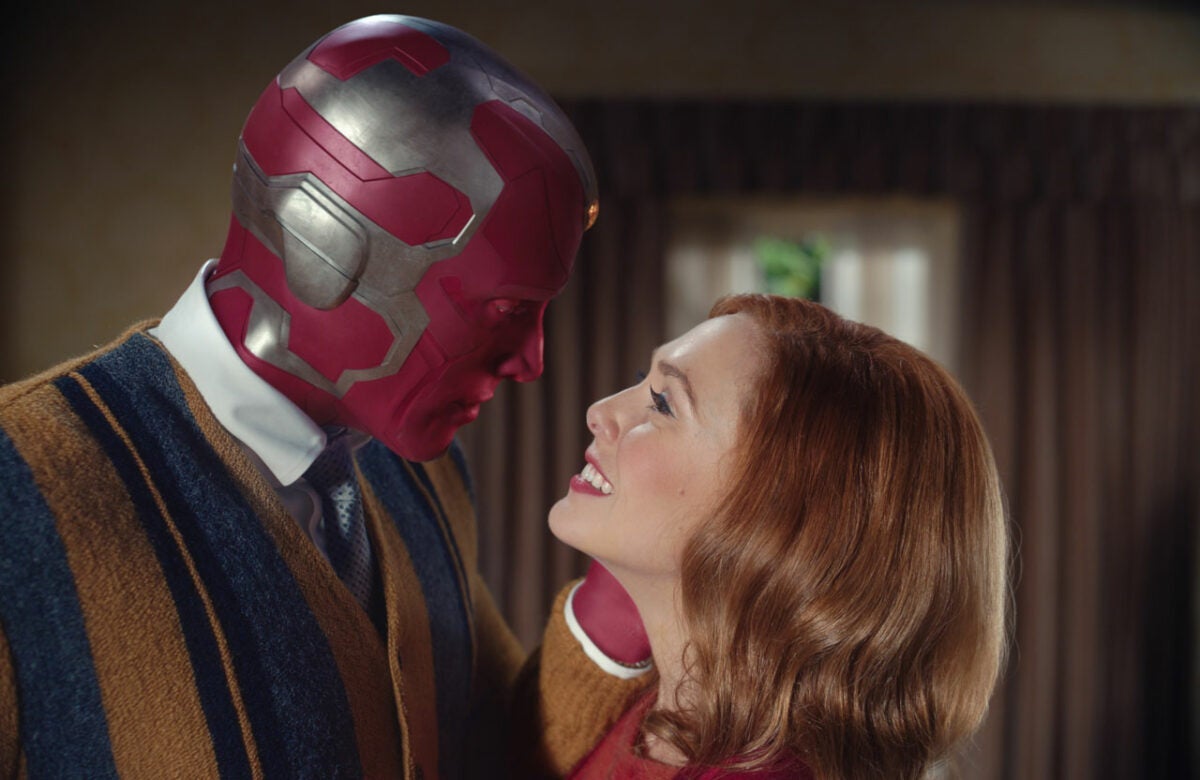
The mid-budget cinema is experiencing a significant lack of attention, with streaming platforms taking the spotlight and leaving films that do not have adequate marketing in the background. Elizabeth Olsen, a renowned actress from the Marvel Cinematic Universe, has expressed her frustration regarding this trend, stating that she prefers not to participate in projects that are intended solely to be released on streaming services.
Tired of movies not being released in theaters
The actress has been clear in her statements, emphasizing that if a movie is produced with the intention of being distributed exclusively on streaming, she is not interested in being part of it. This stance arises especially after her experience with Las tres hijas, one of her best recent performances, which had a limited release in theaters and ended up being relegated to the Netflix catalog, without receiving the attention it deserved.
Despite this worrying trend, Olsen acknowledges the advantages that her participation in Marvel movies brings her. These productions not only offer financial stability but also allow actors the freedom to undertake smaller and riskier projects. “Marvel has provided me with value, and that is very helpful when making independent films,” Olsen commented, highlighting that the security provided by the film giant allows her to make bolder creative decisions.
It is evident that the future of cinema in theaters faces considerable challenges, while mid-budget films struggle to find their place in a landscape dominated by instant content and the overwhelming catalog of streaming platforms. Olsen’s statements reflect a sentiment shared by many in the industry, who warn of the risk that quality films may be lost in the vast digital ocean without receiving the proper recognition.
Pop singer Taylor Swift returns to theaters with her new movie titled The Official Release Party of a Showgirl, which premieres with scheduled screenings for the weekend. According to estimates, ticket sales are expected to reach between 35 and 40 million dollars, which is a remarkable success considering that the movie was announced just two weeks ago and has had minimal promotion. The queen of pop is also now the queen of movie theaters This return of Swift to the big screen continues her trend of transforming the […]
Pop singer Taylor Swift returns to theaters with her new movie titled The Official Release Party of a Showgirl, which premieres with scheduled screenings for the weekend. According to estimates, ticket sales are expected to reach between 35 and 40 million dollars, which is a remarkable success considering that the movie was announced just two weeks ago and has had minimal promotion.
The queen of pop is also the queen of the cinema
This return of Swift to the big screen continues her trend of transforming the entertainment landscape, just as she has previously done with her successful music releases and events. The Official Release Party of a Showgirl seems to position itself as an important cultural event, reflecting the artist’s strong fan base in the music and film industry.
The movie has caused a stir on social media following its announcement, with fans sharing their excitement and expectations. Despite the limited advertising campaign, the collective anticipation and the effect of social media could drive sales beyond initial projections. The loyalty of Swift’s followers could be a determining factor in box office performance.
Additionally, it is observed that the phenomenon of turning music into a cinematic event has had a notable impact on the film industry. Taylor Swift has repeatedly demonstrated her ability to capture the audience’s attention, and The Official Release Party of a Showgirl could be another example of her influence. It can influence the way entertainment projects are announced and consumed. Movie lovers, as well as music fans, are eager to see what this release can offer and how it will add value to her artistic repertoire.