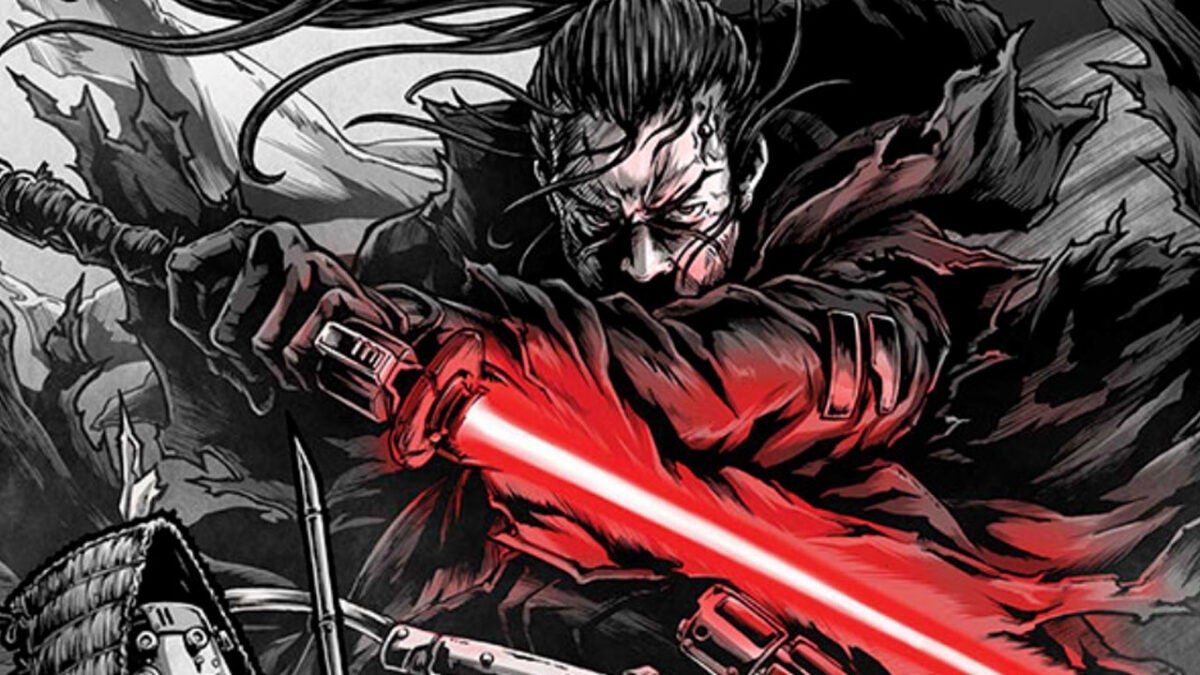
The third season of Star Wars: Visions has arrived on Disney+ with a mixed reception, polarizing fans of the iconic saga. This new volume, which includes prominent anime studios such as Production I.G, Wit Studio, and Studio Trigger, explores a wide range of styles and narratives, reigniting the debate about what truly constitutes the Star Wars universe.
Disconnected from the classic?
Although the series has been praised for its innovation and experimentation, many episodes seem disconnected from the traditional essence of the franchise. For example, The Duel: Payback and Child of Hope have been highlighted as examples of how innovation can occur without betraying the central narrative of Star Wars. In contrast, episodes like The Song of Four Wings and Yuko’s Treasure have faced criticism for straying too far from the expected identity, generating frustration among the purists of the saga.
The most ardent followers feel that episodes like Yuko’s Treasure, which features a talking teddy bear, and The Song of Four Wings, with its questionable stylistic elements, could alienate the fan base by breaking the internal logic of the Star Wars universe. This type of visual element, while potentially appealing, raises an essential question: where should Lucasfilm set the creative boundaries?
The series aims to be a laboratory of creativity, but it is essential that creators maintain a minimal connection to the fundamentals of Star Wars. With the arrival of this season, a broad debate is anticipated about what fans expect and what Star Wars really is. At such a delicate moment for the franchise, Lucasfilm could benefit from establishing clearer guidelines on the identity of its iconic universe, thus ensuring that the series remains a space for experimentation while not forgetting its roots. Star Wars: Visions promises to continue generating passionate conversations while solidifying itself as a divisive phenomenon in the fan community.