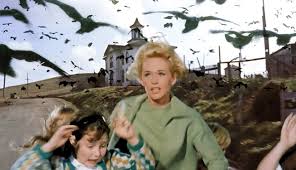
When, as a teenager, I first saw The Birds, I ended up completely terrified. Alfred Hitchcock’s decision not to use a soundtrack and to leave only the cawing as background sound was a choice that sent chills down my spine then and still does now, 63 years after its release. It is one of the most influential horror films in history, a true marvel of which a horrible sequel was made at the time and that had remained since then in unknown whereabouts… until now. Funeral march for a franchise Everything is a franchise now. […]
When, as a teenager, I first saw The Birds, I was completely terrified. Alfred Hitchcock’s decision to not use a soundtrack and to leave only the cawing as background sound was a decision that sent shivers down my spine then and still does now, 63 years after its release. It is one of the most influential horror films in history, a true masterpiece that had a horrible sequel made at the time and had remained missing since then… until now.
Funeral march for a franchise
Everything is a franchise now. Everything. Dora the Explorer? Backrooms? The cloth you use to clean the countertop? Everything can become a saga if you exploit it enough! And, of course, Hitchcock couldn’t resist this ongoing manipulation of original ideas. The Birds has been the latest to fall, with Sarah Snook (Succession) as the lead and Tom Spezialy (Watchmen, The Leftovers) as showrunner.
It is true that having a screenwriter of such incredible series as Watchmen or The Leftovers gives hope, but I think we all ask the same question: What is the need? Well, in this case, the limited series being proposed would be a current and visceral reimagining set in Alaska with a mysterious murder at its center. Hint: it’s the birds.
So far, they have been preparing the series based more on the short story by Daphne Du Marier than on Hitchcock’s film, but it is not fully approved and they do not have anyone to buy it. I have no doubt that, at the scent of fresh food, Apple TV+ has raised its head wanting its share.
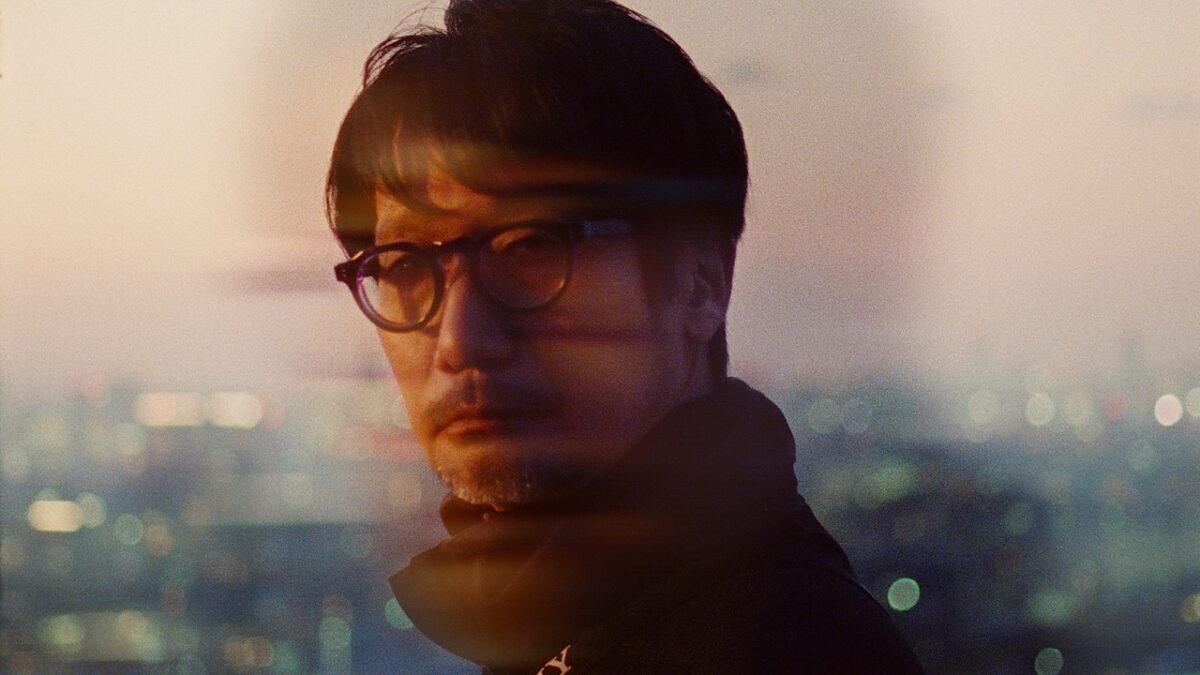
Hideo Kojima, the renowned creator behind iconic franchises like Metal Gear Solid and Death Stranding, has shared his reflections on his beginnings in the video game industry and his deep cinematic influences. In a recent interview, Kojima revealed that his passion for video game development was triggered by an unexpected classic: Super Mario Bros. The famous platform game, released over four decades ago, became a defining experience during his college years, where he played it obsessively, even skipping classes. If he is dedicated to video games, it is thanks to […]
Hideo Kojima, the renowned creator behind iconic franchises like Metal Gear Solid and Death Stranding, has shared his reflections on his beginnings in the video game industry and his deep cinematic influences. In a recent interview, Kojima revealed that his passion for video game development was triggered by an unexpected classic: Super Mario Bros. The famous platform game, released over four decades ago, became a defining experience during his college years, where he played it obsessively, even skipping classes.
If you are dedicated to video games, it is thanks to Nintendo
Despite the fact that the first Super Mario practically lacked a complex narrative, Kojima felt that the medium of video games had a narrative potential capable of surpassing cinema. “Without Super Mario, I probably wouldn’t be in this industry,” he stated, emphasizing how the game, despite its simplicity, made him feel like he was living an adventure. This initial conviction was fundamental to his decision to enter game development.
Kojima also spoke about the cinematic influences that have shaped his unique style as a creator. He named renowned directors such as Martin Scorsese, Stanley Kubrick, Alfred Hitchcock, and Akira Kurosawa, but particularly highlighted John Carpenter, whom he considers a master at challenging film genres with works like Halloween and The Thing.
Regarding his most emblematic work, Metal Gear Solid 2, Kojima clarified a common misunderstanding: many interpret it as a story centered on artificial intelligence, when in reality it encompasses broader themes about “what human life could become in the digital age”. These statements remind us of the innovative and philosophical approach that Kojima has brought to the art of video games, establishing him as a key figure in the evolution of interactive narrative.
Surely you’ve heard the curious fact that Alfred Hitchcock was the first director to dare to show a functional toilet in Hollywood because, before, the Hays Code considered it unpleasant and insisted that it not be shown on screen. It is assumed that most films accepted it reluctantly, in a world where underground cinema barely existed: during those years masterpieces were made, yes, but there was no rebellion, or at least it wasn’t visible. Or maybe there was? Let’s take a little journey through the history of the toilet […]
Surely you have heard the curious fact that Alfred Hitchcock was the first director to dare to show a functional toilet in Hollywood because, before, the Hays Code considered it unpleasant and insisted that it not be shown on screen. It is assumed that most films accepted it reluctantly, in a world where underground cinema barely existed: masterpieces were made during those years, yes, but there was no rebellion, or at least it was not visible. Or maybe there was? Let’s take a little journey through the history of the toilet in the Mecca of Cinema. Remember to flush after use, though.
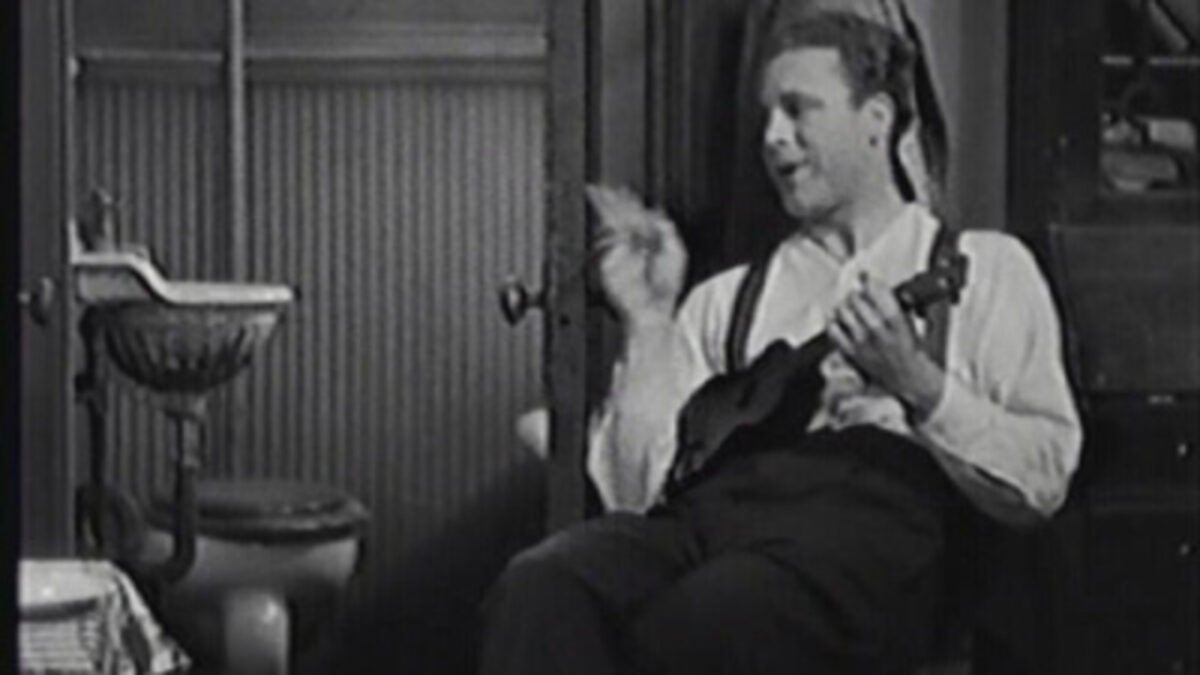
Let’s be honest from the start, because there is a mistake in crediting Hitchcock as the precursor of using the toilet in the film industry: we have to go back to 1928, with the release of The Crowd, directed by the great King Vidor, a silent film in which its protagonist was next to one while playing the ukulele. Moreover, two years later, in 1930, Going Wild showed a plumber unclogging one and flushing the cistern (although, of course, without focusing the camera on it at that moment). So, not even that was left for poor Hitch.
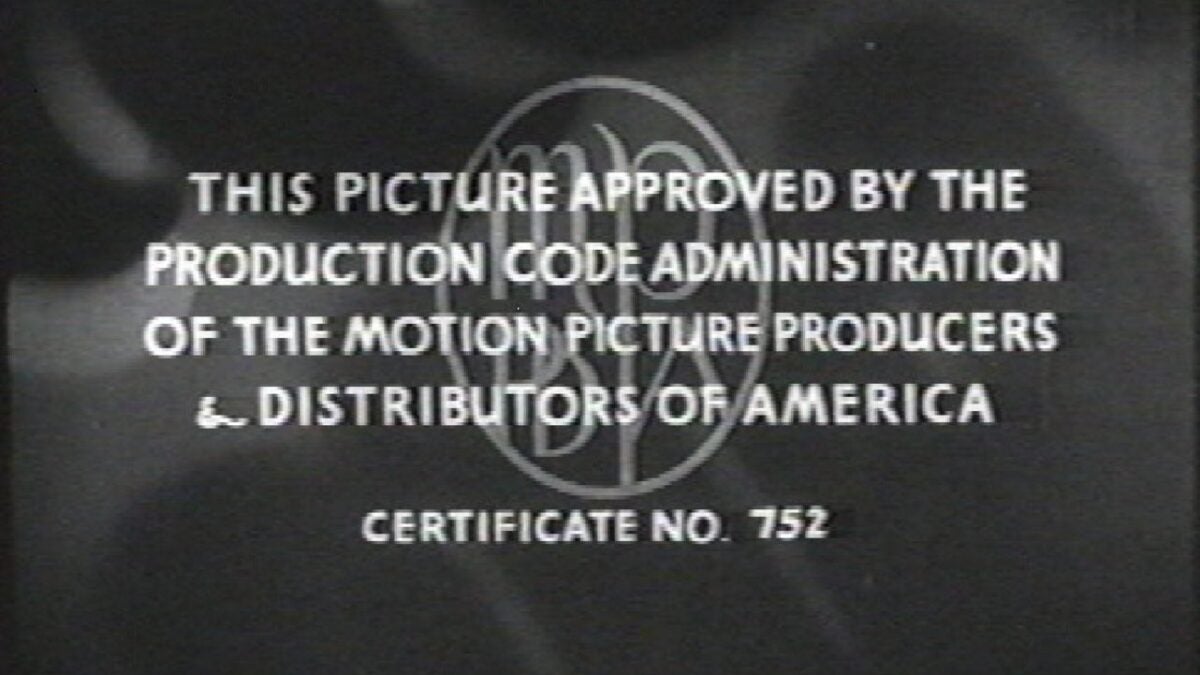
In 1934, the Hays Code was implemented in Hollywood, a series of rules for self-censorship that basically destroyed any hint of impurity or rebellion in the industry, much like the Comics Code would do to the comic industry twenty years later. Now it sounds crazy to us, but it is true that cinema was becoming a very shady business, with actors out of control in the roaring twenties, and politicians began to demand control, restraint, and self-censorship, with several laws to that effect in different states.
Will H. Hays did not invent these rules (not all of them, at least), he was just the man who unified them, under the charge of the U.S. president, with the idea of not tolerating the indecent. He was paid a fortune for it and maintained moderation -apparently, at least- in the Mecca of Cinema. Among the things he prohibited were things like mentioning God or Jesus Christ (unless it was to revere them), obscene words, nudity (even in silhouette!), drugs, sex, white slavery (beware), sexual hygiene, childbirth, mocking the clergy or offending any nation, race, or creed. In short, they were going to be making some very entertaining movies.
This is where we have arrived
Moreover: the code called for special attention when showing other things such as the use of the flag, the use of guns, thefts, brutality, sympathy for criminals, prostitution, men and women together in bed, deliberate seduction of girls, drug use, excessive kissing… In this environment, showing a toilet, let alone in operation, was almost a guarantee that your film would end up without finding distribution. At least, initially.
For more than 25 years, the code gradually broke down, especially in the 50s, when some films began to be released without the approval of the producers’ association, such as And God Created Woman or Some Like It Hot, and demonstrated that, in the end, the box office didn’t care at all. Thus, the code began to approve films that clearly went against its commandments, such as Suddenly, Last Summer or, of course, Psycho.
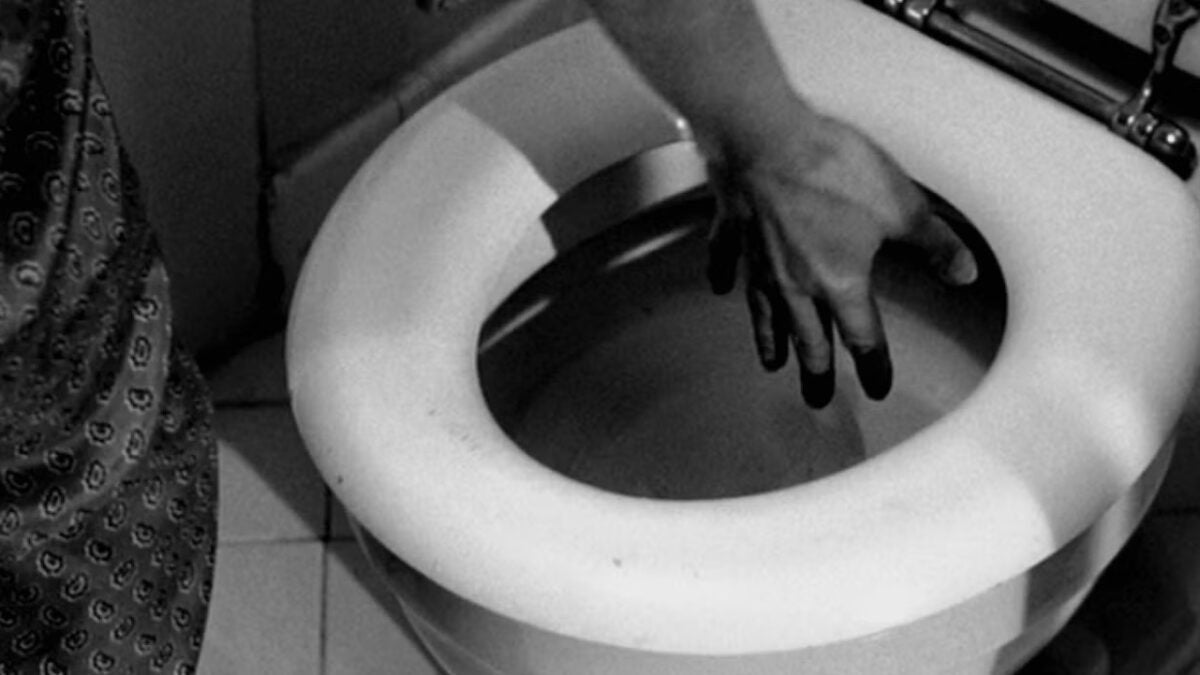
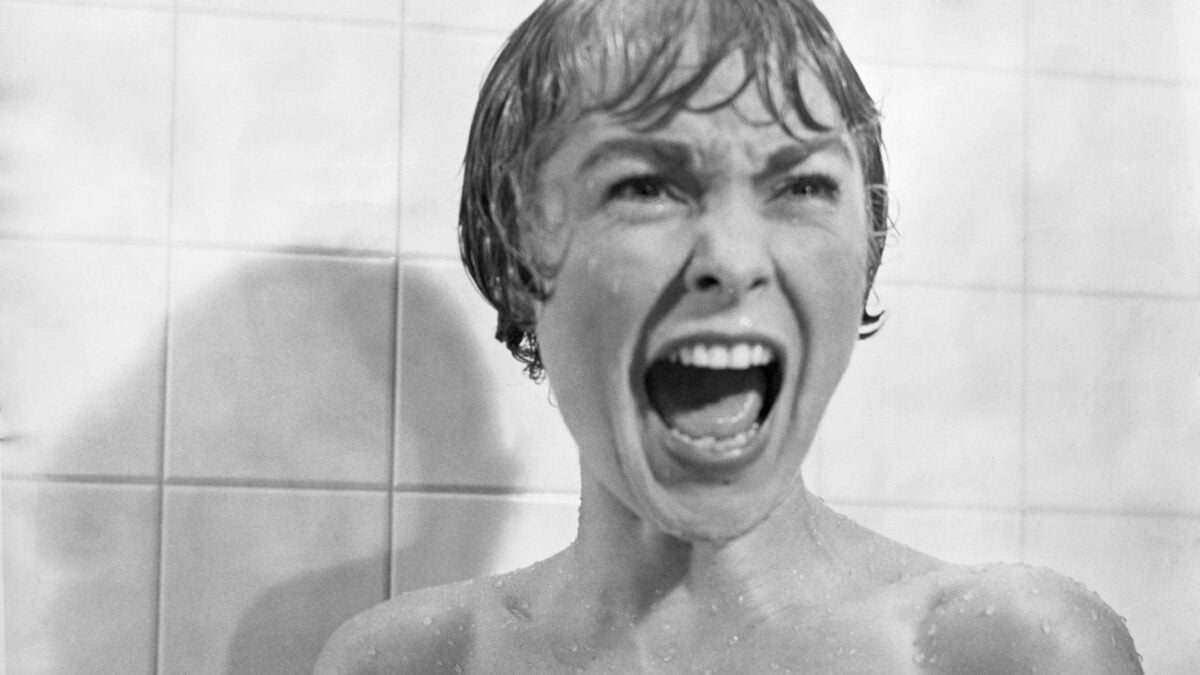
Psycho is not only a masterpiece: it also changed the way movies are projected now (previously in continuous sessions where you could enter and exit whenever you wanted, after it at a set time) and surprised the audience with the death of its main character halfway through the movie, in a much more gory way than anyone expected. But, in addition, it stands out because, for the first time in the history of cinema, it not only shows the sound of the toilet flushing, but also places the camera above it, showing the water swirling and serving, moreover, as a fundamental part of the plot. A full-fledged “fudge you” to the Code of the noses.
Toilets Everywhere!
In fact, have you ever wondered why Psycho is in black and white when all the movies from the 60s were already made in color? The reason wasn’t merely artistic: no one wanted to give Hitchcock the money to finance it for fear of not receiving approval from the self-censorship code, and he was forced to shoot it that way, with very few resources, trusting that the audience would be smart enough to realize that behavior norms from 1934 no longer made any sense in 1960.
Hitchcock faced the code head-on in Psycho, after flirting with breaking it in several of his films. Here, he went all out: Marion appears dressed only in a bra, two characters relax after having sex, the protagonist is morally gray, Norman Bates had a clear sexual problem, we saw a naked body in the shower… Seen this way, the toilet scene is almost a simple final nod to see how far he could stretch his daring (even if it seems trivial to us now).
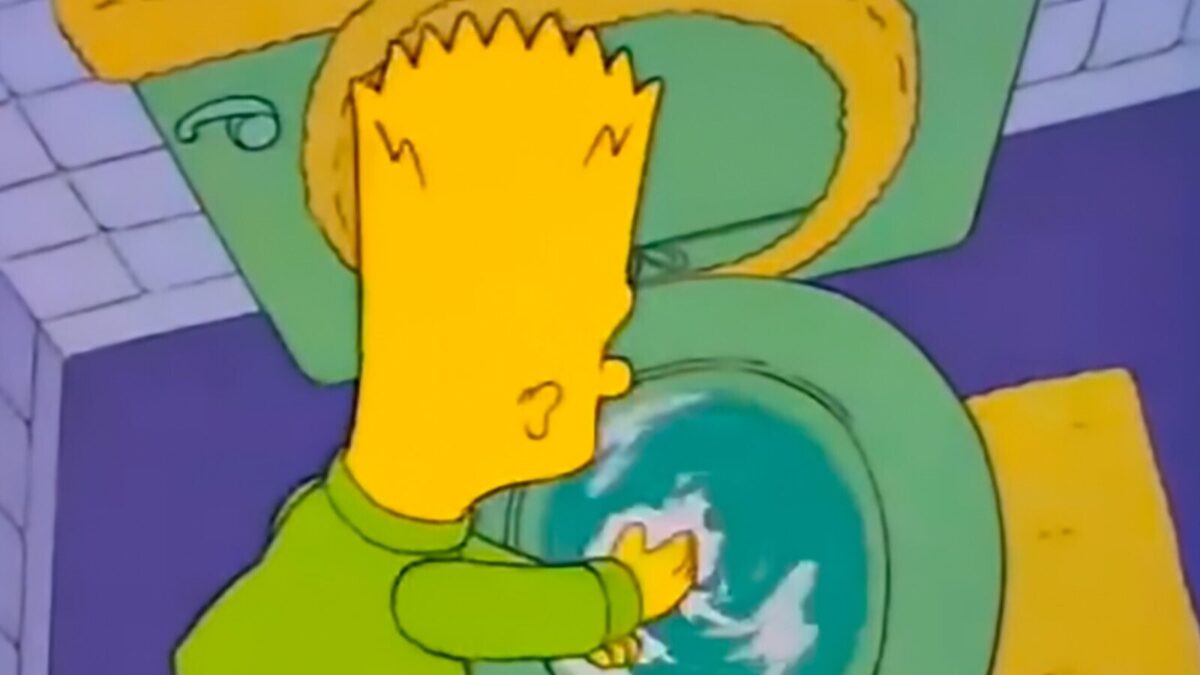
Eight years later, when practically no one paid attention to the code’s demands anymore thanks to movies like Psycho, which helped overthrow it. Years later, even The Simpsons dedicated an entire episode to watching water flow in reverse ways in toilets around the world, in South Park they had a character come out of one (the legendary Mr. Hankey) and movies like The Big Lebowski or Pulp Fiction used it as fundamental parts of their plots.
Alfred Hitchcock may not have invented anything and there may have been precursors to showing toilets in pre-code cinema (the director even filmed one in Secret Agent, 1936), but after more than 25 years of frustration, strict morality, villains getting their just deserts, and couples sleeping in separate beds without showing any kind of lust, in the end a toilet flushing away the evidence completely ended the indecent spiral of decency that they intended to turn American cinema into. And sometimes, history comes from the most unusual places.