Many animes are released each year. For every one you hear about, there are five others you don’t even know are being released. For every one that reaches the mainstream, another fifty don’t even manage to become truly popular. The world of anime is extremely competitive, where talent is highly valued, and any advantage that can be leveraged to stand out must be taken advantage of.
Few animes end up being true cultural events, for one reason or another, but some are predictable to be so. The most obvious, at this point, is the premiere of a new arc of JoJo’s Bizarre Adventure. The adaptation of the legendary manga by Hirohiko Araki, divided into different relatively self-contained arcs, is currently on its ninth arc in the manga, while the anime has started adapting the seventh: Steel Ball Run.
A beloved and mistreated anime
Released on March 19 on Netflix, the first episode, a special of almost 50 minutes, was a critical and public success. Celebrated for the quality of its animation, the elegance with which they had made some changes to the original script, and how they had managed to give great agility to an exemplary first episode, it received almost unanimous acclaim. Especially because, for the past two seasons, David Productions, the anime responsible for the series, had been having trouble maintaining the quality of the animation of the series.
The problem arose when Netflix refused to confirm when they would release subsequent episodes. On March 26, no other episode was released, which made fans nervous. But that weekend was Anime Expo, one of the most important celebrations in the industry, and JoJo’s Bizarre Adventure had a panel. Everyone assumed they would announce the date there, so the nerves remained normal.
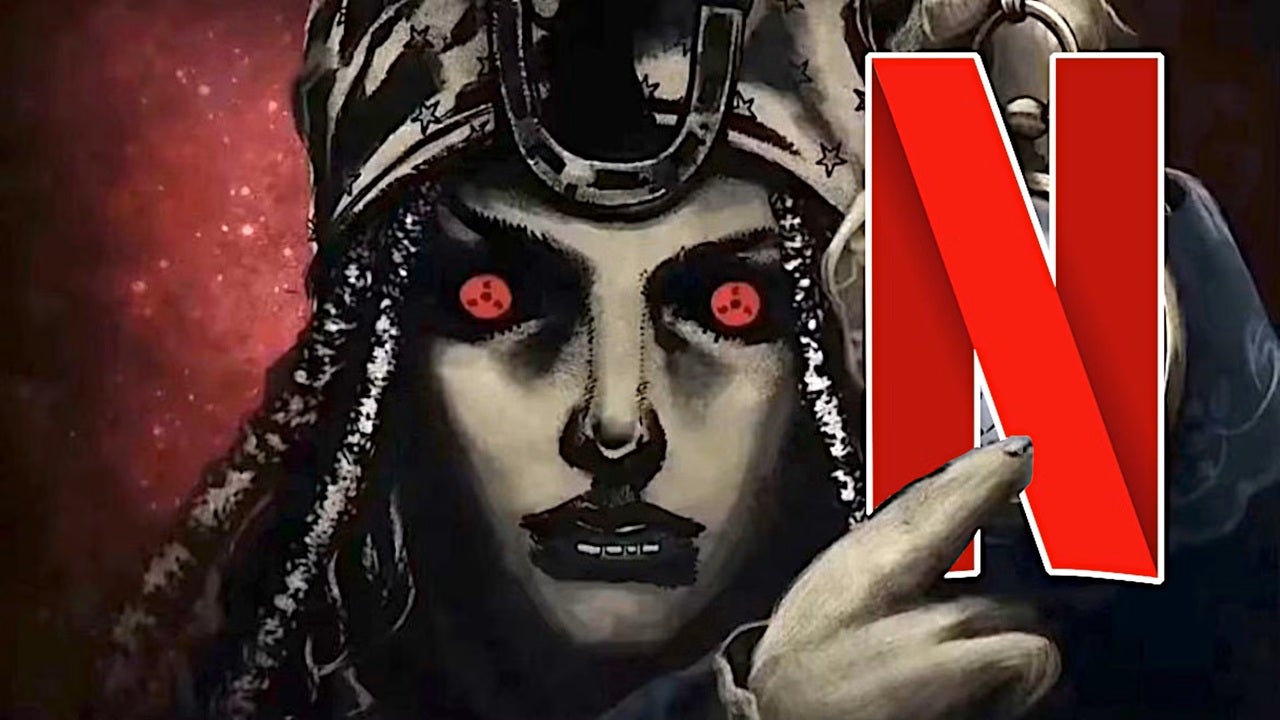
But it didn’t happen. On March 28, they released a new trailer announcing that the next episode would premiere “sometime in 2026.” This set off a bombshell. Fans were not happy and they were going to make it known. From that moment on, they decided to flood Netflix’s social media with memes featuring a negative color inversion of the characters from Steel Ball Run, with Egyptian hieroglyphs, asking when the subsequent episodes would be released. They had unleashed a plague. Not biblical, but certainly from the fandom, and not very different from the curse of an angry pharaoh.
How has Netflix responded to this harassment? By doing nothing. For two weeks, it has communicated no changes. Something that has only further enraged the JoJo’s fandom, because this is not the first time they have done something like this.
The previous arc of JoJo’s Bizarre Adventure suffered a treatment that is considered very poor by the platform. In addition to the fact that the quality of the animation suffered tremendously because the studio did not have enough time to carry it out properly, Netflix released the series in two batches of episodes, without a weekly release, almost as a surprise, something that enraged the fandom.
This may seem strange to many people, but anime fans are used to weekly releases. And they understand the importance of it. Commenting on episodes on social media, forums, and Discord, writing articles and comments on blogs, is an intrinsic part of anime culture. Something that includes JoJo’s Bizarre Adventure. Releasing two batches of episodes all at once took away their ability to enjoy it gradually, all at once, ruining the exposure to it and affecting, at least in the eyes of the fandom, the popularity of the series among the audience.
Under that prism, what Netflix is doing with Steel Ball Run could ruin the experience of watching the series, as well as damage its ability to reach an audience beyond its fandom. And they may be right. This is why they are so violently upset about the situation.
In any case, since April 6, we know the approximate date when we will have more episodes: next autumn. And for the safety of its fans, they will be weekly episodes, not groups of episodes released all at once. Something that has divided the fandom between those who are happy to have been heard, even though they will have to wait to finish watching the series probably at some point between now and 2029, and those who are upset about the situation, because they believe that Netflix’s communication has been terrible and releasing the first episode without context could end up harming the long-term popularity of the arc.
What seems certain is that this will give David Productions time to take care of the animation and ensure that the quality is exactly what fans expect so that what happened in previous seasons does not happen again. So, while this is not the result their fandom was hoping for, it seems that, at least, it will bring some positive things with it.