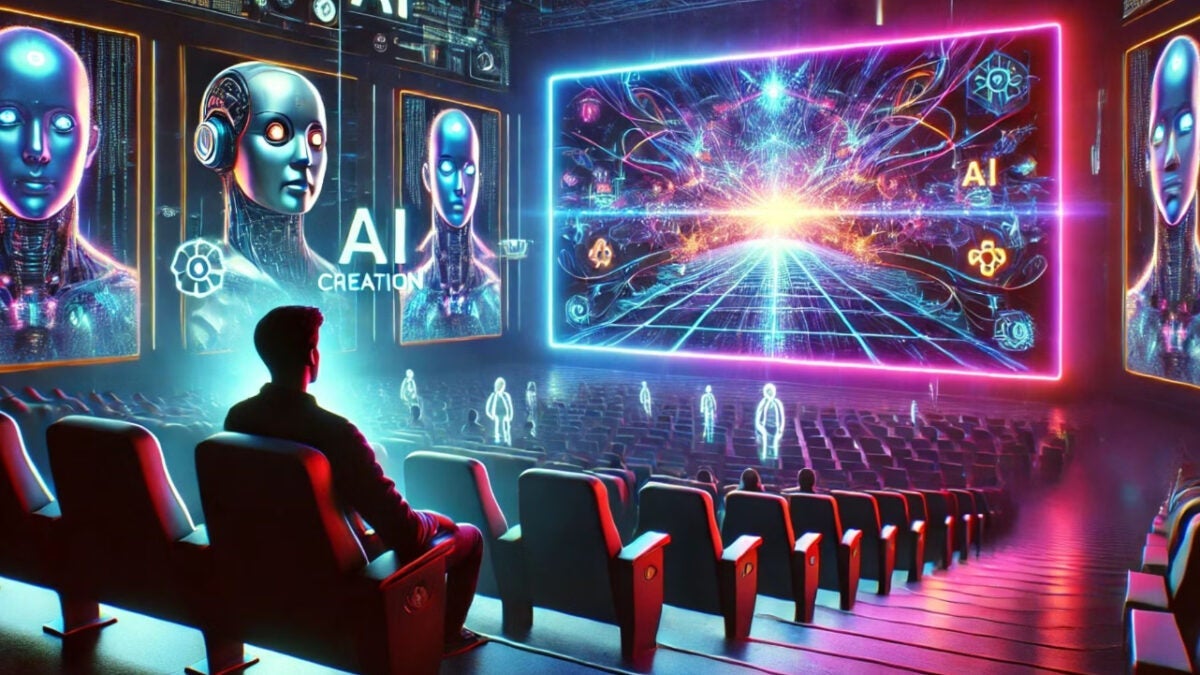
One of the heaviest arguments from die-hard fans of Artificial Intelligence is that in a few years it will be able to make your greatest dreams come true: you will become Luke Skywalker, it will create endless sequels of Avengers, you will have your personalized, exclusive series finale, just for you, tailored to the parameters you enjoy the most. Do you want Phineas and Ferb to appear in Game of Thrones and help them get crowned? Of course you do. You will be able to see all that and more by just entering a prompt. And I won’t even deny that it’s possible, because after all, the world has embraced generative AI, with all its mistakes, its junk, and its nonsense, with a strong hug that says “Thank you, we can finally stop paying those annoying creatives.” But is that really what we want? Really?

An AI to rule them all
Audiovisual content, especially since the advent of streaming, is an individual activity that becomes collective when we talk about it. We don’t watch series just for our own enjoyment, but to discuss them over coffee and recommend them to our friends. The same goes for movies: enjoying them (or not) is just a small part of the process, but it usually doesn’t stop there. Then comes the moment to share your opinion on platforms like Letterboxd and social media, see what others have thought, modify your point of view, and evolve as a viewer.
Have you ever talked about a movie that you didn’t like and ended up appreciating why other people value it positively after a conversation or reading reviews online? It is part of our audiovisual training that helps us build our own opinion, which can vary based on your experience and tastes. Our criteria grow and evolve because it is part of a shared experience, because you can read what others think about what you just watched, because you can modify your opinion based on others.
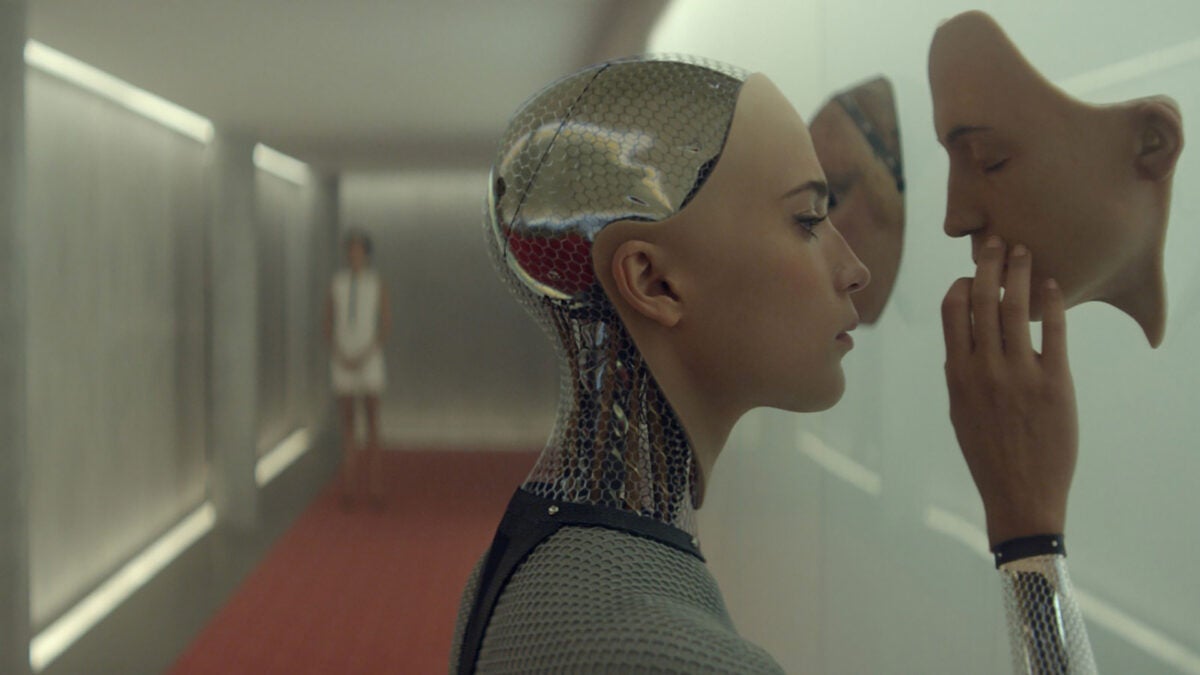
That’s why I don’t fully understand -nor will I ever understand- the excitement of some for having an absolutely personalized experience, beyond the gimmick, the carnival attraction, the mere curiosity. Would the ending of Lost be better if you were the screenwriter? Would you really enjoy it if there were no room for surprise because everything is tailored to your interests? And above all, do you really want to see something that you can’t discuss with anyone because it belongs only to you? I don’t think so.
The churro factory
The main function of AI is to please you always. Literally, you are right constantly, even if that means lying to you or giving you incorrect data. Of course, it will not dare to say that the fantastic idea you had makes no sense or that the dramatic progression would be completely broken: in a world where we have been increasingly accustomed to series and movies that repeat the plot over and over so that people looking at their phones do not feel excluded, it is likely that a script written in the moment by AI could satisfy a percentage of the population.
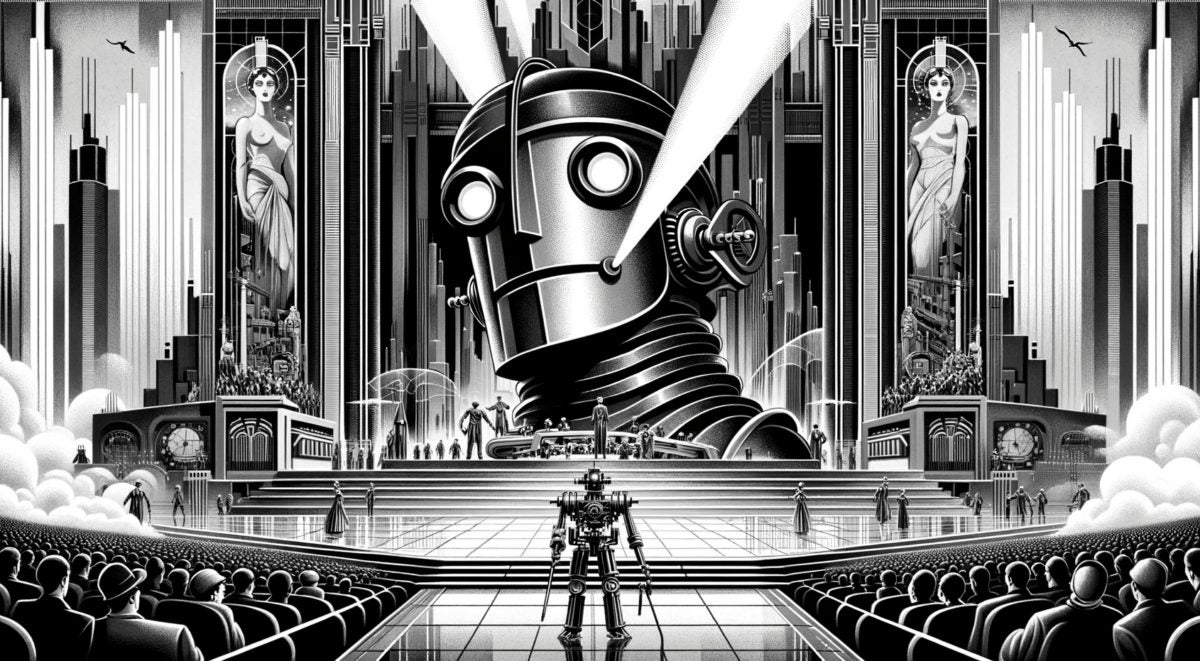
But in the end, these kinds of ideas are just part of the circus, the fair attraction, of sharing on social media “what you got.” If we are already overwhelmed with the thousands of series and movies that come out each year that interest us, are we really going to spend time on a personalized experience that we can’t talk about with anyone afterwards because they won’t understand us, nor will they be interested? Imagine for a moment that the ending of Lost was different and modified for each person: there would have been no controversy, and it wouldn’t still be talked about 15 years later.
Damn, we wouldn’t have even been lost, focused on our own individual navel-gazing, where no one challenges us, no one looks us in the eye and holds a mirror in front of us, they only live to please us. Art must confront you with yourself, with your own fears, with gray characters, with things you would never believe you would enjoy. And for that, it needs the human hand, not that of a machine which, at best, can create a basic coherent story. If your dream is for Spider-man to take off his mask and for you to appear in the movie, what you want is not to see a movie, but the typical Christmas video you used to send to your family in proto-Internet where some elves danced and had your face.
If we normalize that AI takes care of our leisure, they have won. If we want that to be the case, we have lost. Deep down, it is that basic. It is that sad.