Apple releases security updates to fix the WebKit vulnerability

Apple has launched its first round of Background Security Enhancements to address a vulnerability in WebKit affecting iOS, iPadOS, and macOS. The vulnerability, identified as CVE-2026-20643, relates to a cross-origin issue in the WebKit Navigation API. This could allow an attacker to bypass the same-origin policy by processing malicious web content, jeopardizing user security. Apple’s new strategy The implementation of these security enhancements is carried out through smaller, continuous updates, allowing for a response […]

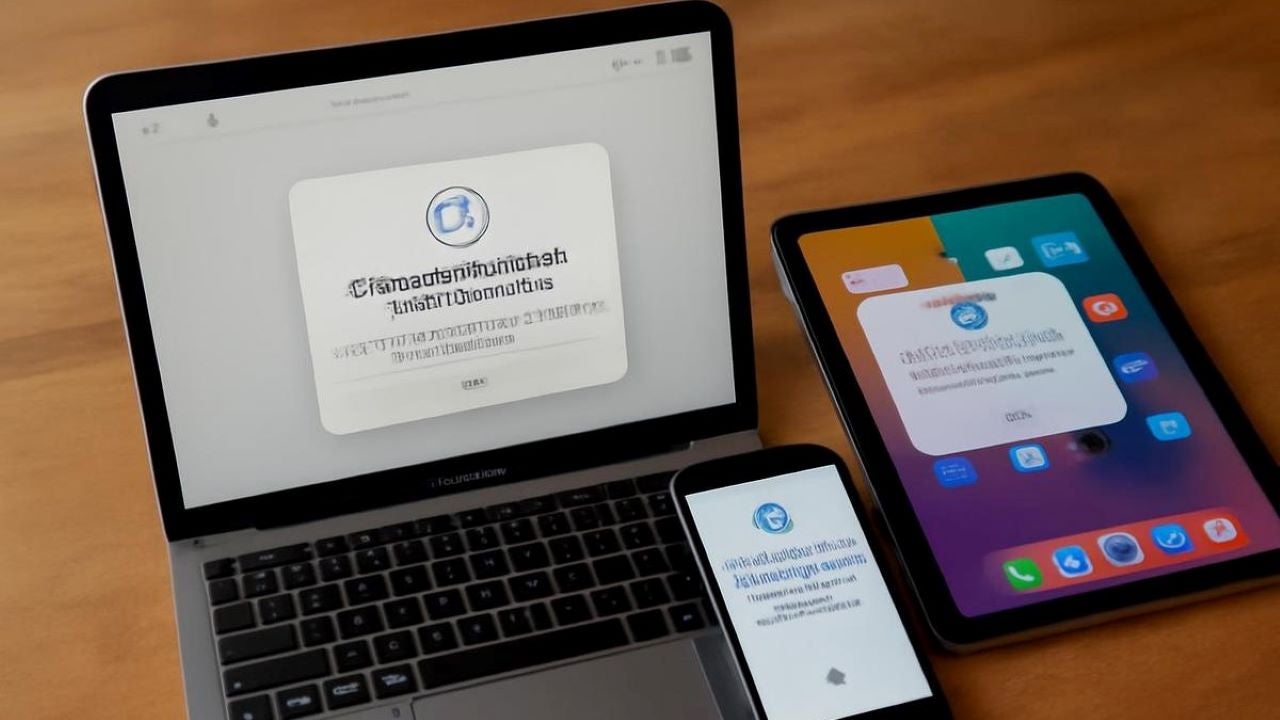
Apple has released its first round of Background Security Enhancements to address a vulnerability in WebKit affecting iOS, iPadOS, and macOS. The vulnerability, identified as CVE-2026-20643, relates to a cross-origin issue in the WebKit Navigation API. This could allow an attacker to bypass the same-origin policy by processing malicious web content, jeopardizing user security.

Apple’s new strategy

The implementation of these security improvements is carried out through smaller and continuous updates, allowing for a more agile response to potential threats. This strategy is similar to the Security Rapid Response system introduced in iOS 16, designed to facilitate the installation of minor security patches without having to wait for larger software updates. The new versions affect iOS 26.3.1, iPadOS 26.3.1, and the versions of macOS 26.3.1 and 26.3.2, with improvements in input validation to mitigate risk.

Any user can manage these security improvements through the Privacy and Security menu in the Settings app. To ensure the automatic installation of these updates, it is recommended to keep the Automatic Installation option enabled. If this option is disabled, users will have to wait until the next major software update to receive the patches.
Additionally, this update comes shortly after Apple addressed an actively exploited zero-day, which affected multiple operating systems, and also expands patches for several vulnerabilities that were used in the Coruna exploit kit. These moves reinforce Apple’s commitment to security and its ability to respond quickly to emerging threats.
Apple is about to launch its highly anticipated iPhone 17e, its new budget phone

Apple is expected to unveil the iPhone 17 on February 19, 2026, according to reports from Macwelt, the German edition of Macworld, known for its track record of leaks that have turned out to be true (in other words, it is a reliable source). The unusual aspect of this announcement is that the date falls on a Thursday, an uncommon day for the Cupertino company, which usually reserves launches for Mondays, Tuesdays, or, on occasion, Wednesdays. The arrival of a successor to the successful iPhone 16 (its budget model from 2025) suggests that the company is truly committed to annual renewal […]

It is expected that Apple will present the iPhone 17 on February 19, 2026, according to reports from Macwelt, the German edition of Macworld, known for its track record of leaks that have turned out to be true (in other words, it is a reliable source).

The unusual thing about this announcement is that the date falls on a Thursday, an uncommon day for the Cupertino company, which usually reserves launches for Mondays, Tuesdays, or, on occasion, Wednesdays.

The arrival of a successor to the successful iPhone 16e (its budget model for 2025) suggests that the company is truly committed to annual renewal in its budget range, abandoning its release of the SE models that were every four years.

A very interesting smartphone amid a RAM shortage

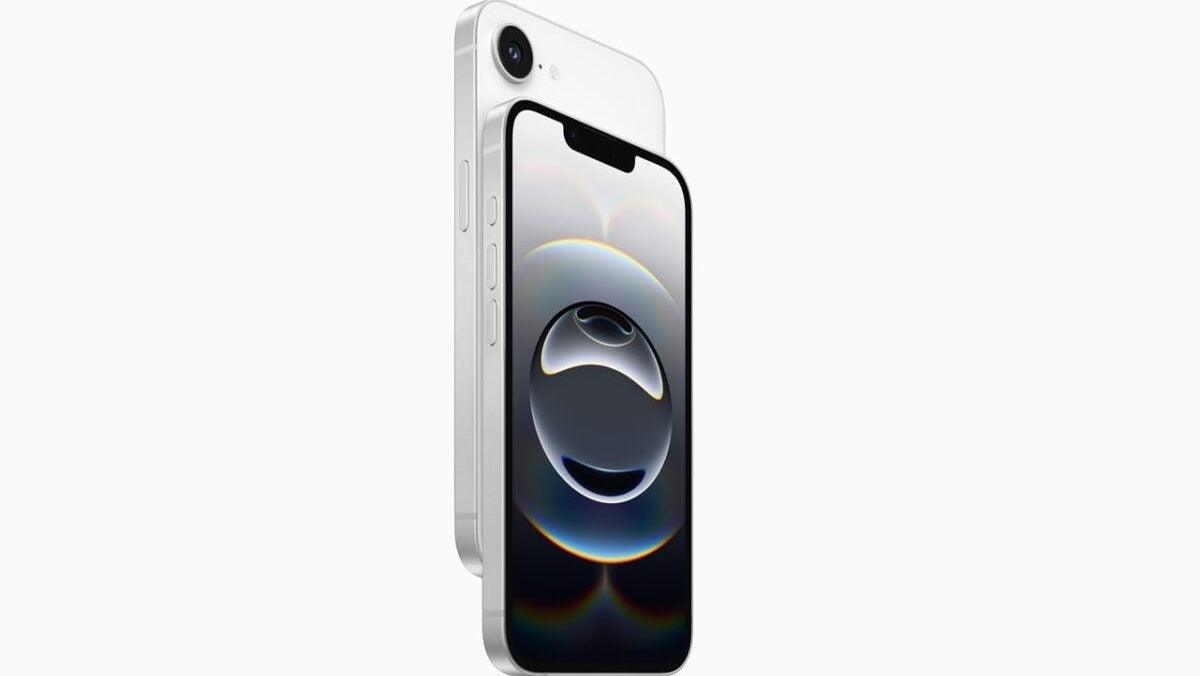
The iPhone 17e would be equipped with a 6.1-inch OLED display, an A19 processor, and 8 GB of RAM. Available in storage options of 256 GB and 512 GB, it is expected to include improvements in battery life and support for 25W MagSafe charging.

The classic notch could be replaced by the Dynamic Island feature, although it is still unknown whether this new design will actually be adopted.

Marking an important advance, the new model would integrate the second-generation C1X modem, promising better performance on 5G networks, although it will not include the N1 chip that manages Wi-Fi 7. This detail could leave the iPhone 17e using Wi-Fi 6 and Bluetooth 5.3, which could be seen as a disadvantage compared to the competition.

As for the cameras, it would maintain a 48-megapixel main sensor and a 12-megapixel front sensor, similar to those of the iPhone 16e. The price in Europe is expected to be around 709 euros, aligning with the cost of its predecessor.

If the leaks are accurate, the presentation of the iPhone 17 on February 19 will mark the beginning of an intense year 2026 for Apple, which would include other relevant products such as new MacBook Pro.

The iPhone 17 Pro is succeeding like never before in China and the reason is quite curious

Apple has begun to see a resurgence in its revenue from China, which currently represents 20% of its total profits, marking a turning point after a period of declining sales and a complicated economic context due to tariffs. This increase comes just as the iPhone 17 has achieved considerable success in the Chinese market, after the company faced significant challenges in recent years. One of the key factors behind this growth is the color launch strategy of the iPhone 17, which has taken an interesting turn by forgoing a design […]

Apple has begun to see a resurgence in its revenue from China, which currently accounts for 20% of its total profits, marking a turning point after a period of declining sales and a challenging economic context due to tariffs.

This increase comes just as the iPhone 17 has achieved considerable success in the Chinese market, after the company faced significant challenges in recent years.

One of the key factors behind this growth is the color launch strategy of the iPhone 17, which has taken an interesting turn by forgoing a black design that has traditionally been popular.

The color orange, a reason for success in China

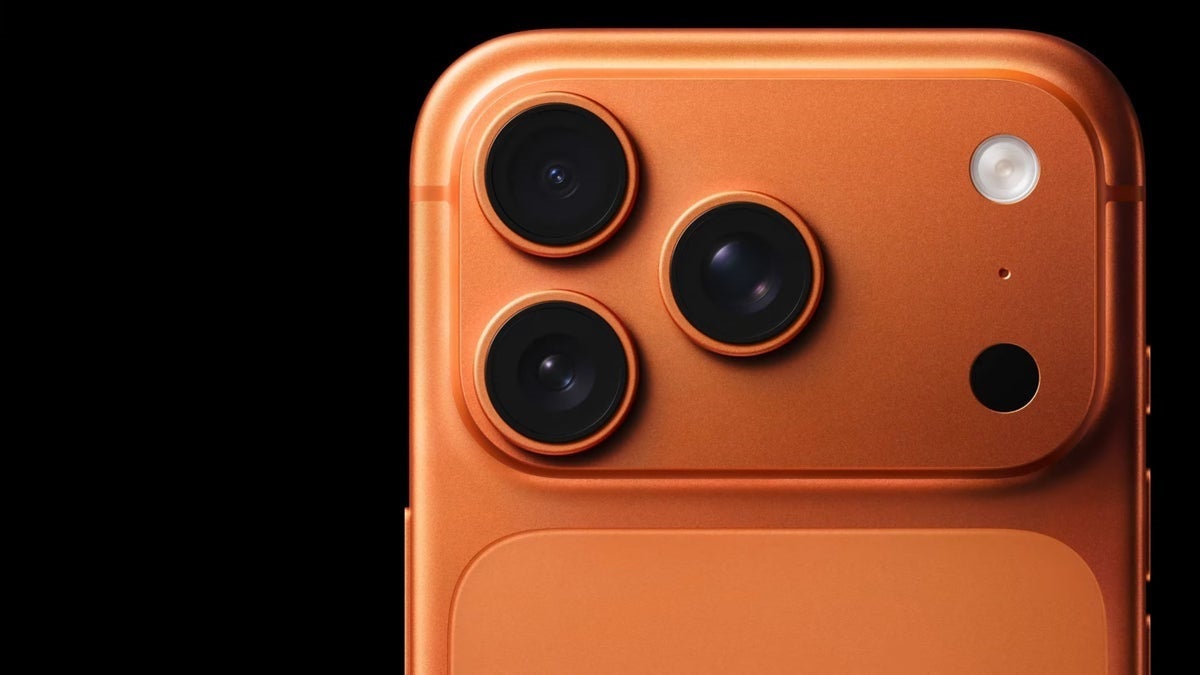
Instead, Apple has introduced a ‘revolutionary’ orange tone, which has not only captured consumers’ attention but has also enhanced the company’s brand image in a market where status and belonging to an elite are crucial aspects in the purchasing decision.

The Financial Times report highlights that this new design has reinforced Apple’s status symbol in China, making its devices immediately recognizable.

This image change has influenced consumers, who see the iPhone as more than just a simple technological device; it is a representation of social success. Additionally, the improvements in the features of the new model, such as the 120 Hz display and an innovative cooling system, have been well received, which has also contributed to the sales surge.

In the last quarter, Apple managed to surpass Huawei in the high-end smartphone market in China, a significant milestone considering that it had lost ground in the country in previous years. With these new developments, it is expected that Apple will continue to strengthen its position in the competitive Chinese market.

Brandon Sanderson signs an agreement with Apple TV to adapt this incredible literary universe

Brandon Sanderson, renowned author of fantasy and science fiction, has achieved an unprecedented deal with Apple TV to adapt his vast literary universe known as the Cosmere. This contract, discussed by Sanderson through his social media account and confirmed by the prestigious outlet The Hollywood Reporter, marks a milestone in the audiovisual industry, both for its magnitude and for the author’s involvement in the creative process. Creative control The agreement allows Sanderson to have authorship in the script, take on the role of producer, and act as a consultant in the execution of the adaptations, surpassing […]

Brandon Sanderson, a renowned author of fantasy and science fiction, has achieved an unprecedented agreement with Apple TV to adapt his vast literary universe known as the Cosmere. This contract, discussed by Sanderson through his social media account and confirmed by the prestigious outlet The Hollywood Reporter, marks a milestone in the audiovisual industry, both for its magnitude and for the author’s involvement in the creative process.

Creative control

The agreement allows Sanderson to have authorship of the script, take on the role of producer, and act as a consultant in the execution of the adaptations, even surpassing the agreement that George R.R. Martin has with HBO. This level of creative control is encouraging news for the author’s followers, who have seen how in the past, projects related to his works often ended in disappointment.

Apple TV plans to develop a series based on Sanderson’s acclaimed work, The Stormlight Archive” and several movies centered on the popular Mistborn saga. The production company Blue Marble, known for its work on projects like Pachinko, will be involved in the production of these adaptations, which is expected to make this an ambitious and high-quality project.

Despite the fact that specific content based on the Cosmere seems to be years away, the plans are more advanced than initially thought. In a recent YouTube video, Sanderson mentioned that while in Hollywood, meetings were taking place to advance these projects. Although he did not anticipate immediate announcements, the fan community is excited about this positive development in the adaptation of his literary universe.

Apple already knows how to prevent its iPhone 17 from increasing in price in 2026

The Trump administration generated fears about the price increase of the iPhone 17, with some projections reaching up to 2,500 euros. However, reality has proven to be more positive, as the prices of the new models have decreased compared to the iPhone 16, despite the long-discussed threat of tariffs. Despite the uncertainty in the tech sector and the stock market due to trade tensions with China, Apple managed to obtain a temporary exemption for tariffs on semiconductors that will last until 2027. This moratorium is a relief […]

The Trump administration raised fears about the price increase of the iPhone 17, with some projections reaching up to 2,500 euros. However, the reality has proven to be more positive, as the prices of the new models have decreased compared to the iPhone 16, despite the long-discussed threat of tariffs.

Despite the uncertainty in the tech sector and the stock market due to trade tensions with China, Apple managed to obtain a temporary exemption from tariffs on semiconductors that will last until 2027.

This moratorium is a crucial relief, given that the company and others in the sector depend on components that are mostly manufactured in China.

A movement that prevents the price increase of the iPhone 17 in 2026

In the face of tariff threats, Apple has increased its production in India, thus diversifying its supply chains to minimize risks. This move highlights the company’s flexibility to adapt to a changing business environment, while also responding to pressures from the U.S. government for greater local production.

In addition, Apple announced a historic investment of 500 billion dollars in the United States, aimed at the creation of data centers and the development of certain semiconductor manufacturing capabilities through its collaboration with TSMC in Arizona.

Although factories in Taiwan will remain central, the increase in production on U.S. soil could contribute to greater self-sufficiency in chip manufacturing.

These strategic moves aim not only to stabilize production costs but also reflect an attempt by Apple to secure its relationship with the U.S. administration in a context of trade volatility.

The company’s actions seem to be aimed at reducing its dependence on foreign suppliers, which is crucial in a climate of growing economic nationalism.

That time Steve Jobs gave an autograph stating that he didn't give autographs

Steve Jobs is a figure remembered beyond his leadership at Apple, permanently associated with stories that reveal his unique character and his influence on technology. Among notable anecdotes, the letter that Jobs sent on May 11, 1983, in response to a request for an autograph from L. N. Varon stands out. Although Jobs had verbally declined the request, his written response complicated the situation: he ended up signing the letter, thus showing his peculiar sense of humor and his ability to deflect expectations. Signed without signing The irony of Jobs becomes a central element of this […]

Steve Jobs is a figure remembered beyond his leadership at Apple, permanently associated with stories that reveal his unique character and his influence on technology. Among notable anecdotes, the letter that Jobs sent on May 11, 1983, in response to a request for an autograph from L. N. Varon stands out. Although Jobs had verbally declined the request, his written response complicated the situation: he ended up signing the letter, thus showing his peculiar sense of humor and his ability to deflect expectations.

Signed without signing

The irony of Jobs becomes a central element of this story. By stating that he would not give autographs, he added, in an unexpected twist, his signature at the end of the letter. These kinds of contradictions not only reflect his personality, but also illustrate his skill in managing public perception at a time when he was shaping his legendary status. The letter, which is nothing more than a sheet of paper with a small text, became an object of great historical value.

The interest in the letter was evident in its auction in August 2021, reaching a surprising price of 410,000 euros. This fact underscores that, while Jobs rejected personal requests, the legacy he left continues to capture the public’s attention. The essence of the letter reveals how the value lies not only in the signature but in the narrative it holds: an elegant contradiction between rejection and acceptance, which in turn highlights the complexity of his figure.

As Jobs’ legacy lives on, these anecdotes illustrate why his influence in the world of technology endures, attracting the interest and admiration of entire generations.

Apple doesn't want its foldable iPhone to have wrinkles on the screen: is there a solution?

Apple has decided to delay the launch of its highly anticipated foldable iPhone due to concerns about the available materials that would ensure the quality feel characteristic of its devices. The company wants to ensure that the new model does not have visible folds or wrinkles to the touch, which represents a significant challenge in the design of foldable phones. According to reports from China, Apple is testing ultra-thin flexible glass (UFG) panels, an innovative material that adjusts its thickness according to the area of the screen, thus allowing for a continuous surface without perceptible blockages. The goal is […]

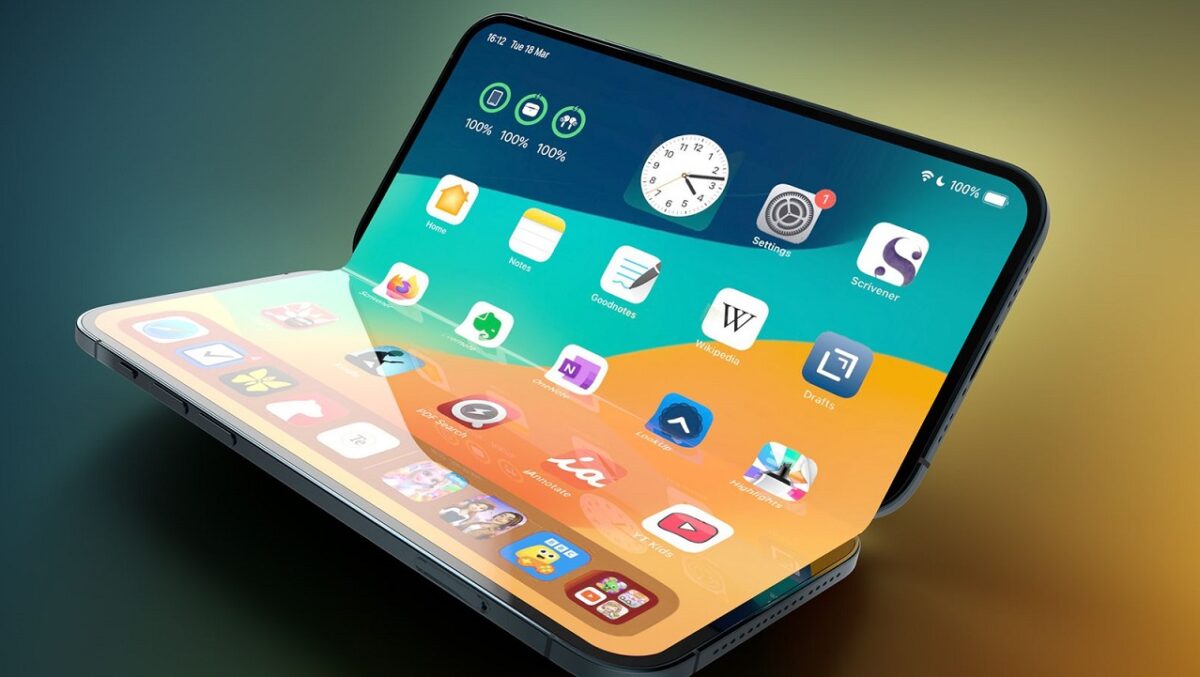
Apple has decided to delay the launch of its highly anticipated iPhone foldable due to concerns about the available materials that would ensure the quality feel that characterizes its devices.

The company wants to ensure that the new model does not have visible creases or wrinkles to the touch, which represents a significant challenge in the design of foldable phones.

According to reports from China, Apple is testing ultra-thin flexible glass (UFG) panels, an innovative material that adjusts its thickness according to the area of the screen, thus allowing for a continuous surface with no noticeable blockages.

The goal is to defeat Samsung on its own turf

This development could make a substantial difference, as conventional ultra-thin crystals (UTG) tend to deform over time and are prone to generating visible wrinkles at the hinge area.

Currently, Apple is in the design and manufacturing validation phase, which indicates that the core hardware of the iPhone has been finalized.

This stage is critical, as it allows the company to evaluate high-risk components, such as the new flexible glass, without disrupting the production schedule. Rumors suggest that Apple’s first foldable iPhone will be unveiled in 2026, alongside the iPhone 18 Pro models.

The price of this device is expected to be around 2,000 euros, which would place it above any other iPhone released to date. Apple aims to launch a device that is not only a new foldable model but also redefines the standard in its category.

With a more square design compared to the current foldables from Samsung or Motorola, experts believe that Apple could once again demonstrate that arriving late to the market is not an obstacle to its success.

When Carl Sagan sued Apple over a computer

The recognition of Carl Sagan as one of the most influential astronomers and science communicators has left an indelible mark in various fields, including technology. His connection with Apple materialized during the creation of the Power Macintosh 7100, a computer that featured in the judicial and personal history of the astrophysicist. In an attempt to capture his iconic style, Apple engineers nicknamed the device “Carl Sagan” with the famous phrase “Billions and billions.” However, the name led to a series of legal conflicts after its internal use became known. A historic lawsuit that no one knows The controversy began when […]

The recognition of Carl Sagan as one of the most influential astronomers and science communicators has left an indelible mark in various fields, including technology.

His connection with Apple materialized during the creation of the Power Macintosh 7100, a computer that featured in the judicial and personal history of the astrophysicist. In an attempt to capture his iconic style, Apple engineers nicknamed the device “Carl Sagan” with the famous phrase “Billions and billions”.

However, the name led to a series of legal conflicts after its internal use became known.

A historic lawsuit that nobody knows

The controversy began when Sagan, troubled by the possibility that his name implied a commercial endorsement, sent a cease and desist letter to the company.

This triggered a notable feud that was further complicated when a nickname change led to the derogatory “BHA,” which stood for “Butt-Head Astronomer.”

After a series of trials in which Sagan faced the loss of both lawsuits, the conflict culminated in a settlement in 1995 that resulted in an implicit apology from Apple and a new nickname: “LAW,” an acronym for “Lawyers Are Wimps.”

Despite the turmoil, the Power Macintosh 7100 was released on March 14, 1994, with a price ranging from $2,650 to $3,450. Over time, the memory of the confrontation faded, and 30 years later, Apple decided to pay tribute to Sagan.

In its advertising campaign for the “Shot on iPhone” product line, it used Sagan’s narration of “Pale Blue Dot”, thus marking a shift in the relationship between the astronomer, who passed away in 1996, and modern technology.