Apple TV has closed a deal with renowned author Brandon Sanderson to bring his vast literary universe known as the Cosmere to the screen. This universe includes popular sagas such as Mistborn and The Stormlight Archive, among others. What distinguishes this deal is that Sanderson will be actively involved in the development and production of the adaptations, maintaining creative control as executive producer, which will allow him to decide on scripts and ensure fidelity to his novels. Apple TV has hit the jackpot This creative control is particularly relevant given that […]
Apple TV has closed a deal with renowned author Brandon Sanderson to bring his vast literary universe known as the Cosmere to the screen. This universe includes popular sagas such as Mistborn and The Stormlight Archive, among others. What distinguishes this deal is that Sanderson will be actively involved in the development and production of the adaptations, maintaining creative control as executive producer, which will allow him to decide on scripts and ensure fidelity to his novels.
Apple TV has hit the jackpot
This creative control is particularly relevant given that Sanderson has historically been reluctant to cede his works for adaptations. Recently, he had expressed that “it was not yet the time” to adapt his work. However, it seems that Apple’s offer, which includes the commitment to allow him to write and control the narrative, has changed his mind. The first adaptation will focus on Mistborn, possibly as a film franchise, followed by The Stormlight Archive, which would be developed as a series.
The goal of Apple TV is to build a coherent narrative universe that spans different formats, something that has resonated with the vast community of Sanderson fans, who have already shown enthusiasm on social media. In terms of cinematic potential, the Cosmere is compared to phenomena like Harry Potter and The Lord of the Rings, given its appeal and the number of readers it has.
While Apple has demonstrated its capability with projects like Foundation, the Cosmere narrative offers an interconnected framework designed from the beginning, which could provide a solid foundation for successful adaptations. Additionally, Apple is not only acquiring a collection of existing stories, but also investing in an expanding literary franchise, with new novels planned for the coming years.
Netflix, little by little, has been realizing the importance of movie theaters. Although its business is streaming, if it wants to aspire to awards and give a certain sheen of prestige to its films, it needs to release them in theaters. Moreover, at times they receive an excellent reception. We shouldn’t be surprised because, although most of its productions are simple movies that we wouldn’t go see in theaters even if they are enjoyed from the comfort of the sofa, they also produce some excellent films. And that seems to be the case with Guillermo del Toro’s latest film. If by […]
Netflix, little by little, has been realizing the importance of movie theaters. Although its business is streaming, if it wants to aspire to awards and give a certain sheen of prestige to its films, it needs to release them in theaters. And besides, sometimes they receive an excellent reception. It shouldn’t surprise us because, although most of its productions are simple movies that we wouldn’t go to see in theaters even if they are enjoyed from the comfort of the sofa, they also produce some excellent films. And that seems to be the case with Guillermo del Toro’s latest movie.
If Guillermo del Toro is known for anything, it is for producing excellent genre films. Whether it’s horror, science fiction, romance, or all of them at once, he always stands out for the sensitivity and wisdom with which he approaches these genres. Always offering a very unique perspective and a special empathy for the most vulnerable.
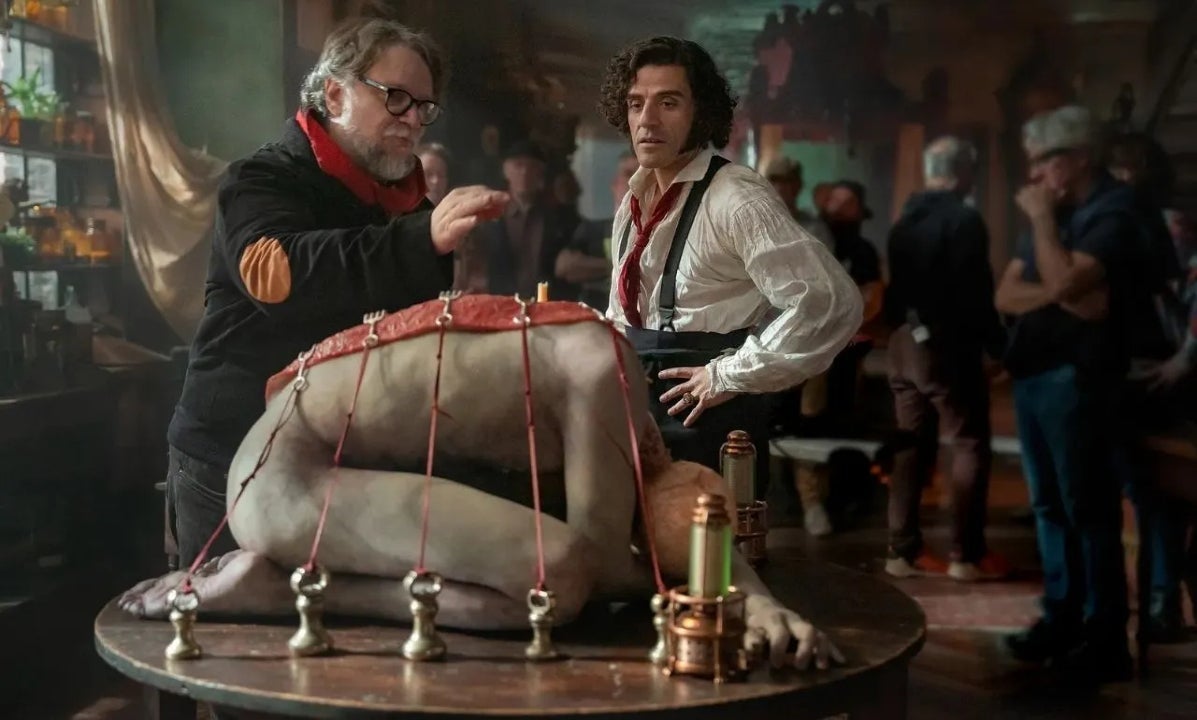
That’s why, even if it’s on Netflix, it’s still del Toro. And that’s why it shouldn’t surprise us that his latest film adapts a classic of horror literature known for its unique gothic tone and the sensitivity with which it addresses human themes. Because when it came time to decide what his new film would be, del Toro chose to adapt one of humanity’s most well-known works. And he decided on Frankenstein.
A movie that has always been on your mind
The film is an adaptation that has been on the director’s mind since at least 2007, when he stated it was a project he would kill to make. By January 2008, he began developing the idea for it, but in 2009 he declared it would take at least four years to start production on the film. In 2013, he said he would want the monster to be Benedict Cumberbatch, and in 2014, he mentioned wanting to make, in fact, two adaptations: one of Frankenstein and another of The Bride of Frankenstein. In 2020, he stated that, if possible, he would want it to be a duology or a trilogy. It wasn’t until 2023 that Netflix revived the project after the success of its Pinocchio.
The movie closely follows the original book and, while it has been limited to a single film, it is of epic proportions. Costing 120 million dollars and stretching to 150 minutes, the promise is that it has given its all in this dream project. Something that critics have responded to very positively, with an 86% on Rotten Tomatoes and a 78 on Metacritic, receiving excellent reviews. This does not take into account that it has already won several international awards, including a nomination for the Golden Lion at the Venice International Film Festival.
All of this is possible because, as we have already mentioned, Netflix has become accustomed to releasing some of its movies in theaters and festivals before they hit its platform. And that has been the case with Frankenstein. With notable results.
On August 30, it was presented at the mentioned Venice International Film Festival with extraordinary results, which led to a limited release in theaters worldwide on October 17. Causing a sensation among fans of Guillermo del Toro, Frankenstein, and cinephiles, defining the film as a story of romance and gothic horror that is extremely faithful to the original story of the novel.
Now, on November 7, it arrives on Netflix so that we can all enjoy it from the comfort of our sofas. And while it is true that this is the kind of movie that would be great to see in a cinema without the limitation of a limited release, being able to see it at all is already a privilege. Because, without a doubt, we are going to hear a lot about Frankenstein during next year’s awards season.
While everyone has their eyes fixed on what Pixar is doing with its strange balance between original films and franchises, DreamWorks and Sony are basically doing whatever they want, innovating in animation storytelling and consciously ignoring what the boards believe the general public wants. From Spider-Man: Across the Spider-Verse to The K-Pop Warriors, the teams at both studios know exactly what they’re doing to leave everyone at their feet. The latest franchise that has brought them profits is The Bad Guys: although its […]
While everyone has their eyes fixed on what Pixar is doing with its strange balance between original films and franchises, DreamWorks and Sony are basically doing whatever they want, innovating in animation storytelling and consciously ignoring what the boards believe the general public wants. From Spider-Man: Across the Spider-Verse to The K-Pop Warriors, the teams at both studios know exactly what they are doing to leave everyone at their feet. The latest franchise that has brought them profits is The Bad Guys: although its sequel has performed a bit worse at the box office, nothing suggests it will lose money. And the future is certainly very bright!
Pure evil
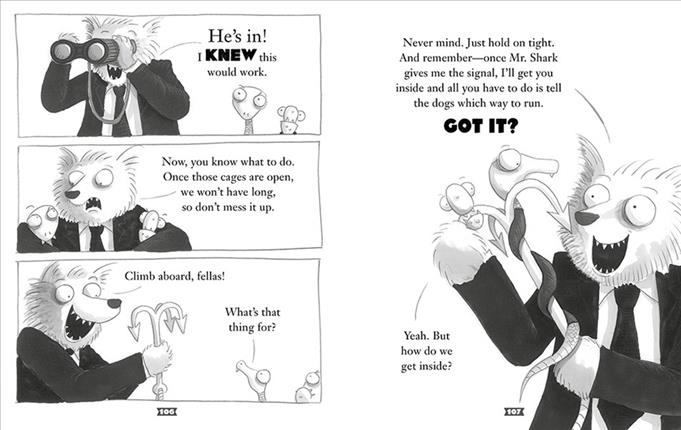
Not everyone knows this, but The Bad Guys and its sequel did not come from the imagination of Etan Cohen (not Ethan Cohen: Etan is the screenwriter of Men in Black 3 or Idiocracy), but from a collection of children’s graphic novels that started in 2015 and already has a total of 20 episodes, the last one in 2024: a pace of two books a year written by Aaron Blabey, a 51-year-old man who has sold over 35 million units worldwide. So, it was logical to continue the saga having such strong original material.
After the ending that promises The Bad Guys 2, obviously the story has to continue, because it really serves more as a bridge movie than as a sequel in itself. From here on, it is likely that they will follow the path proposed by the original books, and face threats like we haven’t seen before. For example, the third movie could tell how Mr. Snake is possessed by an otherworldly entity and becomes a villain (more specifically The Dark Lord of Snakes) against whom the rest of the group has to fight, or directly face a demonic centipede that wants to conquer the universe called Splaarghön. Hey, 20 books offer a lot, okay?
In any case, if they want to take the risk of continuing with the saga (something common in DreamWorks), they have options to choose from, including intergalactic villains, evil puppies, and even the very beginning of the universe. At a cost of about 80 million per movie and with incredible potential to succeed later on streaming, they have nothing to lose. Moreover: after Netflix found a hit with The K-Pop Warriors, no one says they won’t start buying youth movies in bulk, including future installments of The Bad Guys.
What is the bad thing? That the saga ends with chapter 20, One Last Thing (according to its author, because his children had already grown up, and that was the only reason, besides the huge money, to make this saga), and there are no signs of continuing despite the cinematic success. In it, the Wolf and Rhonda travel through time and end up closing everything in a perfect circle. If in the second part they go to space to recover all the gold in the world (literally), why wouldn’t there be time travel? Given what they are capable of doing visually at DreamWorks, the sky is the limit. Perhaps there will never be an opportunity to make The Bad Guys 4, so they would do well to bet 150 percent. Just in case.
By the way: The Bad Guys also has a literary spin-off, Cat on the Run, so if the saga keeps bringing in profits, maybe it’s time to broaden horizons. An animated movie about an Internet cat accused of a crime she didn’t commit? What I don’t understand is how Blabey doesn’t already have a blank check on his desk. He certainly deserves it.
Brandon Sanderson, recognized for his unparalleled creative productivity, has new literary projects scheduled that extend until 2030. Among the most anticipated titles are Spectral Blood, as well as sequels to his works Elantris and Warbreaker, which promise to significantly expand the rich narrative of the Cosmere, his interconnected literary universe. New literary content, at least, until 2030 Fans can expect an explosive amount of content, including both novels and short stories. In fact, Spectral Blood, which has been in development for two decades, is expected to be a darker and more mysterious work, marked by a profound change in […]
Brandon Sanderson, known for his unmatched creative productivity, has new literary projects scheduled until 2030. Among the most anticipated titles are Spectral Blood, as well as sequels to his works Elantris and Warbreaker, which promise to significantly expand the rich narrative of the Cosmere, his interconnected literary universe.
New literary content, at least, until 2030
Fans can expect an explosive amount of content, including both novels and short stories. In fact, Sangre Espectral, which has been in development for two decades, is expected to be a darker and more mysterious work, marked by a profound change in its narrative style. This title will open a new trilogy that aims to capture the attention of both followers of its established sagas and new readers.
Sanderson is also preparing to continue the stories of Elantris and Warbreaker. In particular, fans of Elantris can look forward to the release of two new books starting in 2029, with Nightblood, the sequel to Warbreaker, scheduled for 2030. Additionally, work is underway on a new dimension of Arena Blanca, originally a graphic novel, which further delves into the elements of the Cosmere.
Despite this fruitful production, the film adaptations of the Mistborn saga face multiple challenges. Sanderson has stated that the complexity of his stories and the expectations of fans make it difficult to bring his world to the big screen without compromising its essence. Additionally, he believes that an “unlimited budget” would be necessary to achieve a faithful adaptation, which makes him reluctant to accept offers that do not meet his high standards.
With these updates, Sanderson’s followers not only have reasons to celebrate, but they must also prepare for a future full of exciting reads, making sure to have reinforced shelves for an upcoming avalanche of titles.
Stephen King, the unbeaten horror genius, has said that he is fine with nurturing her with his books because she is an unstoppable force. It influences that he is 75 years old and life more than solved, of course.
It could be the plot of one of his novels (an evil artificial intelligence taking over humanity), but the truth is that, to everyone’s surprise, Stephen King, the undefeated genius of horror, has said that he’s okay with feeding it with his books because it’s an unstoppable force. It helps that he’s 75 years old and has life more than sorted out, of course.
The writer of masterpieces like ‘The Long Walk,’ ‘Rita Hayworth and Shawshank Redemption,’ or ‘The Green Mile’ (and others, let’s not deny it, not such masterpieces precisely) has published an article in The Atlantic about AI, a debate that is now in the spotlight of all discussions due to the writers’ and actors’ strike. His position is neither positive nor negative, but that of someone shrugging and taking it for granted that he has no choice but to go along.
“I see this possibility with a certain ghastly fascination. Would I forbid the teaching (if that’s the word) of my stories to computers? No, even if I could.” King appears resigned but somewhat hopeful: there can’t be creativity without consciousness, and there are some AIs that are starting to develop it. However, the work, for now, seems to him “like movie money: good at first sight, not so good when you look into it closely.”
“Does it make me nervous? Do I feel like they’ve invaded my territory? Not yet, probably because I’ve reached a fairly advanced age.” King seems to be one of the few individuals in the industry who doesn’t take a radical stance against AI: in the United States, they shut down Prosecraft, a platform that used artificial intelligence to analyze thousands of pirated novels, ironically including about twenty of the horror genius from Maine himself.
By the way, the writer still has a long way to go before retirement: he publishes at least two books a year, almost always, and is as respected by the industry as he is by fans. Could an AI write a sentence like “If being a kid is learning how to live, then being an adult is learning how to die”? Allow me to doubt it.
Who can resist having a novel dedicated by that person who has given you so many hours of joy? Aim, because here are all those who will sit in a booth at the Book Fair today to make your book unique.
There are few plans as great on a Monday in May in Madrid as heading to Retiro Park with a stack of books on your back, getting lost in the pages, and waiting for your favorite authors to sign them. Who can resist having a novel dedicated by the person who has brought you so many hours of joy? Take note, because here are all the authors who will be sitting in a booth at the Book Fair today, making your book truly unique.
If you’re on Twitter, you’ve probably come across one of Pedro’s architecture threads under the hashtag #LaBrasaTorrijos. They are fascinating, incredible, and, best of all, unique and different. His ability to communicate is captivating, which is why he has already released three books in three consecutive years: ‘Improbable Territories,’ the children’s book ‘Atlas de lugares extraordinarios para descubrir el mundo,’ and his first thriller, ‘La tormenta de cristal.’ Few can resist being captivated by Torrijos’ storytelling.
Juan Pedro Aparicio
A great figure in our literature, winner of the 2012 Castilla y León Prize for Literature and the Nadal Prize in 1988. His works include ‘Retratos de Ambigú,’ one of the fundamental classics of Spanish literature, as well as ‘El origen del mono,’ ‘El año del francés,’ and ‘Tristeza de lo finito.’ If you’ve never delved into his novels, now is the time to discover his direct and captivating narrative style.
Ilu Ros
Entering the world of Ilu, an illustrator and author, means entering a world of Spanish grandmothers, strong women who reshaped history, or revisiting the history of Federico García Lorca. Her works include ‘Hey Sky, I’m on my way,’ ‘Cosas nuestras,’ and ‘Federico.’ In addition, you can admire her incredible and highly personal illustrations in a compilation of ‘La casa de Bernarda Alba,’ ‘Bodas de sangre,’ and ‘Yerma’ published by Lumen, which won the award for Best Edited Book in Spain in 2022. There’s no excuse not to explore her works.
Izara Batres
Batres combines poetry with Cortázar throughout time. The author has participated in literature festivals around the world, taking our literature as high (and far) as possible. Along the way, she has published collections such as ‘Avenidas del tiempo,’ ‘Tríptico,’ and ‘Sin red.’ She has also written several journalistic essays, and you can find her in various anthologies where you can get a glimpse of what it means to be a poet in a world without poetry.
Luis Luna
And when it comes to poetry, we must talk about one of our most admired authors in the world, the writer of ‘Cuaderno del guardabosque,’ ‘Umbilical’ (“The word abandonment like a dark bird perched on snow under the storm”) or the book-album ‘Almendra.’ He is currently a professor at the School of Writers, has been published in the United States, and is part of so many anthologies that they are countless.
María Couso
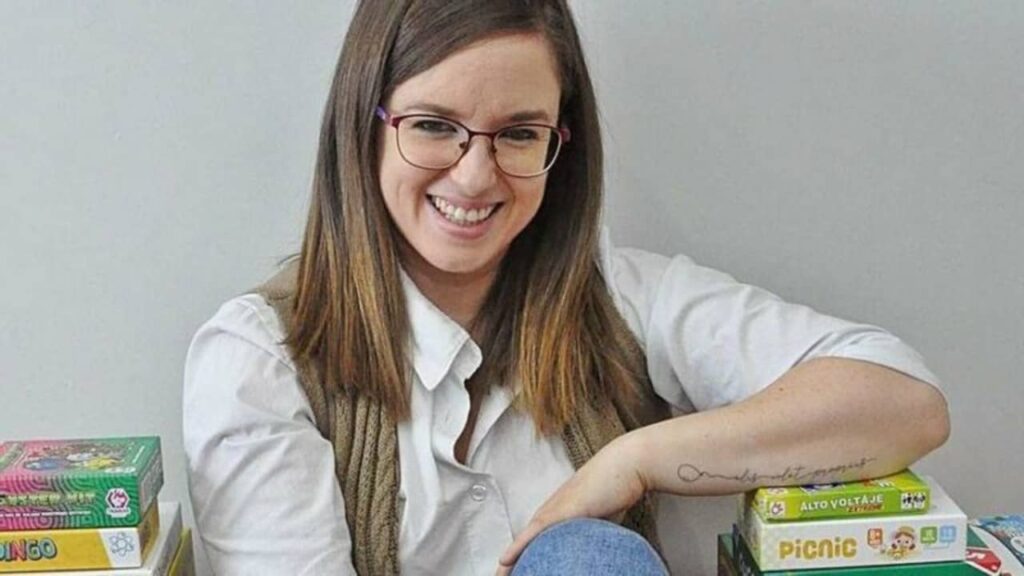
With nearly 90,000 followers on Instagram through her account Play.funlearning, María Couso is one of the country’s top advocates for using board games in the classroom and for cognitive development during childhood. She now presents her first book, ‘Cerebro, infancia y juego: Cómo los juegos de mesa cambian el cerebro, after carefully studying them as a learning tool. Getting her signature will be child’s play, so to speak.
Amalia Marugán
We have all read novels about Sherlock Holmes or Agatha Christie’s detectives, but what about when the detective is the author? Marugán had her own private agency, making her one of the oldest detectives in Spain, and she still collaborates on unsolved cases. ‘Vivir como si ya hubieras muerto’ is her first novel, marked by action, corruption, and murder. Looks like we’ll have to… keep an eye on her.
Martín Caparrós
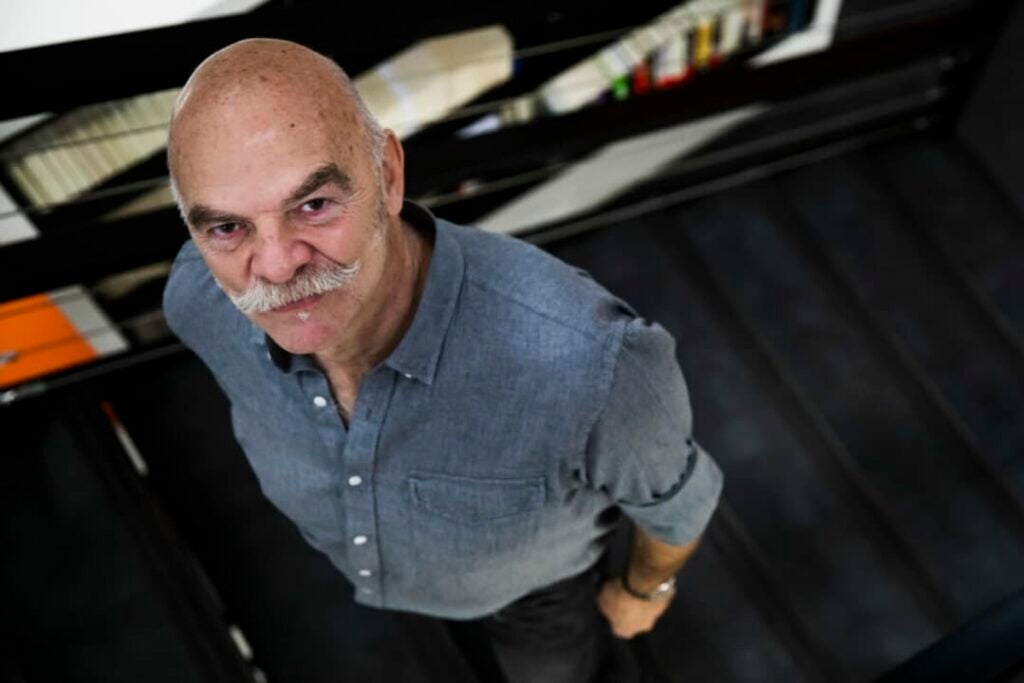
Bernardo Diaz. 28/09/2021. Madrid. Journalist and writer Martín Caparrós. For ‘The Final Interview’. Photo: Bernardo Díaz.
Argentinian, with a background at The New York Times and El País, winner of the Ortega y Gasset Award and the Herralde Prize… Caparrós is one of the most fascinating individuals you can imagine. He has been a part of the Revolutionary Armed Forces of Argentina, served as an editor-in-chief and television commentator, traveled the world, and published novels like ‘La historia’ and ‘Los Living,’ in addition to his famous journalistic chronicles such as ‘Larga distancia’ and ‘La voluntad.’ He is truly a master of the written arts, and now you have the opportunity to get to know him. Don’t miss out on this chance.
Susana García Soto
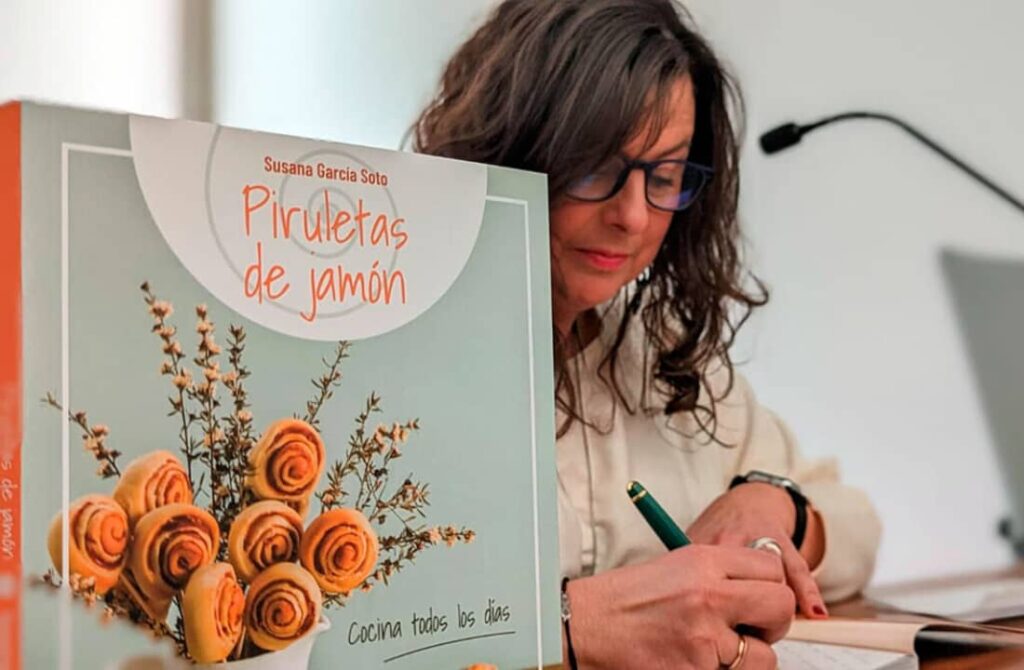
Not everything has to be about journalism and narrative, right? Every now and then, we need to satisfy our stomachs, and that’s where Susana García Soto’s book comes in. She gained popularity on the Internet with her blog “Piruletas de Jamón” and now she’s publishing her first book of easy, fun recipes that kids will devour. And you can always take advantage of the book signing to get a couple of tips from her. After all, who can resist a sweet treat, right?
Paul Brescia
Brescia was born in Buenos Aires and currently lives in the United States, which allows him to reconstruct and reimagine stories in anthologies such as ‘La derrota de lo real’, ‘Fuera de lugar’, or ‘La apariencia de las cosas’, alongside his work as a columnist, writer, critic, and professor in Tampa. In other words, having him in Madrid for a book signing is a true luxury that you shouldn’t miss out on.
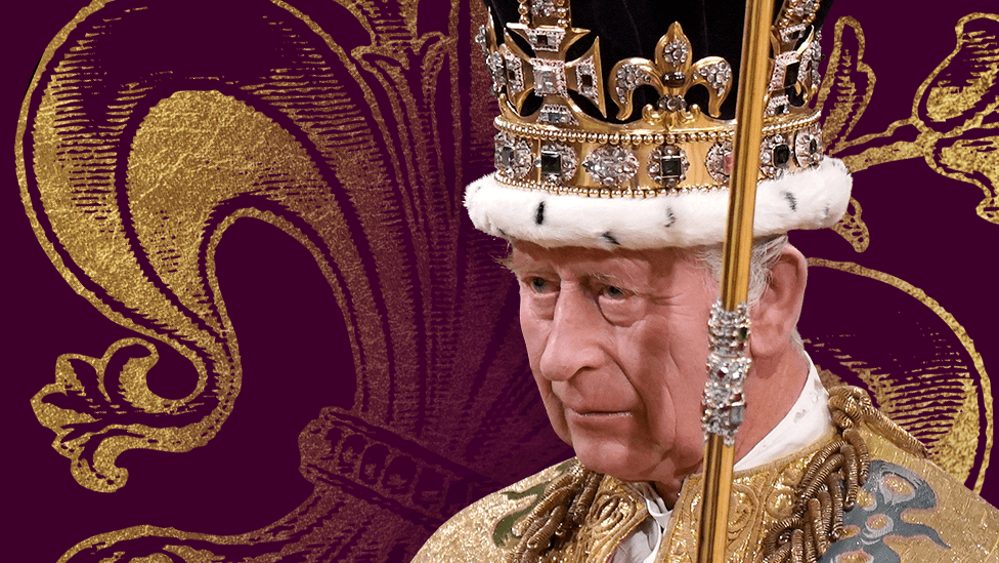
There is much more to read to understand who Prince Charles is, Camilla, why the Coronation is such an important event and, above all, why we should care so much about what happens from now on.
Yes, we have all inevitably thought, when the moment came when Charles III declared himself king of the English, of Joffrey during ‘Song of Ice and Fire‘, George RR Martin’s (for the moment) unfinished saga of novels. However, there is much more to read to understand who Prince Charles is, Camilla, why the Coronation is such an important event and, above all, why we should care so much about what happens from now on. Be careful, because for most of them you will need to know English. Oh, my god!
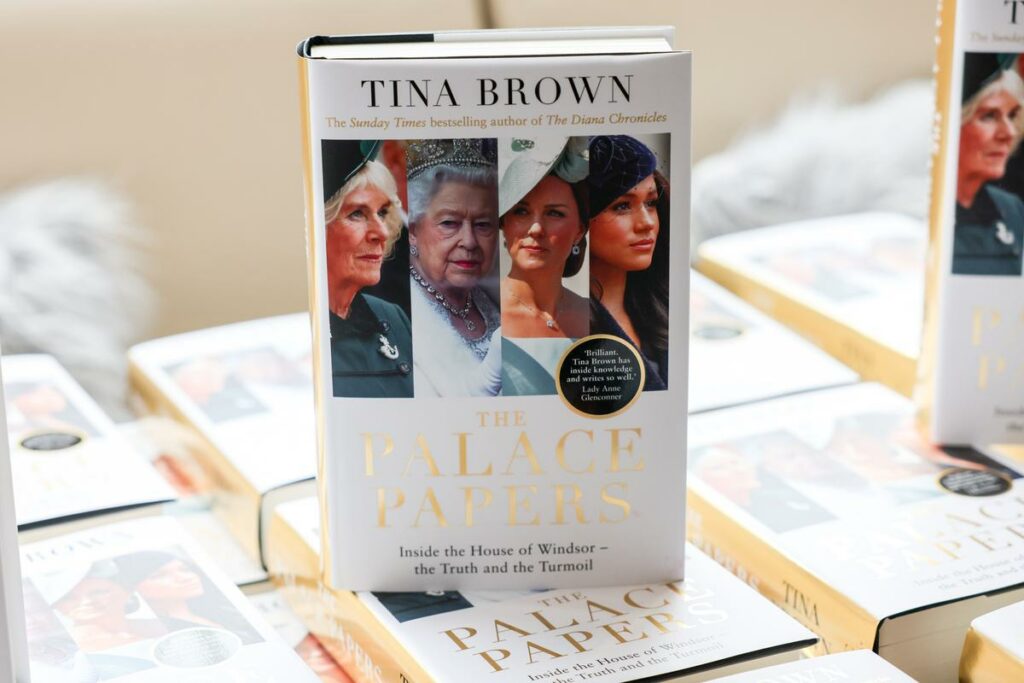
Tina Brown already told the story of Britain’s most famous family through Lady Di, cutting off at the time of her death. Now she picks up from there and moves on, ending with the passing of Prince Phillip. From dead to dead, wow. The biggest fans of the affairs and troubles inside the palace probably already know everything the essay is going to tell, but for those who don’t, it’s a perfect approach made by a person who isn’t the biggest fan of the Crown, but shares a common enemy with it – Meghan Markle.
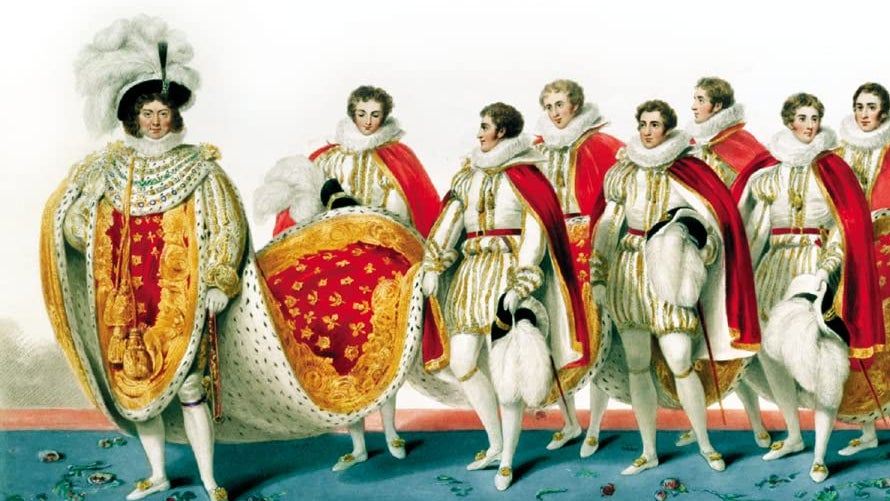
‘Coronation: A history of the British Monarchy’, by Roy Strong
Who knows? You may be interested to know all the details about the British Coronations and go beyond the typical Wikipedia article. Keep in mind that the first one for which we have specifics took place on January 6, 1066, when King Harold II rose. His reign lasted eleven months because, well, it was the time to die early. Ah! Tradition has it that he did so because of an arrow in the eye. When it comes to dying, this is one of the best ways.
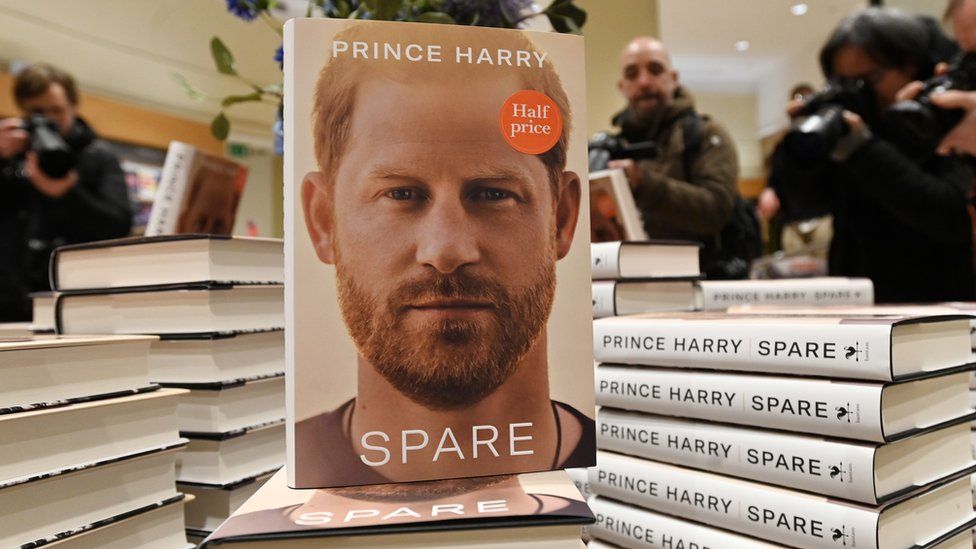
Prince Harry’s ‘In the Shadows
When Harry said he was leaving the royal family to live in the United States with Meghan, many sensed that from then on he was going to dedicate himself to capitalize on his life. And there are few more profitable ways to do it than selling a memoir in which he recounts his drama locked in a golden cage full of riches and very little freedom. If you like the fun but also the more or less amusing jokes, don’t even think about it: the rich also cry.
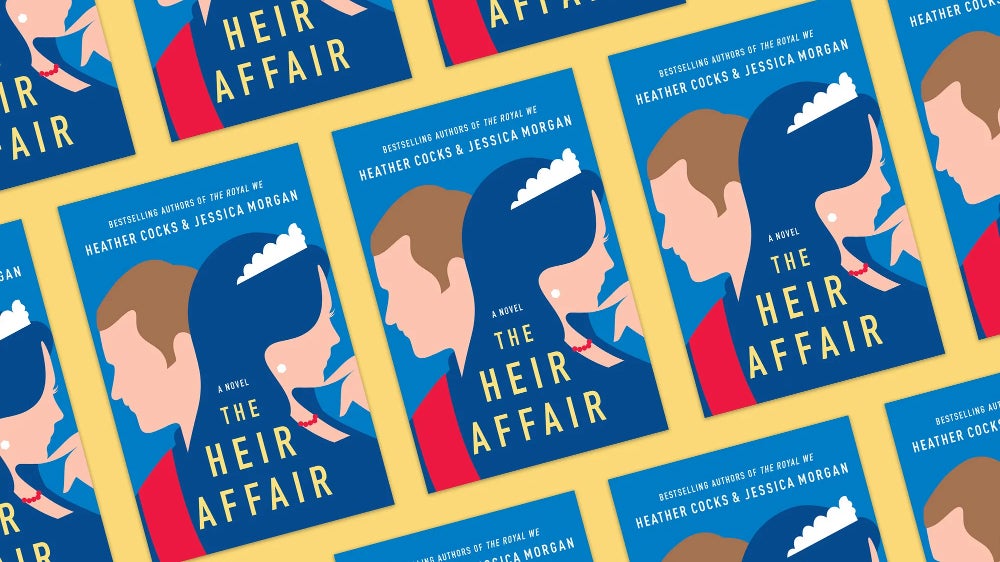
‘The royal we’ and ‘The heir affair’ by Heather Cocks and Jessica Morgan
These are not two essays, but two fictional novels based on reality that tell the story of Kate, an American girl who ends up dating the crown prince. This alone would ensure thousands of units sold, but the authors also put a lot of love and care into the novel: the only criticism is that at the end they decide to diverge from history to tell pure fiction. Without much surprise, the sequel would not please fans too much.
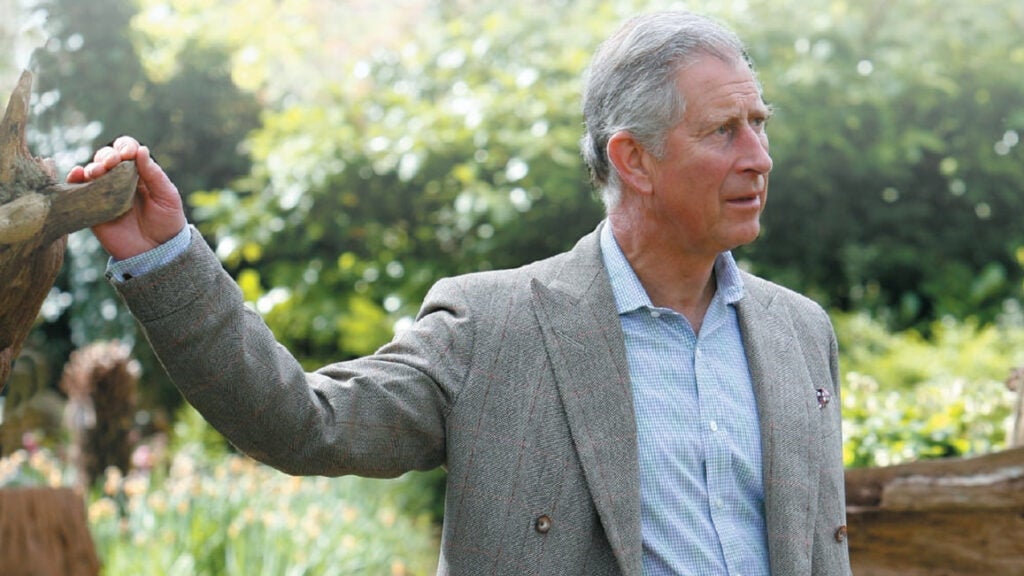
‘Harmony: A new way of looking at our world’, by the Prince of Wales
Deep down I am very grateful that Felipe VI has never given him the urge to write or that Froilán does not feel like telling his life story, because in the United Kingdom there are plenty of books written by the royal family. As proof, this ‘Harmony’, perpetrated by Carlos, in which he tries to raise awareness about the protection of nature and talks about climate change and other problems of our society. Just from the mouth most qualified to speak: the King of England.
‘Kohinoor,’ by William Dalrymple and Anita Anand
Among so much beautiful history and fairy tales, there is always time for a history lesson. Koh-i-noor is a 108-carat diamond that Queen Victoria appropriated in 1877. Elizabeth II refused to return it, partly because, David Cameron said, if she did, the next step would be for all countries to try to get their possessions back from the British Museum. Which wouldn’t be a bad idea, all things considered. This book tells the story of the diamond, its supposed curse and why Camilla has decided not to wear it in her crown. A gem of a book, wow.
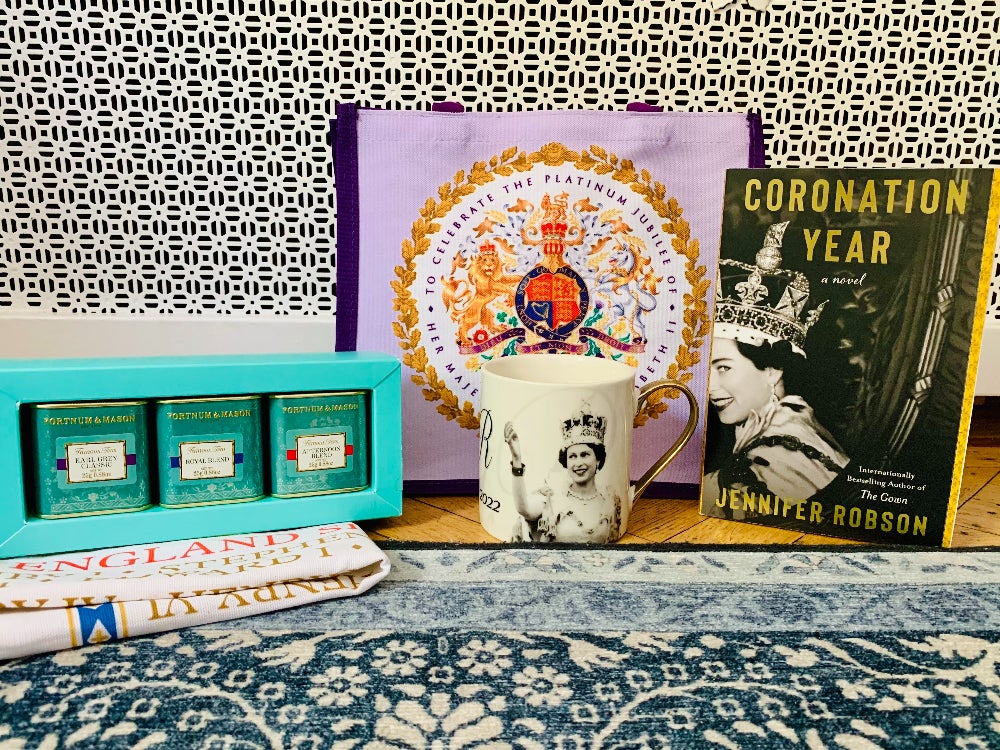
‘Coronation year’, by Jennifer Robson
The Coronation of Charles III has already taken place and will not be talked about for years as much as that of Elizabeth II. This fictional novel is about the residents of a London hotel who come together in an unexpected thriller for the subject matter. 1953, Blue Lion hotel, several people trying to get away with antagonistic goals. Not all will end well (except for the queen, who, spoiler alert, will end up reigning until 2022).
What if we told you that the King of Terror was about to throw everything away?
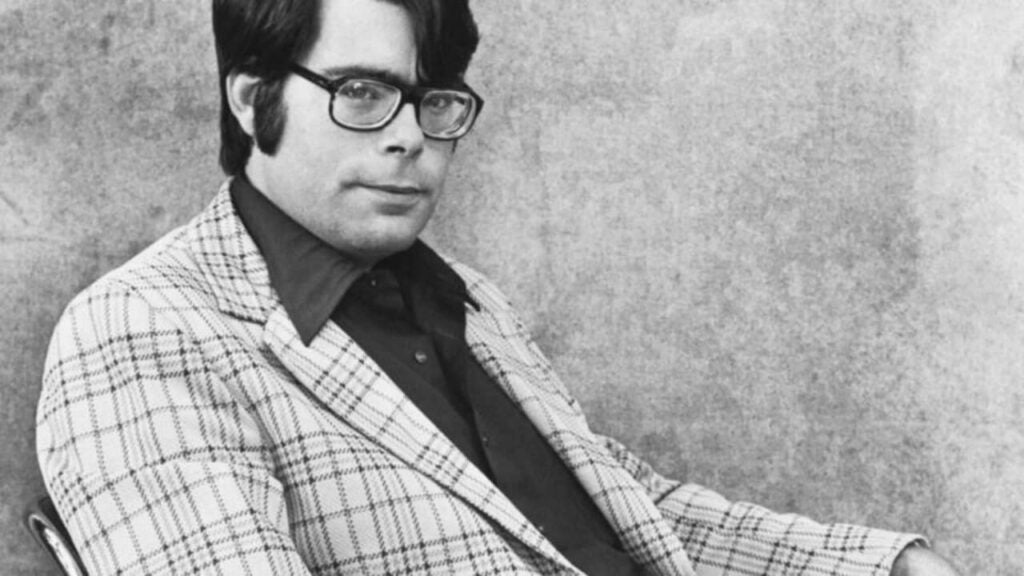
“Stephen King’s physical appearance does not reflect his tremendous intelligence as a writer.” Years ago, a book about the author introduced this caption that has gone down in history. And that King (also known as Richard Bachman) is one of the most respected and prolific authors in history: to his credit he has 65 novels, more than 200 short stories and some 60 films based on his work, to which we can add a whole host of short films, plays and even musicals. But what if we told you that the King of Horror was on the verge of throwing it all away?
1967. A twenty-year-old Stephen King manages to sell his first short story to the magazine ‘Startling mystery stories’ for 35 dollars. The story, which appeared in issue 6 of the magazine, would never be reprinted in the author’s anthologies or officially translated into Spanish (it was in a fanzine). Little by little, King was selling stories to different media while he combined it with his job as a janitor in a high school and English teacher in another. The good life.
Not that he didn’t try to write novels, of course, but they all inevitably ended up in a drawer after being rejected by different publishers. It happened to him with ‘The Long Walk’ (which would later become one of his best works) and with ‘Sword in the Darkness’, an anti-war story of 150,000 words that, as King later acknowledged, is absolutely unreadable. His wife Tabitha (to whom he has been married since 1971) and he lived in a trailer outside Hermon, Maine, and their situation showed no signs of improving. And yet…
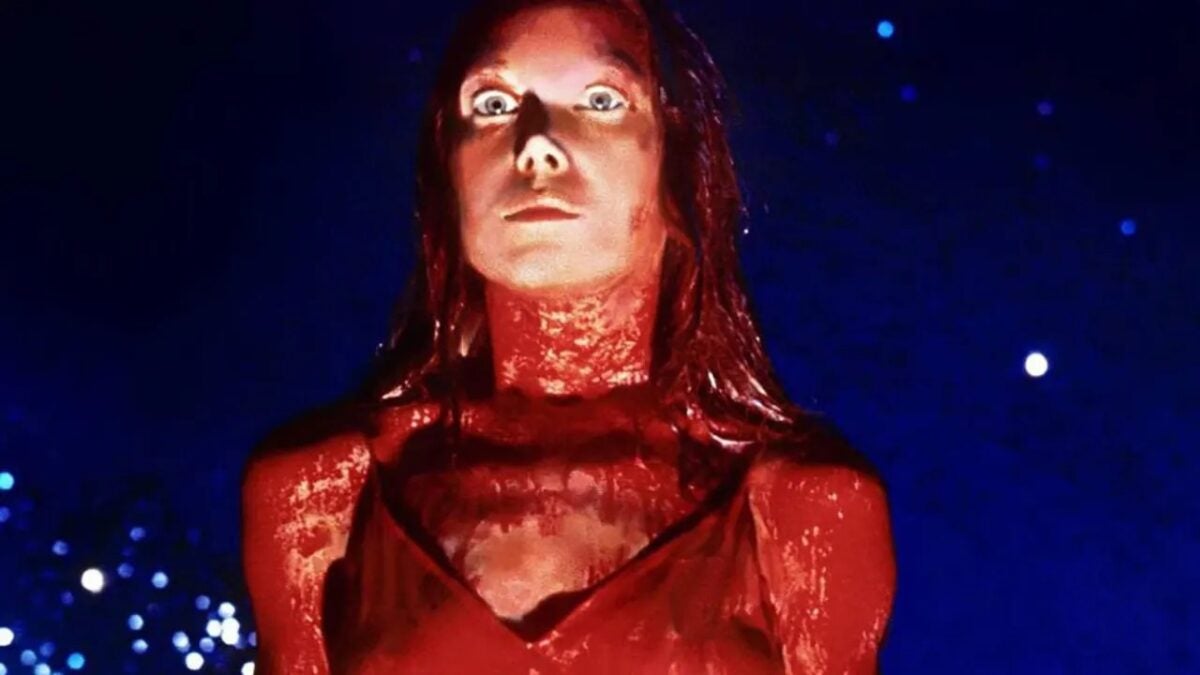
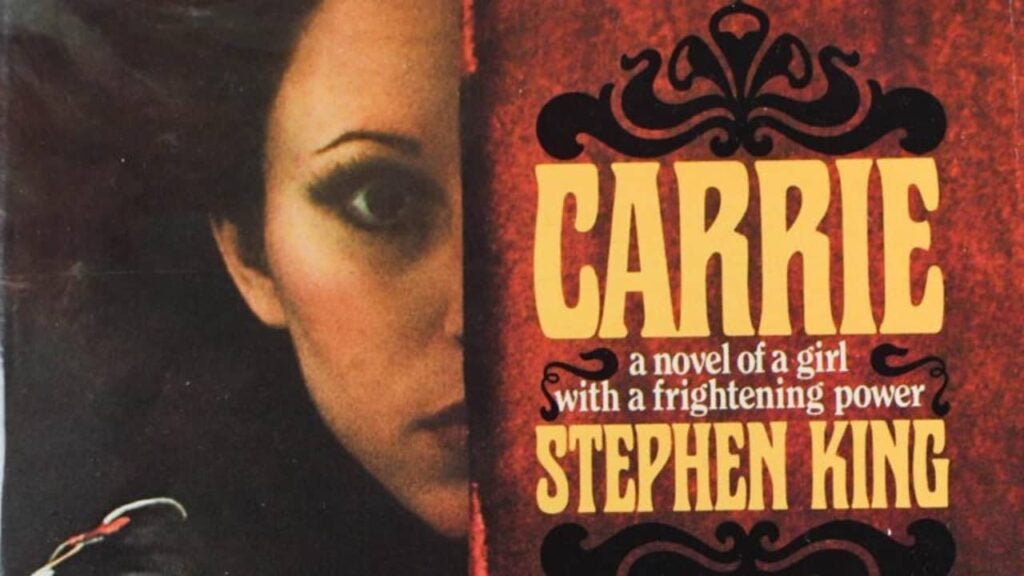
In 1971, our protagonist was cleaning the girls’ restroom at a high school when he came face-to-face with a box of feminine hygiene items and was shocked. It was a different era. Soon after, he remembered an article he had read in ‘Life’ magazine about poltergeist phenomena and telekinetic activity in teenagers. Sound familiar? Stephen King took Tabitha’s typewriter and began to write from the perspective of a high school student: one Carrie White.
To the garbage can
The basis of the story, as the author had it in his head, was similar to the beginning of the adaptation that Brian De Palma would later make: a girl starts menstruating in the showers and the rest of her classmates laugh at her. However, after three pages he decided he wasn’t doing it right: he couldn’t put himself in a woman’s point of view and he wouldn’t know how they would react. Also, Carrie didn’t end up liking him as a character because of his lack of emotional connection to her. He balled up the pages, threw them in the trash and went to sleep, thinking that the next day he would still be trapped in that life he didn’t want to have.
It was Tabitha who picked up the pages from the wastebasket the next morning and who convinced him to keep writing for one simple reason: she wanted to know how the story continued. And if her husband didn’t know how to introduce the female perspective, she would give it to him. It didn’t help him to fully understand Carrie, but he finally got it by talking to two students at his high school: one wore the same dress to class all the time because of her family’s poverty and, as a result, was being bullied. The other was growing up in a fervently religious family.
Adding the two together, telekinesis and tampons, he could get down to real writing, even though for him it was a waste of time that would never lead to anything. After 98 pages he finished it and put it in a drawer. He hated it with a passion, although that did not prevent him from reworking it in December 1972 until it became a full-fledged novel. In that novel, Carrie, at the end, destroyed an airplane after it grew horns, but his editor convinced him to change it. For whatever. To the author’s own surprise, Bingo was called: the publisher Doubleday had bought the rights and was willing to publish it.
The cow Carrie
This is what is usually told, but the truth is that he was rejected up to thirty times. Note: Thirty! Not surprisingly, Stephen King has never hidden his absolute hatred for ‘Carrie’, which he describes as clumsy and artless, but that did not stop him from releasing 30,000 copies in 1974 for which he got 2500 dollars at the time (about 15,000 today). Shortly thereafter, New American Library would pay 400,000 for the rights. It didn’t do badly: in its first year it sold a million copies and, after the 1976 movie, it was number one for weeks.
In 1975, taking advantage of the cinematic success that was to come, King published ”Salem’s Lot’ and, soon after, ‘The Shining’ and ‘Cujo’. Since then, rare is the year in which he does not publish at least one novel (or a collection of short stories). ‘Carrie’ had three film adaptations, a terrible film sequel, a musical, an episode of ‘Riverdale’ based on said musical and was on the verge of being spun off as a TV series. For such a supposedly clumsy film, not so bad.
So if you’ve ever felt like throwing everything you were writing into the recycle garbage can, let someone else take a look at it. Hey, maybe your letter to become a millionaire is resting in the trash right now.
What everyone does not know is that his adventures come from a literary saga that transcends 88 television episodes to last for more than 600
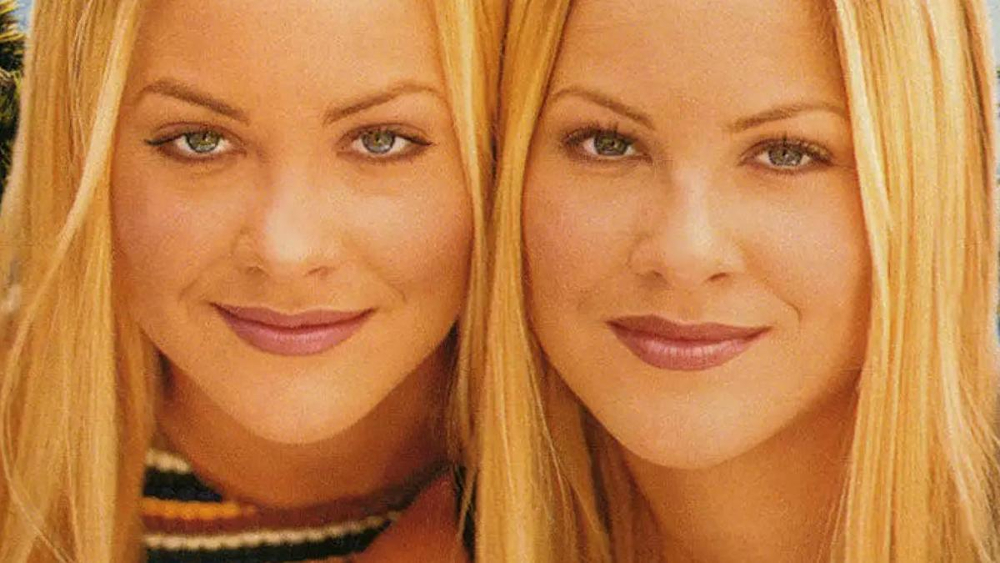
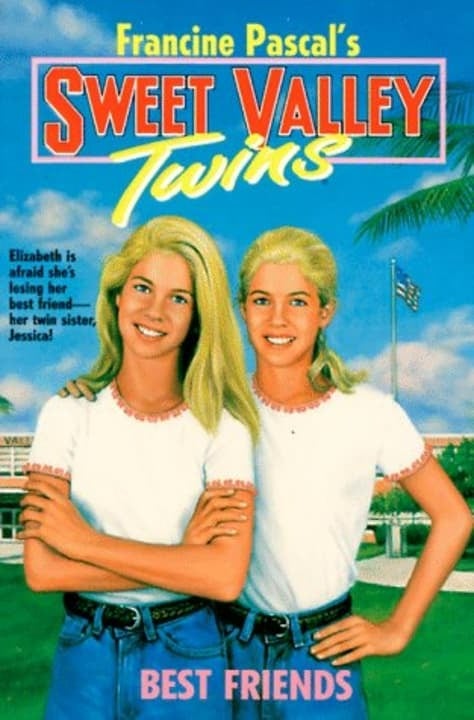
Las gemelas de Sweet Valley’ is a landmark of 90’s television: in fact, its success was such in Spain that it was broadcast at the same time on TVE and Antena 3. What not everyone knows is that its adventures come from a literary saga that transcends the 88 television chapters to extend over more than 600 issues between main novels, spin-offs, adult sagas and secret clubs. Taking advantage of the book day, let’s take a look at a never-ending saga that you could never, ever read in its entirety (unless you dedicate yourself exclusively to it): ‘Sweet Valley’.
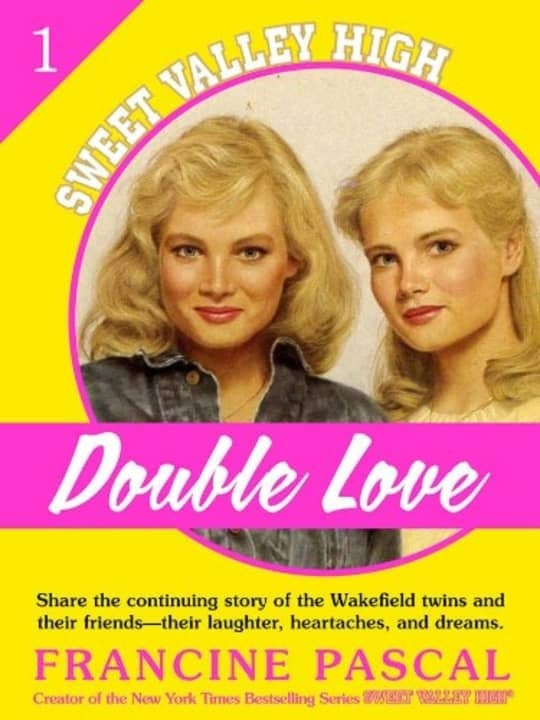
Francine Pascal has been behind the lives of Jessica and Elizabeth for forty years, two twins who started out in high school and whose lives have taken a few twists and turns since October 1983 when it all began with ‘Double Love’, a novel in which the two sisters fight over the same boy, Todd Wilkins, who would later become Liz’s boyfriend. The author’s original idea was to make a soap opera in book format for teenagers, and boy, did she succeed. At least in length.
Originally, Pascal wanted to tell her story as a television series, but, when her dream came true, she ended up hating the end result. Not that ‘her’ story is entirely hers either: under the name Francine Pascal lurks a host of ghostwriters who have added chapters to the story over the decades at a lightning pace. From October 1983 to July 1998 there was a ‘Sweet Valley Twins’ book every month, for a total of 143 packed with love affairs, double dates, rants, whispers and even dead boyfriends returning in spirit form. Suck it, ‘Grey’s Anatomy’.
In addition to the original saga books, a special novel called ‘Super Edition’ was published once a year: there were twelve issues in which love affairs were put aside to focus on earthquakes, avalanches, trips to Cannes, forest fires and online stalkers. In addition, there were nine issues of ‘Super Thrillers’, packed with murder, Witness Protection, politics and kidnapping: the Sweet Valley twins weren’t bored, no.
Spin-offs a cascoporro
And here the madness begins: the ‘Magna Editions’ told things we had already seen but from a different point of view (the pig gets everything) and ‘Super Stars’ were stories about the secondary characters (Lila, Bruce, Enid, Olivia and Todd) that joined those of ‘Sweet Valley Twins’, a saga of 118 books that was published at the same time as the original and that took place a few years before (the continuity thing is going to be a mess, we’re going to warn you). The plots ranged from finding the secret ingredient to make cookies to girls suffering from cancer or teachers playing the Nazi Holocaust with them. Almost nothing.
This spin-off had, in turn, fourteen ‘Super Editions’, with stories like “twins go to an amusement park but don’t talk to each other”, “Jessica lives the same day over and over again until she finds her Christmas spirit” or “twins go to Paris and think their caretaker is a murderer“. Oh yes, and nine ‘Super Chillers’ featuring ghosts, magic pens and cursed masks (in a plot absurdly plagiarized from ‘Nightmares’). Also three ‘Magna Editions’, 23 novels of ‘The Unicorn Club’ and two of ‘Team Sweet Valley’, where the twins do gymnastics and volleyball.
And you’ll say “Well, that’s it, isn’t it?”. Of course not. From 1990 onwards, 70 more ‘Sweet Valley Kids’ books were published, featuring the characters as children, with seven ‘Super Snooper’ and five ‘Super Special Editions’ included. And when the original saga ended in 1998 with the twins’ graduation, another one began: ‘Sweet Valley Junior High’, which told stories of both the year before it all began: 30 more books in the bag and more chronological teasers.
But as well as going backwards, the saga also continued forwards: ‘Sweet Valley Senior Year’ had 48 novels since 1999, but six years earlier, in 1993, they had already begun their college adventures in ‘Sweet Valley University‘, which had 63 titles, including 18 ‘Thriller Editions’. After college, in 2001, ‘Elizabeth’ followed for six novels one of the twins running away to London and falling in love with a millionaire while clearing up the reasons for the breakup with her sister.
Ten years later, in 2011, Francines Pascal released ‘Sweet Valley Confidential’, which took place, coincidentally, a decade later. Finally, the author decided to put an end (for now) with a six-book saga, ‘The Sweet Life’, which told the story of the twins in their thirties: marriages, children, reality stars and much more to culminate these 604 books (we repeat: 604!) that many did not even guess when, in 1994, the TV series premiered. Don’t you feel less lazy now to start with this nine-part macro-saga of adventures? You’re welcome.