Asteroid Alarm: Algorithmic Discovery Raises Concerns for Earth’s Safety

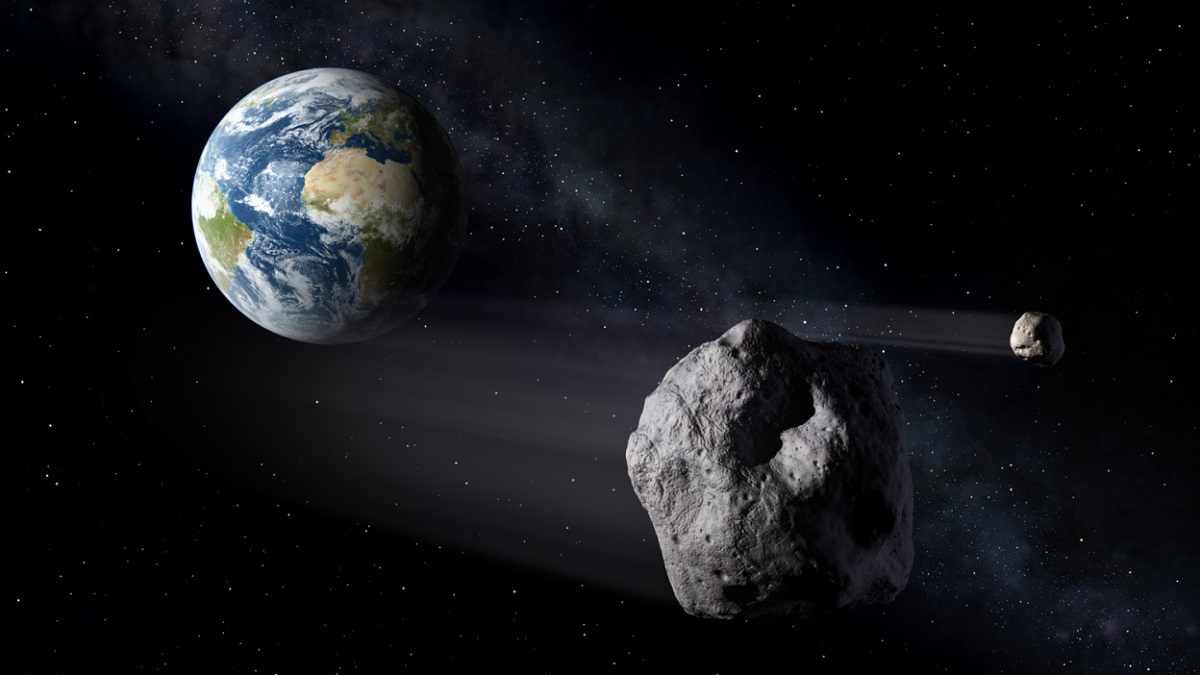
An algorithm in charge of searching for asteroids has detected an asteroid that would be potentially dangerous for humanity.

Despite what many people may believe, algorithms are not only used to show us TikTok videos that we like or Instagram posts that… well… we don’t dislike so much. Algorithms are used, for example, in space observation, allowing us to know the paths and trajectories of comets and asteroids, in order to avoid a potential catastrophe.
NASA App DOWNLOAD

Catastrophe like the one that could be caused by 2022 SF289, an asteroid almost 200 meters long that has been detected by a powerful algorithm whose sole function is to search for asteroids in outer space, and which will be implemented at the Vera C. Rubin Observatory, located in Chile. Rubin Observatory, located in Chile.

According to Ari Heinze, a scientist and researcher at Rubin Observatory and the University of Washington, asteroid 2022 SF289 is currently 4 astronomical units away (4 times the distance between the Sun and the Earth) and would pass on the opposite side of our planet’s orbit, so it is classified as a potentially dangerous asteroid.

The algorithm responsible for the detection of this asteroid is called HelioLinc3D, and was tested using the University of Hawaii’s ATLAS survey. The detection of this space rock is a significant event, as it demonstrates that the algorithm is capable of detecting near-Earth asteroids with a smaller number of observations than using traditional methods.

“By demonstrating the real-world effectiveness of the software Rubin will use to search for thousands of yet-unknown potentially hazardous asteroids, the discovery of 2022 SF289 makes us all safer,” Heinze said in his statement.

NASA App DOWNLOAD

Although the Rubin observatory was scheduled to open in 2022, the pandemic eventually delayed everything. If all goes well, the observatory will finally open its doors in 2025, and will use a 3.2 gigapixel camera (3.2 billion megapixels) to take images of the night sky once a week.

Some of the links added in the article are part of affiliate campaigns and may represent benefits for Softonic.
A Thousand Years or Less? No Asteroid Alarm Bells for You, Says Science

This news should reassure all of us except Dalas Review, the youtuber who created a laboratory with the intention of finding the key to immortality.

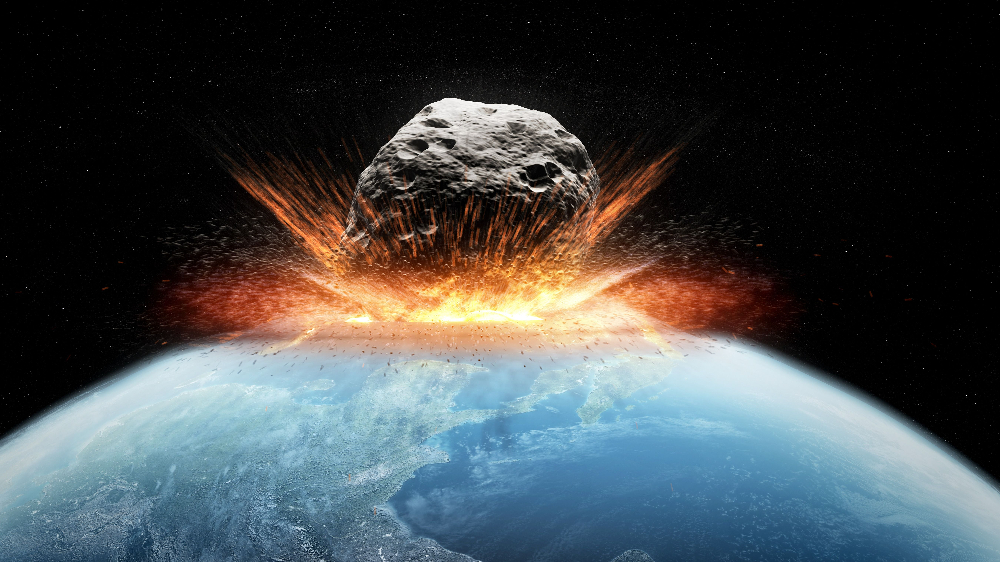
This news should reassure everyone except Dalas Review, the youtuber who created a laboratory with the intention of finding the key to immortality. The fact is that the Earth is safe from the absolute devastation caused by an asteroid… at least for the next thousand years. They have until then to analyze ‘Armageddon’ and see if sending Bruce Willis is feasible.

POT DOWNLOAD
Get into space with the official POT application

The rage of the millennium

Astronomers have taken a look into space and have come to the conclusion that no big asteroid is going to do anything to us for at least a millennium, a period in which Marvel will release an estimated 3,000 movies and series, of which ten will be good. It’s still too early to breathe a sigh of relief, though. Yes, really. Look to the sky with some trepidation.

This new study only includes those asteroids that are more than one kilometer long, so other smaller ones may have an impact. One day you go to buy bread and a hundred-meter asteroid falls on you. It could happen! Although it would be worrying, it would not be a catastrophic problem for mankind like that meteorite that wiped out the dinosaurs. It is also true that 66 million years ago that element measured 10 kilometers, so, just in case, they are reducing even to a tenth part, lest it takes Asia ahead.

Oh, by the way: to refine further, it has been confirmed that in the next century no asteroid smaller than one kilometer or that can cause real damage to humanity will fall. Don’t cancel your weekend plan, it seems that after the pandemic season, we don’t have the meteorite season left. Thank goodness.