A Thousand Years or Less? No Asteroid Alarm Bells for You, Says Science

This news should reassure all of us except Dalas Review, the youtuber who created a laboratory with the intention of finding the key to immortality.

This news should reassure everyone except Dalas Review, the youtuber who created a laboratory with the intention of finding the key to immortality. The fact is that the Earth is safe from the absolute devastation caused by an asteroid… at least for the next thousand years. They have until then to analyze ‘Armageddon’ and see if sending Bruce Willis is feasible.

POT DOWNLOAD
Get into space with the official POT application

The rage of the millennium

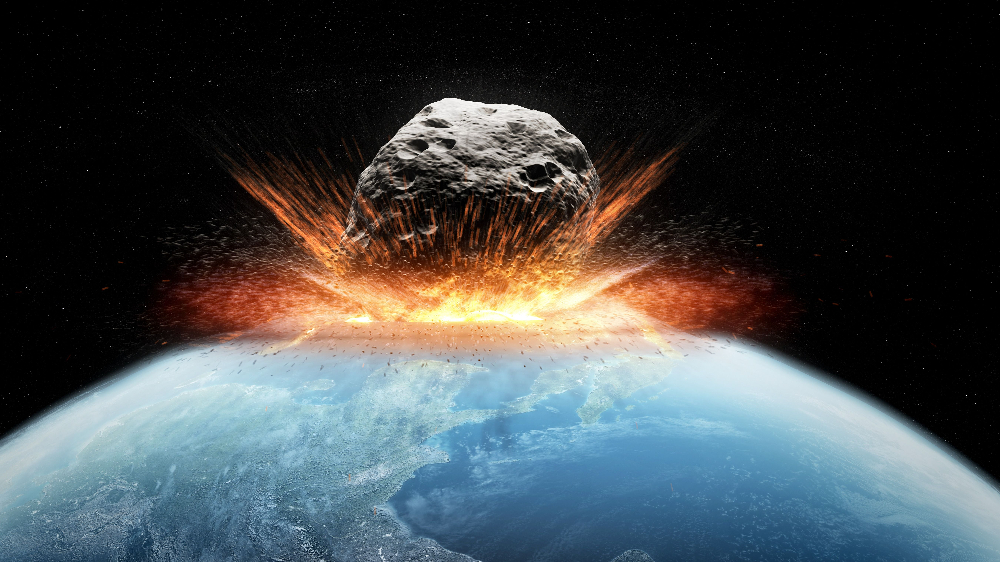
Astronomers have taken a look into space and have come to the conclusion that no big asteroid is going to do anything to us for at least a millennium, a period in which Marvel will release an estimated 3,000 movies and series, of which ten will be good. It’s still too early to breathe a sigh of relief, though. Yes, really. Look to the sky with some trepidation.

This new study only includes those asteroids that are more than one kilometer long, so other smaller ones may have an impact. One day you go to buy bread and a hundred-meter asteroid falls on you. It could happen! Although it would be worrying, it would not be a catastrophic problem for mankind like that meteorite that wiped out the dinosaurs. It is also true that 66 million years ago that element measured 10 kilometers, so, just in case, they are reducing even to a tenth part, lest it takes Asia ahead.

Oh, by the way: to refine further, it has been confirmed that in the next century no asteroid smaller than one kilometer or that can cause real damage to humanity will fall. Don’t cancel your weekend plan, it seems that after the pandemic season, we don’t have the meteorite season left. Thank goodness.

Exoplanet Breakthrough: Potential New Home for Humanity Found 90 Light-Years from Earth

And if we tell you to change not just your neighborhood or your apartment, but your planet? Well, within not so much it may be possible. Somebody tune up the galactic BlaBlaCar.

Moving is the worst: packing boxes, moving furniture, packing, unpacking, discarding, preserving… If you’re looking forward to never doing it again, you’re on our team. But of course, today we’re going to talk about a very different kind of move: What if we told you about changing not just neighborhoods or apartments, but planets? Well, in the not-so-distant future, it could be possible. Someone, please tune up the galactic BlaBlaCar. No, Elon Musk, not you, please.

NASA DOWNLOAD

Earth-2

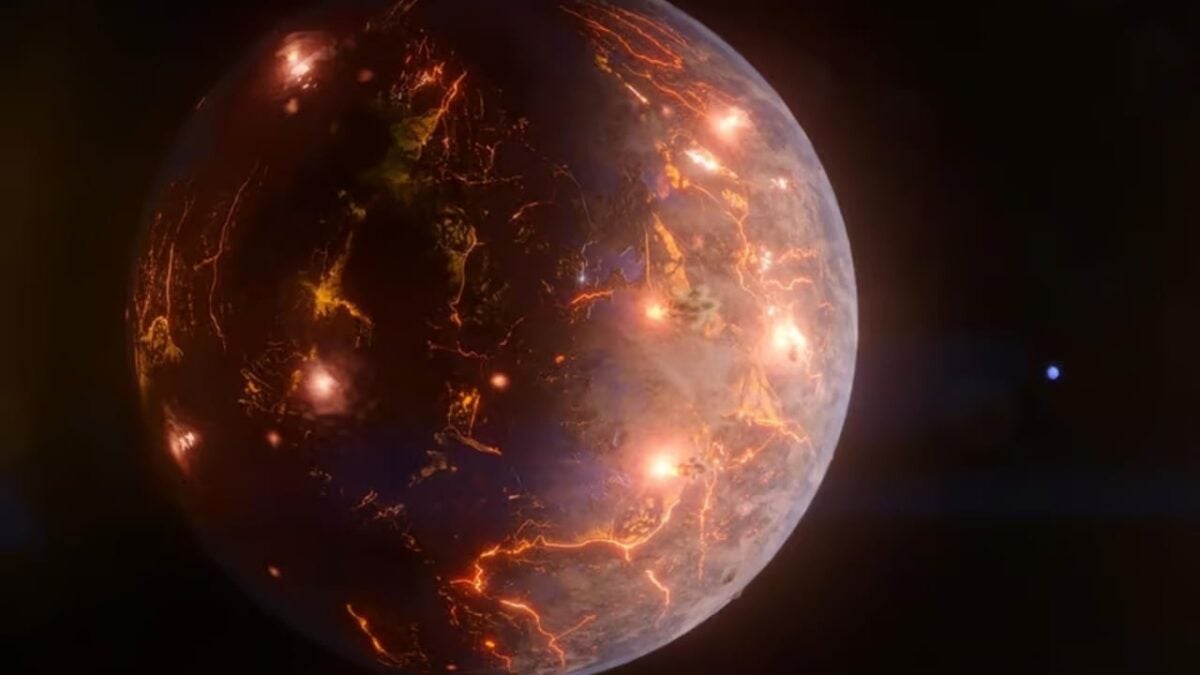
From Méliès’ ‘A Trip to the Moon’ to today, finding a place for the human race to settle down has been a dream. While we wait for it to become a sad, sad obligation due to climate change, scientists have now discovered a planet that is similar in size to Earth and, better yet, may have an atmosphere. Its name, however, needs some marketing expertise: LP 791-18d. As a suggestion, I propose “Earth+,” which is much more catchy. So, when it’s time for us to board the rocket, we can say, “To Earth+!”

The exoplanet in question is located 90 light-years away from Earth (a quick trip to the store and back, really) and it is known that one side always faces the star in the Crater constellation, which means it wouldn’t be a good idea to tour that area no matter how much of a tan you want to sport. Water wouldn’t be possible there in any way, but scientists suspect that on the other side, volcanic activity could create an atmosphere and, therefore, water. A “dark side” that brings hope. Talk about a plot twist, ‘Star Wars.’

Moreover, the same group of scientists has stated that the discovery of LP 791-18d is a first step towards finding life beyond our solar system. This finding was made possible thanks to the James Webb Telescope, which was launched into space a year and a half ago with the aim of eventually providing us with information about the creation of the earliest galaxies. The cosmos is vast, intrinsic, and who knows? Perhaps it is populated by raccoons with guns, although for now, we’ll have to wait to find out how “the ingredients for life may exist on other worlds apart from our own,” as the scientists have said.