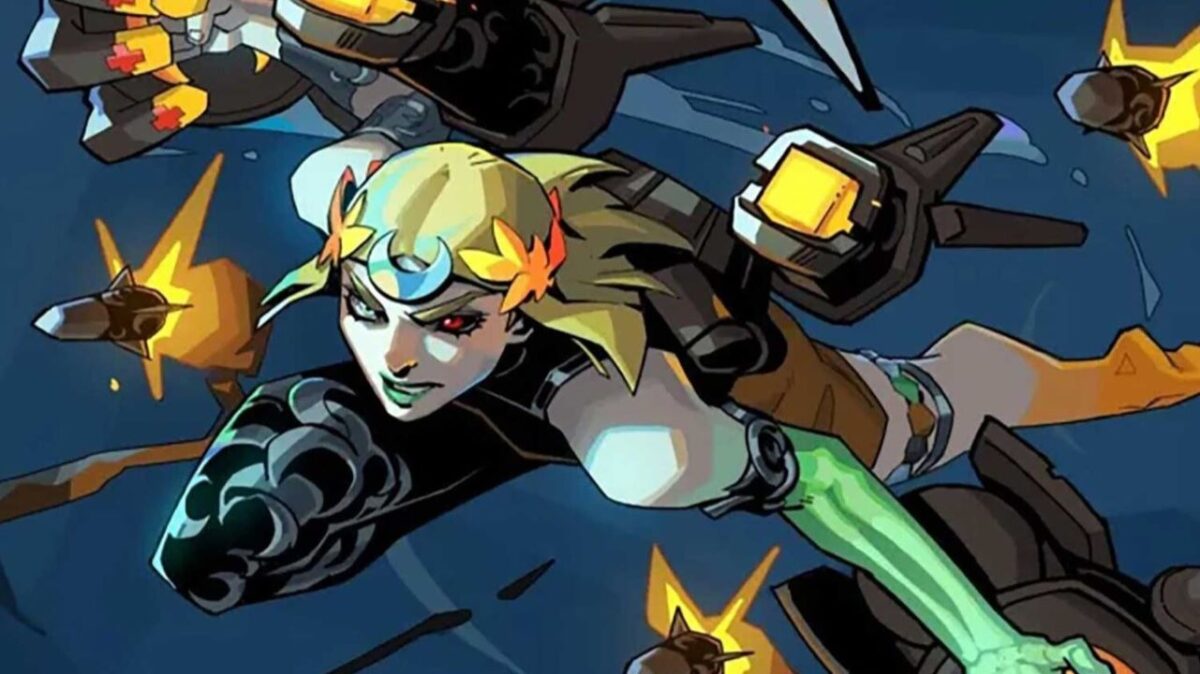
Recently, Ben Starr, known for his role as Clive Rosfield in Final Fantasy 16, shared his experience playing as Prometheus in Hades 2. Starr revealed that the character is considered one of the most difficult antagonists in the game, which led him to intense frustration during his gaming experience. Despite having dedicated over 90 hours to Hades 2, Starr admitted that the difficulty of the combat against Prometheus made him question himself, even to the point of saying that he “hated himself” in those moments of uncertainty. A boss that brought him through the […]
Recently, Ben Starr, known for his role as Clive Rosfield in Final Fantasy 16, shared his experience playing as Prometheus in Hades 2. Starr revealed that the character is considered one of the most difficult antagonists in the game, which led him to intense frustration during his gaming experience. Despite having dedicated more than 90 hours to Hades 2, Starr admitted that the difficulty of the combat against Prometheus made him question himself, even to the point of saying that he “hated himself” in those moments of uncertainty.
A boss who brought him down the road of bitterness
“Hades 2 really kept me immersed; the hours flew by,” Starr commented in a recent interview. However, he also expressed that confronting Prometheus was a challenging battle. “When I finally defeated him, I sent a picture to a friend and thought, damn, I guess I did it.”
This is a demonstration of how games like Hades 2 and their difficulty can keep players engaged through the emotional connection that is generated with them. Even if it’s through poor Starr wishing he could take a stroll in the countryside.
As players face the saturation of available titles, many choose to abandon recent games in favor of more familiar experiences. This phenomenon, which some call “player fatigue,” reflects the difficulty of choice in a landscape filled with options. The tendency to return to known titles may be related to the need to escape the excessive analysis that many engage in while playing, seeking to regain the instinctive connection with the gaming experience. Eat the Moon In this context, Skate Story stands out, the last major independent video game of the year, created by artist and developer Sam Eng
As players face the saturation of available titles, many choose to abandon recent games in favor of more familiar experiences. This phenomenon, which some call “player fatigue,” reflects the difficulty of choice in a landscape filled with options. The tendency to return to known titles may be related to the need to escape the excessive analysis that many engage in while playing, seeking to regain the instinctive connection with the gaming experience.
Eat the Moon
In this context, Skate Story stands out, the last great independent video game of the year, created by artist and developer Sam Eng. This title not only combines a deep narrative with a unique sensory experience, but it also becomes a reflection on urban life and the “modern hell.” Through its protagonist, a crystal demon that consumes moons while skating, the game offers an environment that critiques the monotony of life in contemporary cities.
The synergy between music and graphics in Skate Story creates an immersive atmosphere that invites introspection, making players focus more on what they feel than on the story itself. As players perform tricks on their skateboard, they experience an emotional connection with the environment that is different from other entries in the genre, leaving behind the Tony Hawk style to embrace something more genuine and artistic.
Sam Eng, recognized as an emerging creator, has managed to encapsulate in Skate Story a narrative of vibes and sensations that unfolds more in the atmosphere of the game than in its dialogues. As a result, the title not only challenges the conception of indie video games but also offers a unique experience, marking a milestone in the way stories are told in the world of video games.