Sports are attracting subscribers to streaming services. What's the problem? They don't stick around

During the NFL seasons of 2023 and 2024, streaming services have experienced a notable increase in daily sign-ups. Paramount+ reported an average of 117,000 daily sign-ups, representing a 41% increase compared to the off-season. Meanwhile, Peacock also saw an increase, with an average of 76,000 daily sign-ups, 25% more than in previous periods. Everything really comes down to sports Despite this initial growth, data from Antenna reveals that there are retention challenges. Consumers who canceled Peacock after live WWE events […]

During the NFL seasons of 2023 and 2024, streaming services have experienced a notable increase in daily sign-ups. Paramount+ reported an average of 117,000 daily sign-ups, representing a 41% increase compared to the off-season. Meanwhile, Peacock also saw an increase, with an average of 76,000 daily sign-ups, 25% more than in previous periods.

Everything you do is truly about sports

Despite this initial growth, Antenna’s data reveals that there are retention challenges. Consumers who canceled Peacock after the live WWE events were 40 times more likely to watch WWE Raw on Netflix. This trend suggests that while platforms are attracting new users, keeping their interest can be complicated.

In a broader context, new services like ESPN Unlimited, which debuted in August, managed to capture 1.7 million sign-ups, while Fox One, launched in the same month, reached 2.3 million. Together, these platforms totaled a combined 4 million subscriptions by the end of October. However, virtual MVPD services, such as Hulu + Live TV and Fubo, experienced a 12% decline in their sign-ups compared to the previous year, although they still reached 4.7 million users.

On the other hand, NFL+ and NFL Sunday Ticket recorded 3 million and 2.1 million subscriptions in September, with significant increases of 37% and 22% respectively. More broadly, subscriptions to sports-focused streaming services grew by 18% compared to the previous year.

The trend suggests that interest in streaming sports is on the rise, although platforms must effectively address user retention to capitalize on this growth. However, competition is intensifying and the need to maintain content quality is essential.


Macho Youtuber Faces Consequences: Banned from NBA for Mocking Women’s Basketball

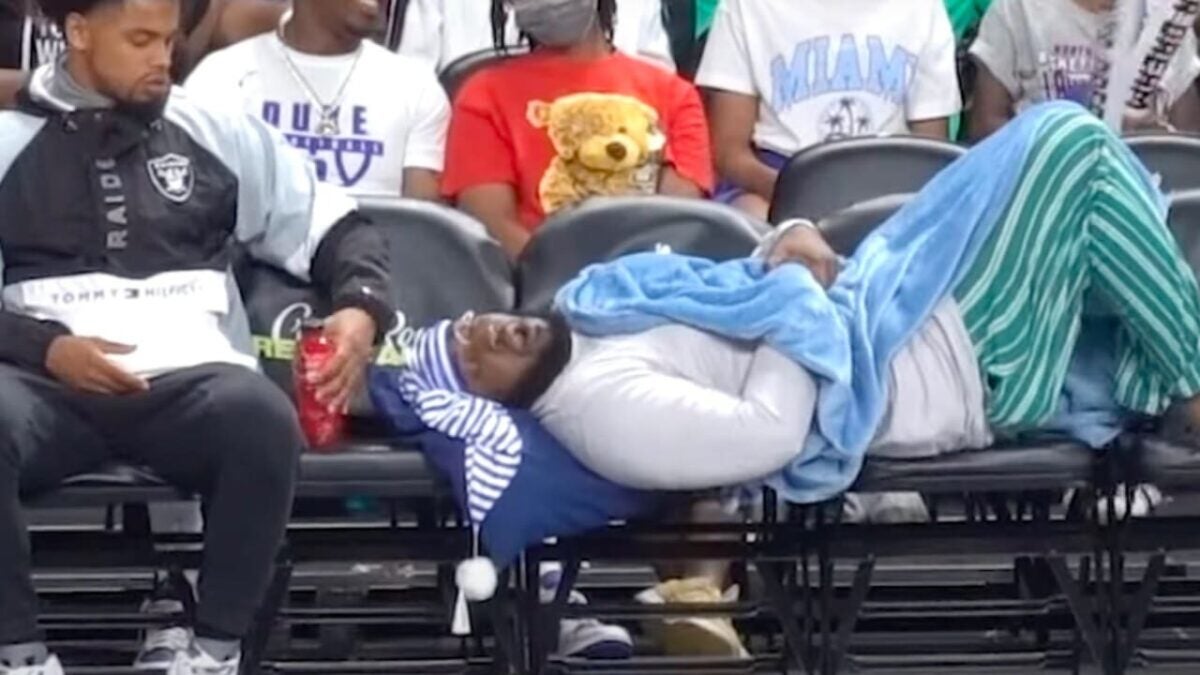
The idea behind the joke was as follows: go to women’s basketball games and pretend to fall asleep occupying three seats.

In Spain, we quickly put an end to the “anything goes” attitude of YouTubers when it comes to playing pranks left and right: the famous “Cara anchoa” incident, which resulted in a viral slap to a certain MrGranBomba (who, by the way, has reinvented himself and can now be found on TikTok as Sergio Soler), made many so-called content creators think twice before wanting to end up with a red cheek. However, in the United States, it seems to be a systematic issue… and fortunately, it doesn’t always end well for the pranksters in question.

Youtube DOWNLOAD

Machoncesto

This is the case of JiDion, a YouTuber who had prepared the least amusing prank you could imagine, with the sole intention of, well, displaying his misogyny in public. The idea of this so-called joke was as follows: he would go to women’s basketball games and pretend to fall asleep, occupying three seats, thus trying to humiliate both the players and their fans. If you find this funny, honestly, you should reconsider. It’s not.

In fact, he went to a Minnesota Lynx game where he pretended to sleep, and when the ball came to him after a rebound, instead of returning it sportsmanlike, he attempted to take a shot, failing miserably. We know all this because he himself uploaded the videos in an unparalleled display of ego. But as if first-rate comedy wasn’t enough, shortly after, he tried to double down on being the least amusing person on the face of the Earth.

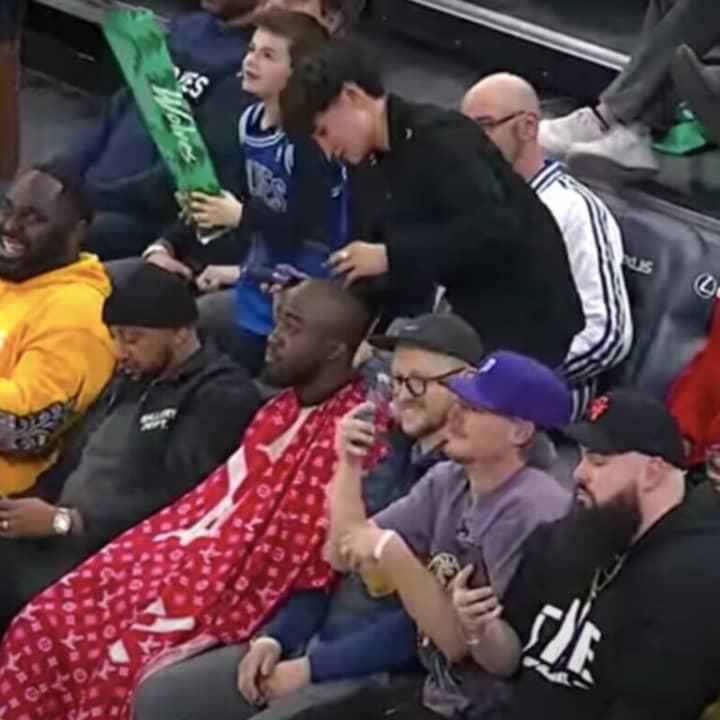
Last Thursday, JiDion attended a Los Angeles Sparks game in his pajamas (more comedy, apparently!). When the security department warned him, he lied, claiming he had a medical condition that forced him to fall asleep. Supposedly, this was another joke. Don’t think that this guy is a teenager – he’s old enough not to be engaging in such foolishness.

Shortly after, he realized the consequences when security finally kicked him out and informed him that his presence “was not allowed on the premises.” And it wasn’t just at WNBA games, but “all NBA-related events” as well. While the organization has not officially commented, his fans (yes, he has fans, unfortunately) have already risen up against the WNBA, filling their Instagram posts with spam and indecent phrases that I won’t repeat here out of decency.

Exactly, as captured perfectly by the Twitter user @israelizreal: “This man’s hatred for women has gotten him banned from all NBA events. Unbelievable. Truly, a generation of losers.” That sums it up. The best thing one can do is try not to be pathetic just to gain a few likes.

Youtube DOWNLOAD

Some of the links added in the article are part of affiliate campaigns and may represent benefits for Softonic.

The Unbelievable Story of a Frisbee’s Fate: From Creator’s Incineration to Soaring as a Flying Disc

But whatever, you don’t play Pluto Platter in the summer, you play frisbee, right? Well, you owe it to the Yale college kids.

It all started with a 19-year-old couple playing catch with a lid on the beaches of Los Angeles, and it ended up becoming a global phenomenon. It was 1939, and Walter Frederick Morrison had just married Lucille Eleanor Nay. They were the typical young American couple who laughed, played, and enjoyed inventing games like throwing and catching the mold of a pie. When a man offered them 25 cents to join in, they realized there was something more. That “something” translated to “money,” of course.

MyFitnessPal DOWNLOAD

From flying saucers to frisbees

In fact, the couple started a business called “Flying Pie Pans” with the idea that if they bought them for five cents in the store and could resell them for five times more, they would make a profit. And things were going well for them until World War II broke out. Walter joined the war effort, ended up being a prisoner for 48 days, and upon returning home, he continued with the business. Well, sort of.

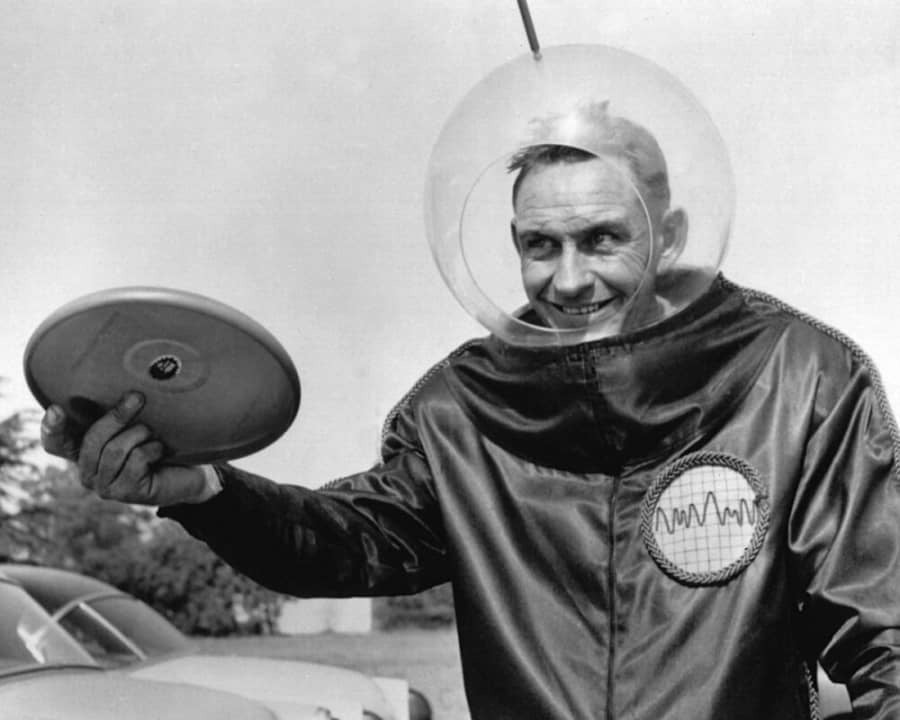
During the war, Walter had learned a thing or two about aerodynamics, enough to realize that pie pans weren’t the way to go. He created a prototype called the Whirlo-Way, later renamed the Flying Saucer. It was an absolute failure, but that didn’t deter him from the idea of a flying disc. He was a man with a fixed idea. In 1955, along with his partner, they manufactured the Pluto Platter, which they marketed with astronaut-themed attire, capitalizing on the space trend of the mid-1950s—rockets, spaceships, and astronauts were all the rage at the time.

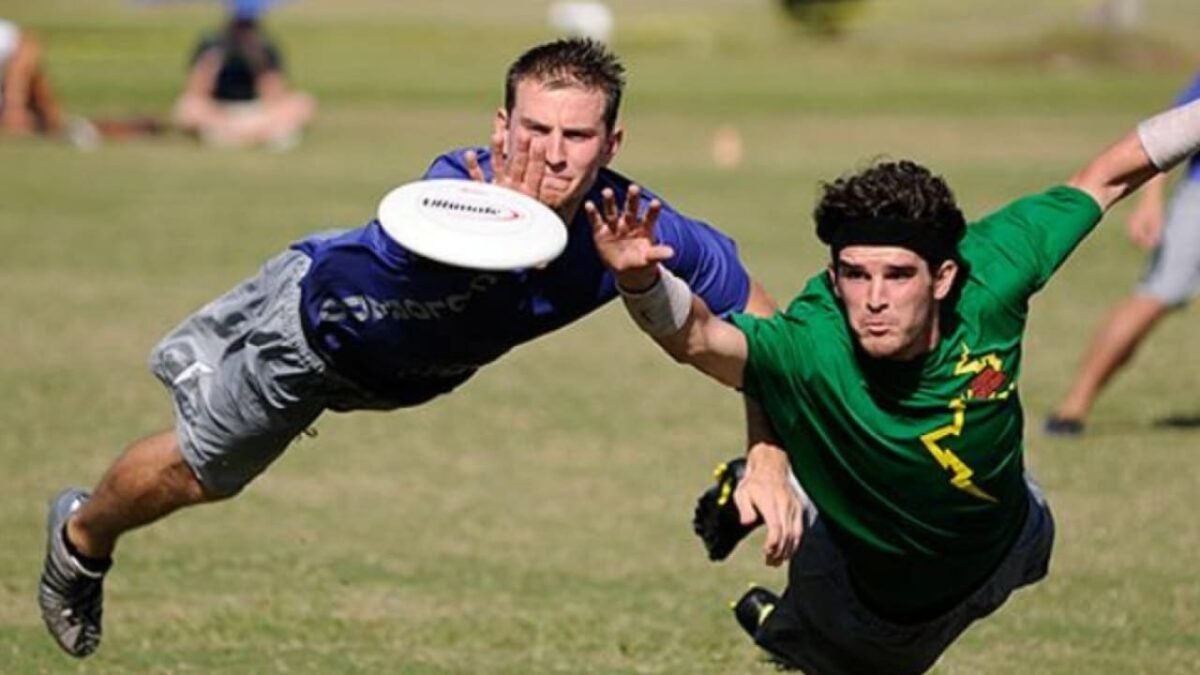
But for some reason, during the summer, you don’t play with a Pluto Platter, you play with a Frisbee, right? Well, you can thank the students of Yale for that. In the absence of Frisbees, they were throwing – get this – Frisbie Pie Company pie tins (which, by the way, still exists to this day, barely standing since 1871). Twenty years after that young couple in love threw pie tins on a beach in Los Angeles, those same tins gave birth to the Frisbee. It became such a success that there were even songs, musicals, and professional leagues dedicated to it.

Ed Headrick was the person in charge of organizing everything related to the sport of Frisbee, which skyrocketed sales to this day. It was such a big deal that when Headrick passed away, he was cremated and turned into a few commemorative Frisbees that were given to family and close friends. The kind of Frisbee you hesitate to throw for your dog to catch during the summer, just in case.

In the end, Walter and Lu separated twice and got married twice more. They had two children and invented more things, although not with as much success. It just goes to show that the best inventions often arise from love, even if it’s a flying plastic disc!

MyFitnessPal DOWNLOAD

Some of the links added in the article are part of affiliate campaigns and may represent benefits for Softonic.

Marketing Blunder: Atlético de Madrid’s Shield Redesign Backfires

Seven years have passed, and what is happening may not be exciting from a footballing point of view, but it certainly is from a marketing point of view.

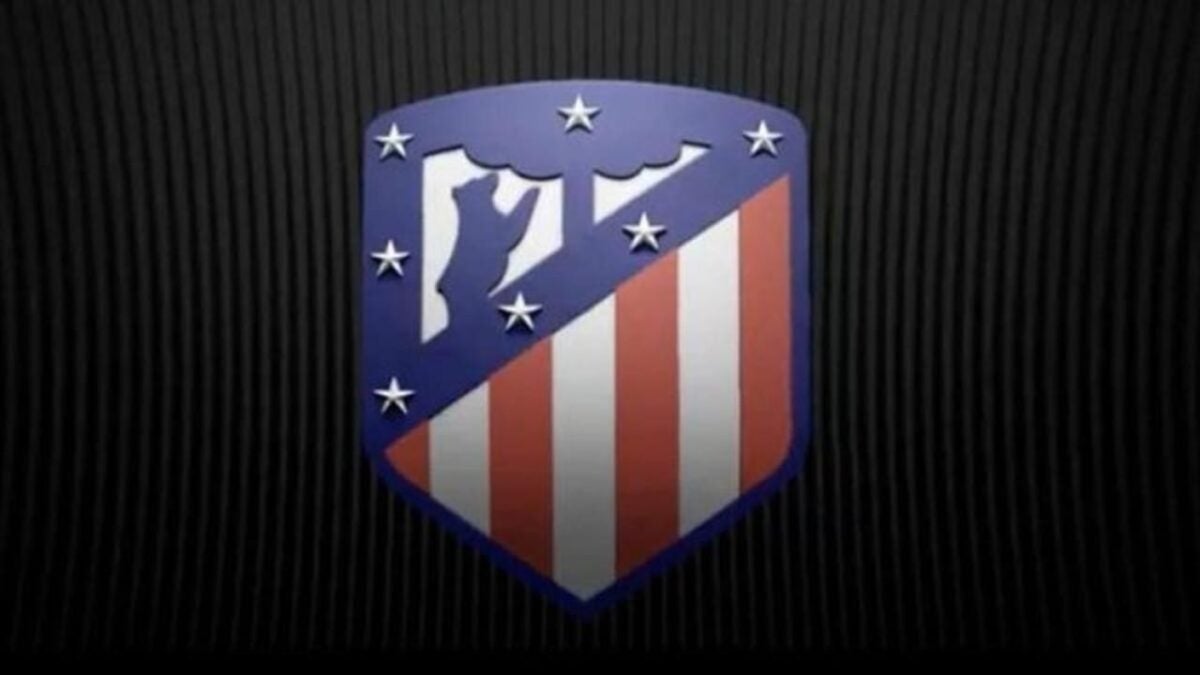
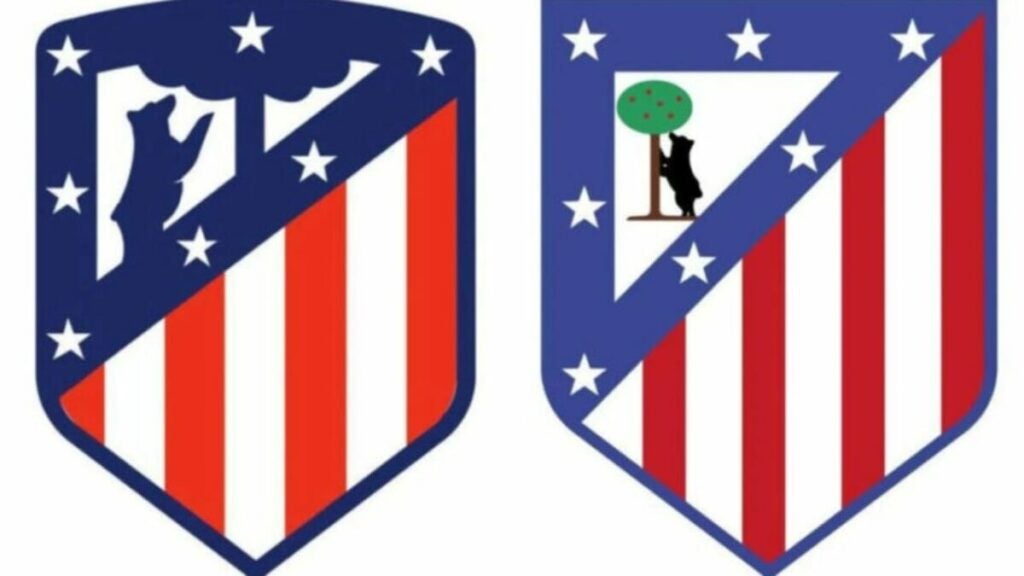
At this moment, Spain is divided between two crucial elections that will shape the course of the coming years: on one side, the general elections of June 23rd. On the other, the vote on Atlético de Madrid’s crest, which has asked its supporters whether they want to stick with the new crest adopted in December 2016 or go back to the traditional one. Seven years have passed, and what is happening may not be thrilling from a football perspective, but it certainly is from a marketing standpoint.

MyFitnessPal DOWNLOAD

New Atleti

On April 23, 1985, in response to Pepsi‘s rising sales, Coca-Cola decided to set aside its classic beverage and launch New Coke with great fanfare. It was a stronger, richer flavor that had performed well in tests. The perfect replacement for the old-fashioned soda that had become outdated. The original flavor would never be sold again… that is, until the overwhelmingly negative public reaction led to a significant drop in sales, forcing Coca-Cola to announce just two and a half months later that the original flavor would return as “Coca-Cola Classic.” In 2002, New Coke, rebranded as Coke II, disappeared forever.

Something similar is happening with the crest of Atlético de Madrid. Branding experts claim that the new crest is better understood, more dynamic, and modern, and overall more visually appealing. But the fans couldn’t care less. A fundamental law of marketing has imploded, the one that states that all novelties are initially poorly received but eventually become ingrained in the collective imagination (remember the reception of “Don Limpio” as a substitute for Mr. Clean, for example).

And that’s because Atlético de Madrid had reached the point that every brand aspires to reach at some point in its life: the fans personified the crest, giving it a familiarity that it doesn’t inherently possess. Some people on Twitter are already saying that they don’t care if the new one is more visually appealing: Would you prefer your mother’s new partner if he were more attractive than your father? The crest understood as a father figure, as family, as absolute identification. It doesn’t matter if the new one comes with 100-euro bills for everyone or if the changes are minimal: the die-hard fans want what they’ve always had.

From a strictly branding perspective, the intensity with which fans are treating a choice that the management ultimately doesn’t care much about is a marketing lesson in itself. What happens when you disappoint your most fervent fans and change everything they believe in? If Netflix suddenly changed its logo to green or if Carrefour abandoned its “C” to replace it with a flower (Carreflor? Just a thought), it would cause less controversy. It’s not just about how much fans love or hate football, it’s not about a player, a goal, or a stadium: it’s about the crest. It’s the pure essence of the brand that fans are fighting for—a symbolism that goes beyond just an image: it represents everything they irrationally feel for a club. And what is more irrational than sports, after all?

MyFitnessPal DOWNLOAD

Some of the links added in the article are part of affiliate campaigns and may represent benefits for Softonic.