The influencer crossed the barrier, went to take a photo… and fell from a height of 50 meters, an accident that several people witnessed.
One of the most fun things in the world is to see influencers as soon as they stop recording their vacation shots or eating and the camera turns off, because suddenly you see how their expression, their life, their supposed happiness also turns off. But of course, when facing the phone you have to be the happiest, the funniest, the craziest, the best. And that’s how things happen, that if one has to fall off a bridge, well, they fall. That’s the life we have chosen.
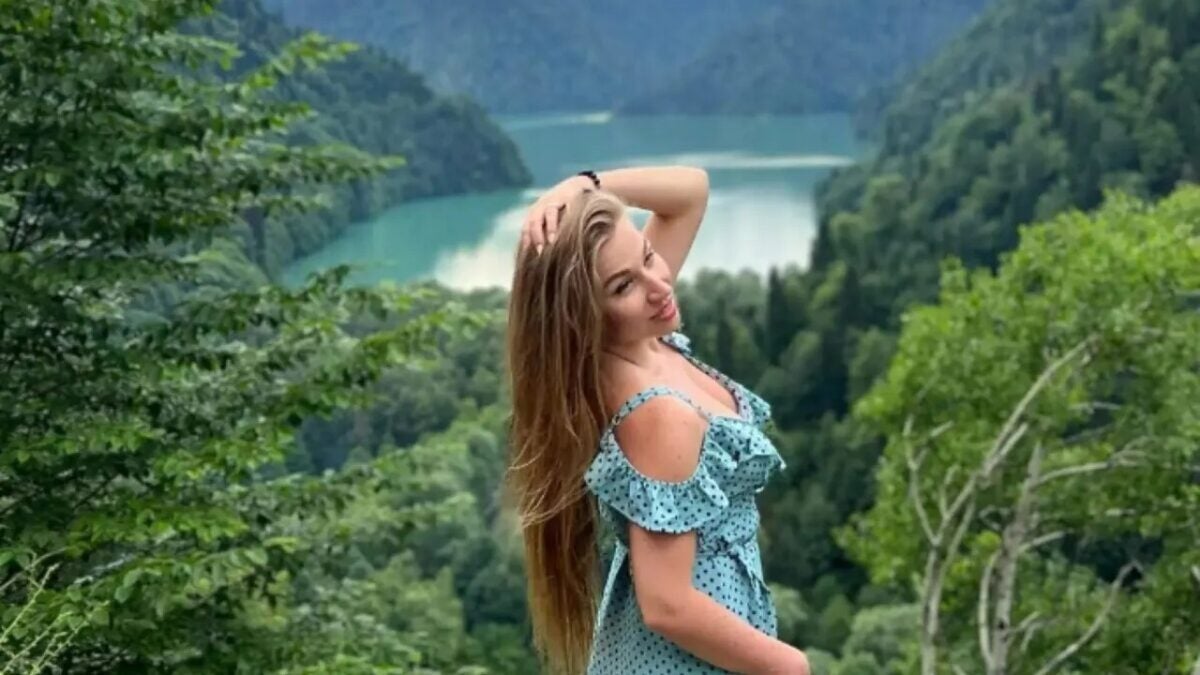
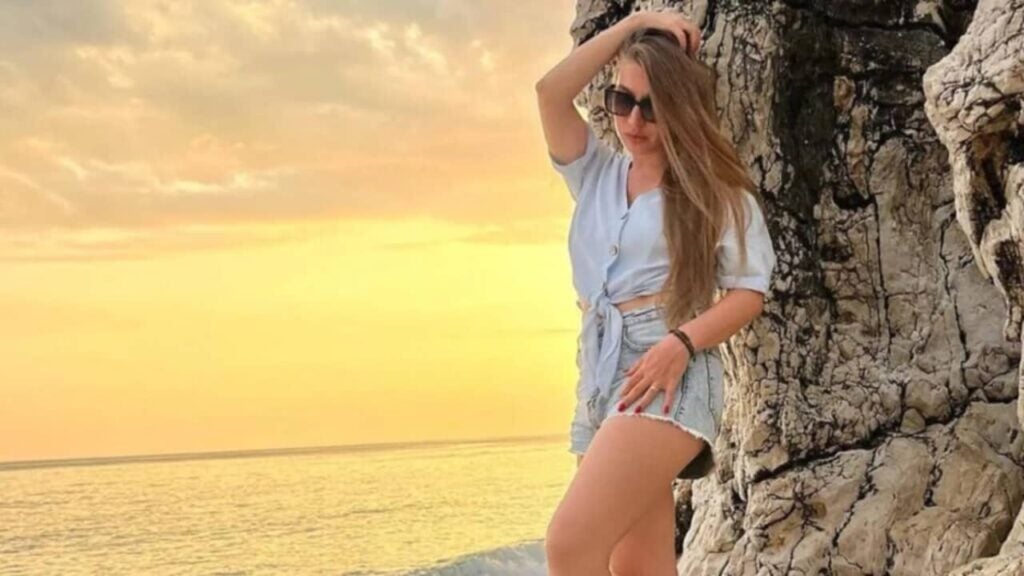
In this case it was Inessa Polenko, who had almost 10,000 followers on Instagram and used to take selfies continuously. In fact, it was the last thing she did in a small town in Georgia (United States) called Gragy. Polenko, 39, was looking for places where she could take new photos and videos for her social media when she decided to pass through a dangerous fenced area so that no one would make the mistake of crossing.
The influencer crossed the barrier, went to take a photo… and fell from a height of 50 meters, an accident that several people witnessed from a distance. Upon arriving at the scene, and despite their attempts to revive her, it was impossible to prevent her death. Normally, this would serve as a cautionary tale to prevent future deaths, but strangely enough, it creates a call effect. She is not the first influencer to die while trying to take a selfie where she shouldn’t… and probably won’t be the last.
In fact, in several countries they have already created areas where taking selfies is prohibited to prevent falls and unnecessary deaths. It’s great to have the coolest feed on Instagram, but please, you probably don’t need to risk your life for it.
It didn’t seem so strange that he advertised his own cookies. The problem is everything that happened afterwards: a black hole of other people’s shame.
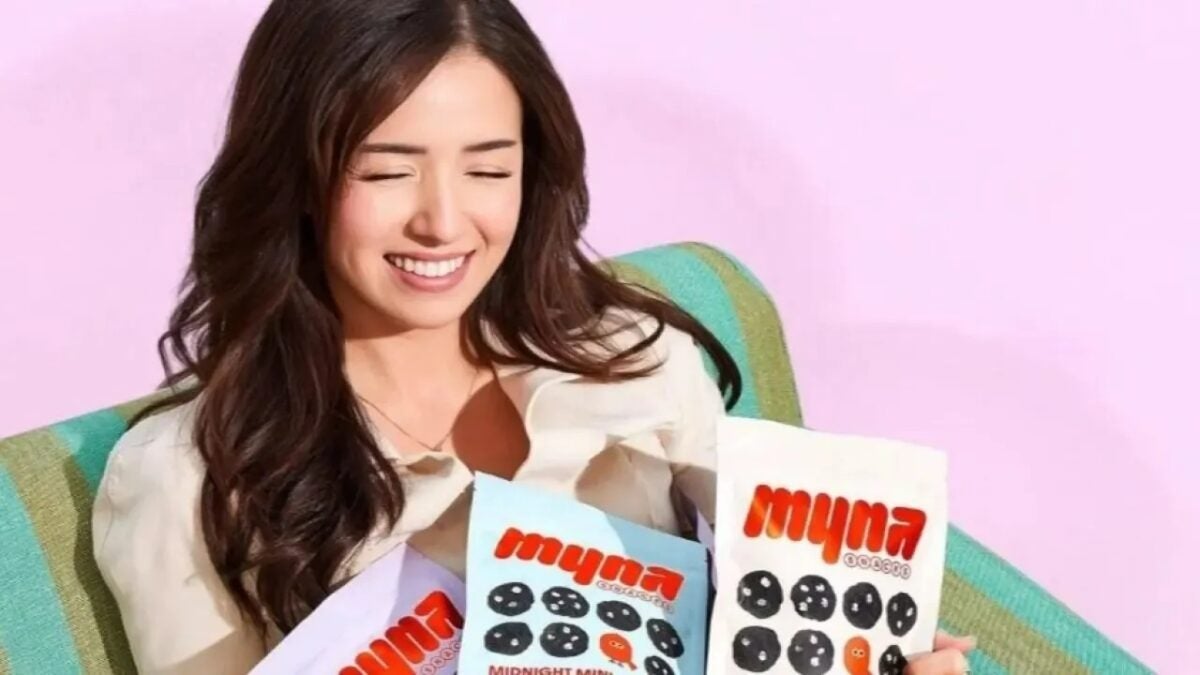
At this point, it’s common for influencers to try to sell us all sorts of products based on their lives, from hamburgers to clothing lines, cologne, or even television series. That’s the case with Pokimane, who has 9.3 million followers on Twitch, 4.2 million on Twitter, 6 million on Instagram, and 6.6 million on YouTube. Basically, that’s an economy more powerful than some countries. So, it didn’t seem so strange when she announced her own cookies. The problem is everything that has happened afterward: a black hole of secondhand embarrassment.
Pokimane claimed she had been working on her company, Myna Snacks, dedicated to maintaining good health for her customers, for two years. In fact, their initial product was the Midnight Mini Cookies, a cookie made with gluten-free coconut flour, no genetically modified ingredients, and containing vitamin D. The problem? Well, among many others, they cost $28… And there’s a strikingly similar private label product (some might even call it a copycat) for a significantly lower price.
Myna’s product costs 300% more than the seemingly plagiarized one (both manufactured by the same company, Creation Foods), the Toatzy Midnight Mini Cookies, whose name is surprisingly similar… and it recently ceased selling, seemingly paving the way for the introduction of other nearly identical cookies without allowing people to compare.
But of course, the audience began to call Pokimane out on this. Her response, during a live Twitch stream, was to make the worst possible decision: calling her audience “poor.” Obviously, she later retracted her statement in several interviews, claiming that her goal isn’t to make money but to bring goodness to the world. At $28 per box of cookies.
“When people say ‘Oh my God, $28 for cookies’… It’s four bags, I mean, $7 per bag. I know, math is hard when you’re an idiot,” she continued, leaving her viewers stunned, especially considering that she had been known as a kind and friendly personality until then. It was the kind of joke where you insult your fan base by calling them poor and idiots. The future of the cookies and her healthy food line remains a mystery, but things don’t look promising for her business venture. Let’s just say, it’s going to be a rough cookie to swallow.
Six centimeters. That is what Cossio has increased after the leg stretching operation.
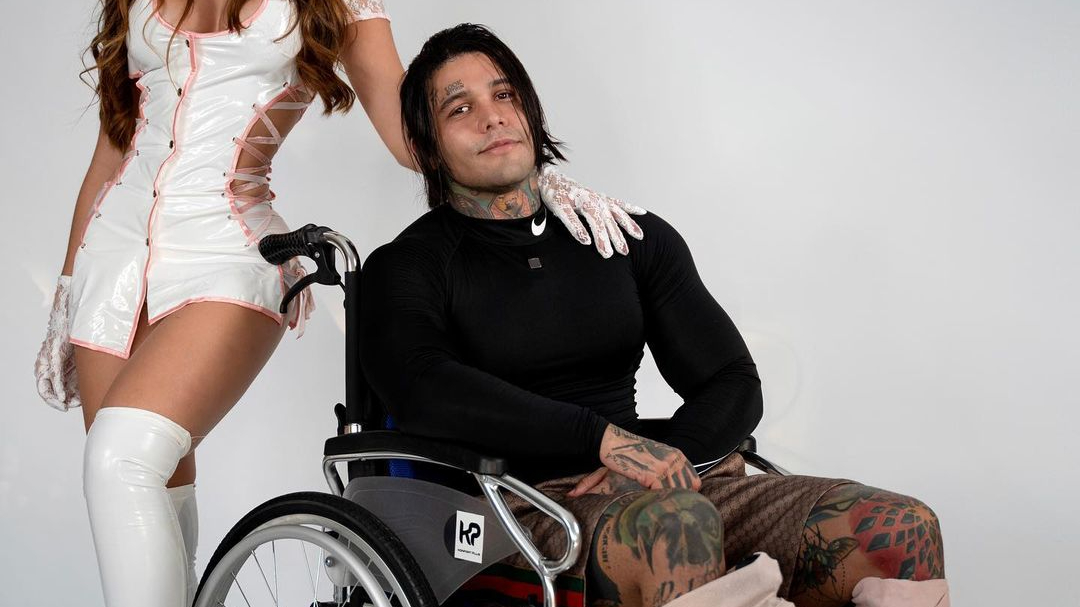
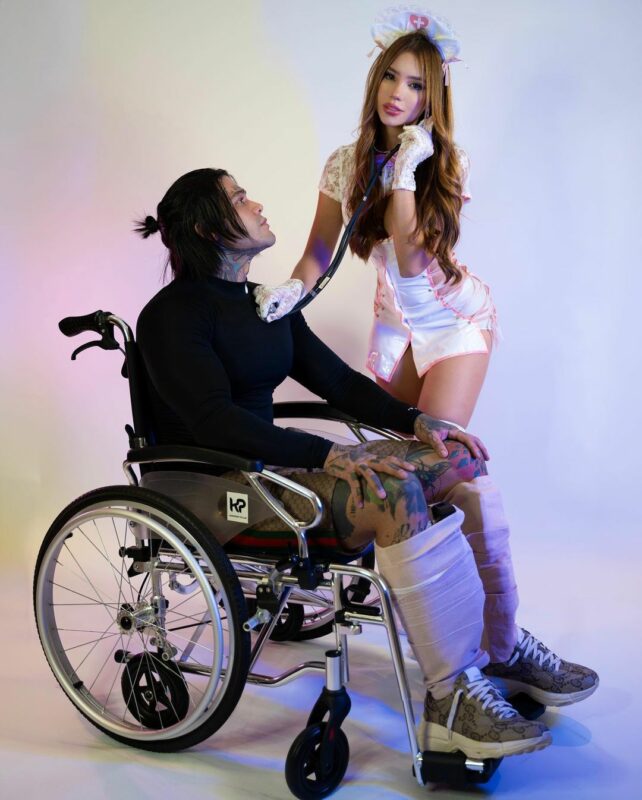
We live in the age of cosmetic touch-ups. A smaller nose, bigger ears, a little Botox to remove wrinkles. You name it. However, it is legitimate to wonder how far is “too far”… and look where, the one who has reached the limit is Yeferson Cossio, an influencer who has spent a fortune suffering terrible pains to increase his height imperceptibly.
It happened in Colombia, where Yeferson has almost eleven million followers on Instagram. The boy is known for having a body full of tattoos and for trying to create a show wherever he goes. The latest has been to have leg surgery. But not to fix a pain or to prevent some kind of problem, but for purely aesthetic reasons.
Six centimeters. That’s how much Cossio has grown after the leg-lengthening operation. And it’s not that the boy is short, far from it: he has gone from being 1’77 meters tall to 1’83. 150,000 euros for a painful procedure and full of post-operative problems that he has narrated from the first to the last minute, adding that it’s not that he got hit by the car or that a narc has broken his legs, but that he simply felt like it.
And there is nothing more dangerous than someone accustomed to fame with too much money in his hands. For the time being, he has already been told that in four months, when the post-operative period is over, he will be able to return to normal life (probably). There are many who have expressed the opinion that it is simple clickbait and that he is perfectly fine, but, until the confirmation of the possible trolling, there is room for doubt.
By existing, the operation exists. It can be done. It costs a lot of money, you are warned everywhere that it is not safe and that you may even end up worse than before, but there is no law that prevents you from trying to lengthen your bones. Anyway. The influencer’s life is what it is.
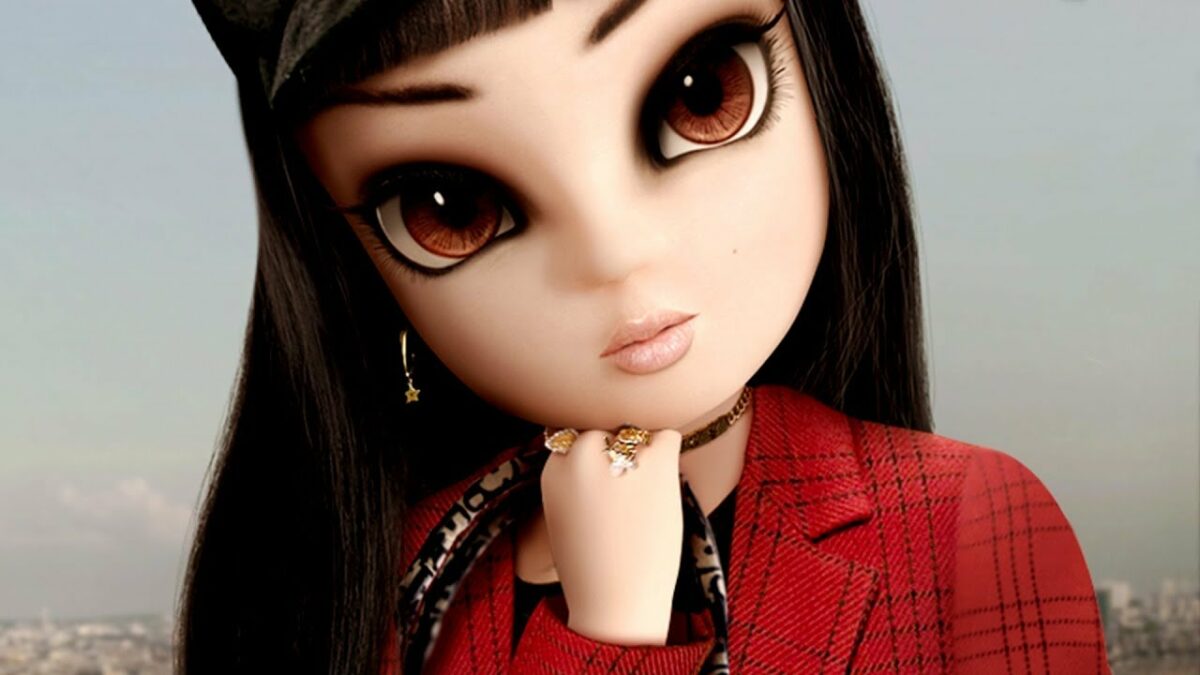
What's the trick? That this model does not age, grow, complain or demand labor rights because… she is made by artificial intelligence.
In 2018, at the age of 19, Noonoouri appeared for the first time on social networks. Soon after, she was parading for Christian Dior, Valentino or even Kim Kardashian’s care and beauty line. In 2023, at the age of 19, Noonoouri is about to record her first album. What’s the catch? That this model doesn’t age, grow, complain or demand labor rights because… she’s made by an artificial intelligence.
The father of the influencer in question is Joerg Zuber, a CGI artist from Munich who used the voice of a real singer to create Noonoouri’s voice, passing it through various filters to make it recognizable. Ethical boundaries are wobbling merrily before you right now, but apparently they weren’t enough to stop Warner from signing her to a record deal.
To be honest, the numbers aren’t spectacular either. I mean, she’s not exactly Hatsune Miku: she has 400,000 followers on Instagram and her first song, ‘Dominoes’, has been seen by 73,000 people. The track is as summery and entertaining as it is utterly soulless, like a reminder of what, at its core, is AI itself. But watch out, because there’s a catch.
Although artificial intelligence has obviously been used to create Noonoouri’s music and chores, her creator knows it’s frowned upon, so she has rushed to make another video making it clear that her character is CGI. “Every time you can see me or, like now, hear me, there are humans in the background,” explains the model herself practicing the beautiful craft of excusatio non petita, accusatio manifesta.
Zuber says that it has been two years of work on his musical project and that it is only the beginning: Alle Farben has written its first song and will take part of the royalties for the author’s rights, which will be divided between the authors, the father of the creature and the record company. Will it be the new virtual success or will it remain in the oblivion of those things that could have been a hit but came to nothing?
The idea behind the joke was as follows: go to women’s basketball games and pretend to fall asleep occupying three seats.
In Spain, we quickly put an end to the “anything goes” attitude of YouTubers when it comes to playing pranks left and right: the famous “Cara anchoa” incident, which resulted in a viral slap to a certain MrGranBomba (who, by the way, has reinvented himself and can now be found on TikTok as Sergio Soler), made many so-called content creators think twice before wanting to end up with a red cheek. However, in the United States, it seems to be a systematic issue… and fortunately, it doesn’t always end well for the pranksters in question.
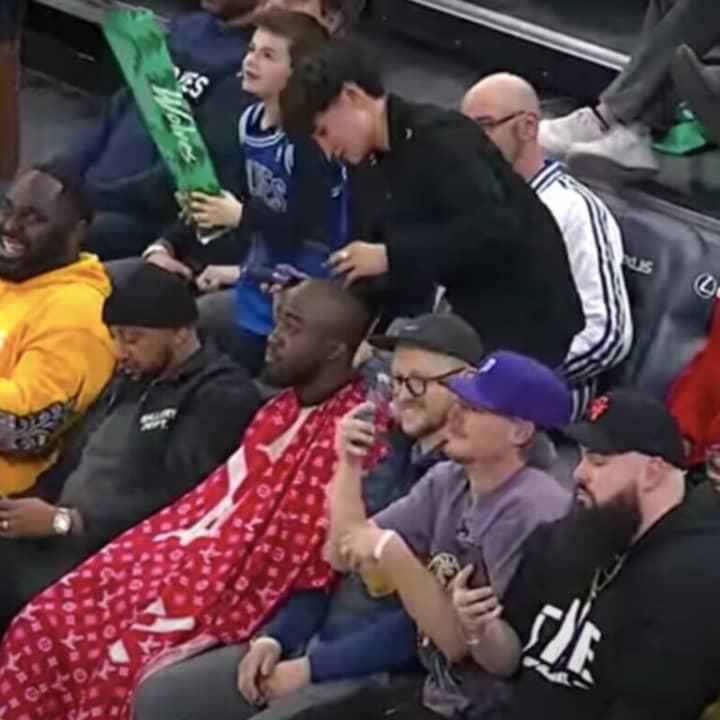
This is the case of JiDion, a YouTuber who had prepared the least amusing prank you could imagine, with the sole intention of, well, displaying his misogyny in public. The idea of this so-called joke was as follows: he would go to women’s basketball games and pretend to fall asleep, occupying three seats, thus trying to humiliate both the players and their fans. If you find this funny, honestly, you should reconsider. It’s not.
In fact, he went to a Minnesota Lynx game where he pretended to sleep, and when the ball came to him after a rebound, instead of returning it sportsmanlike, he attempted to take a shot, failing miserably. We know all this because he himself uploaded the videos in an unparalleled display of ego. But as if first-rate comedy wasn’t enough, shortly after, he tried to double down on being the least amusing person on the face of the Earth.
Last Thursday, JiDion attended a Los Angeles Sparks game in his pajamas (more comedy, apparently!). When the security department warned him, he lied, claiming he had a medical condition that forced him to fall asleep. Supposedly, this was another joke. Don’t think that this guy is a teenager – he’s old enough not to be engaging in such foolishness.
Shortly after, he realized the consequences when security finally kicked him out and informed him that his presence “was not allowed on the premises.” And it wasn’t just at WNBA games, but “all NBA-related events” as well. While the organization has not officially commented, his fans (yes, he has fans, unfortunately) have already risen up against the WNBA, filling their Instagram posts with spam and indecent phrases that I won’t repeat here out of decency.
This man let his hatred of women get him kicked out of all nba events. Amazing. A generation of losers truly https://t.co/vRvRyWBTJD
Exactly, as captured perfectly by the Twitter user @israelizreal: “This man’s hatred for women has gotten him banned from all NBA events. Unbelievable. Truly, a generation of losers.” That sums it up. The best thing one can do is try not to be pathetic just to gain a few likes.
From influencers we went to micro-influencers. And from there, to the next logical step: the de-influencers. In other words, the people who tell you why you don’t need a product. Eye.
For years, brands have been paying attention to influencers, those individuals who supposedly have the power to persuade people to consume a product simply by talking about it. And at first, it was something beautiful, almost natural, until money came into the picture. Since then, every recommendation is scrutinized. We went from influencers to micro-influencers. And from there, to the next logical step: de-influencers. That is, people who tell you why you don’t need a product. Watch out.
Imagine that, as a brand, you have spent thousands of euros on a campaign for Dulceida and Verdeliss to talk about how much they love your handbag on their Instagram or TikTok. Their speech may sound more or less realistic (since the #ad label is mandatory, less so), but what everyone will interpret as brutal sincerity is the speech of an anti-influencer listing all the reasons why you should save your money. And it’s not easy to recover from such a reality check.
Normally, anti-influencers comment on viral trends, those campaigns that all celebrities participate in, and products that become famous overnight. And don’t think this is just a passing trend: videos under the #deinfluencing hashtag have already accumulated 727 million views on TikTok, which means 727 million potential lost sales.
The idea behind de-influencing is similar to what BeReal aimed for: in a world full of fake recommendations, “here suffering” posts, and posers, showcasing reality serves as an antidote to social media itself. It feels authentic, which is exactly what Generation Z seeks on TikTok. A de-influencer breaks expectations, destroys the real need for a product, ruthlessly crushes virality (especially false virality). They become the voice of the people, those who cannot be bought, the response of a generation to millennial influencers.
Is this an indication that the present is more negative than the past, or that Generation Z is fed up with posing? Or is it simply a testament to how a trend can become popular overnight? When TikTok is studied someday, decades from now, we will likely see how anti-influence marked an entire era. And thankfully so: it was the antidote we needed against collective foolishness.
There was a pioneer to all these anonymous people who ended up being the visible face of a product: the proto-influencer, the first person who decided to be a kind of “mascot” of a product, was Nancy Green.
We live in a world of influencers: the word entered our lives a few years ago and has stuck with us ever since. Fashion influencers, film influencers, micro-influencers… Right now, ads featuring people who seem real are effective, and marketing agencies are well aware of this. But this is not new, nor is it a recent phenomenon: Do you not remember celebrities putting their face to advertise all sorts of products? Well, it started even before television.
There was a pioneer among all these anonymous people who ended up embodying a product: the proto-influencer, the first person who decided to be a kind of “mascot” for a product, was Nancy Green, who would ultimately become the first face that would simultaneously be a brand. Now it seems like everyday life, but in 1893 it was not so common. And beware, because the story is full of racism, plot twists, and sadness: hard to believe.
Nancy Hayes was born in 1834 as a slave on a farm in Kentucky, at a time when things were starting to change but it would still be another forty years before everything exploded (literally). During her childhood, she cultivated tobacco and took care of the Walker family’s livestock, who later used her as a servant, cook, and housekeeper. She got married, had four children, which was normal for the time. And then the Civil War came.
Nancy lost her husband and children during the war. As sad as it sounds, she ended up working as a nanny and housekeeper (no longer a slave) for the Walkers in Chicago in the early 1870s after living in a sad and lonely cabin. One of the family’s sons became a judge and, almost out of the blue, brought a twist to her life when a pancake and breakfast product brand that was born in 1889 asked him if he knew someone for the role of a character named Aunt Jemima.
Aunt Jimema
Aunt Jemima was founded purely by chance: Chris L. Rutt and his friend Charles G. Underwood purchased a flour mill in Missouri and, facing an oversaturated market at that time, they sold the excess in small bags for making pancakes. They were the pioneers and succeeded like no one else. “Aunt Jemima” was actually a name they came across outside a vaudeville show and decided to appropriate. But, of course, they needed a face. Who could it be?
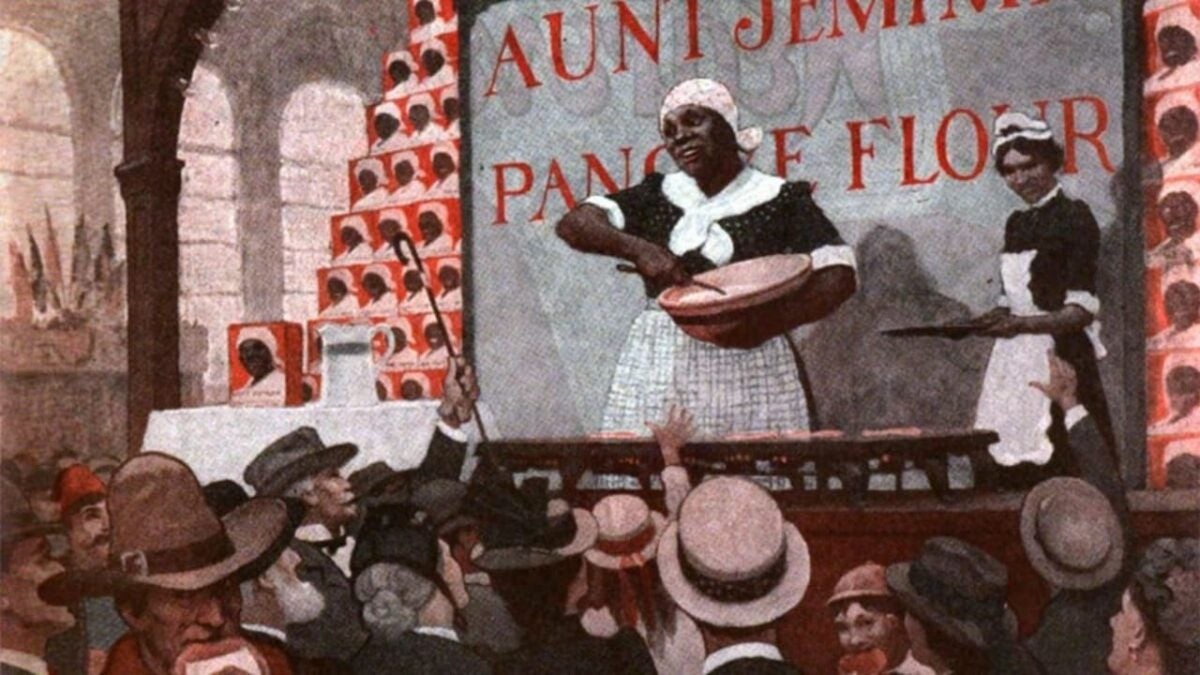
Nancy Green was 59 years old and had dressed again as a slave for the purpose of marketing. In 1893, at the World’s Columbian Exposition in Chicago, our protagonist sang songs, told made-up stories about racial equality and the joy of everyone during slavery in the South, and served breakfast using Aunt Jemima’s prepared mix. The exhibition’s advertising featured the phrase “I’se in town, honey!”, which was a racist way of imitating the speech of slaves.
Immediately after the fair, the owners of Aunt Jemima offered her a lifetime contract to portray the character. However, it is more likely that what they wanted was the rights to caricature her rather than her as a person. She traveled throughout the United States for years until, at the age of 66 in 1900, she refused to cross the Atlantic to attend the Paris Exposition and was replaced by another African American woman, indicating that they cared more about the character itself than about her.
Slavery stories
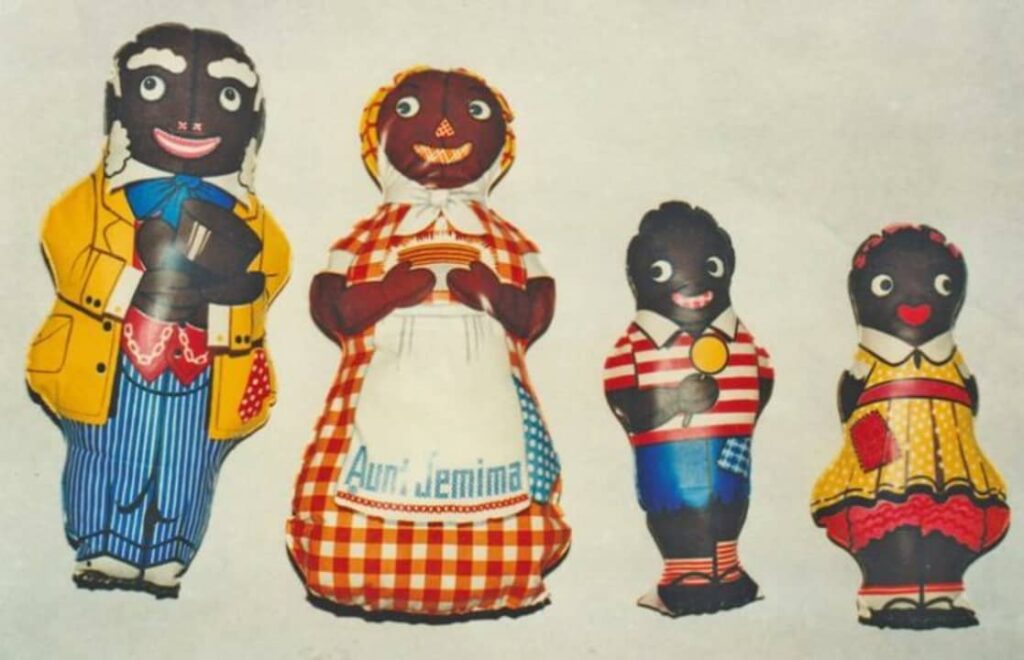
To give you an idea of what it was like, Aunt Jemima was presented as a loyal cook on a Mississippi colonel’s plantation, and stories were invented about her flavor (“The recipe is from the South, from before the Civil War”), with nostalgia for the days of slavery. Another story claimed that she had revived a group of shipwreck survivors with her food. Merchandising with her face was widespread, including cut-out dolls from the product box and clothing for those dolls.
Aunt Jemima soon had a family: Uncle Rastus (later renamed “Uncle Mose”) and four children, in whose design Green had no say. The influencer, who helped put the brand on the map, continued working with the Walkers as if her face wasn’t in every supermarket until she passed away at the age of 89 in a house in Chicago with her nieces and nephews. By that time, Aunt Jemima was launching rag dolls of her character with oversized mouths, missing teeth, and torn pants.
The story of the “happy slave” was very common among brands created by white men after the Civil War, although it added even more pain to the racism in the United States. The last actress to portray Aunt Jemima did so in 1964 at Disneyland. She was even friends with Walt Disney! In 2020, the brand removed the racist caricature from its packaging, and in 2021 it was announced that its new name would be Pearl Milling Company, the original company that was founded in that flour mill. It took them nearly 150 years to realize that a narrative based on slavery only reopened wounds. How things change.
Paula Gonu, the 30-year-old influencer who has confessed that, as part of Mediterranean gastronomy, she once ate her meniscus. With a bolognese, yes. What are we? Monsters?
Every day miracle diets appear on social networks, those that promise that you will lose twenty kilos in a week and a half eating bread, rice and pastries. It sounds impossible (because it is) but they will always be healthier than the diet that, it seems, has chosen Paula Gonu, the 30-year-old influencer who has confessed that, as part of Mediterranean cuisine, she once ate her meniscus. With a bolognese, of course. What are we, monsters?
It all started when he had to go to the doctor for an operation because his meniscus was too big. As it was a more or less normal operation, he was chatting with the doctor and in the end he encouraged him to take it home in a small jar with formaldehyde. “It’s yours,” he told her. It’s not a lie, of course: some have Chinese vases, others Rubik’s cubes, Paula Gonu has menisci in formaldehyde. About tastes…
A week later, Gonu was with her partner of the moment and confessed to him that she wanted to eat him. “Just kidding” she says, excusing herself that it was hers. Con la coña normally you order a pizza with pineapple or eat more spice than you should, but Gonu eats a knee sandwich. Not the Knee, no, you read that right.
We hope the bolognese sauce came out great, because you don’t always want to eat your own body parts. “It’s mine and it was clean, it was a piece. I’m sure you’ve eaten worse,” he said on the Club 113 podcast, with all of his callers aware of having eaten at Taco Bell at one time or another. So, just like the protagonists of ‘¡Viven!’ but in its Madrid bourgeoisie version, the influencer can now say that she has innovated like Daviz Muñoz. He has eaten semen, she has eaten meniscus. What doesn’t occur to one occurs to the other.
It’s a bit like what happened to Paula Gonu, who between extremely uncomfortable laughs couldnt believe the delirious conversation that she had had to endure and that, of course, she posted on TikTok.
Riding in a cab requires luck, expertise and conversational skills that not everyone has. Depending on the day, the conversation can revolve around city traffic, soccer, one’s experiences or, if you get the worst possible choice on the destination dice, politics. And you’re lost. You don’t want to contradict the person who is taking you somewhere, after all. This is a bit what happened to Paula Gonu, who, amidst the most uncomfortable laughter, could not believe the delirious conversation she had to endure and which, of course, she has posted on TikTok.
Faced with the education of some, who have been in the profession for years and know perfectly well how to treat anyone who gets into the car, there is the rudeness of a few who, if they touch you, can ruin your day. When Gonu, the 30-year-old Catalan influencer, got into that cab, she didn’t imagine that the driver would be one of the latter.
Neither short nor lazy, the cab driver thought that the best topic of conversation was not the weather or work, but the breasts. More specifically, hers. “It hasn’t been in fashion for long,” the man insisted, trying to bring up conversation in the most unexpected place, “it’s a new fad of not wearing a bra”. Gonu, normalizing the scene and, we suppose, trying to calm down for not calling him everything, tried to conclude with “I don’t know, I’ve never had one”. And since there was a reply, the driver suddenly felt free to insist on the subject.
“Never? Really? Well, you’re comfortable like that, aren’t you? Let her air, right?” You know those times when the most awkward, cutting silence would be more pleasant than anything that could be said? Well, that was one of them. And alas, the boy filled it in with more words harping on the subject, just in case it hadn’t been clear: “But it looks like it depends on how it looks, the little tippy tip looks”. Ah, yes, I have read this one: a love poem by Gustavo Adolfo Becquer, right?
Crazy Taxi
If you still haven’t taken your hands to your head (or have had some retching), wait, there’s more: “It depends, some of them wear very… thin clothes, you can see the tip”. Someone should have reminded the gentleman (whom you can imagine saying “I am not a sexist” at the bar) that FakeTaxi is fiction.
The influencer herself wrote about the incident, saying “I laughed nervously, with the ‘tip’ comment I wanted to vomit. I was wearing a plain cotton top from Zara, just so you know”. The video has half a million views and around 416 comments, mixing words of encouragement with those from people who try to imitate or even surpass the disgust of the taxi driver. It seems that sometimes in real life, there are people who are even more repulsive than those hiding behind a pseudonym.
The next time you get into a taxi and the driver shows you photos of their pets, talks about how well Atlético Madrid is doing, or brags about their family, remember that anything is better than having a conversation about bras, breasts, and “tips”. Sometimes it’s better to have nothing to talk about.