Central Park witnesses stunning drone light spectacle

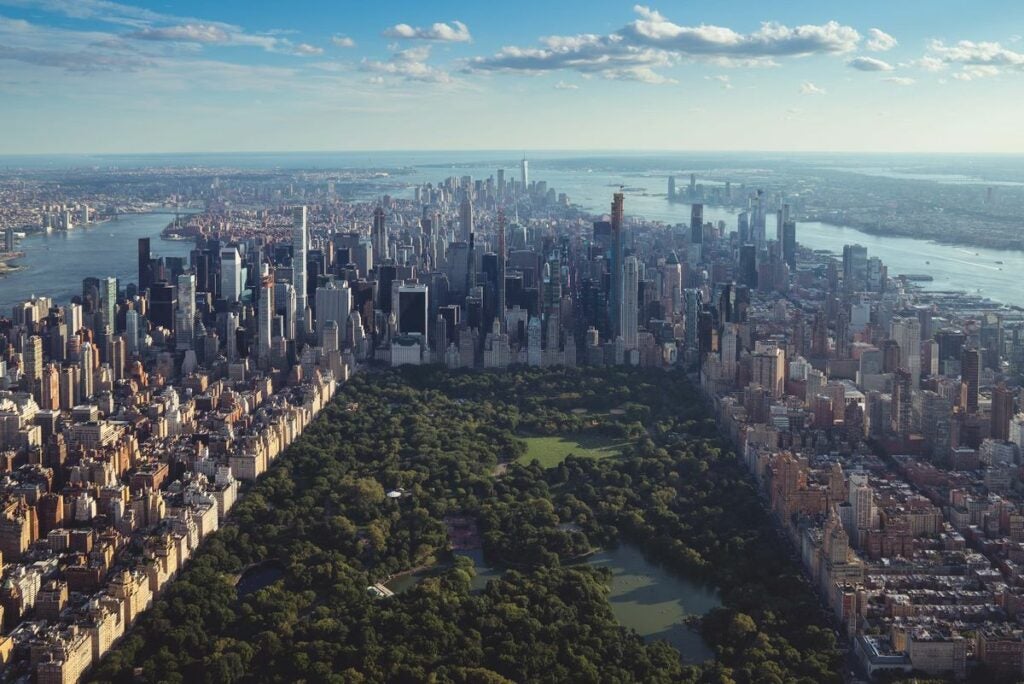
Last Saturday, on October 21st, the renowned Dutch studio, DRIFT, unveiled a striking light art performance in New York City’s iconic Central Park, sending a swarm of a thousand drones into the sky. This masterful installation, aptly named “Franchise Freedom,” enveloped the park in a magical dance of lights, creating a kinetic aerial sculpture that bore a striking resemblance to a muted but captivating fireworks show.

The creative minds behind this artistic venture, Lonneke Gordijn and Ralph Nauta, drew their inspiration from the enchanting dance of bird murmurations. These breathtaking natural displays feature immense flocks of starlings moving with incredible synchronization, swirling and diving across the vast expanse of the sky, creating patterns that mesmerize and captivate those lucky enough to witness them.

Some X (former Twitter) users like BigImpactHumans have shared videos from the event:

Franchise Freedom was a gift to the public, and enthusiasts and onlookers alike flocked to Central Park to experience this visual treat. The drones lit up the evening sky during three distinct ten-minute performances, offering the gathered crowd moments of wonder and reflection.

DRIFT’s ode to the modern world

The brainchild of DRIFT, this awe-inspiring aerial performance was brought to life with support from Therme US. The company’s president, Robert Hammond, who also co-founded the High Line, envisioned this installation as an opportunity for New Yorkers to rekindle their bond with nature amidst the urban jungle. This vision echoes the aspirations of Frederick Law Olmsted, the mastermind behind Central Park’s planning in the 19th century.

Olmsted dreamt of creating an oasis where city residents, regardless of their social standing, could immerse themselves in the beauty of trees and woods. Today, DRIFT offers a fresh interpretation of this age-old connection between man and nature. Instead of merely echoing ancient woodlands, they’ve crafted a contemporary, futuristic representation that’s carefully orchestrated to resonate with modern sensibilities.

In terms of scale and impact, Franchise Freedom stands out as the most significant public art endeavor in Central Park since the unveiling of Christo and Jeanne-Claude’s legendary installation, The Gates.

Here are Uber’s plans for flying taxis

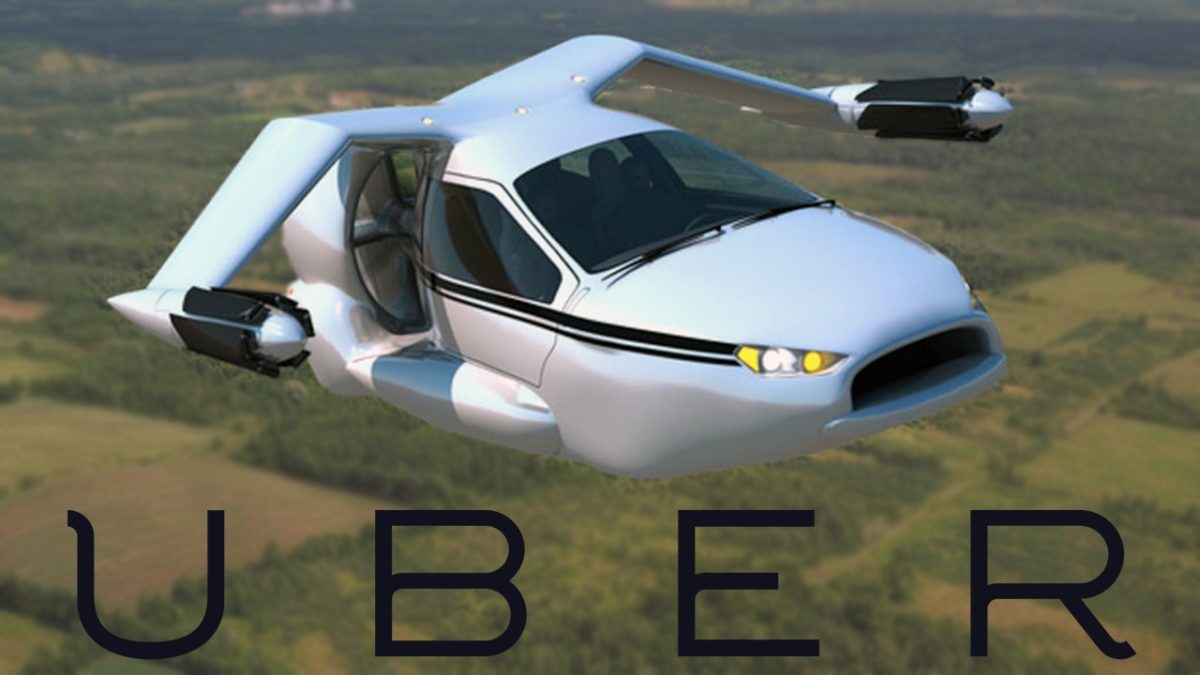
Ready for flying taxis? They could be here sooner than you think.

“Hey man, it’s Dave. Your Uber’s on the roof.”

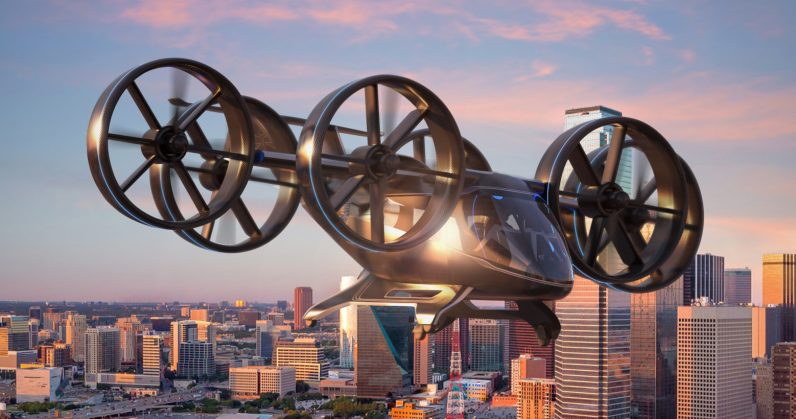
Prepare yourself for flying Ubers in the near future. Texas-based company Bell has revealed their design for the Bell Nexus, a helicopter/drone hybrid that could be summoned via Uber. If you’ve ever played Fallout, they’re basically Vertibirds.

air taxi

After spending decades developing military aircraft like the V22 Osprey, Bell rebranded itself as a more modern tech company last year. The V22 and Bell Nexus are both vertical takeoff and landing aircraft (VTOL). Moving forward, Bell is switching towards electric-powered vehicles, with the Bell Nexus as the first experiment.

The Bell Nexus itself is not completely electric. It’s a hybrid, as Bell wanted to give additional power to the aircraft, allowing it to carry more weight and have a wider flight range.

The Bell Nexus uses six ducted fans to take off and land. Each fan can tilt independently, giving the aircraft precise mobility. The Bell Nexus’s cabin and ducts are designed so that passengers will not be able to see the fans while looking out the window, helping to convince them they won’t be shredded by the rotors.

Thankfully, the Bell Nexus will have a pilot to reassure passengers that they won’t plummet to earth, but Uber has stated that they hope all of their air taxis will be autonomous in the future. The aircraft can hold 272kg (600lbs), and Bell Nexus is open to repurposing the aircraft as a military vehicle in case the whole flying car craze never gets off the ground.

Bell is far from the only company developing air taxis, though their partnership with Uber gives them a crucial advantage. They’ll face off against startups like Kitty Hawk (lead by Google founder Larry Page) as well as industry giants like Boeing. Though the competition is heated, some experts worry about the viability of the flying taxi industry ever taking off. Infrastructure and regulations surrounding flying cars simply do not exist, and they won’t exist without the flying car industry becoming viable in the first place, creating a self-defeating prophecy.

Personally, I would love to see flying taxis take off, mostly for UberEats. How amazing would it be to summon a Big Mac through your own personal helicopter?