Are the recent Uber and GTA 6 hacks linked?

GTA 6 is tipped to be the biggest game ever, coming nine years after its predecessor, which is still racking up hundreds of millions of dollars a year for Rockstar Games through its ongoing multiplayer GTA Online iteration. Over the weekend, however, Rockstar Games was hacked and massive amounts of GTA 6 gameplay footage leaked onto the internet. The footage has since been confirmed and it looks like the hack has resulted in one of the biggest video game leaks in history.

This isn’t the only major recent cybersecurity incident, however, with another hack grabbing the headlines recently as ride-hailing app Uber was also the subject of a massive breach that saw a malicious actor gaining access to the company’s Slack channel and wreaking havoc on the company. Shockingly, it seems as though both of these hacks may in fact be linked. Let’s check it out.

The GTA 6 leak started to appear on the GTAForums on Sunday when they were posted by a user called teapotuberhacker. The result was that RAR files containing over 90 stolen GTA 6 videos were shared online. The videos seemed to be taken during internal testing of GTA 6 gameplay. When users on GTAForums said that they didn’t believe the leak was real, teapotuberhacker claimed to have also bee responsible for the Uber hack.

The Uber hack involved a social engineering hack on an Uber employee, which involves manipulating the victim to perform actions against their interest and divulge sensitive information. The nature of the leaked GTA footage could indicate that a similar method has been used on an unwitting Rockstar employee. Furthermore, the hacker behind that Uber attack was named TeaPots, which does offer a link to the GTA hack.

At the moment, it isn’t possible to prove a link between the two hacks but there is compelling evidence that at least warrants further investigation. We will be following developments on this story closely.

In other recent cybersecurity news, the whole LA school system was recently the subject of a vicious ransomware attack.

Uber launches quiet driver mode in Uber Black

Tired of chatty drivers? Ubers new options for Uber Black rides can keep your rides silent.

Uber driver

It’s happened to all of us: We hop in our Uber expecting a quiet ride, and then five minutes into it we are talking politics and debating the existence of God.

Friendly conversation is nice every now and then, but we don’t always want to strike up an in-depth conversation with a complete stranger.

Luckily, Uber seems to have gotten the picture as they just unrolled a new feature to request a quiet driver. 

Unfortunately, the new feature will only be available if you choose the Uber Black or Uber Black SUV options when getting your ride.

To request an Uber Black ride, request a ride as you would normally in the app. Before choosing your riding experience, scroll to the bottom of your ride options to find the Uber Black option.

Uber Black

Uber Black rides are done by professional drivers in high-end vehicles. These are typically much more expensive than the normal UberX option. For example, we checked the price of a 40-minute drive to the heart of downtown Chicago. It cost $23 with UberX and $61 with Uber Black. Most users typically use Uber Black for business or for special occasions like date nights.

That said, the choice to only have the quiet mode option only with Uber Black seems odd. Sure, if you’re out with a loved one or with a client on business, it would be nice to not feel compelled to talk with the driver. Then again, it would be nice to have that option with EVERY ride option.

A quiet driver mode can really come in handy. For those rides home from the airport, we can decompress a little bit. For that trip to work, we can send a few emails or maybe squeeze in a power nap.

Enhanced driving experiences

The quiet mode comes as a part of enhanced experiences announced by Uber. Other features include the following:

  • Help with luggage
  • Temperature control
  • Extended pickup period
  • Premium support: access premium phone support with live agents if you need something to be made right.
  • Professionalism: ride with confidence knowing that your professional, commercially-licensed driver is at the top of his or her game.
  • Consistent vehicle quality: expect the same kinds of rides, every time, with consistent vehicle model, makes, interiors, and exteriors.

    Wrapping up

    This appears to be an attempt to make users more likely to use Uber Black or Uber Black SUV more often. All in all, the option sounds great, we just wish it was available on other ride options.

Until then, we might just opt with wearing our headphones on the train. 

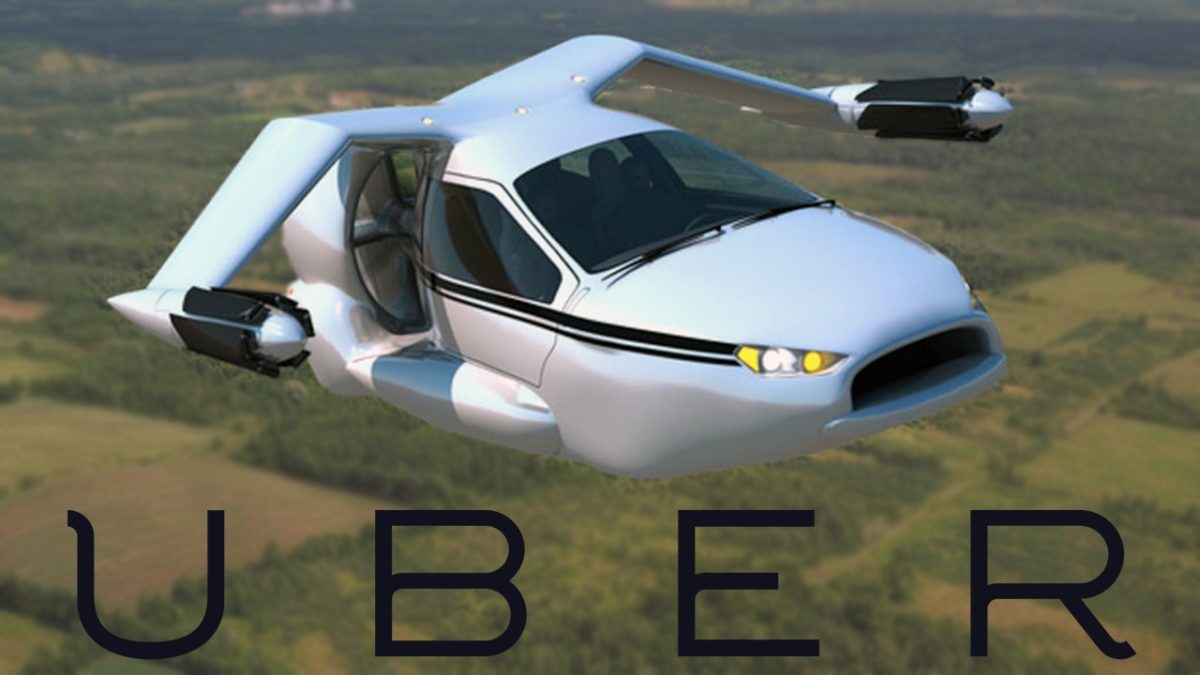
Here are Uber’s plans for flying taxis

Ready for flying taxis? They could be here sooner than you think.

“Hey man, it’s Dave. Your Uber’s on the roof.”

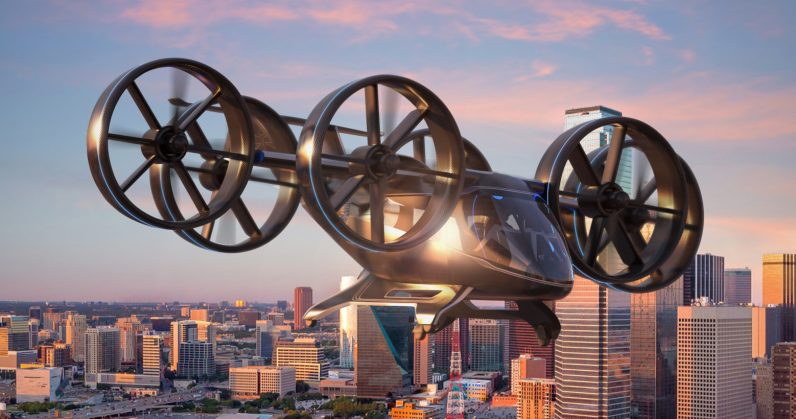
Prepare yourself for flying Ubers in the near future. Texas-based company Bell has revealed their design for the Bell Nexus, a helicopter/drone hybrid that could be summoned via Uber. If you’ve ever played Fallout, they’re basically Vertibirds.

air taxi

After spending decades developing military aircraft like the V22 Osprey, Bell rebranded itself as a more modern tech company last year. The V22 and Bell Nexus are both vertical takeoff and landing aircraft (VTOL). Moving forward, Bell is switching towards electric-powered vehicles, with the Bell Nexus as the first experiment.

The Bell Nexus itself is not completely electric. It’s a hybrid, as Bell wanted to give additional power to the aircraft, allowing it to carry more weight and have a wider flight range.

The Bell Nexus uses six ducted fans to take off and land. Each fan can tilt independently, giving the aircraft precise mobility. The Bell Nexus’s cabin and ducts are designed so that passengers will not be able to see the fans while looking out the window, helping to convince them they won’t be shredded by the rotors.

Thankfully, the Bell Nexus will have a pilot to reassure passengers that they won’t plummet to earth, but Uber has stated that they hope all of their air taxis will be autonomous in the future. The aircraft can hold 272kg (600lbs), and Bell Nexus is open to repurposing the aircraft as a military vehicle in case the whole flying car craze never gets off the ground.

Bell is far from the only company developing air taxis, though their partnership with Uber gives them a crucial advantage. They’ll face off against startups like Kitty Hawk (lead by Google founder Larry Page) as well as industry giants like Boeing. Though the competition is heated, some experts worry about the viability of the flying taxi industry ever taking off. Infrastructure and regulations surrounding flying cars simply do not exist, and they won’t exist without the flying car industry becoming viable in the first place, creating a self-defeating prophecy.

Personally, I would love to see flying taxis take off, mostly for UberEats. How amazing would it be to summon a Big Mac through your own personal helicopter?

Uber is getting tough on users with low ratings

Uber is getting tough on users with low ratings

Uber is going to start kicking users with consistently low ratings off the app

Love it or hate it, Uber has taken the world by storm. There aren’t many cities left in the world where you can’t hail a cab on the Uber app, and with self-driving cars and other innovations on the horizon, Uber’s influence around the world looks set to grow further.

8

One of the main criticisms leveled at the taxi app, however, is the systematic deconstruction of established labor rights for taxi drivers. Uber drivers are self-employed, which means Uber isn’t subject to employee protection laws.

After years and years of fighting tooth and nail to exempt itself from an established employer/employee relationship, Uber is finally taking action to protect its drivers. It isn’t going to start providing them with sick pay or paid vacation, but Uber is going to try and protect Uber drivers from nasty customers.

In a bid to make Uber “enjoyable and safe for everyone” later this month, any users who have a consistently low rating will be kicked off the app. This is already the case in the U.S. but last week, Uber extended the policy to Australia and New Zealand. It could also be coming to the UK too.

Via Uber: Apparently, in Australia riding an Uber with no top on or in a string vest won’t score you a bad rating

If your rating starts dropping toward four stars, Uber will notify you that you need to improve your score and if you fail to do so, you’ll be kicked off the app. Anybody who is removed from the app will have to undertake a “shot educational exercise” to win back access to the Uber market.

Drivers have long been subject to stringent rules around ratings. U.S. drivers need a rating of 4.6 or higher if they want to keep their job. The threshold for customers will be a little lower, but it is good to see similar expectations falling on the riders as well as the drivers. As Uber now says in its updated community guidelines:

‘The way you behave while using Uber can have a big impact on the safety and comfort of drivers, as well as your fellow passengers. Courtesy matters. That’s why you are expected to exercise good judgment and behave decently towards other people in the car when riding with Uber — just as you would in any public place.”

Uber vs Lyft vs Via – which rideshare app is best for you

With rideshare apps popping up so rapidly, it can be a little difficult to decide which is the best for you. All of them have their own unique benefits and downsides, despite being better than most taxi services. Here is a little bit to know about each one and what they bring to the table.

For passengers:

Uber
Uber

Uber is probably the most well known of these three; it is also the most used. Uber is available in far more locations than any other rideshare app, and you can often find a driver quickly even in more suburban areas. Their surge pricing can be extremely high, however. You may sometimes have to wait a while to get a ride at a reasonable price. With Uber, you can order a car all to yourself or share a ride at a lower rate. Because of Uber’s popularity, it’s often the subject of some terrifying headlines.

Lyft
Lyft

While both Uber and Lyft feature a “surge” or “prime time” feature where prices are increased based on high demand: Lyft’s prices are almost half of Uber’s during these times, on average. This means that if there is surge pricing on both apps, then you’re almost always better off with taking Lyft. On top of this, Lyft’s primary focus is on customer service so they have a more developed support center than Uber. The big downside to Lyft, however, is that it is not as popular as Uber, so there are places where there aren’t many drivers. Similar to Uber, you can choose to share a car with other riders if you’re not in a hurry.

Via

Via

Via is somewhat unique among the increasingly popular rideshare apps, as it actually features a flat rate instead of charging based off distance like the other two. This can be a pro and a con since the flat rate might be lower or higher than the other services would’ve been.

The major drawback of Via, however, is its accessibility. It’s only available in very few cities: Chicago, New York, and Washington D.C. It also only provides coverage in certain areas of a city, so it’s great for trips downtown, but if you need to go to the outskirts, Via may not be for you. Still, Via is expanding to other cities and areas, so it could be a good option for you.

With Via’s flat rate, you might have to share the car with other riders, but you often get a ride all to yourself at no additional charge.

Hopefully this has helped you figured out which rideshare app is the best one for you as a rider; however, as a driver these companies work a little differently than for the customers.

Rideshare apps

For drivers:

Uber

This rideshare app is generally considered the worst for employees. The main benefit is its availability. Since more people know about it, you’re more likely to get customers (it works the same way for the customer’s benefit as well). Other than that, it doesn’t look too great compared to the other two. Uber takes the most money out of the ride fare, compared to the other two, but it also charges the most on average.

This still means you might be making less than you would with the other two. On top of this, tipping in the app was only recently integrated, and you have to have an extremely high rating from your customers in order to stay employed.

Lyft

The benefits and downsides for a Lyft driver coincide heavily with the benefits and downsides of a rider. For both, there are areas where Lyft isn’t popular and using it as a driver or rider won’t be very lucrative. Despite this, you get more money than Uber as during surge hours. Their support center is also reportedly more responsive than Uber’s for both the driver and customer, which means that they are easier to work with when something goes wrong.

Via

Via is probably the best rideshare app for drivers in areas that it’s available. Not only does it give you a higher percentage of pay per drive compared to the other two, but since it’s only located in highly populated areas, you’re more likely to get a ride without much wait. On top of this, your rides typically don’t wear down your car as much as longer drives would (which is one of the main driver complaints of using rideshare apps). Of course, like the customers, you’re only able to drive in select cities, but it is definitely the best to work for if you are in those cities.

Via: Affordable Ridesharing Download Free ►
8

Despite their unique flaws and benefits, you’re better off actually working for multiple rideshare apps as a driver. If you plan on being a driver in an area that offers any combination of these three, it’s the most beneficial to get each of them, in order to maximize your earnings.

As both a driver and rider, your best bet is to use Lyft most of the time. However, Lyft isn’t always available, while Uber is practically everywhere. Uber’s main drawback for a rider is that their surge pricing can skyrocket, but sometimes they are really your only option. Via is also a great alternative to either one if you live in one of the select cities where it’s available. Happy travels!

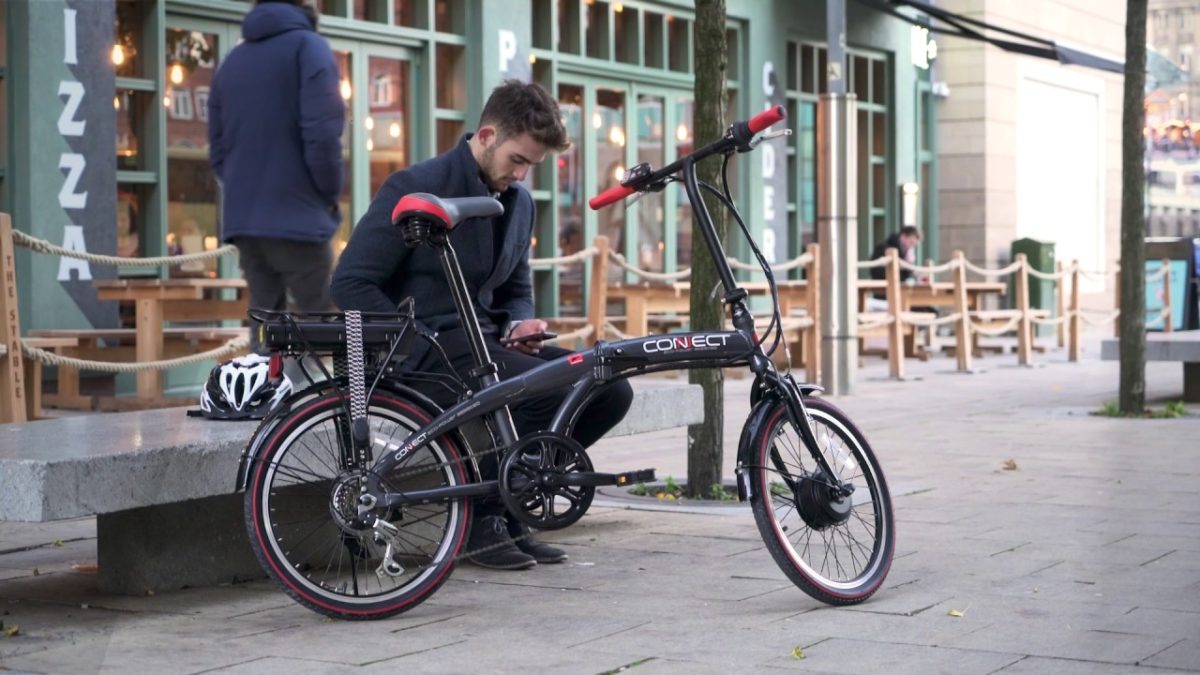
Uber pushes electric bikes for short trips

Ride-sharing giant Uber is making an unexpected investment into electric bikes and scooters for inner-city trips. Uber CEO Dara Khosrowshahi cited the inefficiency of moving cars through the absolutely hellish urban slog that is rush hour traffic (not his words).

Bike-sharing startup Jump was acquired by Uber back in April, with Jump’s technology being assimilated into the upcoming Uber Bike program. Uber explains the process behind Uber Bike in a post on their website here.

JUMP Bikes Download Free ►
7

Electric bikes are being touted as a cheap, healthy, and environmentally friendly transportation option for urban living. Most bikes include GPS technology, as well as features like “e-assist”, which helps riders bike up steep hills.

Because rented bikes have much lower fares than car rides, people are questioning the short-term financial viability of adding bikes to the Uber lineup. In particular, Uber drivers are questioning why their employer is introducing an option that competes with them, especially after the rising number of complaints among drivers about low wages. Uber is assuring its wary drivers that bikes will satisfy the customer need for short urban trips, while the longer, more lucrative trips are reserved for drivers.

Uber pushes for self-driving cars after losing $900 million

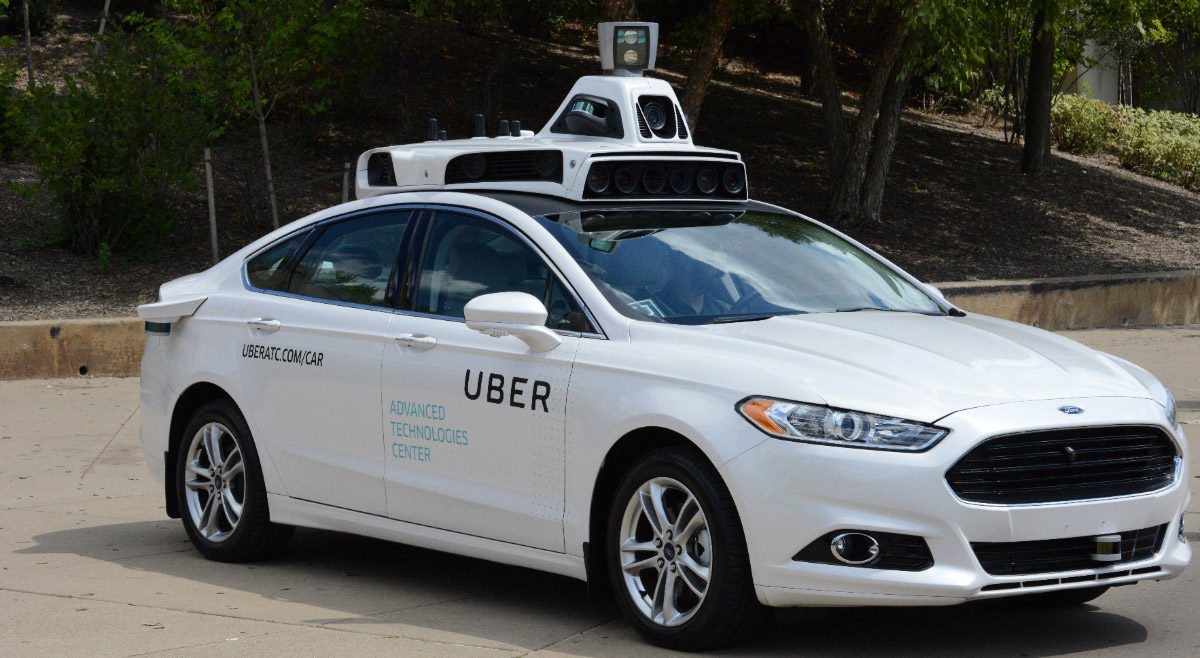
Uber is facing some inner turmoil and restructuration after facing massive losses. The company’s Advanced Technologies Group division focuses on autonomous vehicles and self-driving technology. CEO Dara Khosrowshahi remains undecided on whether or not to shut down the ATG division, which reportedly burns through $100-$200 million per year.

Uber’s ATG division remains the centerpiece of constant argument within the company. Because Uber takes a loss with every ride due to driver payout, many argue that automated driving technologies are the key to the company’s future, especially as rival ride-sharing services and auto manufacturers race to create the world’s first viable driverless cars. Supporters argue that by moving away from a driver-based model, Uber can curb losses and create a much higher profit margin, which is especially important now as the company plans to go public in 2019.

Uber’s plans to reassure worried investors haven’t gone swimmingly, however. In March of this year, a self-driving Uber test car struck and killed 49-year-old Elaine Herzberg in Tempe, Arizona. Though there was an Uber safety driver present, they failed to prevent the crash in time. This came mere days after an Uber leadership summit that left the higher-ups assured that self-driving technologies were the future of the company. Bad press and corporate indecision caused many of Uber’s top engineers to flee to other companies.

Still, Uber is confident in their ability to keep up with the competition. In a statement, the company said:

“Right now the entire team is focused on safely and responsibly returning to the road in autonomous mode. That’s our No. 1 objective, and we have every confidence in the work they are doing to get us there.”

Autonomous driving tests have begun again in select U.S. cities. Additionally, Uber has teamed up with auto-manufacturers to license out their self-driving technologies for use in their vehicles. Uber’s role in the inevitable transition to driverless vehicles remains to be seen, but their part has been rocky thus far.

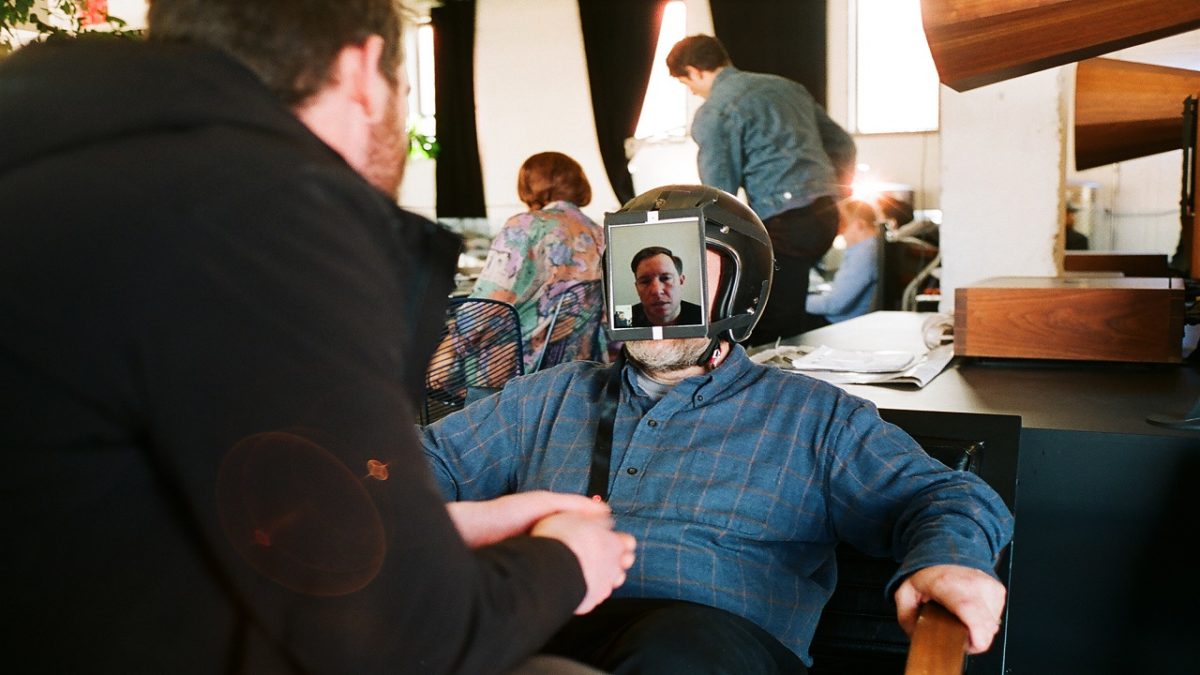
“Human Uber”

Source:  Peter Marquez / VICE

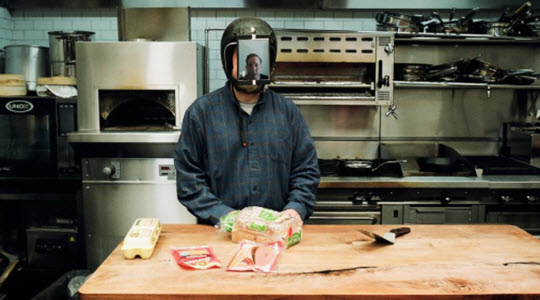
You might need a pop-up ad from God to convince that there still is a god after reading this. A Japanese researcher has developed a new piece of tech called the ChameleonMask, which is, “a mask-shaped display that shows a remote user’s live face, and a voice channel transmits a remote user’s voice.” The ChameleonMask allows you to have somebody else do whatever it is you can’t be bothered doing yourself, and the service is already being called the “Human Uber.” Is this the end of genuine human companionship as we know it?

How to Order an Uber from your PC

You know the feeling. You’re busy and you’re running late but you’ve got to finish up one last job before you can leave. You need to order an Uber but you haven’t got your phone. What are you going to do?

Click Here to sign up for Uber Now

Although Uber has no desktop program you are able to call yourself a cab directly from your desktop PC. Let us have a quick look at how to do it so that in the future, if you’re ever caught in a rush, you can order yourself a cab without having to hunt down your mobile phone.

Use the Uber Mobile Website

If you go to m.uber.com you’ll be asked to enter your mobile number and log in to your account. You can’t do this from a desktop web page, only the mobile version. You’re bypassing the system here but the mobile webpage will give you quick, clear and easy to understand instructions for ordering an Uber using the account that is linked to your smartphone.

Once you’re in, simply order a cab using your PC’s location and finish whatever you were up to.

uber desktop

With this simple tip, you’ll be able to order that cab before getting yourself together to leave the house or having to first find your smartphone.

Click Here to sign up for Uber Now

For more handy tips check out the video below:

Our users have been talking about the best ways to set up your own app based taxi service. Join the conversation now!


Uber introduces UberPool: share your journey with other passengers

Uber, the alternative taxi service, is launching a new service to let users can cut costs by sharing journeys.

UberPool is a beta product, and will allow you to match with other Uber users who are taking a similar journey, telling you their first name so that you can talk to them when you meet. Costs will be shared between riders, and if you use UberPool and no companions are found, Uber will still give you a discount.

Uber believes this is a ‘bold social experiment’ – will passengers actually talk to each other, or just stare out of the window silently? Intuitively, it would seem that both are likely, but it will be interesting to see if sharing the cost of a ride is enough to compensate having to ride with a stranger.

UberPool is launching as a private beta now, in conjunction with Google’s workforce, and then a public beta will start on August 15th in the San Francisco Bay Area. There’s no information about how long the beta phase will last – Uber says it expects ‘kinks and surprises’ to work through’.

Download Uber for iOS, Android and Windows Phone.

RELATED STORIES