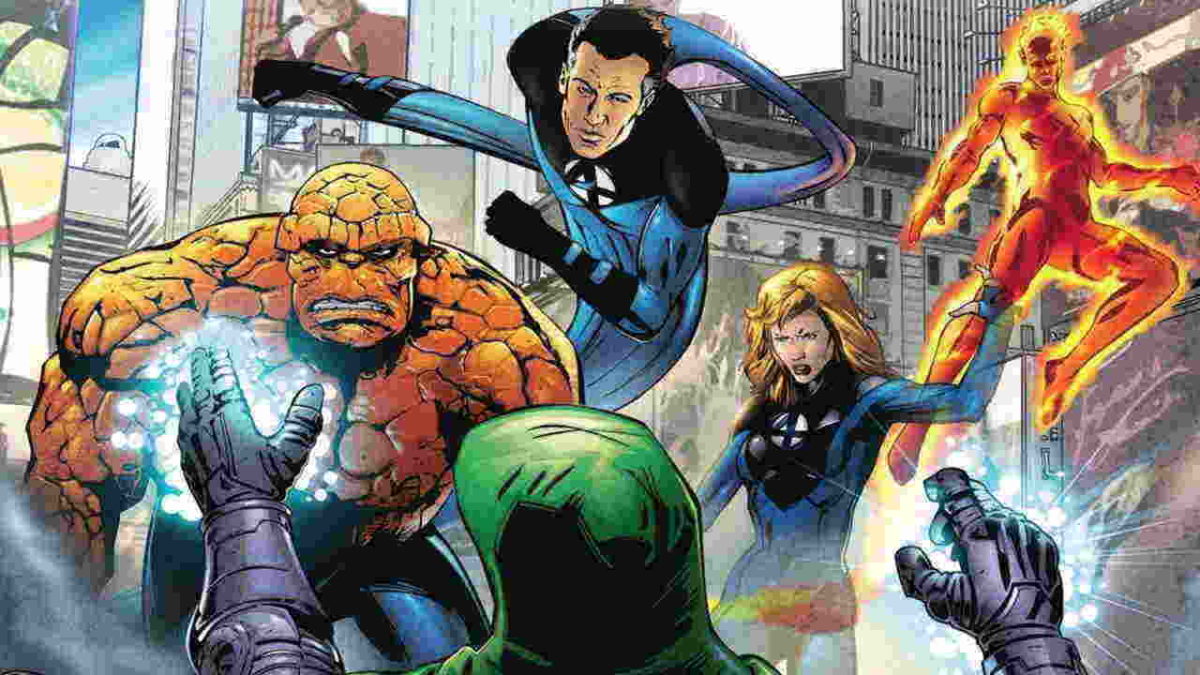
The new Fantastic Four movie, directed by Matt Shakman, stands out for its vibrant visual style inspired by the 1960s, marked by a retro-futuristic aesthetic that contrasts with the more uniform productions of the Marvel universe. This artistic approach establishes a unique atmosphere in which the iconic utopian buildings complement a narrative where the Marvel family becomes part of the Marvel Cinematic Universe. Reflecting on one of the greatest One of the highlights of the production is Shakman’s decision to prioritize the use of practical effects […]
The new Fantastic Four movie, directed by Matt Shakman, stands out for its vibrant visual style inspired by the 1960s, marked by a retro-futuristic aesthetic that contrasts with the more uniform productions of the Marvel universe. This artistic approach establishes a unique atmosphere where the iconic utopian buildings complement a narrative in which the Marvel family becomes part of the Marvel Cinematic Universe.
Looking in the mirror of one of the greatest
One of the highlights of the production is Shakman’s decision to prioritize the use of practical effects and the construction of real sets, rather than relying heavily on green screens. This approach, influenced by the work of legendary director Stanley Kubrick, aims to give the film greater authenticity. “The more than possible real and visual interaction between the actors and the sets allows the audience to connect better with the story,” Shakman commented during a visit to the set.
Among the interesting details of the production is a 14-foot miniature replica of the ship The Excelsior, which demonstrates the care and attention to detail that the production team is dedicating to the project. This ship, although small, is a symbol of the film’s commitment to handcrafted design and visual credibility.
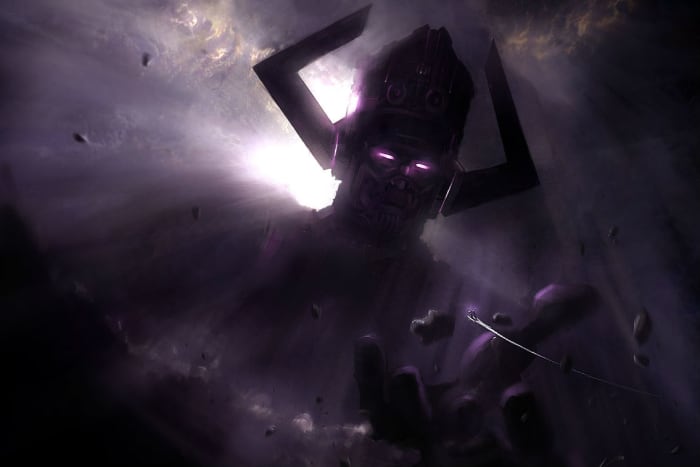
The cast of Fantastic Four includes renowned actors such as Pedro Pascal, Vanessa Kirby, Joseph Quinn, and Ebon Moss-Bachrach, who will face the legendary antagonist Galactus, voiced by Ralph Ineson. Comic book and MCU fans are eager to see how this story will unfold, which promises to be an exciting new chapter within the saga. The movie will premiere in theaters on July 25.
Can Marvel’s original superteam survive a third reboot?
Marvel shared a ton of news with us at Comic-Con last week: A handful of new TV series, some of the upcoming movies in Phase 4, and a bunch more. One promise that raised some eyebrows was the announcement of another Fantastic Four reboot.
Yes, another one.
We’ve had three movies with these guys in the past 15 years, and they were all pretty … well, they weren’t fantastic.
Guide to Marvel Phase 4: Everything you need to know
One of their more remarkable feats is time and again bringing long-forgotten characters into the glorious spotlight. Who could have foreseen the popularity of Iron Man over a decade ago? The same can even be said of the Avengers. How many people had even heard of the Guardians of the Galaxy before 2014 (seriously, comment below if you had; kudos to you)?
If you told a Marvel fan back in 2005 that the Guardians of the Galaxy would rake in more cash than the Fantastic Four, he’d laugh in your face through his vintage issue of Alpha Flight. That’s because the Fantastic Four weren’t a long-lost offshoot in the overlooked annals of comic book history – they were at the epicenter of the Marvel universe, and had tie-ins to virtually everything involved inside it.
Why the Fantastic Four are so important
These guys have been on more adventures than anyone else in the Marvel Universe!
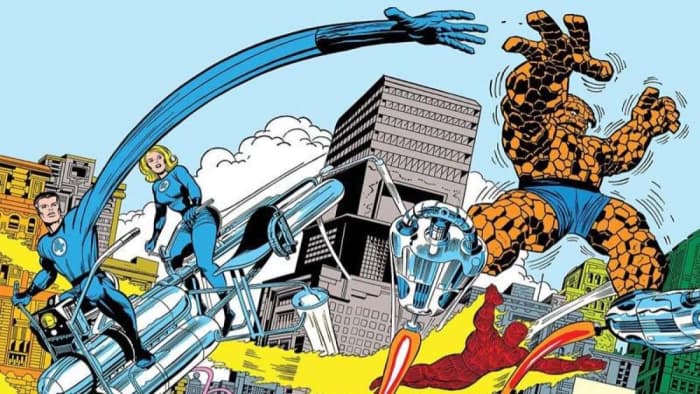
Historically the Fantastic Four were the group that propelled the Superhero genre into the modern era. It did so by capitalizing on what were, at the time, very atypical angles of narrative: Though they got their start in space, the problems they shared were very down-to-earth.
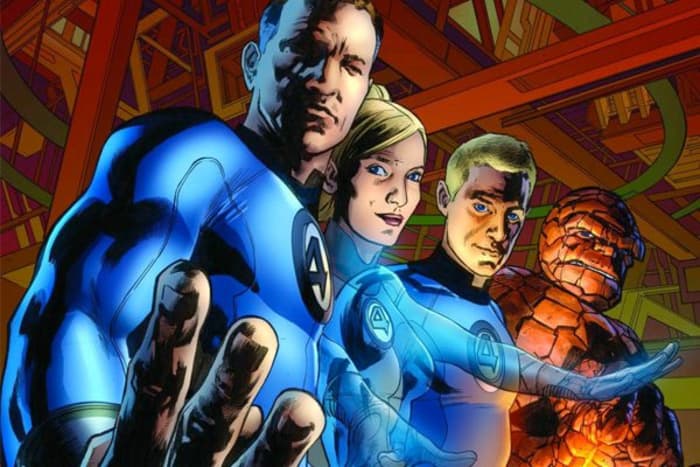
The four teammates did not get along like the members of the original Justice League; The Thing despised his monstrous appearance and wished he’d never gotten his super powers; and Reed Richards struggled with decidedly non-super problems – overspent budgets, stock market crashes, failures in his personal projects, and struggles to lead his team. Instead of an unapproachable hero figure, Lee and Kirby created a relatable family of misfits:
It was at this point (in 1961) that Stan Lee convinced Martin Goodman to rename the company Marvel, and the team really started finding their own voice. It’s sad to see such a flagship of comic book history fail to meet the mark again and again with a modern audience, and it would be a welcome change if Marvel were to redeem their golden four.
The Fantastic Four might be the most important team in the original Marvel comics
The Fantasic Four are also hugely important to several story arcs and characters that the MCU could tackle soon, most notably Galactus, Silver Surfer, Kang the Conqueror, the Negative Zone, Annihilus, and of course the infamous Doctor Doom. So it’s not just about Marvel’s fab four looking shiny on-screen, it’s about what it could mean for the direction of the cinematic universe on a macro level.
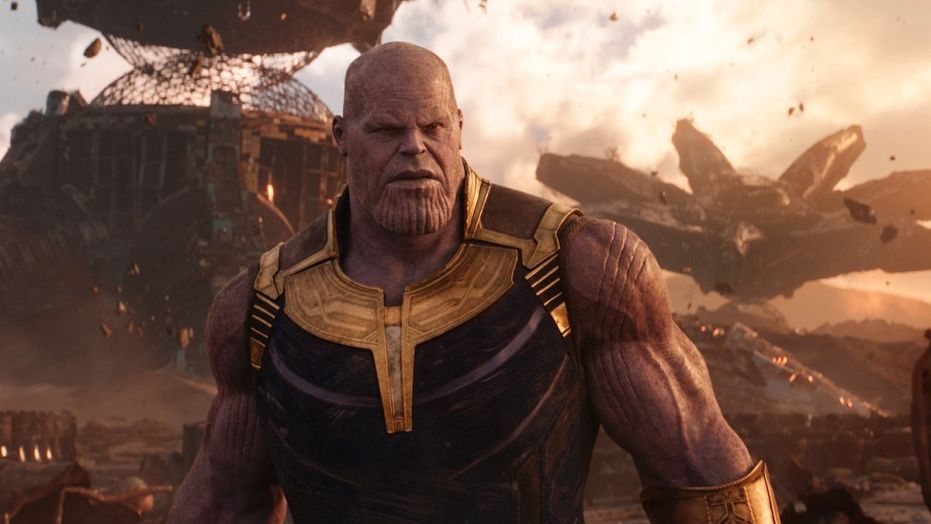
Question: How do you go bigger than Thanos? Answer: Galactus.
That brings us to the big question: The Fantastic Four have been done before and it’s bombed every time. How can they be done better? When asked why the latest Fantastic Four did poorly at the box office, Stan Lee’s response was pretty legendary: “It was probably because I didn’t have a cameo in it,” he joked.
Unfortunately the MCU can’t rely on the same selling point that pushed the Fantastic Four comics to stardom, this notion that superheroes weren’t too dissimilar from us, or that they dealt with everyday problems; the MCU has already covered that in spades, and it wouldn’t make them stand out from characters like Hawkeye, Spider-Man, or Hulk.
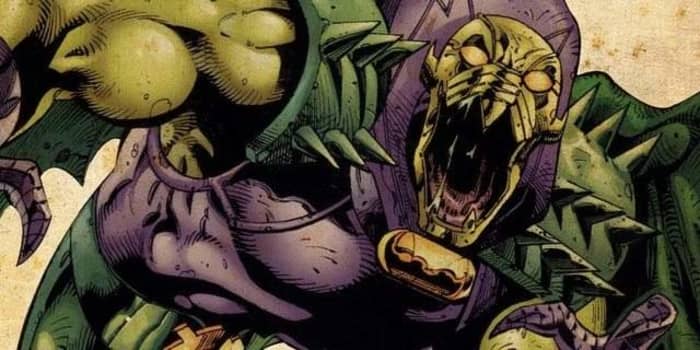
So what can make this story work? First off, we’re all dying to see Doctor Doom, but maybe it’s best that we don’t – at least not right away. Spider-Man’s biggest villains are the Green Goblin and Doctor Octopus, and the MCU wisely chose to veer away from them in favor of the less famous, less scary Vulture and Mysterio (both of whom they did really well). Instead they might be better off focusing on the Skrull, Terrax, or Annihilus, the latter two being characters we’ve never seen on film before.
Introduce the Negative Zone early, and bring in Annihilus as their first big villain!
Besides picking the right villain, it’s also important that the film tell the right story. We don’t need another origin story. Please. We didn’t need one for Spider-Man, we didn’t need one for Black Panther, and we don’t need one here.
Instead, focus on the family dynamic that made the team likable to begin with, and then pick a conflict for them to face together. The Negative Zone is an especially powerful plot thread that could have a huge impact on the Marvel Cinematic Universe, and a Fantastic Four reboot is the best chance to introduce it in a big way.
We’re anxious to see how Marvel and Feige plan to handle the Fantastic Four, but tbh we’re still biting our nails; we’ve been burned three times. Let us know in the comments below if you agree with our points, and what you’d like to see the company do with the Fantastic Four!
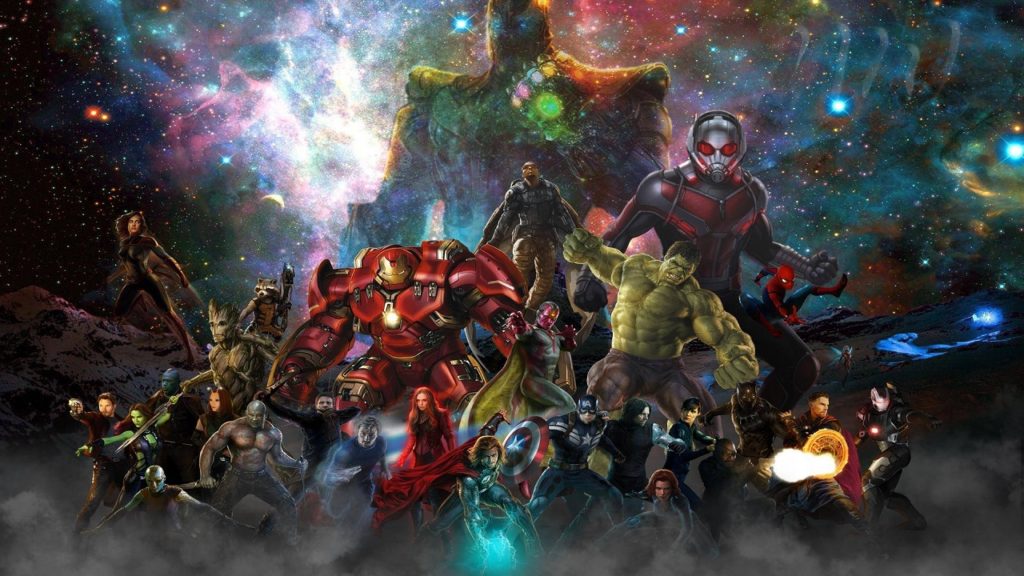
With Endgame in our rearview mirror, it’s time to look ahead at other possible Marvel projects to come.
SPOILERS BELOW!
Now that we got that out of the way…
The aftermath of “Avengers: Endgame” left many fans in tears, both of joy and of sadness. The film presented a satisfying and climactic end to a 22-movie saga that changed the landscape of blockbuster films forever. We don’t know where the MCU is going to go after Endgame, but we do have some theories:
For many fans, it’s difficult to imagine Marvel ever surpassing Endgame. While this may end up being true, there have been dozens of huge crossover events throughout Marvel’s decades of comic books. One major advantage the MCU has moving forward is Disney’s purchase of FOX. This gives the MCU access to lucrative Marvel characters like the X-Men, the Fantastic Four, and Deadpool. Here are five massive Marvel stories that could end up becoming major successes in the MCU:
5 Marvel stories the MCU should use after “Avengers: Endgame”
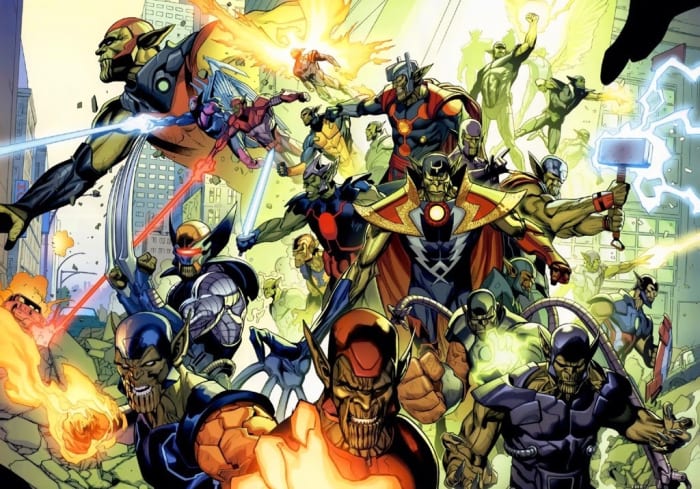
In the comics, the shapeshifting alien Skrulls have been a pain in the side of many superhero teams. This includes the Fantastic Four and the Avengers. The storyline “Secret Invasion” has several key figures in the Marvel Universe being kidnapped and secretly replaced with Skrulls. It leads up to a full-on invasion of Earth.
Earth’s heroes quickly find themselves unable to trust one another, worried that they may be talking to a Skrull. The Skrulls even took the form of several beloved dead Marvel heroes to sew confusion and emotional vulnerability among the Avengers. This is something that could be exploited in a movie adaptation to bring back some fan-favorite characters temporarily.
The invasion force has them combining the powers of several heroes into single beings called Super Skrulls. In this story, the Skrulls use their psychological and scientific prowess to bring the Avengers to their knees.
The Skrulls finally made their MCU appearance in “Captain Marvel,” being portrayed as sympathetic refugees hoping to escape the imperialistic, warlike Kree. While their portrayal in “Captain Marvel” worked in the movie and was a welcome surprise, there are several ways the MCU can turn the Skrulls into a vicious invasion force.
Since “Captain Marvel” took place in the ’90s, they could show a rebuilt Skrull Empire that has since shunned their peaceful ways. Alternatively, they could show a powerful Skrull terrorist force that goes rogue from the Skrulls we already saw. Either way, “Secret Invasion” would be a massive, body-snatching cinematic experience.
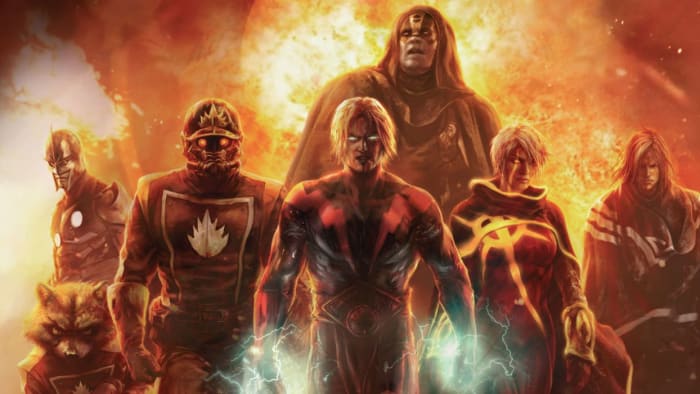
“Annihilation” was a comic storyline that had many of Marvel’s cosmic heroes like the Silver Surfer, (what would become) the Guardians of the Galaxy, and Nova defending the universe against the unstoppable Annihilation Wave. The Annihilation Wave was a force of millions of insect-like ships led by Annihlus. It was so powerful it managed to subdue both Thanos and Galactus. The storyline is often cited as one of Marvel’s best events ever.
Films like “Guardians of the Galaxy,” “Thor: Ragnarok,” and “Captain Marvel” have expanded on the MCU’s cosmic side for years. They show a delightfully weird and colorful cast of characters and locations. After introducing some of FOX’s Marvel characters like the Silver Surfer, an MCU adaptation of “Annihilation” would be the grand climax the MCU cosmos deserves.
In many ways, FOX’s X-Men movie franchise can be seen as a precursor to the MCU. While it had its ups and downs, you can’t say that it wasn’t ambitious. Now that Disney owns FOX, the beloved cast of mutants can finally join the MCU. And what better way to introduce them to the Avengers than to have them fight?
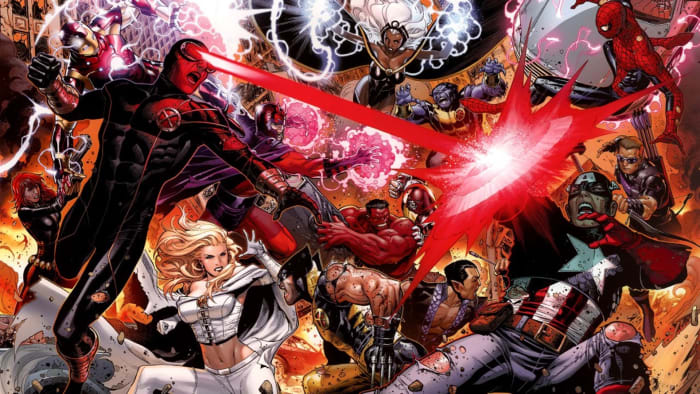
The “Avengers vs X-Men” comic event is confusing, overstuffed, and underwhelming. However, this doesn’t mean that the basic concept wouldn’t translate well to the MCU. Pairing up Marvel’s most famous mutants like Wolverine, Storm, Cyclops, and Gambit against the Avengers would be many comic fans’ dream come true.
Since Marvel has had continued success in bringing together huge casts of characters, they should have no problem with this. It’s unfortunate we wouldn’t see iconic Avengers like Iron Man or Captain America suit up to fight the mutants. However, it would nonetheless be a treat for audiences to have two of Marvel’s greatest teams duke it out.
The Scarlet Witch of the comics is a very different beast than the one in the MCU. After experiences devastating losses, she uses her reality-warping powers to change the world. She creates one where everyone she cares about gets their heart’s desire.
In this new world, mutants dominate the world and humans are second class citizens. She rules alongside her adoptive father Magneto and her brother Quicksilver. They try to put an end to the constant human uprisings led by revolutionaries like Luke Cage. Some characters don’t want this world to end. Spider-Man, for example, is a beloved hero in this world who is happily married to the now alive Gwen Stacy.
In the MCU, Wanda has faced incredible loss after the events of “Avengers: Age of Ultron,” “Captian America: Civil War,” and “Avengers: Infinity War.” After Thanos brutally resurrects and then murders Vision after she was forced to kill him, Wanda was quickly snapped away by the mad titan.
When she comes back in the climactic battle of “Avengers: Endgame,” she shows a brand new ferocity in her fight against Thanos. She is nearly able to kill him singlehandedly by ripping him apart. This newly revived Wanda is clearly a broken person, which could easily lead her to do some questionable things. This may include rewriting reality. Scarlett Witch is set to appear in a new show for Disney+ called “WandaVision.” If the show follows “House of M,” we will not be disappointed.
Note: This will be about Jonathan Hickman’s 2015 Secret Wars event and not the 1984 original miniseries.
The 2015 crossover event “Secret Wars” changed Marvel Comics forever. It brought an end and new beginning to the shared comic universe that had been running since the early 1960s. As the culmination of Jonathan Hickman‘s amazing Fantastic Four and Avengers runs, “Secret Wars” is arguably the greatest event Marvel has ever produced.
The series has Doctor Doom stealing the power of the omnipotent Beyonders, allowing him to bend reality to his will. Doom uses his new power to create Battleworld, a patchwork of various Marvel universes and timelines, all under his control. Different heroes and villains from across the Marvel Multiverse must band together and fight a hopeless battle against a god.
The Secret Wars storyline brought a rare sense of finality to comic books. While the Marvel Universe continued after “Secret Wars,” it would be one hell of a way to close out the MCU for good.
In conclusion
It’s still hard to believe that the Thanos saga has been concluded. We are happy with the conclusion, we just also want more. What stories would you like to see the MCU adapt moving forward? Let us know in the comments below!
Learn how Stan Lee’s layered characters changed pop culture forever.
“My name is Stan Lee. I’ve been writing stories for the young generation for the past 30 years. During this time, I think I’ve learned a lot about how young people think, and more importantly, what young people are.
Today, we’ve come to a time in history when there definitely is a generation gap. It seems to us that perhaps anything that could be done to bridge that gap, to help present the point of view of these young people without being patronizing, without hostility, with respect, with attention, would be a very beneficial thing. Oh sure, they talk a lot and they yell a lot, but nobody really listens to them!”
-Stan Lee on his talk show in 1968.
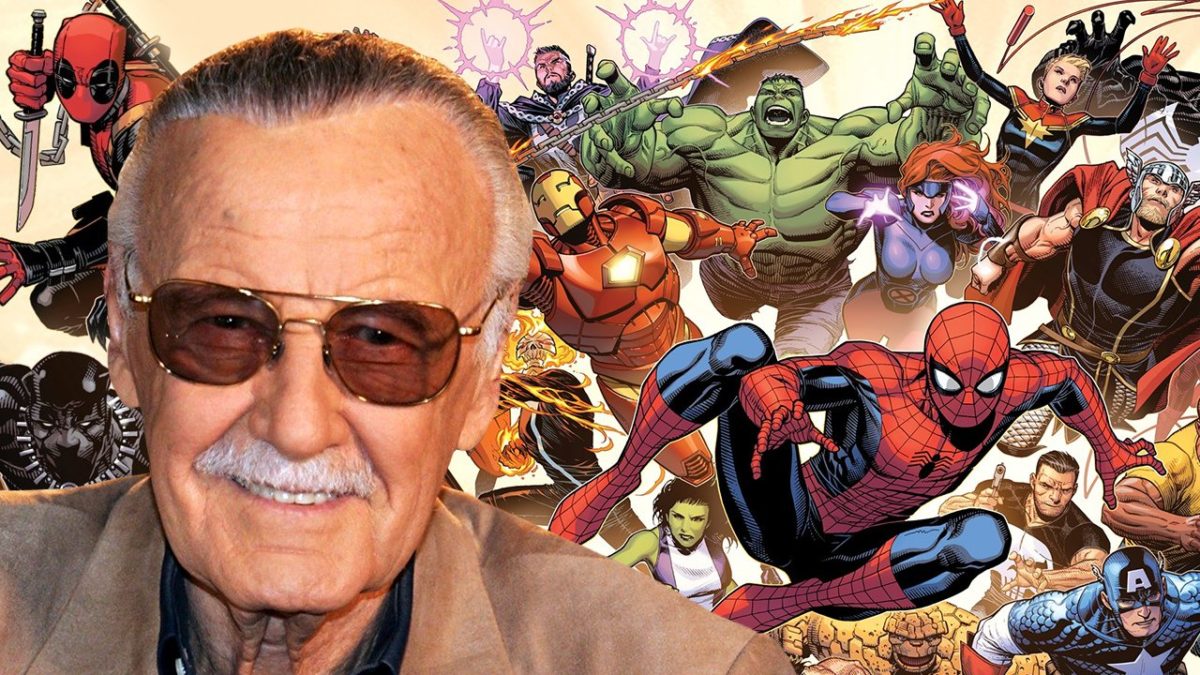
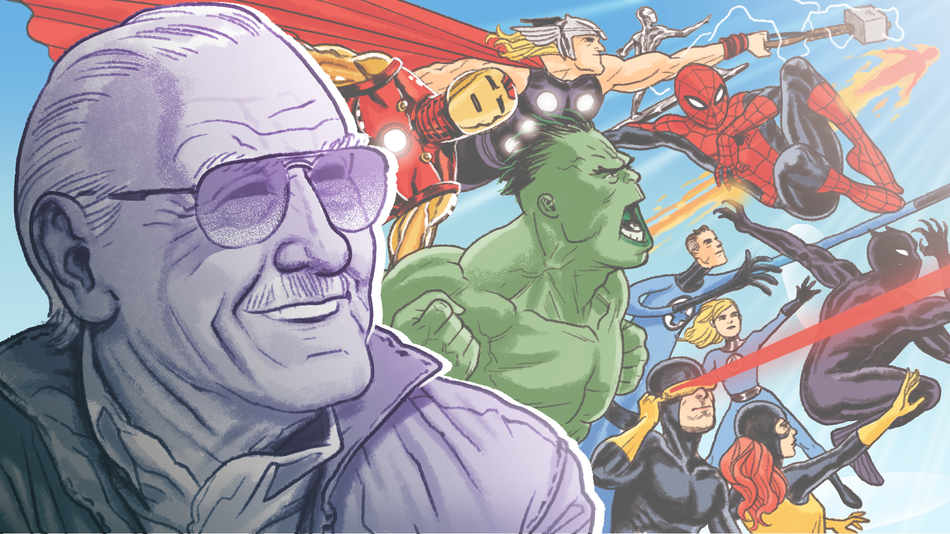
Beloved comic book writer and creator Stan Lee passed away at the age of 95. Stan Lee is one of the most influential comic creators of all time, creating heroes like Spider-Man, the X-Men, the Hulk, the Fantastic Four, and Black Panther. He was always a man of the voiceless, giving young people and minorities stories and characters that made them feel wanted in a society that told them to stay quiet. Below, we’ll talk about how Stan Lee crafted these complex, iconic characters, and why they resonated with so many people.
How Stan Lee created Marvel’s complex characters
Stan’s characters had real problems
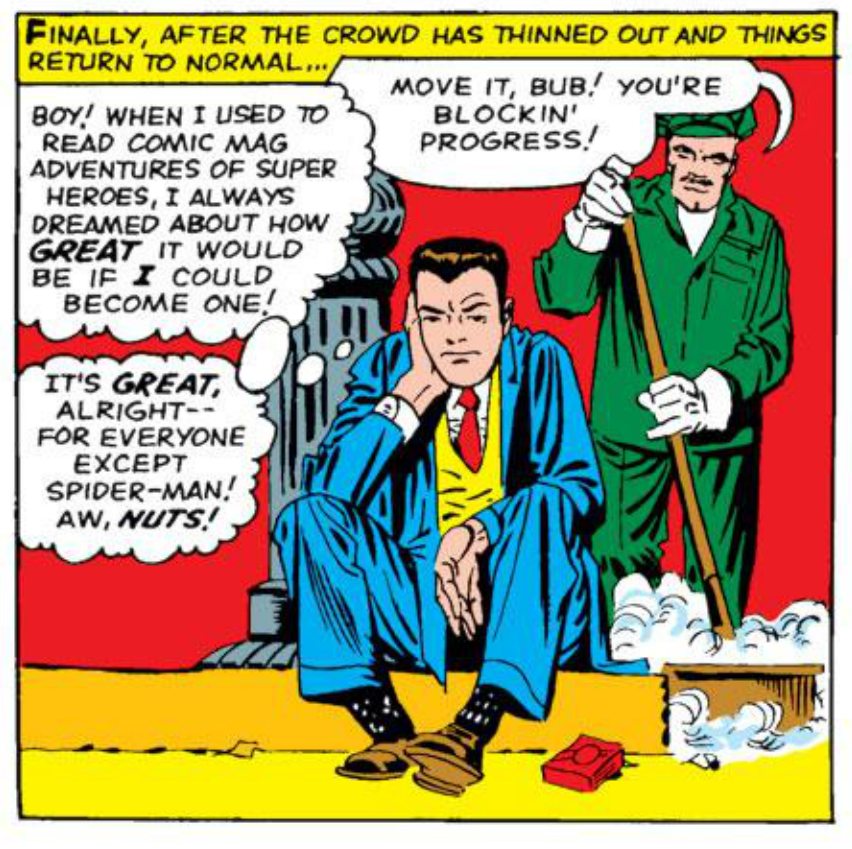
For all his heroics, Spider-Man is still an everyman who’s down on his luck
Before Stan started writing, comic books were primarily power fantasies that appealed to youth. Superman was an invincible man with an unbendable sense of justice, Batman was a billionaire playboy who doubled as the world’s greatest crimefighter, and so on. Knowing that comic books appealed primarily to teenagers, Stan wanted to give them something other than a power fantasy. He created characters that young readers could relate to rather than look up to.
The primary example of this is Spider-Man. In many ways, Peter Parker resembles the typical comic book reader. He’s a teenaged boy who’s dorky, bullied in school, unathletic, and has little-to-no luck with women. Before Spider-Man, teenagers were never portrayed as superheroes, only as perky sidekicks like Robin, Speedy, or Bucky Barnes. Casting a teenage hero, and a realistic and troubled one at that was an incredibly refreshing and innovative decision.
Even after gaining amazing spider powers, Peter still deals with all of these issues in school, often struggling to balance his personal life with his heroic life. Despite dealing with both typical teenage problems and superpowered antics, Peter still keeps his head on straight and tries to do the right thing.
He’s not a pillar of justice like Superman, and he sometimes acts selfishly or carelessly, but he learns from his mistakes and tries his best. Despite saving the day time and time again, Peter is filled with self-doubt as soon as something new goes wrong. Stan Lee’s Spider-Man demonstrated that having powers doesn’t automatically make you a superhero. Instead, superheroes are people who choose to make simple, everyday decisions to stand up for and help people who can’t do it themselves. The point of making heroes realistic was not only to make them relatable to readers, but to show them that they are perfectly capable of becoming heroes themselves.
Stan put it best himself in his appearance in Spider-Man 3:
Stan’s characters represented different ideas and feelings
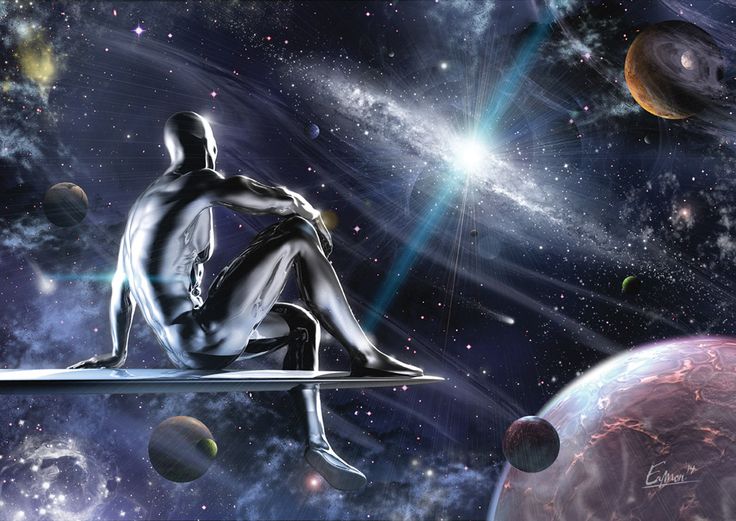
The Silver Surfer gazes into empty space
Each of Stan Lee’s characters is meant to embody a simple, relatable feeling or idea. No matter how over-the-top the character is, readers can empathize with them on a basic level.
For example, Bruce Banner is a timid and anxious scientist who is shafted constantly, no matter what he does. When he finally reaches his breaking point, he explodes in anger, becoming the Incredible Hulk. When the Hulk was created in the 1960s, the Hulk became a counter-culture icon, representing the repressed rage felt by a generation who was told that they were entitled for wanting to be taken seriously, a problem that keeps the character relevant to this very day.
What we can expect in Avengers 4 (if it’s anything like the comics)
Characterized by Stan, the Silver Surfer is a powerful but lonely hero who travels through space serving a power that he hates but is forced to keep in his life. As the Surfer soars through the heavens, the spectacular sights and adventures he sees do little to excite him, as he is kept away from all of those that he cares about by a higher power that he can’t fight or escape. Like the Surfer, many people grow weary of the wondrous world around them, drifting aimlessly and alone, their enthusiasm and lust for life sapped by power structures and situations that they cannot hope to control. Readers empathize with the Surfer’s struggle to regain his humanity as they grow older in a world that seems increasingly indifferent to their presence.
Feelings like loneliness, disillusion, or anger are problems felt by ordinary people and superpowered adventurers alike. By creating larger-than-life heroes like this, Stan helped his anxious readers feel less alone in the world.
Stan’s heroes represented equality
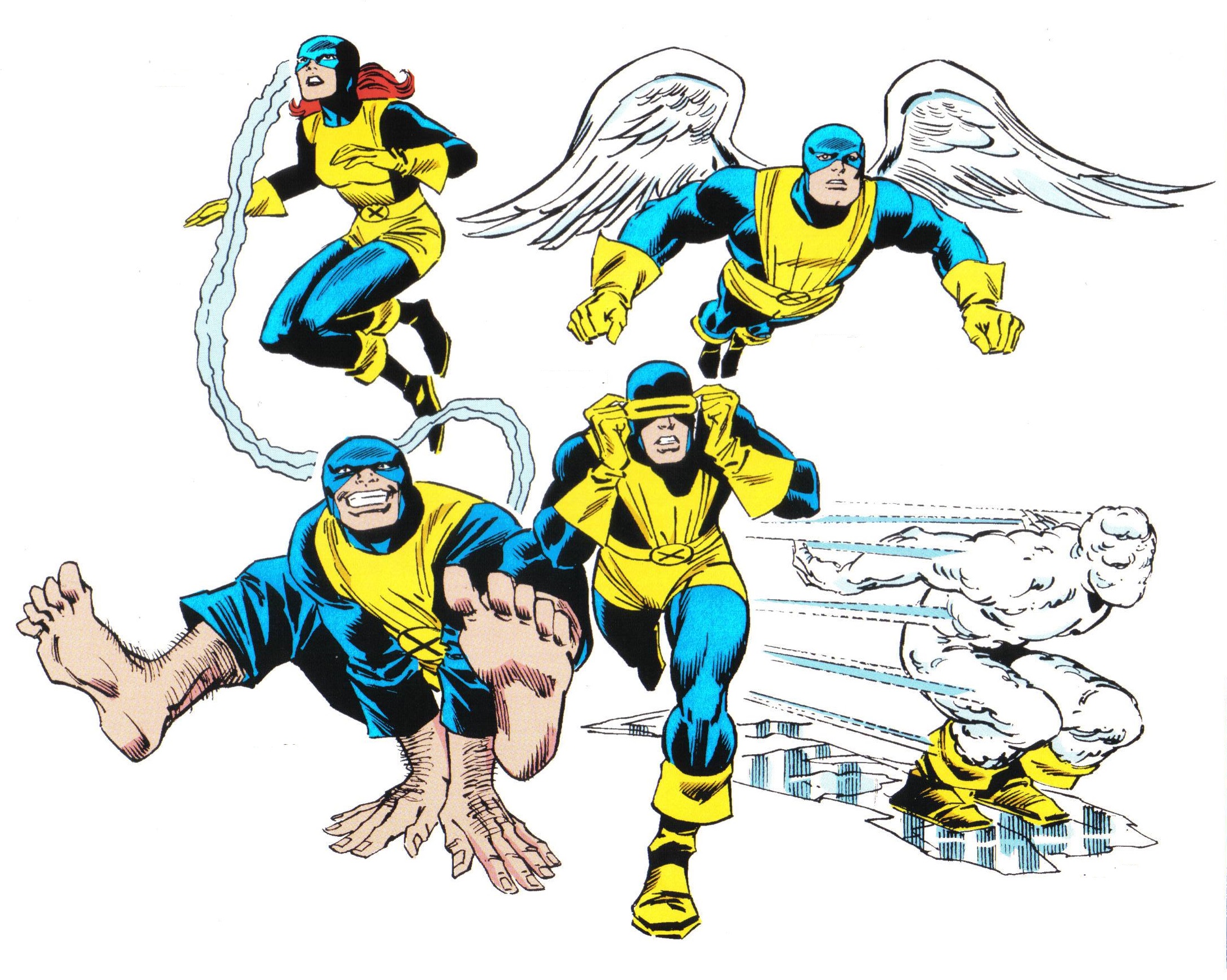
Beyond being believable and relatable, Stan’s heroes often reflected the struggles felt by minority groups in America. His superhero team, the X-Men, is one of the most enduring symbols of tolerance and acceptance in pop culture even to this day.
Created in the 1960s, an era marked by minority groups like African-Americans and women making huge advancements in civil rights, the X-Men are mutants fighting to promote acceptance in a world that hates them. In the Marvel Universe, mutants are ordinary people who suddenly gain superpowers around puberty, causing them to be feared and hunted down by a panicked populace. Even though the X-Men are hated by the public, they fight using their mutant powers to fight evil and protect humans in hopes of showing that they aren’t monsters. In many ways, the X-Men and its leader, Professor X, resemble Martin Luther King Jr. and his peaceful fight for equality, rights, and respect.
The X-Men were created by Stan Lee as a metaphor for any kind of minority group the reader belonged to, whether that be their race, religion, or sexual orientation. The X-Men team itself is made up of an incredibly diverse group of people, displaying how different subsets of people can work together in the fight for an equal and fair world.
It should be noted that while the mutant X-Men are hated and feared by the population, non-mutant heroes like Captain America and the Fantastic Four are not. This is an intentional point, demonstrating that the X-Men are considered monstrous outsiders for no real reason at all, and that there is intrinsically nothing wrong with them, just as there is nothing wrong with belonging to a certain race, gender identity, religion, or sexual orientation.
Stan Lee and his creations influenced millions of people, and he will always be remembered for his warm and heroic spirit. Who’s your favorite Marvel hero? How have they impacted your life? Let us know!