The FBI confirms a cybersecurity incident affecting its networks

The FBI has confirmed that its networks were the subject of a cybersecurity incident, although it has not provided additional details about the exact nature of the attack. According to a statement from the agency, suspicious activities were identified and addressed in its systems, specifically in a digital system used to manage surveillance and procedures related to foreign surveillance orders. Clear responses In 2024, it was revealed that the Chinese hacker group known as ‘Salt Typhoon’ had exploited the United States’ phone tapping system, protected under the Communications Assistance for Law Enforcement Act. […]

The FBI has confirmed that its networks were the subject of a cybersecurity incident, although it has not provided additional details about the exact nature of the attack. According to a statement from the agency, suspicious activities were identified and addressed in its systems, specifically in a digital system used to manage surveillance and processes related to foreign surveillance orders.

Clear Answers

In 2024, it was revealed that the Chinese hacker group known as ‘Salt Typhoon’ had exploited the United States’ phone tapping system, under the Communications Assistance for Law Enforcement Act. However, it is unclear whether there is any connection between the recent cybersecurity incidents and the activities of this group. The lack of clarity regarding the exact timing of the attack, as well as the identity of those responsible, has raised concerns both within and outside the organization.

The FBI, which has been targeted by cyberattacks multiple times, reported in 2023 an incursion in its New York office, in addition to an incident in 2021 where hackers exploited a misconfigured server to send phishing emails.These situations have led to growing skepticism about the FBI’s ability to respond to cyber threats, especially in the context of budget cuts and staff reductions during the Trump administration.
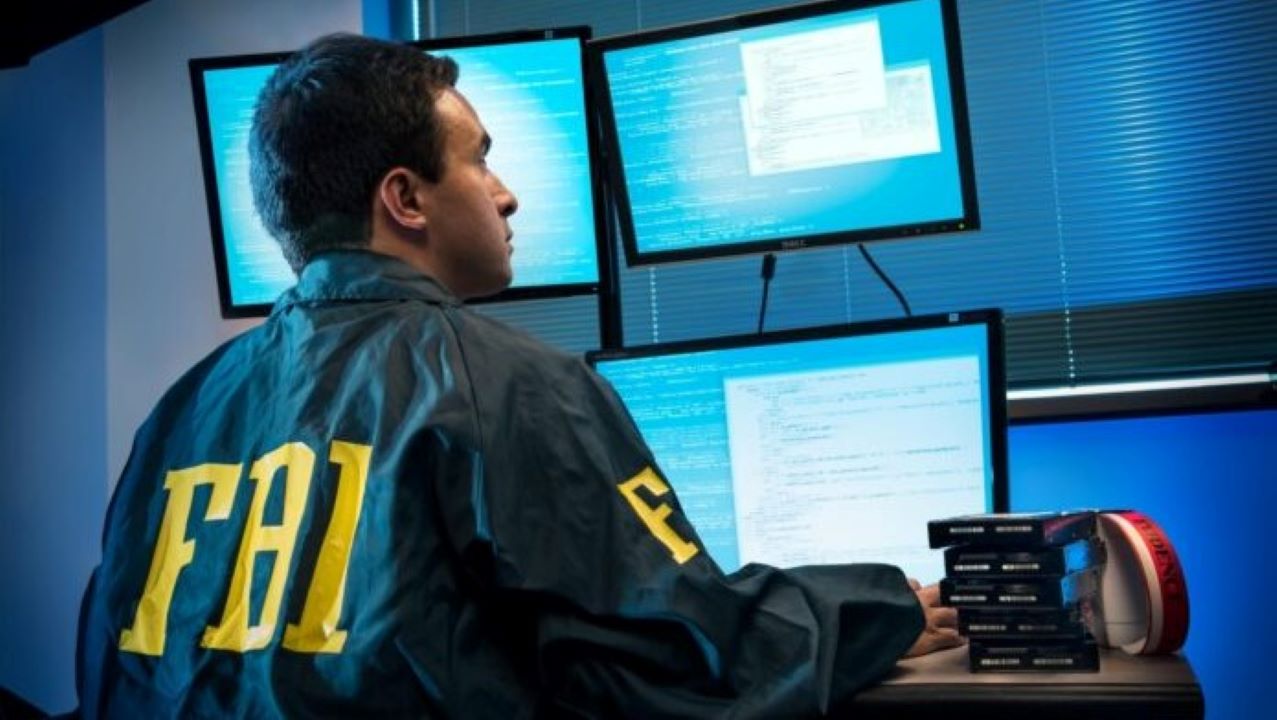
Former agents and members of Congress have expressed their concerns about the FBI’s cyber preparedness. Despite these concerns, Brett Leatherman, director of the FBI’s cyber division, stated in recent remarks to CyberScoop that the agency has not diminished its capacity to respond to threats and incidents. However, the FBI itself continues to struggle with the repercussions of its recent cyber challenges.

The FBI reveals the weaknesses of Chinese tech companies used for hacking operations

A global alert about a campaign of indiscriminate cyber espionage has been issued by cybersecurity agencies around the world, highlighting the involvement of hacker groups backed by the Chinese Communist Party, such as the group known as ‘Salt Typhoon’. According to the FBI, China’s reliance on domestic tech companies to carry out large-scale hacking operations is a vulnerability that can be exploited by researchers. This situation has become evident following the identification of several Chinese companies that have supported cyber espionage actions. Global cyber espionage alert Jason Bilnoski, assistant director of the FBI, stated […]

A global alert about a campaign of indiscriminate cyber espionage has been issued by cybersecurity agencies around the world, highlighting the involvement of state-backed hacker groups by the Chinese Communist Party, such as the group known as ‘Salt Typhoon’. According to the FBI, China’s reliance on domestic tech companies to carry out large-scale hacking operations is a vulnerability that can be exploited by researchers. This situation has become evident following the identification of several Chinese companies that have supported cyber espionage activities.

Global Cyber Espionage Alert

Jason Bilnoski, assistant director of the FBI, stated that the use of these enabling companies by the CCP has failed, allowing investigators to detect and expose these activities. Among the companies mentioned is Sichuan Juxinhe Network Technology, which is already under U.S. sanctions and has not publicly responded to the accusations, reflecting a lack of control over its actions. This has created a opportunity for investigators to track criminal activities.

Since 2014, China has implemented laws that require companies to handle sensitive data, further complicating the cybersecurity landscape in the country. However, this regulatory framework has not been sufficient to prevent hacking operations in vital sectors, including telecommunications and transportation. The data stolen in these attacks allows Chinese intelligence services to track movements and communications globally.

The FBI emphasizes the importance of collaboration between businesses and governments to address the cyber espionage actions of the CCP, highlighting that the defense of networks should not be solely the responsibility of the government. According to Bilnoski, it is crucial for both large corporations and small businesses to take an active role in protecting their systems, as no one can assume that their networks are secure.