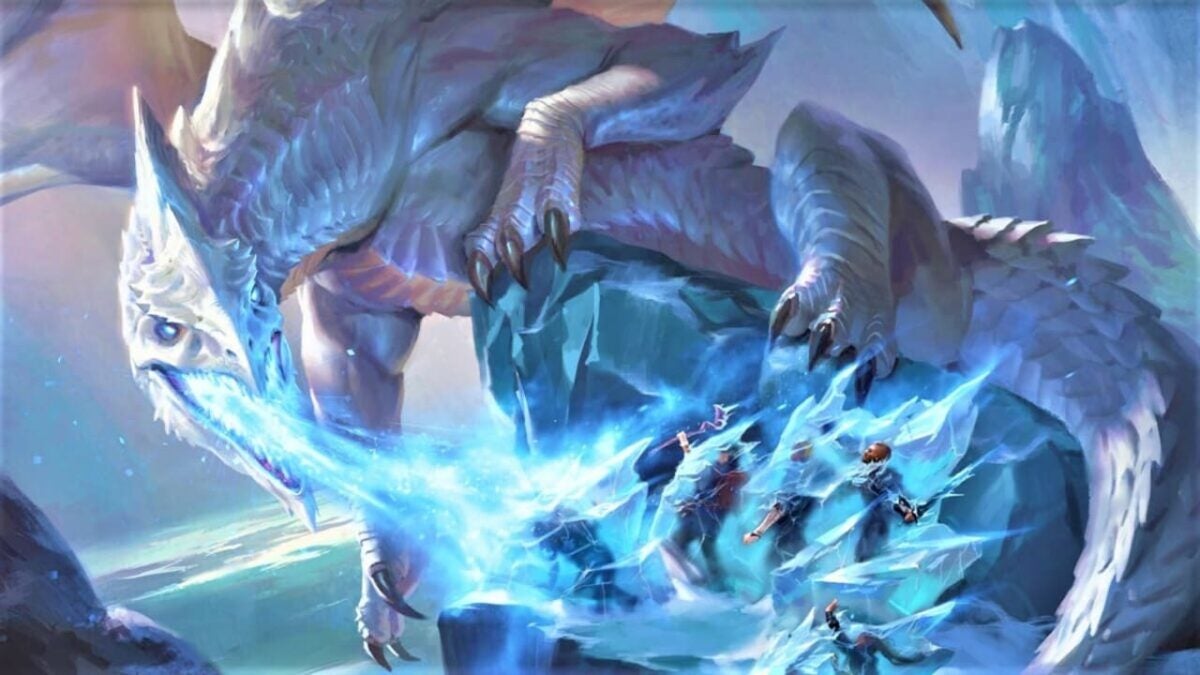
Dungeons & Dragons has defined modern fantasy in a way we haven’t seen since The Lord of the Rings. It has directly or indirectly influenced the imagination of millions of people to such an extent that when we think of fantasy, we think in the terms first conceived by J.R.R. Tolkien and later embraced by Gary Gygax, the original creator of Dungeons & Dragons, more than any other pair of authors we can imagine. And unsurprisingly, in addition to the importance of dungeons and exploring them, the other thing that wasn’t as significant in fantasy before its existence was dragons.

Dragons have always existed in fiction and mythology, playing significant roles. However, it was Dungeons & Dragons, in particular, that made them the centerpiece of fantasy. That’s why it’s so fascinating that Wizards of the Coast, the company behind the game, has decided to publish a book dedicated to our fiercest adversaries and, on occasion, our most intriguing allies and patrons.
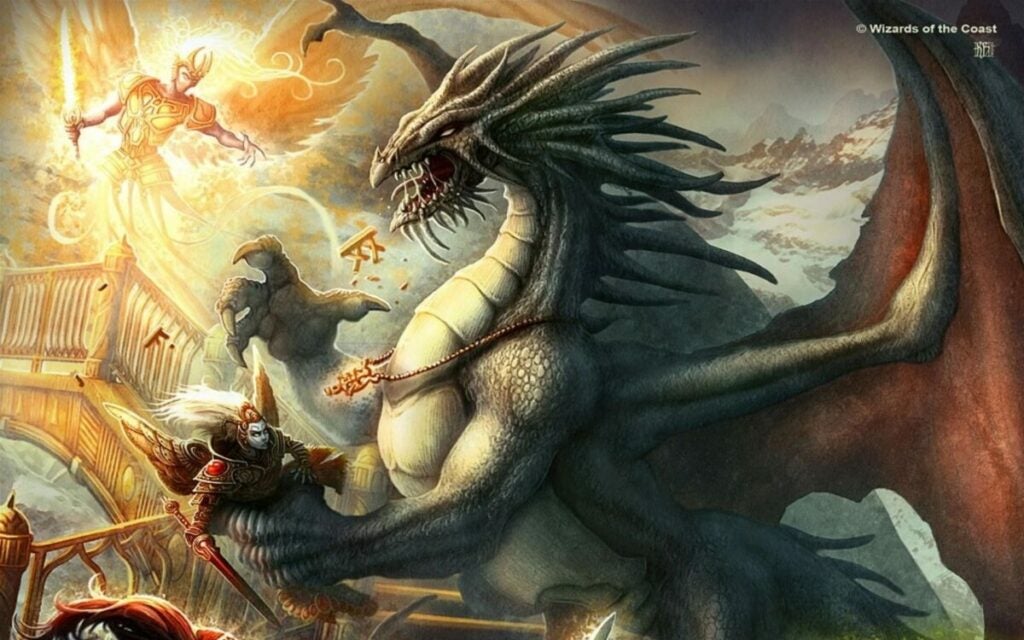
Fizban’s Treasury of Dragons is a 224-page book that aims to expand upon everything we know about dragons and how to use them in our Dungeons & Dragons campaigns. It focuses particularly on how dragons fit into each of the game’s worlds, their purposes, and how the different creation myths associated with them in each world align with the true creation myth detailed in the book. It wants to demonstrate from the very beginning the central importance these creatures hold in the game’s cosmology, not only as antagonists but also as entities that literally shape the world.
All of this translates into new possibilities for players as well. With rules for creating characters who are dragon worshippers or hunters, who have dragon ancestry, who derive their powers from dragons, and even spells related to these most reptilian of creators, Fizban’s Treasury of Dragons ensures that it is possible to introduce these creatures at all levels of the game, both from the player’s and the Dungeon Master’s perspectives. This adds depth and flavor to the overall experience, providing a unique tool for gaming tables that want to incorporate a more draconic touch into their campaigns.
Adding to its appeal, beyond rules and numbers, the book is filled with details about the differences between dragons. A metallic dragon with tendencies towards good is not the same as a chromatic dragon with tendencies towards evil, and within each of these categories, each subspecies also exhibits significant variations in character and preferences. All of this is meticulously explored, even providing maps of what their average lairs would look like based on dragon type, providing comprehensive details that differentiate between the various classes of dragons.
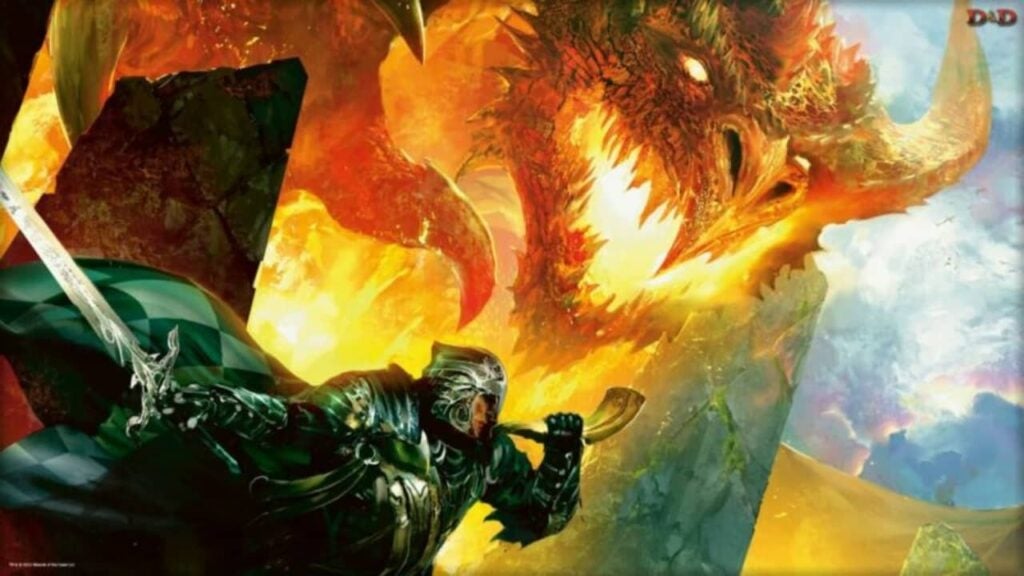
Practically all dragons share characteristics of longevity, wisdom, and a fondness for treasures, but Fizban’s Treasury of Dragons emphasizes that each class of dragon has its own unique approach. Furthermore, the book emphasizes that as dragons age, they are more likely to have ambitions and interests that extend beyond mere accumulation of wealth, even beyond the comprehension of mere mortals.
In addition, Wizards of the Coast takes a daring leap in this book by introducing a third type of dragon: gem dragons. More focused on psionic powers rather than magic, seeking to maintain balance in the multiverse, and positioning themselves as judges and mediators, gem dragons are an interesting inclusion because they break the mold of dragons being either wise heroes or ultimate villains. They are mysterious, enigmatic beings, whose inclusion in any campaign automatically adds a much more exotic touch to any adventure involving them.
Fizban’s Treasury of Dragons is a fascinating read, even for those who don’t play Dungeons & Dragons. Players will find valuable resources in the book if they want to incorporate dragons into their stories in any capacity. For those who don’t play but are interested in role-playing or want to learn how to play Dungeons & Dragons, the book is filled with ideas that help understand the motivations and roles of dragons in a deeper way. That’s the brilliance of this book. It recognizes the importance of dragons in Dungeons & Dragons and not only places them where they belong but also elevates them to an even higher level.
Some of the links added in the article are part of affiliate campaigns and may represent benefits for Softonic.