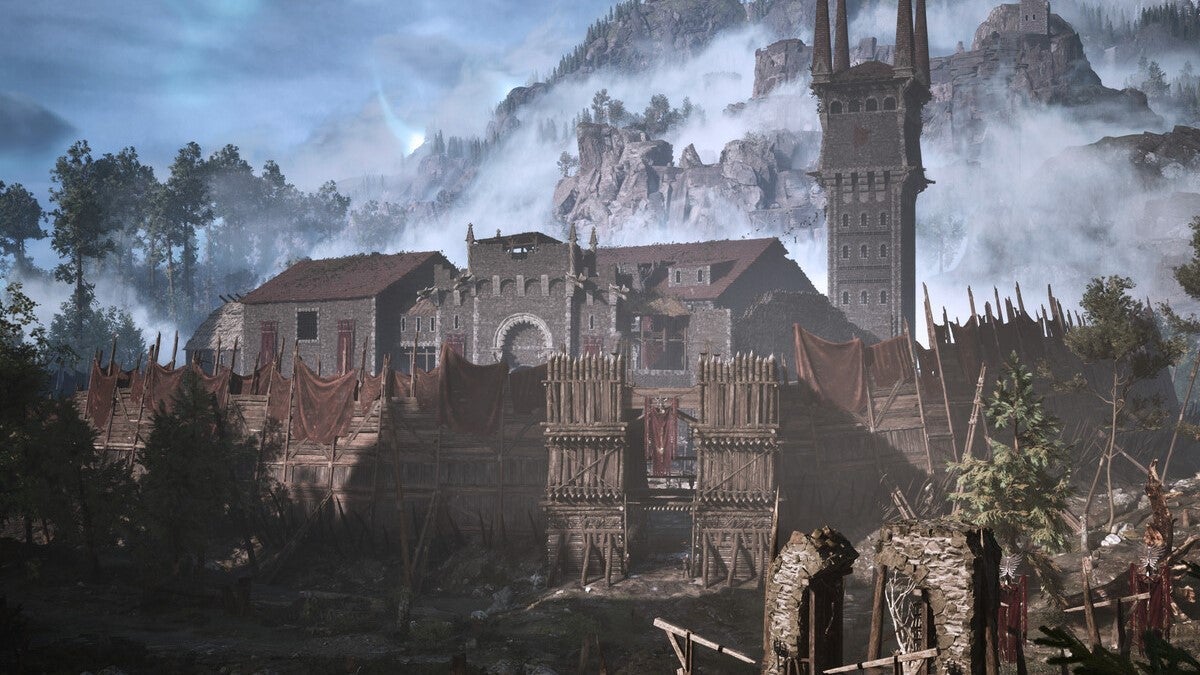
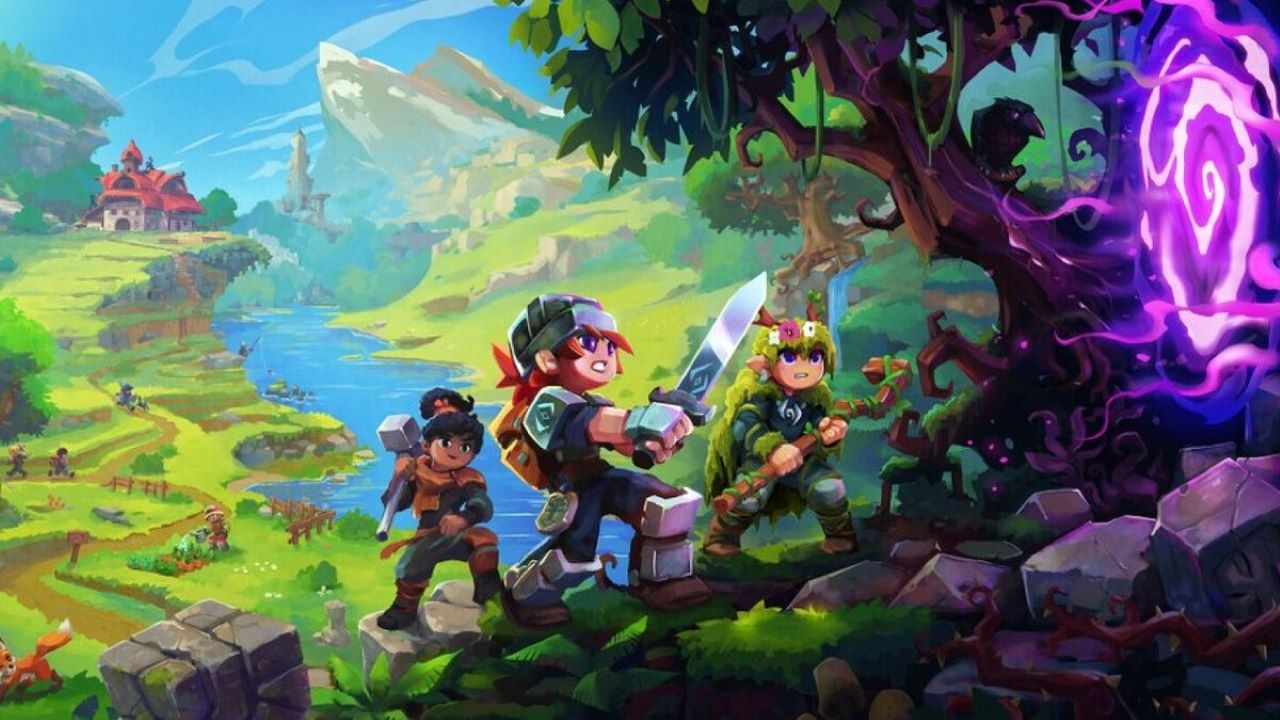
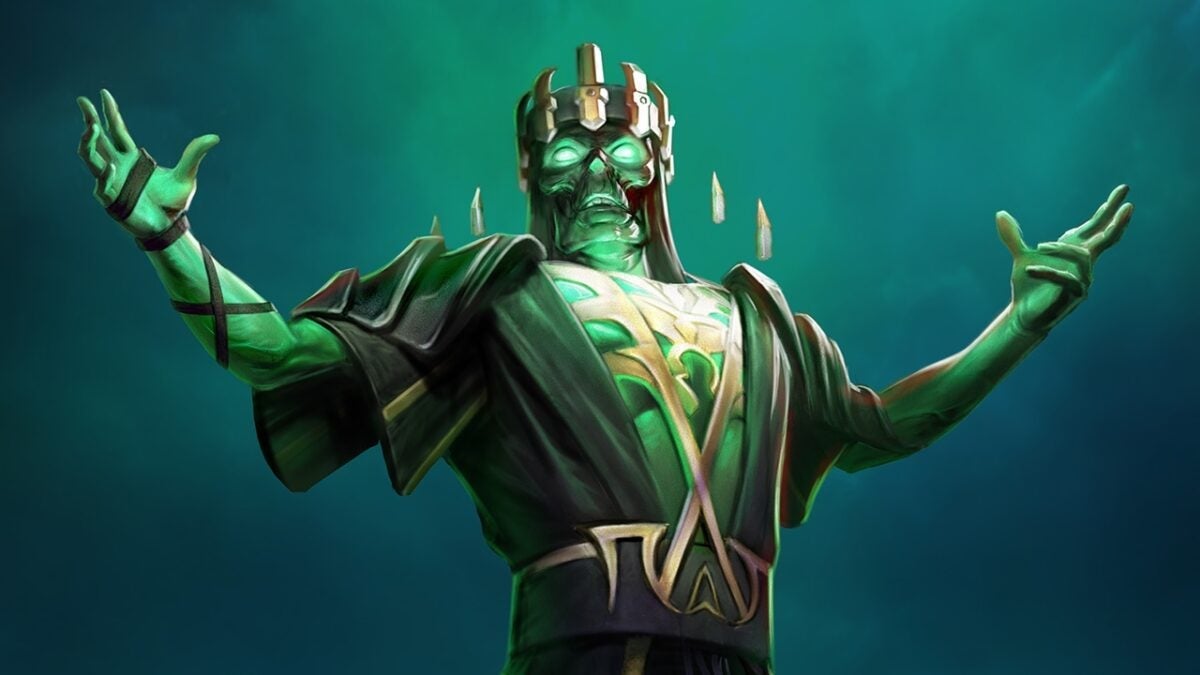
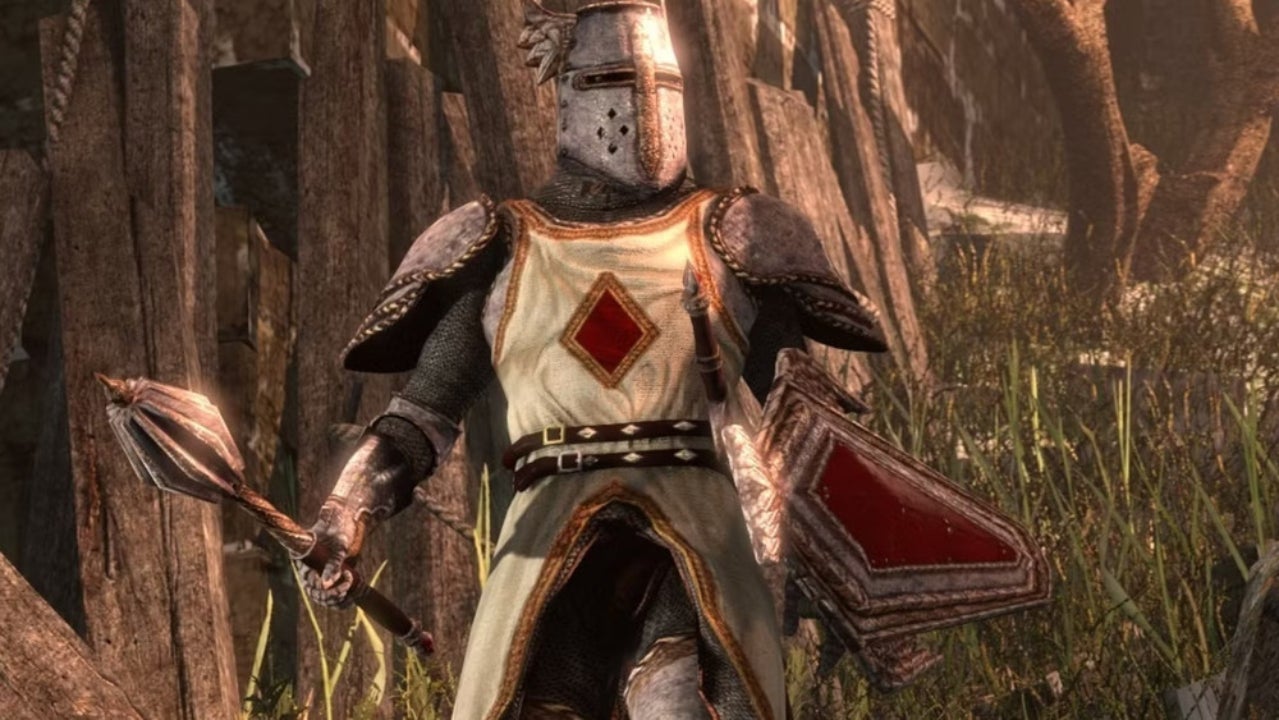
The highly anticipated remake of Gothic, developed by Alkimia Interactive, promises to maintain the authenticity and immersion of the original game, released over two decades ago. One of the most notable decisions is the absence of a minimap, forcing players to explore the game world in a more organic and realistic way. “You have to open your map if you want to know where you are,” says Reinhard Pollice, the game’s director. This choice aims to honor the essence of a game that already laid the foundations of European RPGs. No “quality of life” improvements. Additionally, the team behind the remake has […]
One of the most notable decisions is the absence of a minimap, forcing players to explore the game world in a more organic and realistic way. “You have to open your map if you want to know where you are,” says Reinhard Pollice, the game’s director. This choice aims to honor the essence of a game that already laid the foundations of European RPGs.
No improvements in “quality of life”
Additionally, the team behind the remake has done a complete rewrite of the English version, aiming to better reflect the working-class tone present in the original German narrative. This rewrite seeks to attract an English-speaking audience that may not have connected with the title at its initial release.
The new mission log system has also been significantly improved, offering players an objective view option, which allows for easier navigation through tasks without sacrificing the immersive experience that characterizes Gothic. Although additional activities were considered to enrich the gameplay, Pollice noted that they were not necessary for the core experience of the game.
The crafting mechanics have received a notable expansion. Not only has the weapon forging system been renewed, but a new alchemy system and cooking recipes have also been included. The interaction with NPCs will be another strong point, as they will exhibit detailed behaviors, such as daily activities that further enrich the game environment.
During the recent Xbox Partner Preview, a new game titled Hunter: The Reckoning – Deathwish was officially announced, which will take place in the streets of New York. This title is set to be released in the third quarter of 2027 and promises to combine elements of role-playing, stealth, and a narrative where every player action will have significant consequences. Fighting against vampires and werewolves In Hunter: The Reckoning – Deathwish, players take on the role of a hunter who must confront their own ghosts from the past. From an old bar that serves as a refuge, players will be able to track […]
During the recent Xbox Partner Preview, a new game titled Hunter: The Reckoning – Deathwish was officially announced, which will take place in the streets of New York. This title is set to be released in the third quarter of 2027 and promises to combine elements of role-playing, infiltration, and a narrative where every player action will have significant consequences.
Fighting against vampires and werewolves
In Hunter: The Reckoning – Deathwish, players take on the role of a hunter who must confront their own ghosts from the past. From an old bar that serves as a refuge, players will be able to track their prey through infiltration, hacking, and threat tactics, also leveraging a specialized arsenal of weapons. The focus on teamwork with fellow hunters, each with unique skills and personal experiences, adds an extra level of strategy to the game.
However, the development and release of the game may be affected by recent financial issues of the publisher Nacon, which is in a state of insolvency. Although the release is scheduled for more than three years in the future, this financial uncertainty worries those following the Teyon project, the studio responsible for the development. Teyon has previously succeeded with titles based on licensed properties, generating positive expectations around this new release.
Despite the doubts about Nacon’s future, the gaming community is enthusiastic about the new announcement, especially considering Teyon’s history with games like Robocop: Rogue City and Terminator: Resistance.The ambition to include role-playing elements in Hunter: The Reckoning – Deathwish could be an exciting step and well-received by fans of the genre.
On February 25, the French independent studio Nerial will launch Reigns: The Witcher on Steam and GOG, a game that adapts the popular Reigns series to the universe of The Witcher. This collaboration with CD Projekt Red promises to offer an experience that respects the characters and narrative of the original video games, allowing players to interact with iconic figures like Geralt, Yennefer, Triss, and Regis. The Tinder mechanics applied to a greater good The new title introduces a decision-making system that influences Geralt’s popularity among different communities and his commitment to the hunter’s path […]
On February 25, the independent French studio Nerial will launch Reigns: The Witcher on Steam and GOG, a game that adapts the popular Reigns series to the universe of The Witcher.
This collaboration with CD Projekt Red promises to offer an experience that respects the characters and narrative of the original video games, allowing players to interact with iconic figures such as Geralt, Yennefer, Triss, and Regis.
The mechanics of Tinder applied to a greater good
The new title introduces a decision-making system that influences Geralt’s popularity among different communities and his commitment to the monster hunter path.
Every choice the player makes will affect four metrics that will measure their acceptance among humans, non-humans, and mages, as well as their status in monster hunting. This approach aims to align the game with the conflict present in the saga, where Geralt must balance his relationship with hostile factions and his own survival.
Additionally, Reigns: The Witcher incorporates a rhythmic minigame for fights, where the player must dodge attacks and strike their opponent, thus improving gameplay compared to previous versions of Reigns.
In a recent game test, the developers indicated that the combat system feels particularly suitable for portable devices like the Steam Deck, where it has been verified by Valve as compatible.
The narrative is enriched through the inclusion of various mythologies and tragedies that shape new stories within the world of The Witcher. Among the additional elements, it is mentioned that the developers have drawn inspiration from French mythologies, incorporating characters like a tarasque and guiding the story through ballads narrated by Dandelion.
With Reigns: The Witcher, Nerial seeks to expand the lore of The Witcher universe while maintaining the essence of its own gameplay mechanics. This title promises to be both a new adventure for Geralt fans and a fresh experience for lovers of the Reigns series.
Hytale will be released tomorrow in early access, marking the end of a development that has lasted six years. Acquired by Riot Games, the title has generated notable anticipation since its announcement in 2018, having evolved from a popular Minecraft server to an ambitious role-playing project. According to Simon Collins-Laflamme, known as Simon Hypixel, more than a million players are expected to connect to the game at its launch, which could overwhelm the servers, so the developers urge users to download the launcher in advance. An appealing price This voxel aesthetic RPG combines […]
Hytale will launch tomorrow in early access, marking the end of a development that has lasted six years. Acquired by Riot Games, the title has generated significant anticipation since its announcement in 2018, having evolved from a popular Minecraft server to an ambitious role-playing project. According to Simon Collins-Laflamme, known as Simon Hypixel, more than a million players are expected to connect to the game at its launch, which could overwhelm the servers, so developers urge users to download the launcher in advance.
An appetizing price
This voxel-style RPG combines building and creativity in the style of Minecraft, while integrating exploration, combat, and the possibility of delving into dungeons filled with creatures. Early access will be available from a base price of 20 euros on the official game website. Although the version being released is considered early by the developers, the anticipation to discover what Hytale offers is palpable among the gaming community.
In their efforts to manage the massive influx of users, Collins-Laflamme has shared a message on Twitter, asking players to log in and be ready for launch day. The story of Hytale’s development is one of an unlikely success, as the studio’s founders managed to buy back their rights from Riot Games after being acquired six years ago, and now they are ready to present their long-awaited creation to the world.
For those interested in exploring the game before purchasing early access, the developers have uploaded several gameplay snippets and mechanics on the official Hytale YouTube channel. However, the most reasonable option may be to wait until the title is available online and, thus, enjoy the streams that may arise on launch day.
RuneScape has reached an impressive milestone by turning 25 years old since its launch on January 4, 2001. This MMORPG, which started as a browser game developed by two brothers in their family home, has maintained its relevance in the video game industry, a rare achievement in such a competitive and ever-evolving market. A game that has notably evolved over the years Throughout its existence, RuneScape has undergone multiple changes in its engine and graphics, but it has managed to keep the essence of the original game. With two operational versions, modern RuneScape […]
RuneScape has reached an impressive milestone by turning 25 years old since its launch on January 4, 2001. This MMORPG, which started as a browser game developed by two brothers in their family home, has maintained its relevance in the video game industry, a rare achievement in such a competitive and ever-evolving market.
A game that has evolved significantly over the years
Throughout its existence, RuneScape has undergone multiple changes in its engine and graphics, but it has managed to maintain the essence of the original game. With two operational versions, modern RuneScape and Old School RuneScape, the title offers players different experiences: the first with constant updates and a more modern approach, and the second that preserves the retro style of the game as it was in 2007. This duality has allowed RuneScape to evoke nostalgia among its players, as well as demonstrated Jagex’s willingness to listen to the voices of its community.
One of the features that distinguishes RuneScape from other contemporary MMORPGs is its emphasis on free exploration and player autonomy, unlike titles like Final Fantasy XIV, which focus on fixed narratives. In RuneScape, players are free to forge their own story, choosing from over 20 skills and facing challenges at their own pace.
Jagex’s commitment to its player base has been evident, especially in 2025, when the company launched a vote to eliminate microtransactions following growing user frustration. This focus on community feedback has strengthened loyalty to the game, leaving the door open for RuneScape to remain relevant for another generation of players for the next 25 years.
The debate about what defines a role-playing game (RPG) has resurfaced thanks to recent comments from Emil Pagliarulo, a veteran of Bethesda Game Studios, in an interview with GamesRadar+. Pagliarulo emphasized that there is no single definition for RPGs, which has led to numerous discussions among developers and players. Although elements like leveling systems, skills, and customizable characters are common features in the genre, many developers also incorporate elements from other genres, further complicating the delineation of the term. An RPG can be many things The evolution of the RPG concept is a topic […]
The debate about what defines a role-playing game (RPG) has resurfaced thanks to recent comments from Emil Pagliarulo, a veteran of Bethesda Game Studios, in an interview with GamesRadar+. Pagliarulo emphasized that there is no single definition for RPGs, which has led to numerous discussions among developers and players. While elements like leveling systems, skills, and customizable characters are common features in the genre, many developers also incorporate elements from other genres, further complicating the delineation of the term.
An RPG can be many things
The evolution of the RPG concept is a topic that Pagliarulo points out as constant, with contemporary examples like Cyberpunk 2077 and The Outer Worlds 2. In these titles, the narrative and player decisions play a crucial role, challenging traditional definitions of the genre. “What we really learned between Fallout 4 and Starfield is that there is no single definition of an RPG,” Pagliarulo stated, adding that some players don’t even consider Cyberpunk 2077 as such.
The fact that Bethesda is working on Elder Scrolls 6 also raises expectations about how this next installment will develop within the framework of an RPG. According to Todd Howard, it can be confirmed that Elder Scrolls 6 “definitely” will feature more trees than Skyrim, which adds an element of intrigue about the location of the new game. Despite the ongoing debate about the definition of the genre, what is clear is that Bethesda is focused on providing a quality narrative, an aspect that many consider essential in the RPG experience.
With this reflection, the gaming community eagerly awaits news about Elder Scrolls 6, which promises to continue the tradition of one of the best RPGs of all time.
Randy Pitchford, director of Gearbox, has been a prominent figure in the development of the looter shooter genre, highlighting Borderlands as the pioneer in this category. In a recent interview with GamesRadar+ during Gamescom 2025, Pitchford described Borderlands as a unique blend of shooter and role-playing game, noting that the title represents “a place between two things that do not belong together.” This uniqueness has not only defined the game but also the identity of a genre that many have tried to emulate. A person whose last name is Humility The impact of Borderlands was profound and its unexpected success has […]
Randy Pitchford, director of Gearbox, has been a prominent figure in the development of the looter shooter genre, highlighting Borderlands as the pioneer in this category. In a recent interview with GamesRadar+ during Gamescom 2025, Pitchford described Borderlands as a unique blend of shooter and role-playing game, noting that the title represents “a place between two things that do not belong together”. This uniqueness has not only defined the game but also the identity of a genre that many have tried to emulate.
A person whose last name is Humility
The impact of Borderlands was profound and its unexpected success has surprised many in the industry. “The industry as a whole expected Borderlands to be a passing success, and its durability has been somewhat humbling for me,” Pitchford said. This prolonged interest has led other developers to create their own titles within the same realm, although Pitchford warns that some of these games have distorted the fundamental formula of the looter shooter too much, resulting in less satisfying experiences for players.
Despite the deviations that some developers have taken, Pitchford is excited that his success has fostered the creation of a new genre. However, he emphasizes the importance of maintaining the key elements that make the looter shooter appealing. “When people distort it too much, it doesn’t work,” he said, referring to what he considers the fundamentals of the genre.
Looking to the future, Pitchford referred to Borderlands 4, suggesting it could be priced up to $200, although he himself wished it were free so that more people could enjoy it. “You can’t find a better value in the world for any kind of entertainment,” he added. His enthusiasm for the upcoming title reflects not only confidence in its legacy but also a desire to make the game accessible to a wider audience.
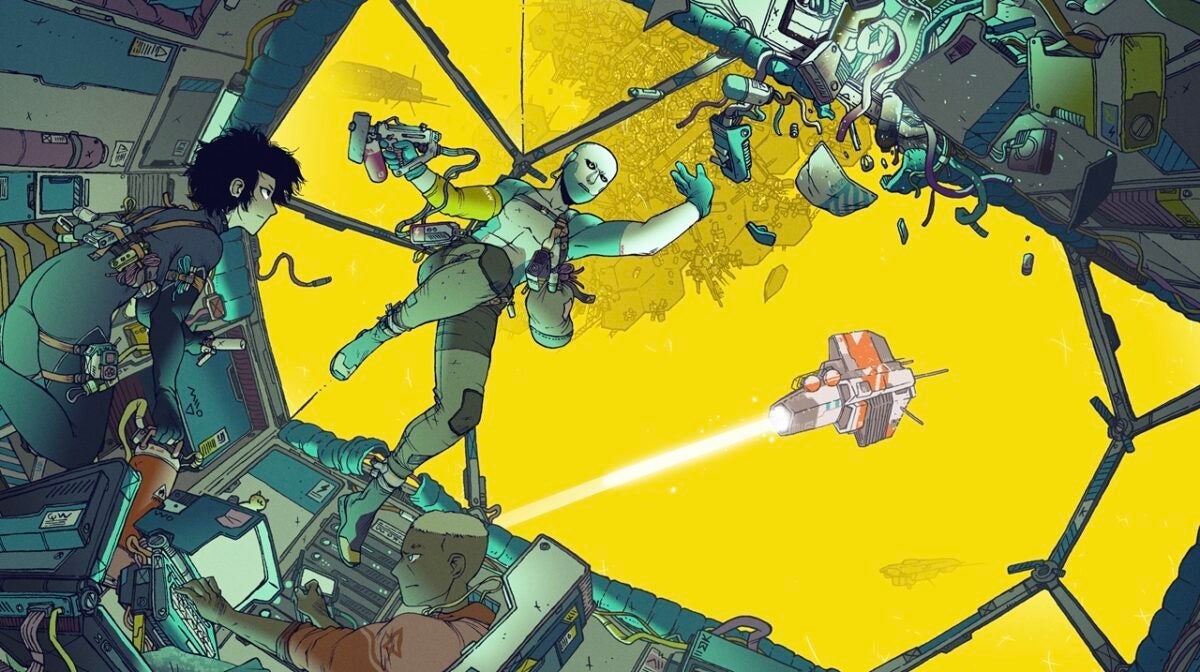
The acclaimed science fiction role-playing video game, Citizen Sleeper, has celebrated its third anniversary with a special initiative for its player community. Developed by Jump Over The Age, the title has received an impressive 93% rating on Steam, based on 6,416 reviews, establishing itself as a memorable experience within the genre. As part of this celebration, the developers have released an official board game titled Citizen Sleeper: Spindlejack, which is available for free download on the Jump Over The Age website. This board game is a single-player experience that […]
The acclaimed science fiction role-playing game, Citizen Sleeper, has celebrated its third anniversary with a special initiative for its player community. Developed by Jump Over The Age, the title has received an impressive rating of 93% on Steam, based on 6,416 reviews, establishing itself as a memorable experience within the genre.
As part of this celebration, the developers have released an official board game titled Citizen Sleeper: Spindlejack, which is available for free download on the Jump Over The Age website. This board game is a single-player experience that requires some simple materials: 10 six-sided dice, a pencil, an eraser, and some counters.
Set in the same universe as the video game, Spindlejack invites players to navigate intersections, make deliveries, and build a reputation in a hostile system. This role-playing proposal focuses on tough decisions and an emerging narrative, elements that have been highly valued by fans of Citizen Sleeper, ensuring a rich and engaging experience.
In this board game, participants will have to strive to become legends at the Far Spindle station, earning Cryo and leaving their mark in the competitive world of messaging. In addition to providing an accessible way to dive back into the universe of Citizen Sleeper, Spindlejack stands out for successfully adapting the essence of the video game to a new platform.
The reception of this initiative has been positive, and many players see it as an attractive gift that reflects the studio’s appreciation for its community. With such success, there is a possibility that Jump Over The Age will further expand its universe, although details about future projects have not yet been confirmed.
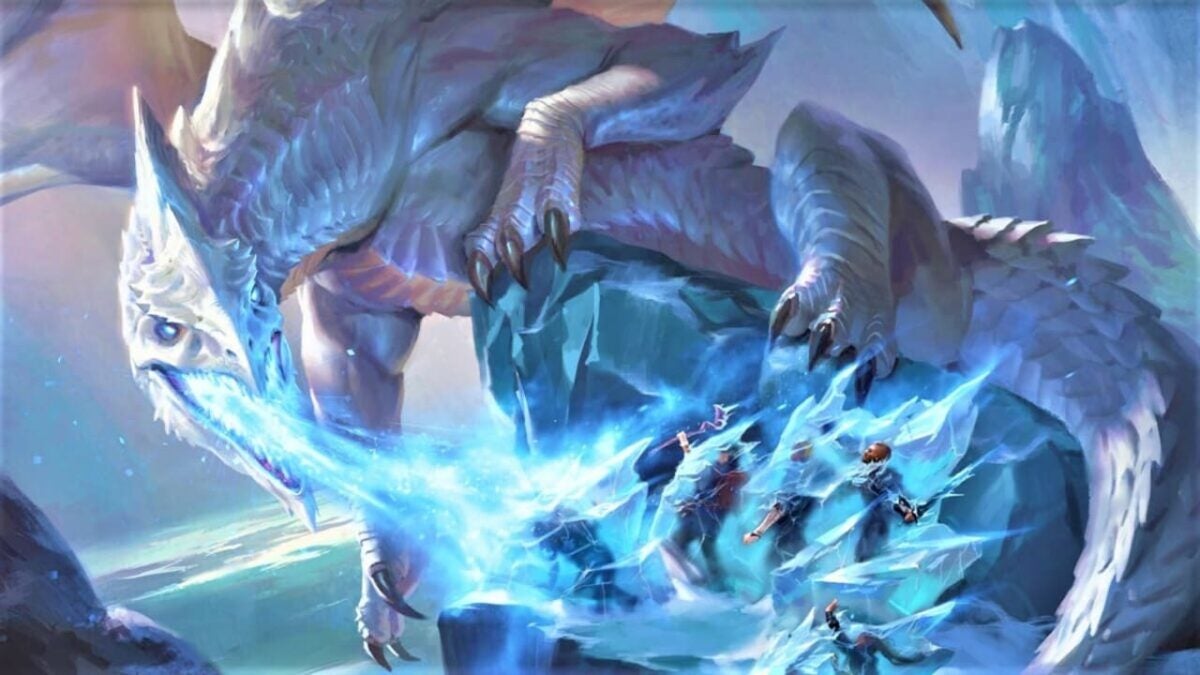
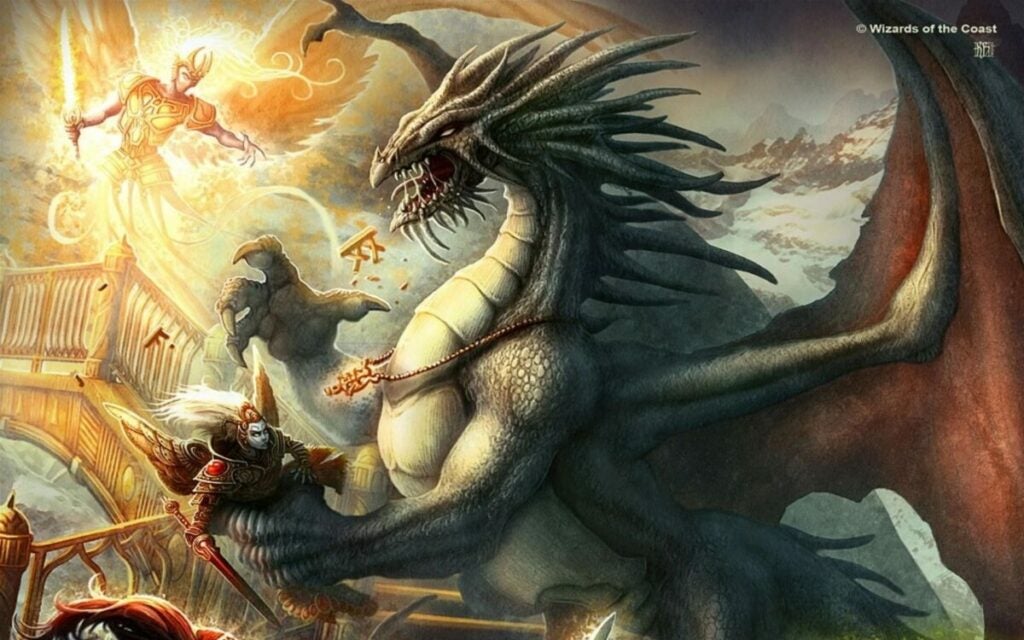
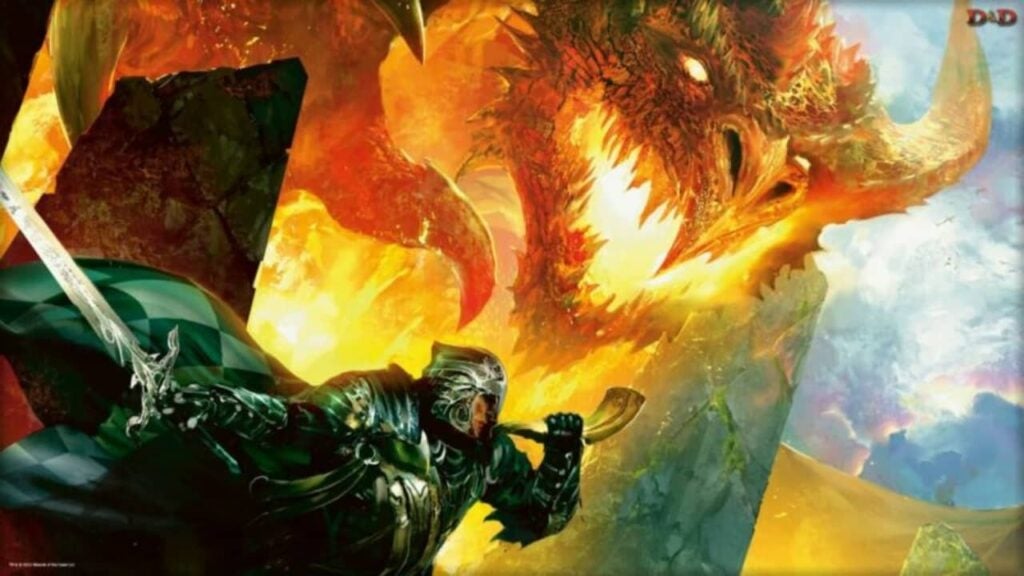
Dungeons & Dragons continues to expand with new books, this time with one that teaches us all the secrets about dragons.
Dungeons & Dragons has defined modern fantasy in a way we haven’t seen since The Lord of the Rings. It has directly or indirectly influenced the imagination of millions of people to such an extent that when we think of fantasy, we think in the terms first conceived by J.R.R. Tolkien and later embraced by Gary Gygax, the original creator of Dungeons & Dragons, more than any other pair of authors we can imagine. And unsurprisingly, in addition to the importance of dungeons and exploring them, the other thing that wasn’t as significant in fantasy before its existence was dragons.
Dragons have always existed in fiction and mythology, playing significant roles. However, it was Dungeons & Dragons, in particular, that made them the centerpiece of fantasy. That’s why it’s so fascinating that Wizards of the Coast, the company behind the game, has decided to publish a book dedicated to our fiercest adversaries and, on occasion, our most intriguing allies and patrons.
Fizban’s Treasury of Dragons is a 224-page book that aims to expand upon everything we know about dragons and how to use them in our Dungeons & Dragons campaigns. It focuses particularly on how dragons fit into each of the game’s worlds, their purposes, and how the different creation myths associated with them in each world align with the true creation myth detailed in the book. It wants to demonstrate from the very beginning the central importance these creatures hold in the game’s cosmology, not only as antagonists but also as entities that literally shape the world.
All of this translates into new possibilities for players as well. With rules for creating characters who are dragon worshippers or hunters, who have dragon ancestry, who derive their powers from dragons, and even spells related to these most reptilian of creators, Fizban’s Treasury of Dragons ensures that it is possible to introduce these creatures at all levels of the game, both from the player’s and the Dungeon Master’s perspectives. This adds depth and flavor to the overall experience, providing a unique tool for gaming tables that want to incorporate a more draconic touch into their campaigns.
Adding to its appeal, beyond rules and numbers, the book is filled with details about the differences between dragons. A metallic dragon with tendencies towards good is not the same as a chromatic dragon with tendencies towards evil, and within each of these categories, each subspecies also exhibits significant variations in character and preferences. All of this is meticulously explored, even providing maps of what their average lairs would look like based on dragon type, providing comprehensive details that differentiate between the various classes of dragons.
Practically all dragons share characteristics of longevity, wisdom, and a fondness for treasures, but Fizban’s Treasury of Dragons emphasizes that each class of dragon has its own unique approach. Furthermore, the book emphasizes that as dragons age, they are more likely to have ambitions and interests that extend beyond mere accumulation of wealth, even beyond the comprehension of mere mortals.
In addition, Wizards of the Coast takes a daring leap in this book by introducing a third type of dragon: gem dragons. More focused on psionic powers rather than magic, seeking to maintain balance in the multiverse, and positioning themselves as judges and mediators, gem dragons are an interesting inclusion because they break the mold of dragons being either wise heroes or ultimate villains. They are mysterious, enigmatic beings, whose inclusion in any campaign automatically adds a much more exotic touch to any adventure involving them.
Fizban’s Treasury of Dragons is a fascinating read, even for those who don’t play Dungeons & Dragons. Players will find valuable resources in the book if they want to incorporate dragons into their stories in any capacity. For those who don’t play but are interested in role-playing or want to learn how to play Dungeons & Dragons, the book is filled with ideas that help understand the motivations and roles of dragons in a deeper way. That’s the brilliance of this book. It recognizes the importance of dragons in Dungeons & Dragons and not only places them where they belong but also elevates them to an even higher level.
Some of the links added in the article are part of affiliate campaigns and may represent benefits for Softonic.
Surely more than once, tired of always playing a Catan, a Carcassonne or a Trivial, you have thought about getting started in role-playing games.
Using the magic staff you found in the realm of Folvendat, you make your way through the enemies across all dimensions and stand before the door to Avernus. The door is red and heavy, and from within it comes a stinking stench, pure sulfur. Not even Fertrenn’s enhanced eyesight can see beyond it. When you try to open it you find that it is locked tight, protected by Idilssur’s spell,and the magic staff begins to lose strength and power. What do you do?
Un programa gratuito para Android, creado por TwinCoders.
What you need to play role
Surely more than once, tired of always playing a Catan, a Carcassonne or a Trivial, you have thought about getting started in role-playing games. You’ve seen how they played in ‘E.T’ and ‘Stranger things‘, but you have no idea how to start, what game you should buy, you don’t even know what it is! Don’t worry: keep an eye on your inventory, roll the dice and get ready to maximize your powers, because we’re going to tell you what it is and how to role-play.
When it comes down to it, the most basic things you need are friends, pencil, paper and imagination. After all, a role-playing game is a collaborative story in which one person narrates what happens and the rest of the players act as their characters would, varying the story. But of course, said like that it is not very funny. Therefore, and although there are dozens of variants, it is normal that each character has some associated characteristics.
Whether decided by the player or decided by luck with the dice, the characteristics (strength, intelligence, charisma, etc.), usually added to the result of a die, indicate whether what you want to do is going to work out well or whether you are about to screw up and send everything to hell.
Imagine that you are a powerful warrior with enhanced attack and strength attributes and that, when you want to attack an enemy, you roll the maximum possible: you will not only hit that kobold with a sword, but you will do it better than expected (hitting the henchman next to him, for example). Now, imagine that you are a very intelligent gnome but with a very low attack that wants to hit a guard in the back and, on top of that, the stealth roll is low: it is more likely that instead of hitting him you hit yourself in the foot and, with the scream, you alert the whole castle. Things that happen.
But a lot of numbers have no real interest if your character doesn’t have a life: you must think about where he comes from, what his goal is, his friendships, his enemies, his alignment, his tastes. Come on, create a life out of nothing that you can play and evade reality. You can also create a nine-to-six worker who spends his evenings watching TV and sending WhatsApps, but the role may fall into the “boring” category.
The master’s degree
Okay, you already have your character. You know how he talks, you’ve drawn a picture of him and you’ve even imagined what will be his star phrase (“Eat my sword, knave!”), but he won’t do anything without the master. Call him Game Director, Dungeon Master or Narrator, the system is always the same and what differentiates the role from a regular board game: there is someone who knows what can happen, makes the decisions of the enemies and non-playable characters and holds your destiny in his hands.
There is a rule written in the role that indicates that the final decision of the master is the one that counts: if you have fallen down a ravine and a fire monster has devoured you, don’t try to change its mind while the monster is digesting. It’s time for your companions to mourn the fallen warrior and for you to create a new character. When you arrive ready to play, the master will have already spent several hours preparing the game, so the least you can do is, at least, have a little respect for him and bring the supplies. Keep in mind that an average role-playing game usually lasts about three hours!
Although you, as a player, will have to learn some basic rules (how to investigate, attack, etc.), it is the master who will have to learn most of the manuals to decide in the fairest way possible. He is also the person who will know your secrets and will dose them throughout the games. Note: you can also be a master. The problem is that this is the job to which very few are destined. It is not paid. Literally.
Some games to start with
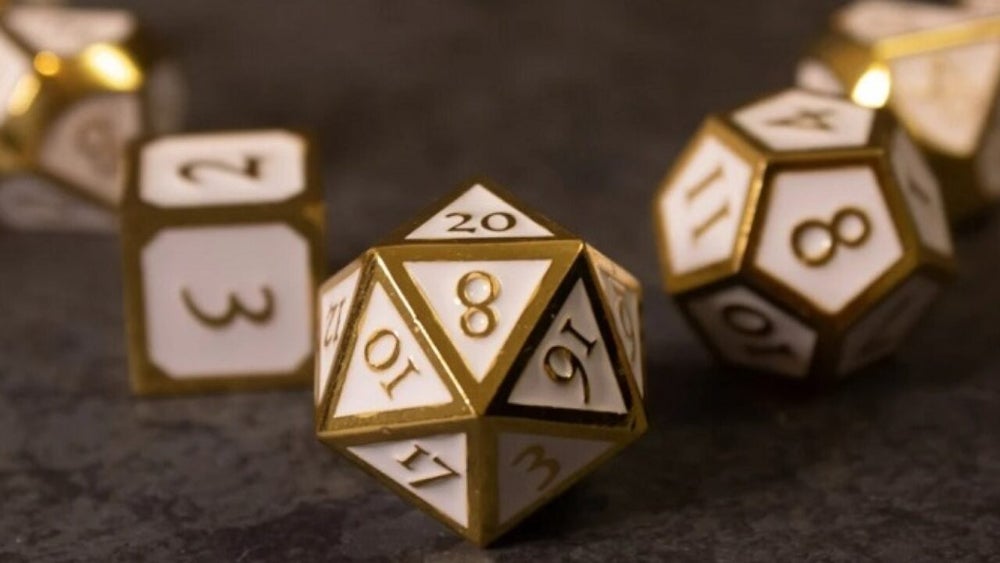
Get a few sets of dice (4, 6, 10, 10, 12 and 20-sided, although there may be more) and decide which game to start with. Surely your head immediately went to ‘Dungeons & Dragons‘, and no wonder: it was the first role-playing game in history 50 years ago and is still the king (as proof, the great ‘The Legend of Vox Machina’ in prime video). But although 5E is much more narrative and simplified, deep down you don’t want to study two manuals of 300 pages each before rolling a single die, do you?
There are other options for simpler games that are no less fun or deep. In fact, D&D itself knows this and that’s why it has a starter box with the simplified manual and a story with which to start rolling dice almost immediately. But why not try other options? ‘Fiasco’, for example, is special because it has no narrator. In it, with very few rules, you can create great stories in a group. Of course, you need a very creative group.
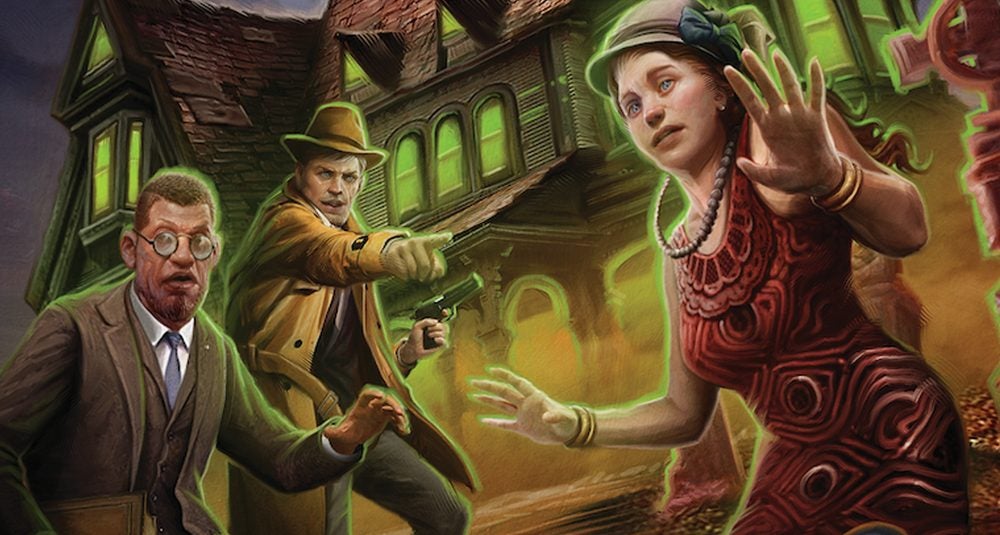
Imagine that you are attracted to the idea of playing role-playing games but set in your own world, only having some basic rules. For that there is ‘FATE Accelerated’, a game with which you can literally play whatever you want. Or, why not, ‘Call of Cthulhu‘, whose rules, once you know them, are not so complex compared to the Lovecraftian mystery adventure it can give you.
There are even role-playing games that only have two pages of rules – you can even make up your own if you have the time! At this point, you can play a game playing practically anything you want, from slashers to soap operas (watch out for ‘Passion of Passions’). If you thought role-playing was just about axe-wielding medieval adventures, you’re very wrong: there’s a whole world out there to play! Don’t get overwhelmed, choose a manual to start with, get your friends together… And let the fun begin.
To finish
Once you have finished your first game, you have a question to solve: Do you intend to end it here or do you want to make a campaign and keep the same characters for years (or days, depending on the expertise and type of game)? If you choose the latter, get ready for adventure, romance, unexpected twists, deaths, friends and battles. Or don’t. You decide, after all, how to spend three hours every week with your friends. Isn’t that the best thing about role-playing?