See E3 2019’s National Videogame Museum Showcase

Step back in time with this cool display of video game history from E3.

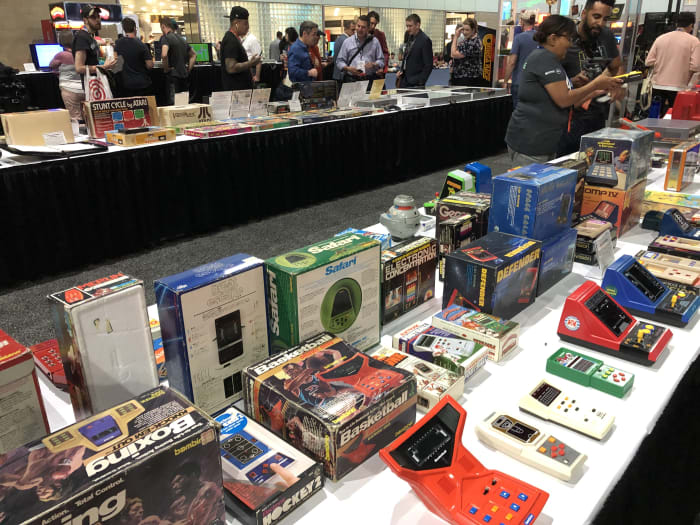
NVMThe National Video Game Museum (NVM) shows up each year at E3 and delivers a huge showcase of games, consoles, and memorabilia from multiple generations of gaming history. Some of these can be seen behind protective glass. Others can be picked up and examined. Many of them are hooked up to power and fully playable! What’s more…

There are often no lines!

With so many people wandering around the convention floor on the hunt for big titles – the next release from Microsoft, Nintendo, Bethesda and more – these consoles are usually available to players at any time. Anyone who appreciates historical video games can walk in, pick up a controller, and hop straight into nostalgia city with little wait!

Except for Ms. Pac Man…everyone wants to play Ms. Pac Man.

That said, let’s talk about the NVM! We have a few pics of the most fascinating games of all time! Please enjoy…

E3 2019’s National Videogame Museum Showcase

DOOOOOOOOOM!
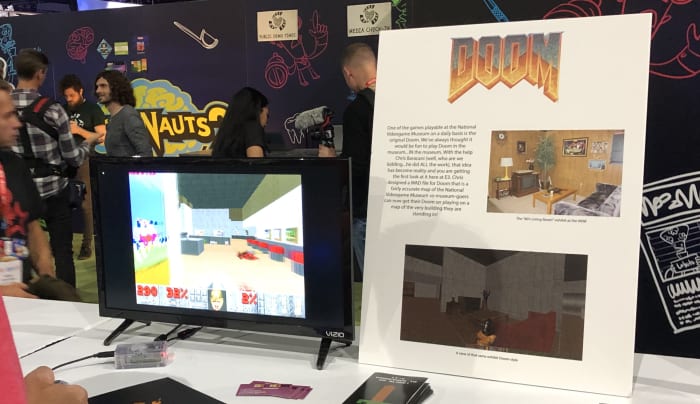
DoomStarting off right, here’s the original Doom!

With Doom: Eternal coming down the line from Bethesda, we wanted to throw a shoutout to the original first-person shooter experience. To this day, it’s still fascinating to watch people run around the cubic world, blasting away the two-dimensional demons of hell.

We’ve come a long way!

I can’t believe how far we’ve come in my lifetime. 1994-2019 from gaming

Mario Kart
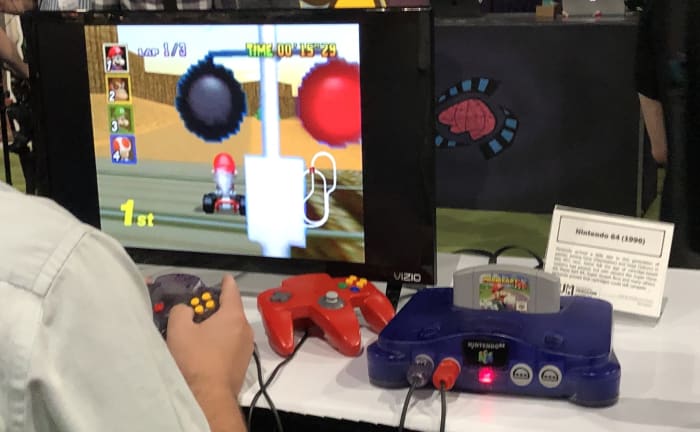
Mario KartNot gonna lie: you get a little star-struck in the face of greatness such as this. We personally love Mario Kart, but began playing in the Gamecube era with Double Dash (which will always be our favorite, let the record state). However, we never expected to be in the presence of the original!

It holds up well. It holds up SO WELL. A game that old shouldn’t be allowed to play that smoothly, or be that fun. It’s humbling, really.
Sonic the Hedgehog: Supersonic Pinball

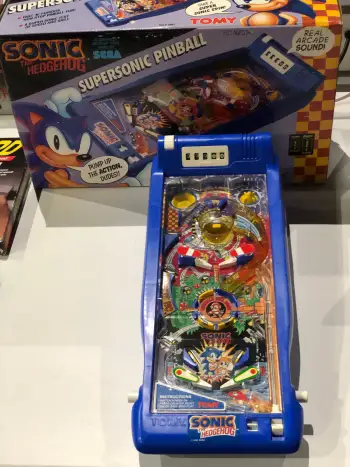
SanicLook at how cute this thing is! Sorry, we forgot a banana for scale, just trust us: it’s adorably small.

It serves as a good reminder: video games weren’t always released as just the video game alone. Back in the day, a huge variety of toys and other merchandise launched around popular titles like this.

Hopefully, with such a lovable legacy, the upcoming movie will do well after the Sonic re-design…

Pong IV: The Console
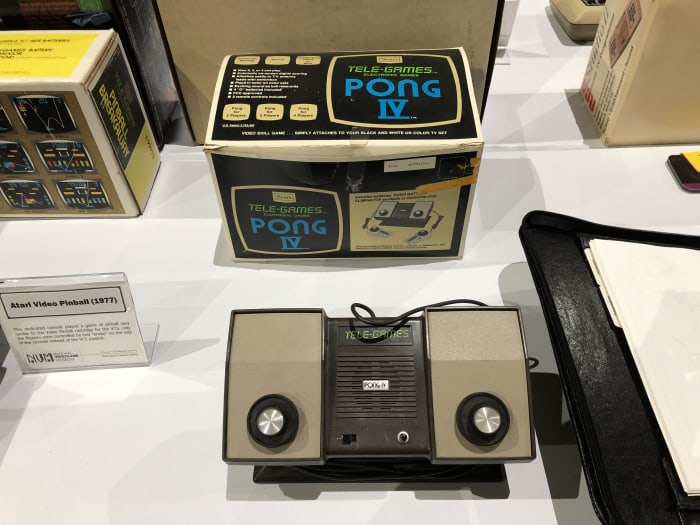
PongAh, “tele-gaming”. Remember that? Because we sure don’t!

If you’re wondering, this console was meant to plug into your black and white, or color television. Oh yeah. It’s so old the box says black and white… OR color television. That’s somehow wonderful, don’t you think?

The Board Games
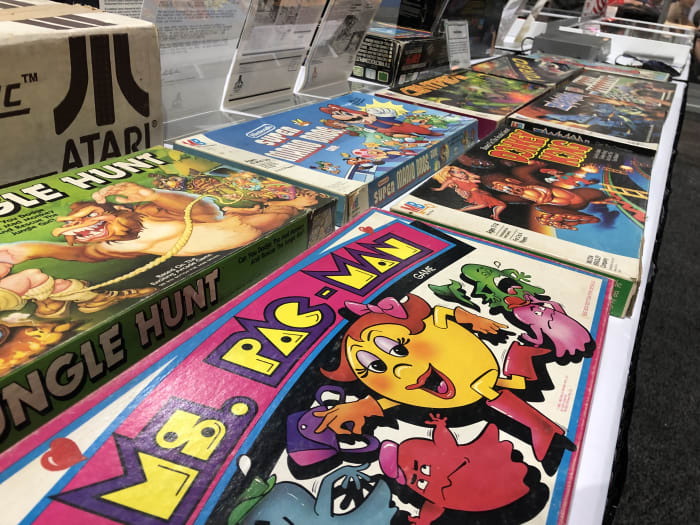
Board GamesIf you think board games = bored games, you’re missing out!

Right near the Sonic pinball game, we found this huge selection of board game adaptions, so many they wouldn’t fit in one photo! Sadly, these are not meant to be played anymore. We can only imagine what kinds of pieces, boards, and rules were to be found inside.

Choose-Your-Own-Adventure Books
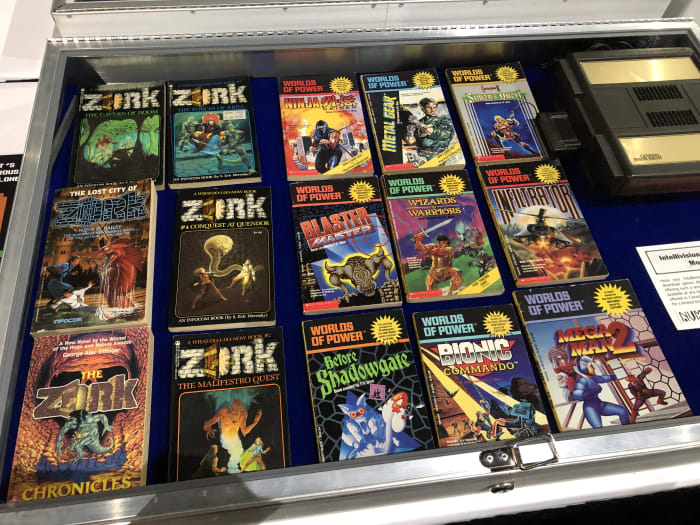
CYOAWhen dinosaurs roamed the earth, sometimes you had to play video games in your head. From Blaster Master to Mega Man 2, there were novels that allowed you play games without a console, using imagination!

The NES and a RED NINTENDO TV
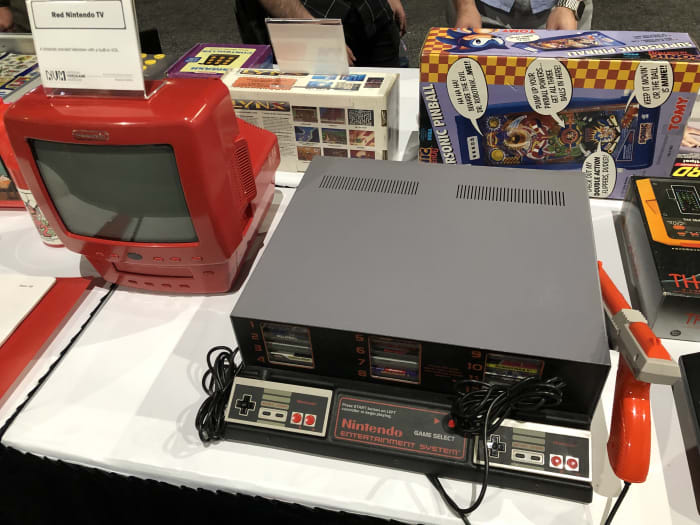
SO COOOOLPerfection.

Taking a step back from the N64 and Mario Kart, we had the original Nintendo Entertainment System (NES). Unfortunately, this one wasn’t turned on at the time, which is a crying shame; considering they had the Zapper light gun, it might have been loaded with Duck Hunt inside!

Duck hunt VR just got real from gaming

Oh, but we aren’t done yet!

On another table, there was actually a playable NES. At the time, we found it open to the next player with Super Mario World loaded up and a number of games sitting nearby. Take your pick, and try not to get too excited!

(Your eyes aren’t deceiving you, that’s Battle Toads)
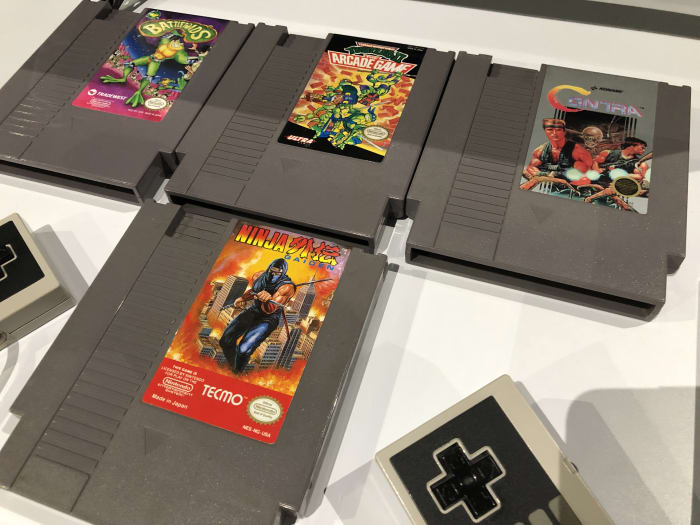
GAMES

Atari Galore

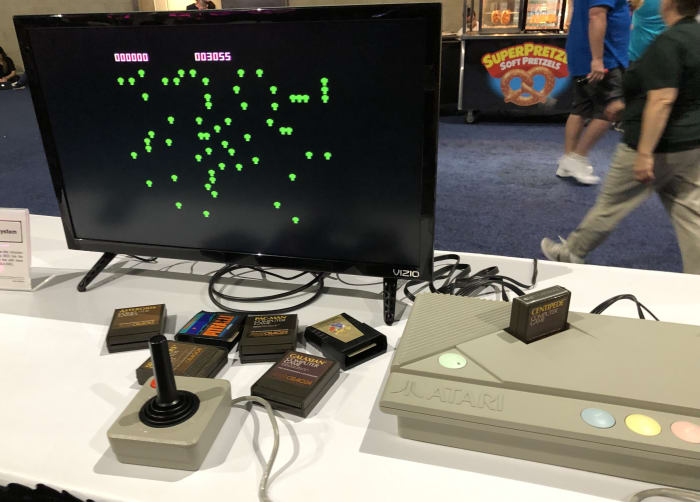
AtariAtari is one of those systems that even modern kids should be able to understand. Even if they didn’t play on the console seen above, they’ve likely enjoyed titles like Centipede, Pac Man, or Asteroids in updated versions. They’re the games that keep on giving! Or, at least, the ones that keep being ported to new devices with fresh graphics.

Still, the National Videogame Museum kindly gave visitors a chance to try them out for real, in their First Form. Aside from Centipede, there were a few others on the table…
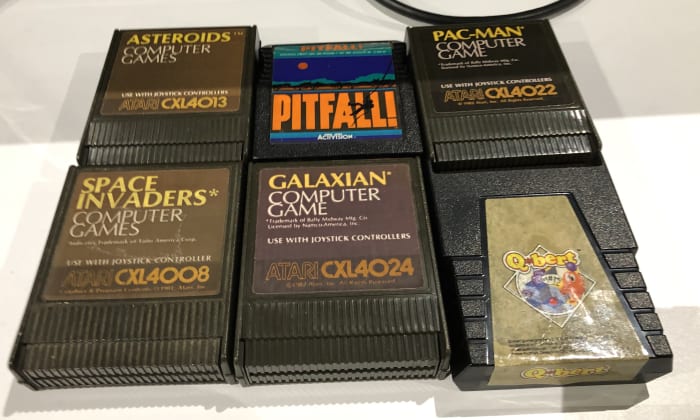
More!Miscellaneous Merch

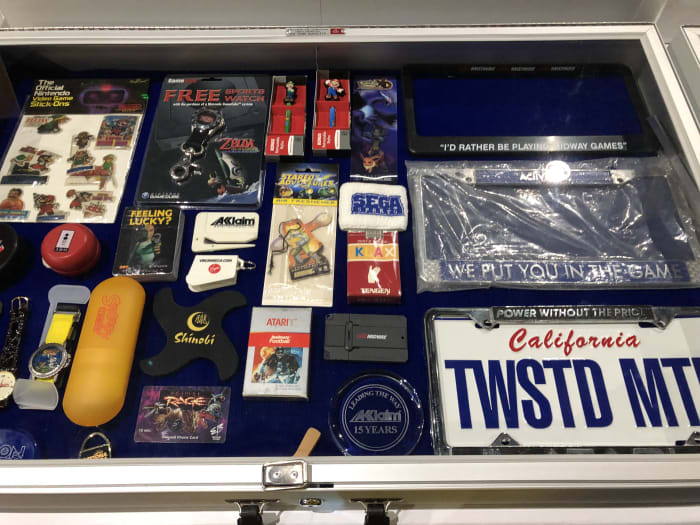
Whoa, Merch!Ready for a little game of “I-Spy”? Good, because here we go:

Even though modern video games release collectibles – the Nintendo Amiibos, for example – they will never be as old and cool and fabulous as these ancient relics. Can you find… the Zelda Watch, free with the purchase of a Gamecube? The “Feeling Lucky?” playing cards themed around Tomb Raider? Maybe the gigantic license plate for Twisted Metal?

Along with those, we were surprised to find an entire case with pins for olden video games. We never really thought of pins as that big a deal until we saw the impressive collection of promotional buttons! Can you find… the “Play Me” Atari pin? The Yoshi’s Island for DS badge? How about the Warner Brother’s Games pin? The “IMB Means Exceptional Service” badge?
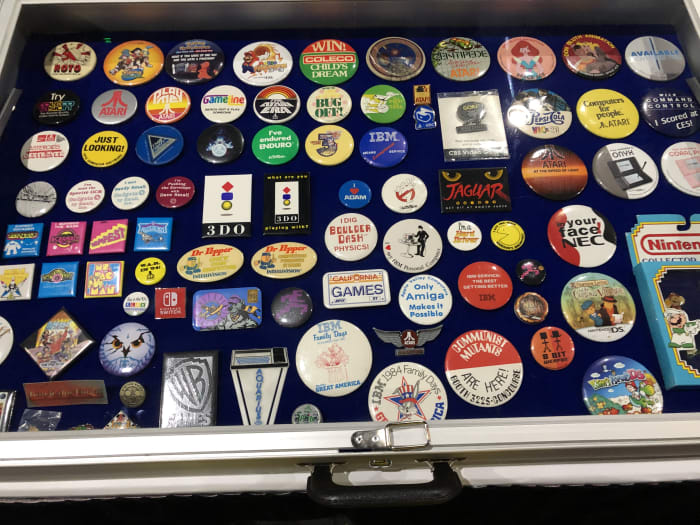
PinsAll the Old Arcade Consoles

From classics to niche titles, the arcade showing was strong:
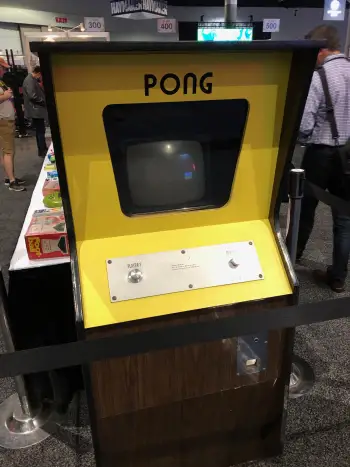
Pong! Again!Yeah, they had the full Pong console as well! Please note, for hilarity’s sake, that each player of this iconic game must use a single knob to move their “paddle” up and down to block the ball. Those were simpler times!
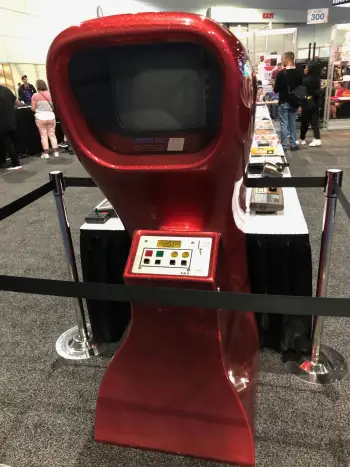
Computer SpaceThis console plays Computer Space (1971), a game that feels like the lovechild of Pong and Asteroids. Unfortunately, it was roped off during E3 and we did not get to play.
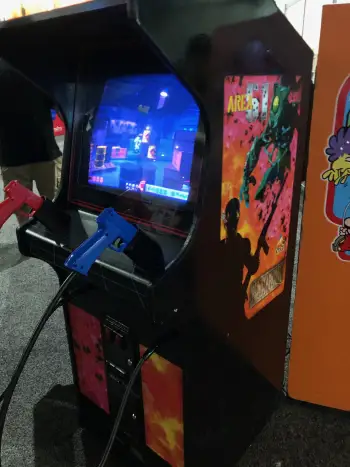
Area 51There we go: a millennial title!

Released in 2005, Area 51 could be found in all the arcades! We have fond memories of walking past these stations as two players would co-op shooting aliens with the attached guns!

And why did we walk past? Probably to play the even better co-op arcade shooter, Time Crisis… That game swallowed many of our quarters.
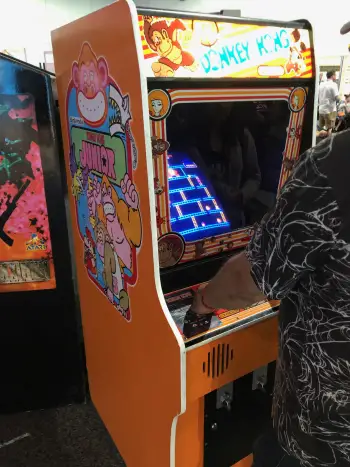
Jump Man?Remember how some games give off the star-struck feeling? Well, here’s one: Donkey Kong!

Now, reportedly, the protagonist character is actually called “Jump Man,” and isn’t actually Mario. We’re not sure what to think about this ourselves, so take that information as you will.
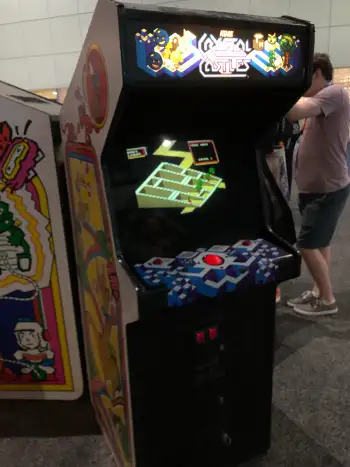
Crystal CastleCrystal Castle asks an important question: what would it be like to play a bear searching for gems, being hunted by monsters, on an eclectic grid system where movement is controlled by the player rolling a ball?

The answer was this wonderful game, which still both intrigues and confuses us (in the best ways) since we tried it as kids!
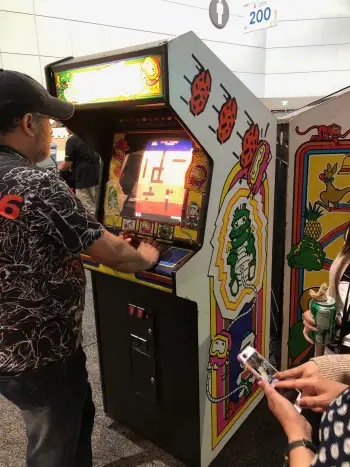
Dig Dug Again!Second to last, we have a classic. It may not have extensive remakes, but Dig Dug still holds a special place in our heart as the arcade game that our parents would always gladly talk about when the subject of video games came up. Family times!

And what better game to finish with than…
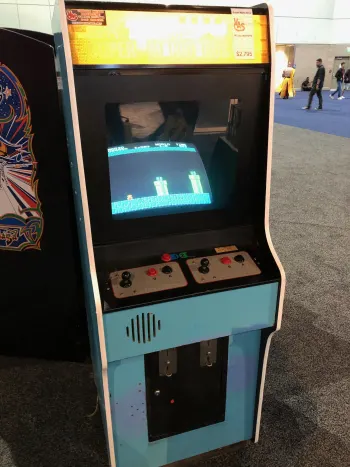
SMB!SUPER MARIO BROS! 

Growing up, we played Super Mario Bros Deluxe on the Gameboy Color. It’s hard to describe the excitement of playing on a full console, remembering all the secret transport pipes, the mushroom blocks, and the hidden vines to heaven. This game truly deserves all the love it’s received through the many, many years.

Game Over

We enjoyed our time walking through the annals of video game history and taking in the sights. If you missed E3, but still want to see more, visit the National Videogame Museum! Nothing deepens appreciation for modern games like a short (or very, very long) walk through the years of gaming that started before Pong and led up to the newest reveals of E3 2019.
Listen: this is the oldest song in recorded history

Is this 3,400-year-old song worth a slot on your Spotify playlist?

“Let’s all get up and dance to a song that was a hit before your mother was born,” the Beatles wrote back in 1967, “though she was born a long, long time ago.” Music has been around for millennia, and while much of it has been cataloged (mostly religious music, the further back you go), it’s tragic to think of the history that we have no record of – some that were lost to time, or others that were passed on solely through oral tradition and never written down. So what is the oldest song in recorded history?

Epitaph of Seikilos

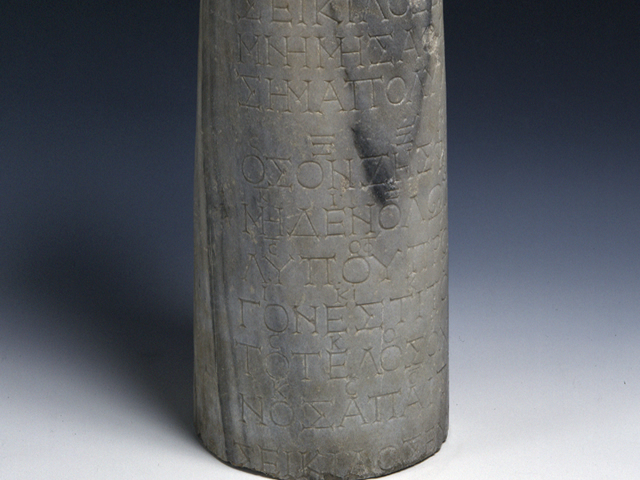
It probably won’t come as much surprise that the oldest complete composition dates back to ancient Greece. In 1883, Sir W. M. Ramsay discovered the epitaph in Tralleis, a small town near modern day Turkey. The stele tombstone dates back as far as the 1st or 2nd century and was inscribed with both an epitaph … and with song lyrics. The lyrics were underscored with the ancient Greek musical notation used from the 6th century BC until approximately the 4th century AD, a style of music writing that was discontinued around the time of the decline of the western Roman Empire.

Epitaph of Seikilos on original stele
The original epitaph of Seikilos, carved into a stone slab

The epitaph itself reads “I am a tombstone, an image. Seikilos placed me here as a long-lasting sign of deathless remembrance.” The last two words on the tombstone itself are “Seikilos Euterpe,” which has led scholars to believe that Euterpe was either Seikilos’ lover or his mother. Either way, the lyrics of the following song were written in her memory:

“While you live, shine. Have no grief at all. Life exists only for a short while, and Time demands his due.”

The short melody has a peaceful simplicity and a bittersweet emptiness, reinforced by the lack of melodic resolution and ephemeral tonality. Like much ancient music, the Epitaph of Seikilos was not written in a major or minor key; keys as we understand them now had not been invented yet!

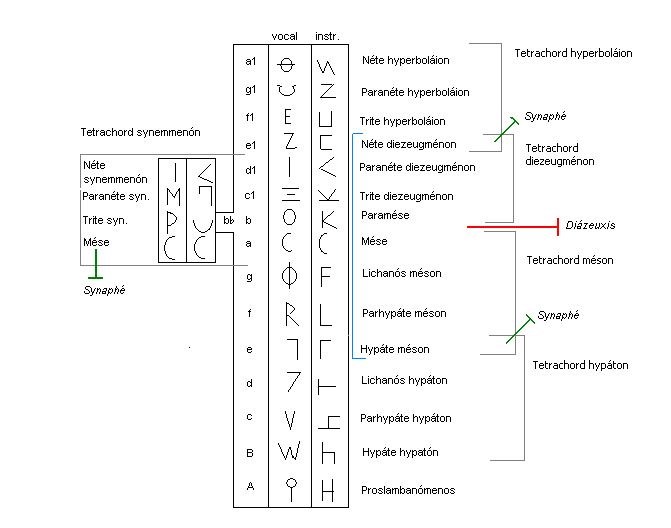
An overview of the Systema ametabolon
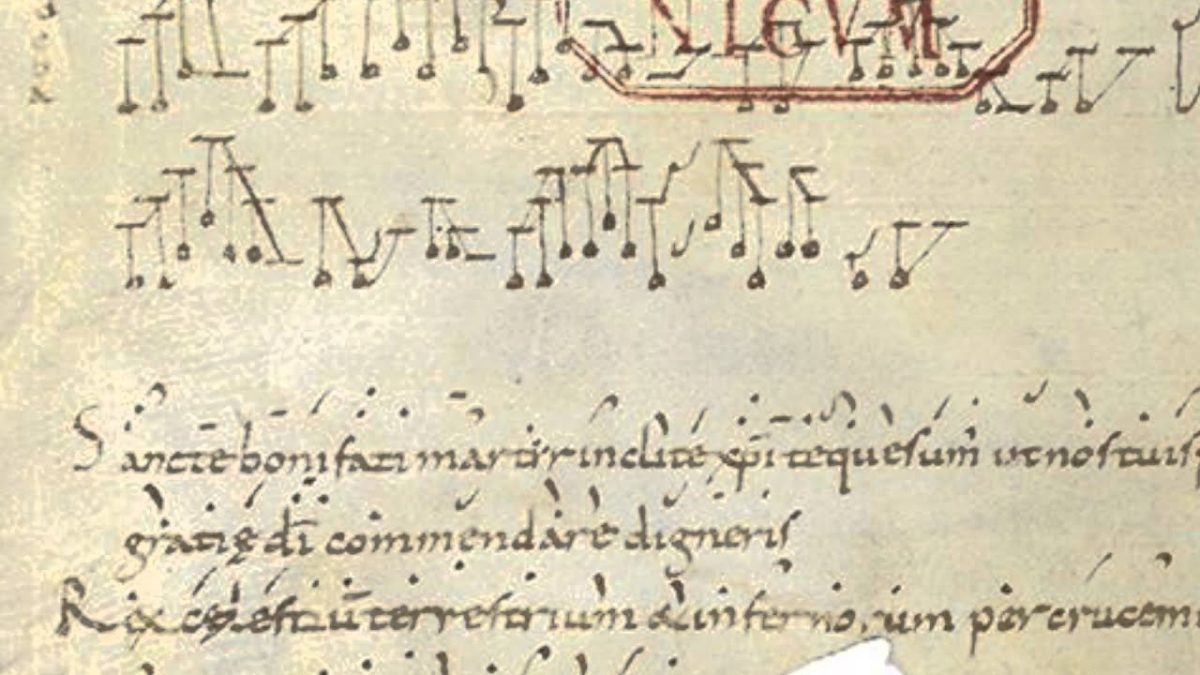
This is a peek at the musical notation of the ancient Greeks

Rather, the precise modality of piece is up for debate. University of Chicago Musicology Professor Don Randel points out that “the harmoniai had no finals, dominants, or internal relationships that would establish a hierarchy of tensions and points of rest. Although the epitaph’s melody is clearly structured around a single octave, the melody emphasizes the mese by position rather than the mese by function.”

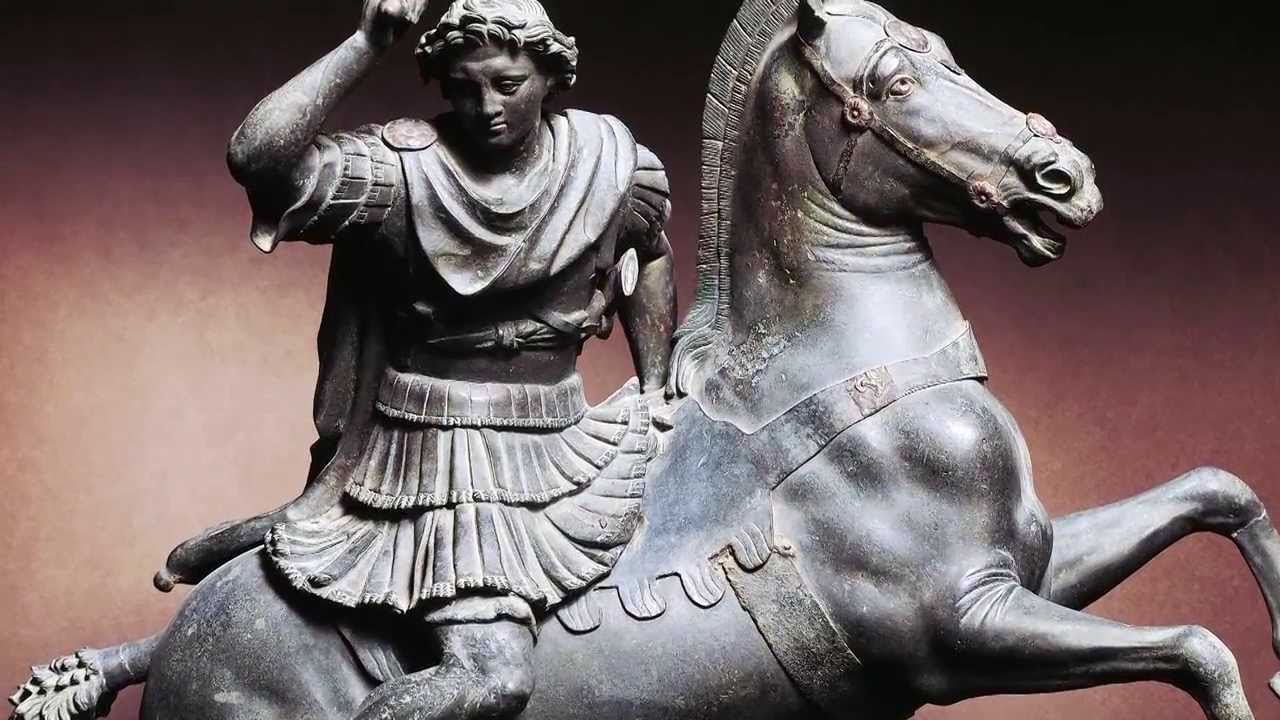
While the reasons behind the melodic concept have been lost to time, the lyrics are reflective of a modern ‘seize the day’ mentality, very much in line with the typical ancient Greek mentality – to quote Alexander the Great, “I would rather live a short life of glory than a long one of obscurity.”

Alexander the Great
Alexander the Great epitomizes the “short life of glory” immortalized on Seikilos’ epitaph

The Seikilos epitaph is the oldest complete musical composition in recorded history … but we can find written music that’s older still:

Hurrian Hymn no. 6

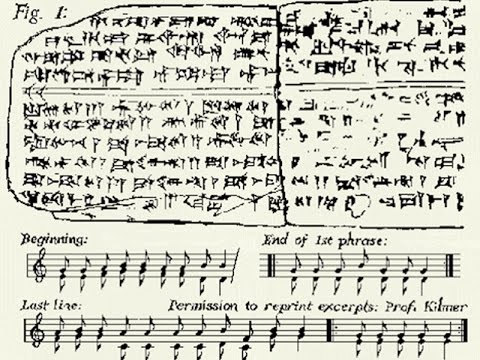
In what is modern Iraq, we found a cuneiform tablet created in what was once the ancient Sumerian city of Nippur. The tablet represents fragmentary instructions for performing music and dates as far back as 1400 BC. The music actually utilizes the standard diatonic scale, and is composed of harmonies of thirds. Another tablet from 1250 BC offers us insight on a more perfected variant of the same notation:

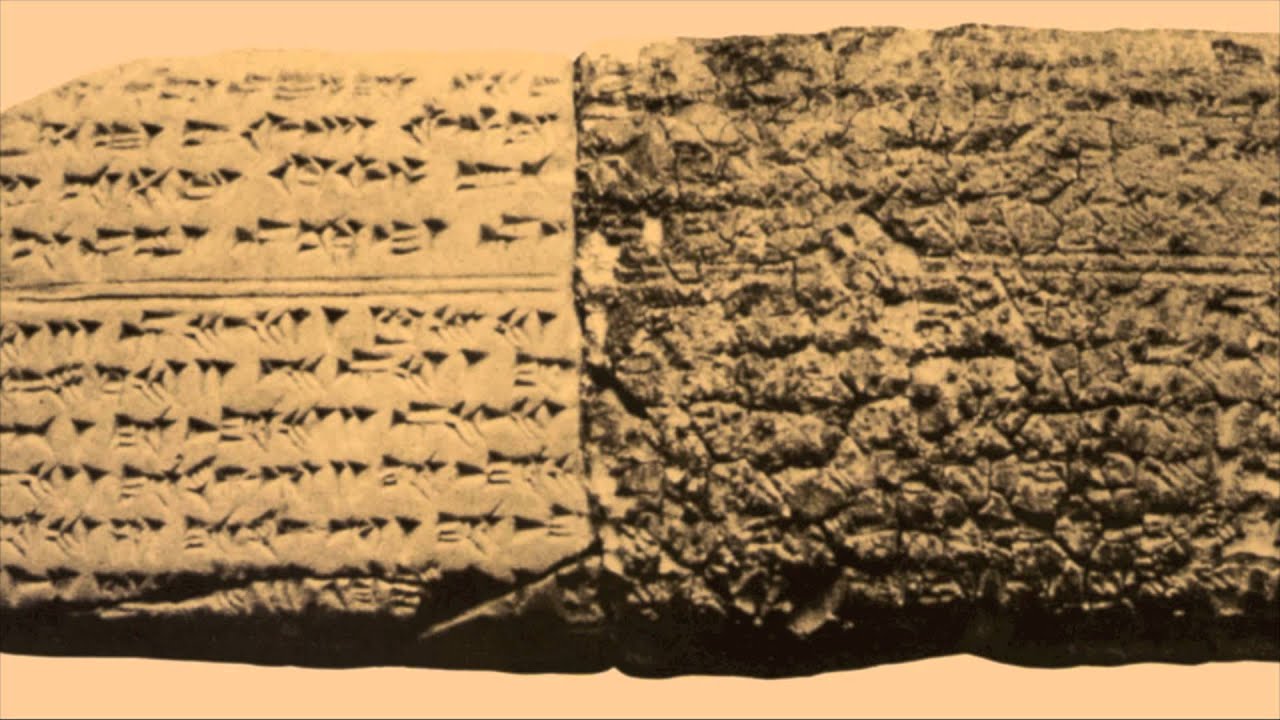
Stone tablet of Hurrian Hymn no. 6
It may look indecipherable to us, but there’s actually music here.

The notation system dates back so far that modern interpretations are widely controversial. The interpretation of the musical notation is still controversial, though the words written upon it are purportedly a Hurrian hymn concerning offerings to the goddess Nikkal, wife of the moon god. The notation does indicate the names of strings on a lyre, the tuning of which is described in other tablets. Though we only understand fragments of what was written on this tablet, there have been attempts to musically recreate the structure of the song:

Though other tablets in the Hurrian songs bear the names of their composer, this largely complete fragment is an anonymous work, even the text of which is not perfectly understood. It does use the Ugarit dialect, albeit a more local variant than the ones previously encountered, but the discovery and translation of these tablets is honestly miracle enough after being lost for over 3,400 years.

Ugarit translated from Hurrian Hymn 6

Stay tuned with us for more interesting historical tidbits, and let us know in the comments below if you learned something about music today!

How Napoleon Bonaparte became “the god of war”

What can we learn from Napoleon’s greatest victories?

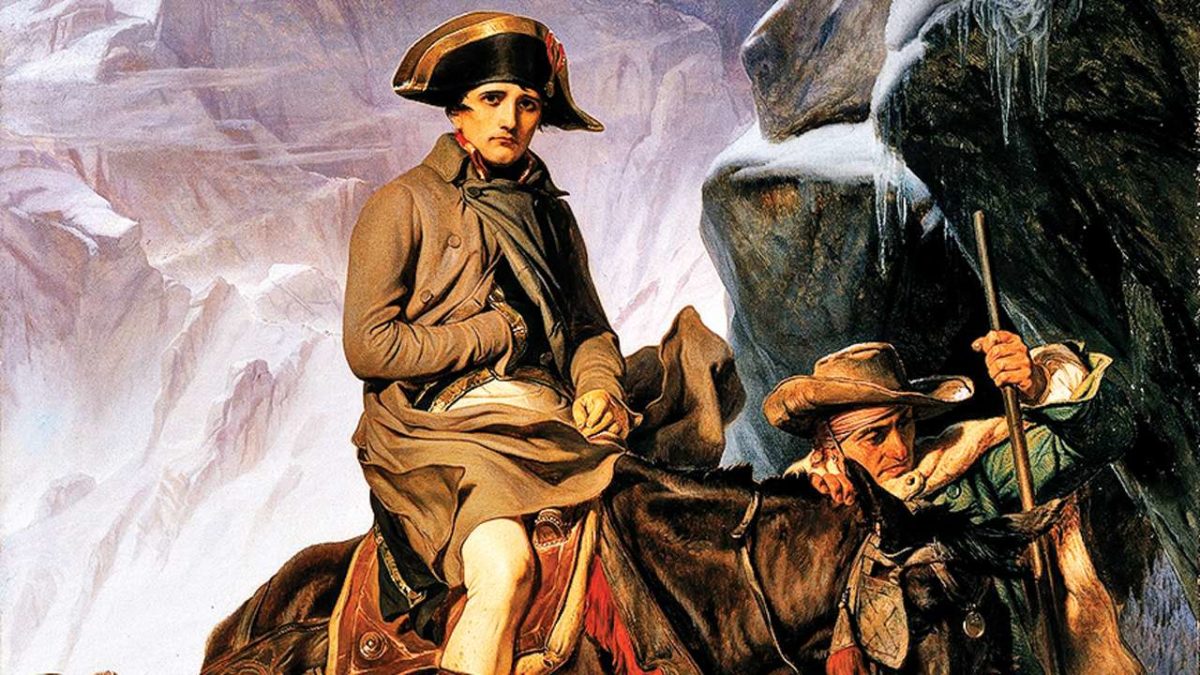
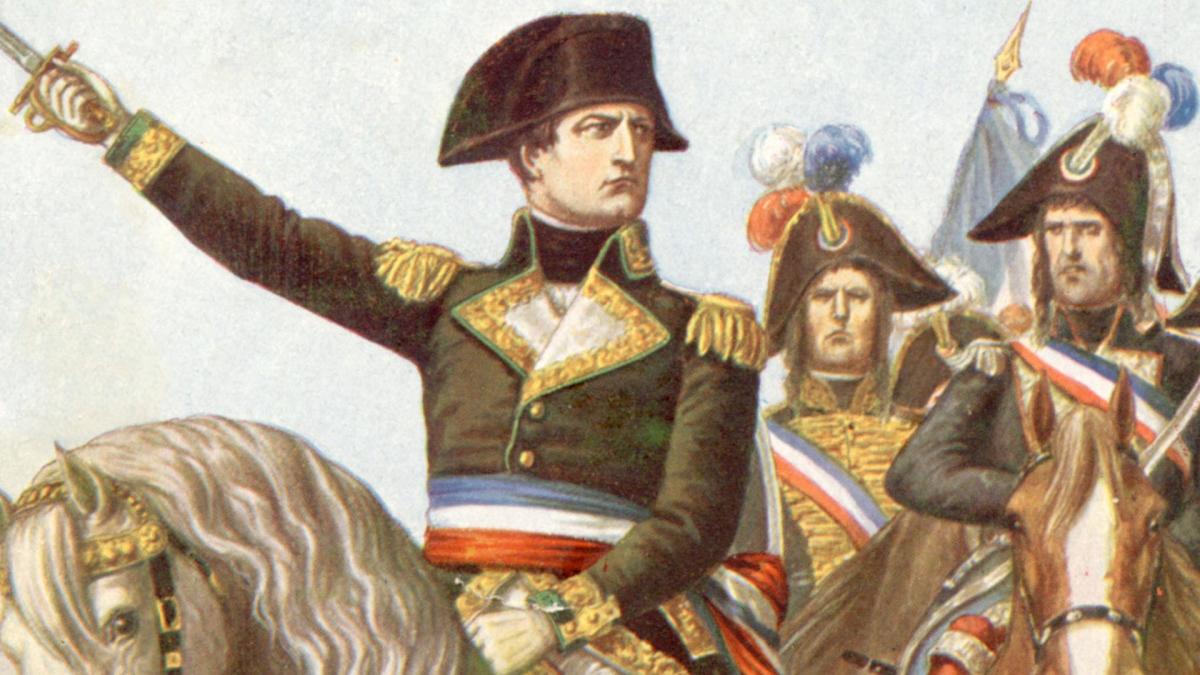
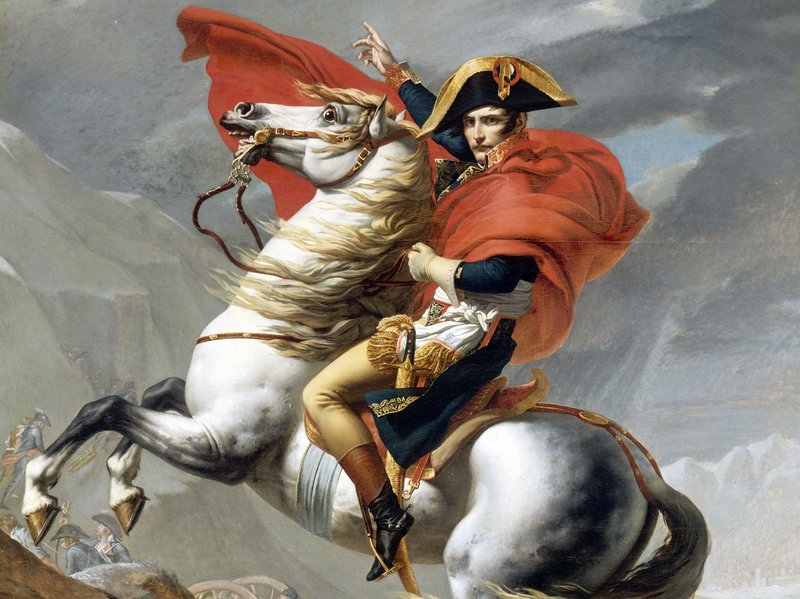
Hear the name “Napoleon Bonaparte” and it will  immediately evoke an image: The stubby little Frenchman (though he was actually 5’7″) with the black bicorne and a hand tucked into his coat. He’s either heroically perched atop his famous white horse, Marengo, or sitting proudly in a military tent. Think about him a few seconds longer and you may recall some distant victory over the long-forgotten Prussian Empire, or his rise to power and ultimate failure at Waterloo.

‘Napoleon Bonaparte was a military genius’ has been so overstated that the phrase hardly bears any meaning anymore; certainly not now, over 200 years after his death in 1814. In 1796-1802 the French won 33 of their 51 battles – a 65% success rate.

Once Bonaparte was in charge, the French won 17 out of their 18 battles, a 94% success rate.

So then what was it that made Napoleon so successful? What are these alleged strategies that put him down in history? How did this “country bumpkin from Corsica” evolve into the “God of War” that Prussian General Clausewitz (a man who disliked Bonaparte) titled him?

“I found the crown of France in the gutter and I picked it up.”

France was in need of a ruler. Bonaparte decided it would be him.

It’s impossible to talk about how Bonaparte revolutionized warfare without talking about the man himself. His father, Carlo Buonoparte, was a representative to the court of Louis XVI and a Corsican representative. During the French conquest of Corsica, Carlo embraced the new French government wholly, a move Napoleon would deem traitorous and for which he never forgave him.

A Corsican patriot, Napoleon attended military university but loathed it. At the time of his schooling, it was virtually impossible for a talented tactician (which he thought himself to be) to get the opportunity to lead without a noble upbringing and a powerful financial backing.

All that changed after the French Revolution, and the broken, scattered France that came as a result was one searching desperately for a beacon. Napoleon Bonaparte was determined to be that leader.

“History is a set of lies agreed upon.”

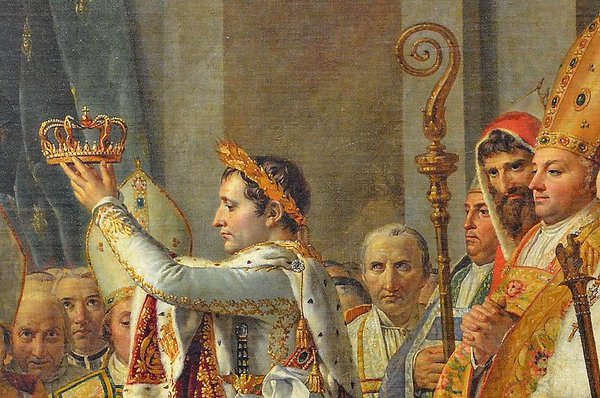
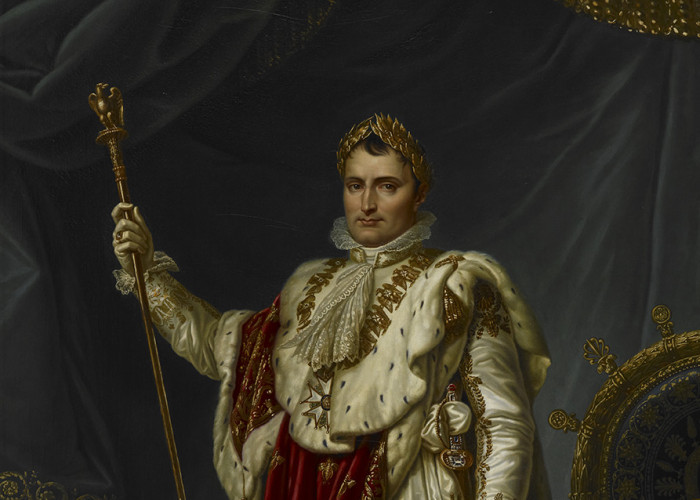
Napoleon was emperor quite frankly because he said he was

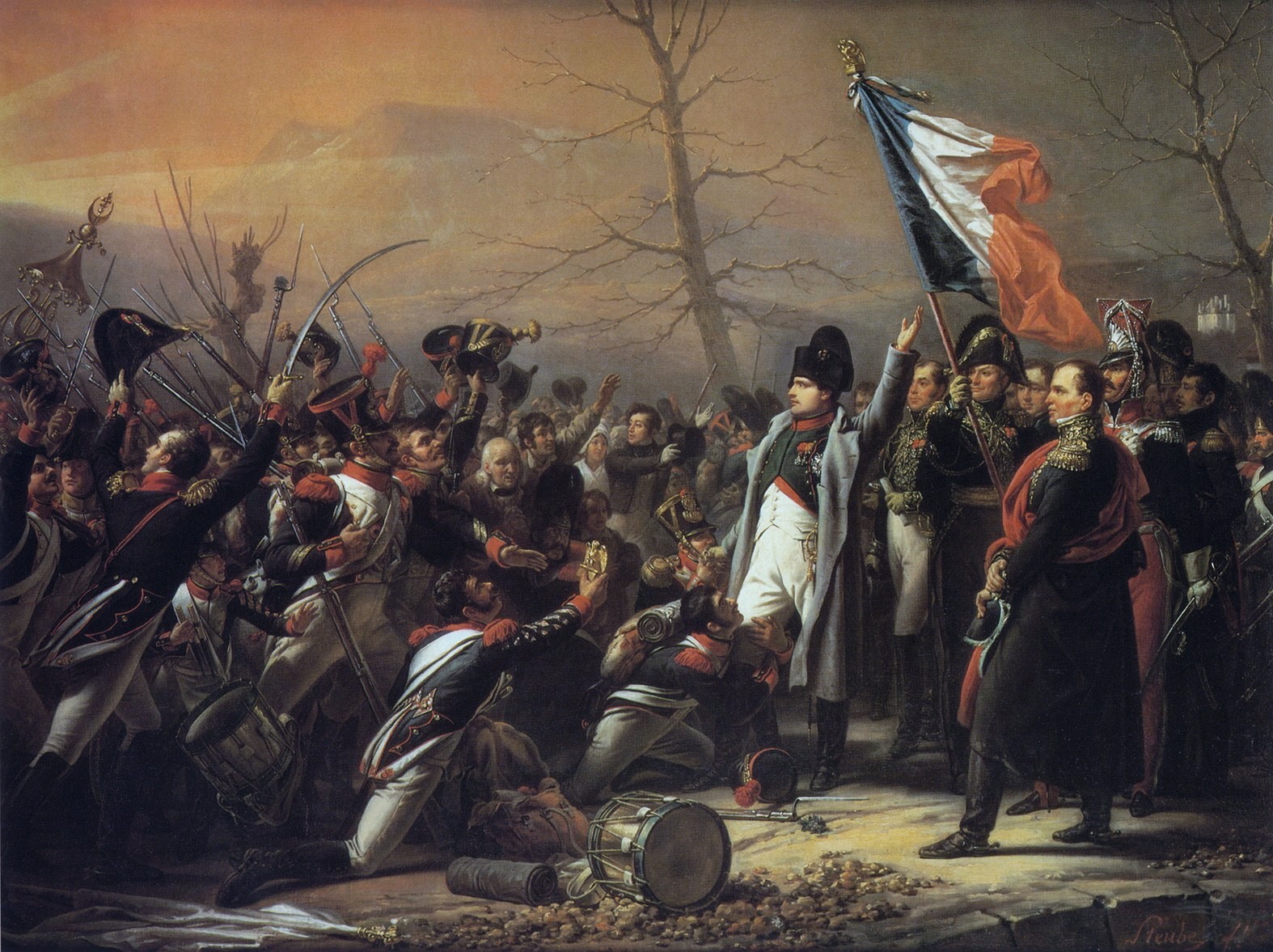
Much of Napoleon’s fame was built off the battlefield. Bonaparte strove to become ‘the man, the myth, the legend,’ even if he had to lie to do it. Bonaparte was the master of presenting himself in a positive light: ‘The tactician without peer, the leader of men and the conqueror of Europe.’ He did this by masterfully spinning the story to favor himself even if the reality was far more grim. He wrote and spoke eloquently, and regularly commissioned paintings, sculptures, and even currency of himself to reinforce to the public that he was not a soldier but a sovereign, not a dilettante but a divine.

“Soldiers generally win battles; generals get credit for them.”

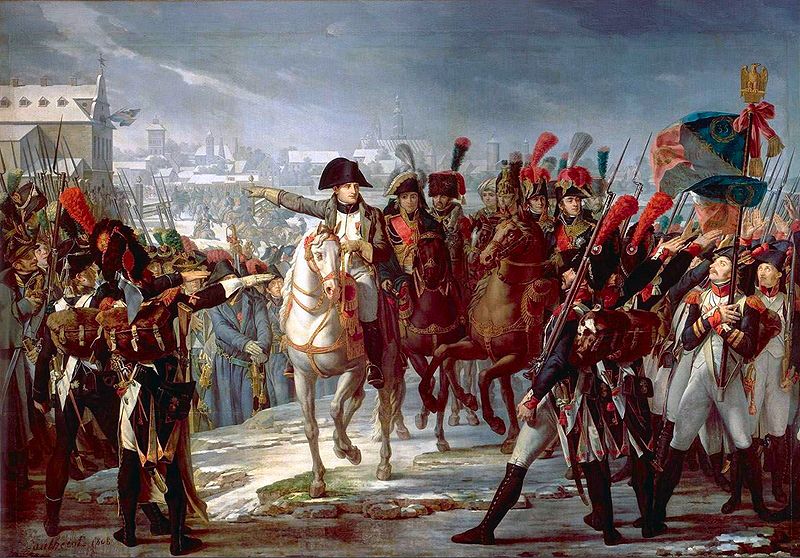
Especially early in his career Napoleon led from the front to inspire confidence in his men

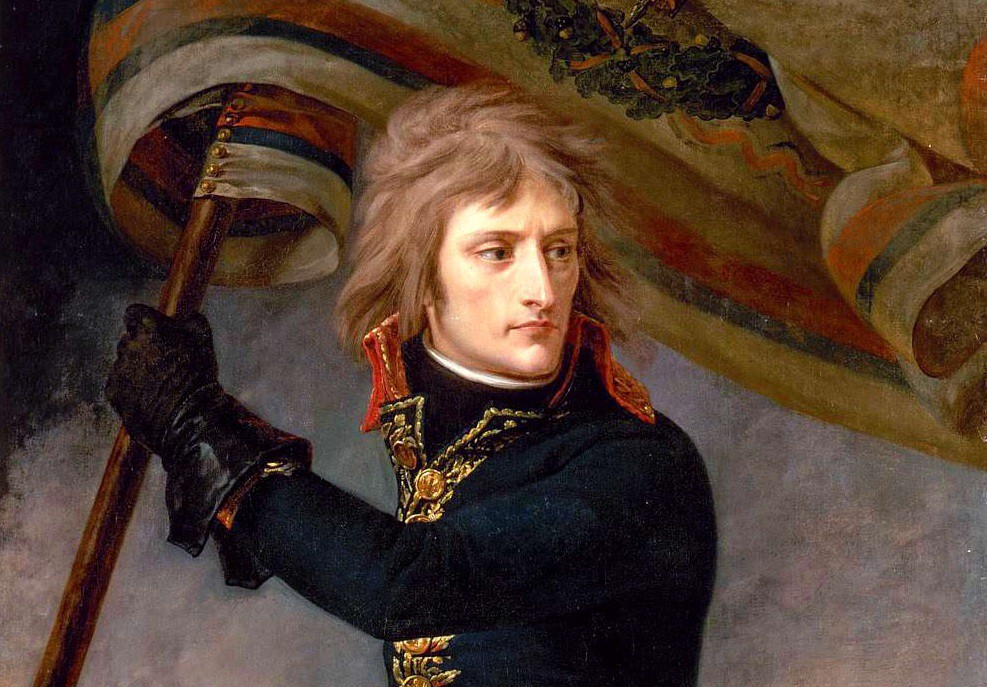
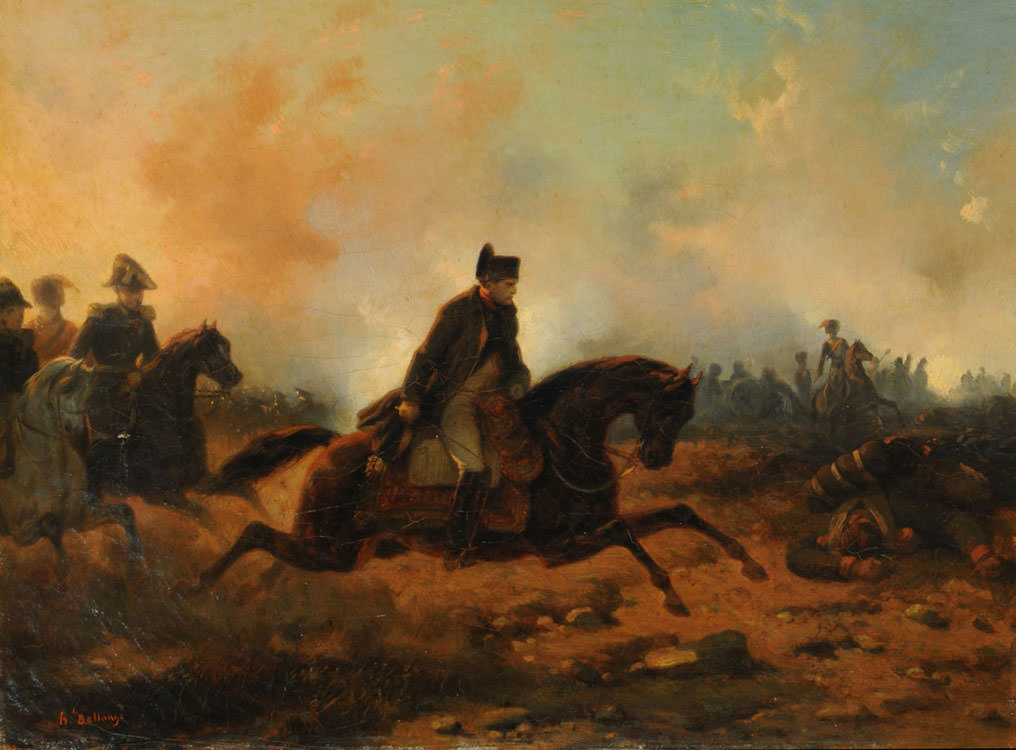
As early as the Siege of Toulon – his first battle – Napoleon made it a point to inspire loyalty and courage among his men – a talent that would serve him well for the entirety of his career. Unlike his military contemporaries, Napoleon opted to lead from the front of the charge, not the back – proving to them that he was willing to die for victory. This blatant selflessness was unheard of from a military commander, and his other men were inspired to follow; they’d never seen anything like him.

At the Siege of Toulon, Bonaparte’s first offensive, he had his horse shot from under him and he himself was stabbed through the thigh by a bayonet – a wound that could have killed him. Bonaparte brushed it off, sallied forth, and led his men to victory. His regiment was stunned by his dedication and perseverance and subsequently flocked to him.

“A leader is a dealer in hope.”

Bonaparte took inspiration from only the greatest influences

Bonaparte was an avid admirer of famous military captains of the past, including Alexander the Great, Gustavus Adolphus, and especially Frederic the Great. “Read over and over again the campaigns of Alexander,
Hannibal, Caesar, Gustavus, Turenne, and Frederic the Great,” he wrote. “This is the only way to become a great general…”

No famous leader comes from nothing, and the inspiration he took from these influences was first imitated and later improved; Napoleon’s ability to see strengths and weaknesses in his enemy line and his own was very reminiscent of Alexander. His aggressive style of conduct and extensive use of cavalry was much more indicative of Frederic.

Playing on the offensive was a cornerstone of Napoleon’s strategy: Only three times during the course of his career did he play defensively: The battles of Leipzig, La Rothière, and Arcis in 1814. Even on those occasions he only took on a defensive stance after his initial attack failed.

“You must not fight too often with one enemy, or you will teach him all your art of war.”

Bonaparte's chief strength was media discretion and control

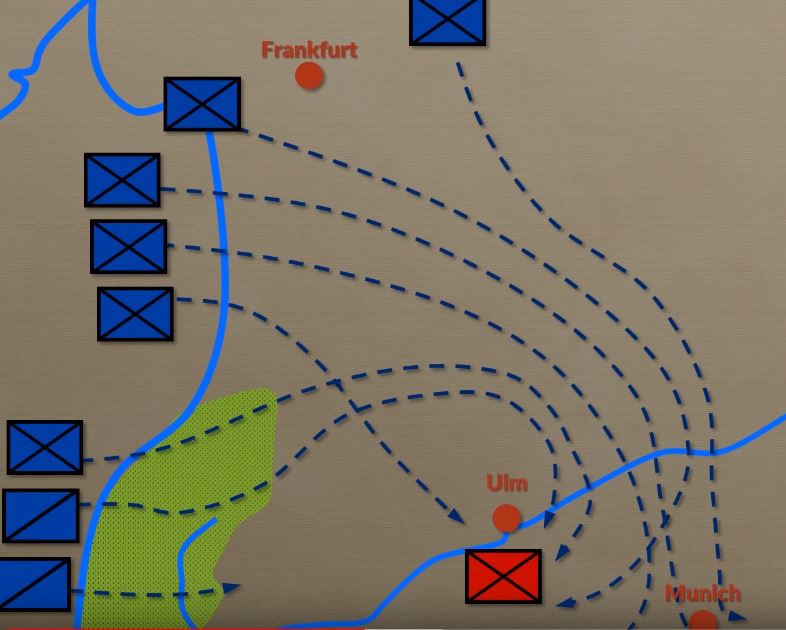
Intel contributed to much of Napoleon’s victories in Europe. His military campaigns actually took place long before any battles began or shots were fired. Bonaparte worked very hard to keep his intentions carefully shrouded from the enemy. He censored newspapers, closed borders, and even detained travelers if he was close to mounting an offensive. This way Napoleon made certain that enemies could not predict his positions or know where he planned to strike. When he did strike, it was on his terms at his choice of location, with overwhelming numbers and superior firepower.

On the other side of the coin, Napoleon always ensured that his scouts and reconnaissance forces frequently alerted him to necessary information about enemy forces, division movements, firepower, battle plans, and even updated maps. This way, he knew areas that would be less defended, as well as when key tactical locations (such as enemy capitals) could be seized.

“Never interrupt your enemy when he is making a mistake.”

Napoleon was master of gauging the enemy weak points

Napoleon outlined his military campaigns with the focus being on keeping them short and brutal. This meant angling his troops and goading enemy leadership towards a decisive battle where he believed he had the advantage. Examples of this include his brilliant military ploy at Austerlitz, or the battle of Leipzig. Both battles were meticulously engineered by Napoleon with designated defensible positions, lures for the enemy, and flanking divisions all prepared to strike at their commander’s word.

By minimizing the number of battles fought and keeping those battles grandiose and lightning-fast, Bonaparte often obliterated huge chunks of the opposition in a matter of hours. The remainder of the military campaign would be far simpler with so much territory gained, reinforcements acquired, and enemy morale crushed. When it came to ground tactics there were three major variants Napoleon employed: Maneuver to the rear, central position, and ordre mixte.

“Ability is nothing without opportunity.”

Napoleon's aggressive style of warfare made him a fearsome conqueror

Maneuver to the rear: Napoleon did not invent the classic flank, but he made extensive use of it – at the most opportune moments. He used this technique both in live combat and in broader military strategy: In broader terms, he would often use a flanking maneuver to sever the enemy’s path to their fallback line, eliminating their escape route. This left the enemy with the choice to retreat the city before the flank took hold, or be forced to face attack from both sides.

Napoleon used the flanking maneuver to cut off enemy escape and supply chains

In the heat of battle (like at Austerlitz) Bonaparte would lure enemy battalions into susceptible positions by deliberately leaving a poorly-defended angle in his own line. The enemy would fall for the trap, and he would send his Imperial Guard to flank, riding in on swift cavalry and wreaking havoc.

“The battlefield is a scene of chaos. The winner will be the one who controls that chaos.”

Bonaparte controlled that chaos very well

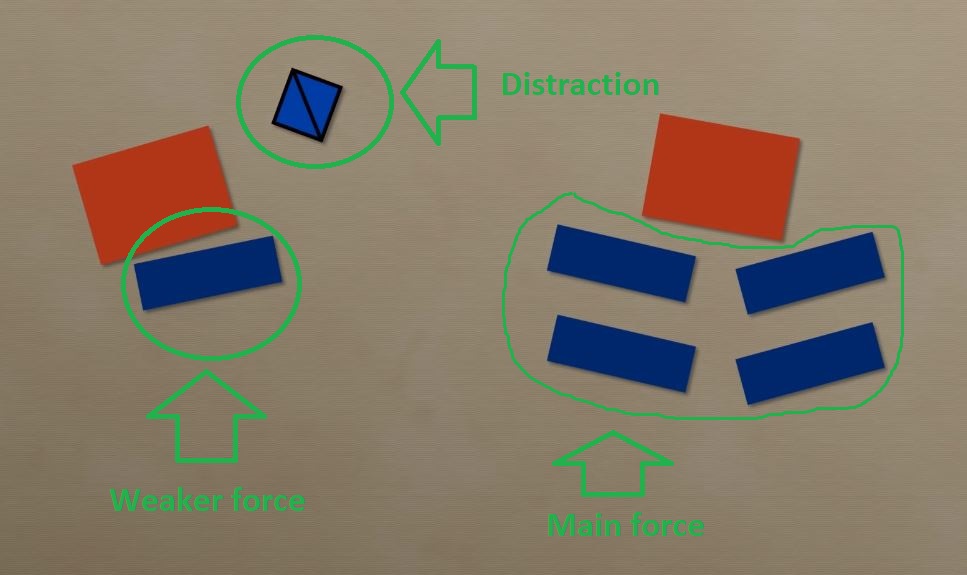
Central Position: This maneuver was done to keep enemy forces divided. It carries with it a larger risk, as the enemy is now able to fire upon you from either side. The goal is to send few reinforcements forward – ideally ones that are fast and expendable.

Central Position visualization

While the enemies on either side fire upon these, the remainder of the forces attack all together at the divided enemies, catching them by surprise. After one side was killed or forced to retreat, Bonaparte’s victorious troops would quickly hurry to pile on the attack against the remaining side. This way he distracted, then defeated in detail.

“Impossible is a word only to be found in the dictionary of fools.”

Napoleon atop Marengo, his favorite horse

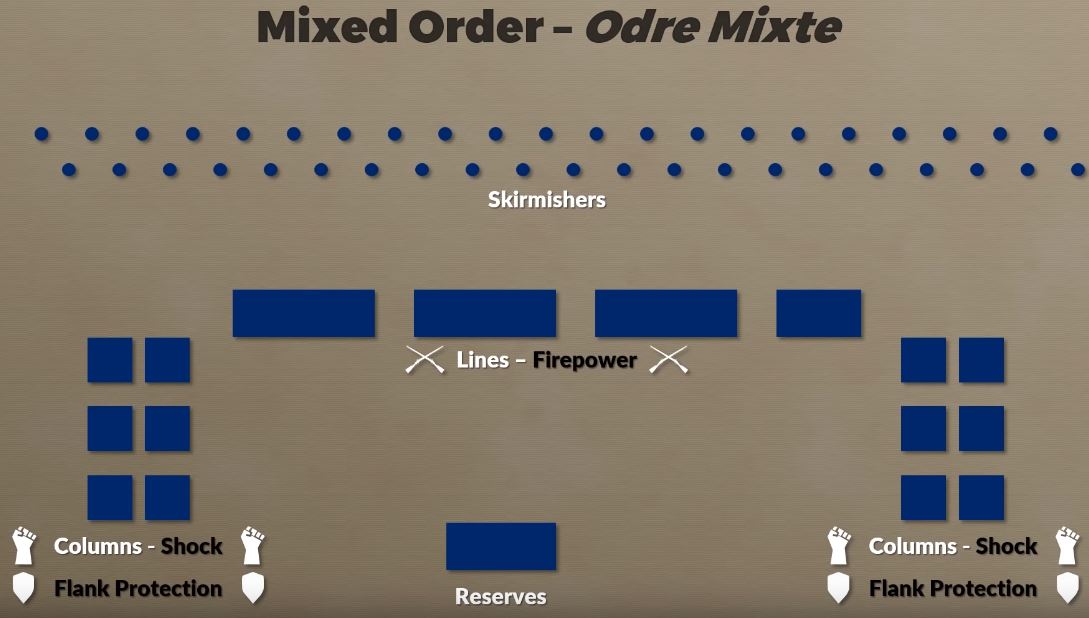
Third, Bonaparte’s military composition allowed him to perform maneuvers that his contemporaries could only dream of. His revolutionary ‘Ordre Mixte’ has been modeled after long since, and remains the general composition of modern units and divisions even today. Napoleon focused on small effective formations of varying soldiers, talents, and equipment, rather building massive armies. He then put these mixed divisions in positions where they could be most effective:

The famed Ordre Mixte
Rothenberg Gunther E.: The Art of Warfare in the Age of Napoleon

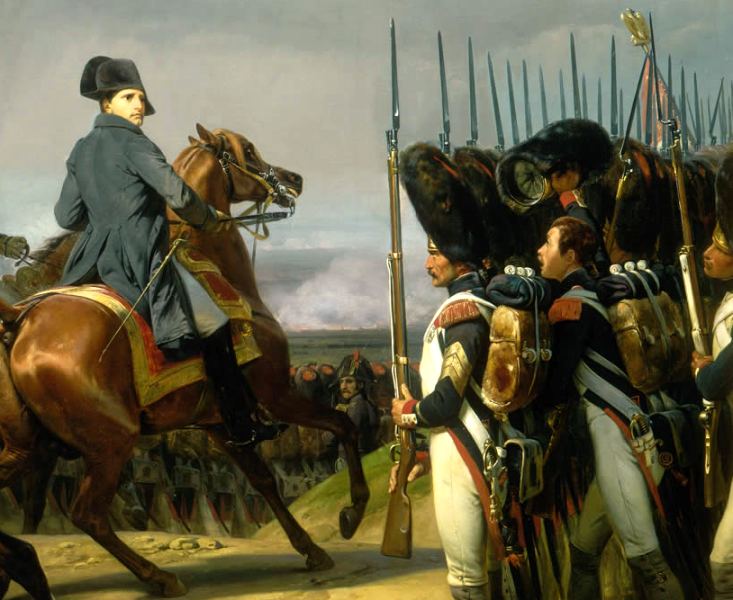
The formation was lines of riflemen in the center to focus firepower. This rain of bullets also prevented Napoleon’s opponents from using the aforementioned Central Position strategy. Next were powerful columns on either arm of the center lines to discourage flanking and provide support to both the center line and allow for flanking opportunities of his own against any opponents foolish enough to try and close in. High-mobility cavalry were sent in at opportune moments, while constant barrages of artillery sewed confusion, noise, and cover for them.

“Riches do not consist in the possession of treasures, but in the use made of them.”

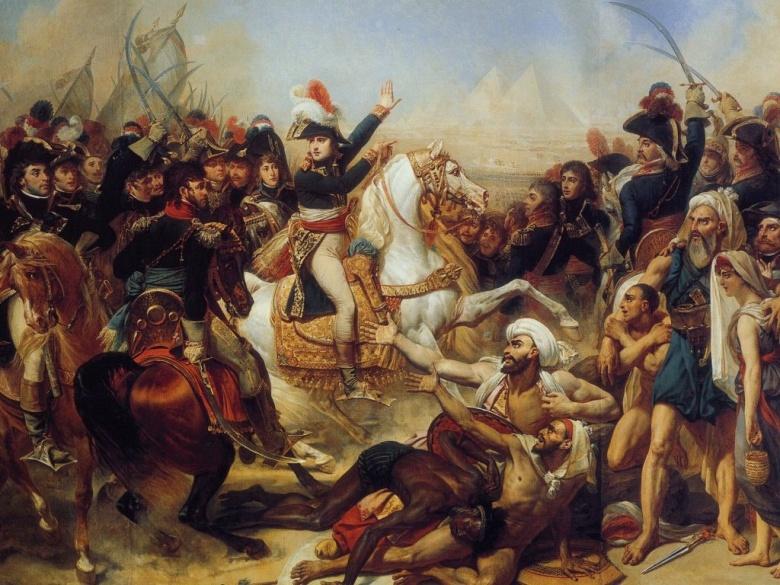
Napoleon led the French army to greatness in Europe ... not so much in Egypt

The French army was so strong under Bonaparte’s leadership not because of any one outstanding feature or squad (such as Genghis Khan’s horsemen archers or the mighty British navy), but rather because of the way Bonaparte was able to use all the branches in tandem with each other to create overwhelming force. His use of small divisions rather than giant armies meant that major elements of the French army were able to act independently, no matter what stage of the battle plan they were on. It also meant that any one division was seldom caught unprepared.

“Great ambition is the passion of a great character.”

Napoleon's talents were more than military

Napoleon’s reputation is attributed to his innate natural talents to raise his troops’ morale, accurately gauge the strengths and weaknesses of the enemy both on the field and off, and an aggressive style of waging war. In terms of military might, Bonaparte put exceptional focus on information superiority: Keeping his movements shrouded in secrecy while making it a priority to know the enemy’s every move. This combined with his smaller divisions of combat allowed his armies to move quicker and smarter.

Napoleon Bonaparte remains one of the greatest military commanders in history, and his wars and campaigns are still studied at military schools worldwide to this day. His political and cultural legacy has endured as one of the most celebrated and controversial leaders in human history.