Intel cuts another 20,000 jobs and that's already…

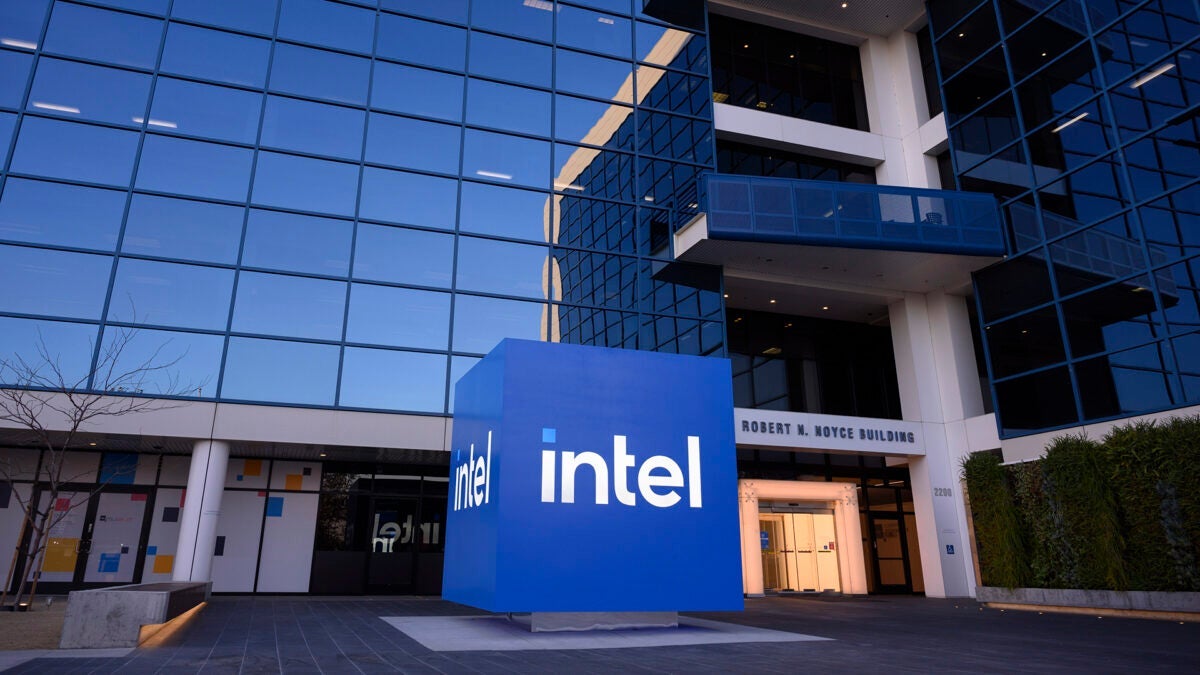
Intel has decided to make a significant shift in its business strategy, announcing plans to eliminate more than 20% of its workforce, which represents over 20,000 positions, as part of a restructuring plan led by the new CEO, Lip-Bu Tan. This initiative aims to reduce costs and simplify bureaucracy within the company, which has faced prolonged challenges in its business despite being a giant in the semiconductor industry. The restructuring focuses on reestablishing an engineering-driven culture, following criticism of its current organizational structure, deemed excessively complex. Intel is […]

Intel has decided to make a significant shift in its business strategy, announcing plans to eliminate more than 20% of its workforce, which represents over 20,000 positions, as part of a restructuring plan led by the new CEO, Lip-Bu Tan.

This initiative aims to reduce costs and simplify bureaucracy in the company, which has faced prolonged challenges in its business despite being a giant in the semiconductor industry.

The restructuring focuses on reestablishing an engineering-driven culture, following criticism of its current organizational structure, which is considered excessively complex.

Intel restructures and its new CEO plans to cut more than 20,000 jobs

Since his appointment last month, Tan has expressed the need to eliminate redundant layers of management and refocus Intel back towards a product-oriented approach.

This move follows a previous reduction of around 15,000 positions in August 2024, which mainly affected non-technical roles such as administrative and sales staff.

Although it is expected that manufacturing roles and key engineering teams will be preserved in this round of layoffs, it is still unclear which positions will be affected.

According to reports, Intel had 108,900 employees at the end of December 2024, and the elimination of 20,000 positions would exceed even the number of mid-level management positions in the company. This raises questions about whether the number of engineers or projects within the company will be reduced.

Before Intel announces its quarterly results this Thursday, it is in a quiet period and will not offer public comments on the restructuring. This decision has also sparked rumors about whether there will be an incentive for voluntary employee departures through severance packages or early retirements, although there is no confirmation on this matter.

New EU regulations provoke a debate over the “ridiculous” packaging of CPUs

Recientemente, ha surgido un intenso debate en la comunidad de PC sobre las nuevas regulaciones de la Unión Europea destinadas a prohibir el empaquetado considerado “ridículo” en productos como los procesadores Intel Core i9 y AMD Ryzen Threadripper. Un usuario de Reddit, redmera, fue uno de los primeros en destacar este cambio. Sin embargo, la afirmación de que los fabricantes de CPU tendrían que eliminar los enfriadores de stock parece ser una exageración derivada de una mala interpretación de las nuevas regulaciones. Según el nuevo proyecto regulatorio PPWR, los componentes que son parte integral de […]

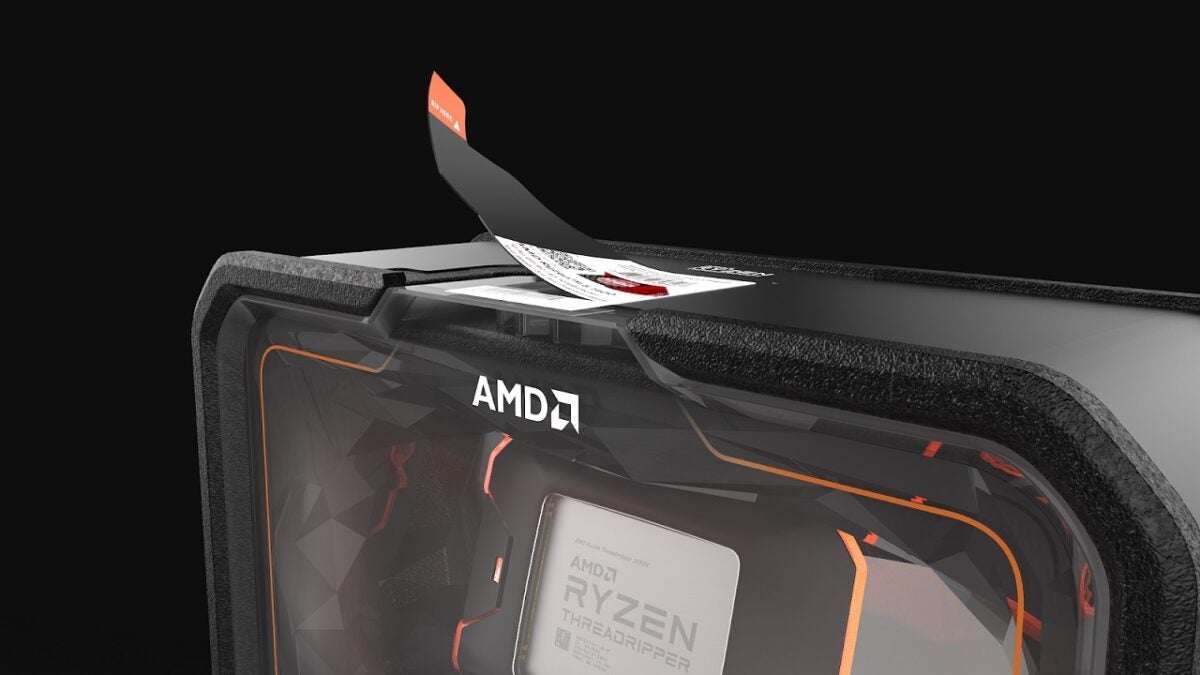
Recently, an intense debate has arisen in the PC community regarding the new regulations from the European Union that seek to ban packaging deemed “ridiculous” for products such as Intel Core i9 and AMD Ryzen Threadripper processors.

Discord DOWNLOAD

A Reddit user, redmera, was one of the first to highlight this change. However, the claim that CPU manufacturers would be required to eliminate stock coolers seems to be an exaggeration stemming from a misunderstanding of the new regulations.

According to the new PPWR regulation project, components that are an integral part of a product should not be considered packaging if they are necessary for the containment and preservation of the product.

Dissipators and huge cases for CPUs, are they the enemy of Europe?

This suggests that stock coolers, which are crucial for the functionality of processors, will continue to be included in most products. Although exceptions like Intel’s K chips may not include coolers, it is unlikely that we will see the elimination of this practice for most CPUs on the market.

The decision by Intel and AMD to update their packaging is largely due to reducing costs and minimizing shipping waste. Traditional packaging methods have become inefficient and expensive.

The evolution towards more functional designs has led to significant improvements in stock coolers, which now offer sufficient performance for most users, including small form factor (SFF) PC setups.

Discord DOWNLOAD

While some voices suggest that forcing consumers to purchase heatsinks separately could be beneficial for environmental regulation, it could also increase packaging and shipping costs. Ultimately, including stock heatsinks not only enhances the consumer experience but also contributes to improving sustainability in the tech sector.

The best cheap graphics card for 2025 is an Intel Arc, and it's something we didn't see coming

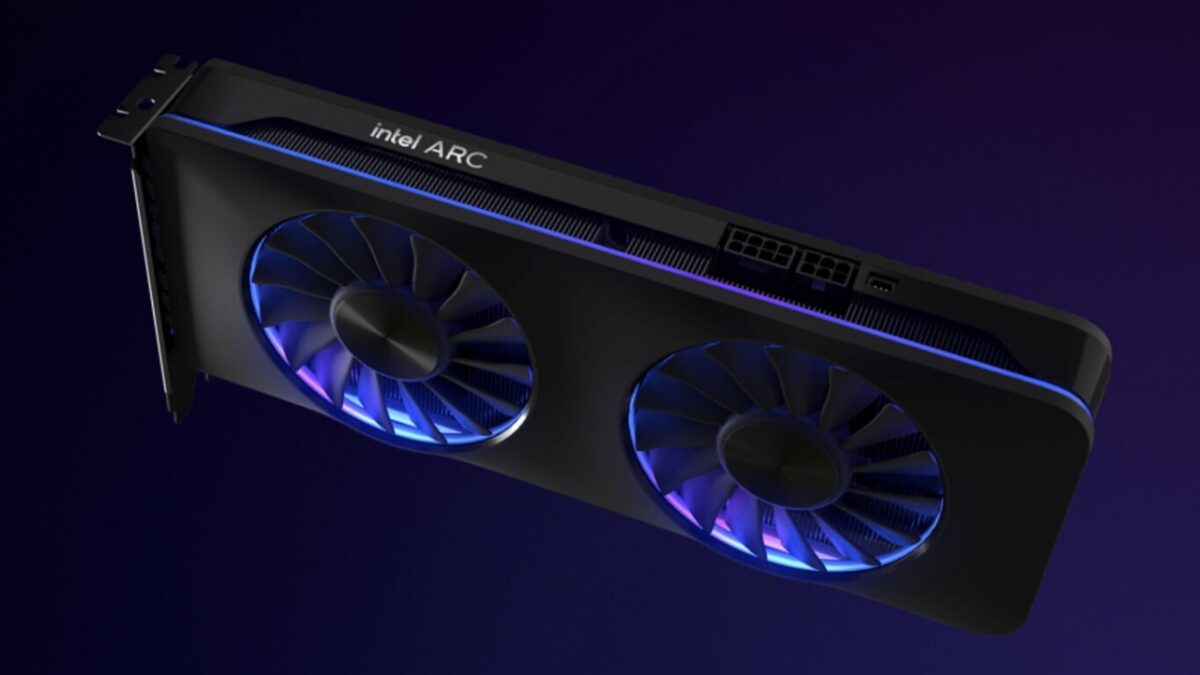
Intel seemed to be out of the graphics card market after the modest launch of the original Intel Arc back in 2022. Their performance wasn’t much to speak of, and their compatibility issues with many games were a significant burden. Now, by 2025, things have changed with their Intel Arc B580. Intel is about to shake things up in the PC gaming market, where AMD and Nvidia have been dominating with an iron fist. And it’s all thanks to the Arc B580, which has outperformed the Nvidia RTX 4060 and AMD RX 7600 in tests […]

Intel seemed to be out of the graphics card market after the discreet launch of the original Intel Arc back in 2022. Their performance was not great and their compatibility issue with many games was a very heavy burden. Now for 2025, things have changed with their Intel Arc B580.

Intel is about to shake things up in the PC Gaming market, where AMD and Nvidia dominate with an iron fist. And it’s all thanks to the Arc B580, which has defeated the Nvidia RTX 4060 and AMD RX 7600 in Vulkan graphics benchmark tests.

According to Tom’s Hardware (based on public benchmark tests), the Intel Arc B580 loses to Nvidia’s RTX 4060 in the OpenCL API (irrelevant for gaming), but successfully defeats Team Green’s GPU with a 6% advantage in Vulkan (one of the APIs used for most games).

Reasons to Believe the Intel Arc B580 Will Be the Most Interesting Entry-Level GPU

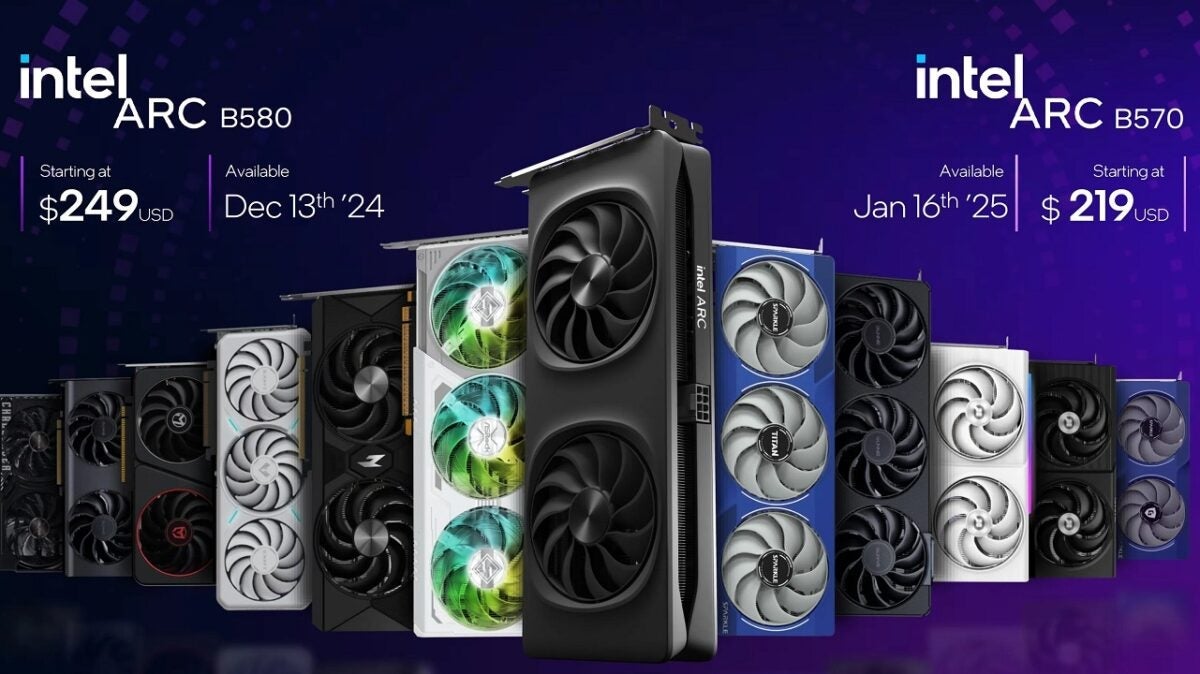
The Battlemage GPU is priced at 249 dollars, which is cheaper than the RTX 4060 at the official price (299 $) and is supposed to be the fastest GPU in its segment (especially the version equipped with 12 GB of VRAM).

If there is one clear takeaway from all this, it is that Intel is very close to reviving the budget GPU market and taking the lead, although doing so will depend on the revelations of AMD and Nvidia at CES 2025.

As for AMD, it has already made it clear that its focus has shifted from high-end GPUs to mid-range options, with a strong emphasis on improving AI for FSR 4 (just as Nvidia continues to focus on AI for the successor to DLSS 3).

The Intel Arc B580 will feature 12 GB of VRAM, while the cheaper B570 will use 10 GB of VRAM. 8 GB of VRAM is nowhere near enough to handle today’s games, and it’s great to see Intel moving away from this old staple of affordable GPUs.

Xbox Game Pass DOWNLOAD

More and more triple-A titles are demanding more VRAM to deliver consistent performance, and after Apple has abandoned the 8 GB of unified memory (RAM shared between the CPU and GPU) for Macs, I hope Nvidia and AMD follow suit. Intel: we have high hopes for you.

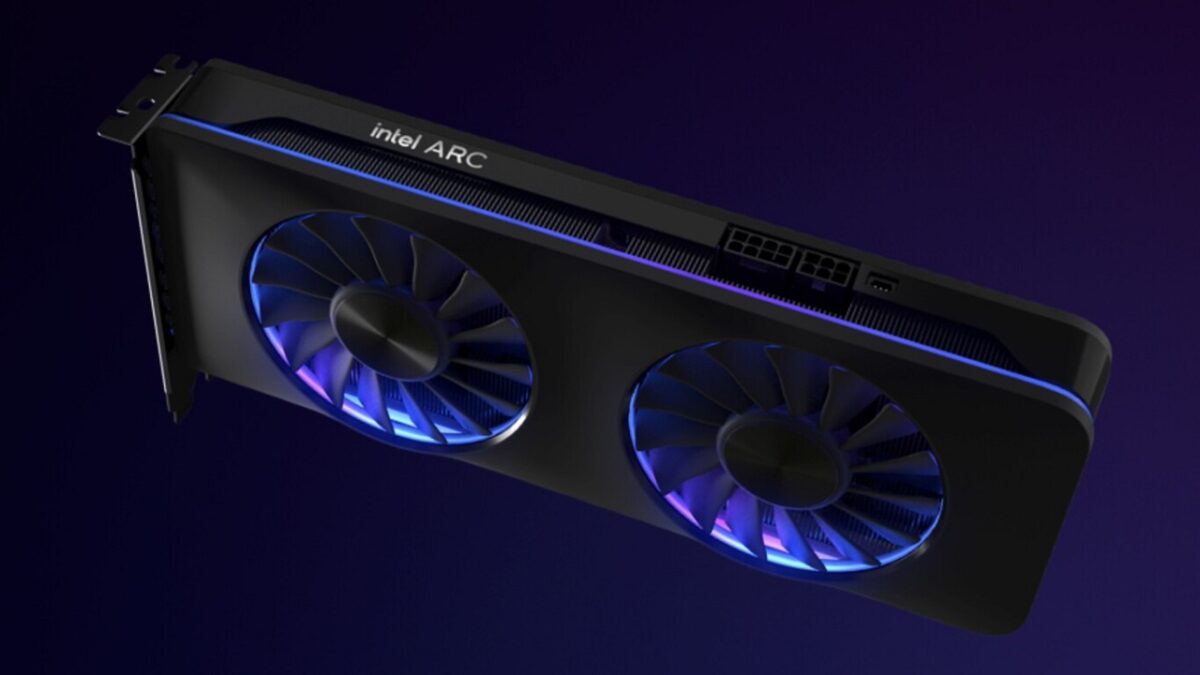
Intel presents the graphics cards that will compete with Nvidia and AMD in the entry-level range: “A good GPU for only $249”

Intel’s new Battlemage GPU line, which includes the budget-friendly Arc B580 and B570 graphics cards, aims to capture the entry-level GPU market. These are the graphics cards that modest gamers buy to enjoy their favorite games without needing 4K or Raytracing. This new line claims to be 24% faster than the previous generation A750 GPU. Perhaps the most important aspect of Intel’s cards is their memory, with 12 GB of memory on the high end compared to 8 GB of the […]

The new Intel Battlemage GPU line, which includes the budget Arc B580 and B570 graphics cards, aims to capture the entry-level GPU market. These are the graphics cards that modest gamers buy to enjoy their favorite games without the need for 4K or Raytracing.

This new line claims to be 24% faster than the previous generation A750 GPU. And perhaps the most important aspect of Intel cards is their memory, with 12 GB of memory at the high end compared to the 8 GB of the Nvidia GeForce RTX 4060.

Furthermore, the company claims that the B580 will have 20 Xe2 cores (with a graphics architecture similar to Intel’s Lunar Lake CPUs), five render slices, 20 ray tracing units, and a clock speed of 2.67 GHz. It also has a memory bandwidth of 456 GB/s and a power consumption of 190 W.

Everything we know about the new Intel Arc B580 and B570 graphics cards

It uses the old PCIe 4.0 x8 connection, so any owner of an older PC model won’t have to worry about switching to PCIe 5.0. The Limited Edition model presented by Intel also includes a single 8-pin power connection.

Intel faced its latest cards against the 4060 and AMD RX 7600, which were released in the spring of 2023. However, Intel’s goal is its performance per price. Intel says the Arc B580 starts at 250 dollars. For that price, Intel claims it has better ray tracing performance compared to the mid-range offerings from Team Red or Team Green.

Intel’s gaming benchmarks tell an interesting story. Team Blue claims that you will get 10% more performance in games than with the 4060. That could mean an average difference of about 15 frames in a game like Control or place a game like Hogwarts Legacy and Cyberpunk 2077 above 60 FPS, surpassing the popular RTX 4060.

That doesn’t mean it always wins. Intel’s benchmarks show that the Nvidia card still won in games like Gears of War 5 and Counter-Strike 2. That was on a PC setup with an Intel Core i9-14900K CPU.

The A750 hit the market for just under 300 dollars, which makes the price of the B850 even more attractive. Even so, we would have liked to see benchmark tests between AMD and Intel offerings, but we will have to wait for the reviews.

Xbox Game Pass DOWNLOAD

The Intel Arc B580, the most impressive one, will be available starting December 13 for 249 dollars, while the Intel Arc B570, priced at 220 dollars, won’t arrive until January 16. Until then, proceed with caution, but it’s always good news to have new graphics cards entering the market.

AMD's market share skyrockets amid Intel scandal

AMD has gained 5.7 percentage points of market share in the x86 desktop CPU market in the third quarter compared to the second, the largest quarterly share gain since 2016, when they began announcing their Ryzen architecture. It also represents an incredible ten percentage point improvement over the previous year. AMD also achieved a strong increase in revenue share, jumping 8.5 percentage points from the previous quarter, indicating that it is selling its high-end CPU models well. During the quarter, AMD launched its new Ryzen 9000 series processor family […]

AMD has gained 5.7 percentage points of market share in the x86 desktop CPU market in the third quarter compared to the second, the largest quarterly share gain since 2016, when they began announcing their Ryzen architecture.

It also represents an incredible improvement of ten percentage points compared to the previous year. AMD also achieved a strong increase in revenue share, jumping 8.5 percentage points from the previous quarter, indicating that it is selling its high-end CPU models well.

During the quarter, AMD launched its new family of Ryzen 9000 series processors amid a scandal related to the stability issues of Intel’s Raptor Lake chips, which generated a wave of negative press for the company over several months, and inventory adjustments for one of Intel’s clients.

AMD close to controlling a third of the CPU market

AMD now controls 28.7% of the desktop processor market. AMD also continued to gain share in the laptop and server markets, although its gains on the desktop side were the most impressive, according to Mercury Research.

In the third quarter of 2024, Intel maintained a strong leadership in the client PC market, with 76.1% of the market in terms of units, while AMD had a smaller share of 23.9%.

However, the dynamics do not favor Intel, as AMD gained 2.9 percentage points (pp) quarter over quarter and 4.6 pp year over year, which represents significant achievements. Intel, of course, will continue to lead the client PC market for the foreseeable future.

AMD’s biggest breakthrough in the third quarter was, of course, gaining 5.7 percentage points of unit share in the desktop x86 CPU market. The company now controls 28.7% of the market, which is a huge increase of 9.6 percentage points compared to the same quarter of the previous year, probably the highest share the company has had in at least 15 years. AMD’s revenue share in the desktop CPU market also increased by 7.7 percentage points year-over-year, reaching 27.3%.

Intel’s share in desktop computers dropped to 71.3%. Dean McCarron, from Mercury Research, explains that the cause of this decline was an inventory correction at one of its clients. If this is true, Intel’s share could recover in the fourth quarter of 2024.

Intel abandons its position after more than 20 years and Nvidia seizes the opportunity to take over

As we were saying, Intel has been removed from the Dow Jones Industrial Average after 25 years of being part of it, in the latest of a series of setbacks for the chip manufacturer that was recently speculated to be acquired by Qualcomm. Nvidia will take Intel’s place and join the list just a few weeks after reaching a market capitalization of 3 trillion dollars for the second time in 2024, currently ranking behind Apple as the second most valuable company in the world. Intel’s shares have lost 51% in 2024 up to the […]

As we mentioned, Intel has been removed from the Dow Jones Industrial Average index after 25 years of presence, in the latest of a series of setbacks for the chip manufacturer that until recently was speculated to be acquired by Qualcomm.

GeForce Experience DOWNLOAD

Nvidia will take Intel’s place and join the list just a few weeks after reaching a market capitalization of 3 trillion dollars for the second time in 2024, currently ranking behind Apple as the second most valuable company in the world.

Intel’s shares have lost 51% in 2024 to date, making them the worst-performing in the entire Dow Jones index. Its market capitalization is slightly below 99 billion dollars.

What does leaving the index mean for Intel?

S&P Dow Jones Indices has confirmed that Nvidia, along with the paint manufacturing company Sherwin-Williams, will be added to the index. Sherwin-Williams will replace Down Inc.

Intel’s exit from the index and Nvidia’s inclusion highlight the company’s growing market dominance, driven by a significant increase in interest in artificial intelligence chips.

The price of Nvidia’s shares has gone from about 14 dollars in November 2022 to 135.37 dollars currently.

Intel, which was once one of the main players in the chip market, lost many of the early AI opportunities, which gave Nvidia room to dominate a section of the market that supplies the hyperscalers powering many of the AI servers we rely on.

In August 2024, Intel laid off 15,000 workers, 15% of its workforce, due to high costs and low margins, and its CEO, Pat Gelsinger, aimed to save 10 billion dollars by 2025. All these efforts have not been enough to keep the company competitive in the market, and it seems to be on a downward slope.

Qualcomm’s CEO wants to buy Intel, but the deal seems impossible

A cualquiera que tenga entre 30 y 50 años hoy, esta noticia le parece completamente increíble. Durante tres décadas, absolutamente nadie ha considerado que compraría a un gigante como Intel. En cualquier caso, era Intel quien podía considerar comprar a quien quisiera. En el mundo de los semiconductores, no ha habido nadie con una mayor cuota de mercado y poder adquisitivo. Ni AMD, ni Nvidia, ni IBM en sus mejores tiempos han tenido el poder que Intel acumuló entre los 90 y 2020. Pero todos los imperios y todas las empresas tambalean en algún momento. Varios […]

To anyone between 30 and 50 years old today, this news seems completely unbelievable. For three decades, absolutely no one has considered buying a giant like Intel. In any case, it was Intel who could consider buying whoever they wanted.

In the world of semiconductors, no one has had a greater market share and purchasing power. Neither AMD, Nvidia, nor IBM, in their best times, have had the power that Intel amassed between the 90s and 2020. But all empires and all companies falter at some point.

Several media outlets report that Qualcomm has reached out to Intel for a possible acquisition, showing that the era of acquisitions is not over.

Qualcomm, the ARM chip giant, wants to buy Intel

The Intel-Qualcomm acquisition attempt seems to have taken a new turn today after several prominent media outlets, especially The Wall Street Journal, reported on this particular issue, demonstrating that the matter is far from being resolved.

For those who don’t know, the rumors surrounding Qualcomm’s purchase of Intel initially broke out when it was said that the chip manufacturer was trying to buy some elements of Team Blue’s chip business, probably the design division, but after that, the rumor ended up shaping into a complete acquisition.

Now, WSJ reports that Qualcomm approached Intel with the acquisition offer, and the company’s CEO, Cristiano Amon, was directly involved in the negotiations.

The purpose of the meeting was to reach an agreement with Intel, whether a total acquisition or even the purchase of some aspects of the company. It is important to note that no formal progress has been made yet. If we look at the big picture, the acquisition of Intel by Qualcomm seems far from happening, although markets can sometimes be unpredictable.

The acquisition of Intel by Qualcomm would require enormous financial resources, given that Intel is currently valued at $98 billion, which is a considerable sum to pay for a chip manufacturer that has just entered the Windows PC market.

An analysis by Ming-Chi Kuo stated that Qualcomm currently has $13 billion in cash and a market capitalization of $190 billion, so acquiring Intel will not be an easy task.

The other important factor is Intel’s strategic importance to the US, and given the close relations the two sides have maintained in recent years, the US will not allow a direct acquisition of a company like Qualcomm unless the administration itself favors such a move.

Not to mention the regulatory issues that Qualcomm will have to face if it manages to acquire Intel by any means, so from a broader perspective, the acquisition deal is a path full of obstacles that does not favor Qualcomm.

Intel enlists in the U.S. military service at a high cost

Intel, the well-known chip manufacturer, could reach a billion-dollar agreement with the United States to manufacture components for military use

That war is a business is not something anyone is unaware of at this point. Intel, the well-known chip manufacturer, could reach a billion-dollar agreement with the United States to produce components for military use. The investment could amount to nearly 53 billion dollars, and part of the funds would come from the CHIPS Act that Biden signed into law in 2022.

Twitter DOWNLOAD

As of today, the vast majority of chips and other components used in US military applications come from Taiwan, a country under threat of invasion from China. To address this issue, the CHIPS Act was established to reduce the United States’ dependence on imported hardware.

The United States must scrutinize its moves carefully. Multiple military projects rely on components manufactured by the Asian country, leading to various challenges. By producing the hardware domestically, it becomes much easier for China to understand the equipment at the disposal of the American nation.

The news of this possible agreement with Intel coincides with the recent announcement of a new injection of funds by the Biden administration into the semiconductor industry. Specifically, the Department of Defense will allocate around $238 million to establish eight centers in the country to promote research and innovation in the sector.

If everything moves forward, Arizona would also see a new manufacturing plant (which would be built next to one of Intel’s current complexes) that could cost between $3 billion and $4 billion.

In a context of growing global tension, the United States aims to equip its military with more computing power than ever before.

Twitter DOWNLOAD