Recently, several developers from the successful game Marvel Rivals, produced by NetEase Games, were fired. The news was confirmed by the game’s director, Thaddeus Sasser, who expressed his surprise at the situation. According to Sasser, his “talented team” had contributed to the launch of a new and successful franchise, achieving Marvel Rivals reaching 10 million players in its first 72 hours and 20 million in the following week. Despite these impressive numbers, all developers located in America, including two level designers, were fired. Marvel Rivals has positioned itself among the top five video games in […]
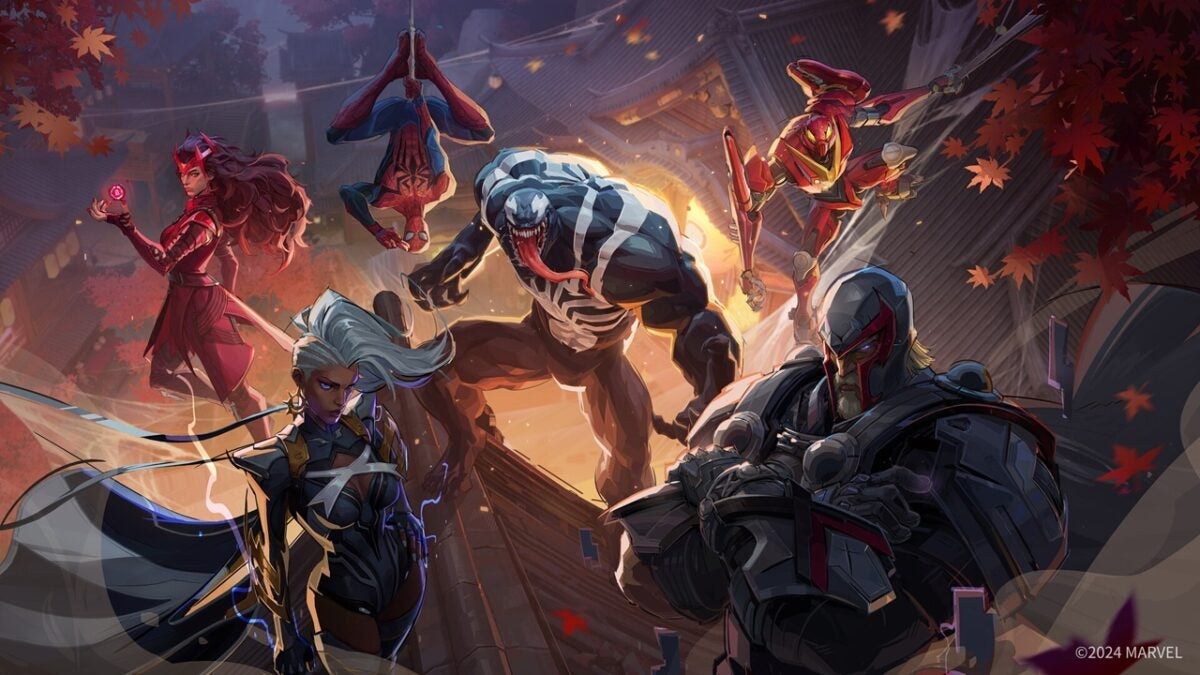
Recently, several developers from the successful game Marvel Rivals, produced by NetEase Games, were laid off. The news was confirmed by the game’s director, Thaddeus Sasser, who expressed his surprise at the situation. According to Sasser, his “talented team” had contributed to the launch of a new and successful franchise, achieving Marvel Rivals reaching 10 million players in its first 72 hours and 20 million in the following week. Despite these impressive numbers, all developers located in America, including two level designers, were laid off.
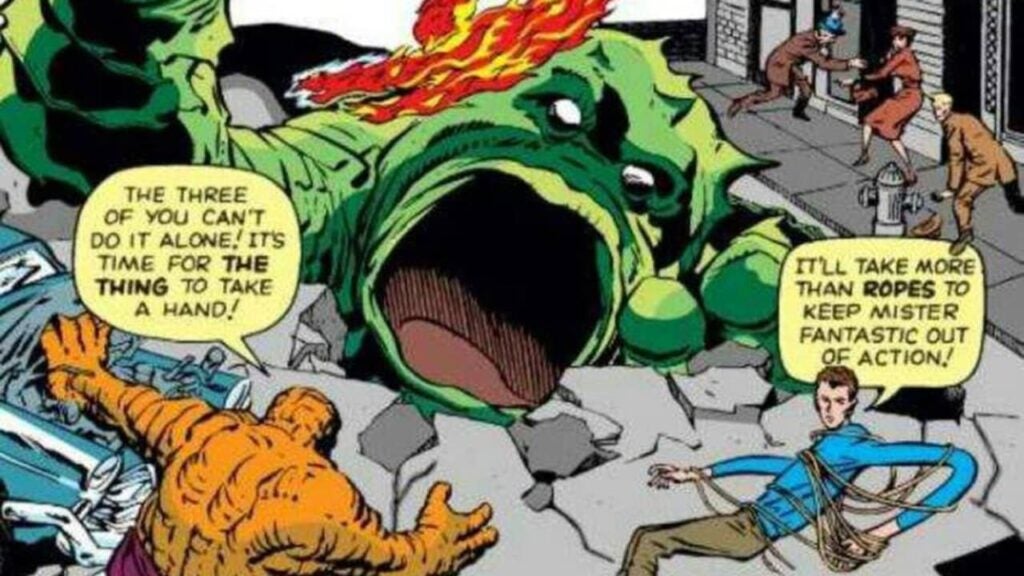
Marvel Rivals has positioned itself among the top five video games in the United States, standing out on multiple platforms such as PC, PlayStation, and Xbox Series X|S. This success is even more remarkable given that it integrates into a saturated live service gaming market. However, the fact that NetEase is scaling back its operations in the gaming sector, especially single-player titles, has left many in the industry puzzled. Despite the recent bad news, the game will continue to receive updates, with the introduction of new characters, such as The Human Torch and The Thing, scheduled for this week.
It is not the only study that has made cuts
In addition to the layoffs at NetEase, the Swedish studio Liquid Swords has also made the difficult decision to lay off part of its team. Founded by Chistofer Sundberg in 2020, Liquid Swords has yet to release its first title, but has stated that the measure responds to a priority for “long-term sustainability”. These layoffs reflect a worrying pattern in the industry, where the success of a game does not always guarantee job stability for its developers.
Marvel Rivals is a thrilling, team-based PvP game that brings the expansive Marvel universe to life in a dynamic and engaging way. This action game allows players to assemble their dream teams from a wide array of beloved Marvel characters, including heroes and villains from the Avengers, Guardians of the Galaxy, X-Men, and more.
The executive producer of Marvel Rivals, Weicong Wu, has reaffirmed that the NetEase Games team prefers to focus their time and effort on game development rather than creating strategies to deceive dataminers. After the game’s release last year, dataminers quickly began to explore the code in search of clues about upcoming characters. Some of their investigations confirmed the inclusion of the Fantastic Four; however, rumors about other characters emerged that do not necessarily guarantee their future incorporation into the title. Wu explained that the development process for each character is complex, and […]
The executive producer of Marvel Rivals, Weicong Wu, has reaffirmed that the NetEase Games team prefers to focus their time and effort on game development rather than creating strategies to deceive dataminers. After the game’s release last year, dataminers quickly began to explore the code in search of clues about upcoming characters. Some of their investigations confirmed the inclusion of the Fantastic Four; however, rumors about other characters emerged that do not necessarily guarantee their future incorporation into the title.
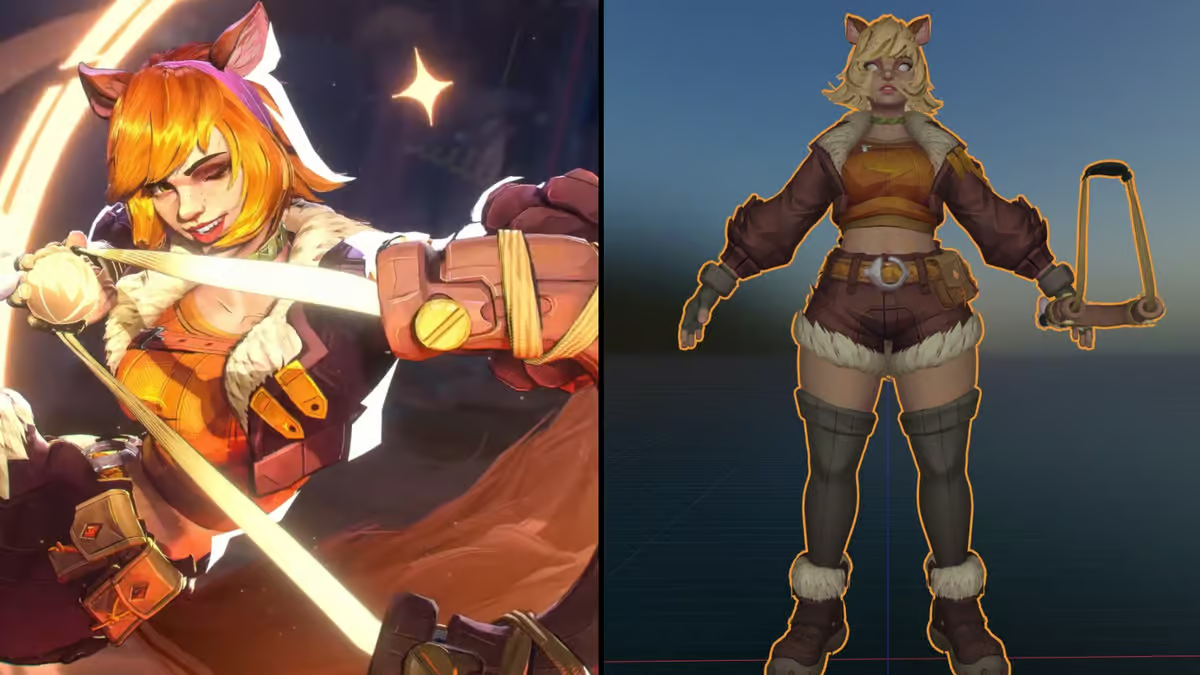
Wu explained that the development process for each character is complex, and it is possible that some leaks in the code correspond to ideas that have been explored without certainty of implementation. “There could be information in the code that means we have considered those directions, but there is no guarantee that they will appear in our future plans,” Wu mentioned. This suggests that, although some characters could be considered, such as Professor X and Paste-Pot Pete, their arrival in the game is not guaranteed.
At NetEase, they are clear: sometimes they have plans and the plans go wrong
On the other hand, the development team clarified that there is no “ten-year plan” for the game, even though Wu considered it would be ideal to have one. He compared the information extracted by dataminers to a “notebook left by someone doing preliminary work,” indicating that it may lack the necessary context for proper interpretation. When directly addressing the issue of whether NetEase is trying to outsmart the dataminers, Koo was clear: “No. We would prefer to spend our time developing the actual game.”
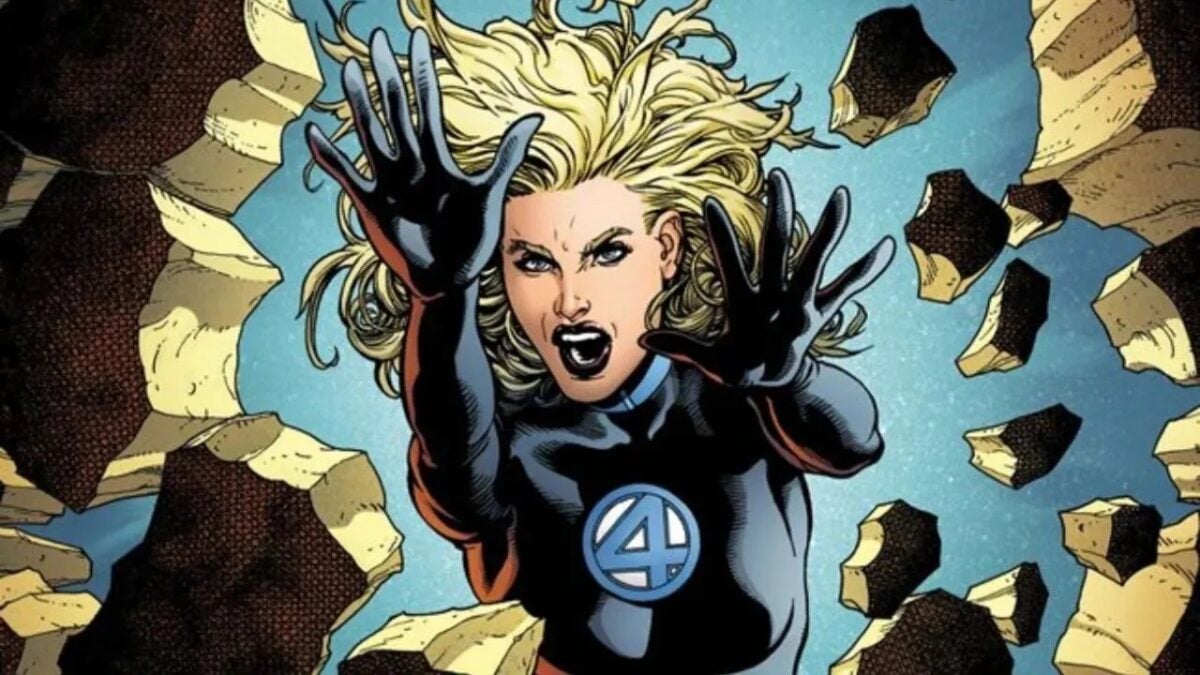
Finally, NetEase Games is making adjustments to the ranked rewards and extending the time for players to obtain the Invisible Woman skin, following a review of the rank reset. This change is being implemented in order to improve the player experience and provide more opportunities to unlock exclusive content.
Marvel Rivals is a thrilling, team-based PvP game that brings the expansive Marvel universe to life in a dynamic and engaging way. This action game allows players to assemble their dream teams from a wide array of beloved Marvel characters, including heroes and villains from the Avengers, Guardians of the Galaxy, X-Men, and more.
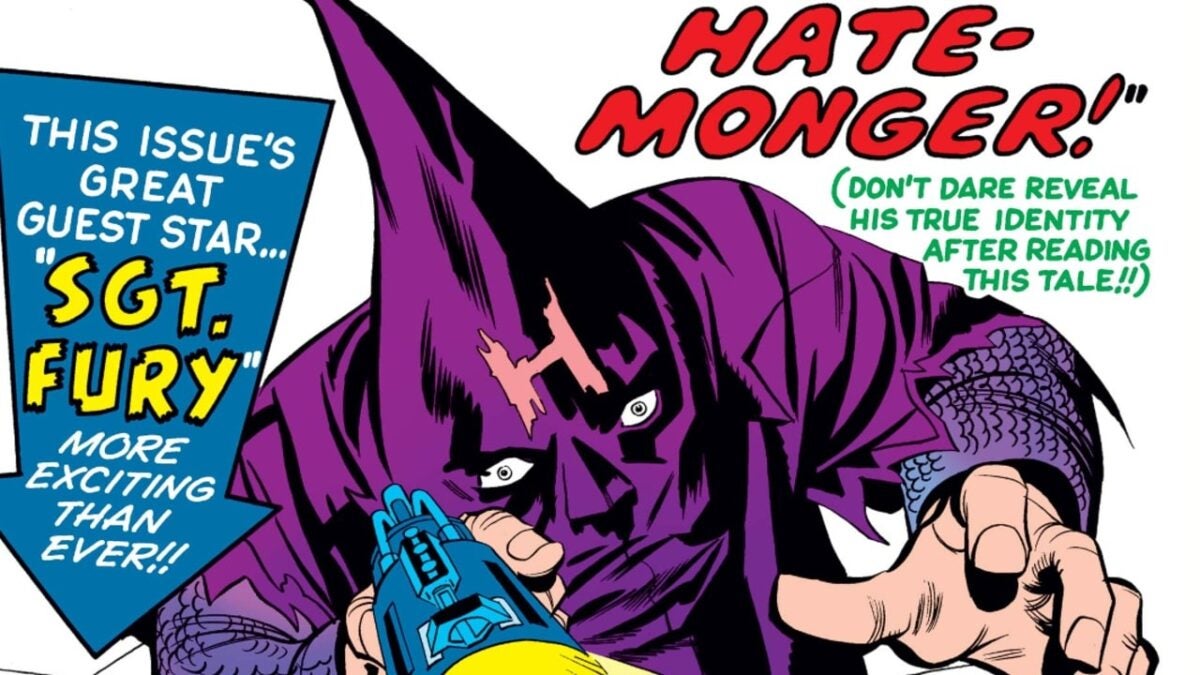
“;Don’t you dare reveal his true identity after reading this comic!” warned the cover of issue 21 of Marvel’s First Family while announcing the arrival of a new supervillain on the cover.
In the early days of Marvel, there were only two comic series that really managed to captivate all readers: Spider-Man and, of course, the Fantastic Four. And even though, at the beginning, they didn’t have the complex storylines we see now, they were more like adventures against the enemy of the week, who could typically be a communist (it was the era), someone with extraordinary powers explained in a not-so-scientific way… or even Adolf Hitler himself.
“Do not dare to reveal his true identity after reading this comic!” warned the cover of Marvel’s First Family‘s issue number 21 while announcing the arrival of a new supervillain named The Hate-Monger. And indeed, very few could have imagined that by the end, they wouldn’t dare to reveal the secret identity… unless they wanted to be taken for crazy.
The Hate-Monger, a villain dressed in a pointed purple hood, reminiscent of the Ku Klux Klan, shot “hate-rays” at people (and even at superheroes), causing riots and widespread hatred. “Foreigners, go back to where you came from, let’s show no mercy to those we hate!” he said in a comic panel. Again, this was in 1963. Sadly, we haven’t come that far in 60 years.
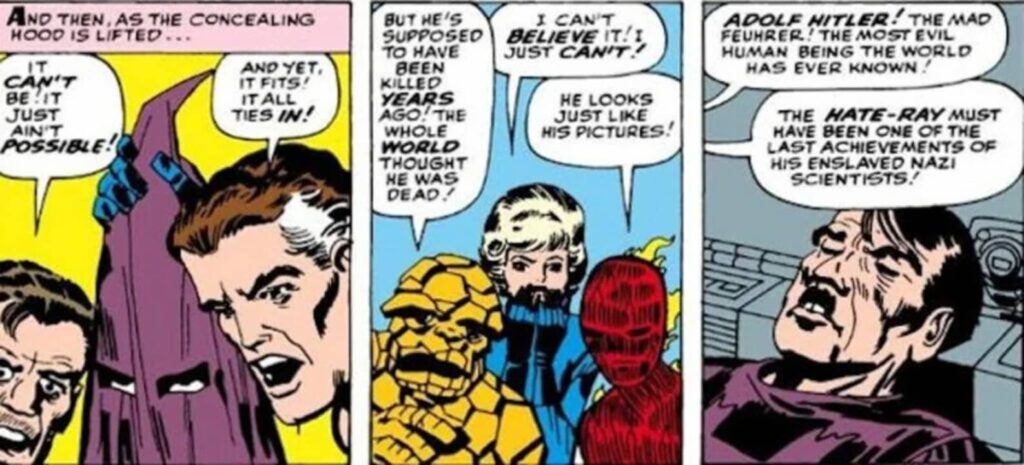
In the end, after the superheroes break free from the power of the hate-ray, the Hate-Monger dies, and it is revealed that Hitler was indeed under the hood. “The mad Führer! The most evil human being the world has ever known,” they commented in a children’s comic before declaring him dead. Obviously, as is often the case in comics, the Hate-Monger would return again and again, and he even ended up painting a swastika on Captain America’s shield.
His last appearance was a couple of years ago, so what seemed like absolute madness at the time has had continuity. After all, one can enter Twitter these days and get the impression that someone must have been shooting “hate-rays” here and there, right?
How has he survived to this day as the most important and powerful character in Marvel’s First Family?
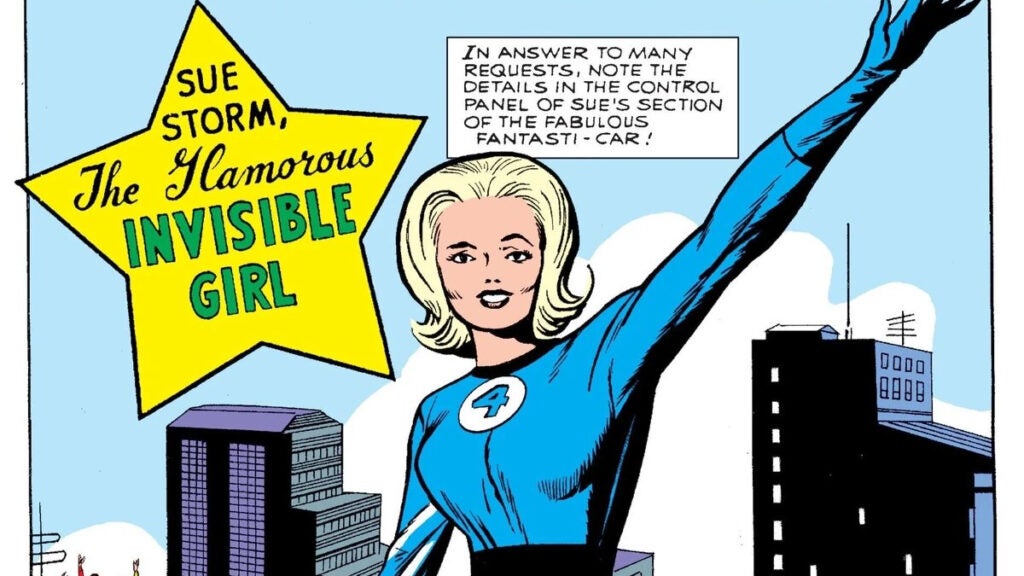
“Sue Storm, The Invisible Girl. Favorite hobbies: fashion, cooking, cosmetics and reading romance novels“; “If she marries, will she leave The Fantastic Four? Your guess will be as good as ours – it’ll probably depend on who she marries!”. The first annual Fantastic Four comic book created a profile of the girl in the group that even at the time gave some pause. Stan Lee didn’t know what to do with the character, her power was the weakest and readers didn’t want her on the team. So how has she survived to this day as the most important and powerful character in Marvel’s First Family?
Having tea and looking at dresses
The Fantastic Four were born in 1961, at the height of the Yankee economic boom: World War II had ended fifteen years earlier and Vietnam was still an exotic country that most Americans had never heard of. Superman had been flying over the skies of Metropolis for 23 years and in the offices of Marvel, a company that had just changed its name from the classic Timely, Jack Kirby and Stan Lee were preparing the first comic book of a collection that would change everything.
The Fantastic Four is the first superhero comic in which the heroes are, within their capabilities… human. They show imperfections, they are everyday people and, in addition, they fight against strange alien villains or, in a propaganda twist that bordered on the absurd, from beyond the Iron Curtain. A family of superheroes. Reed Richards, the adult; Johnny Storm, the teenager; Ben Grimm, the bronco… And Susan Storm, who under Stan Lee’s rule had the personality of “the girl”.
Do you know why Sue gets into the space trip that would later give them powers? Because Reed “is her fiancé, and where you go, I go.” In her day, with a female stereotype sustained by I Love Lucy and romance comics, this was what was expected of her. A woman who, paradoxically, made herself… invisible. While her companions could boast extravagant powers (the Human Torch, Mister Fantastic, the Thing), she stood aside, usually adopting the role of damsel in distress. And the public began to take notice.
You should throw her out
On the mailing page of issue #6 it’s a Martin Ross who opens fire on Sue: “She’s the greatest! But I think you should kick Susan Storm out. She never does anything”. These two lines – who said Twitter invented being a hater? – led to an explosion of people for and against that culminated in a little story where the characters read the letters and tried to explain that she was essential to the group.
“Some readers say I don’t contribute enough, that you’d be better off without me! And maybe they’re right,” Sue lamented before Reed and Ben set the record straight, comparing the superheroine to Abraham Lincoln’s mother, culminating with “If you want to see women fighting, go watch women’s wrestling!” and presenting “our favorite sidekick” with a birthday cake. Not before leaving her not knowing what to say and the Thing surprised (“First time I’ve ever heard a woman say something like that!”). It was the time.
Sue Storm was gaining importance in the plots, especially as the focal point of the love triangle between Reed and Namor, but mostly as a comic counterpoint who always made references to cleaning or buying high-end dresses. Sue was a superheroine in a world of heroes where she could only be compared to The Wasp, Ant-Man’s sidekick. She could save the day from time to time, but not even the advancement of women’s rights could prevent that, once she gave birth to Franklin in 1968, no one at Marvel knew what to do with her.
The invisible woman
Sue became a housewife, a character who listened to others and who, at any given moment, could change the course of a battle with her force fields or her psionic rays, but it took John Byrne to turn everything upside down and give her the role she deserved in the Marvel Universe. Not as a mother or a wife, but as one of the most powerful women in the world.
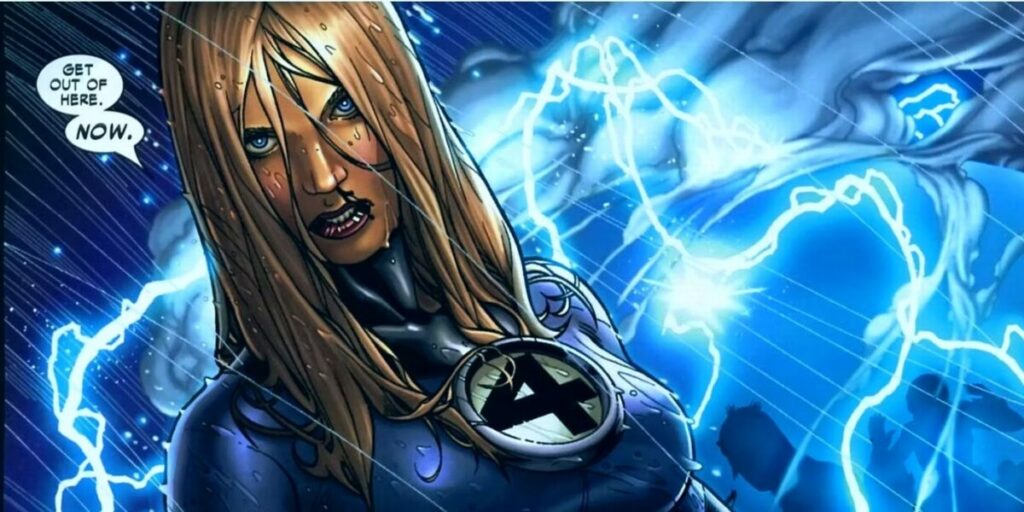
The Invisible Girl became The Invisible Woman, her powers grew in intensity, she began to develop her own personality beyond Reed and Johnny… And finally, in Civil War, they decided to turn her into everything she was and more. Confronted in the superheroic battle, Sue ended up writing a letter to Reed where she made her intentions clear: “Johnny and I will be working underground from now on, and obviously there is no room for Franklin and Valeria. That’s why I’m leaving you to look after them and asking you to give them the time you’ve so often denied them in the past.” Boom.
Civil War may not have been the best comic book in the world, but it was, 45 years after its creation, the final awakening of a character who would never again wear an apron and keep quiet behind her husband. From the teenager obsessed with dresses to the independent woman, dozens of writers and cartoonists have shaped her over the years. The submissive Sue of the early 60s made sense in her context, but we live better knowing that the Invisible Woman was always the most fantastic of the four. Now it just remains to be seen if the next Marvel movie will be able to understand that.