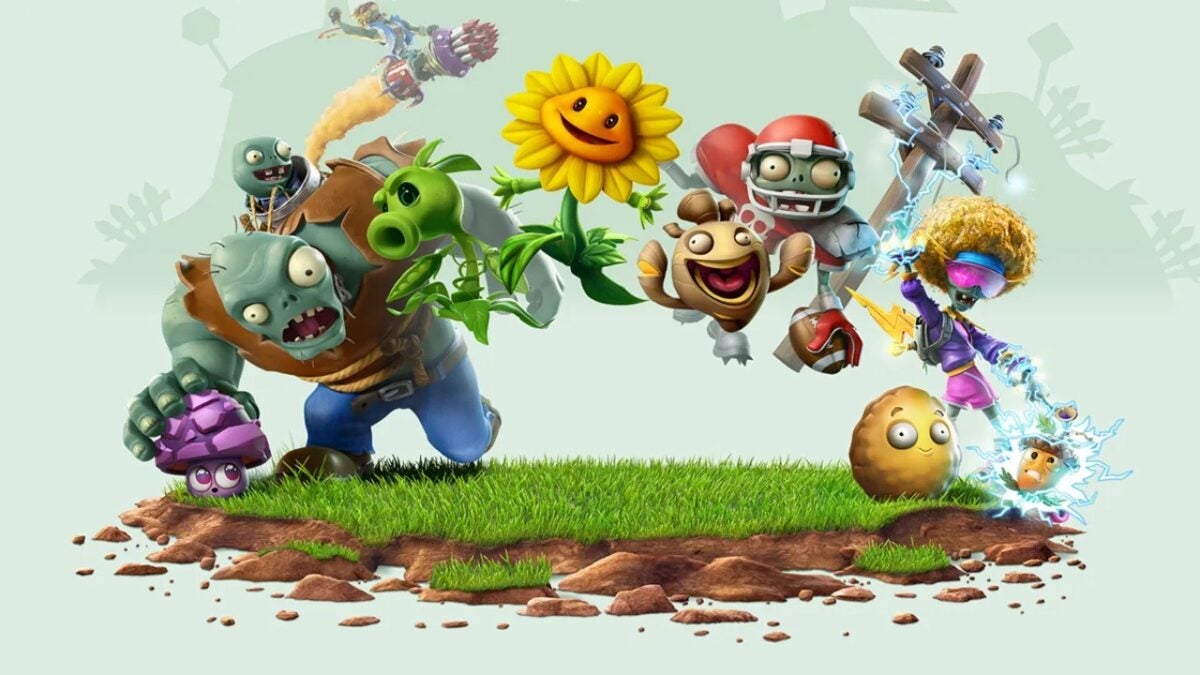
From Zombies to Silence: The Mysterious Disappearance of PopCap Games

14 years have passed since that first game and since then we haven't heard much from PopCap, its developers. And it's what… What happened to them?

Surely you remember the first time you played Plants Vs Zombies: a game as simple in appearance as it was complex to master, which relied on the player’s ability to plant the right sunflowers and place the perfect plants and guessing strategies that ended on a high note, with one of the biggest hits in the history of video games (only second only to Portal’s Still Alive). But 14 years have passed since that first game and since then we haven’t had much news from PopCap, its developers. So… What has become of them?

Sexy Action Cool

Year 2000, Seattle. Jason Kapalka founds Sexy Action Cool, his own video game company, together with John Vechey and Brian Fiete. The idea was to create innovative video games that they were passionate about, even if they first had to make cheap but attention-grabbing stuff to make easy money. Their first attempt was Foxy Poker, which was about, you guessed it, a game of strip poker.
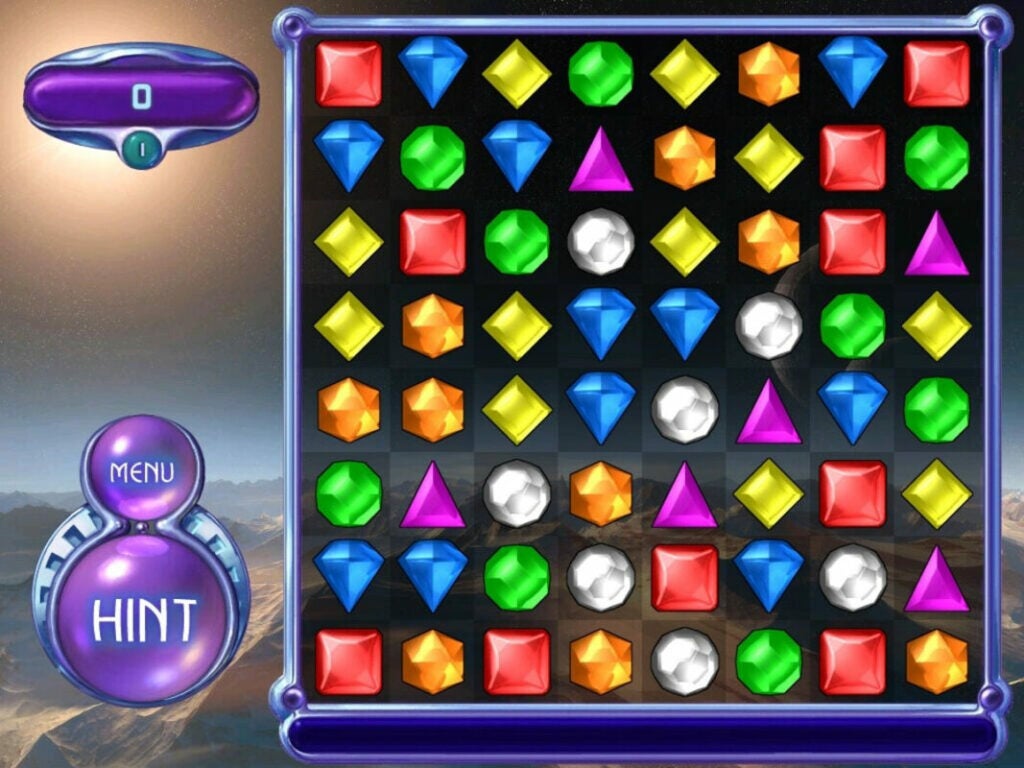
Sadly for them, the game did not succeed (for whatever reason) and in fact it is currently lost, but the fame they did not get then was achieved with their next release, the famous Bejeweled (formerly known as Diamond Mine), which at that time was played directly from the Internet. Between Diamond Mine and Bejeweled it took four months of development and they achieved more than ten million units sold between all the platforms where it was adapted, from Blackberry to… the first iPod.

Sexy Action Cool had already changed its name to PopCap, and its success was such that it even acquired a casual games company and expanded outside Seattle: they opened a company in Dublin and planned, between sequels to Bejeweled and other casual video games (such as Peggle and Bookworm), what they had always wanted to do. That is, a completely original title that would change the rules of the game.

Plants vs Zombies DOWNLOAD
Defiéndete de los zombies con tus plantas

Practicing gardening

In 2001, George Fan, a Californian developer, created a game called Insaniquarium that mixed pet simulation, strategy, action and puzzles. Years later, he was still kicking around the idea of making a sequel, which eventually led to a tower defense between plants and zombies. The PopCap team, passionate about the subject, took three and a half years to put the game together before launching it on May 5, 2009. A decade after its founding, they had finally achieved what they were looking for: a more or less original, epoch-making hit.

Plants Vs Zombies (which was going to be called Lawn of the Dead until George A. Romero expressly forbade it) took ideas from Warcraft III, Magic The Gathering and Swiss Family Robinson, but gave them the perfect twist to create a little adventure game with no micropayments, the old-fashioned way. The game came to iPhone, Android and consoles over the years and became PopCap’s fastest selling game ever.
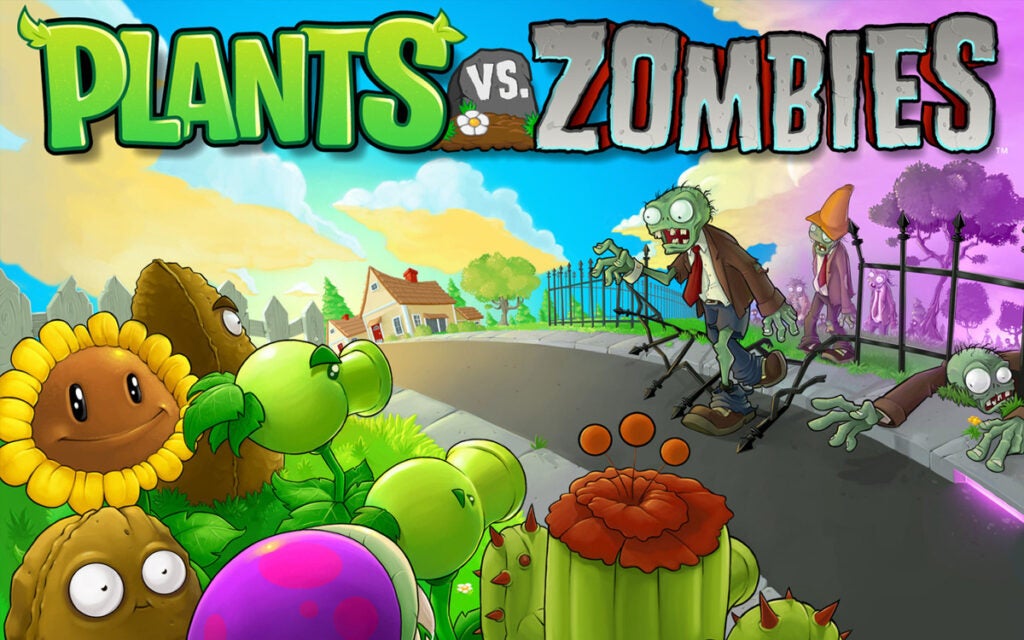
To give you an idea: in just nine days, sales on iOS exceeded one million dollars, so PopCap had an incredible future ahead of it. And then, as in all horror stories, along came the big bad wolf. In this case, Electronic Arts, which bought the company on July 12, 2011 for $560 million. And when you’re bought by someone like Electronic Arts, they want immediate results: the beginning of the end.

More plants, more zombies

Since its purchase, PopCap has not released a single original game: only sequels to Peggle, Zuma, Bejeweled and, of course, Plants Vs Zombies. In August 2012, in fact, they announced that they would lay off fifty employees to focus on developing free-to-play games with micropayments. Said and done: in 2013, Plants Vs Zombies 2: It’s About Time was fun enough to ignore the fact that every so often you were pushed to buy power-ups and novelties.
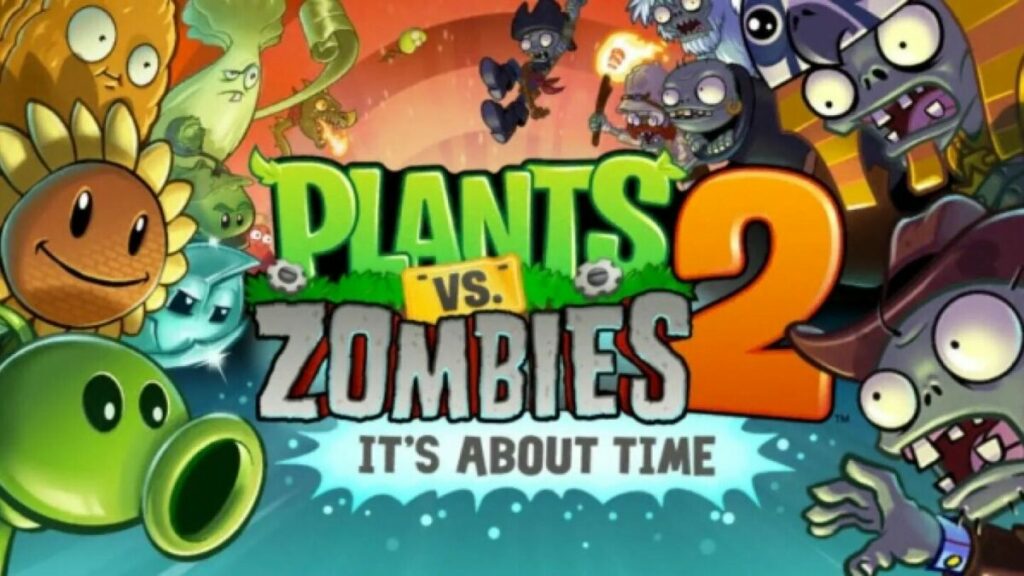
The sequel was a bigger hit than the original: it sold 25 million units in one month, setting the franchise up for success. But greed is dangerous, and after PopCap Vancouver took a chance (and succeeded) with the two great Garden Warfare games, it was time to go back to mobile: Plants vs Zombies Heroes launched in 2016 with the ability to play on any of the two teams and with a system similar to that of Hearthstone… And with increasingly annoying and intrusive ads and micropayments.

And since then, beyond another console game similar to Garden Warfare, nothing. Plants vs Zombies 3 remains an eternal promise that they’ve been developing for years and years doing something they hadn’t done up to that point: disregard EA’s pleas and listen, instead, to the fans. In July 2019, a pre-alpha was released on Android. Then, in October 2020, there was a worldwide release, but it was so criticized for continuous micropayments that it was withdrawn a month later. In 2021 there was another attempt, but so far there hasn’t been an official release… And EA is starting to get nervous.
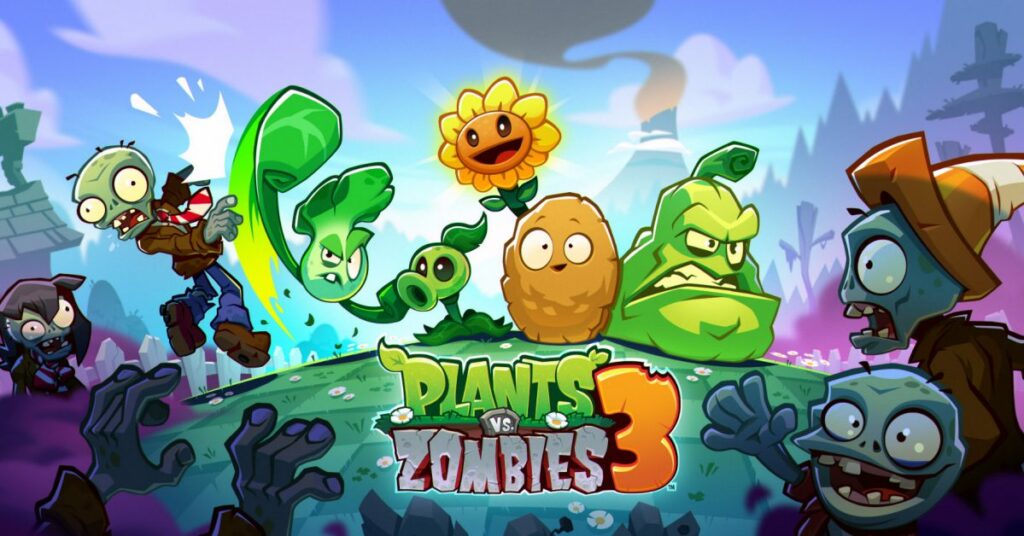
With a broken management team, a community of fans demanding a return to the basics of the first game, a canceled animated film, and several canceled projects, the question is in the air: will they, like Rovio, manage to stay afloat, or before even from the third party PopCap has already died… but no one has warned them?
What happened to Rovio, the creators of Angry Birds

What happened to them? What happened to Rovio before and after Angry Birds?

If we make a list of the fifty most important video games in history, there would have to be Super Mario Bros or Call Of Duty, yes, but also Angry Birds, a mobile game that arrived three years before Candy Crush in a world where having the phone full of apps was still something grotesque and that turned a small studio in Finland into a money-making machine. But what happened to Rovio before and after Angry Birds?

Before the angry birds

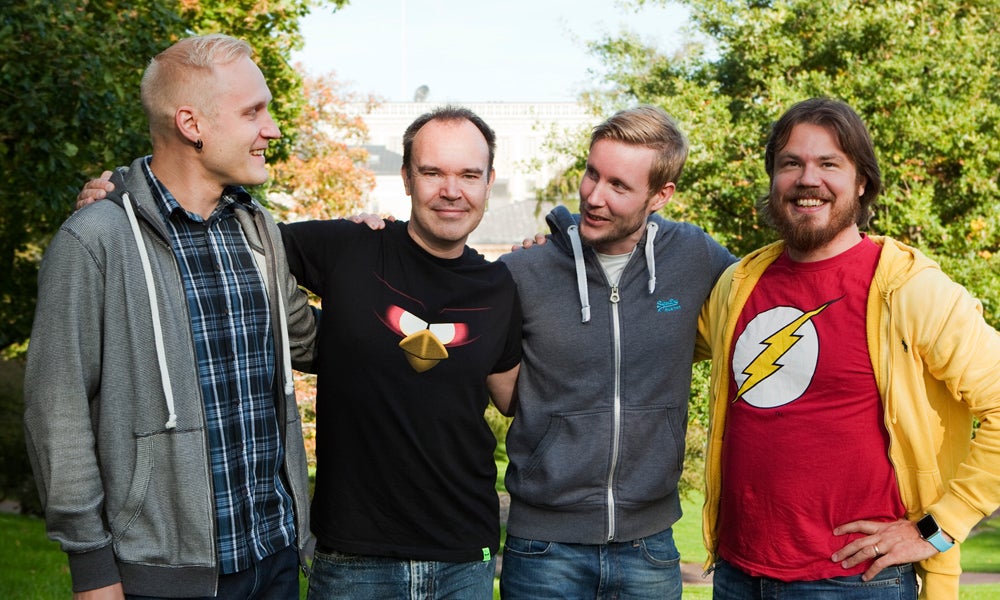
Year 2003. Three technology students from the University of Helsinki participate in a mobile game development contest and manage to set up King of the Cabbage World, which would later be known as Mole War and helped them set up their own company, which they called, effectively, Relude. Or, as we all knew it after they changed the name to a better one, Rovio.

“Rovio” means “pyre” in Finnish, and that’s why its logo is a kind of flame that has not been extinguished for two decades now. And for six years they had to fight to stay in the market, either through mobile games based on licenses (Need for Speed: Carbon, X-Factor 2008) and other more or less original ones. The problem was that someone understood the potential of playing on a cell phone at a time when the word “app” meant nothing. To put it another way: what’s the point of making good games if there’s no one to play them?

And then, in 2007, the iPhone arrived and everything changed: mobile games were no longer difficult to access, the target was literally everyone, and Rovio saw their chance to, after 51 attempts, get a little piece of the market. They only had three rules for their last great game before bankruptcy, Square style: it didn’t need a tutorial, its loading times should be minimal and one minute of gameplay should be enough to have an optimal experience. Oh, and a flashy icon on the App Store wouldn’t hurt. Before losing everything, what’s the worst that could happen?

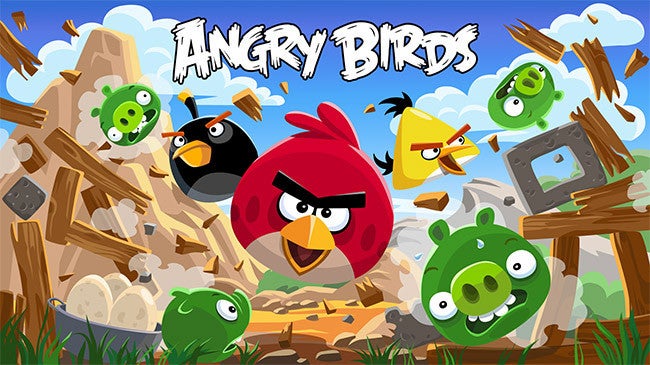
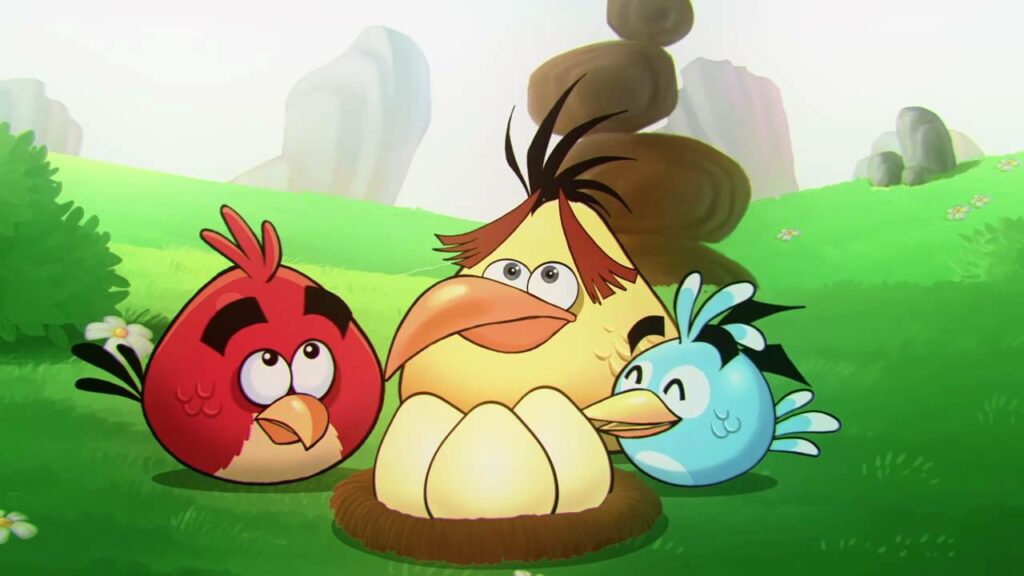
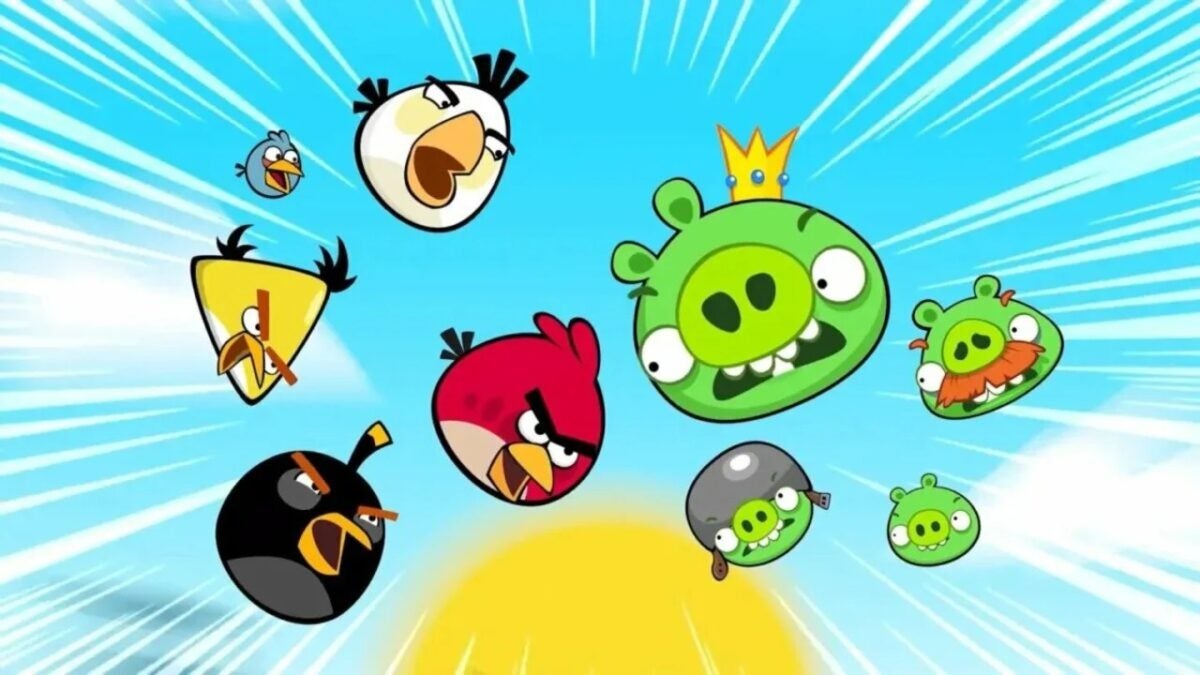
After several designs for a possible game, the management team was left with some angry birds that they found amusing. They found a reason for their anger (pigs had stolen their eggs) and spent 25,000 euros creating screens and their physics in their spare time. Six months later, Rovio had released four apps for other companies and had Angry Birds on the verge of success. And the proof that the game was addictive was that the mother of one of Rovio’s founders saw (well, smelled) her turkey burn on Thanksgiving because she was hooked on a trial version. All that was left to do was to throw it in a slingshot and see what happened. Success guaranteed… Or did it?

Angry birds

In December 2009, Rovio launched Angry Birds and it became, overnight… a bit of a flop. It didn’t take off in the United States or the United Kingdom, but it did in smaller markets. Little by little, between Finland, Greece, Sweden and Denmark, the game accumulated 40,000 downloads, enough to stay alive for a few more months. But in February 2010 everything changed. After Apple selected it as Game of the Week, it went from 600th to first place. And it would take quite a while to move from there.

Angry Birds DOWNLOAD

At first, the business was clear: the game cost money on iOS and was fed by ads on Android, but it gradually fell into the game of microtransactions. For example, for 89 cents an eagle that appeared in one of the updates could solve a level in which you were stuck and move on to the next: more than two million people used it. There were screens to pass, of course: although the first installment had only one chapter of 21 levels, at the end of its life it had almost five hundred. Almost nothing.

And then came the madness: Rovio put aside the rest of its projects to focus exclusively on Angry Birds. First came Angry Birds Seasons, in 2010, which was updated at different key moments of the year (Halloween, Christmas, the first day of school). Then, Angry Birds Rio, a crossover with the movie, of course, Rio. From then on, the madness.

After the angry birds

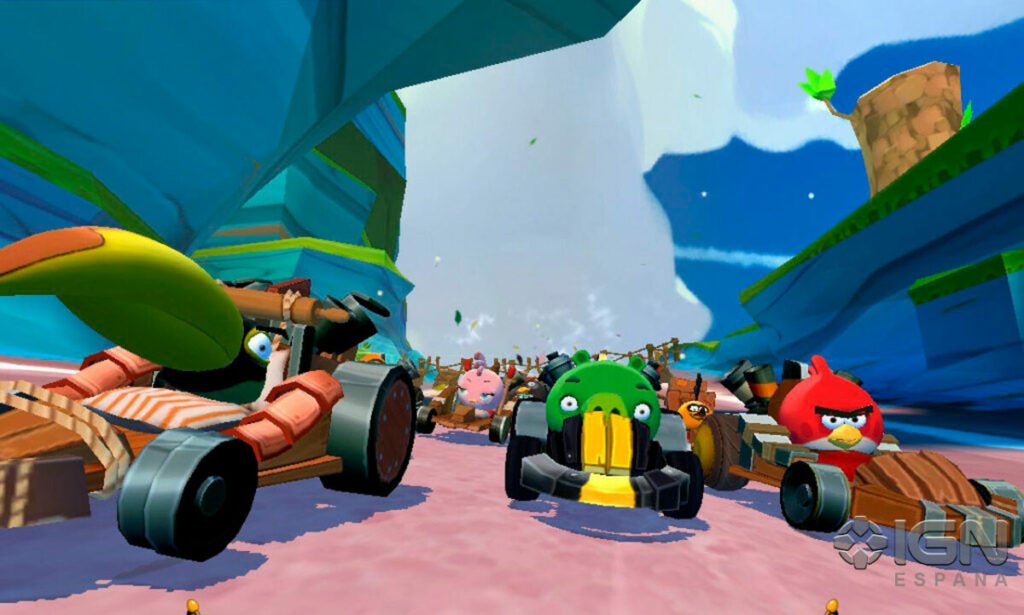
Crossovers with Star Wars and Transformers, racing games (Angry Birds Go!), RPGs (Angry Birds Epic), pinball (Angry Birds Action), tile-matching (Angry Birds Match), virtual reality… The saga has expanded to 28 games, two movies, 9 TV series and countless books. They even have theme park attractions! However, for some time now, longtime fans are not happy with them… And rightly so. It all goes back to the first game, before microtransactions were our everyday life.

And the fact is that Angry Birds has been removed from the app stores because -seriously- it overshadowed Rovio’s novelties. Just as it sounds. On iOS, Rovio Classics: Angry Birds, which costs 0.99 euros, has changed its name to Red’s First Flight, and on Android it has disappeared altogether. In fact, we can find Angry Birds 2, Angry Birds Friends or Angry Birds Dream Blast, but no trace of the original.

Rovio has based its business model so much on micropayments that promise a falsely free game, that a game like the first Angry Birds, in which everything was paid from the beginning, could hurt them in the face of an audience that has lost, in a decade, quite a lot of interest in the franchise’s games. In addition, it cannot be said that what Rovio has done outside the saga has been successful: Selfie Slam, Retry (an attempt to capitalize on Flappy Bird) or Love Rocks Starring Shakira have not had enough pull to imagine a future for the company without slingshots, pigs and trying to milk the (red) golden bird.