La preservación de los videojuegos se ha convertido en un tema crucial para los fanáticos, especialmente al considerar que muchos títulos clásicos no están disponibles para los jugadores. En este contexto, SEGA ha tomado una decisión significativa de descontinuar su iniciativa SEGA Forever, lanzada en 2017, que ofrecía una colección de … Continúa leyendo “”
The preservation of video games has become a crucial topic for fans, especially considering that many classic titles are currently not available to players. In this context, SEGA has made a significant decision to discontinue its SEGA Forever initiative, launched in 2017, which offered a collection of retro games on mobile devices. As of 2023, only nine classic titles remain that will soon disappear from download platforms.
A decision that can be patched, if you hurry
In light of this imminent disappearance, SEGA has decided to give away these nine classic games, providing players the opportunity to download them for free before they are removed from the Play Store and the App Store. To obtain these games, users must search for and download each title individually. Once installed, the games will be available to play offline, even after they have been removed from the digital stores.
It is important to highlight that, although SEGA has removed microtransactions from these games, they will continue to include advertisements until their definitive removal. Therefore, players who venture to download these classics should prepare to encounter ads during their gaming experience. However, the possibility of holding a part of SEGA’s history in the palm of their hand is a considerable attraction.
With the imminent disappearance of these titles, interested parties are advised to act quickly. Although no exact date has been specified for their removal, notices in the games warn that their elimination is imminent. This gesture from SEGA highlights the importance of video game preservation, an aspect that still requires greater commitment from companies in the sector.
Apple is preparing to take a significant step in the video game industry, where it has shown untapped potential, despite having over 1 billion active iPhones and a market-leading App Store. According to Bloomberg, the company plans to launch a new app focused on video games that will replace Game Center, offering consolidated access to Apple Arcade, unified achievements, and personalized recommendations. This app will be available for iPhone, iPad, Mac, and Apple TV devices by the end of this year. A platform with which they seek to carve out a space in the world […]
Apple is preparing to take a significant step in the video game industry, where it has shown untapped potential, despite having over 1 billion active iPhones and a leading mobile App Store. According to Bloomberg, the company plans to launch a new gaming-focused app that will replace Game Center, providing consolidated access to Apple Arcade, unified achievements, and personalized recommendations. This app will be available for iPhone, iPad, Mac, and Apple TV devices later this year.
A platform they seek to carve a niche in the world of video games
One of the most notable features of this new app is the ability to run games downloaded from other sources on Macs, a strategic move that could attract regular PC gamers on platforms like Steam. This functionality suggests an interest from Apple in expanding its user base and strengthening its presence in the competitive world of gaming.
In addition, Apple has made its first acquisition in the field of video games, buying the studio RAC7, known for its popular title Sneaky Sasquatch, which is part of Apple Arcade. Although a company representative emphasized that this purchase does not indicate a shift towards a strategy of massive acquisitions, it does reflect a commitment to offering exclusive content and diversifying its catalog.
The official presentation of the new application will take place on June 9 during the Apple Worldwide Developers Conference, where more announcements about other products and services are also expected. With these initiatives, it seems that Apple is ready to make a bolder move in the video game sector, an area where players have been waiting for a more aggressive move from Tim Cook’s company.
The Atlus event, scheduled for today May 15, has been overshadowed by a slip from Apple’s App Store. This accidental revelation of the release date for the highly anticipated spin-off Persona 5: The Phantom X has surprised both fans and organizers. According to the leaked information, the game will be released on June 26 on mobile devices. Although the official page for the title had been active for months, the leak has raised concerns about possible surprises that may have been missed. The Atlus event in the background Developed by Black Wings Game Studio […]
The Atlus event, scheduled for today, May 15, has been overshadowed by a slip from the Apple App Store. This accidental revelation of the release date for the highly anticipated spin-off Persona 5: The Phantom X has surprised both fans and organizers. According to the leaked information, the game will be released on June 26 for mobile devices. Although the official page for the title had been active for months, the leak has raised concerns about possible surprises that may have been missed.
The Atlus event in the background
Developed by Black Wings Game Studio under the supervision of Atlus and SEGA, Persona 5: The Phantom X is a free-to-play game that incorporates gacha mechanics, turn-based combat, and social simulation, set in a parallel universe to the successful franchise. The visual style and stylized aesthetics that made Persona 5 famous will be present, along with new characters and settings that enrich the experience.
This spin-off had already made its initial debut in China in April 2024, and has expanded its availability to Taiwan, South Korea, and Hong Kong, so its arrival to the rest of the world was just a matter of time. However, Apple’s history of leaks, which previously affected launches like Apex Legends Mobile and Genshin Impact, has generated some skepticism. The App Store revelations may not be an isolated coincidence.
Fans will be able to follow Atlus’s event through its official YouTube channel, where it is expected to focus on gameplay news specifically designed for the Western audience, with the aim of satisfying the preferences of players less familiar with gacha mechanics. At the same time, it is anticipated that the release date will be officially confirmed during the event.
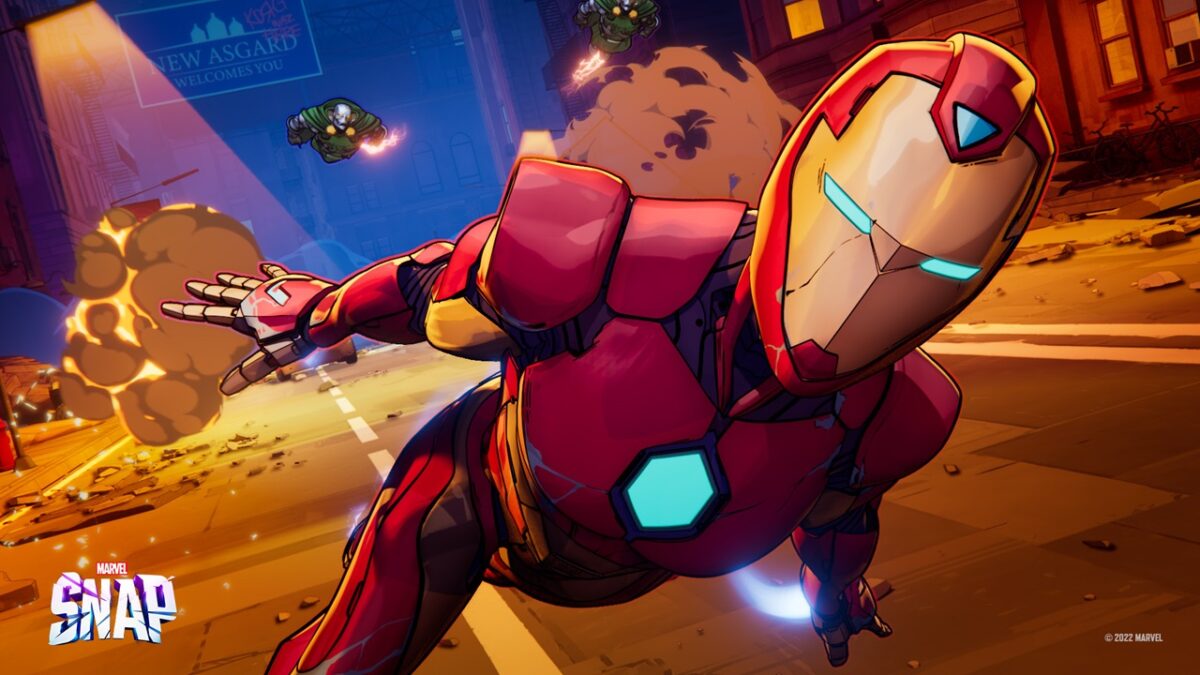
Marvel Snap, the popular collectible card game, faced significant downtime last week due to a diplomatic controversy related to TikTok. While the video app was blocked in the U.S. for a brief period, Marvel Snap remained offline for 24 hours on PC and a week on the App Store. This conflict arose because Nuverse, the game’s main publisher, is a subsidiary of Bytedance, the company that owns TikTok. Marvel Snap changes publisher after the fiasco with Bytedance In light of this situation, Second Dinner, the studio behind Marvel […]
Marvel Snap, the popular collectible card game, faced significant downtime last week due to a diplomatic controversy related to TikTok. While the video app was blocked in the U.S. for a brief period, Marvel Snap remained offline for 24 hours on PC and a week on the App Store. This conflict arose because Nuverse, the game’s main publisher, is a subsidiary of Bytedance, the company that owns TikTok.
Marvel Snap changes publisher after the fiasco with Bytedance
In light of this situation, Second Dinner, the studio behind Marvel Snap, announced its intention to take on most of the operational and publishing responsibilities internally. To carry out this transition, they will have the support of Skystone Games, a relatively new American publisher, founded in 2020 by David Brevik, known for his work at Blizzard.
In a statement published on social media, Second Dinner thanked both Nuverse and Skystone for their collaboration and announced that they have already signed agreements to bring most of the operational functions in-house. This measure aims to ensure service continuity and avoid future inconveniences like the one recently experienced.
The unexpected interruption of the game generated a wave of criticism among players, who have requested compensation for the days the service was offline. Among the suggested rewards are gaming experiences (XP) and Spotlight Keys, which has sparked an intense debate in the community.
Although Skystone Games has published titles since its inception, none have the same profile or popularity as Marvel Snap. The company is now in a crucial position to face the challenges posed by managing such a high-profile game and ensure that the service remains uninterrupted in the future.
Koei Tecmo has announced that the mobile and PC game, Atelier Resleriana: Forgotten Alchemy and the Polar Night Liberator, will shut down its servers on March 28, 2025, just a year after its launch in January 2024. This title, which was presented as a main adaptation of the Atelier series, has generated a bittersweet reception among fans, despite receiving acceptable ratings on mobile platforms like Google Play (4.2) and the App Store (4.6). However, the game has faced criticism in its PC version, where it received a disappointing score of 55% […]
Koei Tecmo has announced that the mobile and PC game, Atelier Resleriana: Forgotten Alchemy and the Polar Night Liberator, will shut down its servers on March 28, 2025, just a year after its launch in January 2024. This title, which was presented as a main adaptation of the Atelier series, has generated a bittersweet reception among fans, despite receiving acceptable ratings on mobile platforms like Google Play (4.2) and the App Store (4.6).
However, the game has been subject to criticism in its PC version, where it received a disappointing score of 55% on Steam, suggesting a widespread lack of interest among veterans of the saga. Many fans have expressed their dissatisfaction with the simplified gameplay and a monetization system that, according to them, failed to capture the essence of previous games, leading to this premature closure.
With the suspension of in-game purchases scheduled for January 27, players will have a limited time to use their gems before the game is bid farewell from the digital landscape. Koei Tecmo, in their announcement, thanked players for their support and confirmed that there will be special events until the closure, allowing the community to enjoy a proper farewell.
The game as a service dies, but its premium games flourish
Despite this closure, the Atelier series does not stop. Atelier Resleriana: The Red Alchemist and the White Guardian is expected to be released in 2025 on platforms such as PS5, PS4, Switch, and Steam. This news suggests that, although one project in the series did not achieve the expected success, the developers continue to explore new narratives and mechanics within the Atelier universe.
Developers will have to pay Apple between 12% and 27% in commission for purchases initiated through the external purchase link right…
iOS app developers are in for an unpleasant surprise if they link to alternative payment methods following changes in the App Store guidelines. They thought they had won, but Apple has had its way.
As a result, developers can now reference and link to alternative payment methods in their iPhone applications. Although this change may initially seem like a long-awaited victory, it is actually accompanied by restrictions that discourage developers from adopting it.
In fact, some developers could end up losing more money if they implement this new StoreKit External Purchase Link Entitlement.
You can now direct to your own website for purchases in the US store. Examples in the screenshot.
– Submit an application, they will check the payment information and the site – Add the StoreKit External Purchase Link Entitlement to your plist – Apple's commission is 27%
— Sparrow Code for iOS developers (@sparrowcode_en) January 17, 2024
Not all developers can implement it
Before a developer can reference an alternative payment method in their application, they must first submit a form and wait for Apple’s permission.
In order for the permission to be granted, the iOS/iPadOS application must be available in the US store, as this change does not affect the rest of the world. Additionally, the application must continue to be compatible with Apple’s IAP system while the external purchase link is applied.
Not to mention that those who participate in the Apple Video Partner Program and/or the News Partner Program will not be able to apply for it. If granted, the developer must also comply with the StoreKit External Purchase Link Entitlement restrictions.
The Commission fee (27%) on Apple's new "StoreKit External Purchase Link Entitlement" is a huge middle finger to the developers… pic.twitter.com/J8YddVCUO0
Undoubtedly, the previous restrictions discourage both developers and users from opting for external payment methods. However, Apple has also included a condition to further discourage developers from linking alternative payment methods.
Developers will have to pay Apple a commission of between 12% and 27% for purchases initiated through the external purchase link right of StoreKit. As a reference, the company charges developers between 15% and 30% when they use the App Store’s IAP system.
This means that developers would have to pay Apple up to 27%, along with the other fees they pay for processing payments on their websites. As a result, it may be cheaper for many of them to simply continue adopting Apple’s payment method and not reference any external options at all.
Ultimately, Apple’s intentions are very clear, and the App Store guidelines have been updated simply to comply with the ruling, not to help developers make more money.
While some developers may choose to do so, we can safely assume that many popular apps will not. Beyond the upcoming support for side-loading apps in iOS 17 in the EU, it appears that the App Store will remain unchanged for now.
A system that works very well and, however, sometimes I could give an error, this is what we can do if it happens to us.
How to update the apps on your iPhone or iPad? Easy, they update themselves. In general we do not have to do anything on our own, when the device has enough battery and network connection installs updates automatically. A system that works very well and, however, sometimes I could give some error, this is what we can do if it happens to us.
There are few times that it will present us with an error, but if it does, we will know how to fix it.
On rare occasions the App Store, the app where we go to update our apps as well as discover new ones, shows us a connection error. So what do we do then? Softonic has six steps that will help us to access the App Store again.
milestone in the ongoing legal fight over App Store rules and the role of online platforms.
Yesterday, Monday, April 24, 2023, the long-running legal battle between Apple and Epic Games over App Store rules reached another decisive chapter in which Apple emerged as the winner. This dispute originated in 2020, when Epic Games decided to openly violate the rules preventing apps from circumventing the in App purchases system. Something he did with the aim of triggering a legal battle against those from Cupertino and that not only has not achieved its goal, but has strengthened Apple’s position on several decisive points.
Court of Appeals upholds first ruling, upholding Apple’s case
After the first gesture by Epic, in which they activated an alternative payment method in Fortnite and then filed a lawsuit against Apple and Google for removing the application from their respective stores as it was not compatible with the rules, we had to wait. A trial was prepared and held which, took place in 2021.
The judge in charge of the case ruled in Apple’s favor, finding that the company did not violate antitrust laws, something Epic accused it of. Epic Games was quick to appeal this decision, arguing that the original court had “reached the wrong conclusion” and “made several legal errors”. An appeal for which we had to wait again until yesterday, when the new court again gave full reason to Apple.
The Ninth Circuit Court of Appeals dismissed Epic Games’ allegations, which claimed that the App Store rules violated federal antitrust law by not allowing third-party app marketplaces. Thus, according to Bloomberg, the appeals court upheld, in full, the previous judgment.
A ruling, let’s remember, that will make app developers able to direct customers to purchase mechanisms external to the App Store. Something on which Apple has commented that it “respectfully disagrees” before stating that the verdict is a great victory for the company:
“Today’s decision reaffirms Apple’s resounding victory in this case, as nine of the ten claims have been decided in Apple’s favor. For the second time in two years, a federal court has ruled that Apple is in compliance with state and federal antitrust laws. The App Store continues to promote competition, drive innovation and expand opportunity, and we are proud of its profound contributions to both users and developers around the world.”
“We respectfully disagree with the court’s ruling on the only remaining claim under state law and are considering further review.”
About these changes, the Cupertino-based company already argued that they could “upset the delicate balance between developers and customers,” resulting in irreparable harm to both Apple and consumers. The company also indicated that it needs time to address the “complex and rapidly evolving legal, technological and economic issues” that the update would entail.
For all these reasons, Apple has managed to postpone the implementation of the App Store changes until the conclusion of the appeals trial, as it had also appealed the part of the ruling that did not favor it. Now, with the ruling already issued, it is to be expected that Apple will make some changes and adjustments to the App Store – we may see some at WWDC 2023 – to comply with the court’s decision.
In any case, it is clear that the appeals court ruling may have repercussions beyond the dispute between Apple and Epic Games. Other app developers and regulators around the world are closely watching this case, which automatically becomes a benchmark. The fact, therefore, that Apple has emerged victorious and its arguments prevail is something to keep a close eye on.
The appeals court decision in the case between Apple and Epic Games marks a milestone in the ongoing legal fight over App Store rules and the role of online platforms. Apple has won a resounding victory and, while this is a constantly evolving market, the situation is much clearer now that the court has ruled for the second time already
What happened to them? What happened to Rovio before and after Angry Birds?
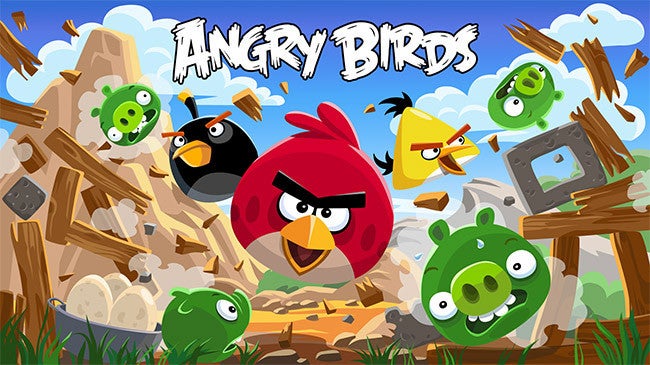
If we make a list of the fifty most important video games in history, there would have to be Super Mario Bros or Call Of Duty, yes, but also Angry Birds, a mobile game that arrived three years before Candy Crush in a world where having the phone full of apps was still something grotesque and that turned a small studio in Finland into a money-making machine. But what happened to Rovio before and after Angry Birds?
Before the angry birds
Year 2003. Three technology students from the University of Helsinki participate in a mobile game development contest and manage to set up King of the Cabbage World, which would later be known as Mole War and helped them set up their own company, which they called, effectively, Relude. Or, as we all knew it after they changed the name to a better one, Rovio.
“Rovio” means “pyre” in Finnish, and that’s why its logo is a kind of flame that has not been extinguished for two decades now. And for six years they had to fight to stay in the market, either through mobile games based on licenses (Need for Speed: Carbon, X-Factor 2008) and other more or less original ones. The problem was that someone understood the potential of playing on a cell phone at a time when the word “app” meant nothing. To put it another way: what’s the point of making good games if there’s no one to play them?
And then, in 2007, the iPhone arrived and everything changed: mobile games were no longer difficult to access, the target was literally everyone, and Rovio saw their chance to, after 51 attempts, get a little piece of the market. They only had three rules for their last great game before bankruptcy, Square style: it didn’t need a tutorial, its loading times should be minimal and one minute of gameplay should be enough to have an optimal experience. Oh, and a flashy icon on the App Store wouldn’t hurt. Before losing everything, what’s the worst that could happen?
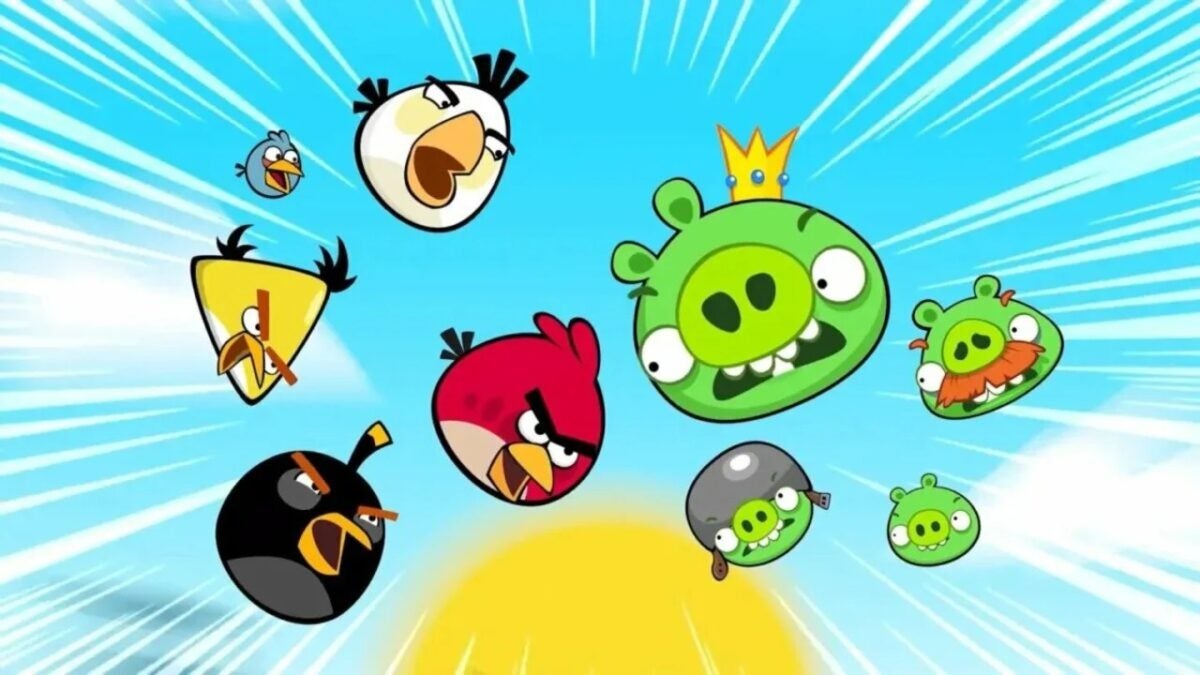
After several designs for a possible game, the management team was left with some angry birds that they found amusing. They found a reason for their anger (pigs had stolen their eggs) and spent 25,000 euros creating screens and their physics in their spare time. Six months later, Rovio had released four apps for other companies and had Angry Birds on the verge of success. And the proof that the game was addictive was that the mother of one of Rovio’s founders saw (well, smelled) her turkey burn on Thanksgiving because she was hooked on a trial version. All that was left to do was to throw it in a slingshot and see what happened. Success guaranteed… Or did it?
Angry birds
In December 2009, Rovio launched Angry Birds and it became, overnight… a bit of a flop. It didn’t take off in the United States or the United Kingdom, but it did in smaller markets. Little by little, between Finland, Greece, Sweden and Denmark, the game accumulated 40,000 downloads, enough to stay alive for a few more months. But in February 2010 everything changed. After Apple selected it as Game of the Week, it went from 600th to first place. And it would take quite a while to move from there.
At first, the business was clear: the game cost money on iOS and was fed by ads on Android, but it gradually fell into the game of microtransactions. For example, for 89 cents an eagle that appeared in one of the updates could solve a level in which you were stuck and move on to the next: more than two million people used it. There were screens to pass, of course: although the first installment had only one chapter of 21 levels, at the end of its life it had almost five hundred. Almost nothing.
And then came the madness: Rovio put aside the rest of its projects to focus exclusively on Angry Birds. First came Angry Birds Seasons, in 2010, which was updated at different key moments of the year (Halloween, Christmas, the first day of school). Then, Angry Birds Rio, a crossover with the movie, of course, Rio. From then on, the madness.
After the angry birds
Crossovers with Star Wars and Transformers, racing games (Angry Birds Go!), RPGs (Angry Birds Epic), pinball (Angry Birds Action), tile-matching (Angry Birds Match), virtual reality… The saga has expanded to 28 games, two movies, 9 TV series and countless books. They even have theme park attractions! However, for some time now, longtime fans are not happy with them… And rightly so. It all goes back to the first game, before microtransactions were our everyday life.
And the fact is that Angry Birds has been removed from the app stores because -seriously- it overshadowed Rovio’s novelties. Just as it sounds. On iOS, Rovio Classics: Angry Birds, which costs 0.99 euros, has changed its name to Red’s First Flight, and on Android it has disappeared altogether. In fact, we can find Angry Birds 2, Angry Birds Friends or Angry Birds Dream Blast, but no trace of the original.
Rovio has based its business model so much on micropayments that promise a falsely free game, that a game like the first Angry Birds, in which everything was paid from the beginning, could hurt them in the face of an audience that has lost, in a decade, quite a lot of interest in the franchise’s games. In addition, it cannot be said that what Rovio has done outside the saga has been successful: Selfie Slam, Retry (an attempt to capitalize on Flappy Bird) or Love Rocks Starring Shakira have not had enough pull to imagine a future for the company without slingshots, pigs and trying to milk the (red) golden bird.