Crunchyroll is pulling a Netflix with video games: here’s how the new service works

Crunchyroll goes the Netflix route and begins to offer premium games with its subscription, although there is a trick: not all of its subscriptions offer it

Crunchyroll is gradually advancing, trying to position itself as one of the major alternatives in the world of streaming. Having made the leap to also work with cinemas, with their latest example being the worldwide premiere of the SPY x FAMILY movie, they continue to work on reasons for people to consider subscribing to their service. This time, moving away from anime, but not too far. Just enough to link up with another aspect very close to them and with which they are already familiar: video games.

Crunchyroll DOWNLOAD

Because the Crunchyroll streaming platform has started to include video games as part of its subscription. However, there’s a catch. What they have labeled as their Game Vault, containing premium mobile games, is only available to their Mega Fan subscribers (a subscription that costs €6.49 per month) unlike their standard Fan subscription (which costs €4.99 per month). The games, however, will be ad-free and free of microtransactions.

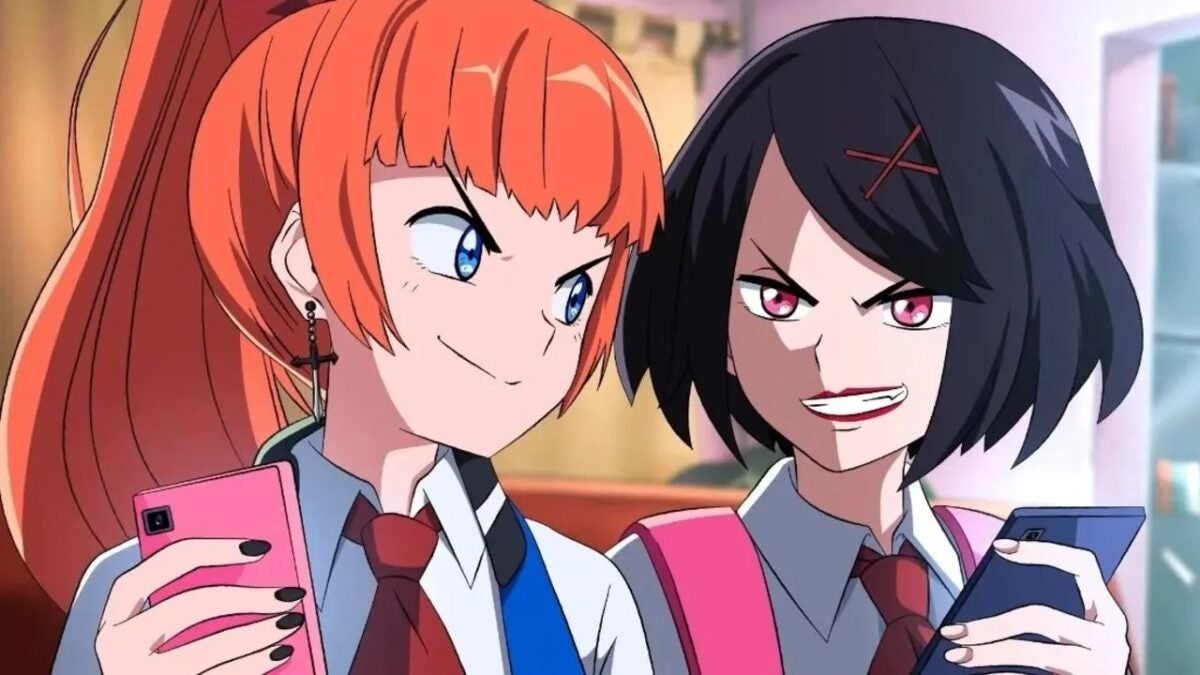
To start, the Game Vault offers five games, all of them of high quality. These games are Captain Velvet: The Jump+ Dimensions, River City Girls, Wolfstride, Behind the Frame, and Inbento. Five outstanding games, among which we would particularly highlight River City Girls and Wolfstride for how exceptionally well-designed and beautiful they are.

Unfortunately, we have bad news for those with Apple devices. This service is currently available only for Android phones and tablets, although they have confirmed that it will also be coming to iOS in the future.

Furthermore, Crunchyroll has confirmed that the offering will expand in the coming months as they are working with international developers both to port their games to mobile devices for the first time and to bring existing mobile games to their Game Vault. This is something we will have to wait for, but considering they have a game publishing division dedicated to free-to-play titles, it’s expected that they won’t have any trouble expanding their catalog.

Crunchyroll DOWNLOAD

Time Traveling to the First Selfie: Tracing the Origins of Self-Portraiture 200 Years Ago

It may seem like a modern invention, but selfies had their moment of glory in the days of Polaroids… And there are not a few people who want to show that they are its inventors.

While the word “selfie” may not have been coined until September 13, 2002, the practice had been around for a while in Australia as a synonym for, well, taking a photo of oneself. Before smartphones with front-facing cameras, it was a bit hit or miss, but people managed somehow. Because it may seem like a modern invention, but selfies had their moment of glory in the era of Polaroid cameras… And there are quite a few individuals who want to claim credit as their inventors.

Instagram DOWNLOAD

Click!

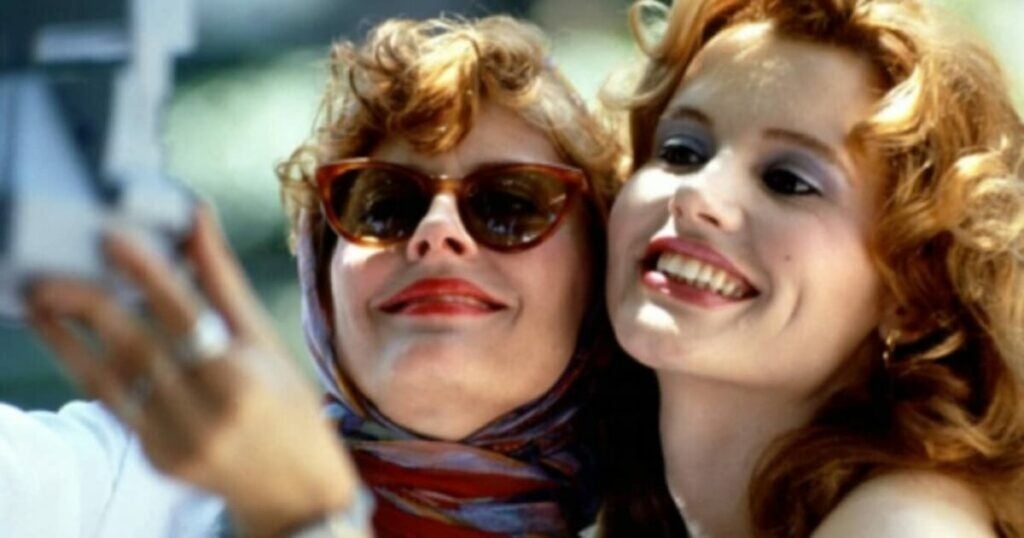
On one hand, we have Susan Sarandon and Geena Davis claiming to be the first to do it in a movie with “Thelma & Louise.” On the other hand, there are those who correct the error, pointing out that Madonna was actually the first to take a selfie on screen in “Desperately Seeking Susan,” a few years prior. Then we have Britney Spears and Paris Hilton, who also claim to be the creators of the invention. But in the end, none of them can claim the title. The first selfie in history is about to turn two hundred years old. Yes, you read that correctly.

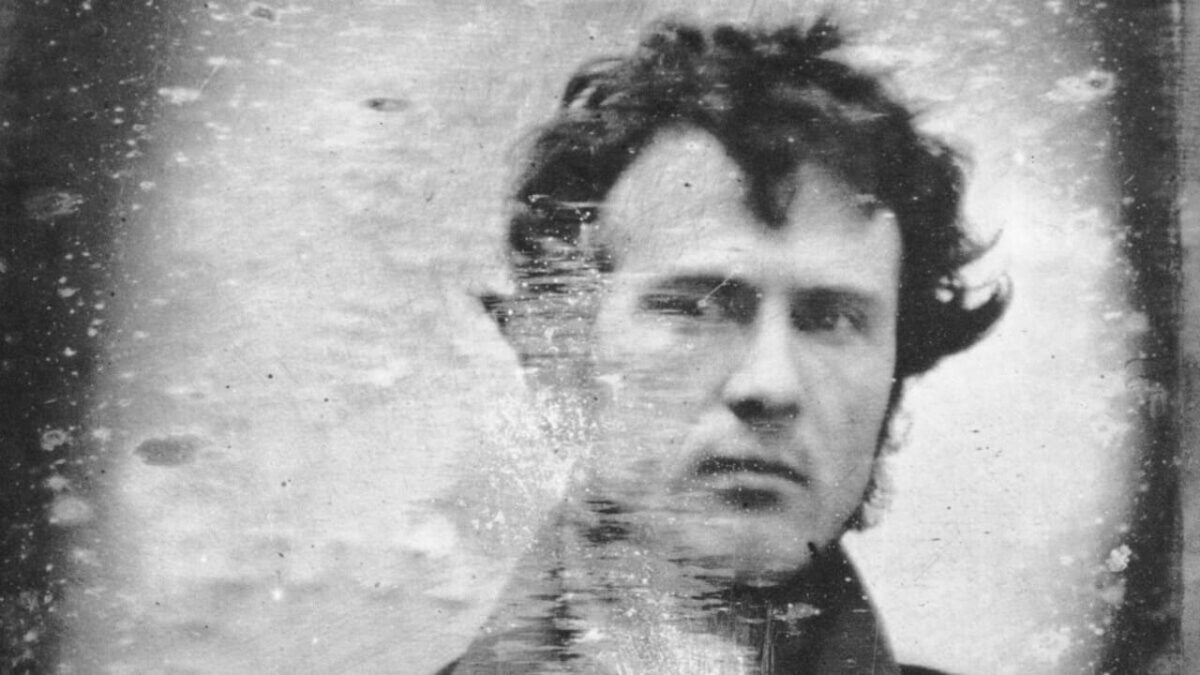
In 1839, Robert Cornelius, a young man from Philadelphia, was experimenting with a new invention from France: the daguerreotype. In other words, it was the first photographic process presented to the general public. And the first thing Cornelius thought of was, of course, taking a photo of himself. It happened in October. After several attempts, he discovered that the key to taking a good selfie was to remain completely still for 10 to 15 minutes. Compared to now, that’s quite a long time.

Cornelius’ self-portrait not only marks the first selfie in history but also the first photograph to clearly depict a person in the United States (while examples can be found in other countries as early as 1837). You might think that Cornelius struck it rich at the time, but the truth is quite different: he opened a photography store (the second in the world) and became a fashionable figure for a few years.

However, as photography became more popular, Cornelius closed his shop and began creating lamps in the family business. By the end of his life, he had enough money to provide for his eight children, and it was only years later that his famous photograph gained recognition. From here on, there are many “firsts,” from the first couple to use a tree branch as a selfie stick in 1934 to the first mobile phone with a built-in front-facing camera in… 2003!

So the next time you get frustrated after pouting for a couple of minutes without looking good, think that before you there was a man from the 19th century who decided to stay still for 15 minutes to see how he turned out. That’s called dedication.

Instagram DOWNLOAD

Some of the links added in the article are part of affiliate campaigns and may represent benefits for Softonic.

Budget-Friendly Photography: Secrets to Snapping Impressive Pictures with a Cheap Phone

Your mobile is much more capable than you think: learn how to take the best photos with these tips.

Most current mobile phones integrate cameras that would overshadow the most cutting-edge devices from 10 years ago. The truth is, unless you’re a professional photographer, it doesn’t make much sense to spend thousands of euros if you’re looking for a good camera.

Google Camera DOWNLOAD

Think about it this way: it’s pointless to have the latest iPhone on the market if you’re not able to fully harness its potential. However, with the right combination of techniques and a few small tricks, you can capture incredible photos and videos on any phone, regardless of its price.

Clean your camera lenses

I’m sure when you read the title, you might have thought, “Really?” And yes, really: when was the last time you cleaned the lenses of your phone? In fact, think about the last time you cleaned your phone in general. Sometimes, when taking photos, they may appear blurry and lacking definition. Before blaming the phone, make sure the lenses are clean and free from dirt.

To clean them effectively, it’s not enough to rub them against your shirt or pants. Use a microfiber cloth, as it won’t leave any residue on the lenses. These cloths are the ones we often find for cleaning glasses, for example. If you want to go the extra mile, use a cleaning product specifically designed for glass and electronic devices (isopropyl alcohol will also work).

Take RAW photos

When taking photos, they are typically saved in the JPEG or PNG format. However, there is another format that not many people are familiar with: RAW. This format helps preserve all the details and information of a photograph, including colors, brightness, sharpness, and more. Shooting in RAW will significantly enhance the quality of the photo and make editing tasks easier.

However, there are several drawbacks to consider. Firstly, RAW photos will be much larger in file size compared to JPEG, for example. It’s also possible that some phones may not allow shooting in this format. Fortunately, most modern Android phones support RAW without any issues. As for iPhones, you can capture photos in ProRAW (Apple’s version of RAW), but it’s only available from iPhone 12 Pro onwards (and with iOS 14.3 or later).

Adjusts focus and exposure

As you may know, when you tap on a point within the camera app, the lens automatically focuses on that area. This simple gesture already ensures a much sharper image by focusing on the desired area. However, this can sometimes result in another drawback. When focusing, the exposure of the photograph adjusts to that specific area and neglects the overall image.

In these cases, it’s always best to manually manipulate the focus and exposure. And for that, lighting is key. If you don’t have good lighting, adjusting the exposure will help overcome this problem. When we talk about exposure, we refer to the amount of light that enters the camera sensor. Too much light can result in overexposed images, while too little light can make them too dark.

Although every phone has its own set of options, on an Android device, you can access manual settings as follows:

  1. Open the Camera app and tap on a point on the screen.
  2. A slider will appear next to the focus circle. Drag the sun icon to adjust the exposure.

Sunlight will be your best friend

As we mentioned before, lighting is essential for good photography. While exposure and the use of flash can help in specific moments or for certain effects, they can never replace good lighting. That’s why using natural light will always be your best ally.

Naturally, sunlight and the overall environment change throughout the day. With this in mind, it’s crucial to seize the opportune moment. If you want to take outdoor photos, take advantage of the following hours:

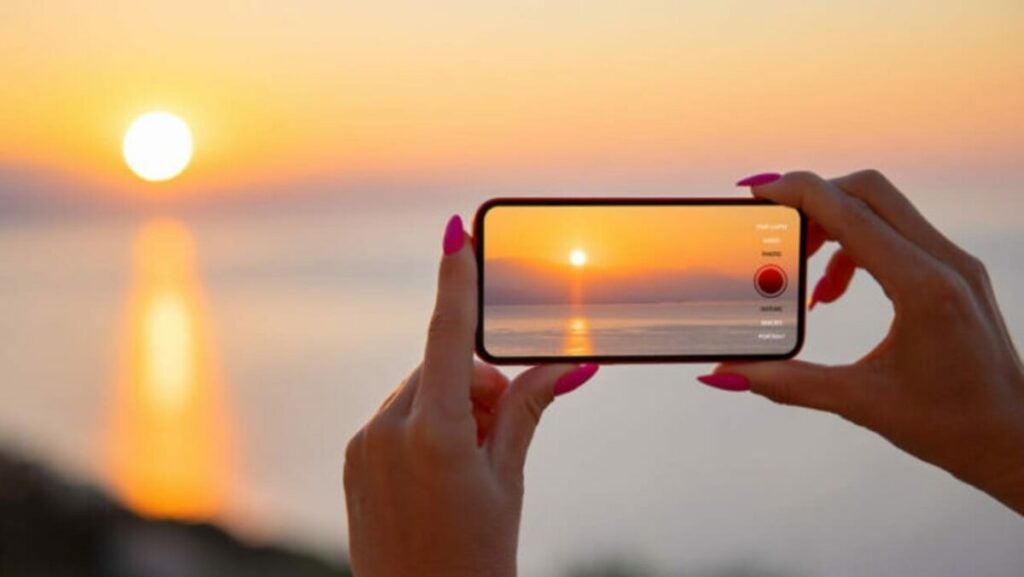
  • The Golden Hour: This occurs roughly 30 minutes before sunset and after sunrise. The warm tones of the sunset and sunrise will add a special touch to your photographs.
  • Midday: If you want to capture landscapes or animals, this is the ideal time. Between 12:00 PM and 4:00 PM, the sun is at its highest point.
    • The Blue Hour: Widely known as twilight, it occurs between 20 and 30 minutes after sunset and before sunrise. Unlike the Golden Hour, it produces interesting cool tones.

Play with composition

When taking a photo, define the focal point. Who or what is the main subject? Whatever it may be, make it the most important element in the image. Experiment and change angles to add dynamism or transform how the snapshot is perceived. A good composition will make your photos much more interesting and appealing.

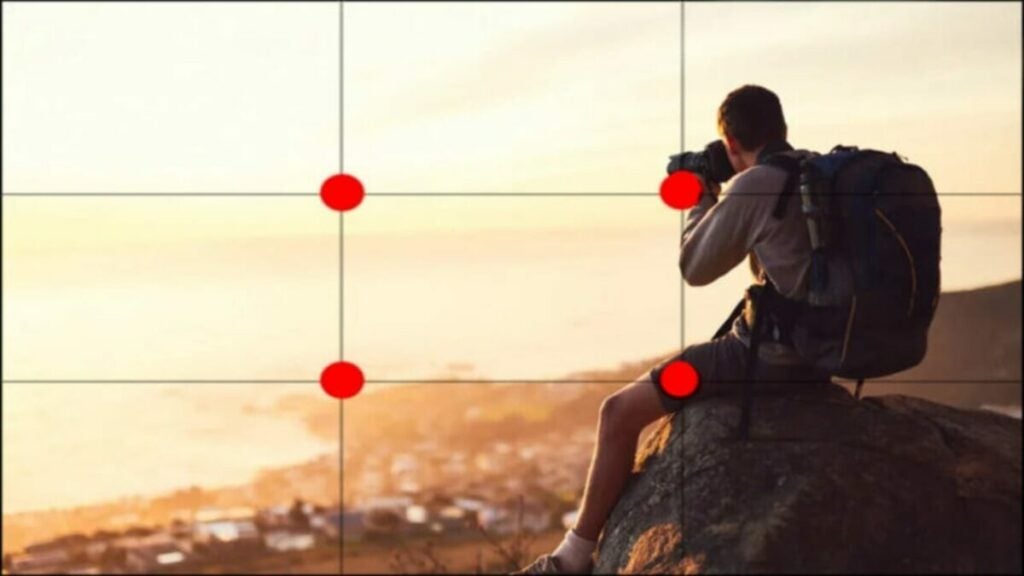
Fortunately, our phones provide a little help with composition: the grid. And as if that weren’t enough, it also helps us apply the Rule of Thirds.

The Rule of Thirds is one of the most basic principles in photography and also one of the easiest to apply. The grid in our Camera app is perfect for executing it. Here’s how it works: the intersections formed by the crossing lines are the strong points. Placing what we want to emphasize in these points will always result in a good photo.

Do not touch the zoom

Despite the capabilities of today’s phones, they lack good optical zoom and instead offer digital zoom. Both serve the same purpose, which is to magnify an area of a photograph without physically getting closer.

However, there are several differences: firstly, optical zoom uses optical lenses to zoom in or out of the image. On the other hand, digital zoom processes the image within the device itself. The result is similar to cropping a portion of a photograph and enlarging it, to put it simply.

The use of digital zoom comes with a drawback: it decreases the quality of the image. That’s why photos taken with digital zoom often appear pixelated and blurry. To avoid this, try to get as close as possible to what you want to photograph. You can always crop and enlarge the desired area when editing your images later on.

Use a good editing application

Adobe Photoshop Lightroom DOWNLOAD

Editing programs and applications can work true miracles. Even if our phone has its limitations, we can always enhance our photos a bit more through editing.

If you want to apply advanced effects or make significant adjustments, a computer program will always offer more options and capabilities. On mobile devices, photos are usually edited in JPEG format, which results in a significant loss of quality. However, editing on a mobile device is much faster and more immediate.

Regardless, there are plenty of interesting applications available for both Android and iPhone:

Adobe Photoshop Lightroom DOWNLOAD

Some of the links added in the article are part of affiliate campaigns and may represent benefits for Softonic.

From Zombies to Silence: The Mysterious Disappearance of PopCap Games

14 years have passed since that first game and since then we haven't heard much from PopCap, its developers. And it's what… What happened to them?

Surely you remember the first time you played Plants Vs Zombies: a game as simple in appearance as it was complex to master, which relied on the player’s ability to plant the right sunflowers and place the perfect plants and guessing strategies that ended on a high note, with one of the biggest hits in the history of video games (only second only to Portal’s Still Alive). But 14 years have passed since that first game and since then we haven’t had much news from PopCap, its developers. So… What has become of them?

Sexy Action Cool

Year 2000, Seattle. Jason Kapalka founds Sexy Action Cool, his own video game company, together with John Vechey and Brian Fiete. The idea was to create innovative video games that they were passionate about, even if they first had to make cheap but attention-grabbing stuff to make easy money. Their first attempt was Foxy Poker, which was about, you guessed it, a game of strip poker.

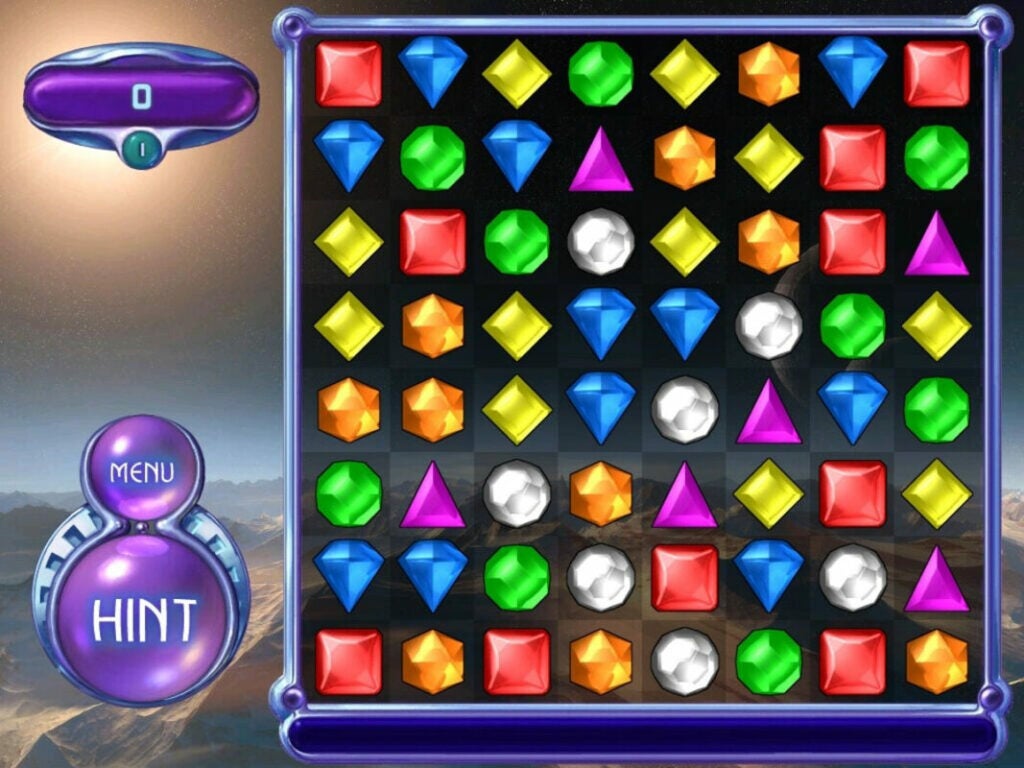
Sadly for them, the game did not succeed (for whatever reason) and in fact it is currently lost, but the fame they did not get then was achieved with their next release, the famous Bejeweled (formerly known as Diamond Mine), which at that time was played directly from the Internet. Between Diamond Mine and Bejeweled it took four months of development and they achieved more than ten million units sold between all the platforms where it was adapted, from Blackberry to… the first iPod.

Sexy Action Cool had already changed its name to PopCap, and its success was such that it even acquired a casual games company and expanded outside Seattle: they opened a company in Dublin and planned, between sequels to Bejeweled and other casual video games (such as Peggle and Bookworm), what they had always wanted to do. That is, a completely original title that would change the rules of the game.

Plants vs Zombies DOWNLOAD
Defiéndete de los zombies con tus plantas

Practicing gardening

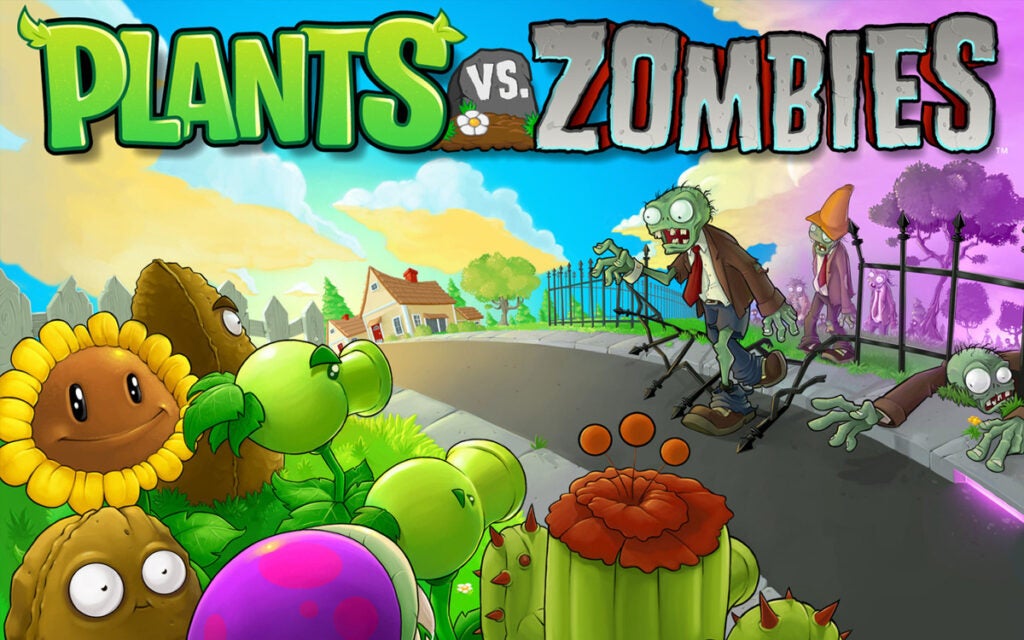
In 2001, George Fan, a Californian developer, created a game called Insaniquarium that mixed pet simulation, strategy, action and puzzles. Years later, he was still kicking around the idea of making a sequel, which eventually led to a tower defense between plants and zombies. The PopCap team, passionate about the subject, took three and a half years to put the game together before launching it on May 5, 2009. A decade after its founding, they had finally achieved what they were looking for: a more or less original, epoch-making hit.

Plants Vs Zombies (which was going to be called Lawn of the Dead until George A. Romero expressly forbade it) took ideas from Warcraft III, Magic The Gathering and Swiss Family Robinson, but gave them the perfect twist to create a little adventure game with no micropayments, the old-fashioned way. The game came to iPhone, Android and consoles over the years and became PopCap’s fastest selling game ever.

To give you an idea: in just nine days, sales on iOS exceeded one million dollars, so PopCap had an incredible future ahead of it. And then, as in all horror stories, along came the big bad wolf. In this case, Electronic Arts, which bought the company on July 12, 2011 for $560 million. And when you’re bought by someone like Electronic Arts, they want immediate results: the beginning of the end.

More plants, more zombies

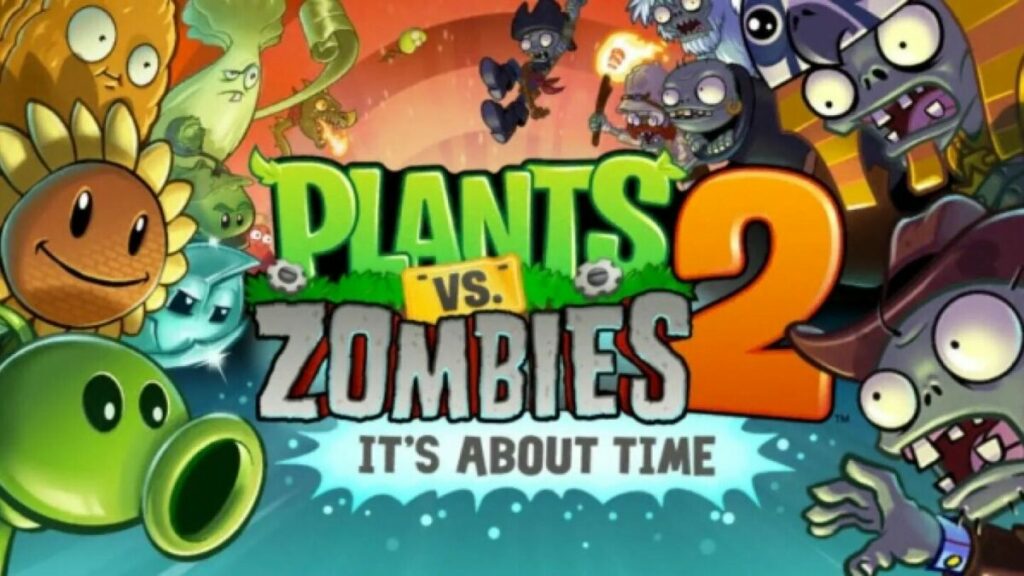
Since its purchase, PopCap has not released a single original game: only sequels to Peggle, Zuma, Bejeweled and, of course, Plants Vs Zombies. In August 2012, in fact, they announced that they would lay off fifty employees to focus on developing free-to-play games with micropayments. Said and done: in 2013, Plants Vs Zombies 2: It’s About Time was fun enough to ignore the fact that every so often you were pushed to buy power-ups and novelties.

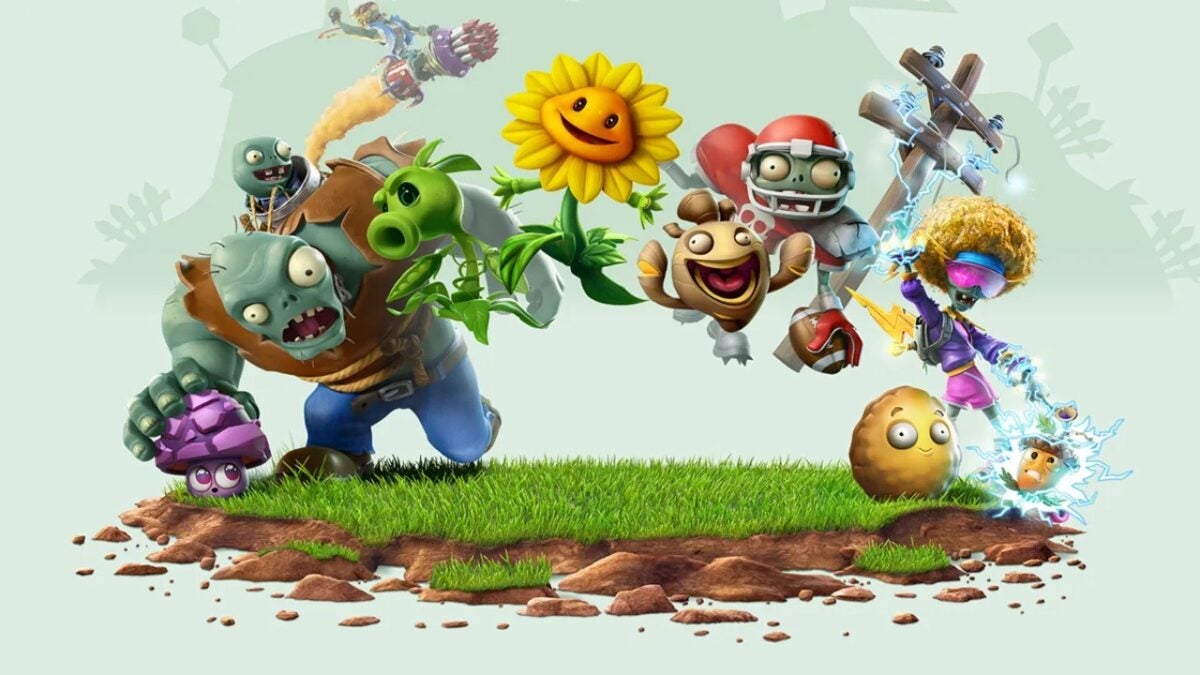
The sequel was a bigger hit than the original: it sold 25 million units in one month, setting the franchise up for success. But greed is dangerous, and after PopCap Vancouver took a chance (and succeeded) with the two great Garden Warfare games, it was time to go back to mobile: Plants vs Zombies Heroes launched in 2016 with the ability to play on any of the two teams and with a system similar to that of Hearthstone… And with increasingly annoying and intrusive ads and micropayments.

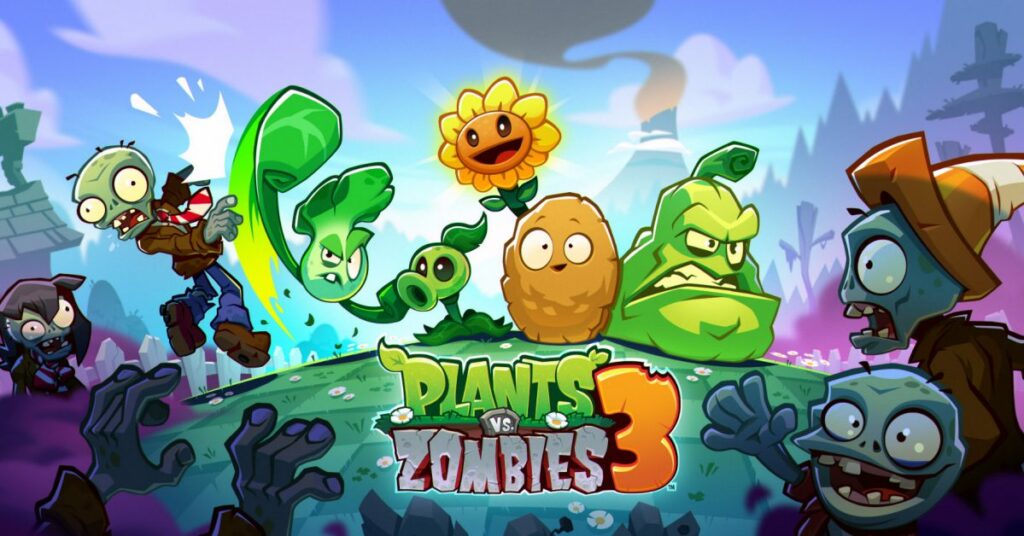
And since then, beyond another console game similar to Garden Warfare, nothing. Plants vs Zombies 3 remains an eternal promise that they’ve been developing for years and years doing something they hadn’t done up to that point: disregard EA’s pleas and listen, instead, to the fans. In July 2019, a pre-alpha was released on Android. Then, in October 2020, there was a worldwide release, but it was so criticized for continuous micropayments that it was withdrawn a month later. In 2021 there was another attempt, but so far there hasn’t been an official release… And EA is starting to get nervous.

With a broken management team, a community of fans demanding a return to the basics of the first game, a canceled animated film, and several canceled projects, the question is in the air: will they, like Rovio, manage to stay afloat, or before even from the third party PopCap has already died… but no one has warned them?