In recent years, Disney Plus has intensified its content release strategy for Star Wars, but this “more is more” approach has had disappointing results in the audience for several of its recent series. According to information from The Wrap, Ahsoka and The Acolyte experienced notable drops in their audience, each losing about 30% of their viewers during their broadcasts. Everyone wants more of Andor In contrast, the series Andor has shown growth in its audience. The first season accumulated approximately 674 million minutes of viewing, which increased to 931 million […]
In recent years, Disney Plus has intensified its strategy for releasing Star Wars content, but this “more is more” approach has had disappointing results with the audience for several of its recent series. According to information from The Wrap, Ahsoka and The Acolyte experienced notable drops in their viewership, each losing around 30% of their viewers during their broadcasts.
Everyone wants more of Andor
In contrast, the series Andor has shown growth in its audience. The first season accumulated approximately 674 million minutes of viewing, which increased to 931 million with the second season. This increase is attributed to the strong critical reception and word of mouth among fans, who are looking for quality content within the Star Wars universe.
The excessive number of content releases has led to a decrease in viewer anticipation and has impacted the perceived quality of the series. Many fans, including critics who were once staunch supporters of the franchise, have felt disappointed by the direction some of these productions have taken. A commentator expressed their disillusionment with The Acolyte, mentioning that the plot and its resolution were disappointing, especially after the death of most of the main cast halfway through the series and the predictable revelation of the villain.
In light of this situation, there is concern about whether Lucasfilm will be able to learn from these experiences. It is suggested that the company should reduce the frequency of new series releases to focus more on quality, just as Marvel Studios has promised to do. This strategy could be key to regaining anticipation among fans and returning to the level of excitement that used to surround Star Wars productions.
Everything related to Star Wars is an immediate success, as long as you don’t touch the jedis. That is an extremely dangerous minefield that is better left untouched. No one wants a twist on what is already known, and even expanding what is already known is often met with skepticism by some fans who are quite aggressive about their franchise. Especially if it includes talking about jedis who were women or non-Caucasian. This is something that one of the most interesting Star Wars series experienced firsthand […]
Everything related to Star Wars is an immediate success, as long as you don’t touch the jedis. That is a tremendously dangerous minefield that is best left alone. No one wants to see a twist on what is already known, and even expanding what is already known is often met with skepticism by some fans who are quite aggressive about their franchise. Especially if it includes talking about jedis who were women or non-Caucasian.
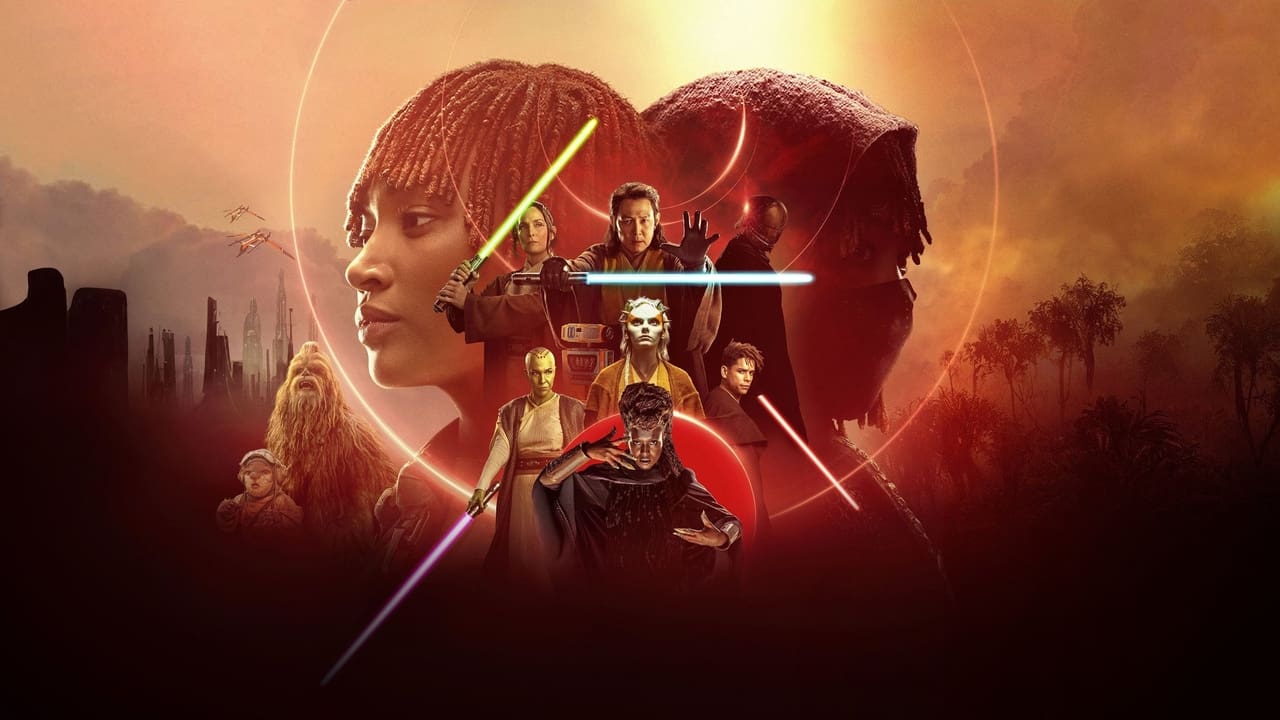
This is something that one of the most interesting Star Wars series in recent years experienced firsthand. Star Wars: The Acolyte wanted to do something different, looking into one of the richest and most vibrant eras of the Star Wars universe, with an impressive cast, but fans hated it. Why? That is a good question, because it doesn’t seem to be that the series was bad at all.
Jedis when being a Jedi was not yet strange
Set at the end of the High Republic era, approximately 100 years before The Phantom Menace, the series takes place in a time of peace. There is relative stability in the galaxy and the Jedi are still at their peak, although all of that is about to change.
The series begins with Osha, a former padawan who abandoned her training as a Jedi due to an internal turmoil regarding her connection to the Force, who reunites with her Jedi master, named Sol, to investigate a series of terrible crimes. Something that will lead them to discover a terrible truth: the Sith order, which was thought to have disappeared from the galaxy, is still standing. And it has a deep connection with both of them.
From here on, the series is a remarkable blend of detective story, kung-fu, and a classic Star Wars movie. Resulting in a very fresh and different mix that makes it much more interesting than most works derived from the franchise.
Another reason why it is interesting is because of its casting. With particularly rich characters and vivid interactions, it particularly highlights Master Sol played by Lee Jung-jae, known in the West for his role as Seong Gi-hun in Squid Game. Thus demonstrating his versatility by excellently portraying not only a completely different role from the one we know him for, but also doing so in a language that is not his own.
A review bombing for woke
However, as we have said, the reception of the series was less than positive. There were legitimate criticisms, with many people who genuinely did not like it for various reasons. This happens even with the best series. But there was also a group of people who felt offended by certain aspects of the series that should not be problematic for anyone at all: that its main actors, who were also the most prominent jedi, were women and people of color.
The lead actress, Amandla Stenberg, is of African descent. The lead actor, Lee Jung-jae, is Korean. Adding to that the fact that they are jedis ignited the fuse for many fans who saw it as an attack, considering the series as woke, even calling it The Wokelyte, initiating a process of review bombing and harassment where they tried by all means to bury the series. This resulted in the perception and reception of the series, after its first few weeks, being absolutely terrible.
Something that contrasts with its original reception. During its first five days, it achieved 11.1 million views, becoming the most-watched series on Disney+ in 2024 so far. Critics also reached a favorable consensus about the series. And only after the start of the review bombing with accusations of being a woke series did the idea begin to spread that it was bad or a failure of some kind.
A series that deserves another chance
Cancelled in August 2024, it seems unlikely that we will see a new season of The Acolyte. Being yet another victim of the cultural wars initiated by far-right individuals, too sensitive for a multicultural and inclusive reality.
That doesn’t change the fact that it is still possible to see the first and only season of the series. A unique series within the Star Wars universe, both for its tone and the era it visits, which, while it may not be to everyone’s taste, certainly deserved a chance. Because whether people like it or not, The Acolyte had many virtues that make it worth revisiting.
The Disney+ series The Acolyte has been canceled after just one season, despite accumulating a notable total of 2.673 billion minutes of viewing, which positioned it as the second most-watched on the platform. However, this figure has been the subject of controversy as it is based on third-party estimates and focuses exclusively on the U.S. market. The numbers, just one part of the equation Despite its initial success in terms of minutes viewed, the series suffered a significant drop in audience throughout its airing, reaching less than […]
The Disney+ series The Acolyte has been canceled after just one season, despite accumulating a notable total of 2.673 billion minutes of viewing, making it the second most-watched on the platform. However, this figure has been the subject of controversy as it is based on third-party estimates and focuses exclusively on the U.S. market.
Numbers, just a part of the equation
Despite its initial success in terms of minutes viewed, the series suffered a significant drop in audience throughout its airing, even recording less than a million views on some episodes on the day of their premiere. According to internal sources, the gradual decline in audience and the perceived investment risk led Disney to decide that continuing with The Acolyte was not profitable, even considering its high production cost.
The cancellation of The Acolyte has generated significant controversy in the Star Wars fan community, reminding us that, in the streaming era, the numbers only tell part of the story and that public reaction can significantly influence the fate of productions. Despite its short duration, the series left a mark and a debate that will endure among the franchise’s followers.