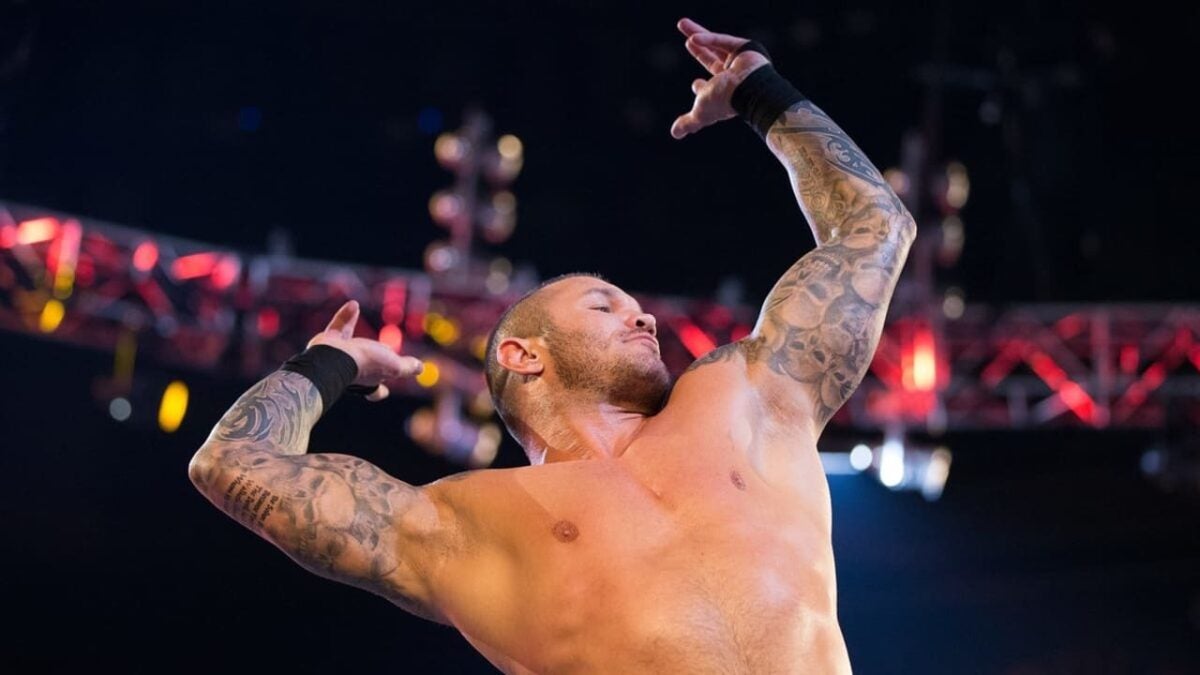
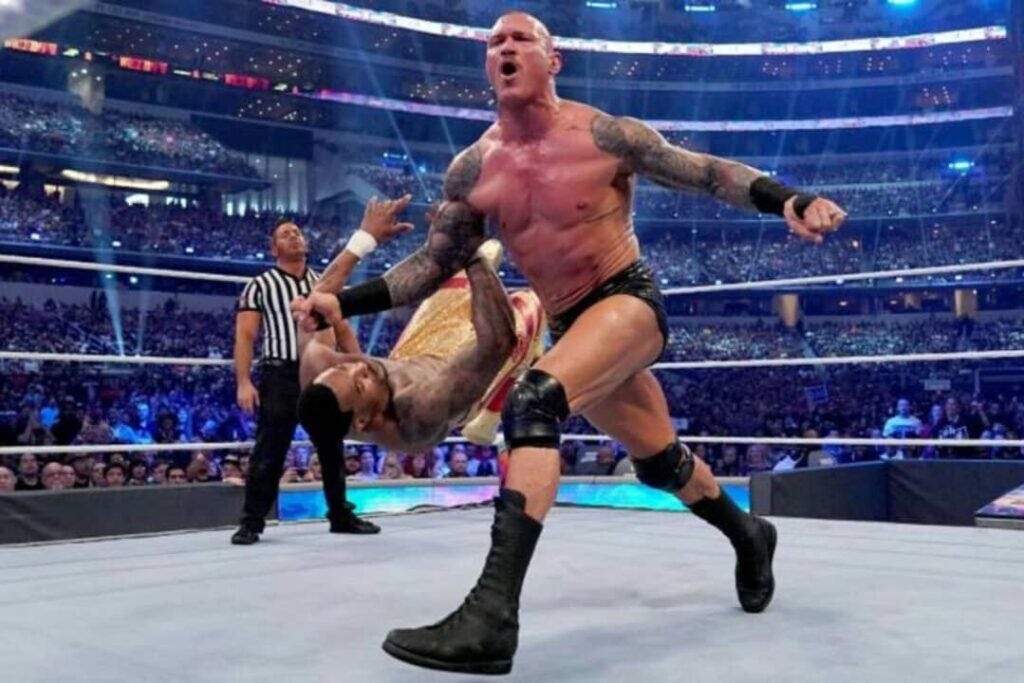
Randy Orton wants it all. And with a wad of cash, he has achieved it.
You can’t have a successful career, spend several hours away from home, and also be the best ‘Elden Ring‘ player in the world, unless you’re a professional gamer, of course. But Randy Orton, who has been dedicating himself to the noble sport of professional wrestling in WWE for almost two decades (which some of us older folks still remember as ‘Pressing Catch’), wants it all. And with a stack of cash, he has achieved it.
It is known that during his demonstration tours, Orton spends his time before and after matches playing ‘Elden Ring‘. Of course, battling enemies in the game is a lot of fun, but leveling up seemed, quite logically, boring to him. So much so that he decided to cheat and stick only to the most enjoyable experience possible from FromSoftware’s game.
As we’ve learned recently, the wrestler, tired of having to collect runes here and there, decided to open his wallet and pay $1000 to a “guy” to get infinite runes. The result? He reached level 100 immediately. According to the wrestling duo Brennan Williams and Mansoor Al-Shehail, Orton approached them after a match to talk about their mutual love for ‘Elden Ring’. And that’s when he dropped the bombshell.
“I love this game. It’s amazing. But I can’t deal with that shit, so I just paid a guy to give me a bunch of runes,” he told them. And you know, there are worse things to spend $1000 on. Yes, he cheated, but he hasn’t harmed anyone (well, in his life he has hurt a lot of people, of course). It’s not like he’s the first ‘pay to win’ we’ve seen in our lives!
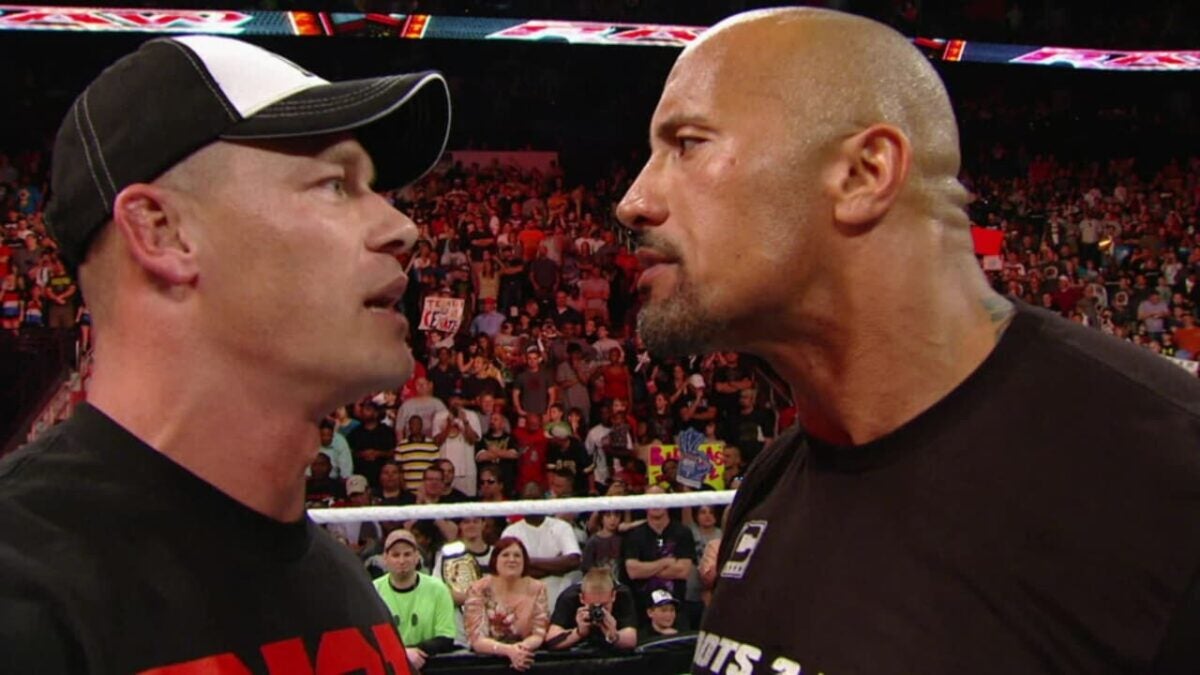
The Rock appears on Smackdown, igniting speculation of a confrontation with Roman Reigns, and reuniting with John Cena.
Part of the charm of wrestling is that you never know what’s going to happen. Enemies become allies. Friends become foes. And people who have been absent for years suddenly appear to do more than just a cameo. It’s part of what makes this discipline special, in part because most of the people involved in wrestling have an infinite love for it. And among them, few workers have been more consistent and capable of moving the audience with more passion than The Rock and John Cena in WWE.
Last Friday, on Friday Night SmackDown, The Rock made a reappearance on the show to cut a promo alongside Pat McAfee and Austin Theory. Ending with a resounding People’s Elbow on the latter, the audience went wild with Dwayne Johnson’s presence on the program after years away from the ring, even if it was just for a single move.
What WWE’s plans are for The Rock? We don’t know. There’s a lot of talk that he could be the one to face Roman Reigns in the main event of Wrestlemania 41 for the Universal Championship now that Reigns has held the title for three years. But this is still a subject of speculation.
What is not a matter of speculation is that The Rock also had a backstage segment with someone who was, in the past, one of his great rivals: John Cena. After two clashes at WrestleMania, the last one at WrestleMania 29 for the WWE Championship where Cena took the belt from Johnson, the tension between them was palpable. But in the end, they both shared a warm hug, acknowledging each other as what they are: two wrestling legends. An emotional and beautiful moment, only possible in WWE.
The Tekken producer has had enough of the humorous threats on Twitter and has decided to explain, very clearly, why people should avoid them.
Let’s state the obvious: no one likes threats. They are not funny. They are not funny. It’s a terrible habit of social networks to have trivialized threats, whether for comedy or as a legitimate way to show dissent, and it’s something that should never happen. Anyone with a public profile and exposure to social networks knows what it’s like to have regular threats, and so it should come as no surprise that the producer of Tekken has decided to step up and say enough is enough.
Katsuhiro Harada, producer and the most representative person of the Tekken franchise, has shared on X, the social network formerly known as Twitter, a message where he includes the capture of a fan’s message.In it, he said that if he did not include Eddy Gordo in Tekken 8, a capoeira fighter who has appeared regularly in the franchise, he would hit him with a Burning Hammer. Also known as the inverted Death Valley driver, a move created by legendary wrestler Kenta Kobashi, which he only used seven times in his career, and which is rarely used in professional wrestling because it is considered very dangerous due to the ease with which it is possible to injure or worse the person to whom it is applied.
While the fan intended to be funny, as the Burning Hammer is one of King’s most lethal moves – a Tekken character with a tiger head and whose fighting style is professional wrestling – Harada was not amused. And he has used it to explain the consequences of this kind of message.
When people make these silly threats, I and everyone at FGC suffer the following losses (See attached image). — (1) The event operator overreacts and increases security, which increases operating costs and increases the burden on the players attending the event. In the worst… pic.twitter.com/21dfMItVKe
According to Harada, when these kinds of threats are made, several things can happen. If there is an event nearby that you have to attend, the event manager may take the threats seriously and increase security, increasing the cost of the event, or even cancel your participation in the event. It is also possible that, if the lawyers, founders or board members hear about it, they may ask you not to include specifically what you have been threatened about precisely because they do not like to be intimidated. And if, in addition, the person speaks in the first person plural, implying that it is not just their opinion, but that of the entire community, it makes it more likely that all of the above will occur.
This fan was communicating using some social media language, but the consequences outside of social media are very real. And this is how Harada conveys them. No one likes to be threatened, and when we are talking about people with certain power or responsibility, that can lead to decisions that have negative repercussions not only for the person who is threatening, but for the entire community. Even if he was joking. So let’s listen to Harada: no threats, not even as a joke.
Some of the links added in the article are part of affiliate campaigns and may represent benefits for Softonic.
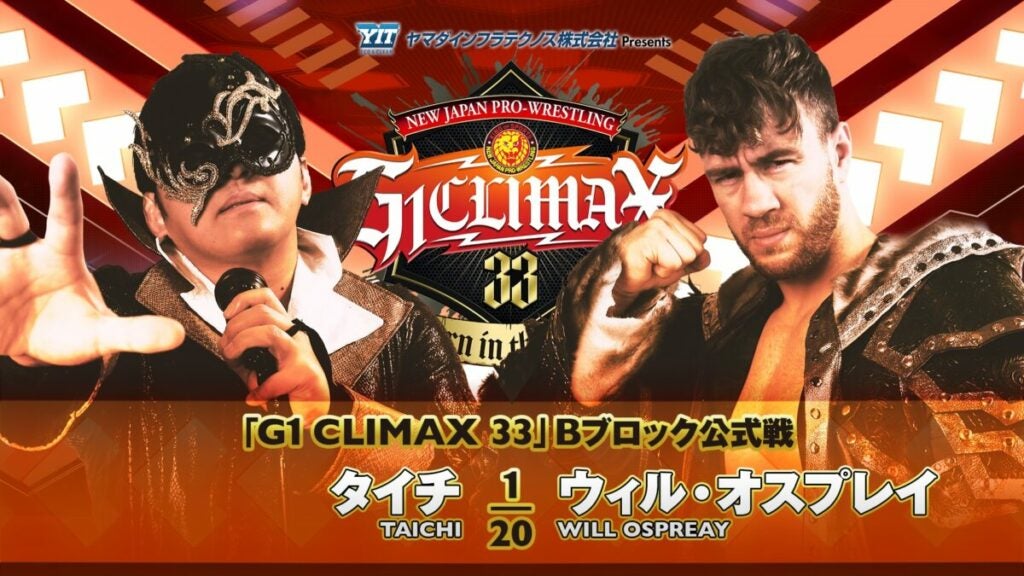
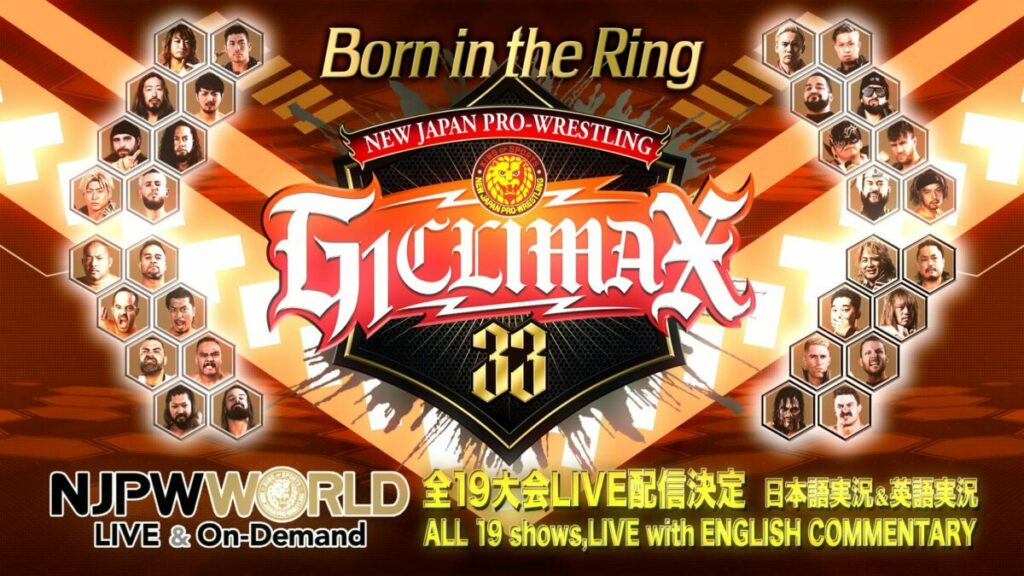
G1 Climax is a tournament that lasts a whole month, sponsored by NJPW, where technical quality and a very generous number of fights go hand in hand.
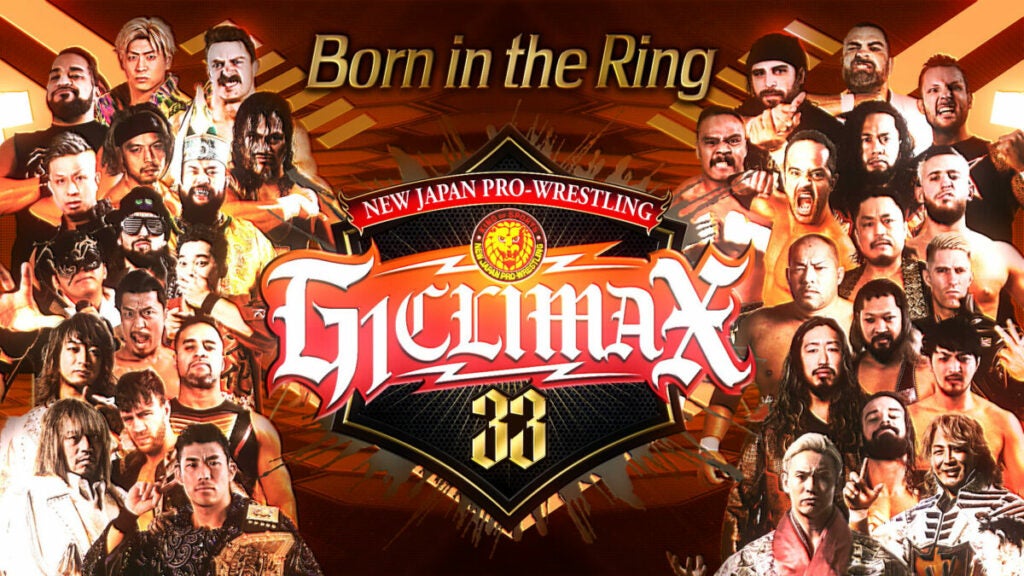
For fans of puroresu, Japanese wrestling, summer is the happiest time of the year. With many major events happening during this period, it’s hard not to find at least one or two weekly shows that suit your tastes. But among these, there is one event that stands out among all. For its quality, consistency, length and longevity, it is one of the most celebrated and respected events in wrestling worldwide. We are talking about the G1 Climax.
What is G1 Climax?
The G1 Climax is an annual tournament that has been held since 1974 in New Japan Pro Wrestling (hereafter NJPW), Japan’s largest wrestling federation. It is considered the most prestigious tournament in the company, in all of Japan, and probably the world. The winner of the G1 Climax, also known as the Grade 1 Climax, becomes considered one of the company’s top wrestlers and, as such, becomes a priority to challenge the current holder of the IWGP Heavyweight Championship, NJPW’s highest award, equivalent to the title of World Champion or Heavyweight Champion of other federations.
What are its origins?
With half a century of history, it is logical that the G1 Climax has gone through different stages throughout its history. Created in 1974 under the name World League, it took its inspiration from another annual tournament, the World Big League, which was a very similar tournament created by the Japan Pro Wrestling Alliance and would be held from 1959 to 1972, following the federation’s closure in 1973. The name World League would remain until 1977, when it would change to MSG League, a name it would keep from 1978 until 1982, when it would change to IWGP League from 1983 to 1988. IWGP being the name of the governing body of NJPW, the International Wrestling Grand Prix.
This will only have two exceptions. In 1989 they would have a World Cup Tournament, where wrestlers from countries of the Soviet Union would participate, and in 1990 the tournament would not be held. In 1991 the tournament would have a rebranding, being renamed G1 Climax, changing its focus to, instead of giving prominence to the big superstars, use it to elevate its future stars, such as those known as the original Three Musketeers, Keiji Mutoh, Masahiro Chono and Shinya Hashimoto. Three wrestlers who have become wrestling legends, in part, thanks to G1 Climax.
What is its structure and how has it changed?
Although its structure has changed over time, generally the G1 Climax has consisted of a four-week tournament of between ten and sixteen people with a league system with two groups, where the top two from each group go through to decide the champion with single elimination bouts. With a maximum of thirty minutes per bout in the group stage, wins give 2 points, draws 1 point and losses none, which adds a strategic point to the whole. And while this has been the system that has been maintained for virtually the entire existence of the G1, with the exception of a few cases where they have been single elimination tournaments, but this has changed since last year’s edition.
Since G1 Climax 32, the 2022 edition, the tournament has become a four-block tournament to accommodate between 28 and 32 participants. Everything else remains the same, except that the bouts in the group stage will now last a maximum of twenty minutes. This should add dynamism to the tournament, as there are now many more participants.
What is the prize for winning it?
As a tournament that even in its current iteration is now in its thirty-third installment, it stands to reason that there have been changes in the implications of winning the tournament as well. While for decades winning the G1 Climax meant getting a chance to face off for the IWGP Heavyweight Championship, it wasn’t until 2012 until this prize was formally introduced. In the most curious way possible.
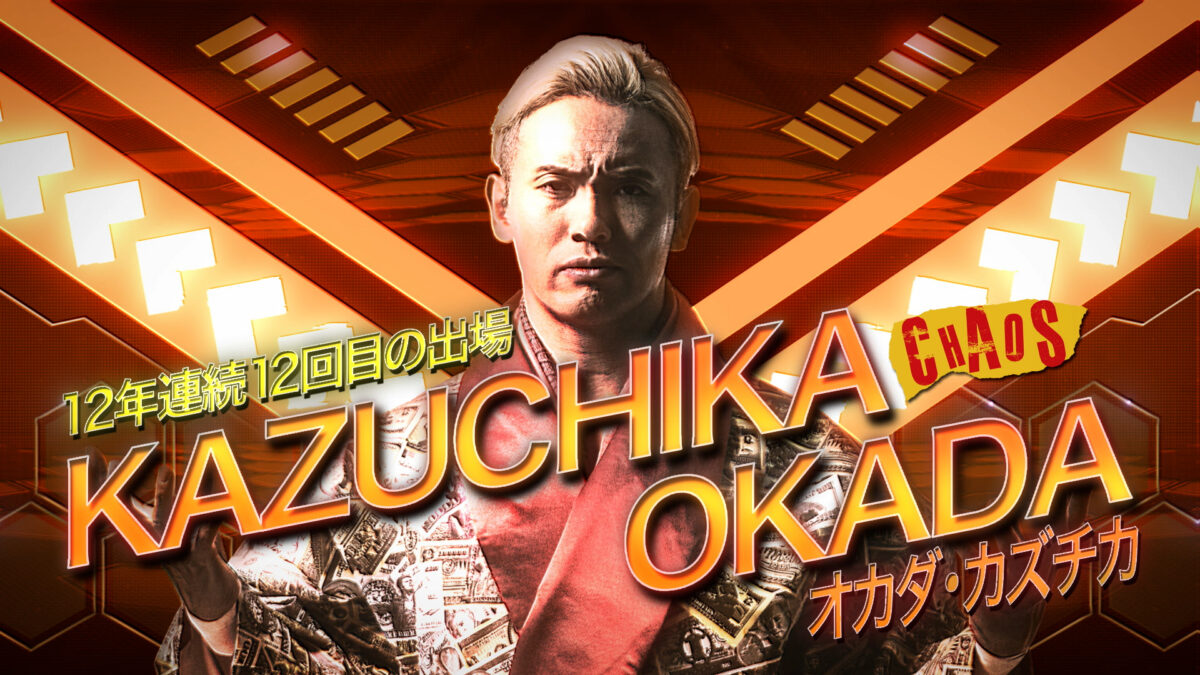
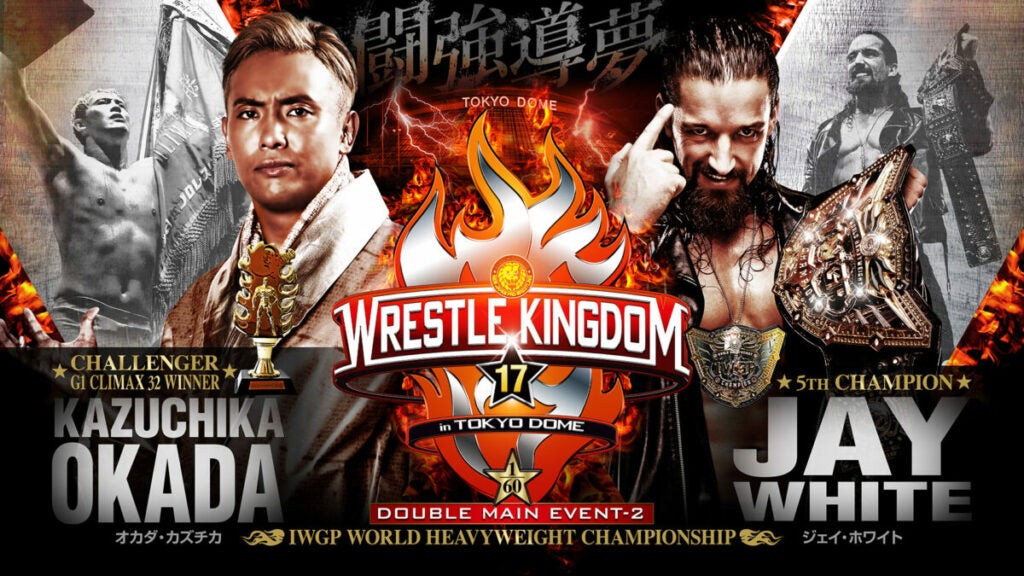
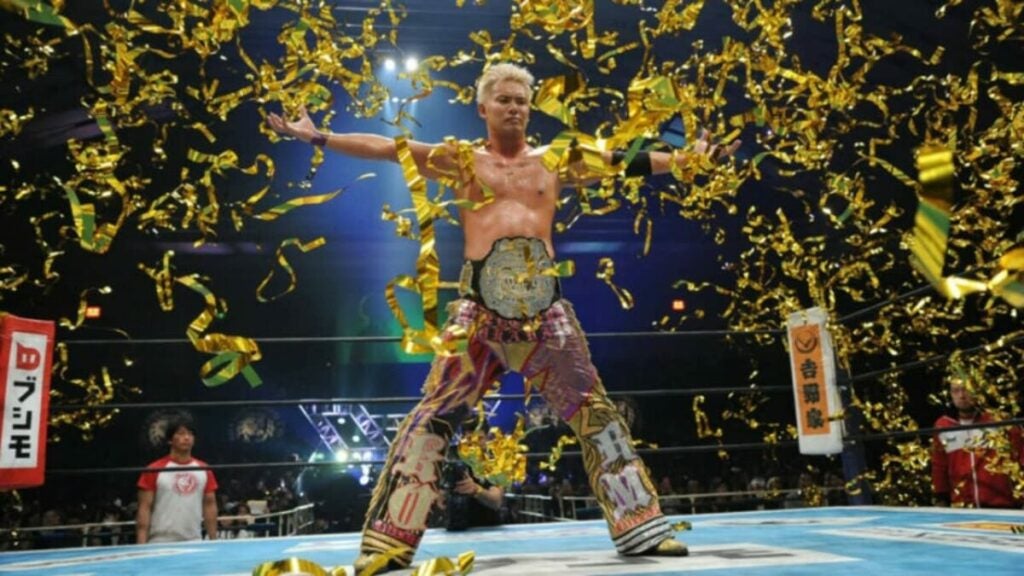
The winner of G1 Glimax 22, Kazuchika Okada, in addition to the honor of having beaten his opponents, got a briefcase containing a certificate allowing him to compete for the IWGP Heavyweight Championship during Wrestle Kingdom, the equivalent of WrestleMania for NJPW and held at the Tokyo Dome every January 4. But this had a bit of a twist. It meant that Okada also became a candidate for other wrestlers to challenge him for his certificate to fight the then champion, Hiroshi Tanahashi. A certificate he managed to successfully defend twice in October and November 2012.
In fact, there are two constants in the G1 Climax certificates. Virtually no one has ever lost them and virtually no one has ever successfully redeemed them. The only person to lose the certificate since it has existed was Kota Ibushi, on November 7, 2020, in a fight against Jay White that would lead to him having to defend, successfully, both the IWGP Heavyweight Championship and the IWGP International Championship against White at Wrestle Kingdom 15. Similarly, only two people have managed to successfully redeem their certificates. Hiroshi Tanahashi, who managed to defeat Kenny Omega at Wrestle Kingdom 13, and Kazuchika Okada, who defeated Shingo Takagi at Wrestle Kingdom 16 and Jay White at Wrestle Kingdom 17.
Who is fighting this year and who are the favorites?
This year, with 32 people entering the tournament, the stakes are particularly high. There are a lot of big names, there are some big favorites and some crazy balls that no one knows what to expect. That doesn’t detract from the fact that, from each block, there is a group of people to follow more closely, as they are the clear favorites to take home the prize.
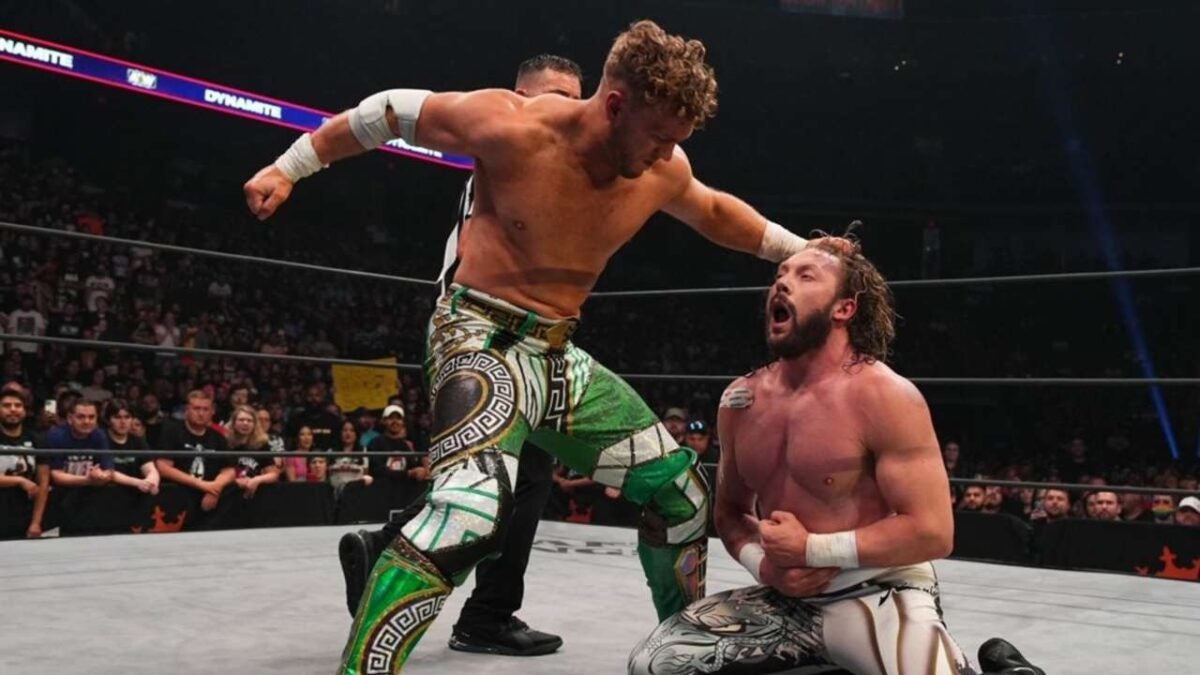
Block A is the junior block and, ironically, the reigning heavyweight champion, Sanada. That makes Sanada one of the most obvious favorites, but there are three other favorites – the newly declared new Three Musketeers – Shota Umino, Yota Tsuji and Ren Narita. All three still have a lot to prove, but with the G1 Climax being the place for youngsters, this is certainly their chance. The B-block is the group where no one would want to find themselves. Kazuchika Okada is a four-time G1 winner, one of the most dominant champions in company history and one of the favorites to win it all. But in this block there is also Will Ospreay, the perennial favorite and the great western promise who comes from defeating Kenny Omega at Forbidden Door; an important detail, because Kenny Omega is the only westerner so far who has managed to be crowned G1 champion.
In Block C we have the veterans and hardest hitters in the world. It’s hard to pick favorites in this block, but Tomohiro Ishii is a beloved veteran and right hand man to Kazuchika Okada who has never given less than an absolutely excellent fight in the G-1 Climaxes, so hopefully this will be no exception. Meanwhile, Eddie Kingston has just been crowned Strong Openweight champion and is getting more attention at his parent company, AEW, so it’s important to keep an eye on him. The D block would be easily defined by calling it the favorites block. Hiroshi Tanahashi and Tetsuya Naito are among the favorites to take the tournament along with Kazuchika Okada, but to underdog the likes of Zack Sabre Jr, one of the best technicians in the world and who is having an absolutely excellent year as the first ever World Television champion, would be a grave mistake that no one should make.
When is it issued?
The G1 Climax 33 starts on July 15 and concludes on Sunday, August 13. There are events practically every day, with the exception of some particular dates. The only rest days are July 17, 20, 22, 24, 28, 29 and 31, as well as August 3, 4, 7 and 11.
How can I see it?
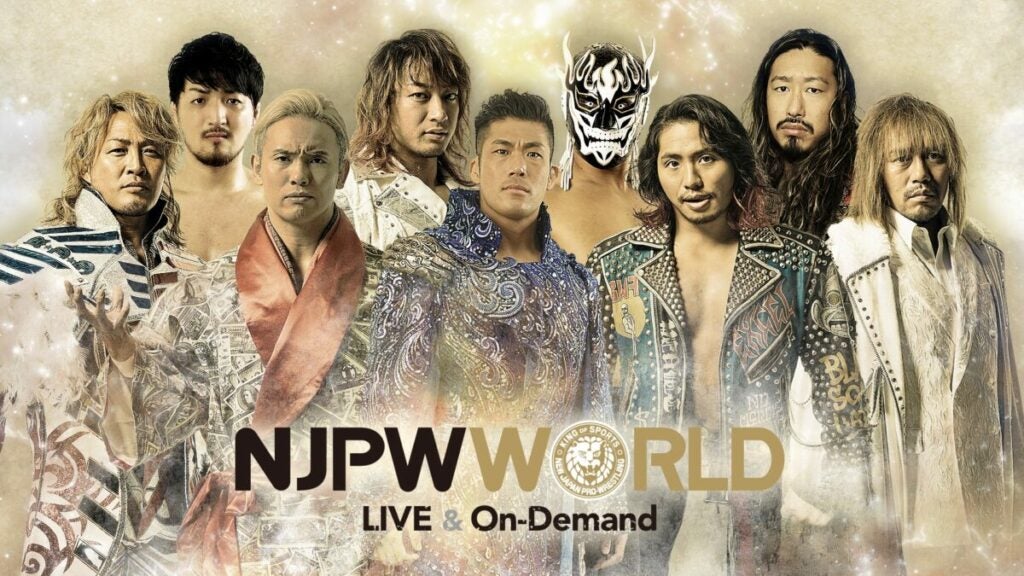
To watch G1 Climax, as well as all of NJPW in general, the best way is to subscribe to the njpwworld streaming service.With live broadcasts, delayed broadcasts, archive of its entire historical catalog, commentary in English and Japanese. The first two days, July 15 and 16, you can watch for free, and then you can watch everything for only 999 yen per month, something like 6.40 euros at the exchange rate. An excellent price to enjoy the best wrestling in the world in a tournament that promises to be magical.
Some of the links added in the article are part of affiliate campaigns and may represent benefits for Softonic.
Money in the Bank takes place this weekend and there are several rumors that this could be one of the most interesting ppvs of the season.
The wrestling world is having a busy few weeks because, no matter which federation you follow, all of them are offering great shows and putting good fights on the table. This weekend it’s WWE’s turn to be the protagonist, because on Saturday July 1st at 21:00, from London, we will be able to see one of the biggest ppv of the year of Vince McMahon’s company. The one known as Money in the Bank.
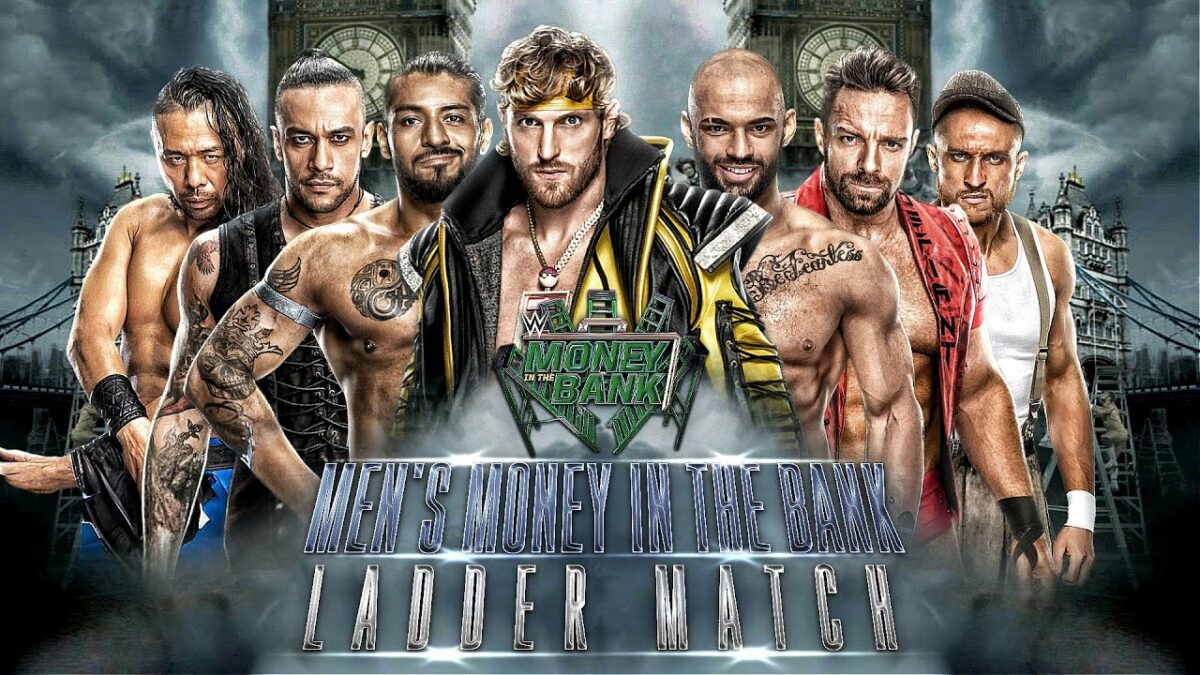
Money In The Bank is a ppv where, in addition to regular bouts, there are two bouts with special stipulations: the Money in the Bank. Ladder matches, without disqualification, for five to seven people, where the winner is the one who manages to reach and unhook a briefcase hanging from the ceiling. With its origin in 2010, where the wrestler The Miz managed to overcome names of the stature of Chris Jericho, Edge or Randy Orton, it would not be until 2017 where they would make the first female Money in the Bank, where Carmela would win. If it is a highly anticipated match, it is because the owner of the briefcase can exchange it for a title match for any belt in the company at any time, practically ensuring that the winner of Money in the Bank will be the next world or heavyweight champion. For only twice in twelve years has a wrestler failed in the exchange.
This year, moreover, the stakes are particularly high because of what is happening behind the scenes. While there is a clear favorite in the women’s Money in the Bank, with Iyo Sky aiming to challenge current WWE Women’s Champion Asuka, there are two favorites in the men’s event. Both of them quite controversial.
The top favorite is a man known even to those unfamiliar with wrestling, since he is the Youtuber Logan Paul. With a brief career, but full of successes in WWE, he is the favorite to win the briefcase according to the bookmakers, as well as being the one who has been systematically pushing himself in all directions to win it. The favorite of the public, and it seems that the current head of WWE, Triple H, is LA Knight, a man of great charisma who has known how to connect with the public in a unique way. As the distant third probable winner in Shinsuke Nakamura, it all seems to be between Logan Paul and LA Knight; the favorite of the management and the marketing department and the favorite of the public.
But also, Money in the Bank promises a surprise return. Because everything indicates that, after a few weeks without appearing on television, Brock Lesnar will appear on the ppv. With no bout scheduled, it is clear that he will appear to confront Cody Rhodes and end their rivalry at Summerslam, ppv scheduled for August 5, with a third and final bout with a special stipulation. Will he attack you during or after combat? And what will that special stipulation be? Fortunately, there is a little more than twenty-four hours left for us to know. Because this summer, if you’re a fan of wrestling, you’re going to eat well.
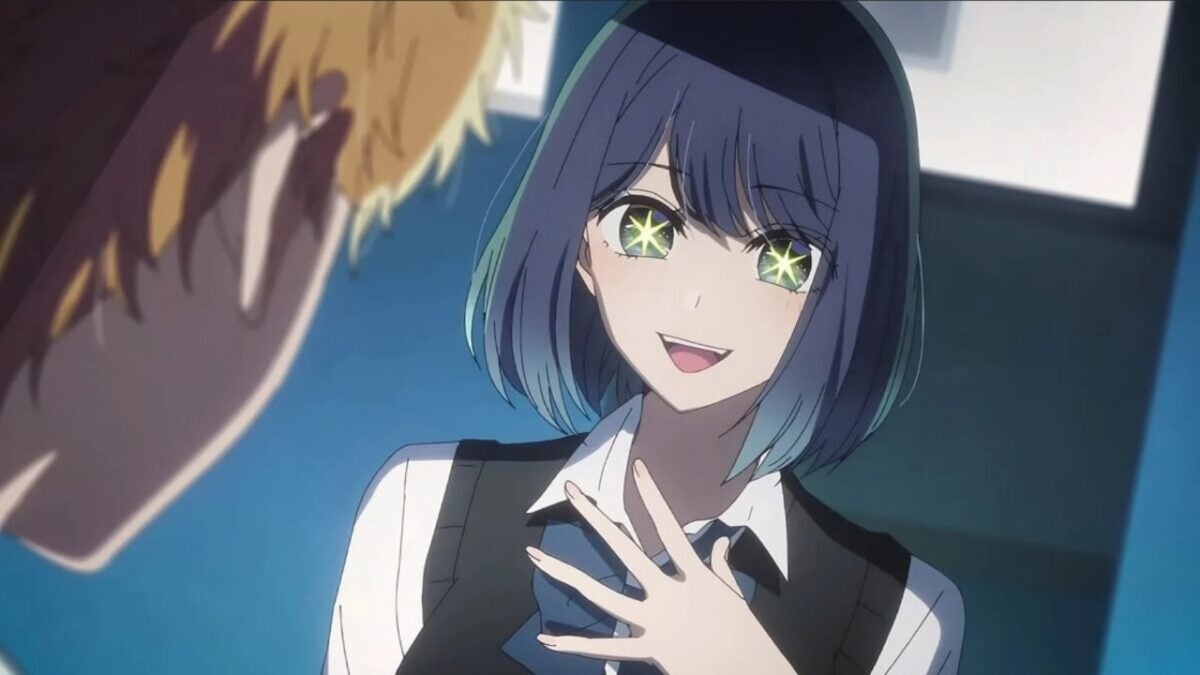
Oshi no Ko has been able to use the suicide of wrestler Hana Kimura for one of its plots without permission, showing a complete lack of sensitivity.
Oshi no Ko is the most popular anime of the season, if not the entire year, but that doesn’t mean it has managed to evade the controversies that such sensitive material from the original manga could bring. Depression, bullying, murder, and sex play significant roles in the original work, portraying the entertainment industry as a particularly shady business with dark and dichotomous interests. However, it is possible that when developing one of its storylines, the anime’s writers took the similarities to reality too far.
The sixth and seventh episodes of the series focused on the recording of a reality show featuring the main characters, where one of the characters, young Akane Kurokawa, is portrayed as the villain. This leads to her experiencing relentless online harassment, which is explicitly depicted on screen, causing her to contemplate suicide. While Akane eventually recovers and overcomes the situation, the problem is that the messages and the situation bear a striking resemblance to a real-life situation: that of Hana Kimura.
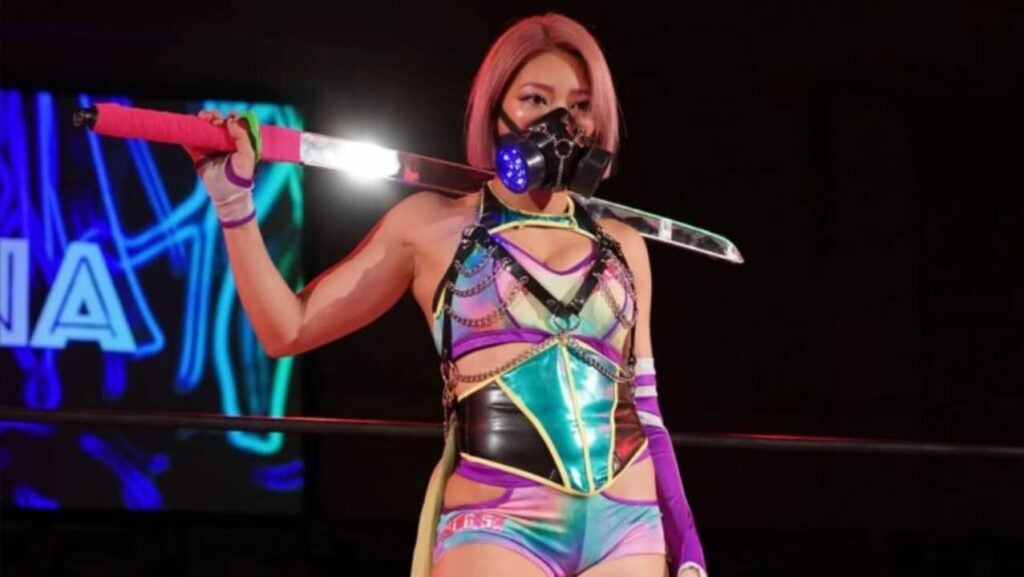
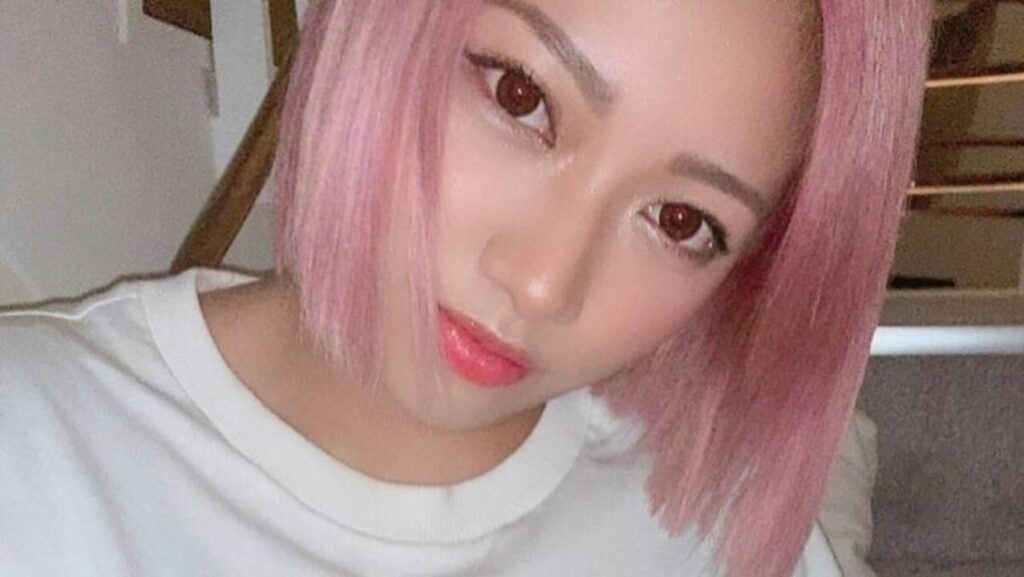
Hana Kimura was a 22-year-old professional wrestler who, in September 2019, joined the fifth season of the reality show Terrace House. There, in an episode filmed in early January 2020, she had a trivial conflict with a housemate, which was magnified by the show’s hosts. When the episode aired in March, she experienced an exceptionally severe case of cyberbullying, which led to depression and tragically ended in Hana taking her own life in 2020.
This resemblance has led many people on the internet to comment on the similarities between Hana’s situation and the messages she endured, and those that Akane faces in the series. One particularly prominent voice in this discussion is that of Kyoko Kimura, Hana’s mother. Expressing her lament that the circumstances of her daughter’s life were used for an anime storyline, she publicly criticized what had been done, and the internet erupted. Numerous fans of the series took to cyberbullying Kyoko Kimura, and this behavior continues to this day. Neither the animation studio responsible for the series, Doga Kobo, nor the publisher behind the original work, Shueisha, have yet made any statements regarding the possible influence of Hana’s story on Akane’s character or the fans’ behavior in response to Kyoko Kimura’s statements.
This silence is tarnishing the image of Oshi no Ko. While a live-action adaptation is planned for the series, its production will remain halted as long as the controversy surrounding Hana Kimura persists. This silence benefits no one involved. Nor does the harassment from fans who fail to grasp the true message of the series they claim to love.
Meanwhile, Hana Kimura’s legacy lives on. On May 23rd, marking the third anniversary of her passing, the Hana Kimura Memorial “pinx!” event was held for the third consecutive year to pay tribute to her. The event showcased what she loved most in this world: the best of puroresu, or Japanese wrestling. Available to watch on Fite TV, all proceeds from this event held at the Korakuen Hall in Tokyo, Japan were donated to the anti-cyberbullying association led by Kyoko, Hana’s mother, called Remember Hana.
While it’s true that Oshi no Ko continues to achieve success after success, including its opening dominating charts worldwide, that doesn’t excuse the fact that controversy is casting a dark shadow over the anime. And it will continue to do so until its creators address this issue in a serious and decisive manner. They need to clarify whether the events are inspired by Hana or not, issue an apology if necessary, and make it clear that their stance is not reflective of their fans. Because sometimes, silence only amplifies the pain. This is something that all individuals who have experienced harassment, like Akane and Hana, understand all too well.
The world of wrestling can seem intimidating from the outside, but don’t worry: we explain everything you need to know to get started.
Wrestling is more alive than ever. Thanks to the internet, smaller federations, and consistent growth over the years, this blend of sport and theater has established itself as a legitimate form of entertainment in popular culture. However, like many forms of popular culture, it can be challenging to know where to start when it comes to watching wrestling. That’s what we’re going to clarify here. We’ll explore the main federations, what sets them apart, where you can watch their content, and who their top stars are. The rest is diving headfirst and catching up because it’s all about diving headfirst and filling in the gaps gradually.
If we have to talk about wrestling, it is essential to start with WWE. The company led by Vince McMahon is one of the oldest and most well-known in the world, having established in the minds of many what wrestling is. Not for nothing, legends like Hulk Hogan, The Rock, and John Cena emerged from here. Based in the USA, with strong ties to Saudi Arabia, it has an international roster but a distinct style: prioritizing spectacle over sport and catering to a family-friendly audience.
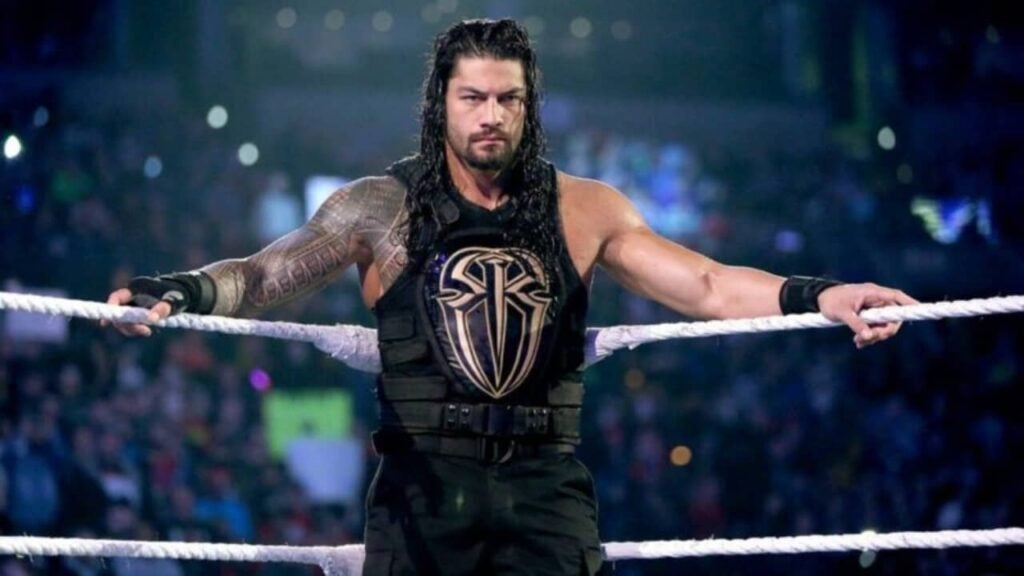
Currently, their top star is Roman Reigns, who holds the company’s highest title: the Undisputed Universal Champion. He is also part of The Bloodline storyline, still unfolding, and considered one of the greatest stories ever told in WWE.
Apart from Roman Reigns, other prominent current names in WWE include Gunther, the current Intercontinental Champion, and Asuka, the Raw Women’s Champion. While there are other big names in WWE like AJ Styles and Seth Rollins, it is these three, along with some of their female wrestlers such as Bianca Belair or Iyo Sky, and the Raw Tag Team Champions Kevin Owens & Sami Zayn, who continue to showcase the best of WWE: a perfect blend of well-developed personal conflicts and excellent wrestling.
AEW
Being a young federation doesn’t mean it can’t compete in wrestling, as demonstrated by AEW. Founded and led by Tony Khan, AEW was established on January 1, 2019, and aims to be the opposite of WWE. While McMahon’s company prioritizes entertainment over wrestling, Tony Khan’s company puts wrestling above entertainment. This doesn’t mean there are no stories and promos; they do exist and are very good, but they are developed less through conversations and more through what happens in the ring.
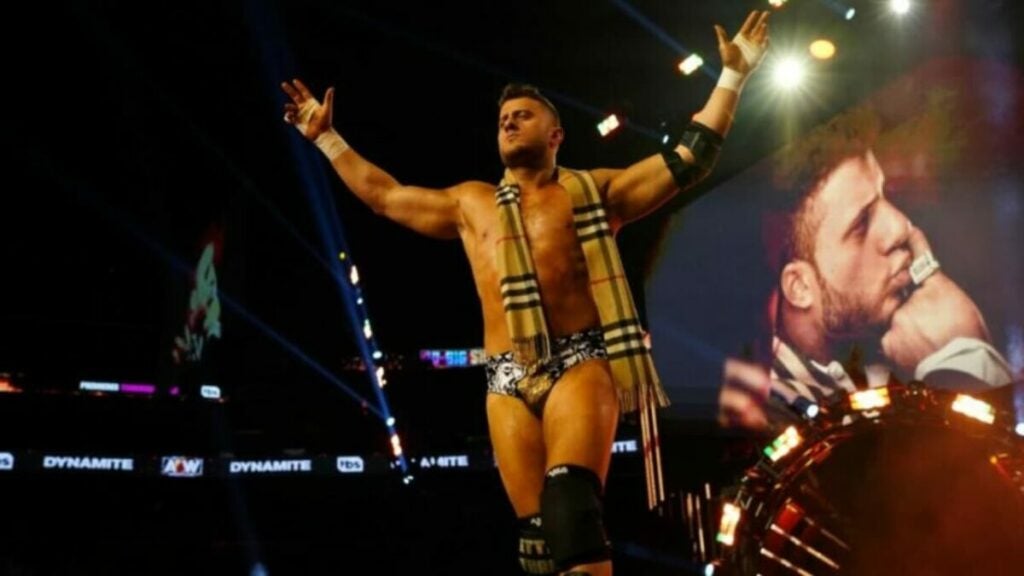
It’s difficult to define who is currently at the top in AEW, but it’s not unreasonable to say that it’s MJF. Real name Maxwell Jacob Friedman, he is a technical prodigy with astonishing acting skills. At just 27 years old, he has become the AEW World Champion in a federation known for having some of the best wrestlers in the world. It’s no wonder his iconic phrase is “I’m better than you, and you know it.”
In any case, AEW is the federation where wrestling is the most important aspect. Here, you can find a mix of professional wrestling, classic wrestling, indie wrestling, and puroresu, with some of the best wrestlers in the world calling AEW their home. Jon Moxley, Bryan Danielson, Kenny Omega, The Young Bucks, and Chris Jericho are among the names regularly competing here. Additionally, with talent-sharing agreements with AAA and NJPW, and a constant focus on providing opportunities for young talent, AEW showcases numerous other great wrestlers on their shows, such as Adam Page, Jay White, El Hijo del Vikingo, and Katsuyori Shibata. This solidifies AEW as the current home of wrestling.
We can call it wrestling, we can call it lucha libre, and it may seem like we’re talking about the same thing, but not exactly: lucha libre has its own identity, and that is well known in AAA. Lucha Libre AAA Worldwide, also known as Caravana Tres Veces Estelar, is led by Marisela Peña Herrada and is characterized as, if not the most important, certainly the most well-known wrestling federation in Mexico. With a history dating back to 1992 and business relationships with numerous international companies, AAA is the home in Mexico for most wrestlers with international aspirations.
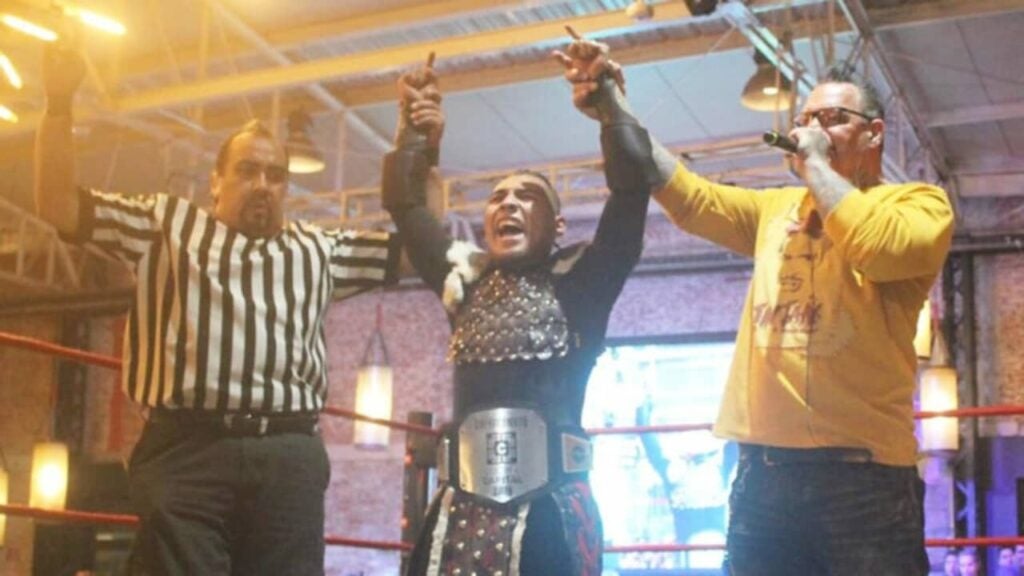
If someone stands out in AAA, it’s El Hijo del Vikingo. Trained by King Vikingo, he won the AAA Mega Championship on December 4, 2021, and has successfully defended it since then on seven occasions against some of the best wrestlers in Mexico. Furthermore, his recent appearances in the United States, particularly in AEW, where he competed against Kenny Omega, the former AAA Mega Champion, and other wrestlers, have only elevated his status as a superstar.
AAA indeed has multiple stars of importance beyond El Hijo del Vikingo, and one who has shined the most in the past year is Fénix. By unifying the AAA World Heavyweight Championship and the Latin American Championship, he became the first Triple Crown Champion in the company’s history. Other wrestlers such as El Cuatrero, Dralístico, and Bandido are also prominent names who have excelled in the federation, showcasing the immense talent and deep-rooted love for a purely Mexican wrestling style within AAA.
NJPW
In Japan, where they have puroresu (professional wrestling), the largest promotion is called NJPW (New Japan Pro-Wrestling). With a style they define as Strong Style, characterized by open-handed strikes, elbows, and more realistic-looking moves influenced by MMA, NJPW offers a much more technical and realistic approach compared to the more fantastical and acrobatic world of lucha libre. It’s no coincidence that the company was founded by Antonio Inoki, a man who popularized wrestling and MMA in Japan. Currently, NJPW is led by Takami Ohbari, who has expanded the company’s international relations, particularly with AEW and AAA, albeit to a lesser extent with WWE.
Choosing a single name as the main face of NJPW is literally impossible. At the very least, we would have to highlight Sanada, Will Ospreay, and Kazuchika Okada, also known as The Rainmaker, as the three pillars on which the company stands. These three men belong to three different factions, each with a distinct style, but they share one thing in common: all three could be considered the best professional wrestler in the world, and it would be difficult to argue against it.
Indeed, NJPW thrives on the battles between factions, which sets it apart from other promotions. CHAOS, Bullet Club, United Kingdom, Los Ingobernables de Japon, Just 5 Guys, House of Torture, and now even the Blackpool Combat Club, previously only present in AEW, are constantly in conflict. There are constant betrayals, wars between groups, and internal power struggles within the factions. Unlike other promotions where the focus is often on individual members, in NJPW, the destiny of the group and the subgroups within them are of utmost importance. This unique emphasis on faction dynamics gives NJPW a distinct identity within the world of professional wrestling.
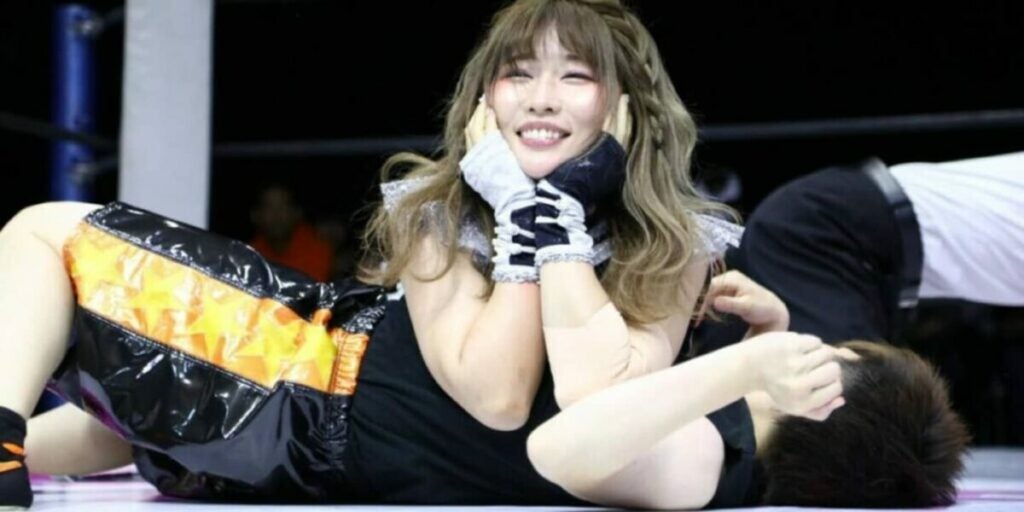
Stardom has undoubtedly proven that wrestling is not just for men. While AEW and WWE have a solid roster of female wrestlers, only Stardom has provided them with a platform where they can shine just as brightly as their male counterparts. World Wonder Ring Stardom, founded and directed by Rossy Ogawa, is a women’s-only puroresu promotion. As a sister promotion to NJPW, it embraces a similarly hard-hitting style of wrestling and incorporates group-based storytelling. However, unlike NJPW, the spotlight here is solely on the women.
Currently, the reigning queen of Stardom is undoubtedly Tam Nakano. Holding both the World of Stardom Championship and the Wonder of Stardom Championship, the leader of the Cosmic Angels exhibits a visually stunning and surprisingly hard-hitting style. She seamlessly combines classic wrestling techniques with her own technical prowess, making her a particularly skilled wrestler whose matches are enjoyed for the grace and subtlety of her movements.
Apart from Tam Nakano, Stardom can proudly boast of having some of the best female wrestlers in its roster. Names like Giulia, Mina Shirakawa, Natsupoi, Kairi, and Mayu Iwatani easily stand among the top wrestlers today, regardless of gender. This makes Stardom a promotion that is truly worth following. Not only does it provide excellent women’s wrestling, which unfortunately remains relatively rare even in 2023, but it also delivers outstanding wrestling overall. Stardom sets a high standard for the quality of its matches and showcases the incredible talent and skill of its wrestlers.
Some of the links added in the article are part of affiliate campaigns and may represent benefits for Softonic.