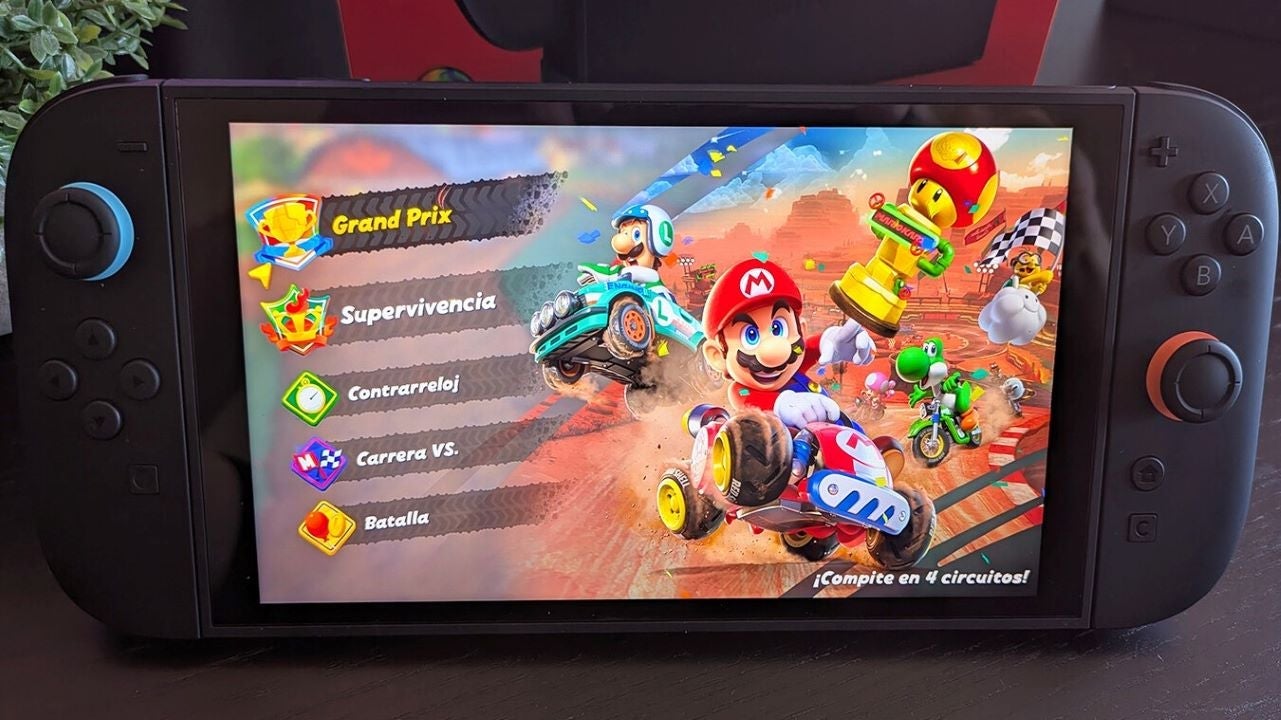
The prices of video games have escalated to levels that have begun to generate discontent among players. With the recent release of Mario Kart World, Nintendo has set the price of the physical version at 90 euros, breaking the barrier of 80 euros that began to be established in the industry. This price increase is not limited to Nintendo, as other companies, including Xbox, have already raised the cost of their consoles, games, and accessories, and it is rumored that more brands will follow this trend.
Within reach of a few
Shuhei Yoshida, former head of PlayStation, has shared his perspective on this matter in a recent interview, where he discusses the value of video games in relation to the hours of entertainment they provide. Yoshida argues that not all games should have a uniform price, as each title offers different value to the player. According to him, the price should be determined by publishers and developers based on the budget and quality of the game.
In a previous interview, Yoshida emphasized that players should not complain so much about video game prices, as long as they are aware of how they spend their money. He suggested that inflation in other sectors has outpaced the price increases in the world of video games, implying that companies have been slow to adjust their prices in response to these inflationary trends.
The controversy surrounding video game prices is clear: while some defend the increases based on the value they offer, other players express their frustration. As the industry continues to evolve, it will be vital to observe how both companies and consumers react to these price changes and what implications they will have for the future of interactive entertainment.