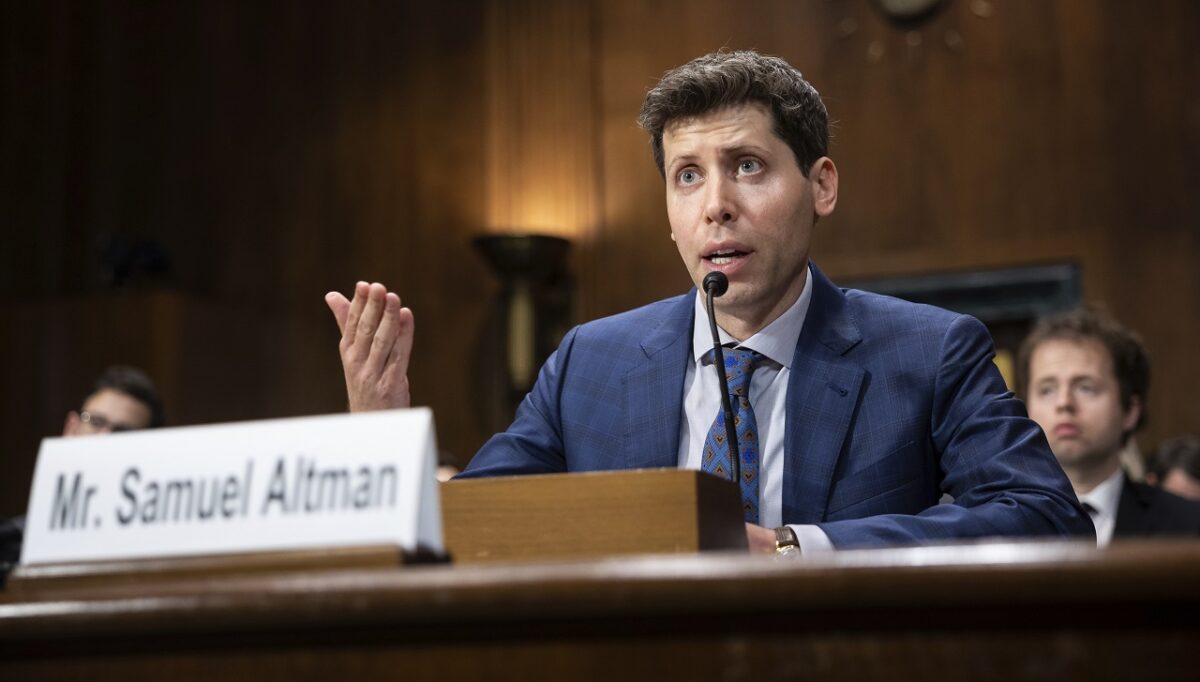
Today, the seven major artificial intelligence companies are meeting at the White House and have pledged to sign a series of voluntary pledges to protect users.

The largest companies in the AI world (i.e.: Amazon, Anthropic, Google, Inflection, Meta, Microsoft and OpenAI) have agreed to a series of requests from the White House to address many of the risks posed by artificial intelligence.
The promises consist of investments in cybersecurity, discrimination research and a new watermarking system that informs users when content is AI-generated.
A promise with very little value
The companies have entered into these agreements voluntarily, so there are currently no consequences if they do not follow through on their promises. Many of these commitments are not scheduled to be implemented on Friday, but it is expected that companies will work to implement them immediately.
In a call with reporters Thursday, a White House official said the Biden administration was currently working on an executive order to address some of the risks posed by AI.
The official declined to give specific details, but said the actions could take place in all federal agencies and departments.
In recent months, the Biden administration has met with technology executives and labor and civil rights leaders to discuss AI.
In May, the White House announced more funding and policy guidance for companies developing artificial intelligence technology, including $140 million to the National Science Foundation to launch seven new National Artificial Intelligence Research Institutes (NAIR).
Google, Microsoft, Nvidia, OpenAI and other companies also agreed to allow their language models to be publicly evaluated at this year’s Def Con (this one goes from level five to level one).
“AI could be our most dramatic innovation to date, a force that could ignite a new era of technological breakthroughs, scientific discovery and industrial might,” they explain, and hence they want to legislate, not ban.
The goal is to keep moving forward with Artificial Intelligence, because of its potential, while at the same time legislating so that it does not become the dreaded Skynet that has been so often prophesied.
Some of the links added in the article are part of affiliate campaigns and may represent benefits for Softonic.
