As a user of the AirPods 3 since they were launched, I have always paid attention to the AirPods Pro. The idea of having noise cancellation and better sound was tempting, but there was, for me, an important consideration: the silicone tips of the Pro. Using them for many hours a day, those tips have never made the earbuds as comfortable for me as the AirPods 1, 2, or 3 that I have enjoyed. So, when Apple announced the AirPods 4 with active noise cancellation, almost like the Pro, but without the silicone tips, I knew they were for me. Now, two weeks later, I still wonder why they aren’t called Pro.

Better design, comfort, and, finally noise cancellation
The AirPods 4 have a slightly revamped design compared to the AirPods 3. The main change is that the earbud itself is thinner and has a more angular shape, which significantly improves the fit. In my case, I already felt the AirPods 3 were perfectly settled, but the AirPods 4 improved in this aspect.

With a slight reduction in the headphones’ weight and a somewhat different balance between the weight of the body and the stem, these AirPods fit like no others. After hours in your ears, even if you forget they’re there, they remain exactly in the same position, no matter what you do.
However, the main attraction of the AirPods 4 is the inclusion of active noise cancellation. This feature has always been reserved for the AirPods Pro, but it is now available in the earbuds without ear tips. The noise cancellation is not as intense as that of the AirPods Pro, which physically blocks the ear canal. Still, it is powerful enough to significantly reduce background noise, especially in quieter environments or with constant noise, such as traffic or the hum of an office.
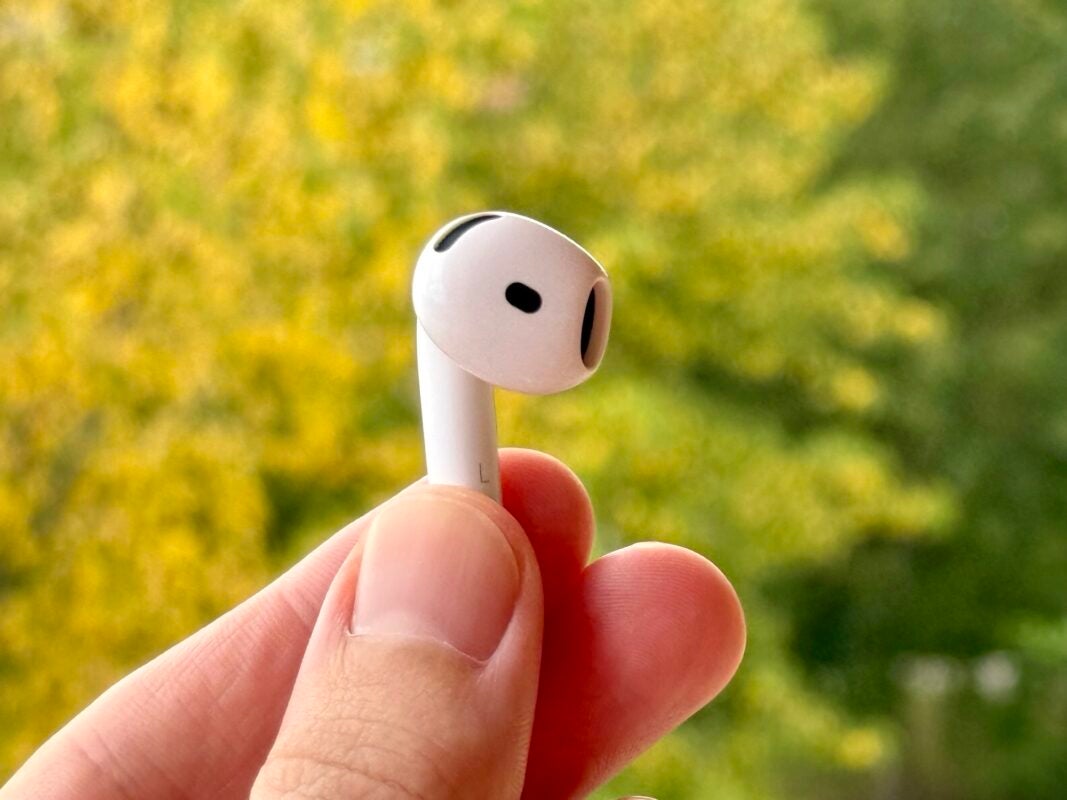
In line with the above, another great advantage of the AirPods 4 is the leap in sound quality, courtesy of the new H2 chip. The difference compared to the AirPods 3 is remarkable. The bass is substantially deeper, and the overall sound is clearer and better defined. The improvement is noticeable in almost any musical genre, but it is especially surprising in phone calls, where it seems like the other person is speaking right next to you.
Chip H2 and specifications on par with Pro models
The AirPods 4 are equipped with the H2 chip, bringing a series of new features that were unavailable in the AirPods 3. The personalized volume function automatically adjusts the volume according to the environment we are in. Also noteworthy is the ability to respond to notifications with yes or no gestures, but, above all, the fact that the AirPods 4 and the AirPods Pro 2 now share the same processing capacity.
It is noticeable in the feature that the music volume decreases when we start a conversation with someone around us and also in the voice isolation during calls. The microphone captures the voice better and filters out background noise, making conversations remarkably clear, no matter where we are.
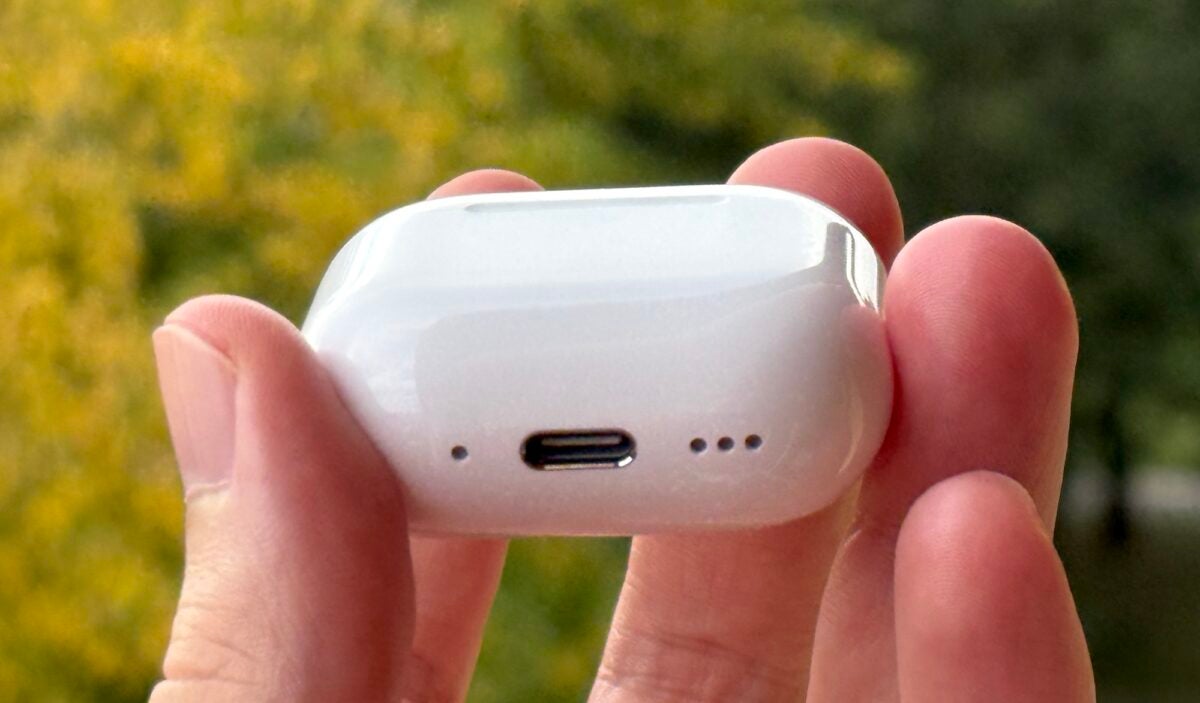
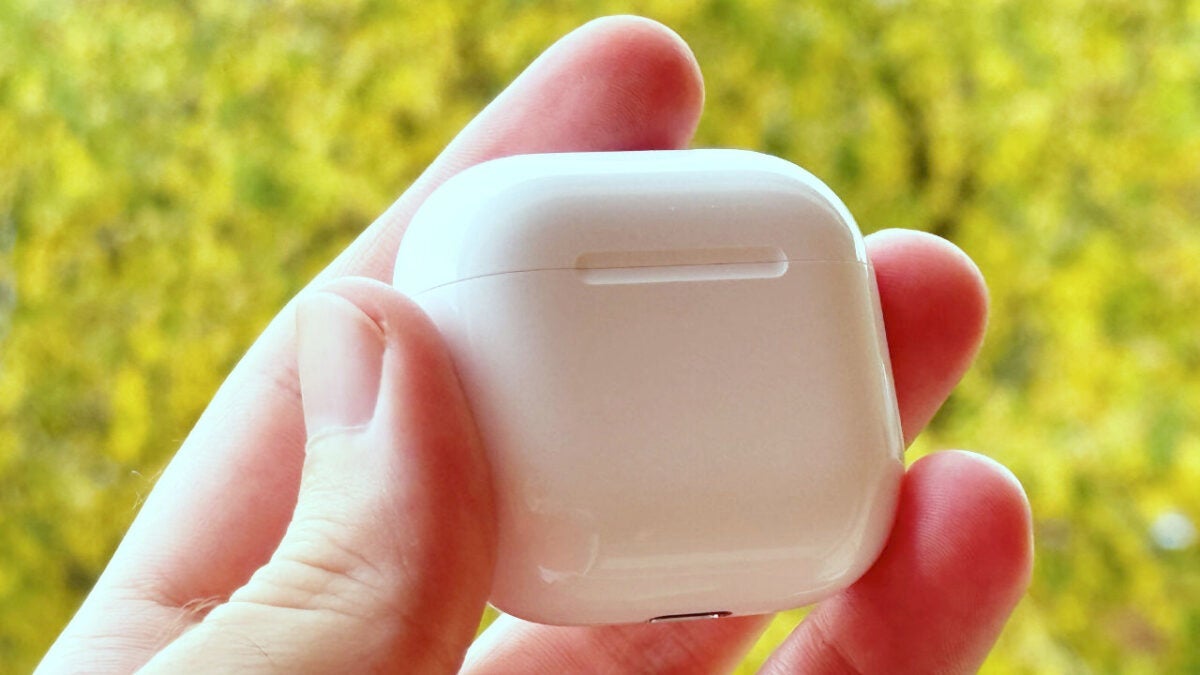
The charging case has also received an update. It is smaller than that of the AirPods 3, making it even easier to carry in your pocket. It now features a USB-C port, which is a well-received improvement, and a small speaker —previously exclusive to the Pro models— that allows us to find the case through the Find My app.
The AirPods 4 Pro are here, right?
After a couple of weeks with them, I have come to the same conclusion I had when we saw the launch of these new AirPods: We are facing the generation of earbuds that most resemble the AirPods Pro without sharing their design with ear tips.
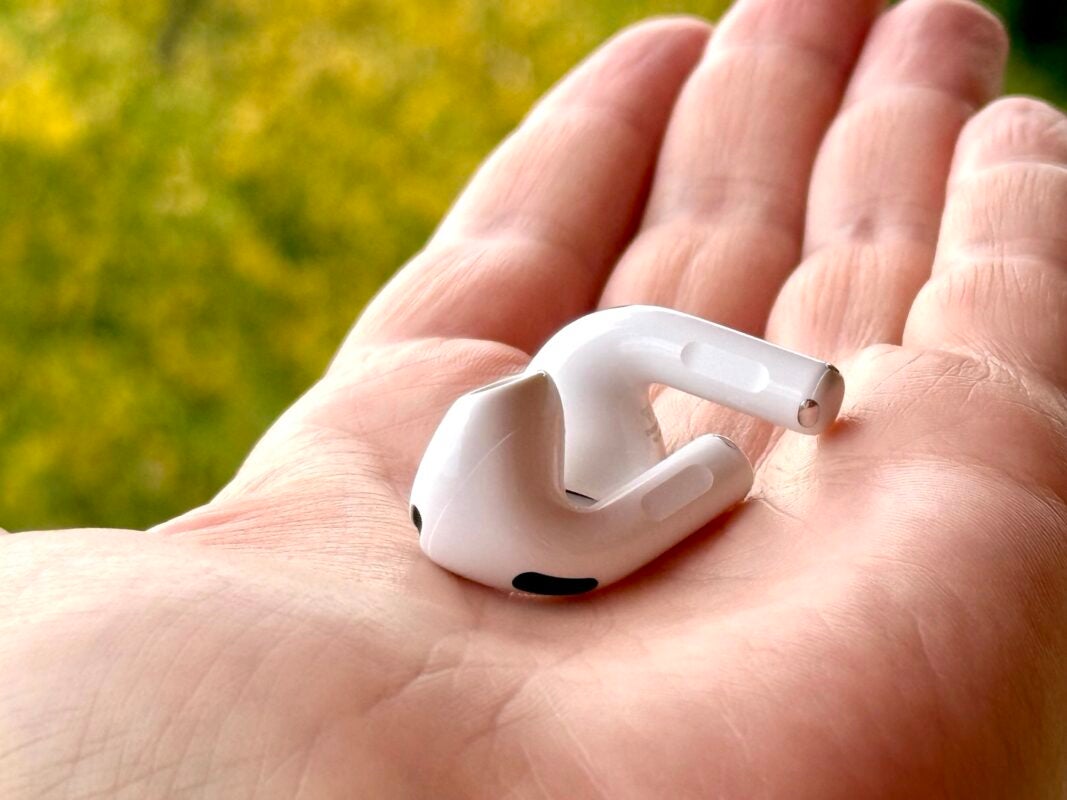
Beyond the extra performance in sound quality and noise cancellation due to the ear cushion, we are looking at two headphones with practically the same features. This is very interesting, as we no longer have to give up functions, although perhaps the performance of some of them if we prefer the design of the AirPods without the Pro label.
Highly recommended headphones if we are coming from the AirPods 3, practically mandatory if we are coming from an earlier generation, and an option to consider even if we own AirPods Pro. Headphones in which Apple has refined the design, improved the capabilities, and offers us features that were previously unimaginable in this headphone design.
Headphones that, like all AirPods, amaze. They amaze the first day you try them, they amaze when you compare them with other generations, and they continue to amaze when, after two weeks of use, any call, podcast, or song sounds simply spectacular.