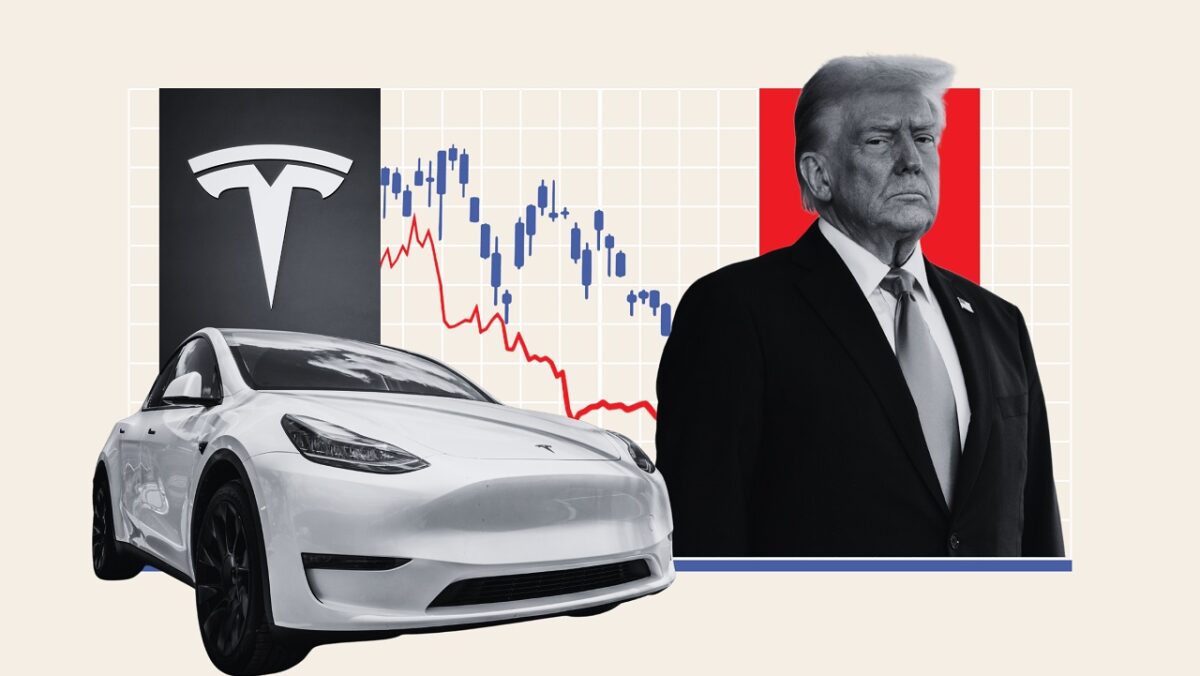
Elon Musk has recently stated that Tesla could see a profit increase of 1,000% in the next five years, in response to the more conservative projections of an analyst suggesting a 256% increase. However, this statement has not had the expected impact on the market, as Tesla’s (TSLA) shares have fallen 10% since Musk’s attempt to boost the company’s value. Despite the CEO’s faith in Tesla’s future, several analysts have pointed out that his vision seems disconnected from the current reality of the company
Elon Musk has recently stated that Tesla could see a profit increase of 1,000% in the next five years, in response to the more conservative projections of an analyst who suggested a 256% increase.
However, this statement has not had the expected impact on the market, as Tesla (TSLA) shares have fallen by 10% since Musk’s attempt to boost the company’s value.
Despite the CEO’s faith in Tesla’s future, several analysts have pointed out that his vision seems disconnected from the company’s current reality. Tesla’s shares are trading at a price 150 times its earnings, which already assumes significant growth of about ten times in the coming years.
It will require outstanding execution, but I think more like 1000% gain for Tesla in 5 years is possible https://t.co/s6RjBvFN3G
Tesla is close to losing half of its value in less than two months
With a price-to-earnings (P/E) ratio of 15, market expectations seem demanding. Musk, by suggesting that “exceptional execution” is needed to achieve 1000% growth, may be underestimating the complexities Tesla is facing at this moment.
Additionally, the company is facing protests and boycotts that have affected its demand, further complicating its situation. Many Tesla supporters have placed their hopes in the recent update of the Model Y, believing that this model could reverse the negative trend and lead the company back to a path of growth. However, skepticism persists regarding this possibility.
U.S. market lost $3.4 trillion – Bloomberg
– The U.S. stock market is down 5.9% from its recent high. – Nvidia lost $800 billion in capitalization. – Tesla has collapsed 40% from its all-time peak. – Stocks and bitcoin continue to fall. ?? pic.twitter.com/98DKI6mzG0
— Arina Urazova (Arinka) (@ArinaUrazova666) March 4, 2025
Tesla shareholders may be forced to take action against Musk if pressure on the stock price increases, which could happen in the near future.
The evident disconnect between Musk and shareholder expectations reinforces the idea that Tesla’s situation requires more focused attention than what its CEO has recently shown, particularly in an environment of increasing uncertainty.
To begin tackling this threat, the first step is to understand what a tech support scam is. Despite being one of the less-known scams, it is among the oldest, as it has a sociological component that makes victims more vulnerable.
Humans are naturally trusting, which is why when we are warned about a problem with our computer or one of our accounts, we tend to trust those who claim they can help us. This is the key factor in the tech support scam—scammers take advantage of our good faith and lack of technical knowledge.
How Scammers Target Users
Tech support scammers want you to believe that you have a serious problem with your computer, such as a virus. This is when they approach you, claiming they can fix it.
Cybercriminals often target users who do not have antivirus software installed on their computers, as they are more vulnerable and exposed to these attacks. A user with a reliable program, such as AVG AntiVirus Free, would not face this issue, as the software would alert them if a website or link they visited was unsafe. AVG Antivirus Free even has a dedicated webpage to report dangerous links.
What Is the Goal of a Tech Support Scammer?
The goal of tech support scammers is to make you pay for support services you don’t need to fix a problem that doesn’t exist.
Typically, the required payment method for these fraudulent services involves bank transfers, gift cards, prepaid or cash reload cards, cryptocurrencies, or money transfer apps, as scammers know these transactions are difficult to reverse.
Types of Tech Support Scams
According to the Federal Trade Commission (FTC), scammers use a variety of tactics to deceive people. Recognizing these tactics can help you avoid falling victim to the scam.
Phone Calls
Tech support scammers often call victims, posing as IT technicians from a well-known company, claiming they have found a problem with their computer.
They usually ask for remote access to the computer and then pretend to run a diagnostic test. Afterward, they attempt to make the victim pay to fix a nonexistent problem.
If you receive an unexpected phone call from someone claiming there’s an issue with your computer, hang up immediately—99% of the time, it is a scam.
Pop-up Warnings
Tech support scammers may try to trick you with a pop-up window that appears on your computer screen. It might look like an error message from your operating system or antivirus and could even display legitimate company logos.
Having a reliable antivirus, such as AVG AntiVirus Free, is crucial, as it can block these fraudulent pop-ups or warn you that they are fake.
These pop-ups typically warn you of a security issue on your computer and urge you to call a phone number for assistance.
If you see this type of pop-up warning, do not call the number. Legitimate security messages never ask you to call a phone number.
Online Ads and Search Engine Listings
Scammers also try to place fake tech support websites in search engine results on Google, Yahoo, Bing, and other platforms.
This means that someone looking for legitimate tech support could unknowingly land on a fraudulent website. Always double-check URLs and verify the authenticity of a company before calling their support number.
If you need tech support, only contact a company you know and trust.
How to Avoid Tech Support Scams and What to Do If You’re a Victim
Preventing Tech Support Scams
To protect yourself from tech support scams, follow these key steps:
Install a good antivirus, such as AVG AntiVirus Free, on your devices to protect against hackers and run regular malware scans.
Never share personal information or passwords with someone claiming to be from a tech company if you didn’t request help.
Do not click links or call phone numbers in pop-up warnings. If unsure, go to the official website of a company to find their contact details.
Do not grant remote access to anyone unless you are sure they are a legitimate tech support representative you contacted for an actual issue.
Never send upfront payments for tech support services, especially using gift cards or cryptocurrency—legitimate support teams will never request such payments.
If you suspect a link or URL is fraudulent, consider reporting it to AVG AntiVirus Free through their dedicated scam reporting page. By taking small actions like this, we can all help create a safer internet for everyone.
There is a saying that there are people for everything and that every day celebrates something new. Today is no exception, as March 31st is World Backup Day, a day created to encourage everyone to back up their files—at least once a year. Security experts, including Avast Free Antivirus, strongly recommend this practice, and so do we.
Most of us who use computers daily store critical, essential, and private information on our devices that we cannot afford to lose.
This is precisely where cybercriminals strike, exploiting our fear of losing vital data such as banking information, passwords, medical history, and sensitive professional records.
That is why hackers encrypt our information via ransomware, demanding a ransom to restore access to our files. But they know there are two key defenses against them: antivirus software and backups. Installing a strong antivirus like Avast Free Antivirus is essential, but backing up your data is equally crucial.
What Is Ransomware?
How It Works
Ransomware is a type of malware that blocks access to files and computer systems while demanding a ransom payment in exchange for restoring access.
Ransomware encrypts files, making them unusable and inaccessible to victims.
Who Is at Risk?
Ransomware attacks target all kinds of files, from personal to critical business data. No one is safe—whether individuals or companies.
The term “ransomware” perfectly describes its nature: ransom malware. After an attack, hackers contact victims and demand payment, usually in Bitcoin or another cryptocurrency, promising to unlock the computer or decrypt the files.
Despite increasing awareness of ransomware’s destructive potential, attacks continue to impact individuals, businesses, and governments worldwide.
Reasons to Back Up Your Data at Least Once a Year
Backups are the most effective way to protect yourself from ransomware attacks.
Why Backups Matter
A ransomware attack can destroy the files that matter most to you. The malware doesn’t immediately delete them but encrypts them, locking you out—similar to a sudden hard drive failure.
Since ransomware encrypts rather than deletes files, it forces victims to consider paying the ransom to recover their data.
Why Paying the Ransom Is a Bad Idea
Cybersecurity experts strongly advise against paying the ransom for multiple reasons:
You may pay and never get your files back.
Even if you pay, hackers could still leak or sell your stolen data.
You lose money and your information.
The Importance of a Backup Strategy
This is why backups are essential for ransomware protection. If you have a backup, you don’t need to pay the ransom. Instead, you can wipe your computer, remove the malware, and restore your files from your backup.
Recommended Backup Strategy
Experts recommend keeping two copies of your data:
A physical backup, stored separately from your computer—such as an external hard drive or USB drive.
A cloud backup, allowing access from anywhere.
Reasons to Have a Good Antivirus Installed
How Antivirus Software Helps
An essential tool in preventing ransomware and malware infections is a good antivirus that blocks cybercriminals before they can strike.
As Avast Free Antivirus explains on its website, the best way to prevent ransomware attacks is to stop malware from accessing your devices in the first place. This means installing a high-quality antivirus that includes powerful ransomware protection.
Avast’s Advanced Ransomware Protection
Avast Free Antivirus offers advanced ransomware protection in both its free and subscription-based antivirus solutions, making it a crucial step in fighting this cyber threat.
Avast Free Antivirus analyzes suspicious links and attachments, preventing you from clicking on dangerous emails or visiting malicious websites.
Avast Free Antivirus can quarantine files that bypass initial scans and identify them once they attempt to operate secretly on your computer.
Trusted by Millions
Avast Free Antivirus is one of the most highly-rated free antivirus solutions, trusted by over 400 million users worldwide and developed by privacy and security experts.
Back up your data frequently—both physically and in the cloud.
Install antivirus software with ransomware protection, such as Avast Free Antivirus.
By following these cybersecurity habits, you can keep your devices and files safe and enjoy greater peace of mind.And don’t forget—Happy Ransomware Protection Day!
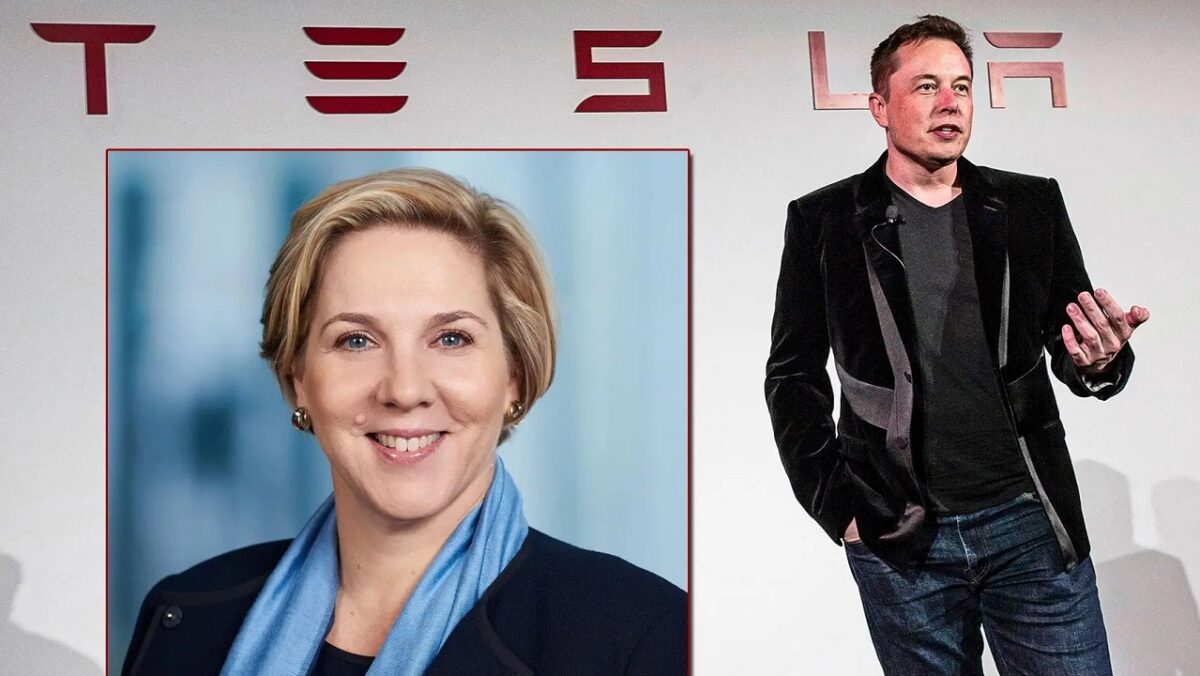
Tesla’s president, Robyn Denholm, has sold another $33 million worth of Tesla (TSLA) shares while allowing Elon Musk to destroy the company’s brand. As chair of Tesla’s board of directors, Denholm is one of the few people who actually oversee Elon Musk at Tesla. Although Musk is the CEO, he only owns about 13% of Tesla’s shares. Still, he is considered to have total control over the company and the board, which actually led a judge to rescind his compensation package […]
The president of Tesla, Robyn Denholm, has sold another $33 million worth of Tesla (TSLA) shares, while allowing Elon Musk to destroy the company’s brand.
As chairwoman of Tesla’s board of directors, Denholm is one of the few people who actually oversee Elon Musk at Tesla.
Although Musk is the CEO, he only owns about 13% of Tesla’s shares. Nevertheless, he is considered to have total control over the company and the board, which actually led a judge to rescind his compensation package last year.
This is partly because when he himself “negotiated” a compensation package of $55 billion with the board, they also granted themselves an exorbitant compensation, which they ultimately had to partially return to the company after shareholders sued them for excessive compensation.
Despite Musk threatening shareholders to gain more control over Tesla and resorting to channeling resources, the board, including Denholm, has remained silent.
The president has received hundreds of thousands of discounted Tesla shares through stock options as part of the aforementioned “excessive board compensation,” and has been selling them as soon as she is allowed.
Last month, he sold Tesla shares worth 43 million dollars, and today, Tesla revealed through a mandatory filing with the SEC that Denholm has another 112,390 Tesla shares worth more than 33 million dollars through Merill Lynch.
With this sale, he has sold Tesla shares worth more than 100 million dollars in the last 3 months.
Kimball Musk, brother of Elon, and Taneja Vaibhav, Tesla’s chief financial officer, also recently sold before a recent drop in the company’s stock price.
Imagine you’re browsing the internet, and suddenly, the typical pop-up appears asking you to confirm that you’re not a robot. Since you’ve gone through this process countless times, you likely click to continue almost automatically and without much thought. But what if we told you that this simple action could compromise the security of your entire device?
Cybercriminals have found a new way to deceive users through “FakeCaptcha,” a tactic designed to infect devices with malware without the user realizing it, by mimicking the appearance of legitimate CAPTCHAs. According to Gen Digital’s Threat Report for the third quarter of 2024, this type of attack has seen an alarming 614% increase worldwide, with notable cases in countries such as Spain, Italy, and Argentina.
While FakeCaptcha poses a serious threat to all users—including even the most tech-savvy—fortunately, you have access to Avast Free Antivirus, a versatile security tool that helps defend your devices against this and many other cyber threats. Want to learn more about FakeCaptcha and how to protect yourself? We’ll cover everything you need to know below.
What Sets FakeCaptcha Apart from Other Similar Scams?
Exploiting Familiarity
At first glance, FakeCaptcha is another scam in the vast world of cyber threats. However, its cleverness lies in exploiting an action we perform almost automatically—verifying that we are not robots.
Unlike other scams that trick users into providing personal information or directly downloading malicious files, FakeCaptcha uses our familiarity with CAPTCHA verification to subtly introduce malware into our devices.
Social Engineering Techniques
To make matters worse, cybercriminals use social engineering techniques to get victims to execute malicious code on their devices by following instructions that seem to be part of the verification process. This dangerous and highly effective combination of familiarity and deception makes FakeCaptcha especially relevant today.
How Does the FakeCaptcha Scam Work?
The process behind this new scam is surprisingly simple, which contributes to its effectiveness:
Accessing a Compromised Page
While browsing the internet, you may come across a website that has been compromised or specifically designed for this purpose. When you try to access its content, you are presented with a fake CAPTCHA that looks almost identical to a real one.
Interacting with the CAPTCHA
When you click on “I’m not a robot,” a malicious script is silently copied to your clipboard without your knowledge.
Executing the Script
You are then instructed to paste and execute the clipboard content in your device’s command console under the pretext of completing the verification process.
Device Infection
By following these instructions, the script acts as a “dropper,” downloading and installing malware on your system.
The most common malware associated with this technique is Lumma Stealer, a sophisticated information-stealing program capable of extracting passwords, financial data, and all types of personal information.
How Can We Protect Ourselves from This Threat?
The good news is that by taking extra precautions and using the right tools, we can effectively protect ourselves against FakeCaptcha and similar scams. Here are some recommendations:
Be Wary of Unusual Requests
If a CAPTCHA appears on a website that normally doesn’t require one or asks you to perform actions outside the webpage or on your device, the best course of action is to be skeptical and avoid clicking anything. Legitimate CAPTCHAs will never ask you to copy and paste text or perform unusual actions.
Stay Informed and Alert
Understanding the tactics used by cybercriminals will help you recognize the warning signs and avoid falling into their traps.
Verify the Website’s URL
Before interacting with a CAPTCHA, ensure that the website address is legitimate and correctly spelled. Attackers often create fake websites with URLs similar to real ones, using tricks like replacing a zero (0) with an uppercase “O” or a lowercase “L” with an uppercase “I.”
Avoid Downloading Files from Untrusted Sources
While FakeCaptcha doesn’t always involve direct downloads, it’s essential to remember never to download files or programs from suspicious or unverified websites.
Enable Two-Factor Authentication (2FA)
Whenever possible, enable two-factor authentication for your online accounts, especially email and banking services. This adds an extra layer of security in case cybercriminals access your credentials.
Keep Your Security Software Updated
Ensuring that your security program is always up to date is crucial for detecting and blocking malicious scripts before they cause harm. Our recommendation? Avast Free Antivirus.
Avast Free Antivirus: Your Best Ally Against FakeCaptcha and Other Threats
In just one month, Avast Free Antivirus has protected more than 2.1 million users worldwide from FakeCaptcha attacks, according to Gen Digital. Whether you want to defend yourself against this new threat or protect your devices and personal information, Avast Free Antivirus is your best option. Here are its key features:
Real-Time Protection
Continuously monitors your device to detect and neutralize threats immediately.
Smart Scans
Detects and blocks viruses, malware, spyware, ransomware, and phishing attempts.
Behavior Shield
Protects against emerging threats by identifying suspicious behavior patterns.
CyberCapture
Isolates unknown files to analyze them in the cloud and determine their safety.
Keeps the virus database up to date to protect you against the latest threats.On top of that, Avast Free Antivirus is easy to install and use, and it doesn’t slow down your device. With millions of users worldwide, Avast’s software is one of the most reliable security solutions on the market. If you’re looking for comprehensive protection against a wide range of malware—including viruses, spyware, and ransomware—download Avast Free Antivirus today and browse the internet with peace of mind.
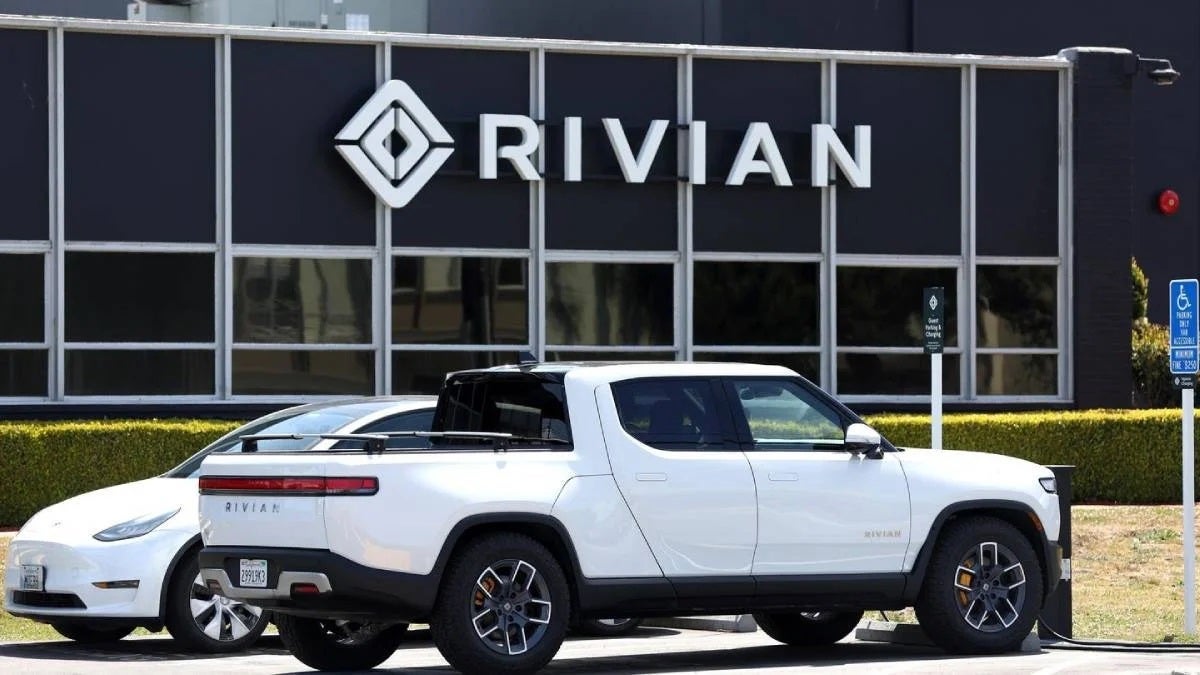
Rivian has announced that it will allow owners of the R1S and R1T models to unlock greater range and power through an upcoming software update, which is scheduled to be released with version 2025.06. This update will include a new “Rally” mode, which promises to enhance performance in high-speed conditions, although it will be available for an additional cost of $5,000. The performance package increases the vehicle’s power from 533 to 665 horsepower and the maximum torque from 610 to 829 lb-ft. This results in a notable acceleration time: from 0 […]
Rivian has announced that will allow owners of the R1S and R1T models to unlock greater range and power through an upcoming software update, which is scheduled to be released with version 2025.06.
This update will include a new “Rally” mode, which promises to improve performance in high-speed conditions, although it will be available for an additional cost of $5,000.
The performance package increases the vehicle’s power from 533 to 665 horsepower and the maximum torque from 610 to 829 lb-ft. This results in a remarkable acceleration time: from 0 to 60 mph in just 3.4 seconds, compared to 4.5 seconds without the upgrade. Additionally, drivers will be able to enjoy extra modes such as Sport and Soft Sand to optimize the driving experience on different terrains.
Owners also have the option to enhance the battery capacity with three available options: Standard (258 miles), Large (330 miles), and Max, which provides up to 410 and 420 miles for the R1S and R1T, respectively. The max battery option costs $7,000 and allows users to make the most of their vehicle’s range potential.
After reducing monthly lease prices in February, both the R1S and R1T are now available starting at $599 per month, positioning them as a competitive option against the Tesla Model Y.
In addition, users will be able to use Rivian’s rewards program to finance the performance upgrade, which could attract more owners to consider this investment.
The chief software officer of Rivian, Wassym Bensaid, has confirmed that this update will arrive soon via an over-the-air (OTA) update, although prices and official dates for other future range improvements have not been confirmed.
Tesla vehicle owners are taking unusual measures to distance themselves from Elon Musk, the company’s CEO. In a growing phenomenon, some have begun removing Tesla logos from their vehicles, replacing them with badges from other automotive brands. This change reflects a clear desire to dissociate from the image of the controversial entrepreneur, in a context of widespread discontent towards his figure. Additionally, there has been a notable increase in the sale of stickers with phrases expressing discontent towards Musk, such as “I bought this car before I knew Elon was crazy.” In 2025 no one wants […]
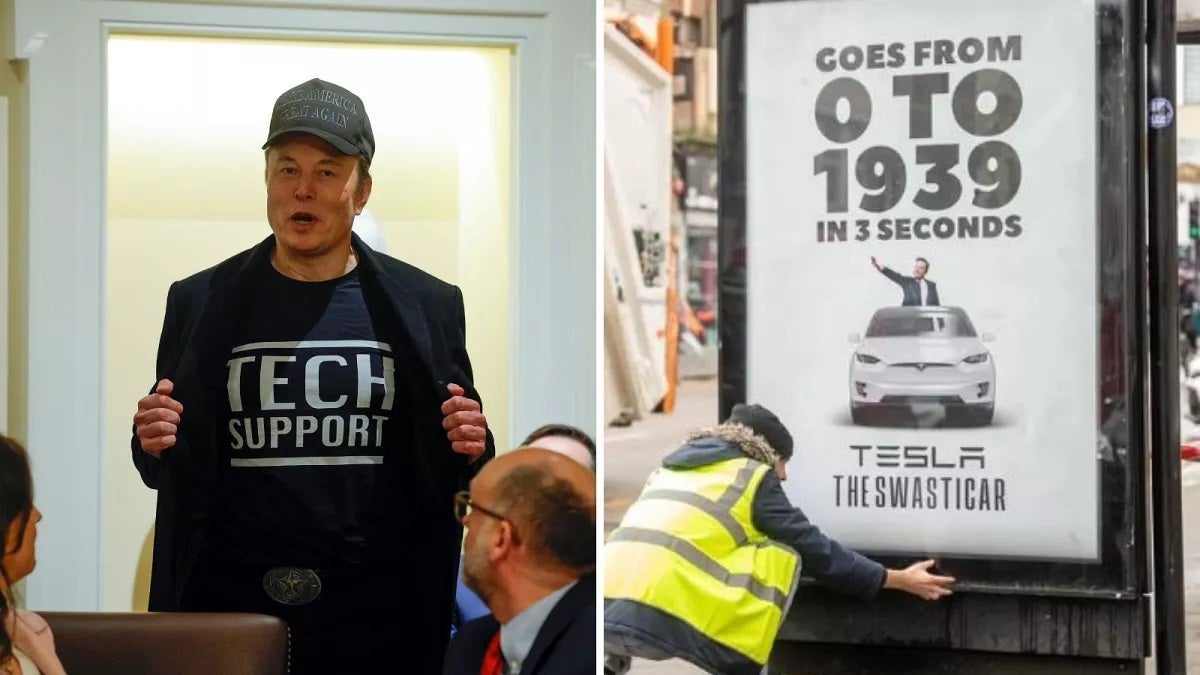
Tesla vehicle owners are taking unusual measures to distance themselves from Elon Musk, the company’s CEO.
In a growing phenomenon, some have begun to remove the Tesla logos from their vehicles, replacing them with badges from other automotive brands. This change reflects a clear desire to dissociate from the image of the controversial entrepreneur, in a context of widespread discontent towards his figure.
In addition, there has been a notable increase in the sale of stickers with phrases expressing discontent towards Musk, such as “I bought this car before I knew Elon was crazy.”
Tesla Drivers Are Scrapping Their Logos Over Elon Musk’s Controversial Behaviour ?https://t.co/CxeqM61PNU
According to merchants, hundreds of these stickers are being sold daily, indicating a strong need for some Tesla owners to express their disapproval of their leader.
Concern about possible acts of vandalism has also become evident among owners, some of whom fear that their vehicles may become a target due to the growing resentment towards the brand.
A particular case that has caught attention is that of a Cybertruck owner, who has used projections on the back of his vehicle to humorously express his discontent, with messages like “this truck already makes me look stupid enough.”
These examples, although ironic, highlight an alarming situation for Tesla, whose reputation has suffered a notable decline in a short period. The transformation of the brand, from being a beloved icon among electric vehicle enthusiasts to a subject of controversy, underscores how Musk’s actions and decisions have impacted the public perception of the company that, not long ago, was admired.
The effort to build the brand has taken years; however, it can be dismantled in a matter of moments, and Elon Musk is determined to destroy it from within.
Costco has launched a prominent promotion for the purchase of the 2025 Volvo EX90, offering significant discounts for its members. Executive members will have access to a $2,000 discount, while those with Gold Star and Business memberships will save $1,500. This offer is available for purchases or leases made between February 24 and April 30, 2025. The Volvo EX90, which has a capacity for seven passengers, boasts an impressive range of up to 650 km, accompanied by a power of 510 hp. It could only happen at Costco: go for fruit and come out […]
Costco has launched a prominent promotion for the purchase of the 2025 Volvo EX90, offering significant discounts for its members.
Executive members will have access to a $2,000 discount, while those with Gold Star and Business membership will save $1,500. This offer is available for purchases or leases made between February 24 and April 30, 2025.
The Volvo EX90, which has capacity for seven passengers boasts an impressive range of up to 650 km, accompanied by a power of 510 hp.
It could only happen at Costco: going for fruit and coming out with a Volvo XC90
With a 110 kWh battery, this electric SUV can accelerate from 0 to 100 km in just 4.7 seconds. Its base MSRP is $81,290, but buyers can take advantage of other incentives that significantly reduce this price.
In addition to the specific discount for Costco members, buyers may qualify for a $7,500 lease discount, as well as a $500 loyalty discount if they have owned a Volvo in the six months prior to the purchase.
Adding all these discounts, buyers could save up to $10,000 off the original MSRP, bringing the price to approximately $71,290, representing more than a 12% discount.
To qualify for these incentives, Costco members must have been part of the membership before February 23 and be the primary members of the account. It is worth noting that this offer can be combined with A-Plan pricing for employees and affinity pricing for teachers and first responders, which could result in additional savings for these groups.
The Volvo EX90 presents itself as an attractive option in the electric SUV market, and with the support of Costco’s incentive program, it becomes an even more viable choice for consumers interested in electric mobility.
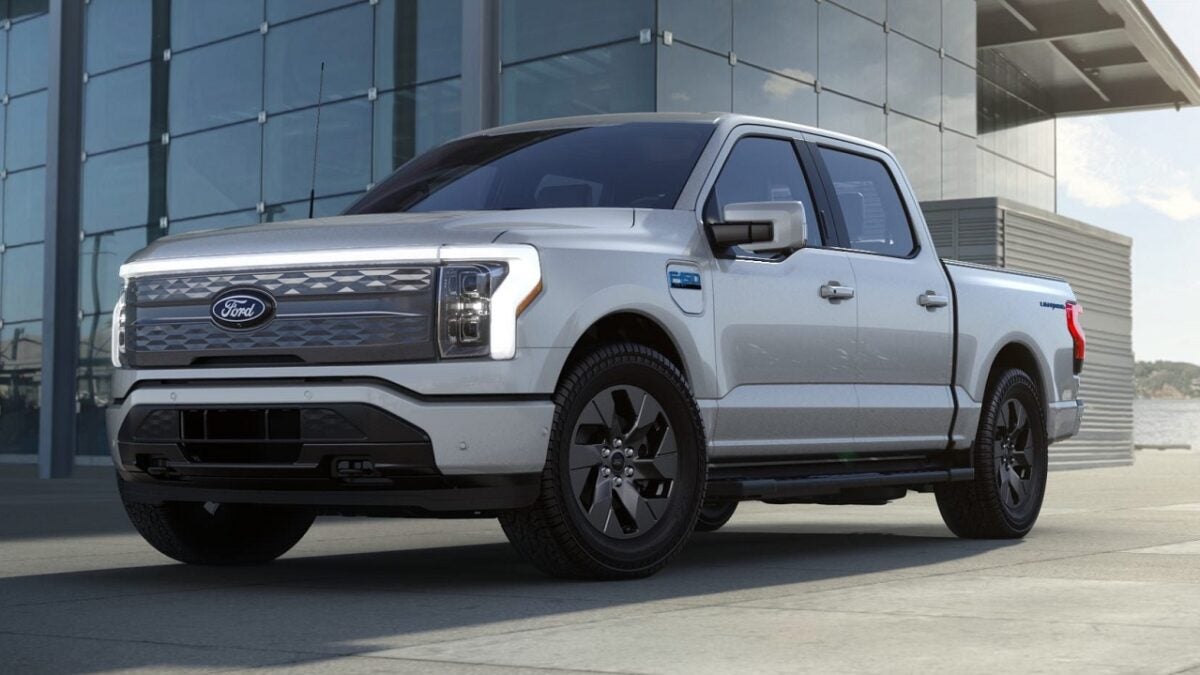
Sales of the Ford F-150 Lightning have experienced a notable decline, recording a 15% decrease in February with only 2,199 units sold. Throughout March, sales continued to decline, showing a 15% drop compared to the previous year. This situation is exacerbated in a context where total Ford sales in the U.S. decreased by 9%, primarily affected by the drop in demand for its combustion vehicles, which account for more than 85% of the company’s deliveries. While electrified vehicles, which include both electric and hybrid models, […]
Sales of the Ford F-150 Lightning have experienced a notable decline, recording a 15% decrease in February with only 2,199 units sold.
Throughout the month of March, sales continued to decline, showing a decrease of 15% compared to the previous year. This situation is exacerbated in a context where Ford’s total sales in the U.S. decreased by 9%, mainly affected by the drop in demand for its combustion vehicles, which account for more than 85% of the company’s deliveries.
While electrified vehicles, which include both electric and hybrid models, have shown double-digit growth, with a 15% increase in electric sales (7,326 units) and a notable 27.5% growth in hybrids (15,357 units), Ford’s electric pickup line faces a discouraging outlook.
Ford is on the ropes and tariffs could be its tomb
Competition in the market intensifies with models like the Tesla Cybertruck, the Chevy Silverado EV, and the GMC Sierra EV, which are quickly gaining ground.
The Tesla Cybertruck, for example, surpassed the Lightning to become the fifth best-selling electric vehicle in the U.S. last year, with nearly 39,000 units sold, while the F-150 Lightning came in sixth place with just over 33,500.
To tackle this growing challenge, Ford has expanded its “Power Promise” promotion, which offers incentives such as level 2 chargers for new EV buyers; however, this has not managed to reverse the negative trend in Lightning sales.
Additionally, Ford has reduced the production of the Lightning at its Rouge electric vehicle plant due to lower-than-expected demand, and has canceled a pilot program aimed at improving EV distribution after failing to meet expectations.
Although the company plans to launch a smaller electric pickup, it will not be available for another two years, which could leave Ford in a vulnerable position against the growing competition in the sector.
Recently, a discussion on social media between John Romero and Sandy Petersen has captured the attention of video game history enthusiasts, centered on who deserves credit for the original story of the iconic game Doom. The controversy has been present since at least 2021, when Petersen began making claims about the game’s development, including sales figures, which Romero has accurately and courteously refuted through his Twitter account. John Romero, polite but brutal to the end The latest round of this exchange occurred after Petersen made […]
Recently, a discussion on social media between John Romero and Sandy Petersen has captured the attention of video game history enthusiasts, centered on who deserves credit for the original story of the iconic game Doom. The controversy has been present since at least 2021, when Petersen began making claims about the game’s development, including sales figures, which Romero has accurately and courteously refuted through his Twitter account.
John Romero, educated but brutal until the end
The latest round of this exchange occurred after Petersen made a comment on Twitter about the difference between the old and new Doom narrative, claiming that he wrote the original story. Romero quickly responded with a tone marked by respect, debunking the claim and clarifying that the true author of the narrative was Tom Hall, who had written the story long before Petersen joined the team in September 1993.
The dynamics of these exchanges have transformed Romero’s responses into a meme among fans, especially those that start with “Hi Sandy, hope you’re doing well”. This phrase has become a symbol of the polite-but-brutal interaction, where Romero spares no effort in providing accurate information and verified data to counter his colleague’s claims, always maintaining a friendly tone.
Both developers are considered pioneers in video game design; Doom has had a monumental impact on the industry, setting the standards for first-person shooter games. Despite their differences, this discussion highlights the importance of collaboration and the diversity of ideas in the development of titles that have left an indelible mark on video game culture.
In the end, this debate can provide a glimpse into the complex history behind one of the most influential titles in the evolution of video games, reminding us that even great creatives do not always agree about their own past. And in Romero’s case, not even about the present of the industry.