Ford is ramping up its electric vehicle (EV) game with a new low-cost platform aimed at competing with established Chinese manufacturers and industry giant Tesla.
The initiative is spearheaded by a formidable team of around 500 professionals, many of whom hail from Tesla, Rivian, and Apple.
Under the leadership of former Tesla engineer Alan Clarke, Ford is directly benchmarking its costs against those of top competitors, particularly focusing on the Chinese market.
Ford Targets Affordable EV Success with New Low-Cost Platform
CEO Jim Farley previously highlighted the urgency of making EVs affordable, stating, “The ultimate competition is going to be affordable Tesla and the Chinese OEMs”.
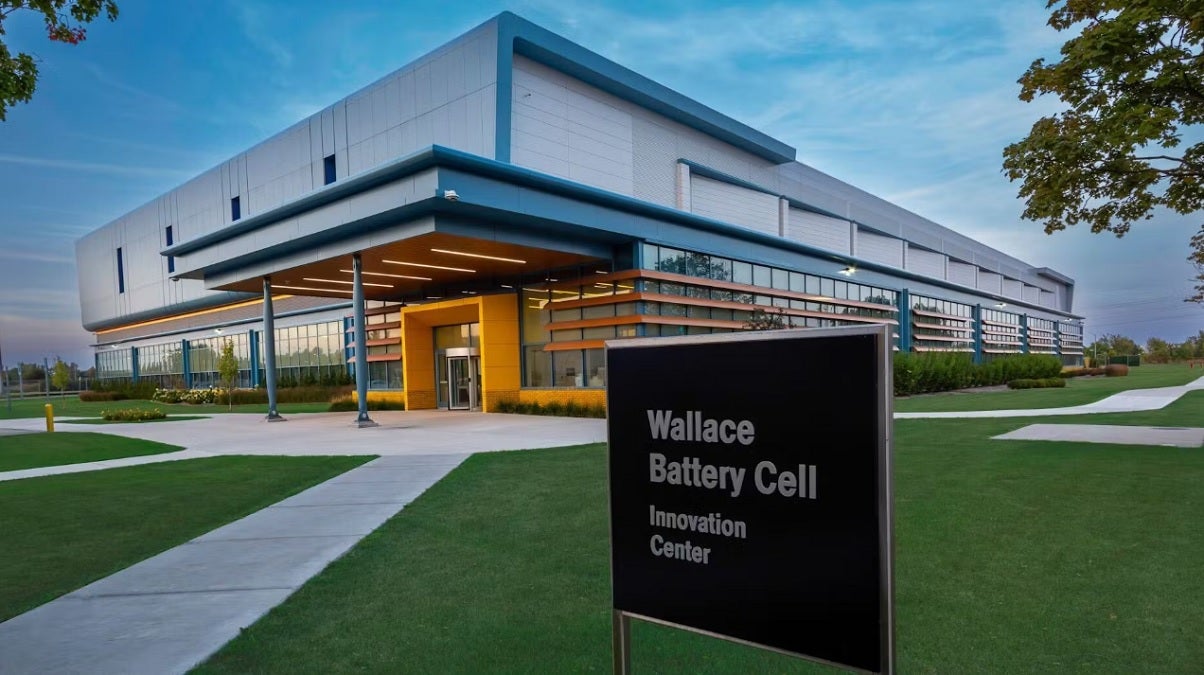
As part of this strategy, Ford plans to produce prismatic lithium iron phosphate (LFP) batteries, licensed from the Chinese battery giant CATL, in a new Michigan plant.
This facility, expected to cost around $3 billion, aims to significantly reduce production costs. Ford anticipates receiving about $700 million in federal tax credits to help alleviate some financial burdens associated with the plant’s establishment.
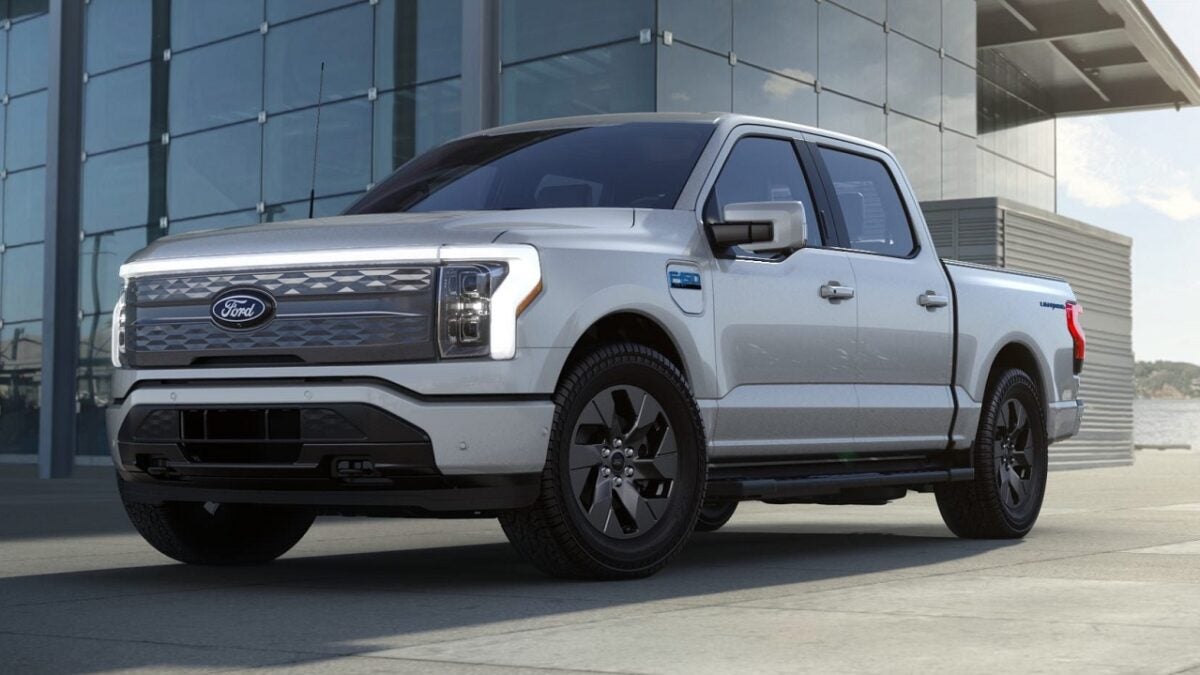
Ford’s upcoming midsize electric pickup, which will be the first model built on this platform, is designed to compete directly with Chinese vehicles like BYD, which have been rapidly expanding into global markets.
“We intend to match the cost structure of leading Chinese players,” said Lisa Drake, Ford’s vice president of tech platform programs and EV systems. This includes not only battery pricing but the full system costs encompassing chassis, thermal systems, inverters, and electronics.
With this ambitious plan, Ford is looking to secure its place in the burgeoning EV landscape, especially as it faces the challenge of competing against nimble and aggressive Chinese manufacturers.
While the new battery plant and vehicle line promise to bolster Ford’s EV strategy for the next decade, the company must navigate political obstacles, including potential cuts to EV subsidies, which may hinder its ambitions. Can Ford effectively rival the likes of BYD and Tesla? All eyes will be on this new direction.