Microsoft Reader should come back as soon as possible

The discontinuation of Microsoft Reader back in 2012 and its official removal from the Microsoft Store in 2018 was a significant blow to many users. This has been a recurring practice within the company, as they have attempted to do the same with Microsoft Paint, although they ultimately decided against it, and other applications that no longer serve a particular purpose. For example, there was a recent announcement about the removal of the perfectly functional WordPad because its functions can be easily replaced through Microsoft Word or Notepad.

Microsoft Reader DOWNLOAD

For Microsoft Reader, it was replaced by a functionality in Edge that allows the browser to be used as a PDF and other format reader. If you try to open the application, it will display an error message:

Similarly to Paint, Reader has a user base that loves Microsoft’s reader, which could be crucial for its comeback. Not only was it a highly useful application, but it’s hard to understand why, with iBooks, Google Play Books, and Kindle in existence, Microsoft wouldn’t seek its market niche with a reader for Windows. Especially considering that it has the necessary tools and the potential for many new features to integrate into it.

Some things that Reader could integrate include

Perhaps the most interesting of these tools could involve the use of artificial intelligence. Besides applying it to Microsoft Paint, the tech giant has demonstrated great proficiency when applying AI to text-to-voice tools. This would be extremely useful for accessibility for individuals with visual impairments, as well as for language learning.

It could also support nearly any file format in the market, offer note-taking capabilities, and allow for smooth navigation between notes. Furthermore, it could adopt a freemium model, incorporating features that interested users can choose to pay for, such as text editing, for example.

Microsoft Reader DOWNLOAD

In any case, and whatever it does, what is clear is that Microsoft should bring back Reader and many users would greatly appreciate it.


Google’s new tool can detect AI-generated images

Most tech giants have started investing in generative artificial intelligence. From Adobe Express’s new functionality to the possible addition of AI drawing in Microsoft Paint, no one wants to be left behind in this race for a new and emerging technology. These AI-generated images are becoming increasingly polished and even indistinguishable from real ones, posing a significant risk: irresponsible use of these tools could spread misinformation on a massive scale. That’s why Google has developed a new tool capable of distinguishing AI-generated images from human ones.

An almost impossible task

This tool, belonging to SynthID, was created by DeepMind’s team and adds an imperceptible watermark to any image created through artificial intelligence. This way, when these images are encountered again in the future, it can detect the watermark and determine that it’s a completely artificial creation. This watermark can be detected even after changes in color, size, compression, and practically any alteration that can be made to the file.

Despite the impressive combination of two learning models for this tool, it has a significant limitation, at least for now: it can only detect images generated through Google’s text-to-image tool since those are the only ones it can watermark at the time of their creation. However, despite the significant restriction to its utility, it represents a significant step forward in responsible AI use. Especially if more companies with their own generative AI adopt SynthID for this purpose.

In any case, it’s a much-needed start. Generative AI is becoming increasingly refined, and the human eye will gradually become unable to detect the images they create. Without the right software for analysis, a large amount of misinformation could easily spread, so uncontrolled use could be very detrimental to society.

Intel is increasing the size of its drivers to improve shader loading in Starfield

Starfield is one of the most anticipated games of the year, and while it has sparked some controversial criticism, it is Xbox’s most significant release in 2023. This space exploration epic will take us throughout the galaxy as we undertake various tasks and discoveries, ultimately weaving one of the most ambitious RPG adventures we’ve seen.

Starfield DOWNLOAD

However, this ambition goes hand in hand with inconsistent performance on PC, closely tied to the components each user has chosen for their system configuration, as Starfield has been optimized for AMD systems. Nvidia, on the other hand, has developed its own driver but hasn’t achieved as efficient performance as Radeon systems, and the same is happening with Intel. Starfield users with Intel processors have reported various issues related to corrupt textures, slow loading times, and many other occurrences that make the gaming experience much worse, potentially causing fatal errors.

As a result, in the run-up to the launch of its fourteenth generation of Core processors, Intel has increased the size of its gaming driver package by 50 megabytes, from 635 to 685. This additional weight could be due to precompiling shaders to reduce loading times and even prevent the game from being unable to launch.

A much heavier Intel driver

It may not seem like much, but it’s an almost 10% increase in weight. However, while Starfield is the primary subject affected by these bug fixes, other games like Synced, Uncharted, and Halo Infinite are also impacted in areas such as application stability, lighting flickers, game crashes during rendering operations, and corrupted textures on characters.

Starfield DOWNLOAD

With these new updates, Intel aims to overcome most of the errors, although there may be new ones that they’ll resolve as quickly as possible.

Apple Vision Pro hasn’t been released yet, and it may already have competition

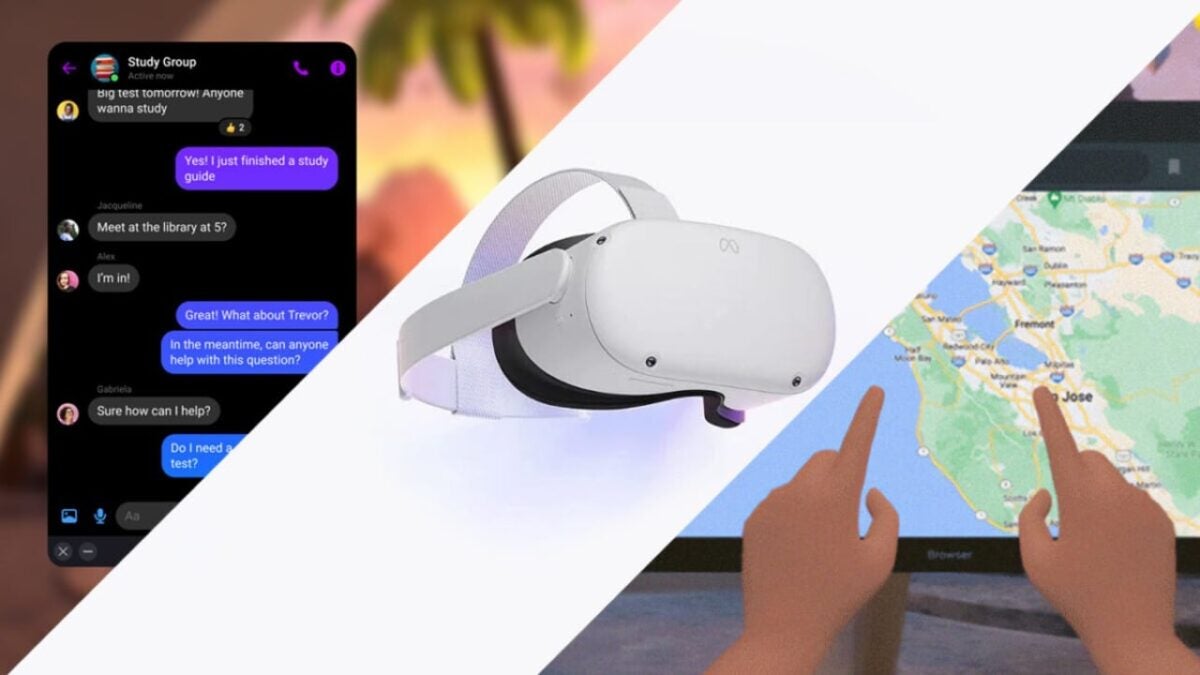
During the Apple Worldwide Developers Conference (WWDC), the Cupertino company unveiled its Vision Pro, its first mixed reality system. This high-performance proposal in a relatively unexplored market has sparked reactions among Apple’s most dedicated fanbase and also from its competitors. Meta doesn’t want to miss out on its share of the pie and, as reported by Maekyung, it has formed an alliance with LG to compete in this emerging market. It may seem like a sudden collaboration, but the Apple Vision Pro is set to launch next year, so any company not wanting to miss this opportunity needs to move quickly.

Meta’s plan is to try and take on Apple in its own field and bolster its virtual and augmented reality offerings. This would create significant synergies with LG, a hardware giant looking to enter the metaverse market and become the primary supplier of parts, batteries, and screens for this venture.

Thus, this premium augmented reality set would be called “Meta Quest 4 Pro” to maintain its established naming convention, and users could expect to purchase it starting in 2025 as a strong alternative to the Apple Vision Pro. In terms of specifications, it’s expected to be on par with Apple, although its price may be slightly lower. In fact, Meta has already stated that it is preparing a low-cost version that could be available in 2024 for less than $200.

Two formats of Meta Quest 4

Considering that the Apple Vision Pro will cost $3,499 at launch (although they are looking to reduce this price somehow), it raises questions about the differences between a high-performance version that approaches this device and the $200 Meta Quest 4. What is Meta willing to sacrifice to get the majority of the market to adopt its system? And more importantly, can such an affordable price truly convince consumers that their product is trustworthy? It’s highly likely that the budget-friendly version won’t come close to matching the capabilities of Apple’s Vision Pro. If this is the case, what can their premium alternative offer without significantly undermining the basic version? We’ll find out soon.

Goodbye to Visual Studio for Mac

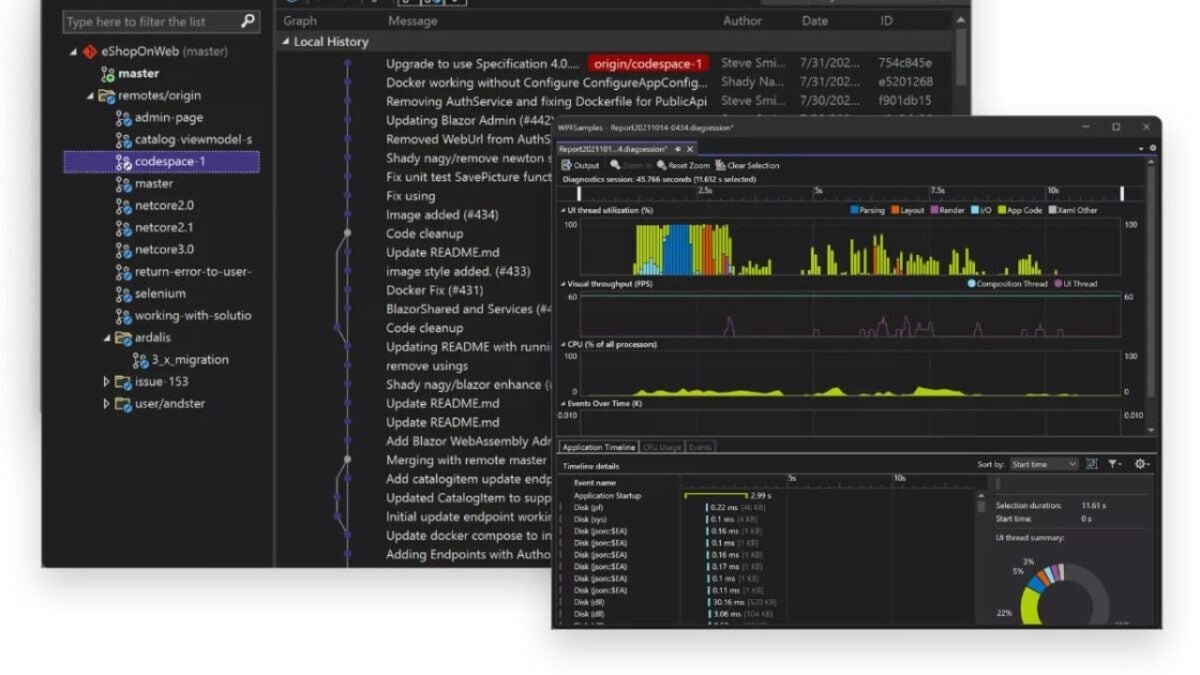
It wasn’t particularly unexpected, but it’s always hard to believe that such a great application would disappear, even more so after what happened when we almost lost a popular application in the past. Microsoft has confirmed the retirement of Visual Studio for Mac’s integrated development environment. The last version for this system will be 17.6, which will continue to receive updates until August 31, 2024, but after that support will end and whoever uses it will be at their own risk. This decision, which according to Microsoft has been taken after analyzing feedback from its users and application behavior patterns, will lead to concentrate resources and optimize Visual Studio and Visual Studio Code options.

Microsoft Visual Studio DOWNLOAD

What’s next?

Microsoft is clear and has made it known to users: the ideal situation is for them to start using Visual Studio Code with the new C# development kit as well as other related extensions. If any developer needs for some reason to use Visual Studio from a Mac, they will have the option to do so via a virtual machine or in the cloud. Likewise, although Mac has not yet lost support completely, it will not receive new languages or frameworks, so it will slowly become obsolete before the end of its support.

For those who used to use this program on Mac, the alternatives are not scarce, although perhaps the best of them is Rider, a cross-platform IDE that supports various frameworks and languages, including .NET, ASP.NET, .NET Core, Xamarin and Unity. However, its versatility is not the only positive point, as its feature-rich nature and ease of use can make the transition from one development environment to another seamless.

Microsoft Visual Studio DOWNLOAD

In any case, the withdrawal of Visual Studio for Mac leaves an empty space that many developers may notice. However, it also opens the door to explore other environments with different or even more specialized functionalities, so we can only wait and see what this uncertain but exciting future holds.

Google Chat can finally talk to Microsoft Teams

Although Microsoft Teams is the most widely used tool for connecting teams, it is not the only one (and the European Council is not going to make it easy). Zoom, Slack and many others offer similar proposals with somewhat different advantages that may appeal to different types of professionals. Google joined this boat some time ago with its Google Chat application, one of the best applications in its workspace, which has tried to offer constant updates and rely on artificial intelligence to differentiate itself from the rest. Now it is testing a new system that could put the company one step ahead of its competition.

Google Chat APK DOWNLOAD

As Google has made known through the official Google Workspace blog, the company has launched the beta of a new feature that will allow you to send messages to Microsoft Teams or Slack without ever leaving Google Chat itself.

This function will be charged for

However, this news is not the only one, and the remaining ones are a bit worse: in order to unlock this feature, users will have to subscribe to Mio’s interoperability service, which means an additional cost and a little added hassle. Google tries to justify this decision based on the use of several of these multi-professional tools, collaborating with the company to be able to offer a nice solution, although the price may not be particularly contained.

Mio offers on its official website information on how this collaboration will work: in essence, Google Chat users will be able to send messages through Google Chat and these will be automatically sent to their Teams, Slack, Webex and Zoom accounts, ensuring secure communication, data exchange without vulnerabilities, the ability to share emojis and GIF images, for example, between all the platforms with which Mio can interact.

Google Chat APK DOWNLOAD

Despite being a functionality intended to be paid, it is currently possible to sign up for the beta of this service on Mio’s website. In addition to being one of the first to try it out, the beta will also allow you to discuss the price of this service, which Google and Mio plan to open to the general public sometime in early 2024.

Microsoft separates Teams from Office, and the reason why won’t surprise you

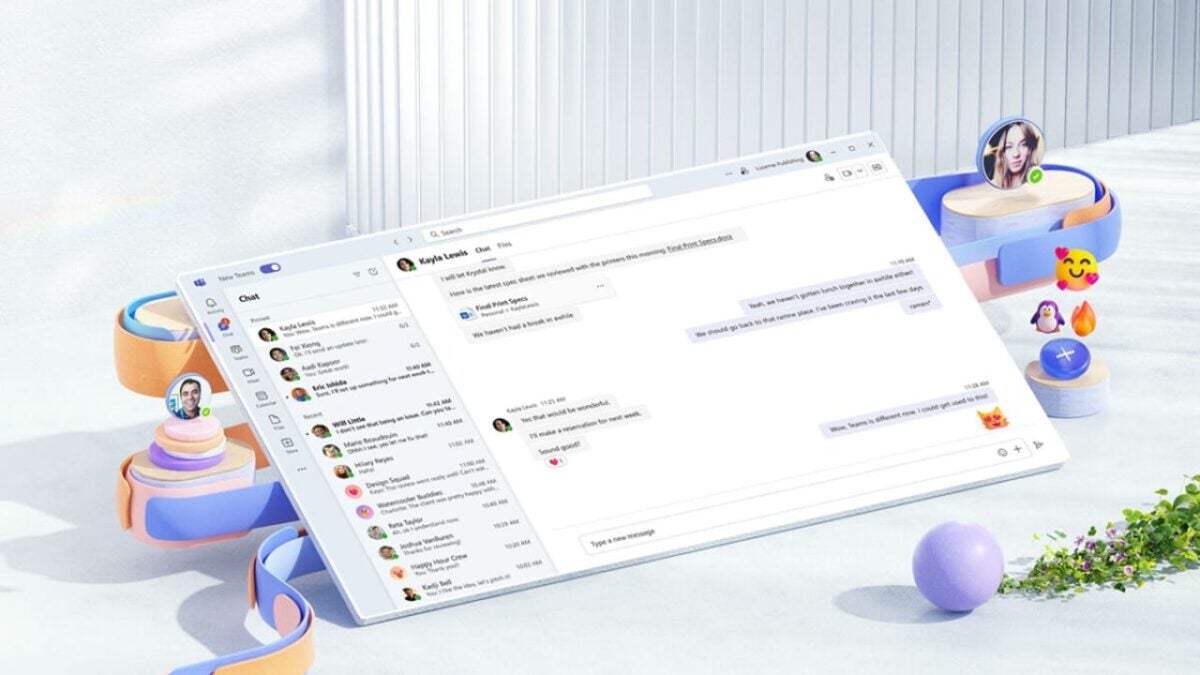
Microsoft has been making changes to its Office suite for some time now, and it has even started adding new features based on artificial intelligence to programs like Microsoft Paint. However, the company is also making moves that might seem a bit unusual to the general public. In this instance, the announcement has come early – in October, Microsoft Teams will be removed from the Office Suite 365, at least in Europe. This decision comes after an investigation into anti-competitive practices by the European Commission.

Microsoft is not the first company to face regulatory actions. This has recently happened to Tesla in the United States, although Microsoft has been particularly cooperative with the authority. They have pledged to remove the Teams application despite stating that “these changes will affect customers of our Microsoft 365 and Office 365 suites in the European Economic Area and Switzerland.”

The consequences of Teams leaving Office

This separation means that customers, in any case, will see a reduction in the Microsoft Office 365 fee without Teams or pay an additional license to use the application for 5 euros per month, which ends up being 60 euros more per year. The Office fee, however, will not drop by 5 euros per month, but by just 2.

These new subscription prices will only affect new users and not those who already have an active subscription, although anyone can remove applications from their subscription and even switch to the Office “without Teams” option. In any case, and despite this setback, Microsoft is working on improving interoperability on rival platforms such as Zoom or Slack and will allow Office web applications to be embedded in competing applications, as it does in Teams.

In this way Microsoft hopes to calm the waters and avoid new problems with regulatory frameworks, since Slack in 2020 already filed a complaint against the IT giant. In fact, the company is confident that these two changes will balance the interest of its competitors and thus maintain a clean battle to be the first provider of this type of services.

Continued Pattern: Google’s Flagship Unintentionally Exposed in Leak

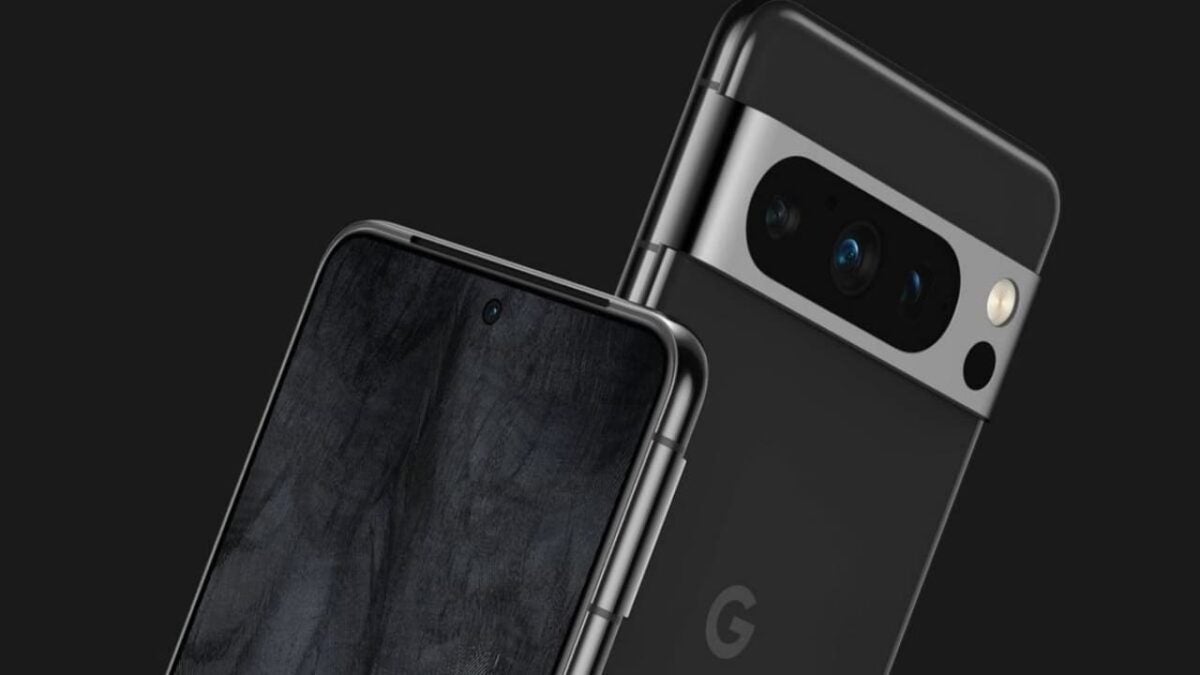
It has become a tradition for Google’s smartphones to experience some form of leak before their official announcement, earning the reputation of being among the most leaked devices ever. This time, the yet-to-be-announced Google Pixel 8 Pro has been leaked for the second time, appearing unexpectedly on the Google Store page. It wasn’t presented as a full article, of course, but rather in a simple image promoting Google’s services and subscriptions. In fact, it might have gone relatively unnoticed if not for the tweet from the user on Twitter (or X, if you prefer calling them that) @Android_Setting, who commented on the image showing a man using it to make a call (presumably).

Google Pixel 8 Pro in porcelain color

The image shows us the eighth generation of Google Pixel, which features a more conservative design compared to the Pixel 7 Pro, albeit with a few slightly different details. Obviously, we don’t know the components this device will have, but there’s nothing stopping us from dreaming (and in fact, it seems quite realistic) that it will far exceed the specifications of the Google Pixel 7 Pro (although the processor might not see a significant improvement). However, the most interesting aspect of the phone has always been its ability to integrate Android in a much more optimized way than other smartphones in its competition.

On the other hand, it’s hard to believe this is a casual leak. Google is well aware of the buzz their “mistake” can generate, and this could be one of the many ways they’re gauging public interest and building anticipation for an upcoming launch announcement. Alternatively, it could be that they intended to surprise-launch it to compete with another significant device, and their plan went awry accidentally. However, considering the attention Google’s foray into the high-end market has been garnering for a few years, the latter seems less believable; this might be the year it finally surges ahead of the competition.

Innovation Unleashed: Huawei’s Mate 60 Pro Boasts Trailblazing Design

Huawei sometimes chooses to surprise its competitors and, without any prior event, unveils a new device. No campaigns, no announcements… That’s what happened with the Huawei Mate 60 Pro, which is now available for pre-order on Vmall, a Chinese online store. While the most striking feature of this phone is the holes on its screen, it represents an evolution from the previous version that upgrades most of the aspects where it could have been weak.

More power, more resolution, more of everything

It was to be expected: just as Samsung is updating its hardware with improvements nobody anticipated until the iPhone 16, no company wants to fall behind in the battle for its share of the market. Huawei has incorporated a 6.82-inch LTPO OLED display with a resolution of 2720×1260 pixels and a 120Hz refresh rate. It also features a Kunlun Glass panel on top of the display.

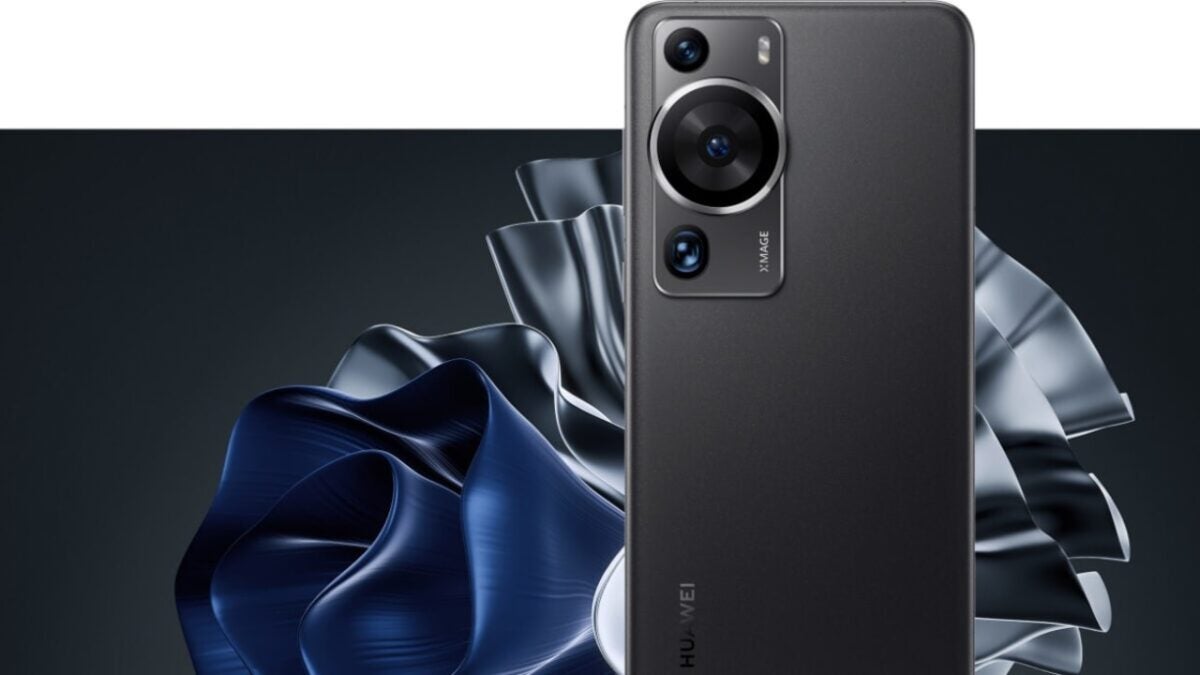
The three notches on its screen are divided among a central selfie camera and two face readers for scanning and facial recognition, contributing to greater security in the system. This mirrors the approach used in the Mate 40 Pro and the Mate 50 Pro. Meanwhile, on the back, there’s an interesting arrangement: the circular camera module comprises a triple-sensor system with a 50-megapixel camera and a powerful light at the top that can be used as a flash.

With satellite messaging in its Chinese version and a 5,000mAh battery, its battery life is quite adequate. It can also be quickly charged through an 88W fast charging (50W wireless). All of this powers 12 gigabytes of RAM and a Huawei Kirin 9,000S processor capable of performing at its best in almost any situation, along with HarmonyOS 4, which incorporates artificial intelligence.

There are still many things we don’t know, such as the release window or when it will arrive in Europe, but it’s clear that Huawei has not given up the battle in the high-end segment and will fight hard to maintain its presence.

Tesla’s Latest Feature Sparks Debate Over Possible Traffic Accident Risks

It’s not the first time that the automotive company has experienced this. Since it began gaining popularity in the market with its high-end electric vehicles and other services, Elon Musk’s company has been under the scrutiny of investors, potential customers, and of course, authorities. Having sent a car into space and holding strong interests in dominating the eco-friendly vehicle market, Tesla has maintained and increased its efforts in R&D to always stay one step ahead of its competition. This has led to significant successes at times, while on other occasions, it must be admitted, there have been significant missteps.

Tesla’s new autopilot requires “too little attention”

Recently, it has been discovered that a new version of Tesla’s autopilot (known as Autopilot) requires no torque effort on the steering wheel, which could lead to excessive driver relaxation and subsequent risks to road safety. This relaxation of a measure designed to keep drivers attentive to the road or any potential situations could pose a significant danger.

The NHTSA (National Highway Traffic Safety Administration) is concerned because this feature might be present in some vehicles that have already been sold, and this discovery could encourage users to attempt to unlock the feature. In fact, on July 26th, Tesla was already summoned to answer a series of questions regarding this matter. However, as of August 25th, it is still unknown whether the administration has received responses.

Tesla has been under investigation for some time, not only for the Autopilot. Seatbelts and steering wheels of these vehicles are also under scrutiny due to issues related to their functionality, as well as problems that some users have reported regarding potential phantom braking. The safety risks for drivers and other road users seem to be increasing as the company becomes more popular.