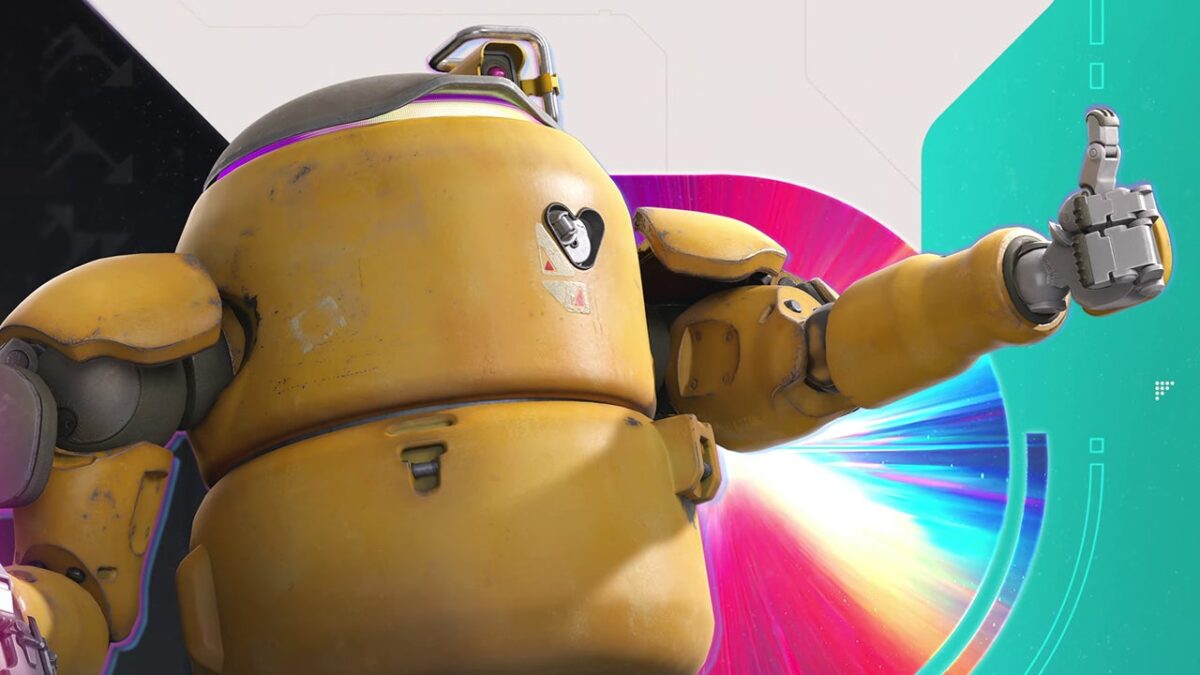
14 days. That’s all Concord lasted before being removed, possibly to be remodeled as a F2P game or given away with PS Plus. And, of course, although a small (and anecdotal) part of the audience believes it is due to the diversity of the characters, the truth is that the failure is due to a much more obvious reality: there are too many games understood as a service, and succeeding in an oversaturated market is practically impossible.

I don’t want any more services, please
In 2023, Sony announced that PlayStation games were going to take a turn towards online, seasons, and “games as a service”, trying to catch up with Fortnite, Destiny 2, or even Pokémon Go. The idea was that by 2026 they would have released up to ten titles of this subgenre, but it seems they didn’t bother to conduct a small survey to check if there was enough interested audience. The total of 25,000 copies sold of Concord indicate that the direction was completely wrong.
What has happened to Sony, the same company that brought us fabulous gaming experiences like Uncharted, God of War or The Last of Us? Reinventing a recipe that already worked usually doesn’t lead to better dishes, but simply makes your consumers think it’s no longer for them. Fortunately, Sony still has time in this generation to abandon “games as a service” and focus on what it does best: entertaining its most loyal audience.
When the industry becomes obsessed with something, it’s hard to get it out of their heads unless it’s with a dose of reality. Neither AI, nor NFTs, nor games as a service: simply releasing good games like Baldur’s Gate 3 should be enough to make a good impression and earn a lot of money. But, of course, at Sony (and in all studios) they know that if they’re lucky enough to have a game with seasons and microtransactions succeed, it will compensate for several previous failures. And that’s why they keep insisting on it.
However, the reality is that it is becoming increasingly difficult because there is an absolute oversaturation. They hit the mark with Helldivers 2 (which is slowly sinking), but the market is still dominated by Fortnite, Roblox, Destiny 2, Diablo 4, and even classics like World of Warcraft or Final Fantasy XIV. There are dozens of games as a service that continue to generate tons of money monthly, but that doesn’t mean that the money and potential audience is unlimited: instead of chasing a potential treasure of Ali Baba, they would do well to reinforce what they already have secured if they don’t want to lose everything they have gained over the years.
