Garry’s Mod expert review: game development 101

The meme-worthy and chuckle-inducing title Garry’s Mod is almost irrevocably tied with Valve and, by proxy, the Steam shop. However, the funny little sandbox game came from a single designer and programmer: Garry Newman. Hence the name Garry’s Mod.

Since it is a sandbox game, users can do a great deal with it. You can just play games created by others, create addons or maps for games, or create your own unique title within Garry’s Mod. Though out for about 15 years, the game finally hit 20 million units sold in 2021. But the sustained interest in Garry’s Mod has helped the studio commit to new titles like Rust.

So what is it about this game that keeps players coming back? Let’s review all of the features in Garry’s Mod and see how it stacks up to similar sandbox games.

Garry's Mod Play now
Garry's Mod

The beginning of Garry’s Mod and beyond

Released in 2006, Garry’s Mod base game mode featured no objectives and just allowed players to manipulate objects in space. Players can spawn as NPCs, props, and other interactive items then manipulate them with the “physics gun”. Other modes such as Prop Hunt came from mods from other developers as found in the Steam Workshop.

But user-created content really made Garry’s Mod shine with popular mods that came to be known as “addons”. Roleplay became a popular option, as well, with people creating custom in-universe characters then interacting in that universe. Half-Life and Star Wars remain two of the most popular roleplay servers.

Garry’s Mod machinima

The term “machinima” or “machinema” is a bit of a portmanteau on “machine” and “cinema”. It’s where users take game universes and assets then use those to create animated “films”. These can be sweeping tales or something as silly as this Team Fortress 2 universe “Wonderwall” parody by Neil Cicierega.

Garry’s Mod remains a popular option for machinima thanks to how easily users can craft scenes and manipulate environments and characters.

Half-Life and Team Fortress 2 connections

Since Valve published the sandbox game and it uses the Source engine, it makes sense that Valve titles are found in it. The game also uses a “physics gun” not unlike Gordon Freeman’s Gravity Gun in Half-Life.

But Half-Life and Team Fortress 2 both have such large cult followings and have been out for about the same amount of time as Garry’s Mod. Since these fans have the most experience, demand for assets from those games remains popular.
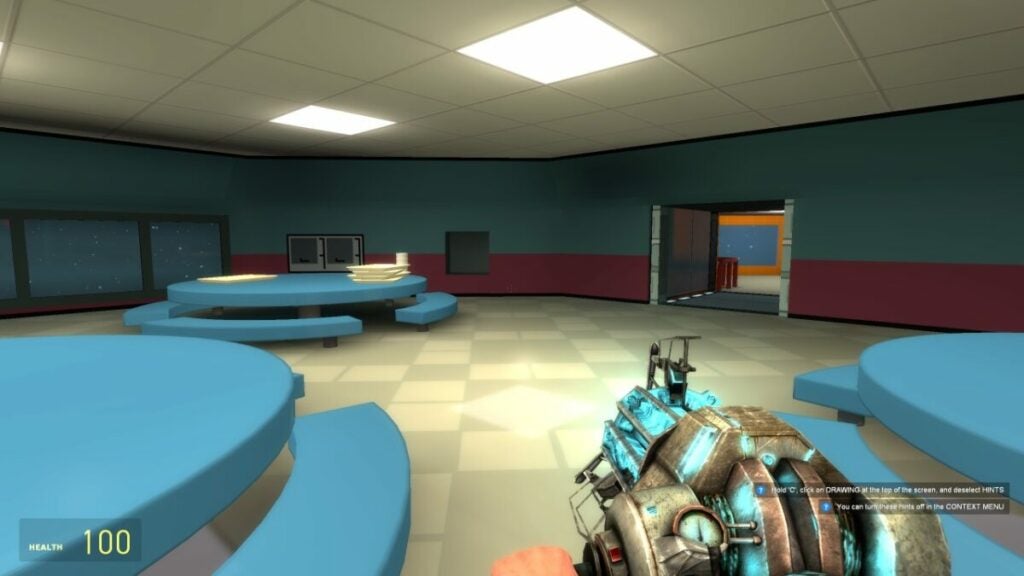
image of Garry's Mod gameplay in Among Us

Physics engine and gameplay

At its core, Garry’s Mod is a sandbox game and physics playground. You can spawn in any number of items from a fan boat to a hamburger or a hot air balloon. Moreover, you can pose individual limbs of whatever creatures or people you decide to put into your game.

When considering the creative freedoms users have when using Garry’s Mod, there is hardly something equal. Players can construct worlds from the ground up to craft something truly unique from Harry Potter roleplay servers to 3D Among Us or Attack on Titan games.

The “gameplay” is the construction and the experience of whatever you create. In essence, your experience is only limited by your imagination and your knowledge of how the controls work in Garry’s Mod.

Game modes

Garry’s Mod features single-player and multiplayer experiences. While the base game mode had no objectives, others had simple goals which made customizing and augmenting those modes so much fun.

The base game modes along with popular addons in Garry’s Mod are:

  • Sandbox – the base game mode where players can fiddle with physics and game assets.
  • Flood – players fight each other in a “last man standing” competition in dangerous waters.
  • Trouble in Terrorist Town (TTT) – though the name has not aged well, this game mode emulates the game mafia with Innocents, Traitors, and Detectives.
  • GMod Tower – this network of servers functioned as a social media outlet for socializing and minigames. It has since been replaced with Tower Unite.
  • Prop Hunt – as seen in many AAA games like Fortnite and Call of Duty, one player or team disguises themselves as various props while the other player or team hunts them.
  • DarkRP – described as a “non-serious” roleplay mode, players adopt various identities from firefighter to black-market dealer on servers.
  • Spacebuild – this addon lets players construct spaceships to travel to distant planets, found settlements, build space stations, and more.
  • Elevator: Source – co-op narrative experience with 28 randomized floors. Players choose when to get off (if at all).
  • Half-Life 2 Roleplay – HL2:RP became popular since it let players create custom characters, join factions, and otherwise interact within that game universe.
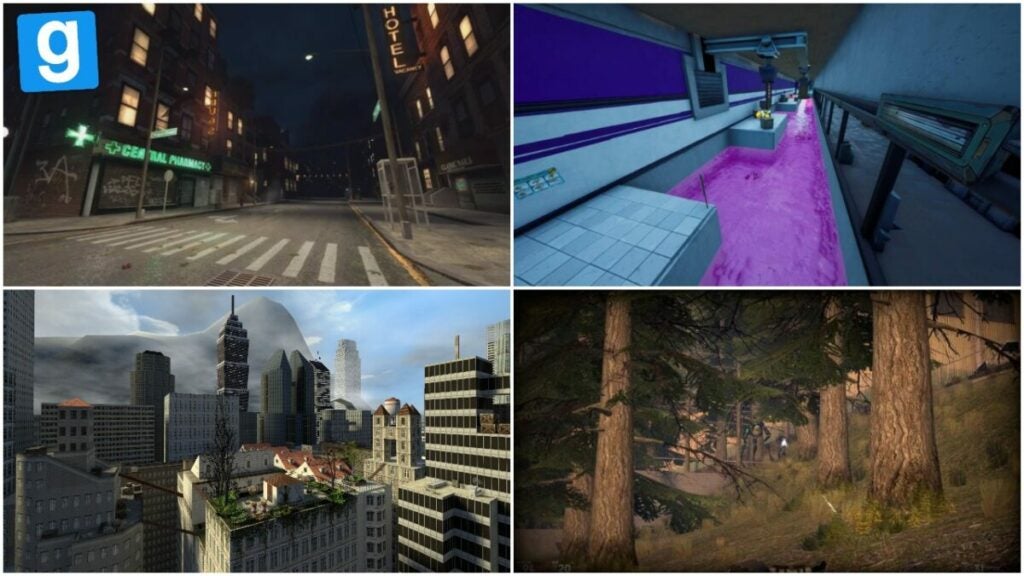
images of Garry's Mod maps

Garry’s Mod games

Frequently known as mods or addons, user-created games in Garry’s Mod across all genres and polish levels. While some games look like they could have been made by a studio, others feel more home-grown and “just for fun”. This is entirely the point of Garry’s Mod, so it pays to see what everyone makes.

Though a popular home for horror game mods for titles like Five Nights at Freddy’s, players create riffs on other sandbox games like Minecraft, along with narrative experiences, too.

Maps – variety is everywhere

There are so many maps in GMod that it can be a bit overwhelming for new players. Some maps feature stories while others are just for exploration. Some are intricately tied to their game modes such as TTT or zombie survival.

The trick is to see what the game mode is for the map and if it’s what you want. After all, you might not want to play a scary, Slenderman-themed horror map if you’re alone in the house on a Saturday night.
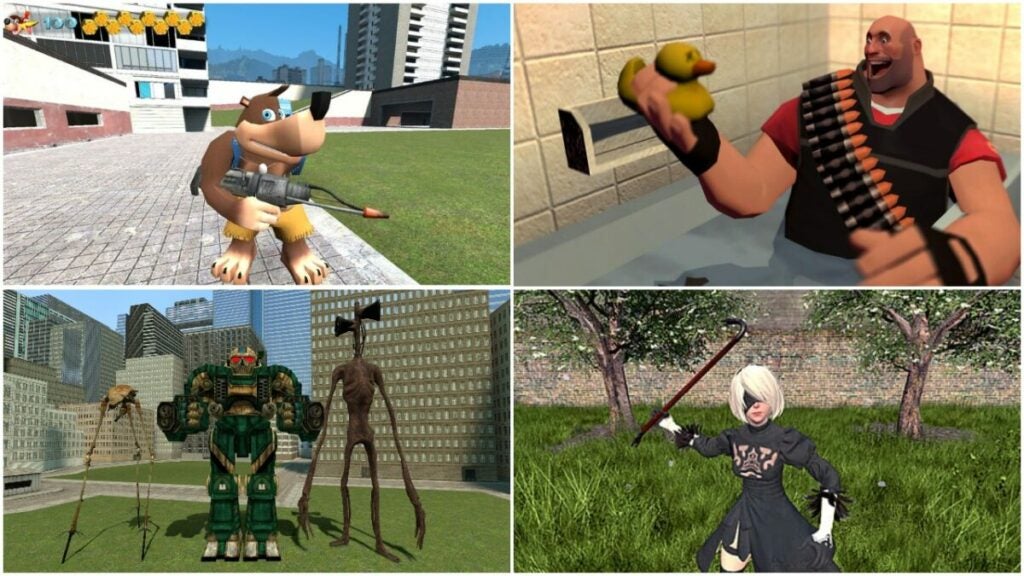
image of Garry's Mod character models

Characters – you might find some of your favorites

Since the game relies on user-generated content, you can find tons of new characters every time you pop into the game. For instance, in 2017, Steam user Kuma added character 2B from NieR: Automata as you can see in the bottom right corner of the above photo. The addon includes her player model, ragdoll, and NPC.

Of course, fan-favorite characters like the Heavy from TF2 feature in all varieties, but so do nostalgic options like Banjo Kazooie. You’ll even find Warhammer-themed inclusions, too. You will want to check back regularly to see if you find new characters.

Mods – think outside the sandbox

Mods for this game aren’t usually things like “prettier grass” or adding a jukebox to gameplay. It’s more like tools to enhance building capabilities or make certain features more intuitive.

Some popular examples include “Improved Weight” which makes weight-based objects feel more natural or “Wiremod” which adds a catalog of entities players can connect using data wires.

There is just as much variety for mods as there is for maps, so it could take a while to pin down what variables add up to your ideal Garry’s Mod formula.
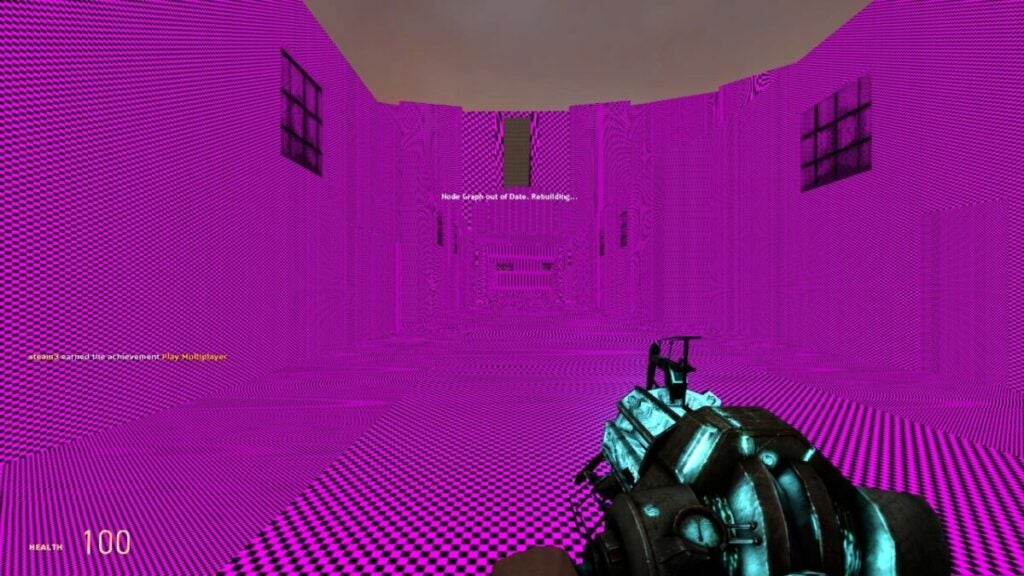
image of visual glitch in Garry's Mod

Known issues

Every game has its bugs and challenges — including a game like this that has no inherent storyline. The user-focused nature of the game can lead to great things…or not-so-great things. Here are a few of the issues with Garry’s Mod.

Accessibility

Not all gamers will be able to get into Garry’s Mod. After all, it’s a physics sandbox vs. a game with overt objectives like Rocket League, Counter-Strike, or even Minecraft — another sandbox title. Reddit user BestServerNA put it best with the question “So Garry’s Mod just changes/modifies things in a certain game? not actually a game itself?”

Trolls and “Minges”

All multiplayer games will have their fair share of toxic players and problematic people. But Garry’s Mod has a unique term for this in the words “minges” and “minging”. This relates to users who break server rules which can sometimes be very strict.

Crashes, ads, and visual bugs — oh my!

Although Valve published the game, support for bug reports is mostly user-operated. There’s even a common list of bugs pinned to the Community tab of the game on Steam.

Everything from crashes to missing UIs to ads appearing in people’s games is on this list. Not connecting to servers is another big issue that is a huge problem given that many games on Garry’s Mod are multiplayer.

image of Garry's Mod competitors Minecraft, Roblox, etc

Sandbox game competitors

The beautiful thing about sandbox games is their endless nature. Players can consistently revisit them for wildly unique experiences each time. But not all of them offer quality experiences. Moreover, some offer more “sand” in the box i.e. more features for users to create with.

Minecraft vs. Garry’s Mod

Everyone who is even a little bit into video games (or has kids who are) knows about Minecraft. The sandbox game lets users craft incredible worlds or just play along with the in-game story and explore. It also has a free-to-play mode, unlike Garry’s Mod.

However, more robust or persistent realms require monetary transactions. But don’t let that deter you; Minecraft is a fantastic game to play with friends or share with younger siblings or your kids. The game also benefits from a ton of user-generated content from in-game items to guides and Let’s Plays on YouTube.

Roblox vs. Garry’s Mod

Some refer to Roblox as “Garry’s Mod 2.0” and it is in some ways. Both games provide users with tools to create their own digital experiences. You can build maps, characters, story narratives, and more. However, Garry’s Mod does not feature the same kind of money-making aspect that Roblox does.

Roblox is also much more targeted toward a younger audience than Garry’s Mod is. In fact, some mods and games available are adult in nature — a direct departure from Roblox despite some bad actors. If you want something more kid-friendly than Garry’s Mod, Roblox is a wonderful alternative.

Kerbal Space Program vs. Garry’s Mod

Although Kerbal Space Program focuses on aeronautics and space, it is just as much of a sandbox as Garry’s Mod. On top of that, it has the adorable, if totally doomed Kerbals, who carry out experiments.

The game also teaches players similarly to Garry’s Mod. It’s a solid game to pick up if you want something more focused vs. the extremely open-ended experience of Garry’s Mod.
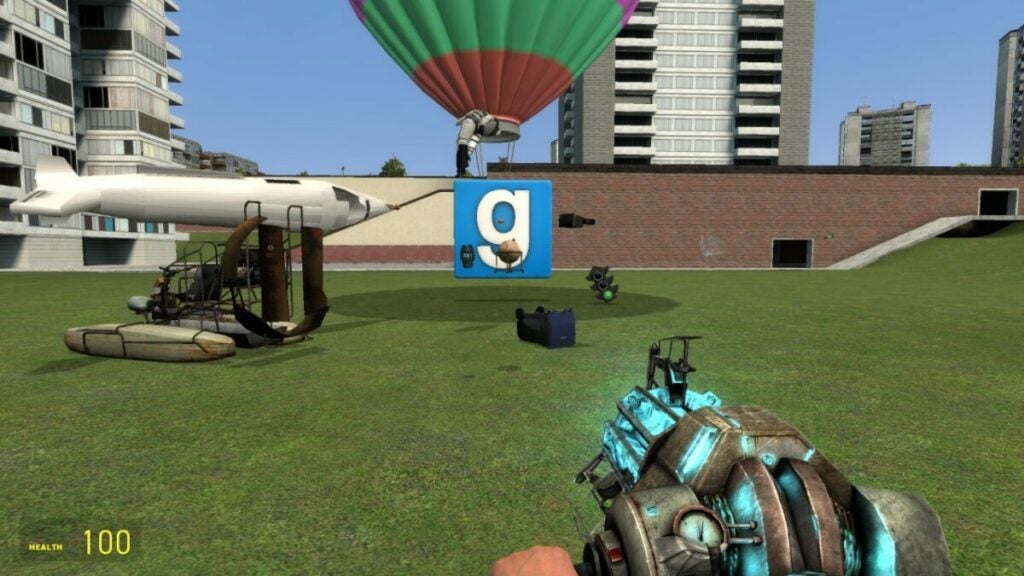
image of Garry's Mod gameplay

Review verdict

If you’re looking for a produced game with a firm narrative, Garry’s Mod is not for you. It is an open-ended, objective-less physics sandbox and user-powered community. In that vein, if you want to learn the very basics of game development or roleplay in Half-Life, Garry’s Mod is the game for you.

PROS

  • Open sandbox to create your own experiences
  • Great for Valve game fans
  • Solid introduction to game development
  • Niche communities offering immersive roleplay experiences
  • Affordable price point
  • No focus on monetization as with Roblox
  • No end to what you can create with in-game and user-generated content

CONS

  • Can be a bit non-user-friendly for those unfamiliar with game development or lacking in tech-savvy
  • Game development tools are not as modern or streamlined as those found in Roblox
  • Still runs on Source engine
  • Experiences generally feature older style graphics
  • Lackluster user support

Developer: Facepunch Studios

Publisher: Valve

Game Modes: Singleplayer and multiplayer

Game Engine: Source Engine
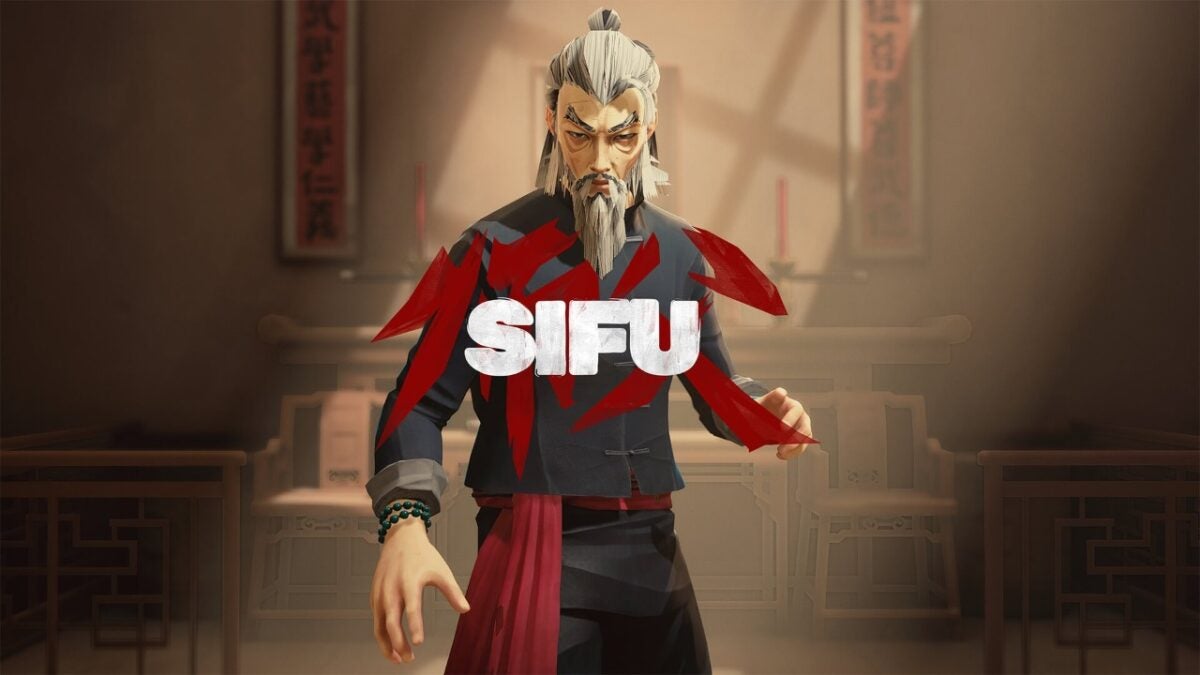
Sifu Review: A Life Spent on Revenge

This review on the kung-fu style fighting game Sifu explores several key elements that affect player experiences. Despite the initial delay from developer Sloclap, the extra development time has paid off exponentially as accolades continue to pour in about their latest title.

Though challenging, the game rewards persistence, discipline, and attention to detail –not unlike the study of martial arts itself. But Sifu incorporates elements from multiple genres of games to make a more distinct yet familiar experience. Let’s get into those details within the following categories:

Sifu background

It’s no secret that Sloclap drew from traditional martial arts movies (think The One-Armed Swordsman and Master of the Flying Guillotine) for the story and setting of Sifu. But this title marks the first game that Sloclap has developed and published on its own. Devolver Digital, the publisher behind Serious Sam: Siberian Mayhem, published their previous entry Absolver.

The martial art 白眉/ Bak Mei or Pak Mei kung fu takes center stage in the game. Though styled as a beat ’em up strategy, the game takes hints from games like Dark Souls or Sekiro: Shadows Die Twice paired with a unique, age-linked roguelike element.

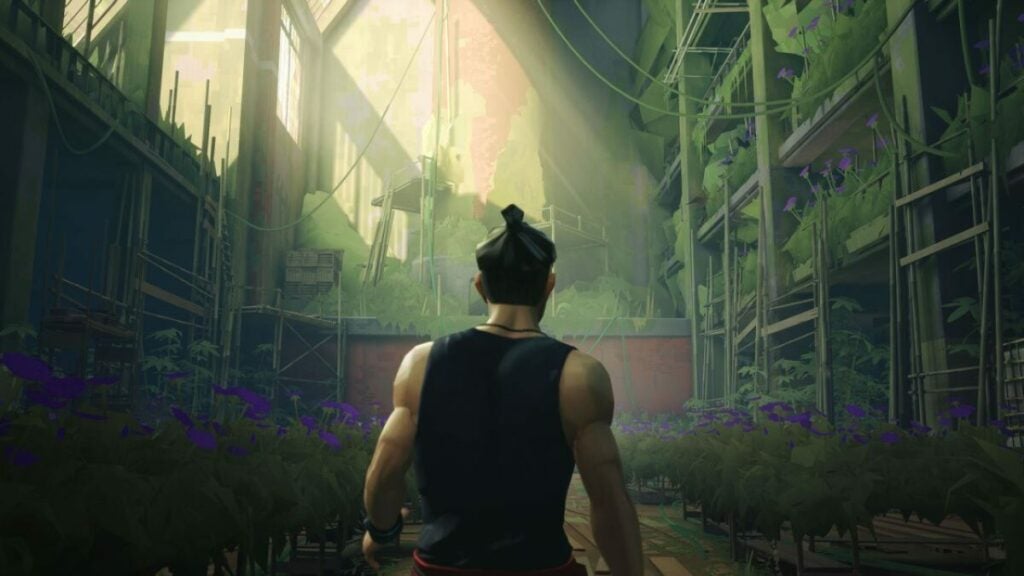
image of Sifu protagonist in an abandoned, overgrown warehouse

Setting and tone

Since Sifu draws so heavily on real-world martial arts and classic Kung Fu films, Sloclap brought in an expert to consult on the game’s fight choreography and combat. Benjamin Colussi, a Pak Mei master, studied under Lao Wei San in Foshan, China, before opening his own school in France.

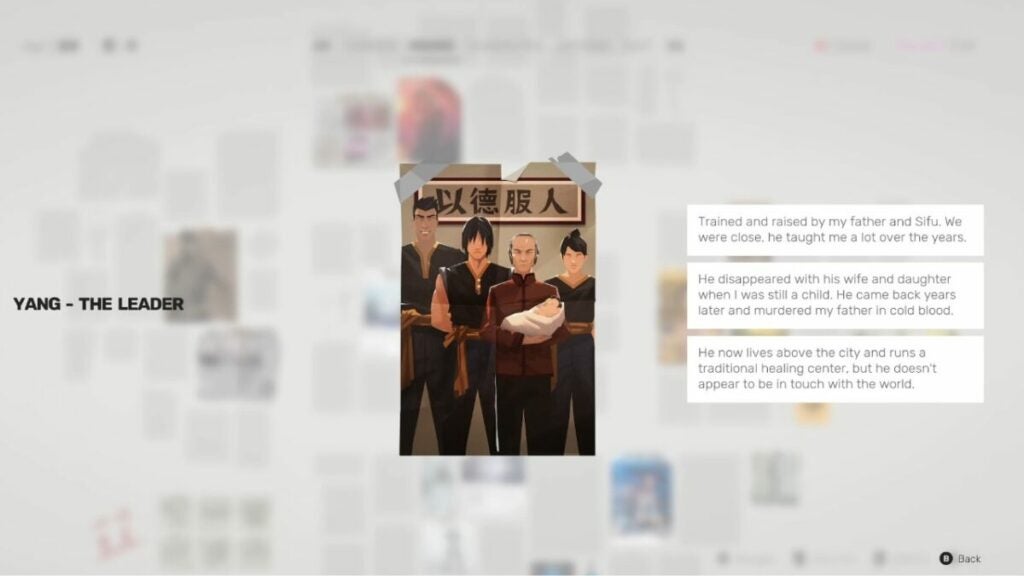
image of dossier in Sifu clue board

Story

The story of Sifu is not a particularly unique or novel one in that it is a revenge story at heart. Choosing one of two genders, players embark on a quest to avenge their murdered father Kill Bill style. This requires some sleuthing and, of course, lots of butt-kicking.

It integrates clue-finding into environment exploration, incentivizing players to interact with the wonderfully realized world that Sloclap created. The detective board used to organize clues seems a bit out of place thematically. But it is a very useful tool for visualizing information.

How long to beat Sifu

Sifu’s runtime is on the shorter side for most modern single-player games. But this indie title has high replayability — especially when you can insert your favorite characters as the protagonist with mods. Here’s how long it takes to beat Sifu:

  • Main campaign: ~10 hours
  • Main campaign with extras: ~14 hours
  • Achievement hunters and completionists: ~17 – ~25 hours

Sifu performance

Using Unreal Engine 4, Sifu can run pretty well on a variety of consoles and computers. In addition, the animation style lends itself to non-4K resolutions in the same way that something like Transistor might. While it would be prettier in better resolutions, it doesn’t take the same visual downgrades as something like Cyberpunk 2077 might.

Sifu PC vs. PlayStation

Sifu is only available in hard copy on PS4 and PS5; for digital versions, would-be players can look to various online storefronts with Epic Games being the easiest to access.

Overall, there is little difference between Sifu on PS4, PS5, or PC. It comes down to personal preference and/or availability for each player.

image of Sifu gameplay and combat

Sifu gameplay and functions

Core to any gaming experience are the major gameplay loops like finish a puzzle, fight a boss, save the princess, etc. Sloclap tweaks player expectations in a way that makes for very difficult, but extremely rewarding gameplay.

image of the Sifu UI for character skills

UI and interface

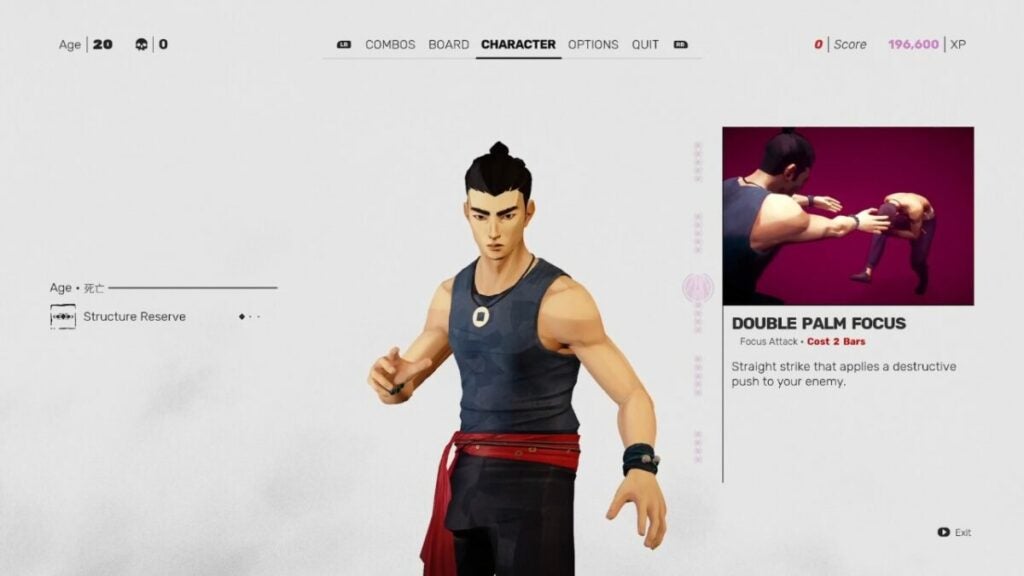
A cluttered or disorganized UI can really sour any gaming experience. Luckily, Sloclap kept things minimal and easy to use. The five tabs at the top clearly outline critical information and give players the option to quit quickly which is a nice “quality of life” feature.

You can always keep track of your age and death counter in the top left corner along with your score and XP in the top right. The only problem might be the color scheme when it comes to the “Skills” section on the “Character” tab. That light pink on a grey/white background can be difficult to parse for some players — even with the additional glow effect around it.

But that’s a minor gripe as each skill description comes with a brief video demonstrating the skill. It’s a fantastic inclusion that helps with accessibility and ease of understanding.

image of Sifu combat for Sifu review

Combat mechanics

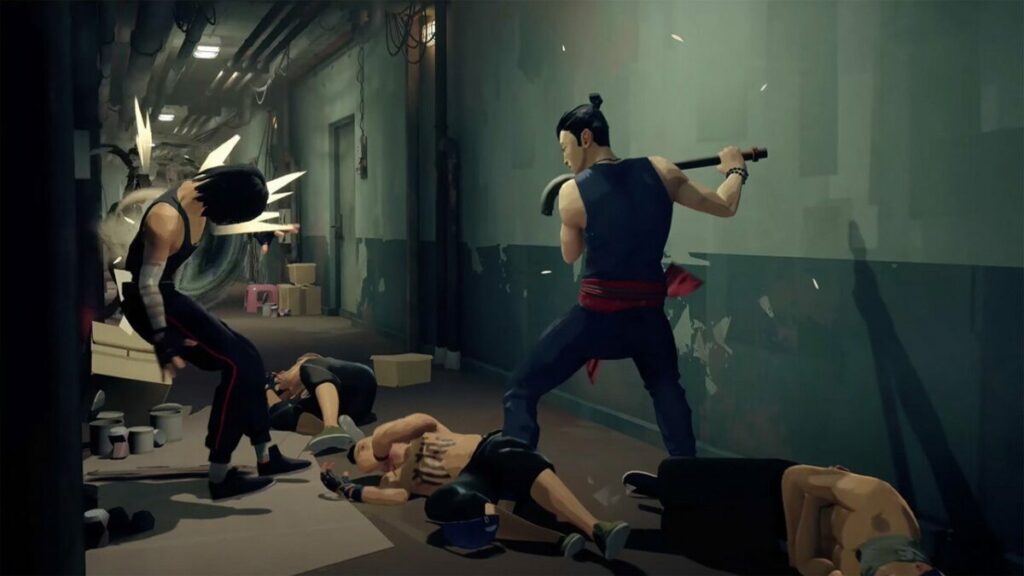
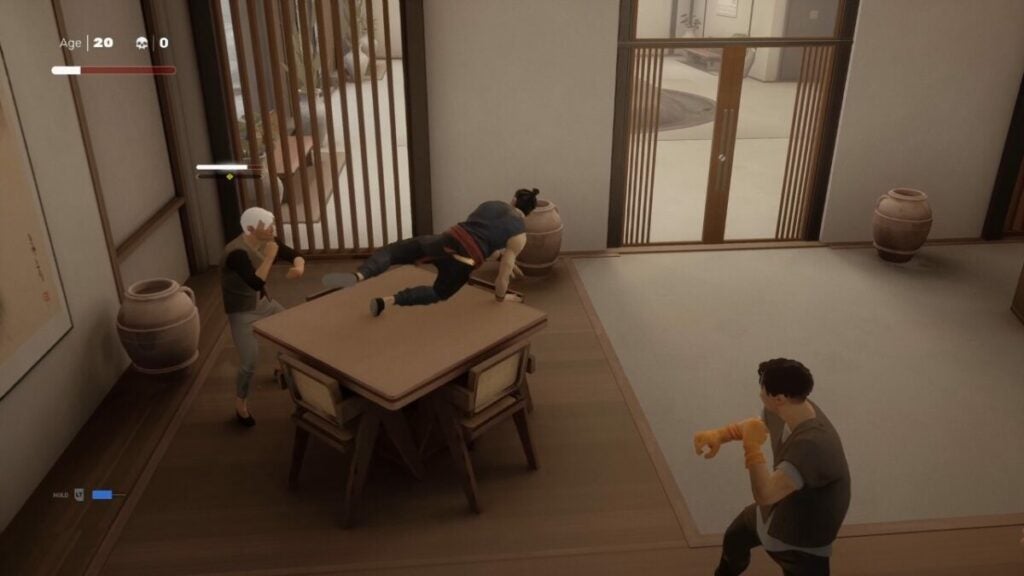
The core combat, as with all beat ‘em up style games, is about combos of light, heavy, and special attacks on top of dodging, blocking, and counter-attacking. However, thanks in part to being in UE4, Sifu can take advantage of destructible items and other environmental-based combat effects. Being able to launch an enemy off a balcony not only feels incredibly real, but very practical since the protagonist is often facing off against multiple attackers.

Of course, being able to kick up a falling object into an enemy’s face seems a little far-fetched when it comes to physical ability. But this stylistic choice only serves to reinforce the inspiration from traditional Kung Fu movies.

One of the only confusing parts of Sifu’s combat design is how players attain persistent skills. As with other roguelikes and roguelites, players can find Shrines to unlock abilities or purchase new ones during a playthrough. However, after purchasing a skill 6 times, players will always have it unlocked for new runs.

image of Sifu magic talisman

Skills and gameplay loop

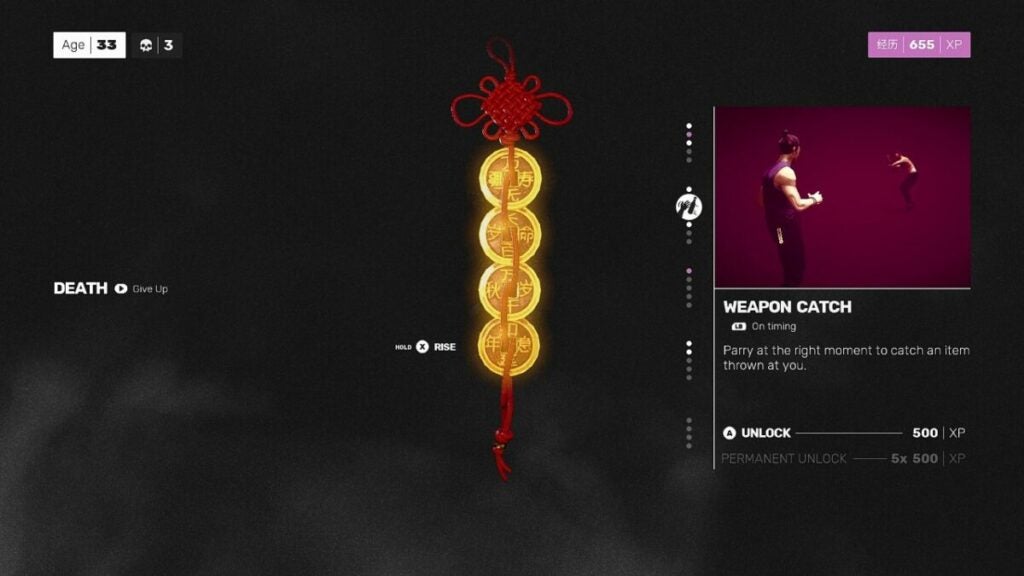
The twist on the traditional roguelite gameplay loop introduces a magic talisman. It allows the main character to restart in the same place after death; however, they age the number of times you’ve died. For instance, if you are 28 and your death counter is at 6, you’ll be 34 the next time you revive. Sifu has a hard cap around age 75 where, if you die that time, you’ll have to start over in a new game. Players can reduce their death counter by taking on specific enemies, though they tend to be difficult, as well.

This obviously varies from games like Returnal, Hades, and other games with similar mechanics. But the additional difficulty of aging and hard combat can make the game a bit frustrating at times. The point of games like Dark Souls is to die a bunch, get better at the game, and feel a sense of accomplishment after finally beating a boss. With Sifu, aging interrupts that gameplay loop and adds anxiety around dying.

Combining the “die and die again” mentality of roguelites with the difficulty of Dark Souls can also become tedious since the levels and enemies remain the same in Sifu. Of course, nothing beats that warm feeling of utter satisfaction when you’ve finally beaten a stubborn boss with just the right strategy. Button mashing will definitely not remain a viable tactic past the first level of the game.

image of combat in Sifu video game

Sifu visuals, sound, and enemy design

A hero’s story is nothing without compelling and well-designed villains. Moreover, sounds like the landing of punches or the splintering of wood make huge differences in setting ambiances in video games and other visual media. Sifu is no different and the developers paid special attention to every detail of the game’s craftsmanship.

Sound design

Music can be an afterthought or a major character in a story (just like locations). Music creator Howie Lee merges traditional Chinese musical elements and modern electronica instruments. This blending of historical and modern is a perfect fit for Sifu.

What’s more: the combat sound design feels lived-in and realistic while still playing into the at times kitschy Kung Fu movie niche. Because the game trades so heavily in destructible environments, Lee incorporated distortion, dubstep, and other aural motifs to capture what battling brutal combatants in the middle of a bass-thumping club might really feel like.

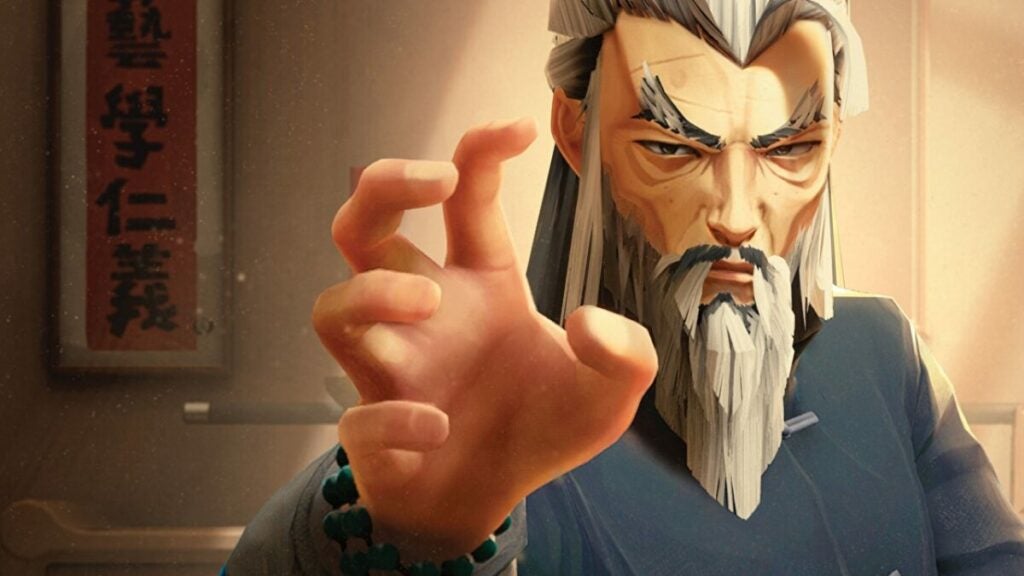
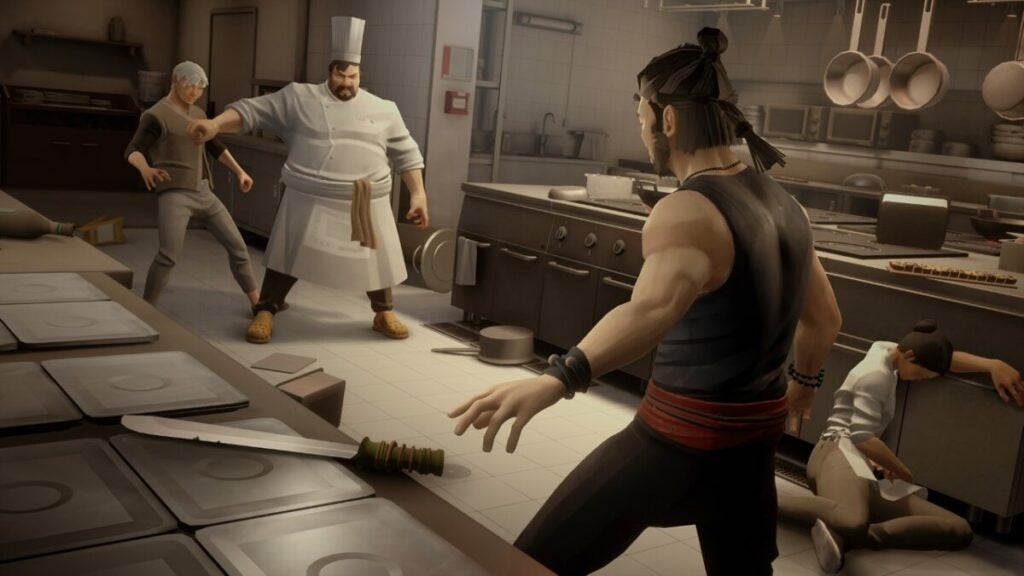
image of Sifu fighting a chef in Yang's restaurant

Enemy design

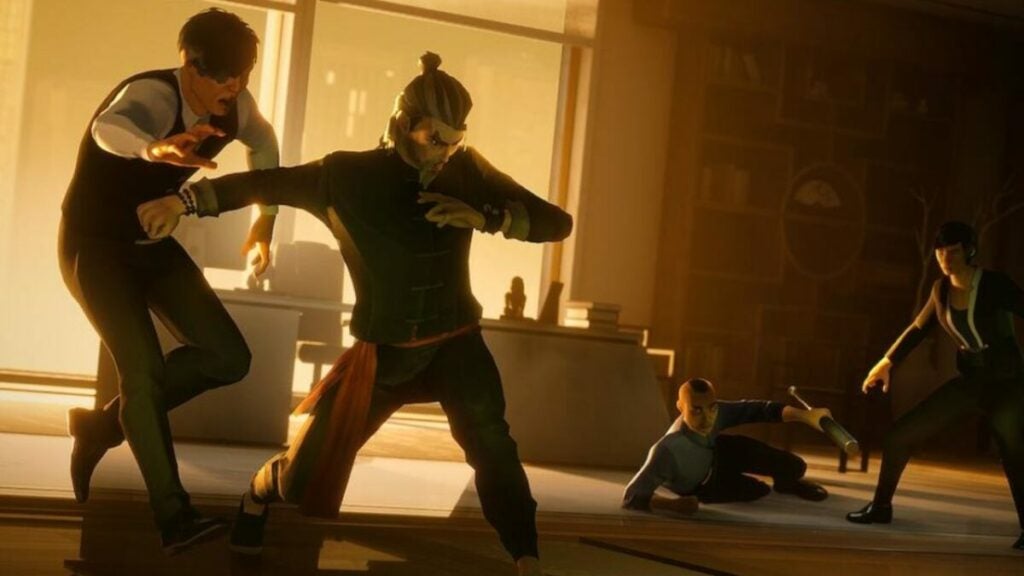
The watercolor-like animation style of Sifu reinforces just how fluid the martial arts combat is. The game plays with skin tone and texture, hairstyles, and lots of colors as players complete their journies. Each of the five main bosses have unique designs — both in the past and present — but your average enemies aren’t the same three models repeated over and over again either.

You’ll find yourself battling multiple genders, people of different heights and weights, and lots of variation in hairstyles and clothing. It’s just one more way Sloclap realized the world of Sifu in such crystalline and authentic detail.

World design

What makes games like Yakuza: Like a Dragon, Mass Effect 2, or Bloodborne great are the animated worlds that accompany the characters and story. Take something like Elder Scrolls: Skyrim, for example. What made that game so endlessly replayable was the depth of content across NPCs and the breadth of content across the in-game world.

While Sifu doesn’t have a sweeping map with tons of dark corners for players to fill in, it feels no less alive than a Bioware game. A meaningful reason as to why is because the player can destroy so much of it. Throwing enemies through windows, breaking chairs, or even using bottles in fights feels real. Small details like this go such a long way in captivating a player’s audience.

One of the only problems with the world design is how the camera interacts with it. Some parts of the game take place in tight hallways where the self-guided camera can get stuck during combat scenarios. You won’t see an enemy sneaking up on you because you physically can’t; the camera won’t let you. Though relatively minor, this issue can detract from satisfying gameplay experiences for some.

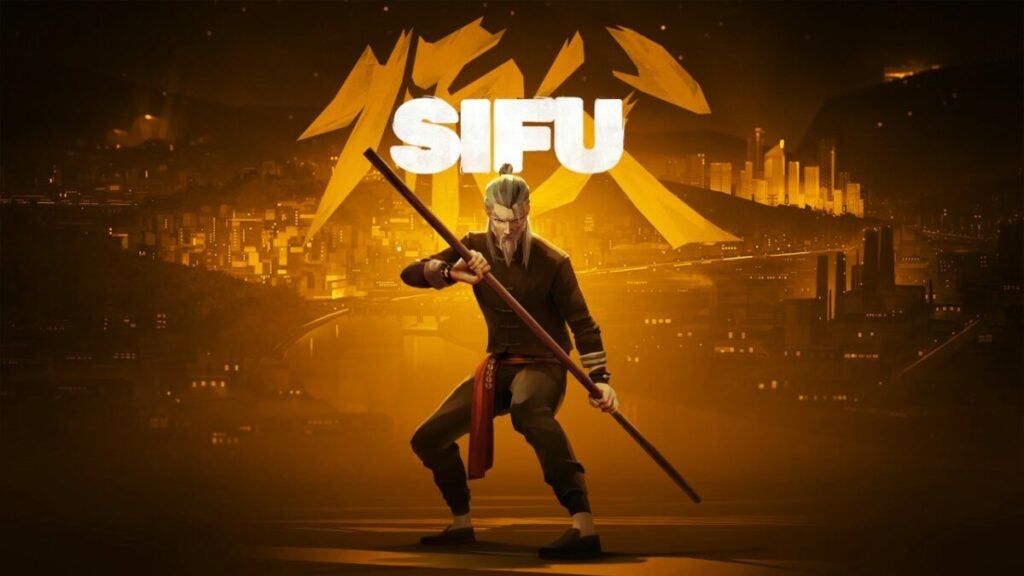
promo art for Sifu video game

Sifu review: verdict and wrap-up

Some people use the term “theme-park ride” in a derogatory manner — a misguided choice. Sifu presents the best aspects of your favorite roller coaster with thrills, sleuthing, and lots of martial arts. It lives up to the clear inspiration from classic Kung Fu movies in terms of the visuals, flow, and feel of the game.

The only areas where it falls short are more meaningful story beats and the high barrier to entry for some players in terms of difficulty. But if you want a fluid beat ’em up that’s a feast for the eyes, Sifu will deliver all that and more.

PROS

  • Compelling animation style
  • Fluid and satisfying combat
  • Unique roguelite approach
  • Engaging level design with destructible terrain
  • Intelligent enemy AI

CONS

  • Repetitive gameplay loop
  • High difficulty rating
  • Short campaign run time
  • Periodic frustrating camera orientation

Developer: Sloclap


Publisher: Sloclap


Game Modes: Single-player


Game Engine: Unreal Engine 4