Director Qiwei Liang of Phantom Blade Zero has sparked a notable debate about the saturation of the video game market, stating that “nowadays there are too many Souls-style games.” This observation reflects a growing frustration among players who face a constant repetition of formulas in fantasy RPGs. Unlike many titles that align with the “Soulslike” style, Liang assures that his work does not fit into this category nor into that of a traditional action game. His game is not a soulslike, no matter what Sony says Instead […]
The director Qiwei Liang of Phantom Blade Zero has sparked a notable debate about the saturation of the video game market, stating that “nowadays there are too many Souls-style games.” This observation reflects a growing frustration among players who face a constant repetition of formulas in fantasy RPGs. Unlike many titles that align with the “Soulslike” style, Liang assures that his work does not fit into this category nor that of a traditional action game.
Its game is not a soulslike, no matter what Sony says
Instead, Liang describes Phantom Blade Zero as a “kung fu action game,” emphasizing a focus on acrobatic and frantic combat, which seeks to differentiate itself by incorporating elements from different genres within the realm of RPGs and action. “People are not going to understand exactly what it is until they play it,” Liang expresses, suggesting that the evolution of the video game industry lies in the fusion of genres.
However, the originality of the term “kung fu action” has been questioned by some critics, due to the existence of games like Sifu and Shenmue, which have already explored similar combat styles. Still, Liang seems convinced that there is untapped potential in combining the Souls-style experience with a martial approach, which could offer a fresh perspective for genre fans.
For the moment, players must wait for more information, as Phantom Blade Zero still does not have a confirmed release date. In the meantime, Liang invites enthusiasts to explore this new combat journey that promises to be both innovative and exciting.
Recently, an extensive demo of the highly anticipated game 007: First Light was presented, which transports players to a spy environment with mechanics reminiscent of the iconic Hitman series. This third-person shooter combines infiltration and social manipulation as central pillars of the gameplay, while also incorporating moments of chaotic action that stand out in the experience. A game that will delight fans of the secret agent. The demo began with Bond infiltrating a hotel, where exploration is key to discovering distraction opportunities and […]
Recently, a lengthy demo of the highly anticipated game 007: First Light was presented, which transports players to a spy environment with mechanics reminiscent of the iconic Hitman series. This third-person shooter combines infiltration and social manipulation as central pillars of the gameplay, while also incorporating moments of chaotic action that stand out in the experience.
A game that will delight fans of the secret agent
The demo began with Bond infiltrating a hotel, where exploration is key to discovering opportunities for distraction and deception, similar to Agent 47’s approach. Throughout the mission, it was noted that the narrative is linear, with a predefined path that culminates in intense shootouts and combat sequences. While some players may prefer stealth, there are those who are drawn to a more aggressive style that prioritizes direct action.
The combat features elements of both shooting and hand-to-hand combat, evoking comparisons to titles like Max Payne and Sifu. In the demo, Bond used SMGs and shotguns with abandon, throwing weapons to the ground after running out of ammunition and taking advantage of explosions to eliminate several enemies in one blow, which significantly enhances the visual experience of the game.
Some moments of the demo felt very orchestrated, like the car chase that follows a set script, which has generated divided opinions among fans. While some may enjoy the spectacle, there are those who prefer the spontaneity often found in more open games. Despite this, it is highlighted that Bond can employ social manipulation tools to access gala events, although the interest in hard-hitting action seems to resonate with many players.
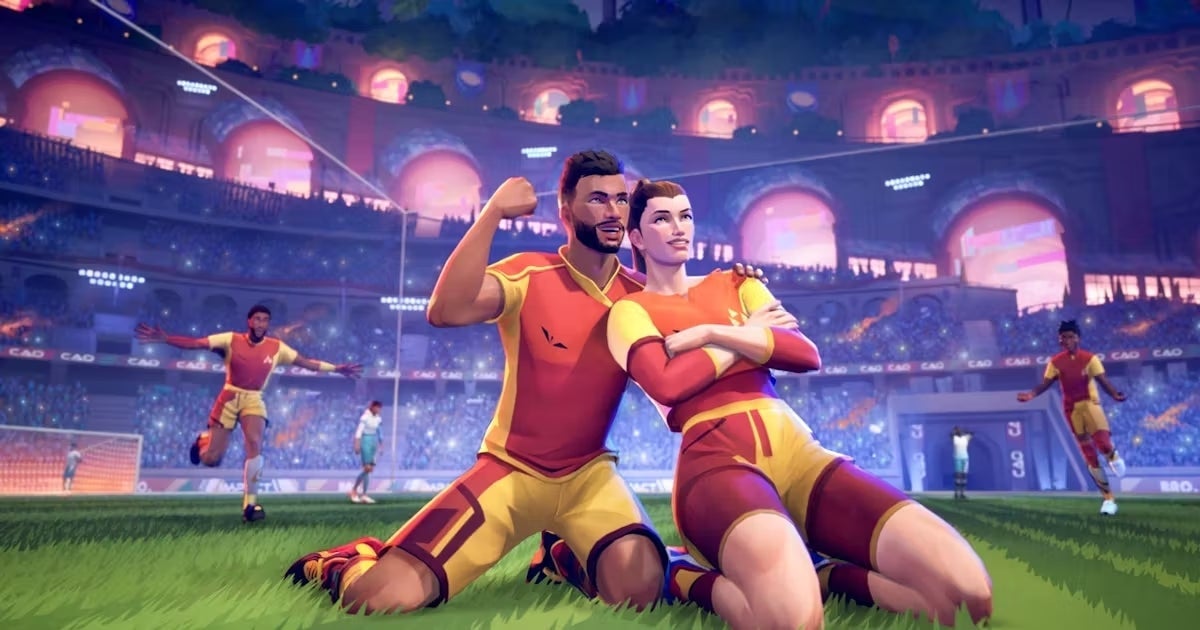
The new football game from Sloclap, titled Rematch, has been described by its developers as “not just a football game,” but rather as a “samurai game.” This statement suggests that the title aims to go beyond traditional football mechanics, emphasizing speed and decisiveness in player interactions. According to the game director, these features can drastically change the course of a match in a matter of moments. An interesting way to view their own game In a recent development update, the team behind Rematch compared their approach with their […]
The new football game from Sloclap, titled Rematch, has been described by its developers as “not just a football game,” but rather as a “samurai game.” This statement suggests that the title aims to go beyond traditional football mechanics, emphasizing speed and decisiveness in player interactions. According to the game director, these features can drastically change the course of a match in a matter of moments.
An interesting way to see your own game
In a recent development update, the team behind Rematch compared their approach to their previous title, Sifu. Although the studio admitted to leaving Sifu players a bit in the dark regarding the mechanics of Rematch, the rhythmic essence that some detected in Sifu is also shaping up in this new installment. However, the implementation of these concepts does not always turn out as expected, and there are those who feel that the game presents moments of discoordination among players, contravening the premise of agile and definitive interactions.
Despite the ambitious claims about the narrative and gameplay of Rematch, some players have experienced some frustration. Beyond the studio’s intentions, the game may feel more like a traditional football simulator than an authentic samurai experience. “I’ve seen players struggle for the ball in a way that doesn’t feel either fast or decisive,” commented a player, highlighting the discrepancies between expectations and the reality of the game.
On the other hand, the director of Rematch has expressed his desire to keep production costs relatively low, rejecting the industry trend of creating games that cost between 50 and 100 million dollars. He argues that these large investments limit the creative freedom of the studio. With this philosophy, Sloclap distances itself from the big studios, seeking to explore new and exciting directions in the world of video games.
Sifu has quickly established itself as one of the most notable indie video games in recent years, attracting a large fan base thanks to its innovative aging mechanic upon death and a challenging martial arts combat system. Many fans anticipated a sequel following the success of this title, which led to disappointment when Rematch was announced, a new video game focused on arcade soccer. The announcement, which was well received in terms of gameplay, left many with a bittersweet taste due to their unmet expectations. A game very different from the […]
Sifu has quickly established itself as one of the most notable indie video games in recent years, attracting a large fan base thanks to its innovative aging mechanic upon death and a challenging martial arts combat system. Many fans anticipated a sequel following the success of this title, which led to disappointment when Rematch was announced, a new video game focused on arcade football. The announcement, which was well received in terms of gameplay, left many with a bittersweet taste due to their unmet expectations.
A game very different from expectations
Pierre Tarno, creative director of Sloclap, addressed fan disappointment in a recent interview with Gamesradar. He acknowledged that the communication and marketing strategy behind the announcement of Rematch was not the most effective. “We regret to say that some Sifu fans felt disappointed when the game was revealed,” expressed Tarno, who still laments the confusion caused by the reveal trailer that suggested a possible Sifu 2.
The creative director explained that, after a year and a half of post-launch support for Sifu—with updates and additional content—the team felt they had explored all the possibilities of the original game. “We felt that we had given everything we had in Sifu,” he emphasized, before clarifying that, although a future return of the franchise is not ruled out, for the moment they prefer to let it rest.
Additionally, Tarno emphasized that the focus of the study is to continue creating in a bold and creative manner, avoiding excessive expansion and limiting their budgets to a more manageable scale, between 50 and 100 million dollars. This philosophy could be an indication that Sloclap is committed to its indie identity, prioritizing innovation over the large budgets typical of the industry.
In the current landscape, sports video games are facing a challenging period. Most of them are plagued by microtransaction modes and struggle to justify the purchase of the latest edition. However, a fresh and exciting option has recently emerged: Rematch, a 5v5 multiplayer soccer game developed by Sloclap, known for the successful Sifu. This title presents itself as an antidote to the saturation of the industry, standing out for its focus on arcade fun and team dynamics. Competing against the big titans of soccer video games, Rematch stands out for offering a […]
In the current landscape, sports video games are facing a challenging period. Most of them are plagued by microtransaction modes and struggle to justify the purchase of the latest edition. However, a fresh and exciting option has recently emerged: Rematch, a 5v5 multiplayer soccer game developed by Sloclap, known for the successful Sifu. This title presents itself as an antidote to the saturation of the industry, standing out for its focus on arcade fun and team dynamics.
Competing Against the Great Titans of Football Video Games
Rematch stands out for offering simple and accessible gameplay, where each player controls a character on a team, promoting a more collaborative experience and less burdened by tactical complexities. Unlike other titles like EA Sports FC, players do not need to worry about managing formations, making it easier for anyone to enjoy the game without having a deep knowledge of football.
The reception of Rematch has been remarkable; during its beta on Steam, it reached peaks of 146,573 concurrent players and 1.8 million users on consoles during an additional test. Available for free to Xbox Game Pass subscribers, its accessibility could boost its popularity in the market. Although it will not feature cross-play support at launch, the ease of access through Xbox Game Pass could offset this initial limitation.
The game, which will also be released on PlayStation and PC, promises to be a rewarding experience, focused on fun and teamwork. Players are looking for a return to the roots of the sport, with mechanics that favor fast play and cooperation. With its imminent release, Rematch has the potential to become one of the big surprise hits of 2025.
Sloclap, known for its work on games like Absolver and Sifu, is about to make a significant turn with the announcement of its next title: Rematch, a multiplayer online football game that promises to revolutionize the way the king of sports is played. Scheduled for an official release on June 19, 2025, players who opt for the Pro and Elite versions will be able to access the game three days earlier, on June 16. The final beta of Rematch will begin on May 28, 2025, and will be available until May 31, allowing […]
Sloclap, known for its work on games like Absolver and Sifu, is about to make a significant turn with the announcement of its upcoming title: Rematch, an online multiplayer football game that promises to revolutionize the way the king of sports is played. Scheduled for an official release on June 19, 2025, players who opt for the Pro and Elite versions will be able to access the game three days earlier, on June 16. The final beta of Rematch will begin on May 28, 2025, and will be available until May 31, allowing a wide audience to experience the game before its official launch.
A game that could very well compete with FIFA
Rematch offers an arcade soccer experience without the usual restrictions, such as fixed positions or detailed statistics. In this game, players control a single character in a five-on-five format, which means that skill and creativity will be crucial to achieving victory. The concepts of fouls and offside will be eliminated, promising smooth and fast gameplay.
The game will be available on Steam and the Xbox store, with access for Xbox Game Pass subscribers from day one. With a base cost of €24.99 for the standard edition, players will also be able to purchase enhanced versions for €34.99 and €44.99, which include early access and additional content. The recommended specifications require an RTX 3050 graphics card and an Intel Core i5-11600k processor, making the title accessible to a wide range of players.
Although Sloclap is known for its focus on combat, Rematch focuses on football simulation and will use a battle system called Captain’s Pass”which includes seasonal content. Many details about this system are still unknown, leading to some speculation about its content and costs. With this new direction, Rematch could set a new standard for online football games.
Madness has erupted among superhero fans with the return of Daredevil, under the new series Born Again, which premieres on Disney+ almost ten years after his last appearance on Netflix. This series promises to rekindle interest in the character, once again played by Charlie Cox, and comes at a time when many Marvel followers are looking for a ray of hope after a series of mediocre releases. The video game leans into what Daredevil does Despite the fact that Daredevil has not had many modern video games starring him, his legacy endures in […]
Madness has erupted among superhero fans with the return of Daredevil, under the new series Born Again, which premieres on Disney+ almost ten years after its last appearance on Netflix. This series promises to rekindle interest in the character, once again portrayed by Charlie Cox, and comes at a time when many Marvel followers are seeking a ray of hope after a series of mediocre releases.
The video game embraces what Daredevil does
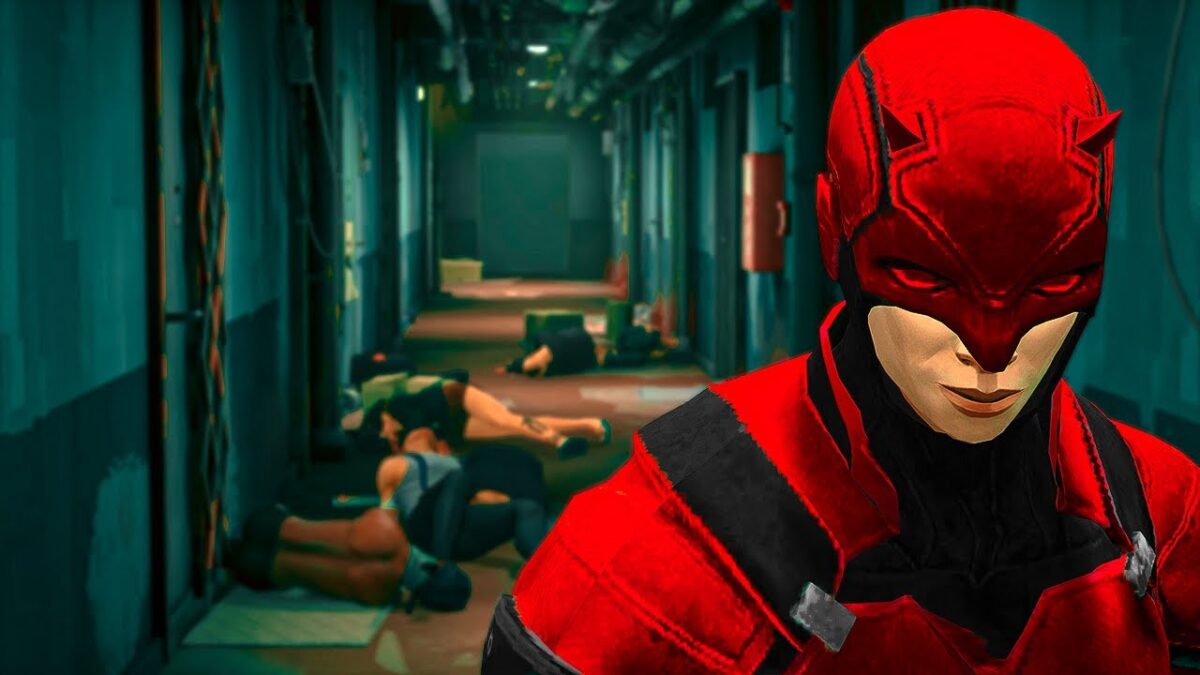
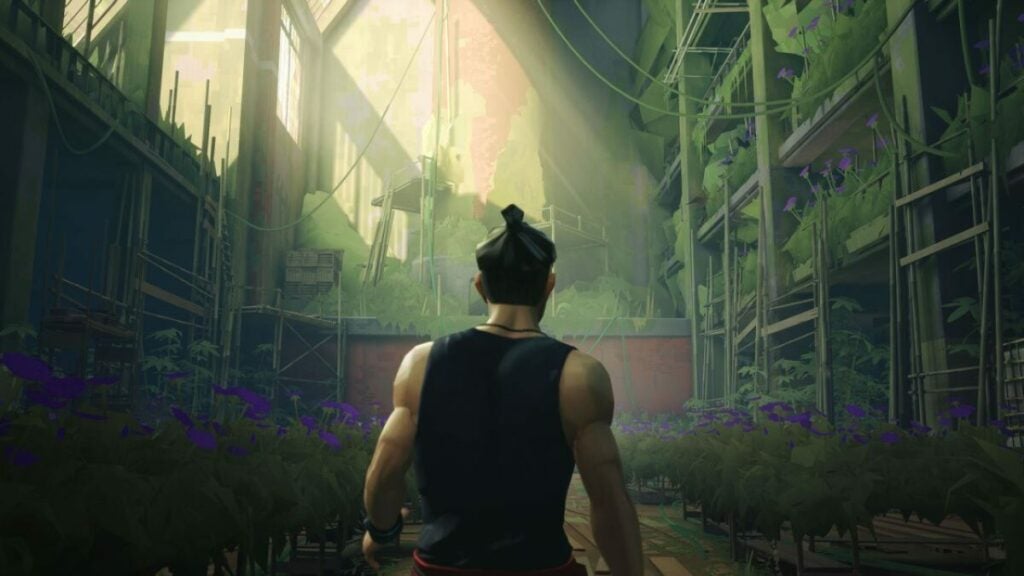
Despite the fact that Daredevil has not had many modern video games starring him, his legacy endures in the world of video games through various incursions and modifications. Among the most notable proposals is his appearance in Sifu, a fighting game that features evocative settings that could remind one of both the original series and Born Again. The mods for Sifu include two costumes dedicated to the character: the classic suit and the black suit, available on NexusMods.
For those looking to explore more open spaces, there are modifications for Marvel’s Spider-Man and Batman: Arkham Knight that allow users to enjoy Daredevil’s feats in iconic environments. While the former takes place in the vigilante’s hometown, the dark and gothic atmosphere of Gotham is also perfectly suited for Matt Murdock’s acrobatics.
The most notable video game featuring the superhero was released in 2003 for Game Boy Advance, but the recent success of Born Again could motivate Disney and Insomniac Games to expand their roster of heroes beyond Spider-Man and Wolverine. Currently, fans can enjoy various modifications and adaptations while waiting for the industry to finally reconsider the Man Without Fear in a more contemporary and elaborate context.
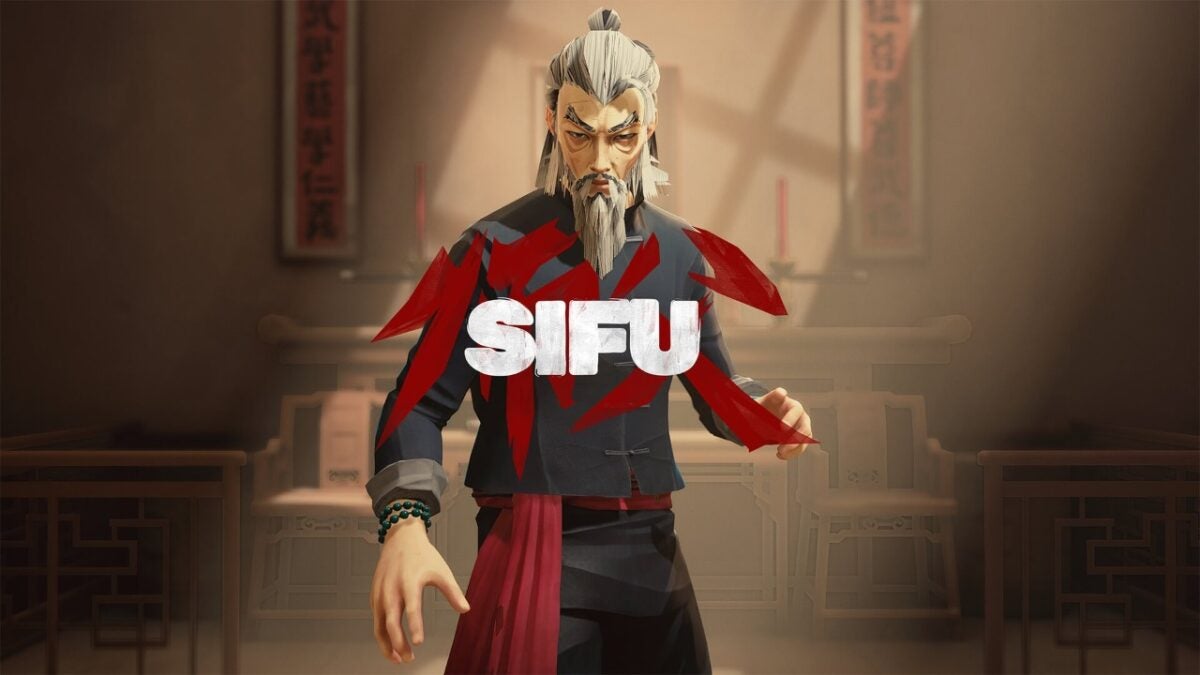
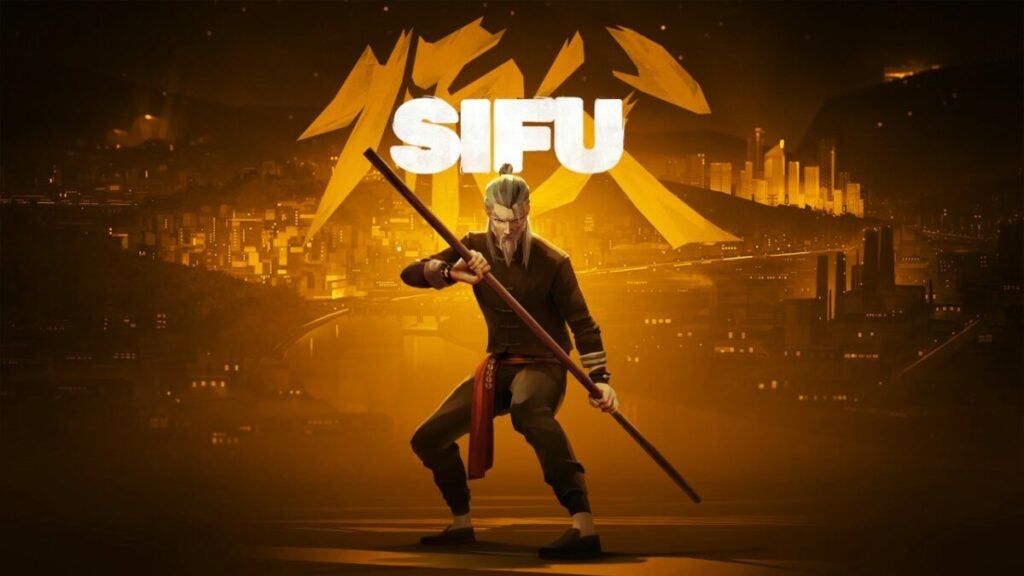
This review on the kung-fu style fighting gameSifu explores several key elements that affect player experiences. Despite the initial delay from developer Sloclap, the extra development time has paid off exponentially as accolades continue to pour in about their latest title.
Though challenging, the game rewards persistence, discipline, and attention to detail –not unlike the study of martial arts itself. But Sifu incorporates elements from multiple genres of games to make a more distinct yet familiar experience. Let’s get into those details within the following categories:
Sifu background
It’s no secret that Sloclap drew from traditional martial arts movies (think The One-Armed Swordsman and Master of the Flying Guillotine) for the story and setting of Sifu. But this title marks the first game that Sloclap has developed and published on its own. Devolver Digital, the publisher behind Serious Sam: Siberian Mayhem, published their previous entry Absolver.
The martial art 白眉/ Bak Mei or Pak Mei kung fu takes center stage in the game. Though styled as a beat ’em up strategy, the game takes hints from games like Dark Souls or Sekiro: Shadows Die Twice paired with a unique, age-linked roguelike element.
Setting and tone
Since Sifu draws so heavily on real-world martial arts and classic Kung Fu films, Sloclap brought in an expert to consult on the game’s fight choreography and combat. Benjamin Colussi, a Pak Mei master, studied under Lao Wei San in Foshan, China, before opening his own school in France.
Story
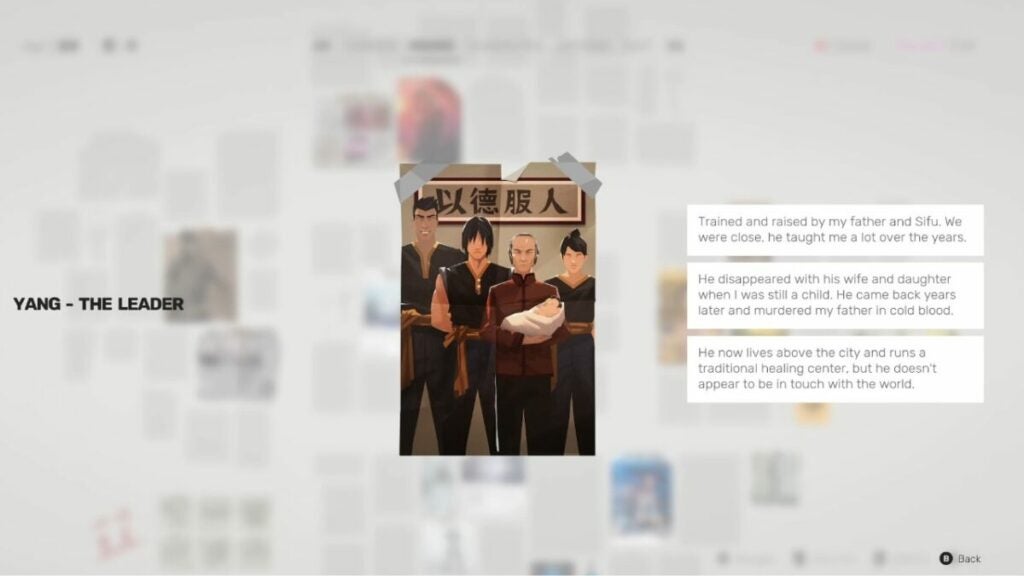
The story of Sifu is not a particularly unique or novel one in that it is a revenge story at heart. Choosing one of two genders, players embark on a quest to avenge their murdered father Kill Bill style. This requires some sleuthing and, of course, lots of butt-kicking.
It integrates clue-finding into environment exploration, incentivizing players to interact with the wonderfully realized world that Sloclap created. The detective board used to organize clues seems a bit out of place thematically. But it is a very useful tool for visualizing information.
How long to beat Sifu
Sifu’s runtime is on the shorter side for most modern single-player games. But this indie title has high replayability — especially when you can insert your favorite characters as the protagonist with mods. Here’s how long it takes to beat Sifu:
Main campaign: ~10 hours
Main campaign with extras: ~14 hours
Achievement hunters and completionists: ~17 – ~25 hours
Sifu performance
Using Unreal Engine 4, Sifu can run pretty well on a variety of consoles and computers. In addition, the animation style lends itself to non-4K resolutions in the same way that something like Transistor might. While it would be prettier in better resolutions, it doesn’t take the same visual downgrades as something like Cyberpunk 2077 might.
Sifu PC vs. PlayStation
Sifu is only available in hard copy on PS4 and PS5; for digital versions, would-be players can look to various online storefronts with Epic Games being the easiest to access.
Overall, there is little difference between Sifu on PS4, PS5, or PC. It comes down to personal preference and/or availability for each player.
Sifu gameplay and functions
Core to any gaming experience are the major gameplay loops like finish a puzzle, fight a boss, save the princess, etc. Sloclap tweaks player expectations in a way that makes for very difficult, but extremely rewarding gameplay.
UI and interface
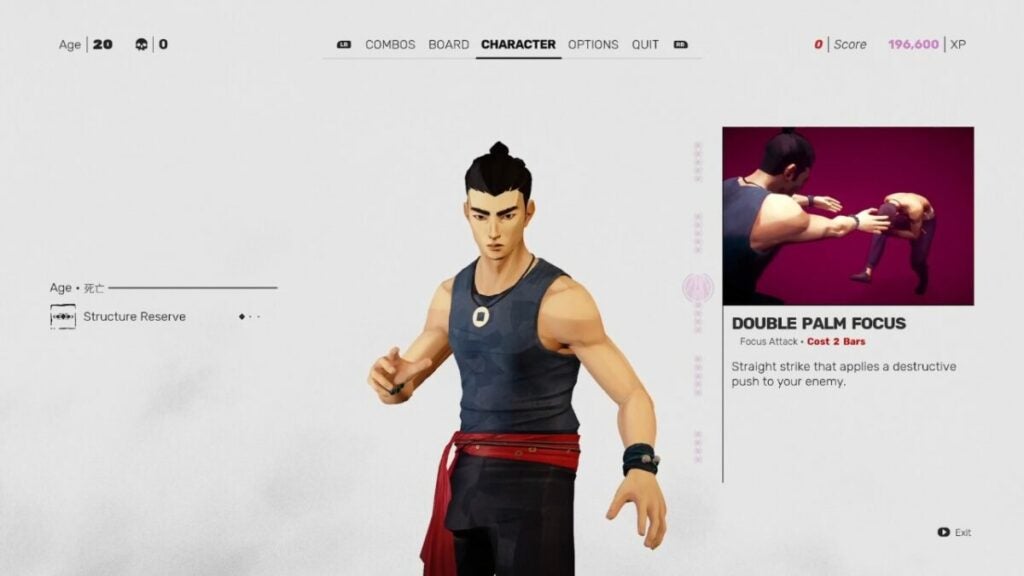
A cluttered or disorganized UI can really sour any gaming experience. Luckily, Sloclap kept things minimal and easy to use. The five tabs at the top clearly outline critical information and give players the option to quit quickly which is a nice “quality of life” feature.
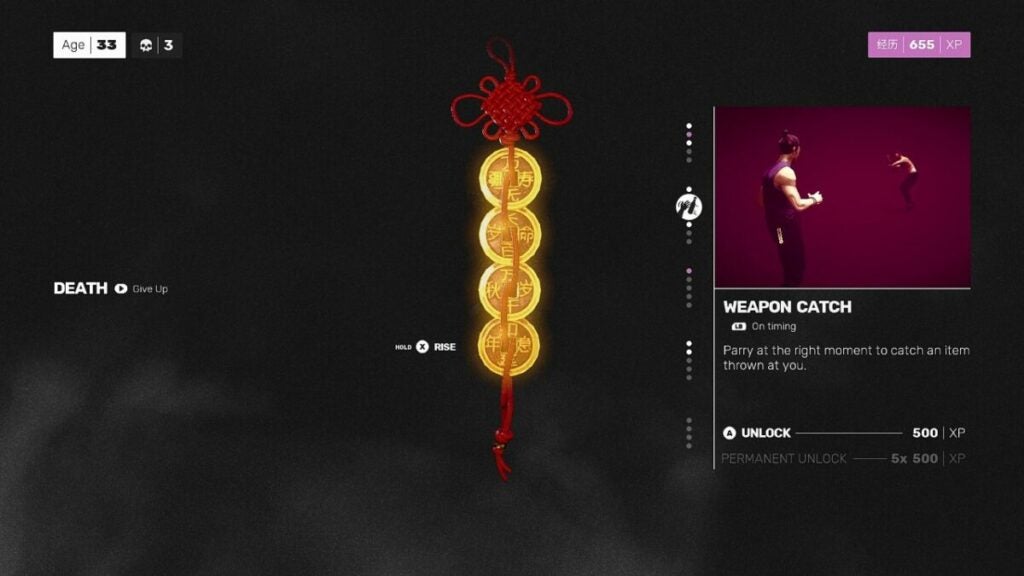
You can always keep track of your age and death counter in the top left corner along with your score and XP in the top right. The only problem might be the color scheme when it comes to the “Skills” section on the “Character” tab. That light pink on a grey/white background can be difficult to parse for some players — even with the additional glow effect around it.
But that’s a minor gripe as each skill description comes with a brief video demonstrating the skill. It’s a fantastic inclusion that helps with accessibility and ease of understanding.
Combat mechanics
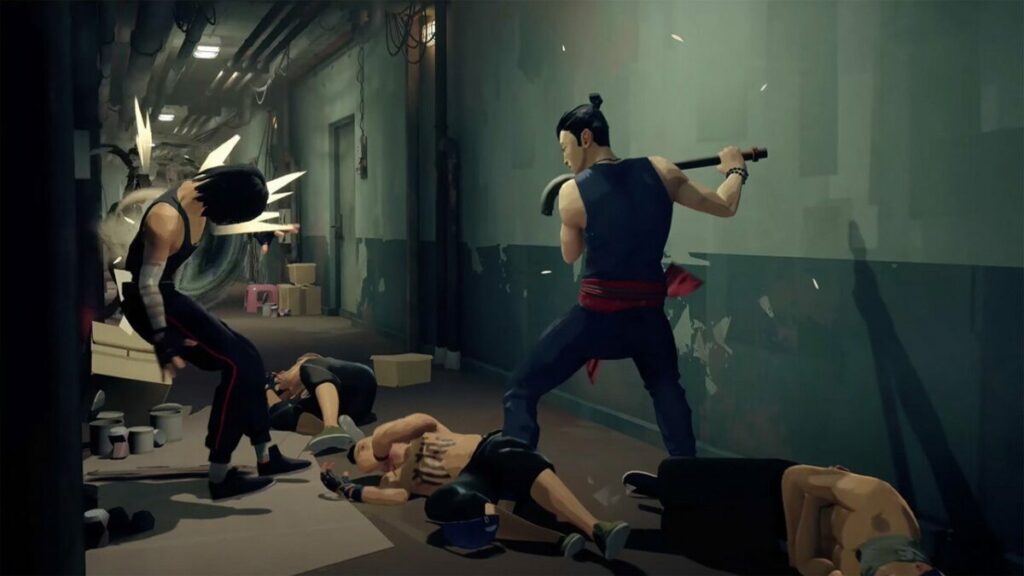
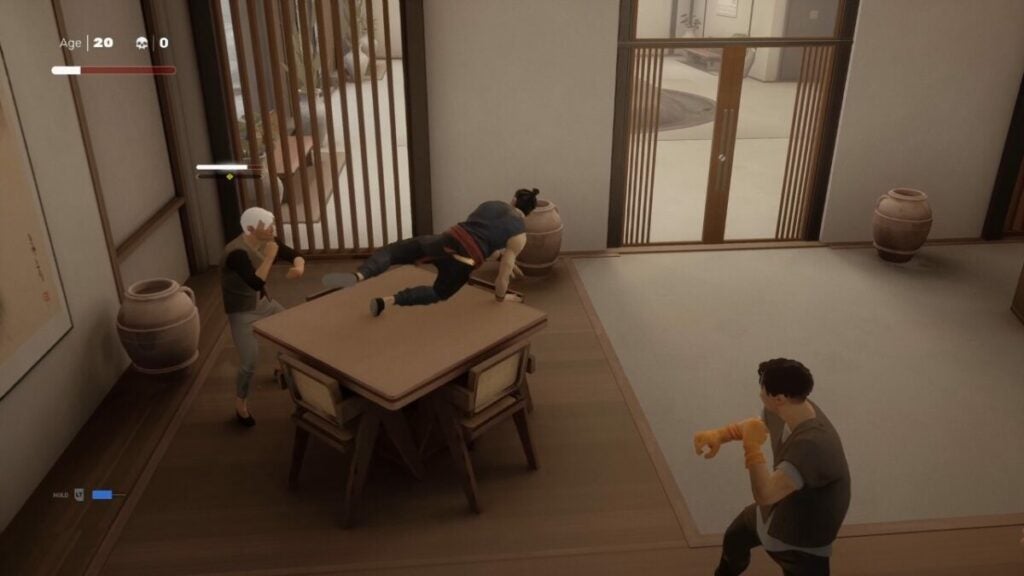
The core combat, as with all beat ‘em up style games, is about combos of light, heavy, and special attacks on top of dodging, blocking, and counter-attacking. However, thanks in part to being in UE4, Sifu can take advantage of destructible items and other environmental-based combat effects. Being able to launch an enemy off a balcony not only feels incredibly real, but very practical since the protagonist is often facing off against multiple attackers.
Of course, being able to kick up a falling object into an enemy’s face seems a little far-fetched when it comes to physical ability. But this stylistic choice only serves to reinforce the inspiration from traditional Kung Fu movies.
One of the only confusing parts of Sifu’s combat design is how players attain persistent skills. As with other roguelikes and roguelites, players can find Shrines to unlock abilities or purchase new ones during a playthrough. However, after purchasing a skill 6 times, players will always have it unlocked for new runs.
Skills and gameplay loop
The twist on the traditional roguelite gameplay loop introduces a magic talisman. It allows the main character to restart in the same place after death; however, they age the number of times you’ve died. For instance, if you are 28 and your death counter is at 6, you’ll be 34 the next time you revive. Sifu has a hard cap around age 75 where, if you die that time, you’ll have to start over in a new game. Players can reduce their death counter by taking on specific enemies, though they tend to be difficult, as well.
This obviously varies from games like Returnal, Hades, and other games with similar mechanics. But the additional difficulty of aging and hard combat can make the game a bit frustrating at times. The point of games like Dark Souls is to die a bunch, get better at the game, and feel a sense of accomplishment after finally beating a boss. With Sifu, aging interrupts that gameplay loop and adds anxiety around dying.
Combining the “die and die again” mentality of roguelites with the difficulty of Dark Souls can also become tedious since the levels and enemies remain the same in Sifu. Of course, nothing beats that warm feeling of utter satisfaction when you’ve finally beaten a stubborn boss with just the right strategy. Button mashing will definitely not remain a viable tactic past the first level of the game.
Sifu visuals, sound, and enemy design
A hero’s story is nothing without compelling and well-designed villains. Moreover, sounds like the landing of punches or the splintering of wood make huge differences in setting ambiances in video games and other visual media. Sifu is no different and the developers paid special attention to every detail of the game’s craftsmanship.
Sound design
Music can be an afterthought or a major character in a story (just like locations). Music creator Howie Lee merges traditional Chinese musical elements and modern electronica instruments. This blending of historical and modern is a perfect fit for Sifu.
What’s more: the combat sound design feels lived-in and realistic while still playing into the at times kitschy Kung Fu movie niche. Because the game trades so heavily in destructible environments, Lee incorporated distortion, dubstep, and other aural motifs to capture what battling brutal combatants in the middle of a bass-thumping club might really feel like.
Enemy design
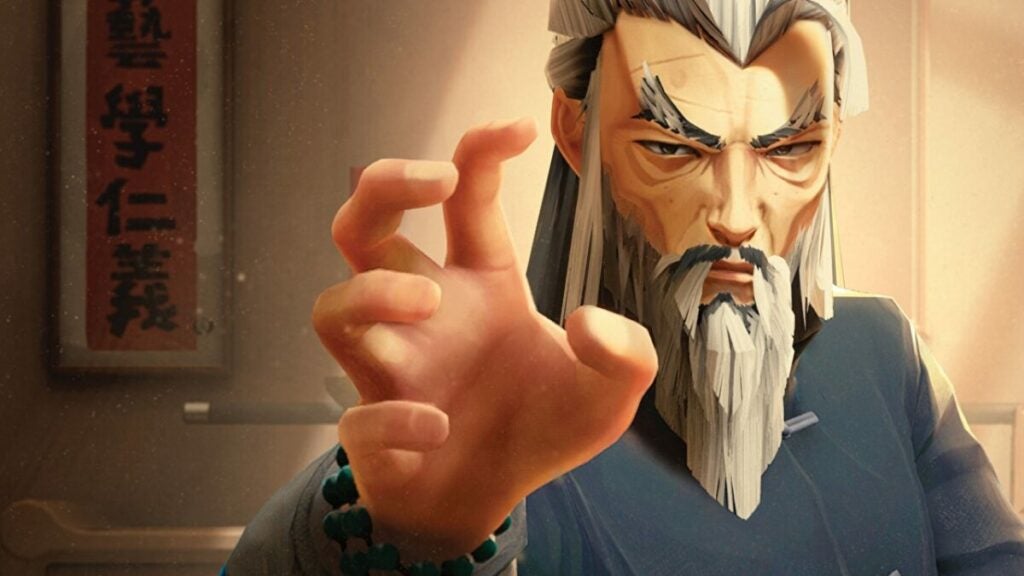
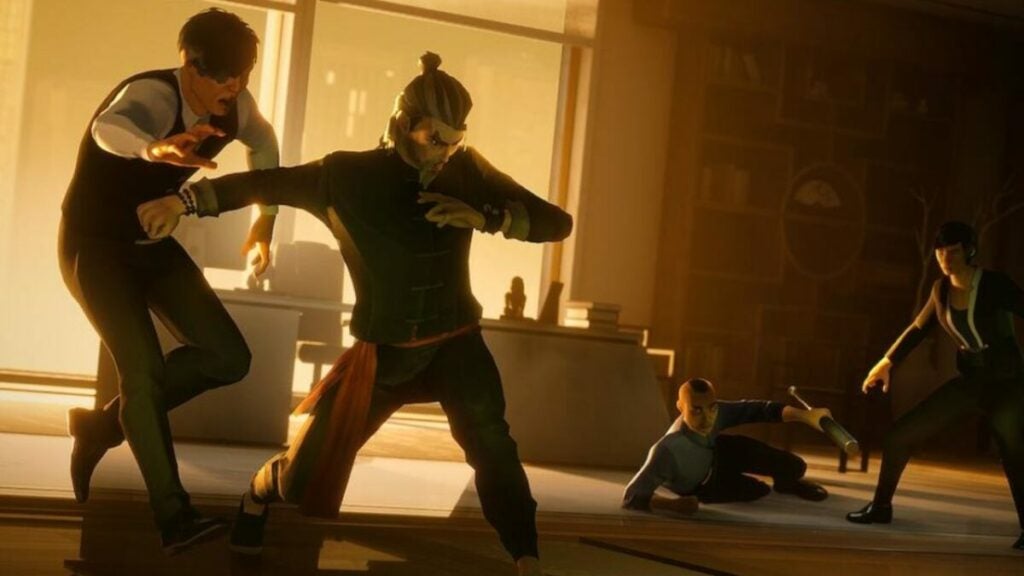
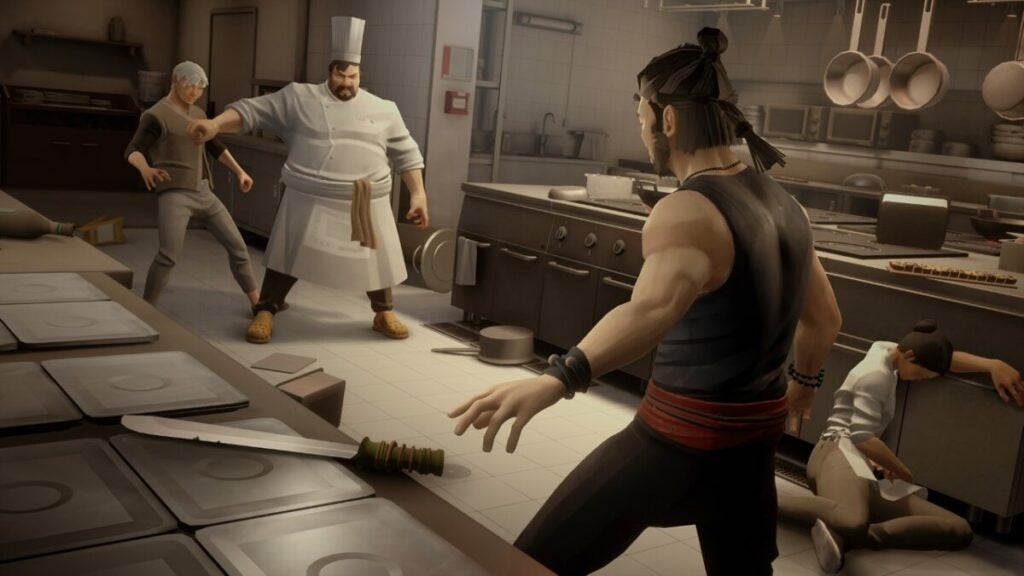
The watercolor-like animation style of Sifu reinforces just how fluid the martial arts combat is. The game plays with skin tone and texture, hairstyles, and lots of colors as players complete their journies. Each of the five main bosses have unique designs — both in the past and present — but your average enemies aren’t the same three models repeated over and over again either.
You’ll find yourself battling multiple genders, people of different heights and weights, and lots of variation in hairstyles and clothing. It’s just one more way Sloclap realized the world of Sifu in such crystalline and authentic detail.
World design
What makes games like Yakuza: Like a Dragon, Mass Effect 2, or Bloodborne great are the animated worlds that accompany the characters and story. Take something like Elder Scrolls: Skyrim, for example. What made that game so endlessly replayable was the depth of content across NPCs and the breadth of content across the in-game world.
While Sifu doesn’t have a sweeping map with tons of dark corners for players to fill in, it feels no less alive than a Bioware game. A meaningful reason as to why is because the player can destroy so much of it. Throwing enemies through windows, breaking chairs, or even using bottles in fights feels real. Small details like this go such a long way in captivating a player’s audience.
One of the only problems with the world design is howthe camera interacts with it. Some parts of the game take place in tight hallways where the self-guided camera can get stuck during combat scenarios. You won’t see an enemy sneaking up on you because you physically can’t; the camera won’t let you. Though relatively minor, this issue can detract from satisfying gameplay experiences for some.
Sifu review: verdict and wrap-up
Some people use the term “theme-park ride” in a derogatory manner — a misguided choice. Sifu presents the best aspects of your favorite roller coaster with thrills, sleuthing, and lots of martial arts. It lives up to the clear inspiration from classic Kung Fu movies in terms of the visuals, flow, and feel of the game.
The only areas where it falls short are more meaningful story beats and the high barrier to entry for some players in terms of difficulty. But if you want a fluid beat ’em up that’s a feast for the eyes, Sifu will deliver all that and more.