The video game industry is facing a crisis due to the lack of ambitious titles, a situation worsened by the long and complicated development processes. Companies have limited themselves to releasing one or two games per generation, a fact that has raised concerns among players and developers alike. Jack Buser, head of Google Cloud, points out that the integration of artificial intelligence (AI) in studios could be the key to streamlining these processes, however, the reality could be different. It is the only way to make the industry sustainable Despite estimates that nearly […]
The video game industry is facing a crisis due to the lack of ambitious titles, a situation exacerbated by the long and complicated development processes. Companies have limited themselves to releasing one or two games per generation, a fact that has raised concerns among players and developers alike. Jack Buser, head of Google Cloud, points out that the integration of artificial intelligence (AI) in studios could be the key to streamlining these processes; however, the reality could be different.
It is the only way to make the industry sustainable
Despite the fact that it is estimated that nearly 90% of studios are already implementing AI solutions, developers have reported a decrease in productivity, with a METR study indicating that the development speed has dropped by 19%. This significantly contrasts with the widespread belief among creators that AI would allow them to progress 20% faster. This disconnect between expectations and results reflects the complexity of integrating these new tools.
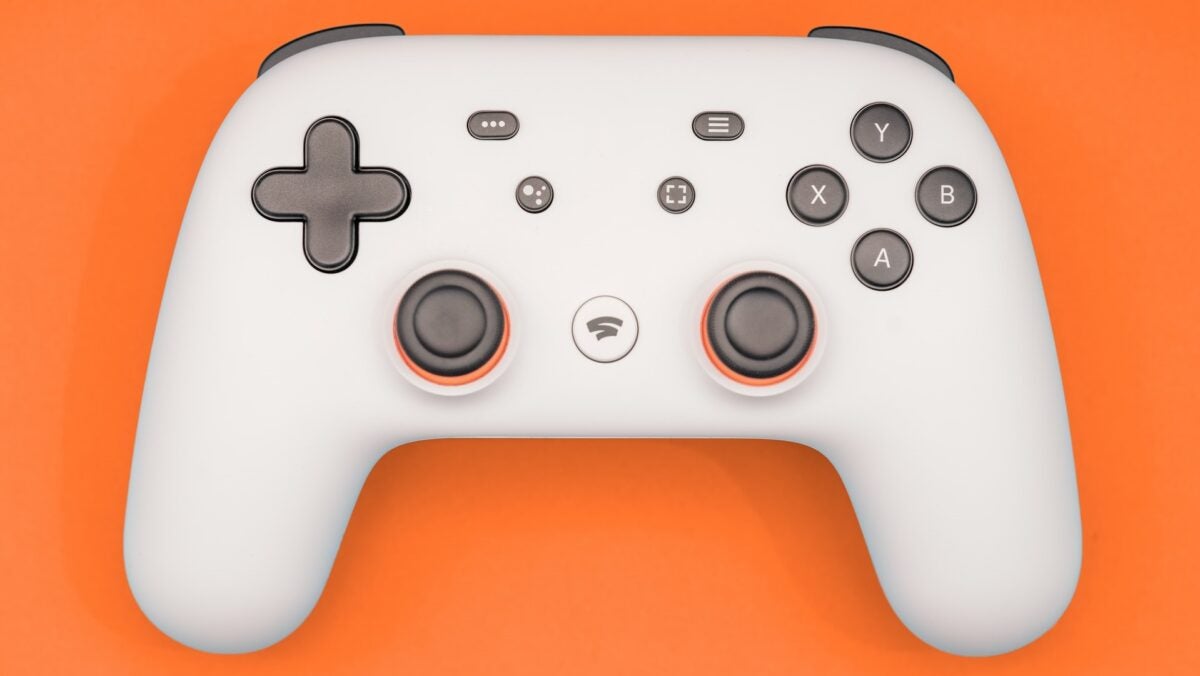
Buser, in his statement during a podcast, pointed out that the case of Stadia has taught Google to position itself as a support for developers rather than being a company that develops and launches video games on its own. The current direction of the company seeks to provide tools that optimize game creation, allowing studios to move from conception to the reality of a title more efficiently.
Despite the promises that come with the use of AI, the landscape remains uncertain. The industry has seen an increase in closures and layoffs, which has led many to wonder if we will soon see a real improvement in the production of AAA titles. Meanwhile, the release cycle seems to continue down an increasingly desolate path.
Another will come who will make me good. This popular saying, little used according to the Centro Virtual Cervantes, applies very well to Shawn Layden. Not very well-liked during his tenure at the helm of Sony, he is experiencing a sort of redemption arc. Without the burden of having to lead a multinational company, it seems that his opinions are very different from those he had when he was at the helm. Or at least, much more sensible than those who are now steering that same ship. Because once again, the former executive and leader of the Japanese brand has decided […]
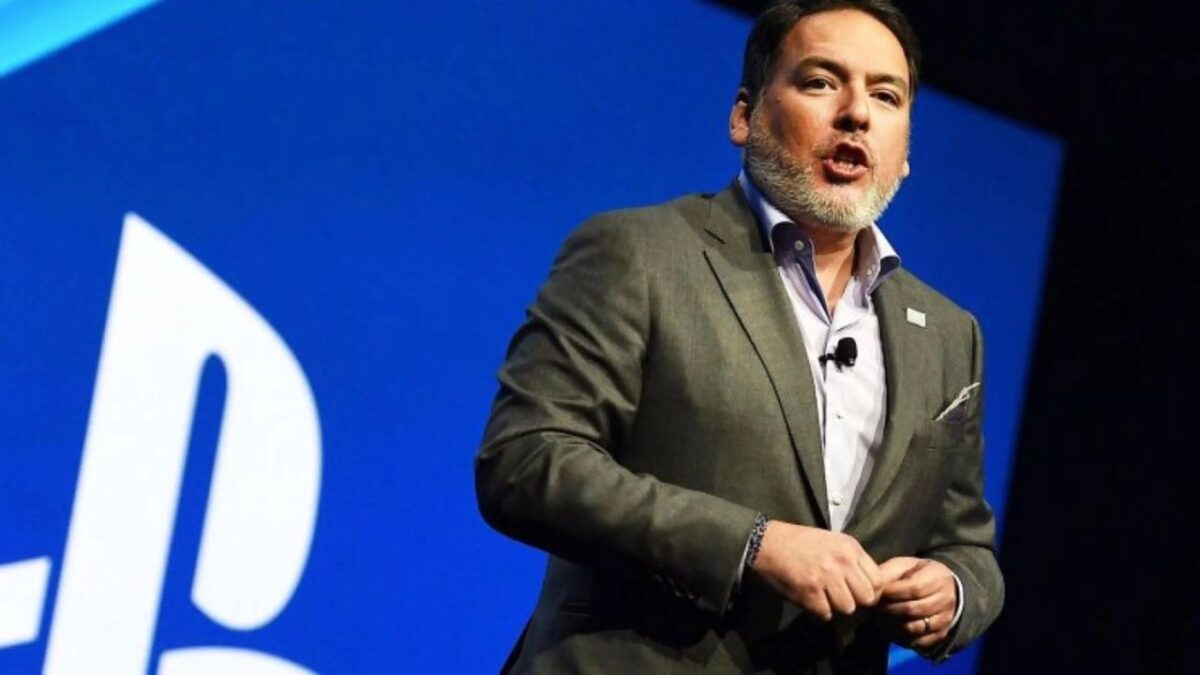
Another will come who will make me good. This popular saying, little used according to the Centro Virtual Cervantes, applies very well to Shawn Layden. Very little liked during his tenure at the helm of Sony, he is having a sort of redemption arc. Without the burden of having to lead a multinational forward, it seems that his opinions are very different from those he had when he was at the helm. Or at least, much more sensible than those who are now at the helm of that same ship. Because once again, the former executive and leader of the Japanese brand has decided to speak with a sensibility we did not expect from an executive.
As an executive at Sony for 30 years, he knows all the ins and outs of the company well, something that has earned him his current job as an advisor for numerous companies, including the Chinese giant Tencent. Where, currently, he is recommending doing exactly the opposite of what the entire industry is doing: reducing the scale of projects, teams, and thus, alleviating the budget issues.
PlayStation app is a free application specially designed for PS4 and PS5. With it, you can download and start your favorite games, customize your profile, see which friends are online, and discover the latest news from PlayStation Store.
In Layden’s view, it is necessary to return to making games with more modest budgets. Perpetual growth does not work. And he has reasons for this. Arguing that, “when a game costs 5 million dollars to make, you can charge 59.99 dollars, but when it costs 125 million dollars, you charge 59.99 dollars, so the math doesn’t work.” Saying that, by pure logic, it is impossible to maintain the current costs of video games. Not when, “the gaming community has said they don’t want to pay more than 60 dollars for a video game.”
This is something we have seen in recent years. With the growth of budgets, the leap with each new generation has also meant a leap in the base price of games. From 60 to 70 dollars, and currently making a gesture to reach up to 80. But the reality is that by doing this, games sell less at launch, inviting players to wait for the inevitable discounts to purchase the games.
That is why, according to Layden, the industry is hitting a wall. If 150 million is spent on making a triple-A game, then they are obligated to make a sequel. This is because all the risks are defined through mathematics that simply do not align with the material reality of things. What CEOs and finance chiefs see is that the price of a game does not match its cost and that, if it works, it is not worth trying to take a risk with something different. It is better to continue exploiting what is already known to work.
That’s why there are so many clones of the same game. So many DLCs, microtransactions, and battle passes. Because it’s a way to make money while minimizing risks in an economy that doesn’t work. But then, what does Layden propose? Literally, to de-escalate. To make cheaper games.
In his own words, “it’s time to make a radical reset in the business model, a radical reset of what a video game is.” The immense budgets, games over 50 hours, hyper-realistic graphics, are unsustainable in an industry that increasingly struggles to sustain itself. And that requires changing how video game production is approached. But also how we think about video games and what they should be.
Is what Layden proposes possible? Only time will tell. But when the former president of Sony says that the current model is unsustainable and that we are heading towards a cliff, perhaps these are not apocalyptic speeches. Perhaps it’s time to start rethinking the video game industry. And what a video game should be, in general.
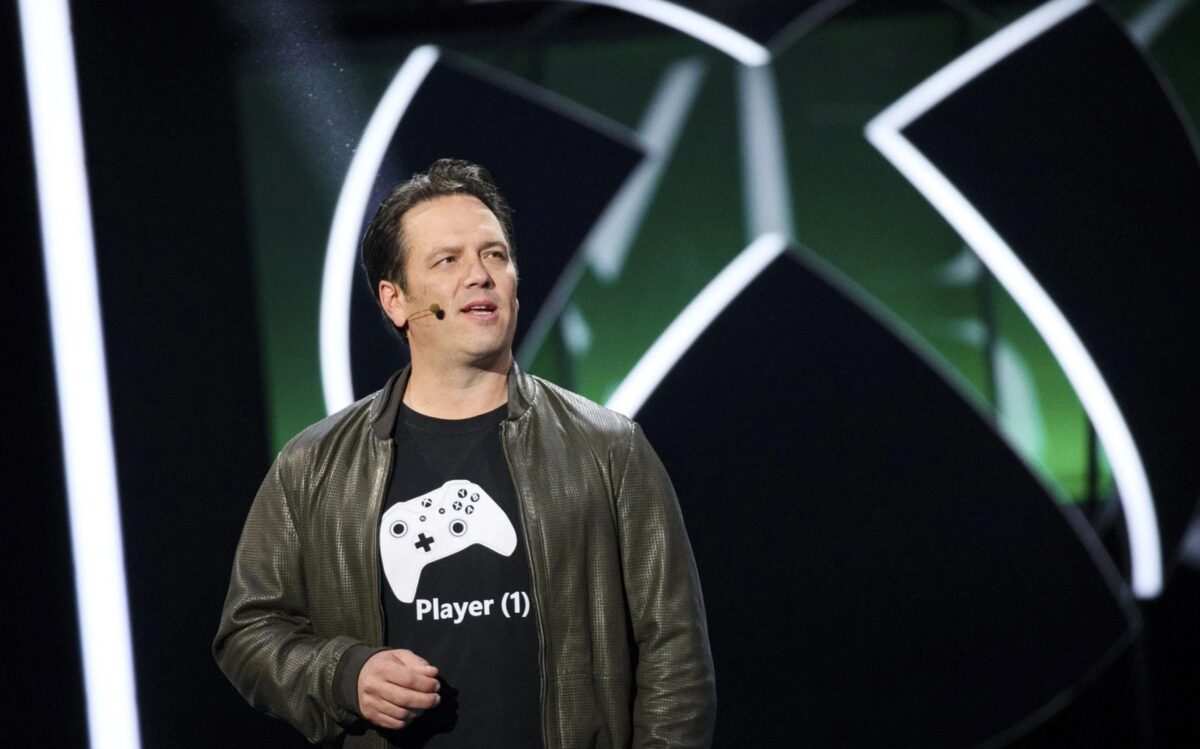
According to Phil Spencer, CEO of Xbox, the reason for having to lay off 1,900 people is that the market is not in the situation he would like.
Seeing an executive take the blame for something is like black holes: we know it happens somewhere because of the effects it has, but it is invisible to the human eye. No matter the decisions they make, they always have reasons to do so. Even if the rest of humanity sees clearly that more than reasons, they are excuses. Something in which it seems that Xbox CEO, Phil Spencer, is not the exception.
In an interview with Chris Plante from Polygon, Phil Spencer has talked about the state of the video game industry. Explaining that there are now many more risks when it comes to producing a AAA release, he emphasized that the development costs and audience expectations make the playing field very different from years ago. With publishers becoming increasingly reluctant to take risks, as where it used to be necessary to sell hundreds of thousands of copies to recoup costs or achieve profits, now it is necessary to sell millions.
In Spencer’s words, the motivation for these layoffs is because “we are a business. I’ve said it over and over again. I don’t have the luxury of not having to run a business that grows in profits within Microsoft”. Stating that the problem is that the video game industry is “an industry that is not growing”, he believes that “it can grow and will grow again”, emphasizing that “we should all reflect on it and think about it”. A comment devoid of any sensitivity, considering that the human impact has been two thousand layoffs under his leadership after the industry’s biggest acquisition. Especially considering that it is not true that there is no growth in the industry.
Furthermore, he is optimistic about the Xbox brand, at least in terms of the entity. Stating that this industry situation is what has led them to seek to launch their games on other platforms, he also states that “the console market has not grown in the last year”, which is not true, in addition to the change in consumption habits of Generation Z, who do not see the Xbox as a device to connect to the television, which is also not true, leads them to find it more interesting to bring their games to all kinds of platforms.
The result of the interview is Phil Spencer trying to justify firing 1,900 people and an unpopular change in business strategy by claiming that the industry has not grown according to their own expectations. Something very different from not growing at all. This demonstrates how, at the end of the day, the problem with the video game industry is not its lack of growth, but the need of some people to justify their mistakes.