The dominance of social media in digital marketing strategies

A recent study conducted by Integral Ad Science and YouGov has revealed that 84% of digital professionals in the United States consider social media to be their highest priority, significantly surpassing influencer marketing, which ranks second at 61%. This 23 percentage point difference highlights the growing importance that companies are placing on social platforms in their marketing strategies. If you’re not on social media, you’re not there. The survey, conducted in October 2025, included 290 digital media professionals in the U.S. who use programmatic advertising, covering […]

A recent study conducted by Integral Ad Science and YouGov has revealed that 84% of digital professionals in the United States consider social media to be their highest priority, significantly surpassing influencer marketing, which ranks second at 61%. This 23 percentage point difference highlights the growing importance that companies are placing on social platforms in their marketing strategies.

If you’re not on social media, you’re not

The survey, conducted in October 2025, included 290 digital media professionals in the U.S. who use programmatic advertising, covering a spectrum that includes advertisers, agencies, publishers, platforms, and ad tech professionals. This group has expressed the need to align with industry priorities, highlighting the relevance of social media compared to other traditional channels such as search or even video games.

The resulting chart from the study is presented as a key tool for leaders of their respective organizations, as it can serve to justify budget allocations to social media. Additionally, it allows marketing teams to compare their channel mix with industry trends, which helps to identify if they are underrepresented in crucial areas such as social media.

From a market perspective, this trend suggests that brands are recognizing the influence and reach that social media has on the current audience. Digital professionals seem to agree that a solid social media strategy is essential to remain competitive in an ever-evolving media environment.
As we continue transitioning to a more digitized approach in marketing, it can be anticipated that investment in social media will continue to rise, solidifying itself as a key component in the advertising mix of companies in the coming years.

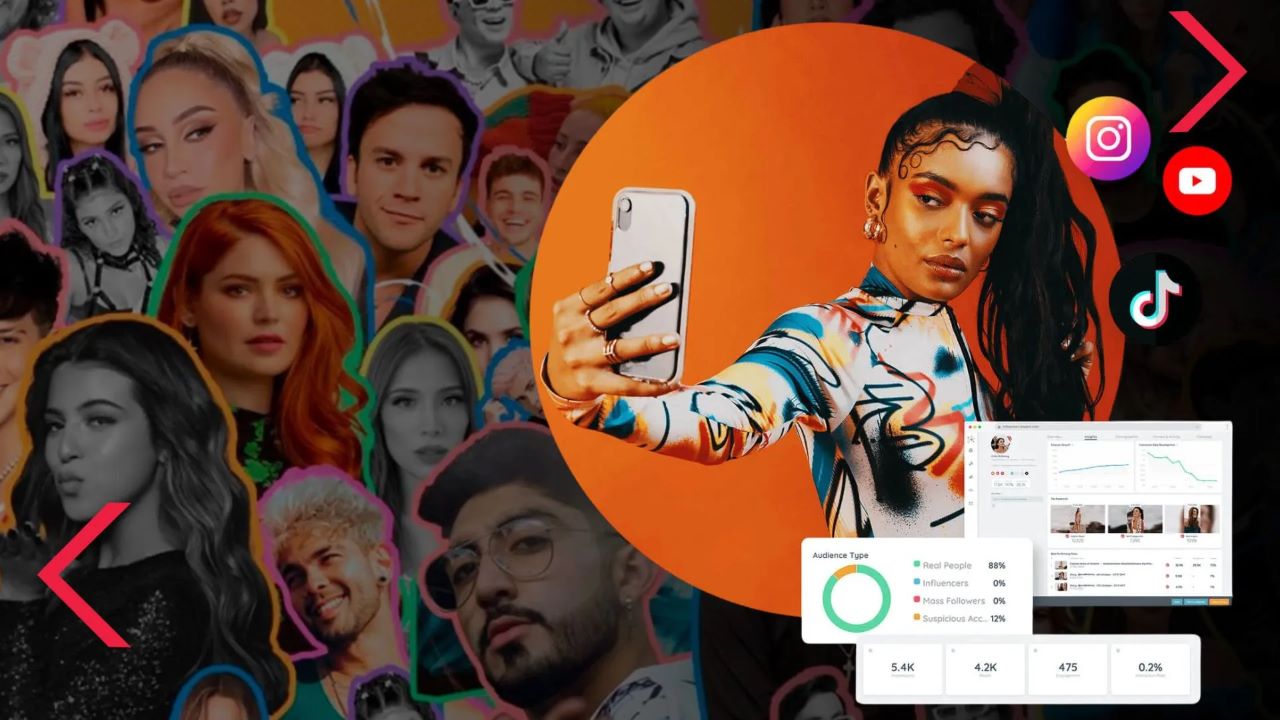
Influencer marketing generates 159% more engagement… and that's not the best part

Las asociaciones con creadores de contenido se están convirtiendo en una necesidad clave para las marcas que buscan impulsar resultados de marketing efectivos. Un informe reciente de TikTok sobre campañas lideradas por influencers revela que el contenido generado por creadores no solo capta la atención de los usuarios, sino que también proporciona estadísticas que destacan… Continúa leyendo “”

Las asociaciones con creadores de contenido se están convirtiendo en una necesidad clave para las marcas que buscan impulsar resultados de marketing efectivos. Un informe reciente de TikTok sobre campañas lideradas por influencers revela que el contenido generado por creadores no solo capta la atención de los usuarios, sino que también proporciona estadísticas que destacan su efectividad. Según los hallazgos, este tipo de contenido genera una tasa de clics un 70% más alta y un 159% más de participación en comparación con anuncios tradicionales que no son liderados por creadores, lo que sugiere una clara ventaja en la estrategia de marketing digital.

More engagement, less spending

As influencer marketing continues to demonstrate its value, consumers are becoming increasingly accustomed to the presence of influencer ads in their feeds, which can saturate the advertising space. This reality makes it crucial for advertisers to adapt their strategies to maximize the impact of their campaigns. The objective need for differentiation highlights the importance of establishing genuine and creative relationships with creators, who often have a deeper connection with their audiences.

Some marketing experts suggest that it is not enough to incorporate a popular creator, but it is essential that the campaigns authentically align with the voice and style of the influencer. This alignment not only enhances the credibility of the message but also increases the chances of conversion. With a constantly evolving and increasingly competitive landscape, advertisers must be clever and strategic in their approach to influencer marketing, maximizing their return on investment in this novel and dynamic advertising platform.

More and more brands are turning to nano-influencers to achieve engagement

In a constantly evolving marketing landscape, nano-influencers, those content creators with fewer than 10,000 followers, are emerging as one of the most effective forces within digital advertising. According to Later’s report from June 2025, these influencers enjoy an impression rate of 34.1%, more than double that of any other category of influence. This data underscores their ability to effectively mobilize audiences, making them attractive to brands looking to maximize their investment. Small but powerful, the relationship between nano-influencers and their followers is notably stronger, which […]

In a constantly evolving marketing landscape, nano-influencers, those content creators with fewer than 10,000 followers, are emerging as one of the most effective forces within digital advertising. According to Later’s report from June 2025, these influencers enjoy an impression rate of 34.1%, more than double that of any other category of influence. This data underscores their ability to effectively mobilize audiences, making them attractive to brands looking to maximize their investment.

Small but mighty

The relationship between nano-influencers and their followers is remarkably stronger, resulting in authentic and meaningful engagement. For brands with modest budgets or those focused on niche audiences, these creators offer exceptional value that enhances audience participation. This makes them an ideal choice for product testing, local campaigns, or fostering grassroots interest.

The report, which covers data from over 2,500 campaigns and a survey of 1,005 content creators, highlights that both nano and micro-influencers are positioning themselves as essential allies in marketing strategies. This aligns with the growing preference of brands to establish more authentic connections with their audiences. Companies are beginning to recognize that a more focused approach on these influencers can result in greater loyalty and a more positive response from consumers.

With an increasingly saturated competitive environment, the use of nano-influencers may be the key for brands not only to reach their target audience, but also to encourage action and conversion in a space where trust and authenticity are increasingly valued.

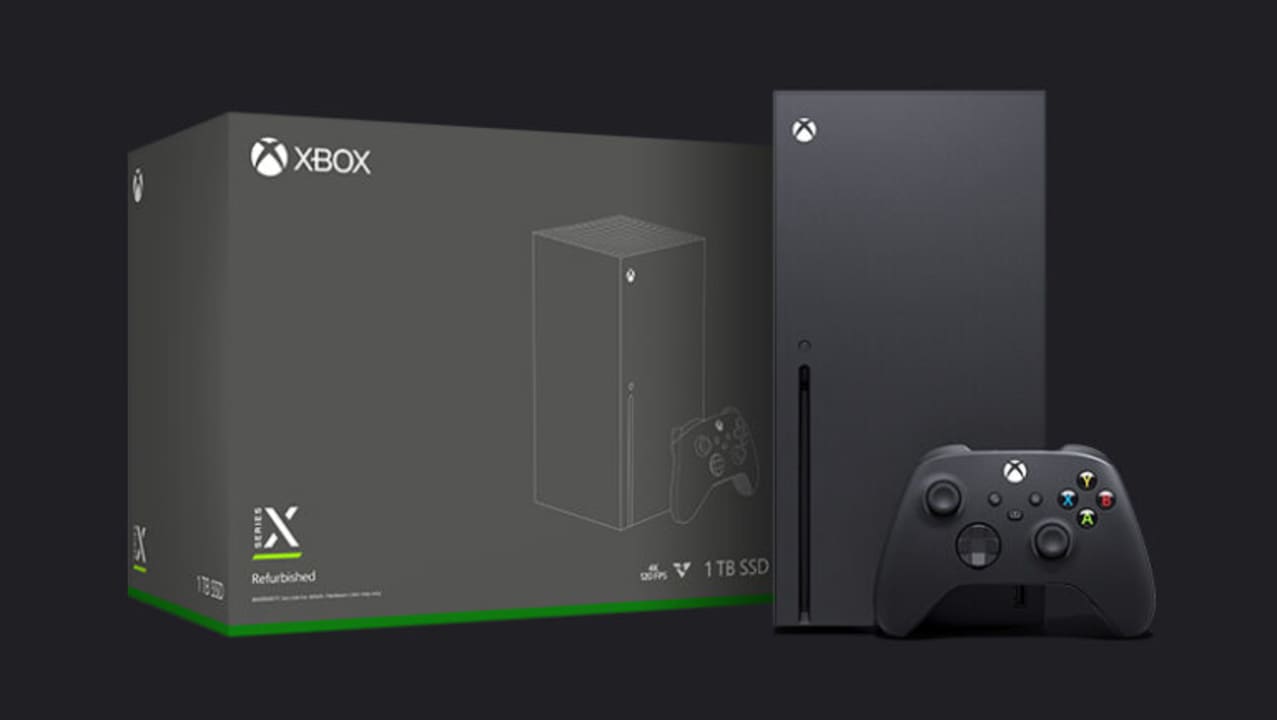
Los fans más fervientes de Xbox están rasgando sus ropas y perdiendo la fe… por un tweet.

It doesn’t prevent rumors (fueled by a simple tweet from Phil Spencer) from causing sadness and frustration among the fandom.

Doom! Sadness! Apocalypse! There may not be many die-hard fans of Xbox, but those who are, continue to fuel the “console war” even now, when it should have long been over. No, we are not in a time where being a Sega or Nintendo fan defined you as a gamer, and exclusives are not as important as to make a big fuss and fight over them. However, that doesn’t stop the rumors (fueled by a simple tweet from Phil Spencer) from causing sadness and frustration among the fandom.

Xbox DOWNLOAD

X-Patriots

It’s normal, mind you: when you base your entire personality on a very specific thing (in this case, Microsoft consoles, but it could be Nintendo or Sony consoles, or any other niche), if you feel like it’s about to break, getting nervous is logical. On February 3rd, the rumor came out that ‘Starfield’, ‘Gears of War’, ‘Indiana Jones’ and other Microsoft exclusives could be released (and continue) on Sony consoles. And, far from thinking “We will all be able to play the same thing”, Xbox fans have thought that a piece of their soul was being taken away from them.

Por otro lado, Spencer ha intentado calmar el fuego usando gasolina, declarando en Twitter “Estamos escuchando y te oímos. Hemos planeado un evento para la próxima semana donde esperamos compartir más detalles contigo sobre nuestra visión para el futuro de Xbox. Mantente atento”. Para muchos, fue un llamado a la calma. Para otros, el símbolo del Armagedón. Lo que está claro es que algo está sucediendo, sea lo que sea, y no a todos les va a gustar.

Microsoft ha hecho una apuesta fuerte comprando exclusivas, pero el retorno no ha sido inmediato ni grande: claramente Xbox Series X/S se está vendiendo menos que PS5 y Switch, y estas son decisiones lógicas para salvar el negocio, pero hay fans en Twitter que afirman cosas como “Me equivoqué todo este tiempo. Xbox no se preocupa por nosotros, hemos estado luchando esta guerra en vano”. Esta guerra. Estos términos. Tremendos.

There are even Youtubers who have cried in front of the cameras and influencers who have claimed not to be able to sleep after finding out that exclusives may not be such if the rumors are confirmed. It is certainly a hill to die on. And all this without having received any explanation yet. Possibly nothing they are thinking is so serious as to cry or worry beyond a “Well, let’s see what happens”, but we live in the age of exaggerated reactions to mundane problems. And the Xbox Apocalypse was not going to be any different, of course.

Xbox DOWNLOAD

Breaking the Influence: Understanding the Rise of De-Influencing on TikTok

From influencers we went to micro-influencers. And from there, to the next logical step: the de-influencers. In other words, the people who tell you why you don’t need a product. Eye.

For years, brands have been paying attention to influencers, those individuals who supposedly have the power to persuade people to consume a product simply by talking about it. And at first, it was something beautiful, almost natural, until money came into the picture. Since then, every recommendation is scrutinized. We went from influencers to micro-influencers. And from there, to the next logical step: de-influencers. That is, people who tell you why you don’t need a product. Watch out.

TikTok DOWNLOAD

Why do you want that? Haha, greetings!

Imagine that, as a brand, you have spent thousands of euros on a campaign for Dulceida and Verdeliss to talk about how much they love your handbag on their Instagram or TikTok. Their speech may sound more or less realistic (since the #ad label is mandatory, less so), but what everyone will interpret as brutal sincerity is the speech of an anti-influencer listing all the reasons why you should save your money. And it’s not easy to recover from such a reality check.

Normally, anti-influencers comment on viral trends, those campaigns that all celebrities participate in, and products that become famous overnight. And don’t think this is just a passing trend: videos under the #deinfluencing hashtag have already accumulated 727 million views on TikTok, which means 727 million potential lost sales.

The idea behind de-influencing is similar to what BeReal aimed for: in a world full of fake recommendations, “here suffering” posts, and posers, showcasing reality serves as an antidote to social media itself. It feels authentic, which is exactly what Generation Z seeks on TikTok. A de-influencer breaks expectations, destroys the real need for a product, ruthlessly crushes virality (especially false virality). They become the voice of the people, those who cannot be bought, the response of a generation to millennial influencers.

Is this an indication that the present is more negative than the past, or that Generation Z is fed up with posing? Or is it simply a testament to how a trend can become popular overnight? When TikTok is studied someday, decades from now, we will likely see how anti-influence marked an entire era. And thankfully so: it was the antidote we needed against collective foolishness.

TikTok DOWNLOAD

Some of the links added in the article are part of affiliate campaigns and may represent benefits for Softonic.

Social Media Disaster: Shein’s Influencer Factory Visit Turns Into PR Nightmare

In view of the bad press it has been receiving lately, Shein invited six influencers to its offices to whitewash its image. Spoiler alert: it didn’t go well.

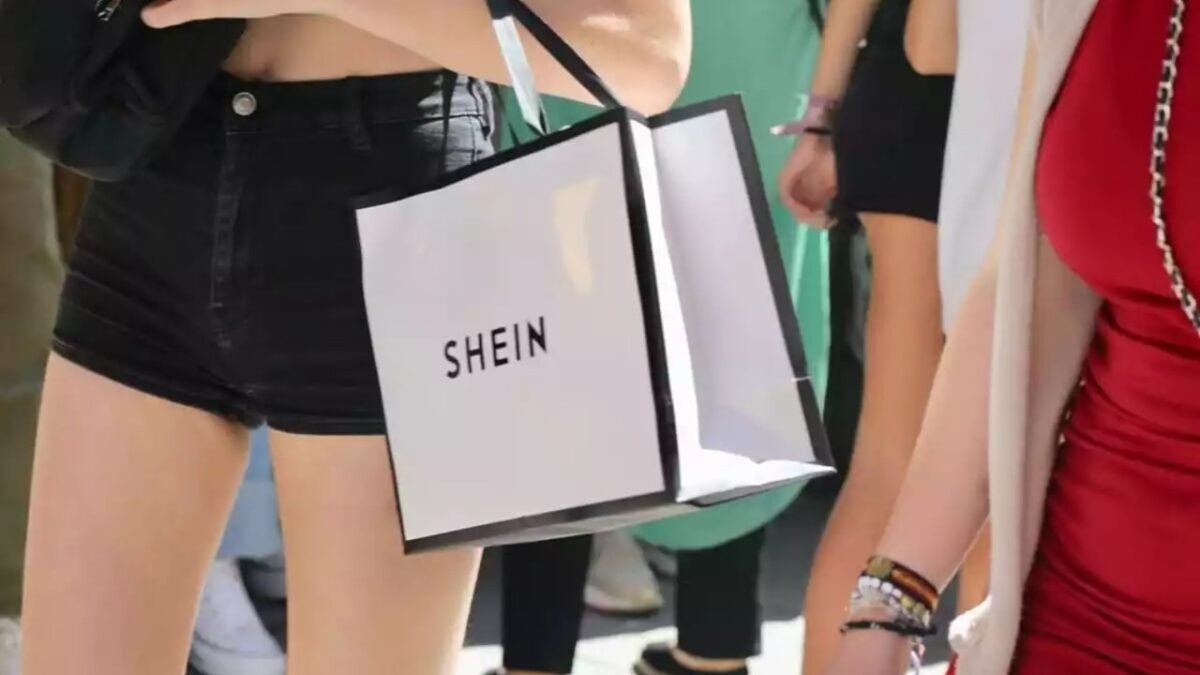
€10 billion. That’s the amount that Chris Xu, one of those billionaires who have managed to fly under the radar, supposedly handles. He accumulates vast sums of money, obviously earned at the expense of the sweat of others. Just to give you some context, he is the CEO of Shein, the fast-fashion company made in China, whose methods are, let’s say, shady. Perhaps that’s why, considering the recent bad press they have been receiving, Shein invited six influencers to their offices to clean up their image. Spoiler: it didn’t go well.

SHEIN DOWNLOAD

Shame on Shein

It was a Channel 4 documentary that sparked the controversy. ‘Inside the Shein Machine’ revealed the reality of one of the Chinese factories, which is exactly as you can imagine: human rights violations (500 garments in 18 hours), unsanitary conditions (they wash their hair during breaks because they even work on Sundays), and so on. A marketing disaster for the brand.

Of course, the company acted offended and invited Dani Carbonari, Marina Saavedra, Aujené, Fernanda Stephany Campuzano, Kenya Freeman, and Destene Sudduth, influencers with varying degrees of prestige, to their factory in Guangzhou. It’s not surprising: Shein has always relied on Instagram and TikTok users by sending them free clothing (the famous “hauls”) in exchange for promotion. So, instead of inviting the TV channel itself or reputable journalists, they did what they usually do and reached out to people who live on the internet.

@shein_us

Get a glimpse of the process of how your purchases are packaged directly from our facility and delivered to your doorstep. Watch as our partners discover the cutting-edge tech that streamlines our operations and receive a hands-on experience in packaging. Stay tuned to the #SHEIN101 series to learn more of what goes on behind the scenes at #SHEIN #SHEINOnTheRoad

♬ original sound – SHEINUS

But the image makeover went terribly wrong, appearing as a staged performance for the cameras, completely different from what was shown on Channel 4. The influencers didn’t hesitate and uploaded very positive TikTok videos, accusing others of “misinformation” surrounding Shein, showcasing how clean their innovation center was or enjoying their time in China. However, their followers saw something that they didn’t notice: it wasn’t a real factory.

In fact, it was just a model they used for the rest of the production. There were no fire extinguishers or emergency exits, and half of the machines were idle. An expert in clothing manufacturers in China, Susan Bailey, detailed in a Twitter thread everything that was wrong with those pure propaganda videos. And there were quite a few issues, starting with the complete absence of individually cut garments, as if it were Louis Vuitton, instead of a place where tens of thousands of dresses are churned out every day at ten euros each.

Certainly, Shein will continue to operate smoothly due to the precariousness of society, but this whitewashing attempt has stirred up a lot of discussion. It’s particularly noteworthy because what people think you’re hiding is always worse than what you’re actually hiding. I’m sure more than a few individuals will think twice before purchasing a beach dress or shirt from there, for whatever reason it may be. Perhaps it’s about supporting human rights, you never know.

SHEIN DOWNLOAD

When Pranksters Prevail: The Epic Haircut Hoax that Fooled a Fortnite Streamer

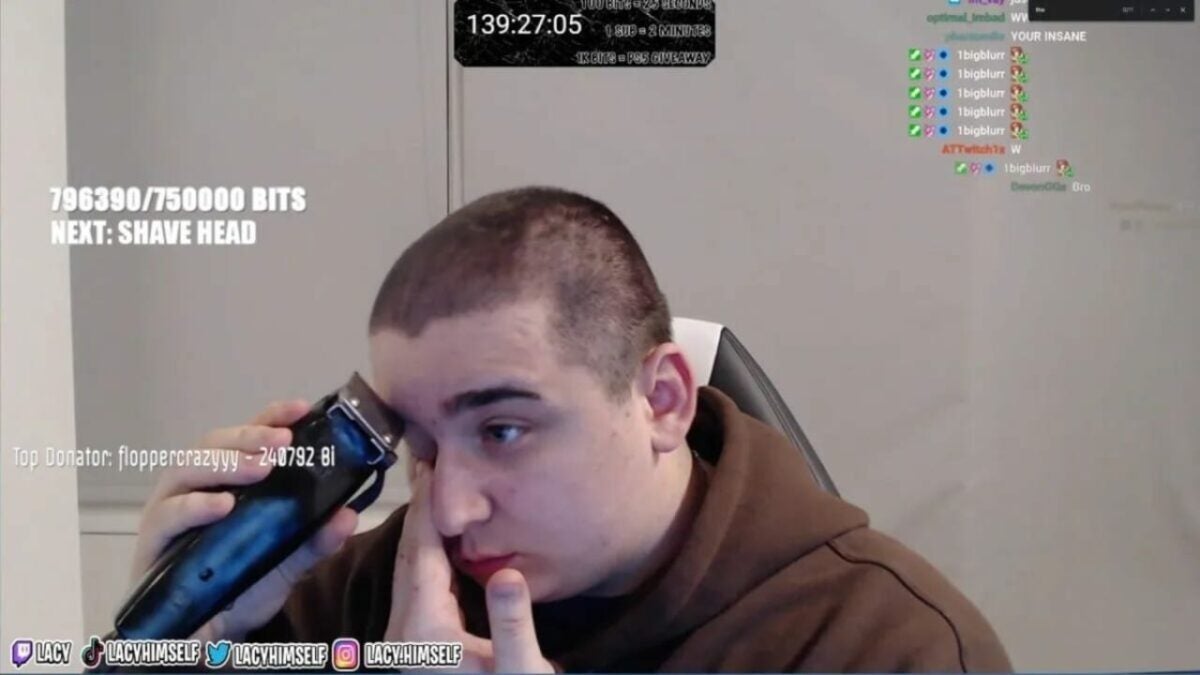
Lacy shaved her head to zero as a strange form of thanks. And at the same time that it did, the user requested a return of the donation.

The world (and the concept, actually) of Twitch is definitely something you couldn’t explain to someone who has never opened the website. Seriously, try explaining to your parents the idea of paying to watch free content of a person reacting to other things. As part of this new kind of begging, streamers are willing to do all sorts of things to make ends meet (after, of course, giving half to the company itself). This is the case of Lacy, a ‘Fortnite’ player who, after what he did, is going to lose his hair.

Twitch DOWNLOAD

Shaved and Shamed

Shaved and Betrayed: Lacy, a prominent ‘Fortnite’ player with 83,000 followers on Twitch, has been making waves in the streaming world. Currently in the midst of an 11-day Bitathon, where he continues to stream as long as viewers donate bits (which essentially means money). However, a week ago, on day 3, someone threw a curveball at him. Instead of a $10 subscription or a modest $100 prize, the viewer offered a whopping $25,092. As a reward for reaching this milestone, Lacy shaved his head down to the skin in an unusual form of gratitude.

Specifically, the amount totaled 251,092 bits. As a reward for reaching this milestone, Lacy shaved his head completely as a strange form of gratitude. However, in the very moment he did it, the user requested a refund for the donation. Ah, the old trick. It turns out it was all part of a well-planned troll: the user deactivated their Twitch account, blocked Lacy on Twitter, and even within ‘Fortnite’ itself. Moreover, apparently, this wasn’t the first time they had done something like this. Spoiler alert: No, Lacy’s hair hasn’t miraculously grown back with the money refund.

Now, Lacy has to keep playing knowing that he has been pranked in every possible way for a good number of days until the chat decides to stop giving him money. Frankly, we all wish we had the problem of earning too much in exchange for shaving our heads. My price starts at 1,500 euros.

Twitch DOWNLOAD

Some of the links added in the article are part of affiliate campaigns and may represent benefits for Softonic.

The Dark Side of Beauty: Brazilian Influencer’s Untimely Death Highlights Dangers of Underground Buttock Surgeries

If the other day we were talking about the Chinese influencer who died drunk from drinking much more liquor than was humanly possible, today it’s time to talk about Lygia Fazio.

Years ago, when jokes started circulating about taking a selfie from the top of a building potentially leading to a deadly fall, or looking at your phone causing you to be run over by a truck, nobody was fully aware of the real level of danger that influencers (and those aspiring to be) could face in their quest to look better in photos or become the most viral in the world. If the other day we talked about the Chinese influencer who died from excessive alcohol consumption, today we need to talk about Lygia Fazio.

Instagram DOWNLOAD

A million followers

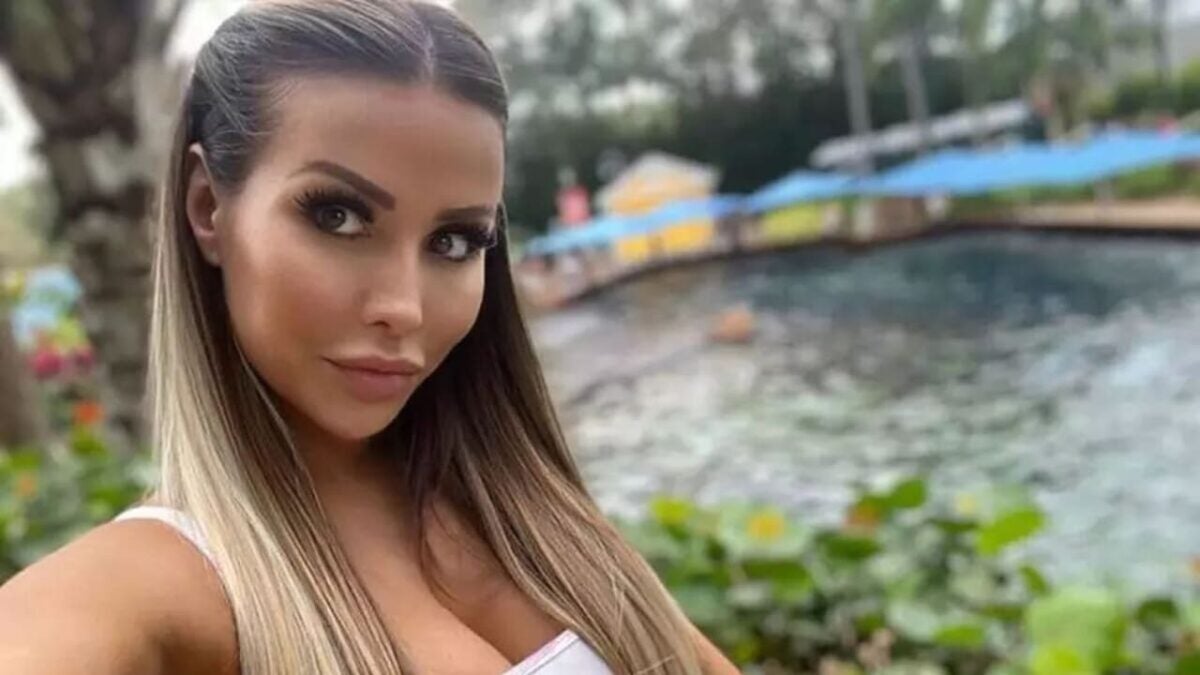
Lygia Fazio, a Brazilian journalist, had 955,000 followers on Instagram, but she wanted to improve her appearance in photos as she entered her forties to feel better about herself, something common among influencers as they age. After all, it’s a demanding job that doesn’t forgive. That’s why she decided to undergo a buttock operation, unaware that it would be her end.

During the surgery, industrial silicone and polymethyl methacrylate, both prohibited in Brazil for such procedures, were injected into her body. Things went wrong, they spread throughout her body, causing multiple infections, and ultimately leading to a stroke that ended her life after years of battling against this medical negligence. It seems that Fazio had a penchant for underground aesthetic clinics, which had previously worked out for her.

It should be noted that the first news of influencers (or Instagram culture) dying due to carelessness dates back to 2011 when three teenagers posed in front of a Union Pacific train to upload the photo on Facebook, along with the caption “Standing in front of a train! Hahaha, this is amazing!”. Since then, the list has become unmanageably long, giving us an idea that perhaps obsessing over physical appearance has always been a mistake. It may be entertaining, but it’s still a mistake.

By the way, the highest number of people killed at once while seeking the best photo was 11 in India during July 2021. In the midst of an electrical storm, they approached a tower where a lightning bolt had just struck, hoping to capture another strike for a spectacular shot. They got the first part, not the second, of course. Be careful with your ego!

Instagram DOWNLOAD

Some of the links added in the article are part of affiliate campaigns and may represent benefits for Softonic.

Tragic Live Streaming Incident: Chinese Tiktoker Drinks Himself to Death in Shocking Event

Dying for fifteen seconds of video, something that could only happen in 2023. And yet, here we are.

It’s surprising that at this stage of life, we still have to explain it, but… Drinking excessive alcohol, especially when it exceeds a certain level of alcohol content, is not good. Putting your life at risk for a TikTok challenge based on consuming such type of alcohol is even worse. Dying for fifteen seconds of video, something that could only happen in 2023. And yet, here we are.

TikTok DOWNLOAD

A glass of wine doesn’t hurt

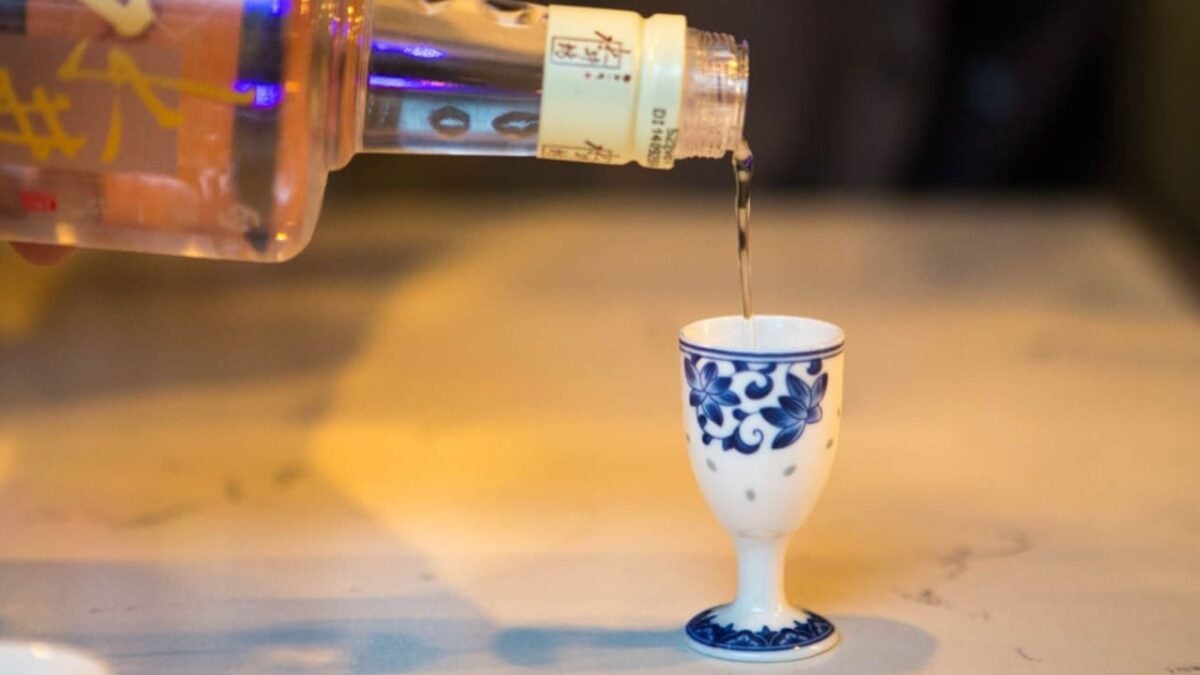
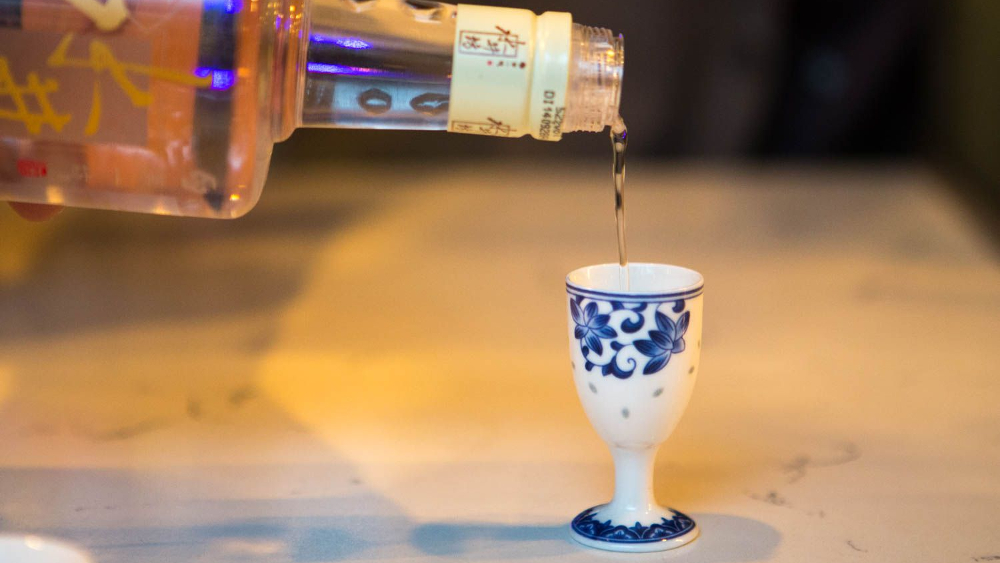
Let’s start by talking about Baijiu, a Chinese distilled liquor that has an alcohol content ranging from 28% to 65% and, despite being rarely consumed outside of China, outsells any other spirit: five billion liters annually, which is three times the total vodka consumption on the planet. It is a cheap yet influential liquor in China, where it is a tradition to serve the highest-quality Baijiu to judge someone’s loyalty before starting a business. According to Chinese culture, you only truly know someone when they are drunk.

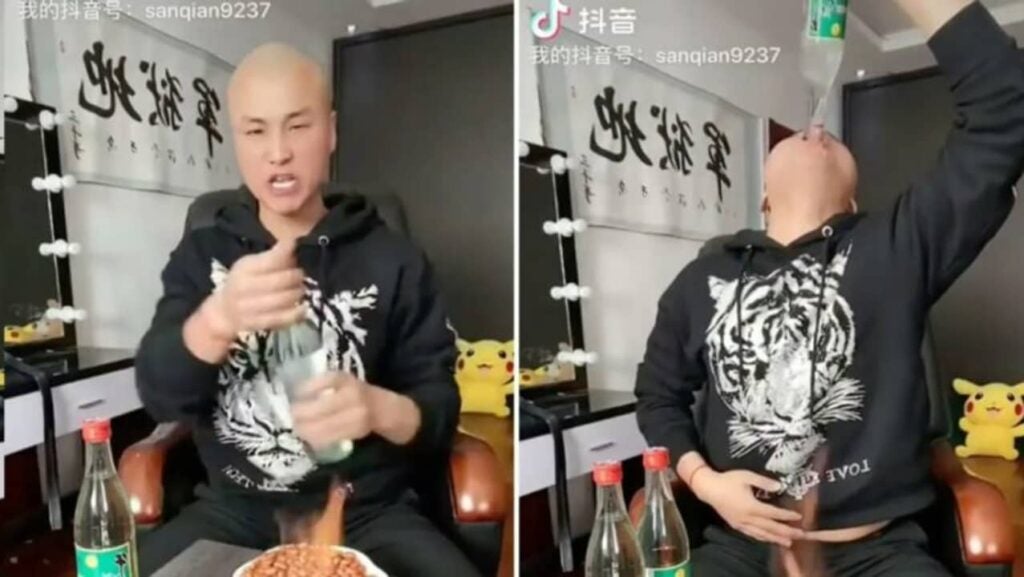
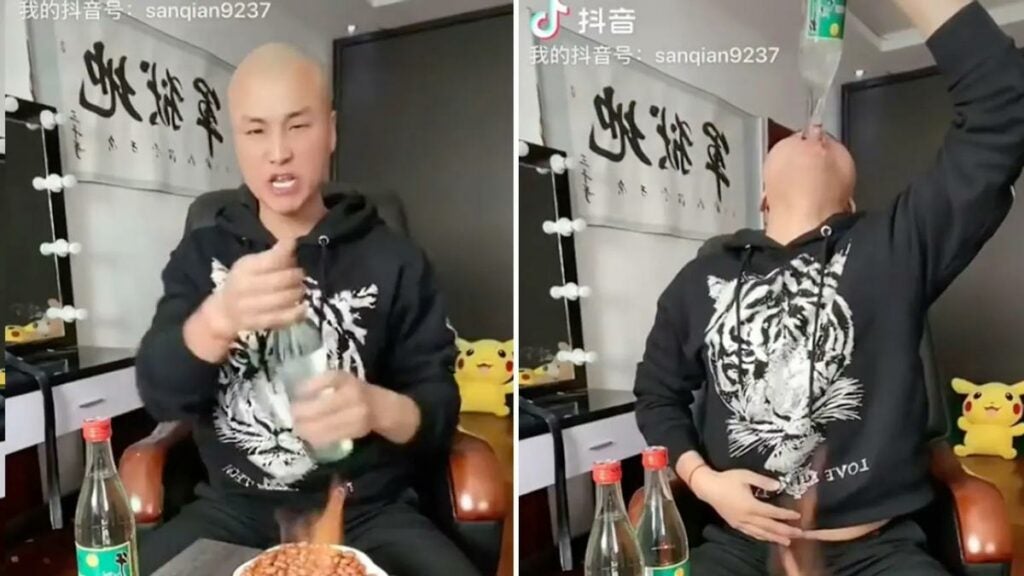
However, this wasn’t the experience for Sanqiange, a Chinese influencer also known as “Brother Three Thousand,” who on May 16th participated in a live stream on Douyin, the country’s version of TikTok that cannot be downloaded in the rest of the world. During the livestream, Sanqiange took part in something called a “PK,” a dare game where he rapidly consumed at least four bottles of Baijiu, one after another.

The livestream ended at 1 a.m., and he went to sleep. Twelve hours later, when his family found him, he was dead. Sanqiange’s death is shocking because doing livestreams while drinking was not something new for him; it was part of his regular content, similar to the “King’s League” in Spain or going to Andorra.

The death of Wang, the person behind the name, has sparked a debate about what streamers can or cannot do and how to regulate an industry that is both lucrative and young. It highlights the challenges of navigating a multimillion-dollar industry that is still relatively new, and the mixture of these factors can result in unfortunate outcomes like this.

Un Tiktoker chino bebe hasta morir en un directo… y le descubren 12 horas después

Morirte por quince segundos de vídeo, algo que solo podía pasar en 2023. Y, sin embargo, aquí estamos.

Sorprende que a estas alturas de la vida tengamos que explicarlo, pero… Beber alcohol en exceso, sobre todo cuando pasa de cierta graduación, no es bueno. Poner en riesgo tu vida por un reto de TikTok basado en beber ese tipo de alcohol, aún peor. Morirte por quince segundos de vídeo, algo que solo podía pasar en 2023. Y, sin embargo, aquí estamos.

TikTok DESCARGAR

Una copita de vino no hace daño

Hablemos primero del Baijiu, un licor destilado chino que tiene una graduación de alcohol entre el 28% y el 65% y que, sin apenas consumirlo fuera de su país, vende más que cualquier otro espirituoso: cinco mil millones de litros anuales, o lo que es lo mismo, tres veces todo el vodka que se toma en el planeta. Se trata de un licor barato pero tan influyente allí que, antes de empezar un negocio, los miembros tienen como tradición servir Baijiu del más alto nivel para juzgar su lealtad: según la cultura china, solo conoces a la otra persona cuando está borracha.

Esa no es la experiencia de Sanqiange, un influencer chino también conocido como “Brother Three Thousand”, que el 16 de mayo participó en un directo en Douyin, el TikTok del país, en una versión de la app que no puede descargarse en el resto del mundo. Durante la retransmisión, Sanqiange participó en algo llamado PK, un juego de atrevimientos en el que se ventiló él solo al menos cuatro botellas de Baijiu, una detrás de otra.

El directo terminó a la una de la mañana y entonces se fue a dormir: doce horas después, cuando su familia se lo encontró, estaba muerto. La muerte de Sanqiange es sorprendente porque lo de hacer directos donde se chuzaba no eran una novedad, sino parte de su contenido habitual, como puede ser en España la King’s League o marcharse a Andorra.

La muerte de Wang, la persona tras el nombre, ya ha impulsado un debate sobre lo que pueden o no pueden hacer los streamers y cómo se puede regular una industria al mismo tiempo multimillonaria, novata y joven, tres adjetivos cuya mezcla solo puede dar como resultado cócteles como este.