The passing of Hideki Sato at the age of 77 has left a deep mark on the video game industry. Known as the “father of Sega consoles,” Sato was a key leader in the development of the machines that would challenge Nintendo’s supremacy in the video game console market. His career at Sega began in the 1970s, where he contributed to early arcades like MonacoGP and Turbo. The creator of the architecture of Sega consoles From 1983 to 2001, Sato led the engineering teams behind all the consoles […]
The passing of Hideki Sato at the age of 77 has left a deep mark on the video game industry. Known as the “father of Sega consoles,” Sato was a key leader in the development of the machines that would challenge Nintendo’s supremacy in the video game console market.
His career at Sega began in the 1970s, where he contributed to early arcades like MonacoGP and Turbo.
The creator of the architecture of Sega consoles
From 1983 to 2001, Sato led the engineering teams behind all Sega consoles, including the SG-1000, Mega Drive, Saturn, and Dreamcast. Although the Dreamcast did not achieve the expected commercial success, it is remembered today as a pioneer of innovation in consoles, hosting iconic titles such as Phantasy Star Online, the first successful MMORPG on a console.
This machine incorporated experimental features, such as the VMU, which combined a memory card with a second screen.
After the death of Isao Okawa in 2001, Sato rose to the presidency of Sega and oversaw the complex transition of the company from hardware to software, leading to the merger with pachinko manufacturer Sammy in 2003. In 2008, Sato left the company for good, but his legacy endures in Sega’s catalog, now a strong video game developer that hosts iconic franchises like Sonic the Hedgehog and Yakuza.
The news of his passing was reported by outlets such as VGC and Beep21, who emphasized Sato’s influence on video game culture. His commitment to innovation and his leadership during a critical period for Sega are remembered with great respect by fans and industry colleagues. With his departure, an important chapter in the history of digital entertainment comes to a close.
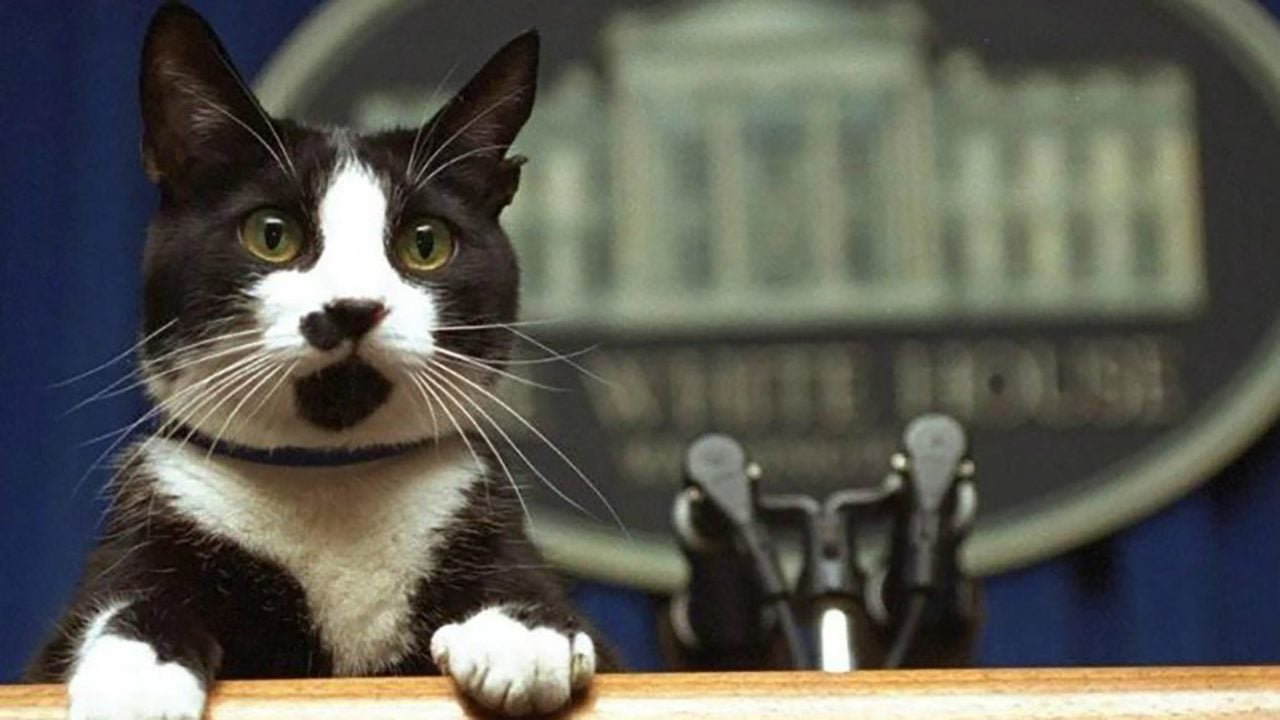
In 1993, Bill Clinton became the 42nd president of the United States, and he was a breath of fresh air compared to George Bush, his predecessor: he played the saxophone, made jokes, was not yet 50 years old, and had an incredible approval rating, even despite his scandal with Monica Lewinsky, which made headlines around the world. However, in the early days of his presidency, before that, the general public was talking about something very different: the president’s cat, Socks. What do you want, there was no TikTok, people had to have fun somehow. A jazz cat
In 1993, Bill Clinton became the 42nd president of the United States, and he was a breath of fresh air compared to George Bush, his predecessor: he played the saxophone, made jokes, was not yet 50 years old, and had an incredible approval rating, even despite his scandal with Monica Lewinsky, which made headlines around the world. However, in the early days of his presidency, before all that, the general public was talking about something very different: the president’s cat, Socks. What can you say, there was no TikTok, so people had to find ways to have fun.
A Jazz Cat
It is said that cats decide who their future owner will be, and the case of Socks is paradigmatic: in 1991, when the cat was two years old, he jumped into the arms of Chelsea Clinton while living in Little Rock, and immediately fell in love with her. He was a cat born for glory from his very name, which came from the novel Socks, by Beverly Cleary, in which the protagonist must face the arrival of a baby in his home. This is something that did not happen to the Clinton’s cat, who, two years after being adopted, went to live in the very White House with the family. Finally, a hut worthy of a cat.
Socks had his own animated version on the White House website, attended all kinds of inaugurations, was the co-star of Hillary Clinton’s book Dear Socks, Dear Buddy, had his own comic (Socks goes to Washington), had his own Muppet interviewed by Kermit, and even starred in an episode of Murphy Brown about his supposed disappearance. In the mid-90s, in the United States, Socks became an overnight pop culture star.
And, of course, how could a star survive in the 90s without its own video game for Super Nintendo and Mega Drive? Done and done: Realtime Associates, which had made games like Beavis and Butthead or Captain America and the Avengers, got to work to create Socks the Cat Rocks the Hill, with the aforementioned cat as the absolute protagonist in a classic platformer of the time. In the game, Socks had to warn the Clinton family about the theft of the device to launch a nuclear missile, and to do this, he traversed all of Washington among politicians, journalists, spies, and much more. Even Nintendo, which hated to include politics in its games, ended up accepting it! So, what happened?
Socks the Cat Rocks the Hill was practically finished, with 11 levels already designed and the boss fights (other politicians and even the pets of other presidents) more than thought out. And at that moment, Kaneko, who was going to distribute the game in the United States, closed its offices in the country, forcing the cancellation of finished titles like this one or Fido Dido. And the game, despite already having some reviews from specialized media, disappeared… until 2011, when a private collector, Jason Wilson, bought the prototype and showcased it on YouTube. The game changed hands until it reached Tom Curtin, who decided to launch it via Kickstarter: on February 1, 2018, finally, everyone who wanted to could play one of those cursed video games that no one believed really existed.
You may be wondering what happened to the real Socks, and his ending is not so fun: as he did not get along with Buddy, the family dog, when it was time to move out of the White House to make way for the next president (George W. Bush), the Clintons left the cat with their secretary, Betty Curie, who took him to her home in Maryland where he lived with her husband until 2009, when he died of cancer at the age of twenty. Twenty years! Sadly, Socks had already ceased to be a cultural icon by then, but at least he will always be immortalized as bits on a screen. Meow a stone.
Nintendo Switch Online continues to expand its catalog of retro games, becoming one of the main reasons to subscribe to the service. Although Nintendo itself supplies the bulk of these games, there are also interesting additions from people outside the big N. This is demonstrated by the new Mega Drive games that have already arrived on the service. Vectorman is a classic platform game from the console that, although not as well-remembered today, gracefully combines action with platforming. Narc offers us the classic action of games like Contra, taking it […]
Nintendo Switch Online continues to expand its catalog of retro games, becoming one of the main reasons to subscribe to the service. Although Nintendo itself supplies the bulk of these games, there are also interesting additions from people outside the big N. This is demonstrated by the new Mega Drive games that have already arrived on the service.
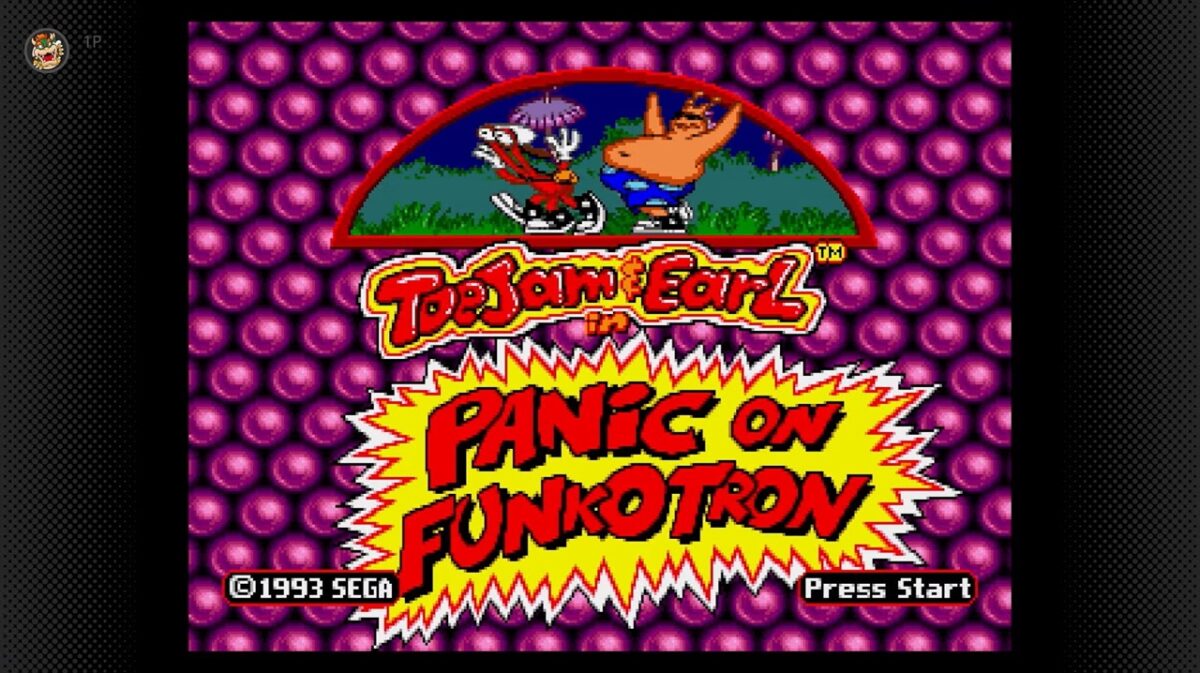
Vectorman is a classic platform game from the console that, although not as remembered today, gracefully combines action with platforms. Narc offers us the classic action of games like Contra, taking it to a top-down view, in a style of play just as frenetic, though a bit different. And Toejam & Earl in Panic on Funkotron is a cult classic, sequel to ToeJam & Earl, which, although not as good as the original, is very enjoyable in co-op.
The result is three good additions to the Nintendo Switch Online collection, offering a good dose of nostalgia for those who had a MegaDrive in their childhood. Or some interesting games to discover for those who never got to know them.
Mega Drive has never been as accessible as it is now
If you are interested in any of these three games, they are now available on Nintendo Switch Online. You only need the basic subscription to play Mega Drive games, so you have no excuse not to give them a try.
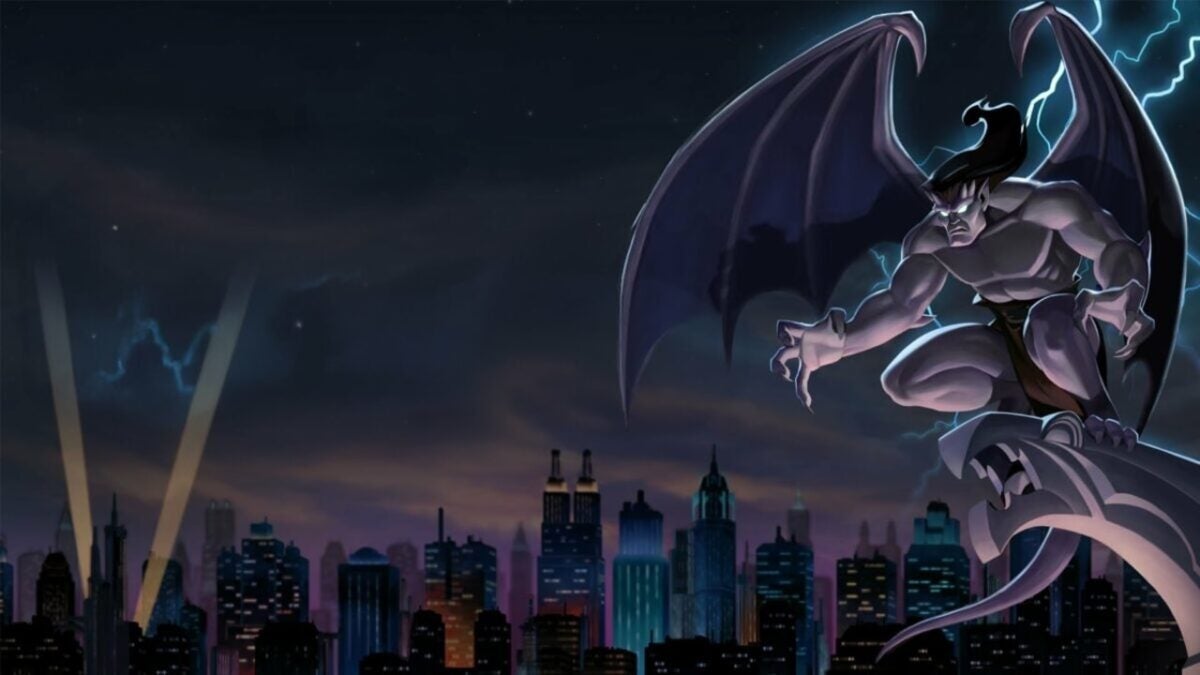
Gargoyles, the famous animated series from the 90s, returns in the form of a remastering of its Megadrive video game that looks spectacular.
Some works manage to transcend and become generational. These are works that define a generation and are remembered by a large part of the people who lived during the time of their creation, either directly or indirectly, due to the significant impact they had on culture. It doesn’t matter if they had or didn’t have a later impact on culture or other generations. If a work had a significant impact on a generation, that’s enough to make it generational. And that’s the case with Gargoyles, mythological heroes.
The legendary animated series from Disney, created by Frank Paur and Greg Weisman, is a series that many people hold dear for obvious reasons. Based on Arthurian myths and the works of Shakespeare, it created a unique universe of gothic horror suitable for children. It even made its way to consoles in 1995 in the form of a more than competent action platformer for the SEGA Mega Drive.
Now Disney announces an HD remaster of this classic. Available on October 19th, with versions for Nintendo Switch, Xbox One, PlayStation 4, and PC, it will be sold in digital format for a price of 14.99 euros.
The game’s main attraction is, as it couldn’t be otherwise, a profound change in the graphics. With a cell-shaded style that strongly resembles the animated series, the game looks absolutely stunning. But that’s not all it includes. With a button to switch between the new and original graphics at any time, the instant rewind feature, and quality-of-life improvements, it promises to be the definitive version of this SEGA Mega Drive generational classic.
Furthermore, if you want to have it in physical form, you’re in luck: Limited Run has announced that they will publish three physical editions. The standard edition, which includes only the game, will cost $34.99. The classic edition, which comes in a special VHS box and includes a steelbook, will cost $69.99. And the collector’s edition, in addition to everything mentioned above, will contain a larger box that plays phrases from actor Keith David, who voiced the series protagonist Goliath, a certificate of authenticity, a pin, and a Goliath figure. Reservations for all these editions have already opened and will close on October 22nd.