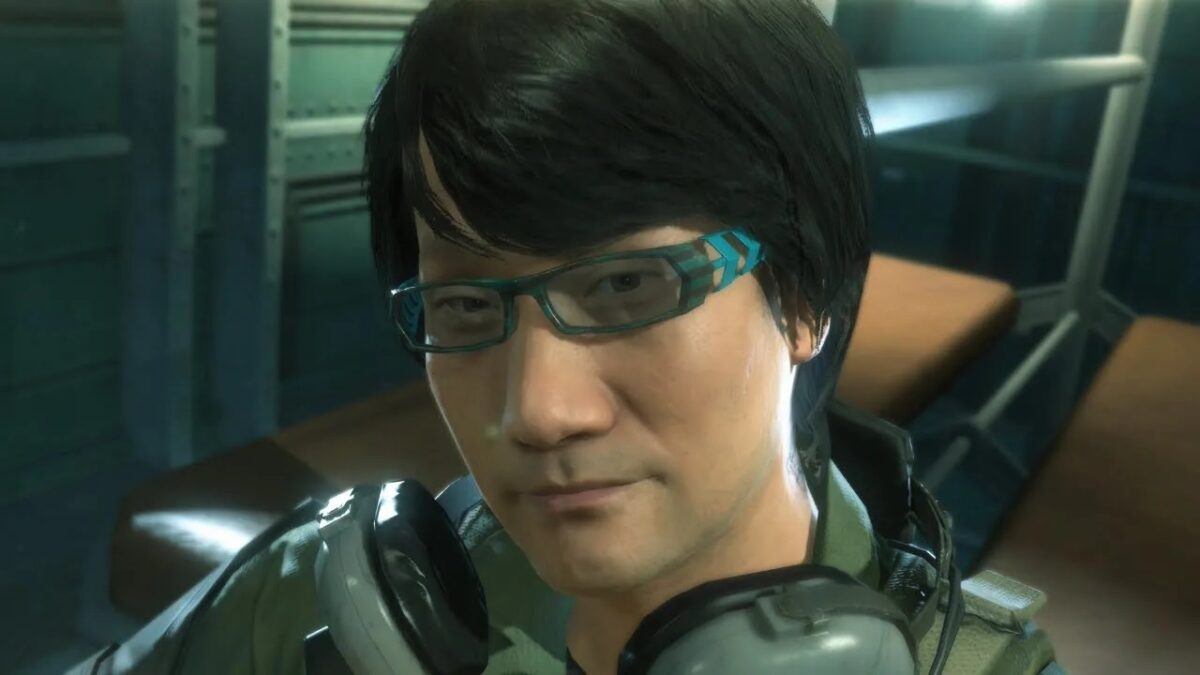
Hideo Kojima is undoubtedly one of the most iconic names in the video game industry, primarily known for his work on the Metal Gear Solid series. Although he has taken a new direction with projects like Death Stranding, Konami has decided to keep the legacy of Metal Gear alive through remakes like Metal Gear Solid Delta: Snake Eater. This remake aims to be a faithful update of the original, preserving the narrative, structure, and voice acting while introducing improvements in gameplay.
He believes the game is perfect just the way it is
The trend of developing remakes in the video game industry is on the rise, driven by the long history of gaming culture and the desire to present classic titles to new generations. Noriaka Okamura, producer of the Metal Gear series, has explained that remakes allow for the reintroduction of old works in a modern context without distorting their essence. This not only aims to preserve the legacy of these titles but also responds to commercial interests, as they mitigate risks by leveraging previously successful titles in an increasingly costly video game production climate.
Okamura argues that a key essence of a successful remake is knowing how to discern which elements should remain unchanged and which should be adapted to capture the interest of contemporary audiences. While some might argue that remakes could lead to a lack of innovation in the industry, he believes that, if developed with a long-term strategy, they can serve as the first step towards new innovations.
In this context, Metal Gear Solid Delta emerges not only as a tribute to a classic, but as a reminder of the importance of remakes in the evolution of the medium and their ability to connect the past with the future of interactive entertainment.