
Midjourney, the emerging image generation platform powered by artificial intelligence, has presented its first response to the lawsuit filed by Disney and Universal. At the center of this controversy is the accusation from the studios, which accuse Midjourney of vast, intentional, and ongoing copyright infringement. The lawsuit was filed in June and claims that the company has used protected works without permission to train its AI model, sparking an intense debate about copyright in the context of artificial intelligence.
I protest, Your Honor!
In its defense, Midjourney argues that the studies do not have the legal power to prohibit the training of artificial intelligence with their works. This argument is set against a broader backdrop of discussions about how emerging technologies, such as artificial intelligence, interact with existing intellectual property laws. Midjourney’s response suggests that technological advancements must coexist with copyright, although the details of this interaction are still evolving.
The persistent efforts of Disney and Universal to curb the unauthorized use of their works reflect a growing concern in the entertainment industry. This concern intensifies as more AI platforms are integrated into creative processes, and the legal boundaries regarding the use of protected content become increasingly blurred. Midjourney, for its part, has positioned itself as an innovative player in the field, raising questions about the future of artistic creation in the digital age.
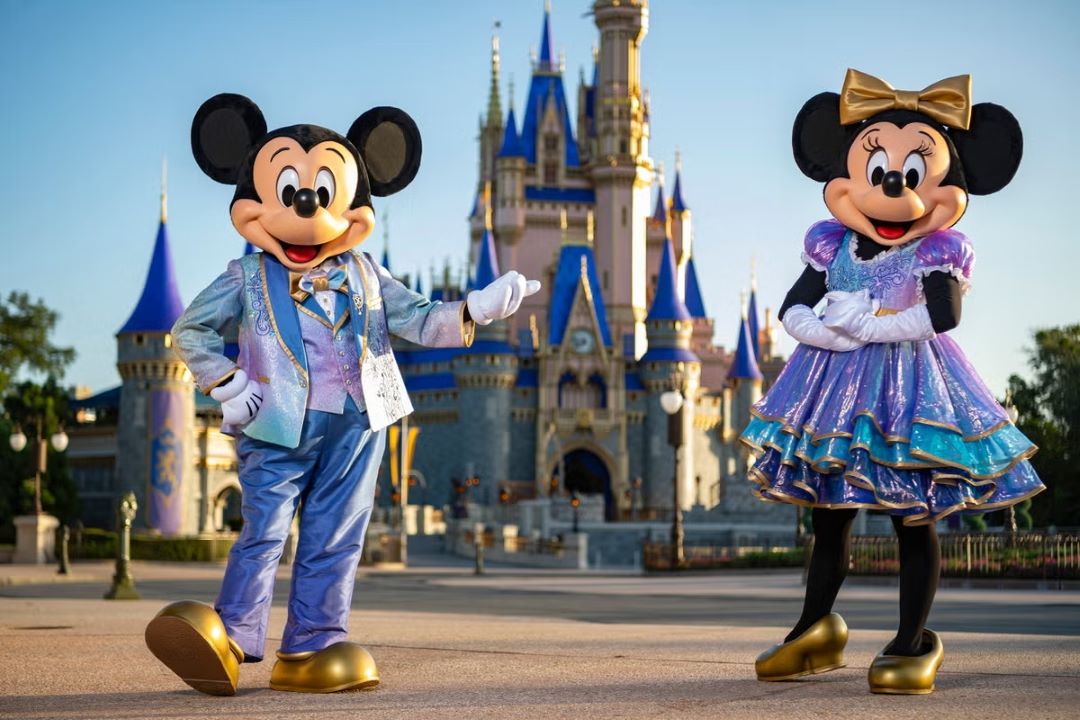
As this case progresses, it is expected to serve as a significant reference for future legal disputes related to artificial intelligence and copyright, in addition to opening a broader debate about the role of large corporations in overseeing technological development. The industry is closely watching the outcome of this legal battle, which could determine the regulatory framework that will guide the interaction between digital art and artificial intelligence.