Microsoft is planning to launch a portable device under the Xbox brand by the end of this year, in collaboration with a well-known PC gaming company, possibly ASUS or Lenovo. This device, internally known as Keenan, resembles the Lenovo Legion Go S and will run on the Windows operating system, providing access to the Microsoft Store and PC Game Pass, suggesting a robust gaming experience for users. Microsoft’s next console could arrive very soon. The launch of the portable device is conceived as a test for the next generation of equipment […]
Microsoft is planning to launch a portable device under the Xbox brand by the end of this year, in collaboration with a well-known PC gaming company, possibly ASUS or Lenovo. This device, internally known as Keenan, resembles the Lenovo Legion Go S and will run on the Windows operating system, providing access to the Microsoft Store and PC Game Pass, suggesting a robust gaming experience for users.
The next Microsoft console could arrive very soon
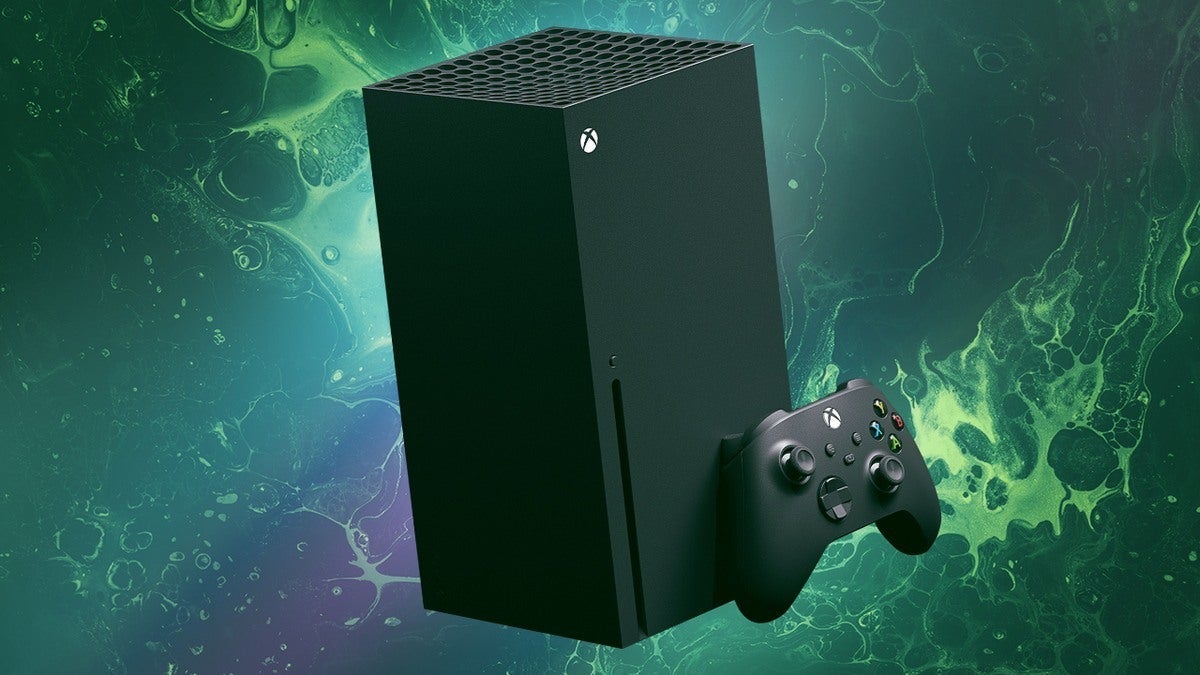
The launch of the portable device is conceived as a test for the next generation of Xbox equipment, which is expected to arrive in 2027 as the successor to the current Xbox Series X. Phil Spencer, CEO of Microsoft Gaming, has mentioned that a portable Xbox model is “a few years” away and has emphasized the need for innovation for the new Xbox hardware. This approach is part of a broader strategy to strengthen the Xbox brand in an increasingly competitive market.
Although the product launch timeline could be altered as Microsoft moves forward with its plans for the future of Xbox, the intention to launch a portable device this year could serve as a “test drive” to check the viability of the project. Despite this, the details about the associated company have not yet been officially confirmed, which has led to some rumors also mentioning brands like Razer or MSI as possible collaborators.
The idea of a portable Xbox device has been a recurring topic in industry conversations, especially considering that the hardware of the next Xbox needs to be more innovative, according to Spencer. At the same time, there are rumors suggesting that the next model of Xbox could be scheduled for release in 2026, although this realignment of plans has not yet been confirmed by Microsoft.
PlayStation Vita lives. In our hearts. Sony’s handheld didn’t sell much, but it was a great console. Those of us who had it can vouch for it. Even today, it remains one of the best handheld consoles that have ever existed. And it’s no surprise that later Nintendo and Valve took notes from it to make their own handheld consoles. Nor is it surprising that Sony has decided it’s a good idea to return to the handheld console market. According to several reliable sources. Bloomberg mentioned last November that Sony was developing a new handheld console. Still only in […]
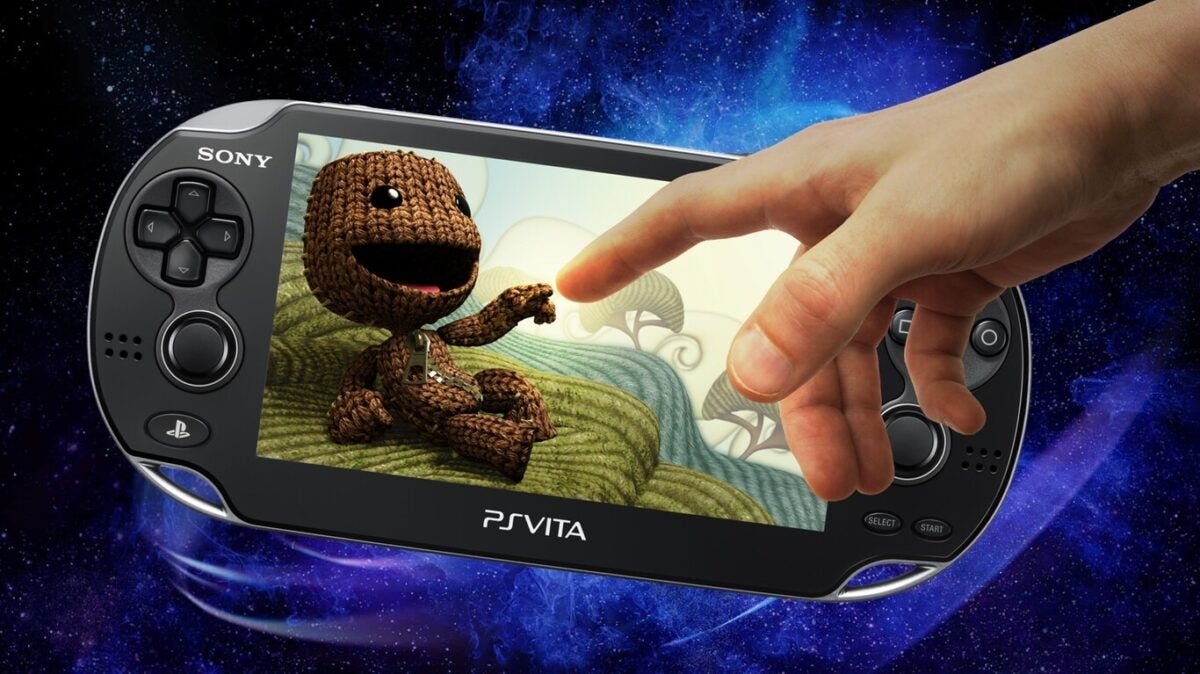
PlayStation Vita lives. In our hearts. Sony’s handheld didn’t sell much, but it was a great console—those of us who had it can attest to that. Even today, it remains one of the best handheld consoles that has ever existed. It’s no surprise that Nintendo and Valve later took notes from it to make their own handheld consoles. Nor that Sony has decided it’s a good idea to return to the handheld console market, according to several reliable sources that have already confirmed it.
Bloomberg commented last November that Sony was developing a new portable console, after realizing that there was a market for portable devices. Still only in the prototyping stage, this was due to the success of PlayStation Portal. It seems they are not the only ones who have heard that information, as other media outlets are joining in to confirm the news.
Last Monday, in their podcast DF Direct Weekly #191, Digital Foundry confirmed that they had heard the rumors that Sony was working on a portable console weeks ago. If they hadn’t commented on it, according to John Linneman, it’s because “we’re not in the business of leaking things.” He also mentioned that “it’s interesting that the news has finally started circulating, because it confirms what we had already heard.”
Sony is not the only one interested in portable consoles
Although they have not been able to provide many more details, it seems that there may already be a prototype of the console, or at least, a concept of what they are looking for. Considering that Sony has already made two handhelds in the past, the PSP and the PS Vita, not counting the Portal device, it would not be surprising if they have made more progress than we imagined.
For now, all we know is that they are interested and their idea is for it to be a console capable of running PlayStation 5 games. This also coincides with Microsoft’s interest in making a portable console, undoubtedly due to the success of Valve, Rog, and Nintendo, with their portable consoles. It seems they are experiencing a second life that is not close to ending.
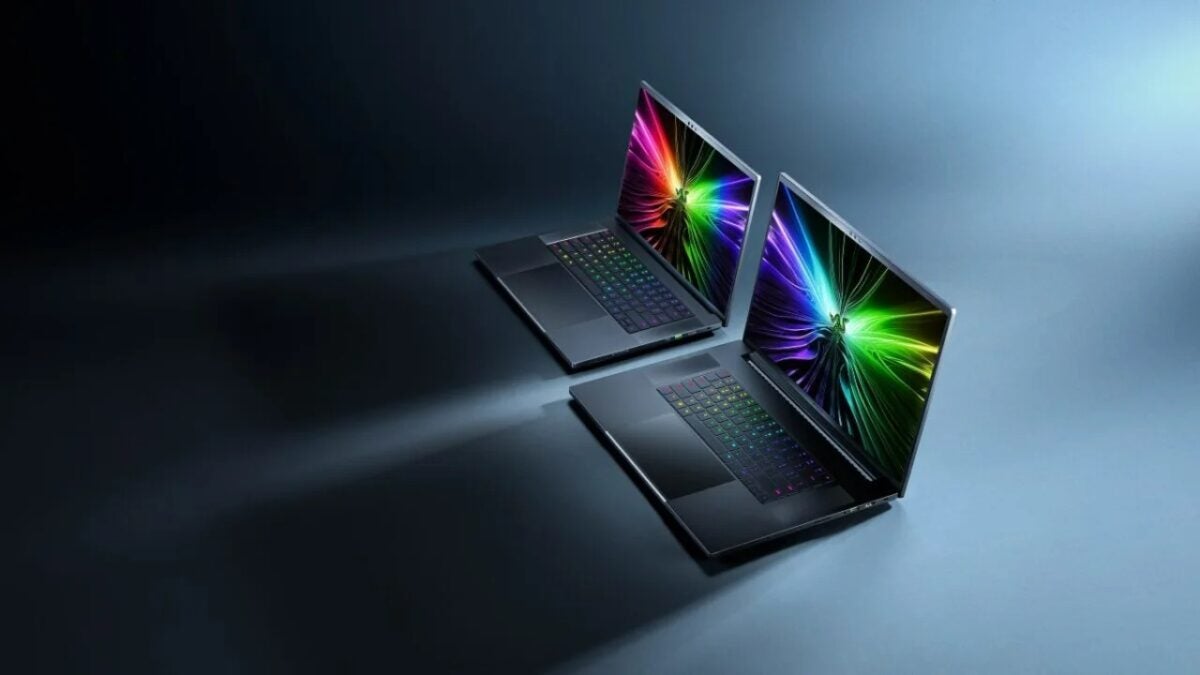
The Razer Blade laptop line has been one of the best in the gaming industry for years, and this 2024 brings new features to the Blade 16 and Blade 18 lines. This is commendable, considering that the 2023 models were among the most impressive (yours truly got to analyze the Razer Blade 18).
For all those who are thinking of changing their laptop this 2024, here we present the Razer Blade 16 and Razer Blade 18, with their features and specifications. Without further ado, let’s get started:
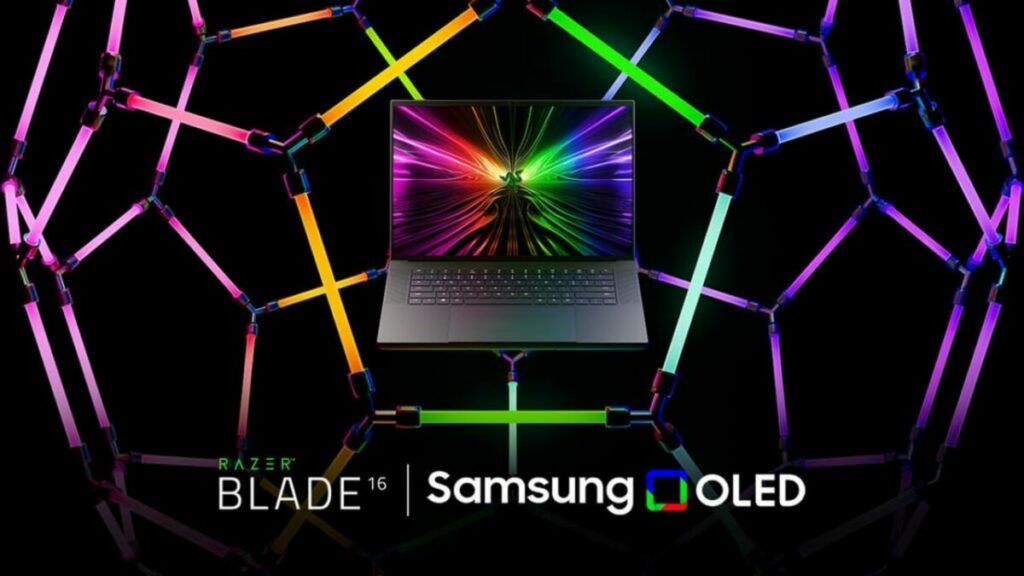
Developed in collaboration with @SamsungDisplay, the new Razer Blade 16 features the world’s first OLED 240 Hz 16” display. Witness speed, accuracy, and quality like never before with the next evolution in gaming display technology. Tune in to our CES Livestream from RazerStore… pic.twitter.com/G602mqaFbL
Razer Blade 16: first laptop with 240 Hz OLED display
For those who don’t want to carry a 4 kg laptop with a huge size, the 16-inch model is the chosen one. Additionally, as we mentioned in the highlight, we are talking about the first 16″ OLED display that reaches 240 Hz on a laptop.
This is what Razer highlights about their new laptop:
Exceptional speed and precision: With a refresh rate of 240 Hz and a response time of 0.2 ms, it allows for higher accuracy rates and reduced activation times.
Excellent image quality: With QHD+ resolution (2,560 x 1,600 px), it offers vivid and immersive gaming images.
Crystal clear clarity: The Blade 16 is also the world’s first laptop with VESA ClearMR™ 11000 certification. This certification guarantees minimal blur and maximum sharpness.
Deep contrast and colors: With a contrast ratio of 1M:1 and VESA DisplayHDR True Black™ 500 certification, it provides stunning depth and a realistic color experience.
Razer Blade 18: the world’s first 18″ 4K 165Hz display
And for those who don’t want to use an external monitor, but only use the laptop screen, the Razer Blade 18 aims to be the model you end up putting in the shopping cart.
This is the world’s first 18″ 4K screen with 165 Hz. As the most powerful Blade in the range, Razer is able to take advantage of all the capabilities of such a high resolution to provide gamers and creators with an impressive visual experience:
Ultra-high resolution: 4K clarity provides unparalleled detail and sharpness on larger screens. This additional space offers gamers a more immersive experience and creators the space to comfortably adjust every detail.
High refresh rate: A 165 Hz refresh rate ensures smooth and fluid gameplay. This smoothness not only enhances the gaming experience but also the overall feeling when browsing or performing everyday tasks.
3 ms response time and NVIDIA® G-Sync® compatibility: Say goodbye to screen tearing thanks to NVIDIA® G-Sync®, along with a 3 ms response time, games have never looked better.
Up to 100% DCI-P3 color space: Covering 25% more color space than the standard sRGB color space allows for more vibrant images and experiences as intended by their creators.
All screens of Razer Blade 16 and Razer Blade 18 laptops are verified by Calman, ensuring the most accurate color from the very beginning. Each panel undergoes individual factory calibration, providing a 100% DCI-P3 color gamut for realistic images, as intended by the creators.
In addition, the high-quality full-body CNC aluminum construction perfectly integrated, the 16:10 aspect ratio, a screen-to-body ratio of up to 89%, and the ultra-thin bezels create an immersive viewing experience that is visually stunning and long-lasting.